
Author of page-turning novels, poetry, and occasional essays, denizen of the fierce New Hampshire woods, lover of Shakespeare & Bach, husband of Beth.
Joined January 2023
- Tweets 20,529
- Following 1,454
- Followers 2,147
- Likes 16,435
1,395 Photos and videos




Pinned Tweet

8 Nov 2025
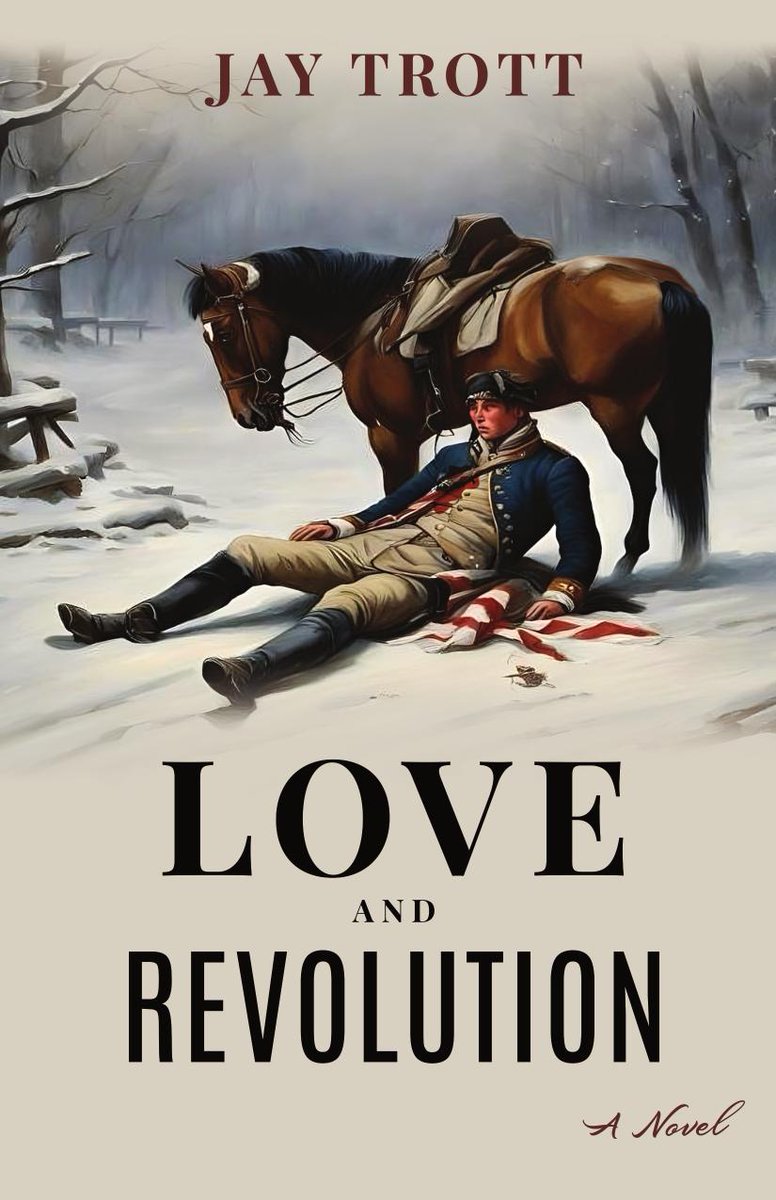
In the shadow of the Revolution, love and loyalty collide. jaytrottbooks.com/love-revol…
4
4
87
3,427
Seems to me the "moral code" of the Odyssey is that the unfortunate wanderer, the wily one, the man of twists and turns, is favored by the goddess with the shining grey eyes, whose goodness is axiomatic. The other moral code is the faithfulness of Penelope.

This is exactly why Nolan’s Odyssey flick will fail. It lacks the moral core of Odysseus as civilising force, on his path to becoming a well-rounded individual, a man of Paideia.
59
When it comes to "Seinfeld," I just...didn't get it. But this is quite the stemwinder.

Seinfeld no era una serie “sobre nada”.
Era una serie sobre el futuro.
Jerry, Elaine, George y Kramer eran el prototipo del adulto moderno antes de que el adulto moderno se volviera mayoría.
Gente sola.
Sin hijos.
Sin matrimonio.
Sin religión.
Sin misión.
Sin raíces.
Sin legado.
Solo departamento, café, citas, consumo, neurosis y conversaciones infinitas sobre estupideces.
Y ahí está lo brillante: no te lo vendían como decadencia.
Te lo vendían como comedia inteligente.
Jerry hoy sería creador de contenido.
Vive de observar la realidad, convertirla en chiste y monetizar su personalidad. No tiene jefe visible, no tiene familia, no tiene hijos, no tiene misión superior. Su vida es comodidad, rutinas, cereal, tenis blancos, citas desechables y reputación.
Elaine es la mujer urbana moderna antes de Instagram.
Independiente, profesional, sexualmente libre, siempre rotando hombres, siempre encontrando defectos, siempre incapaz de cerrar con alguien. No es presentada como tragedia. Es presentada como una mujer divertida, lista y “libre”.
George es el hombre moderno promedio con ego alto y valor bajo.
Resentido, inseguro, cobarde, envidioso, poco masculino, con estándares absurdos y cero capacidad real de convertirse en el hombre que las mujeres que desea elegirían. No es exactamente un incel, porque a veces tiene suerte. Pero su mentalidad sí es la del hombre frustrado que quiere más de lo que merece.
Kramer es el adulto sin estructura.
No trabaja de forma clara, no produce de forma estable, vive entrando y saliendo de la vida de los demás, sobrevive con favores, trucos, ocurrencias y algún ingreso fantasma. Hoy podría vivir de ayudas, reventas, economía informal o cualquier sistema donde no tenga que construir nada serio.
Y lo más brutal:
Ninguno construye nada.
No hay familia.
No hay sacrificio.
No hay hijos.
No hay patrimonio emocional.
No hay comunidad real.
No hay proyecto trascendente.
Solo el yo.
Mi cita.
Mi incomodidad.
Mi departamento.
Mi café.
Mi marca favorita.
Mi problema ridículo.
Mi neurosis.
Eso no era “una serie sobre nada”.
Era una serie sobre el individuo convertido en centro absoluto de su propio universo vacío.
Y claro, estaba llena de marcas: Junior Mints, Twix, Snapple, PEZ, cereales, restaurantes, cafés, productos. Pero la propaganda real no era “compra esto”.
La propaganda real era más profunda:
consume, ríete, no te comprometas, no aprendas, no madures, no formes familia, no dejes legado.
La famosa regla de la serie era “no abrazos, no aprendizaje”.
Es decir: nadie cambia, nadie crece, nadie madura, nadie se redime.
Perfecto.
Porque ese es exactamente el adulto moderno.
Un niño de 40 años con renta, citas, opiniones, ansiedad, consumo y cero dirección.
Y aquí es donde hay que entender el contexto: Seinfeld nace desde una élite cultural urbana, neoyorquina, secular, irónica, neurótica, sofisticada. No necesitas inventarte una conspiración barata para ver el patrón.
No fue una reunión secreta para destruir la familia.
Fue algo más efectivo:
una élite cultural exportando su estilo de vida como entretenimiento masivo.
Y como nos hizo reír, bajamos la guardia.
Hollywood entendió algo antes que muchos:
si presentas la descomposición como tragedia, la gente la rechaza.
Pero si la presentas como humor inteligente, la gente la adopta.
Por eso Seinfeld sigue pareciendo actual.
Porque no predijo el futuro.
Lo ensayó.
Nos mostró al adulto urbano sin propósito antes de que ese adulto llenara las ciudades, las apps de citas, los departamentos pequeños, los antidepresivos, los podcasts, los cafés caros y las redes sociales.
Seinfeld fue el tráiler de una civilización cómoda, sola y estéril.
Y lo más cagado es que todos se reían porque pensaban que estaban viendo una comedia.
En realidad estaban viendo el manual de usuario del vacío moderno.

34
When I look at nature, I see God; not in every particular, to be sure, but in the whole.
2
17
Jay Trott retweeted

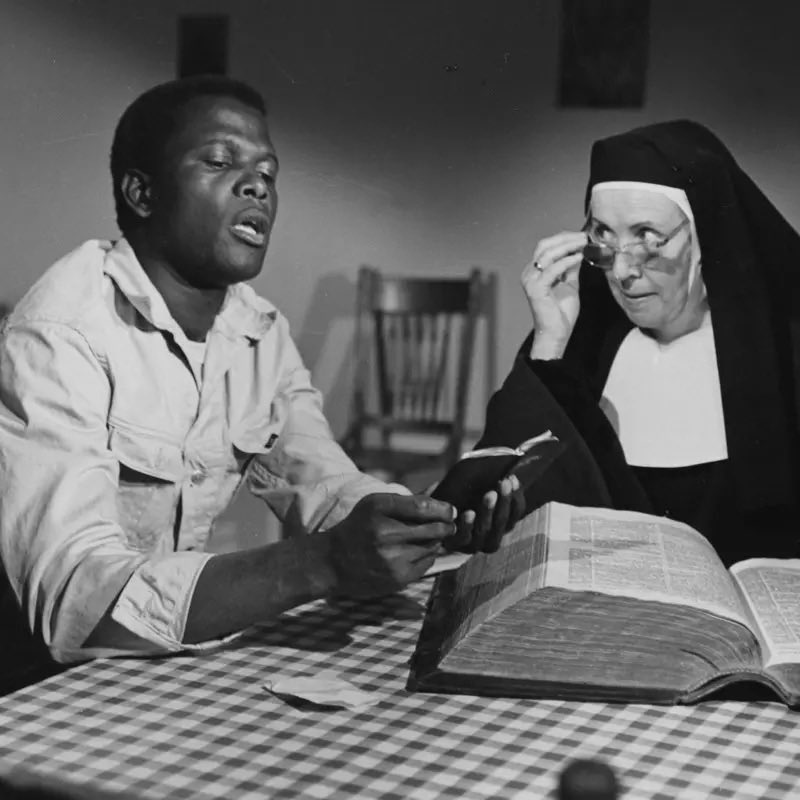
Remembering the great Ella Fitzgerald, who passed away 30 years ago today.
20
345
1,266
29,008

Jay Trott retweeted

Did we make puppets and perform Shakespeare’s twelfth night?
Yes. Yes we did.

2
1
13
584
Jay Trott retweeted

16h
It's only a little snip of a scene, but sometimes that's all you need to hear the quiet, isn't it? As the early sun reached over the wooded hillsides and trickled down into the fields, there was no sound except the skylarks above and the slow, gentle grazing of this young lady, who seemed quite oblivious to the beauty surrounding her.
📍 Peak District, England

32
217
1,441
9,344
Jay Trott retweeted

Ecclesiastes may still stand as my favorite book of the Bible. I loved it so much as a child. It dwells on all the things that troubled my own mind. If there is no resurrection, then everything is futile and meaningless.
10
1
53
737
Jay Trott retweeted
One of jazz’s finest masterpieces
48
562
2,871
63,821
Jay Trott retweeted

They’re told really ridiculous things about the United States.
12
15
569
8,424
Jay Trott retweeted

Jun 14
Anybody who has written a novel in the past twenty years and tried to interest an agent or publisher in it is aware of how insular and narrow the pool of editors is.
1
1
9
382
Jun 14
Three shows that are critically acclaimed but which I found impossible to watch because they were so bleak and depressing: Breaking Bad, The Sopranos, Mad Men.
Jun 14

I stopped at episode 2 because it was relentlessly depressing but I went back and watched the whole series and it was worth it. But I completely understand. They're all despicable
2
40
Jay Trott retweeted

Jun 14
I stopped at episode 2 because it was relentlessly depressing but I went back and watched the whole series and it was worth it. But I completely understand. They're all despicable
4
1
16
399
Jun 14
We have people arguing on X that Shakespeare wasn't an author.
1
31
Jay Trott retweeted

Jun 13
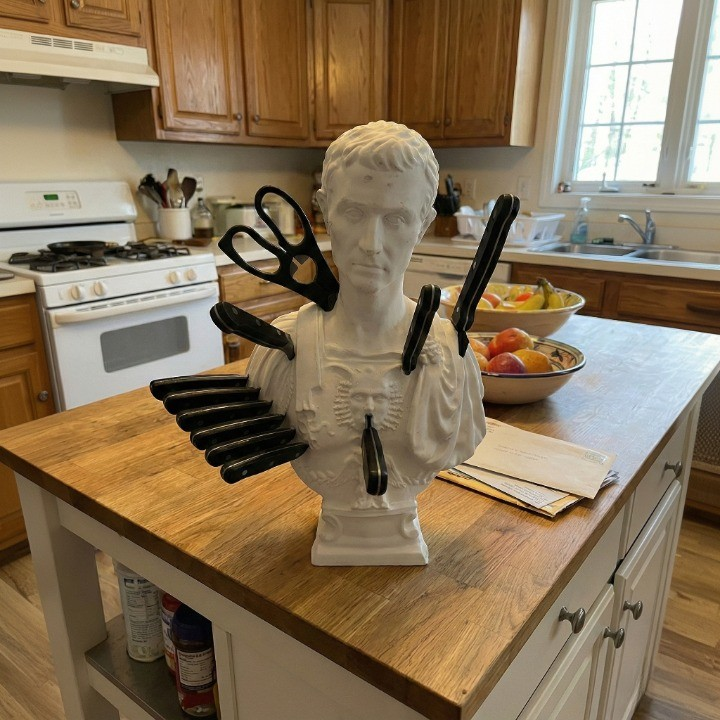
Julius Caesar knife block.
1,227
10,568
110,139
3,595,074
Jay Trott retweeted

Jun 14
I’ll take up this case. Matthew didn’t copy Mark. All ancient sources agree Matthew came before Mark basically without exception, and when the texts are read parallel it actually makes more sense to say Mark is copying Matthew and Luke.
In the text, it is a very common trend that Matthew will include a detail, Luke another, and then Mark will include both details - even when they’re redundant. Compare:
Mark 1:32 - “That evening, after sunset, people brought to Him all who were sick and demon-possessed.”
Matthew 8:16 - “When evening came, many who were demon-possessed were brought to Jesus...”
Luke 4:40 - “At sunset, all who were ill with various diseases were brought to Jesus…”
For Mark to be written first, then the argument would have to be made that Matthew and Luke both read Mark and coincidentally (or intentionally) chose exact opposite details from one another to retain. One would also have to argue that redundancies like, “That evening, after sunset…” were the product of the first author writing on his own, whereas Matthean priority can explain them as a part of Mark’s synthesizing process.
Modern scholars often assume Markan priority (though the consensus is cracking) for two reasons. First, it’s shorter, and their assumption is that shorter means earlier because that is how Germanic fairytales developed. But that neglects the possibility of a work being intentionally shorter unto literary ends. Mark is a fast-paced book. Just go through and see how many times the word “Immediately” appears. So being shorter fits its faster pace.
The other reason they state it is earlier is because it emphasizes Jesus’s humanly characteristics (“lower” Christology). They assume divinity was a later development, and that thus the more humanly the depiction the earlier the text. But this actually inverts what we know about historical debates within the First Century. The early First Century Church primarily had to deal with Rabbinic Judaism, which rejected Christ as God. Meanwhile, in the later First Century we know the rise of Docetism (the belief that Jesus only appeared to be human) challenged His humanity. It makes more sense that earlier texts would emphasize His divinity polemically against the Jews and later texts His humanity against the Docetists.
2
4
4
334





Jay Trott retweeted

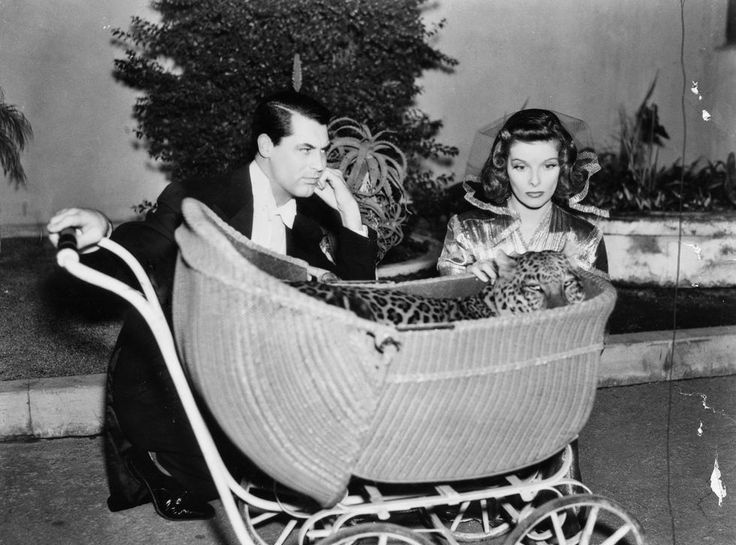
katharine hepburn and cary grant on the set of Bringing Up Baby (1938)
12
98
1,655