
Ph.D. at ISG, University of Siegen - researching on RecSys and AutoML
Joined October 2016
- Tweets 41
- Following 71
- Followers 64
- Likes 203
11 Photos and videos
Tobias Vente retweeted

21 Jan 2025
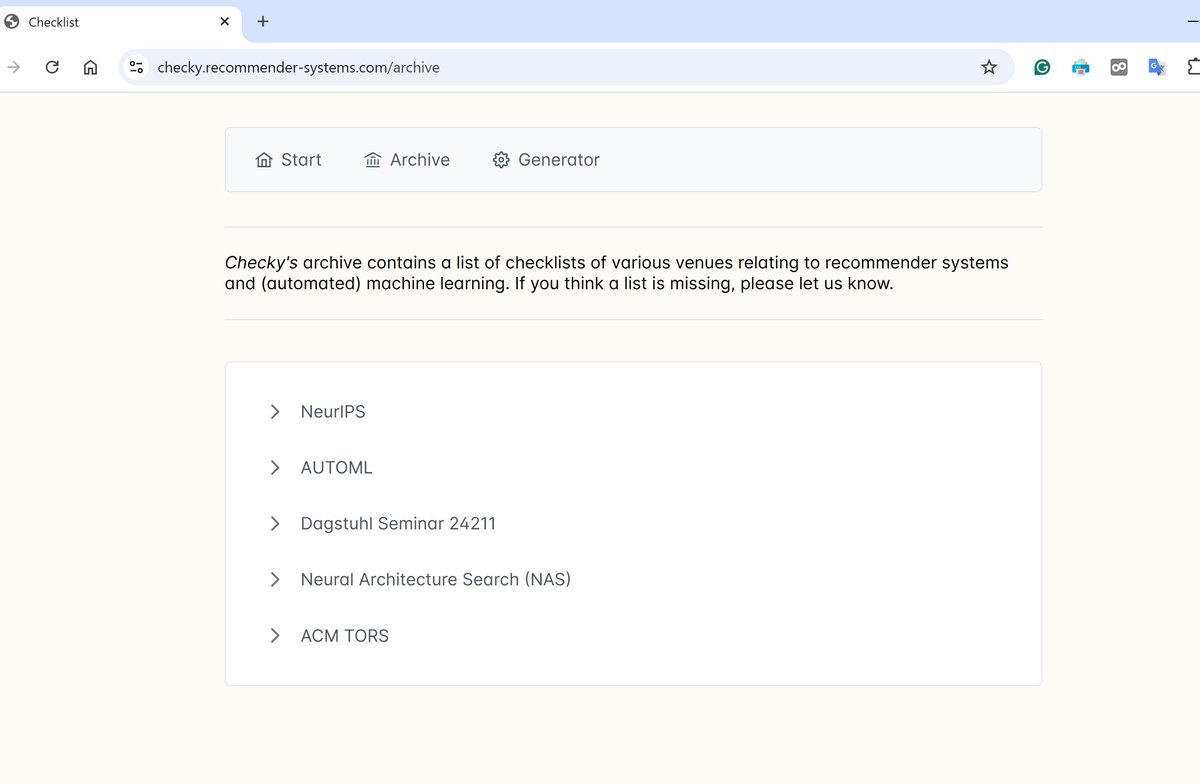
Excited to announce Checky, the Submission Checklist Generator for Authors, Reviewers, and LLMs in #RecSys, #IR, #ML, #AutoML, and #NLP! Following our work @dagstuhl, it will be published at #ECIR2025.
🚀 Demo: checky.recommender-systems.c…
📄 Pre-print: isg.beel.org/blog/2025/01/06…
2
8
454
Tobias Vente retweeted

16 Oct 2024
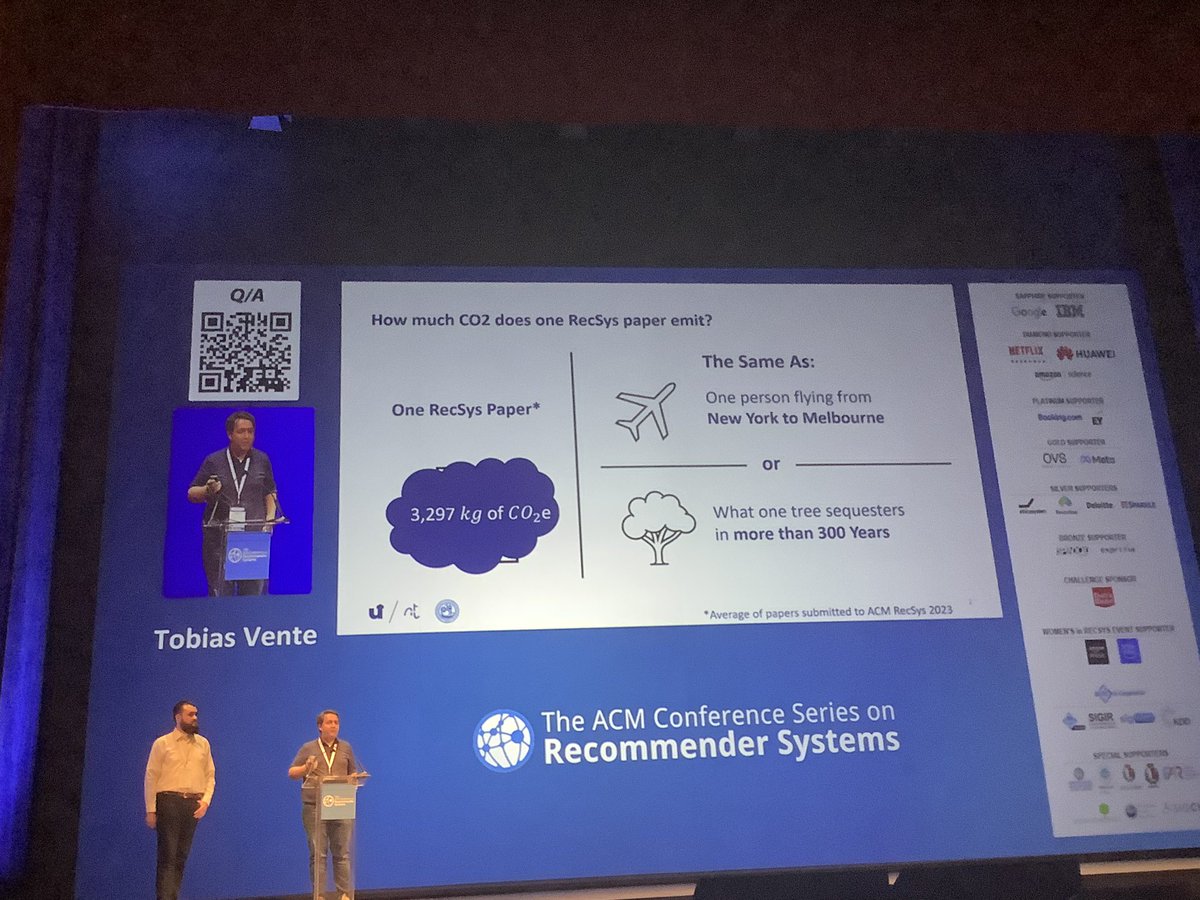
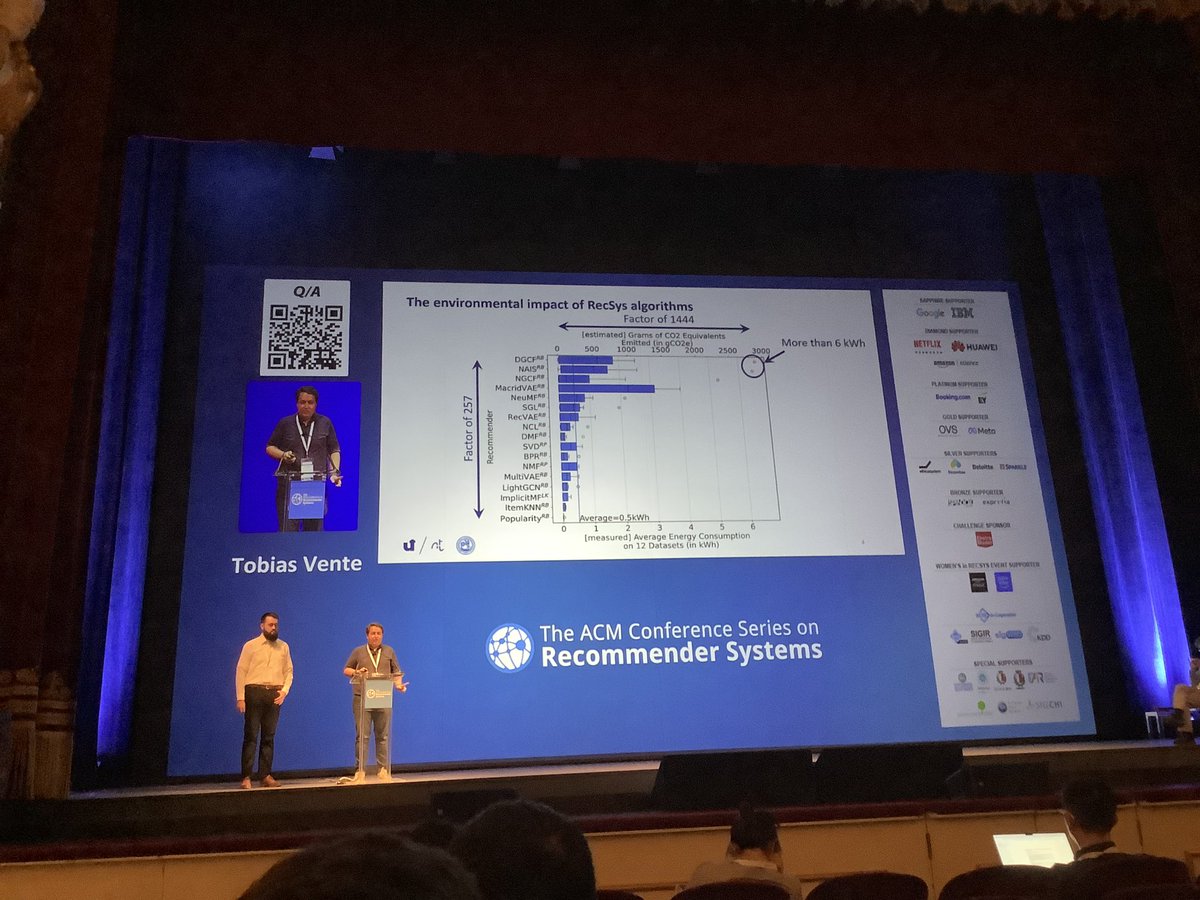
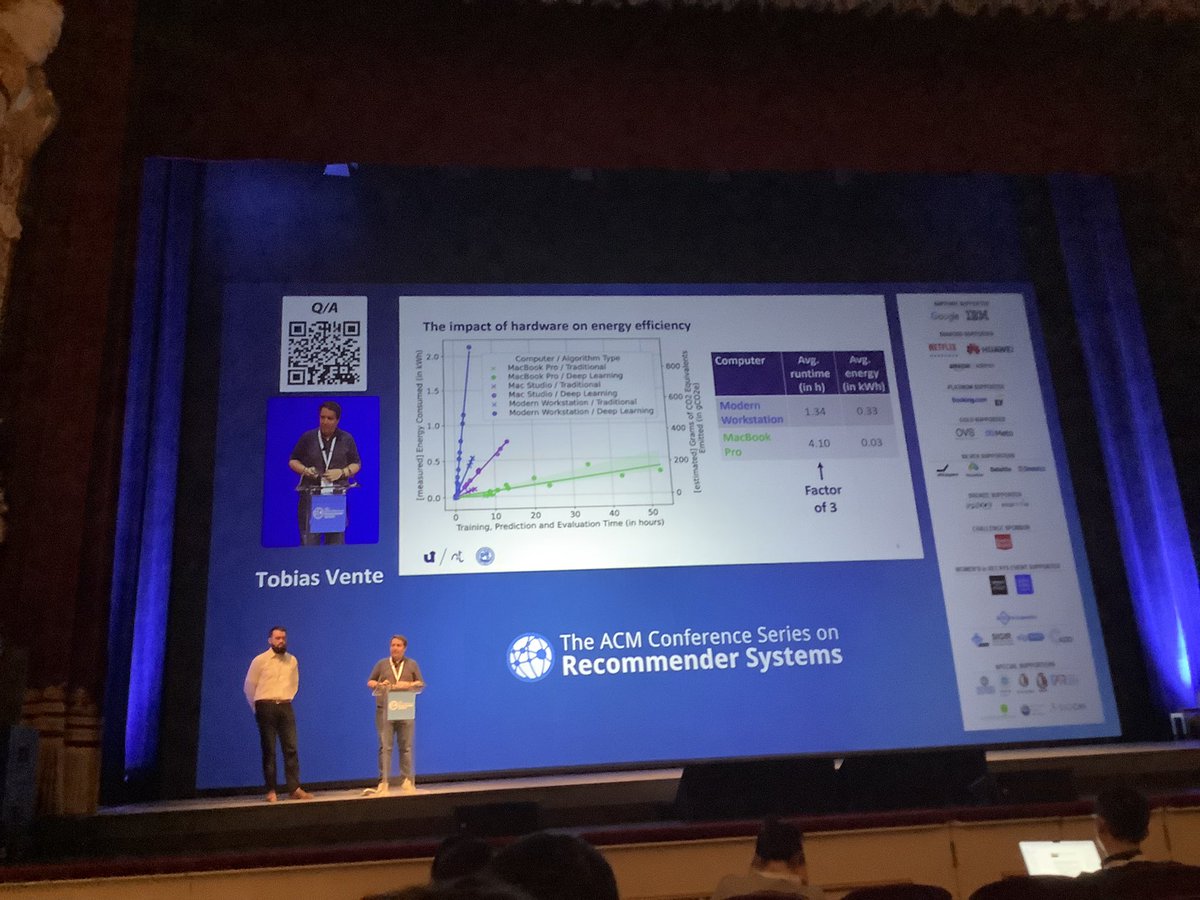
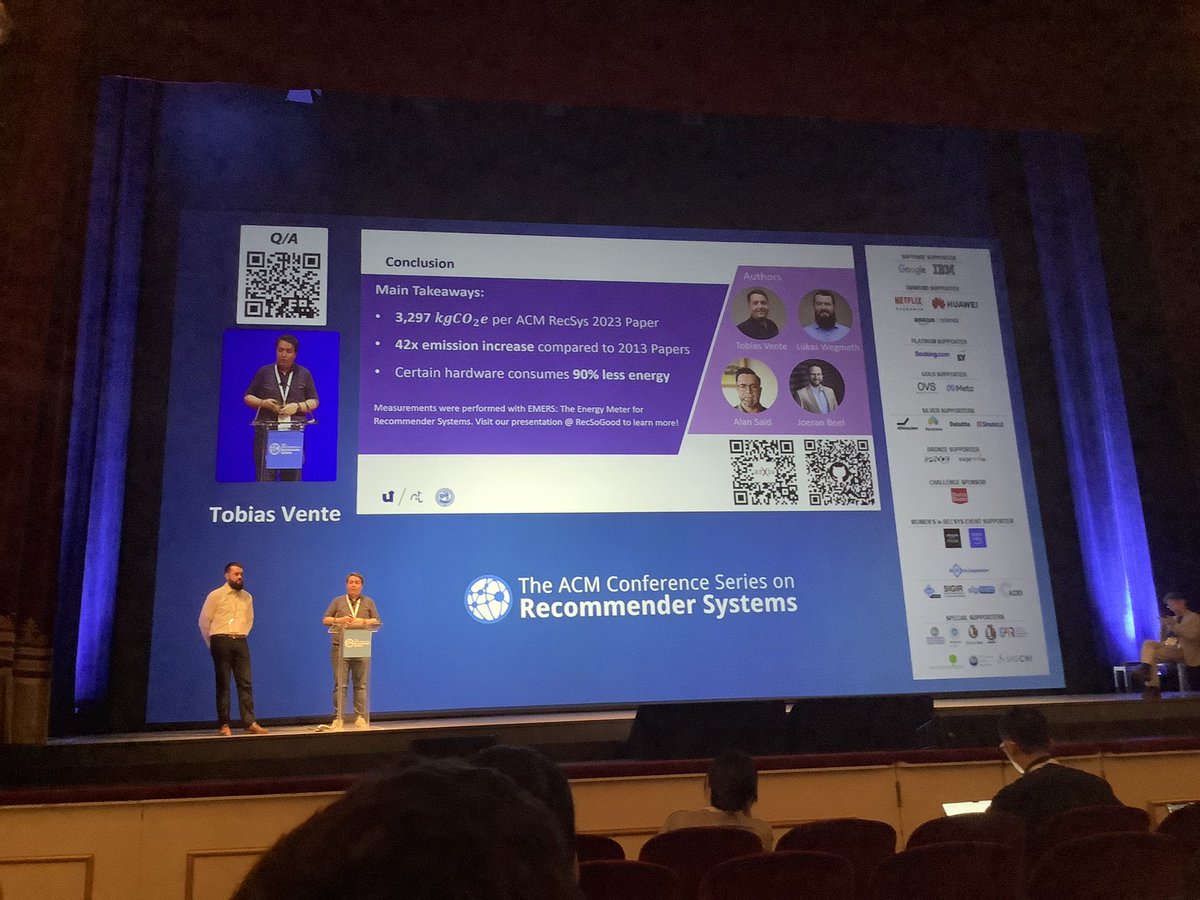
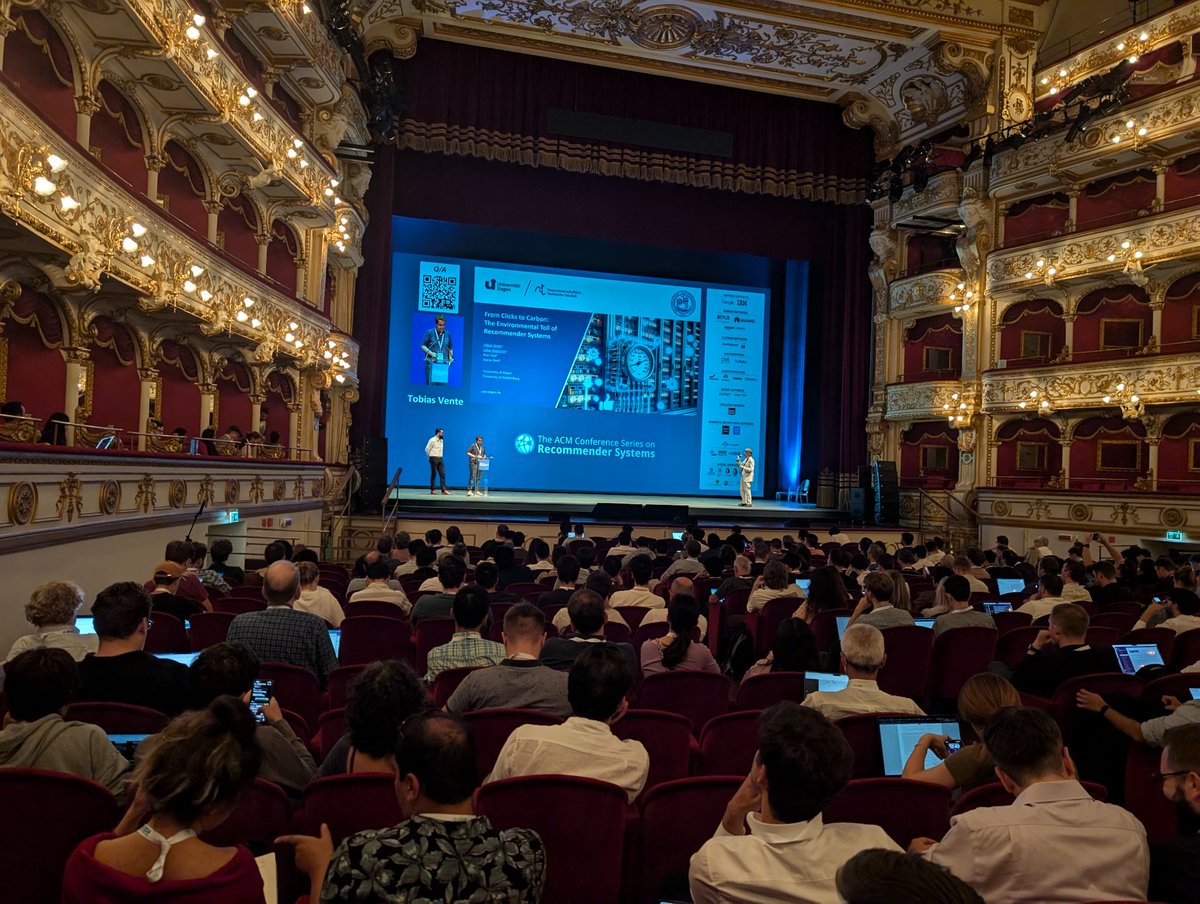
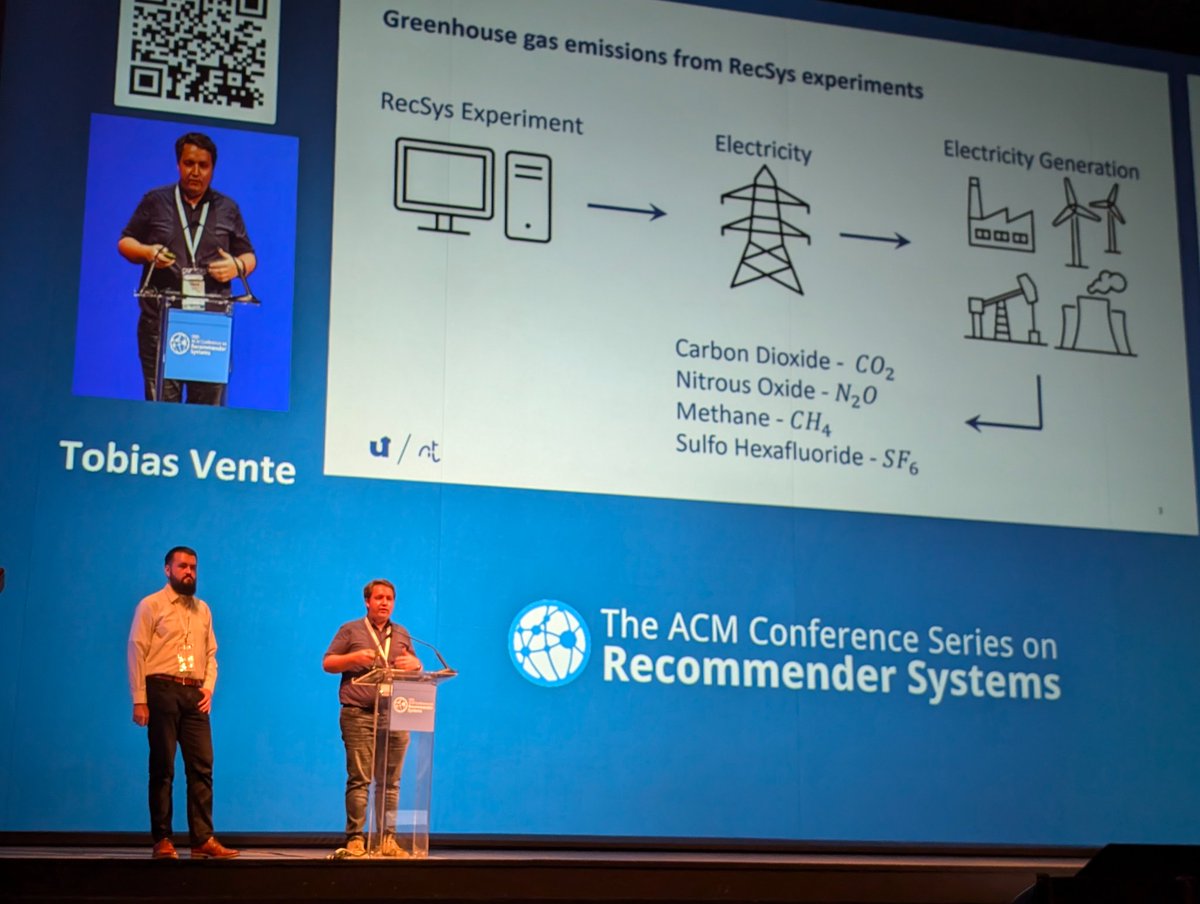
Have you wondered how much CO2 your favourite recommender system emits? A interesting study entitled “Clicks to Carbon: The Environmental Toll of Recommender Systems” by Tobias Vente et al. aimed to address the issue. #recsys2024
3
24
1,019
Tobias Vente retweeted
16 Oct 2024
@tvnte and @LWegmeth, both PhD students @UniSiegen, present their work on #GreenRecSys at #recsys2024. I couldn't be prouder; they did an amazing job during a few weeks in Sweden with @alansaid.
3
14
432

16 Oct 2024
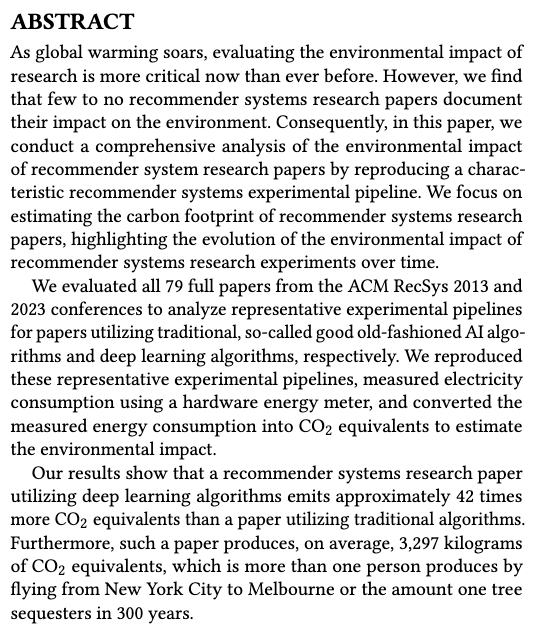
Did you know that a 2023 RecSys algorithm emits 42x more CO2e than a 2013 RecSys algorithm? 📈🚨
If not, don't miss our presentation: "From Clicks to Carbon: The Environmental Toll of Recommender Systems" w/ @LWegmeth , @alansaid & @JoeranBeel in Session 11 at #RecSys2024! 🌍🌱
3
14
409
14 Oct 2024
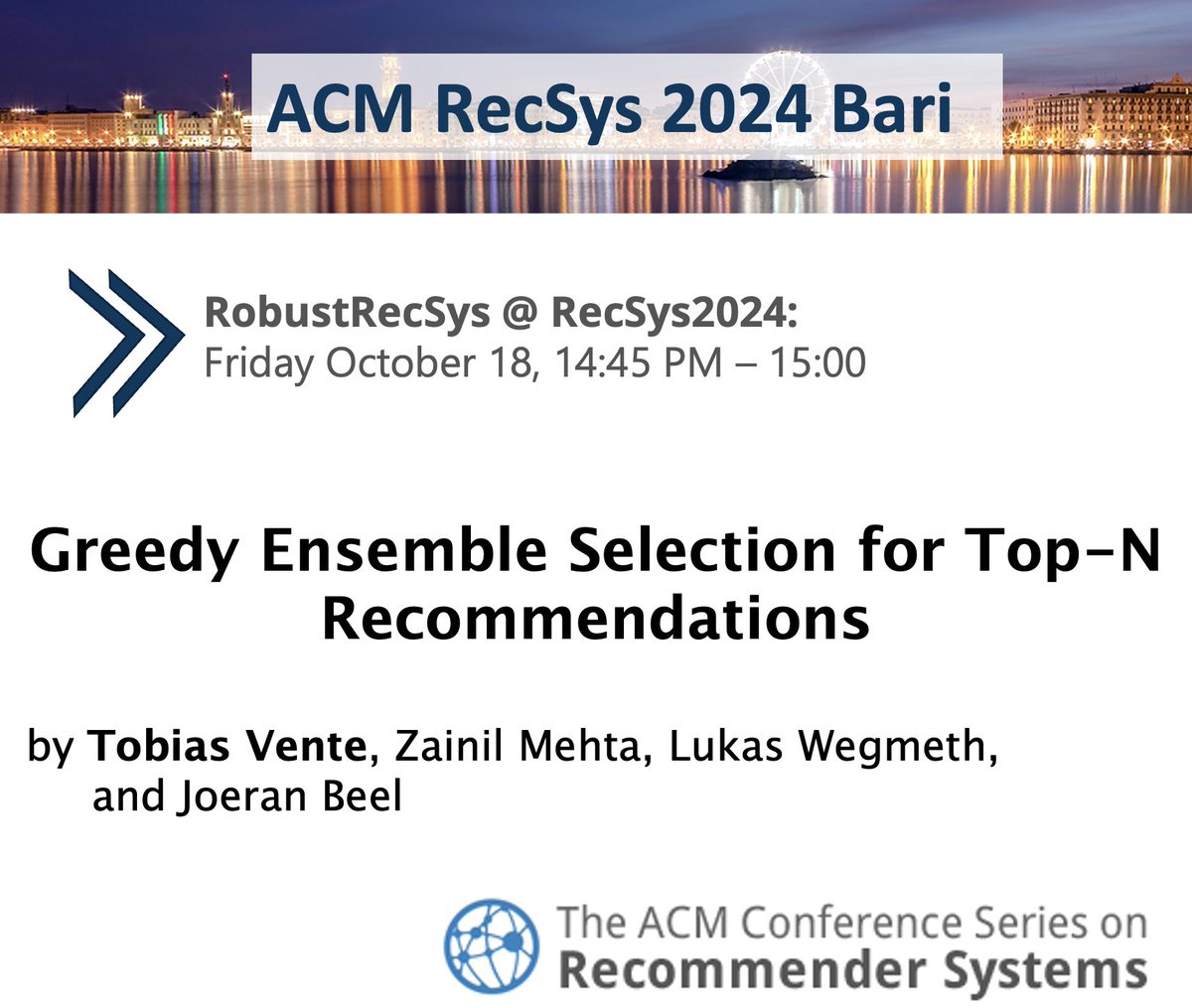
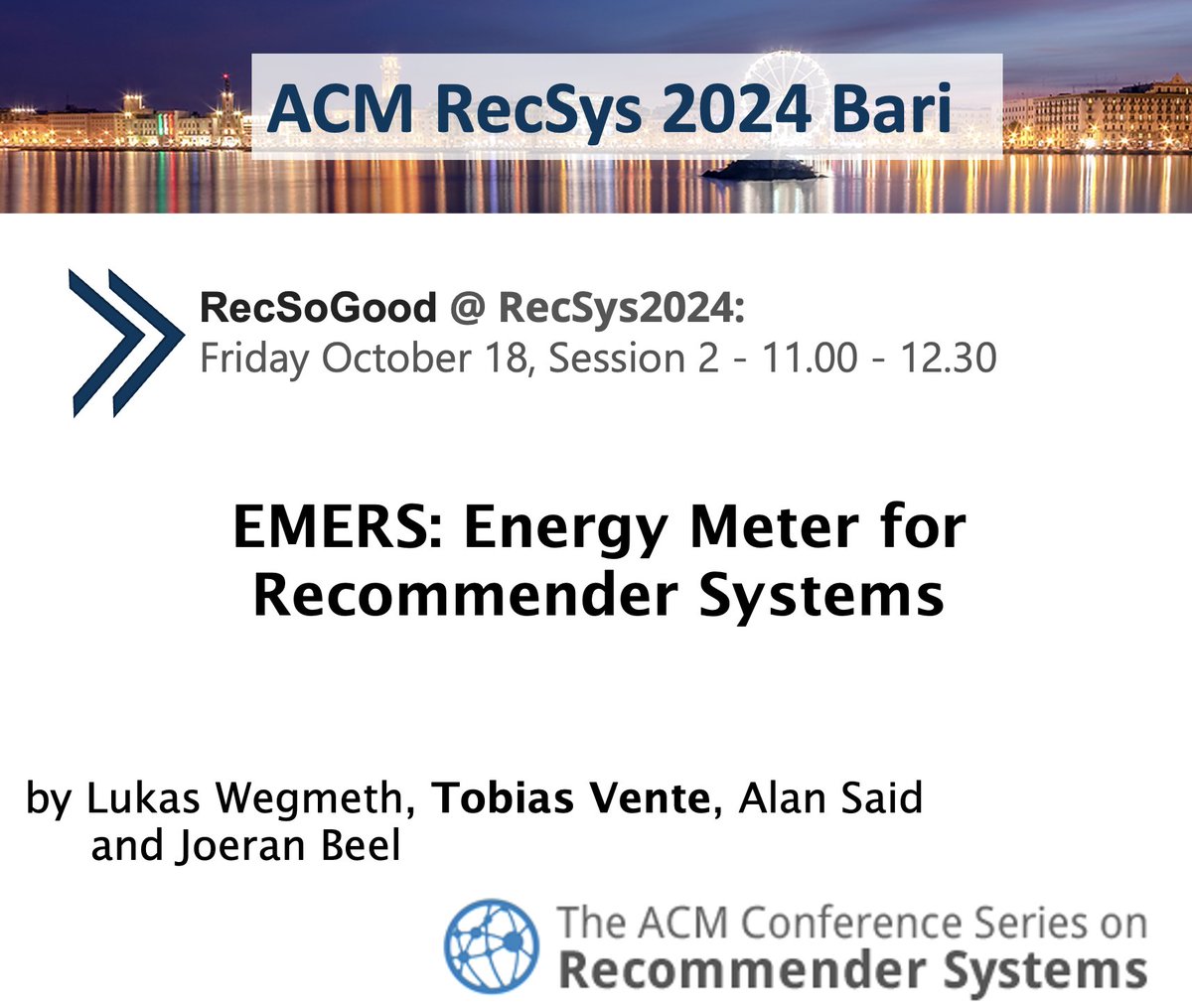
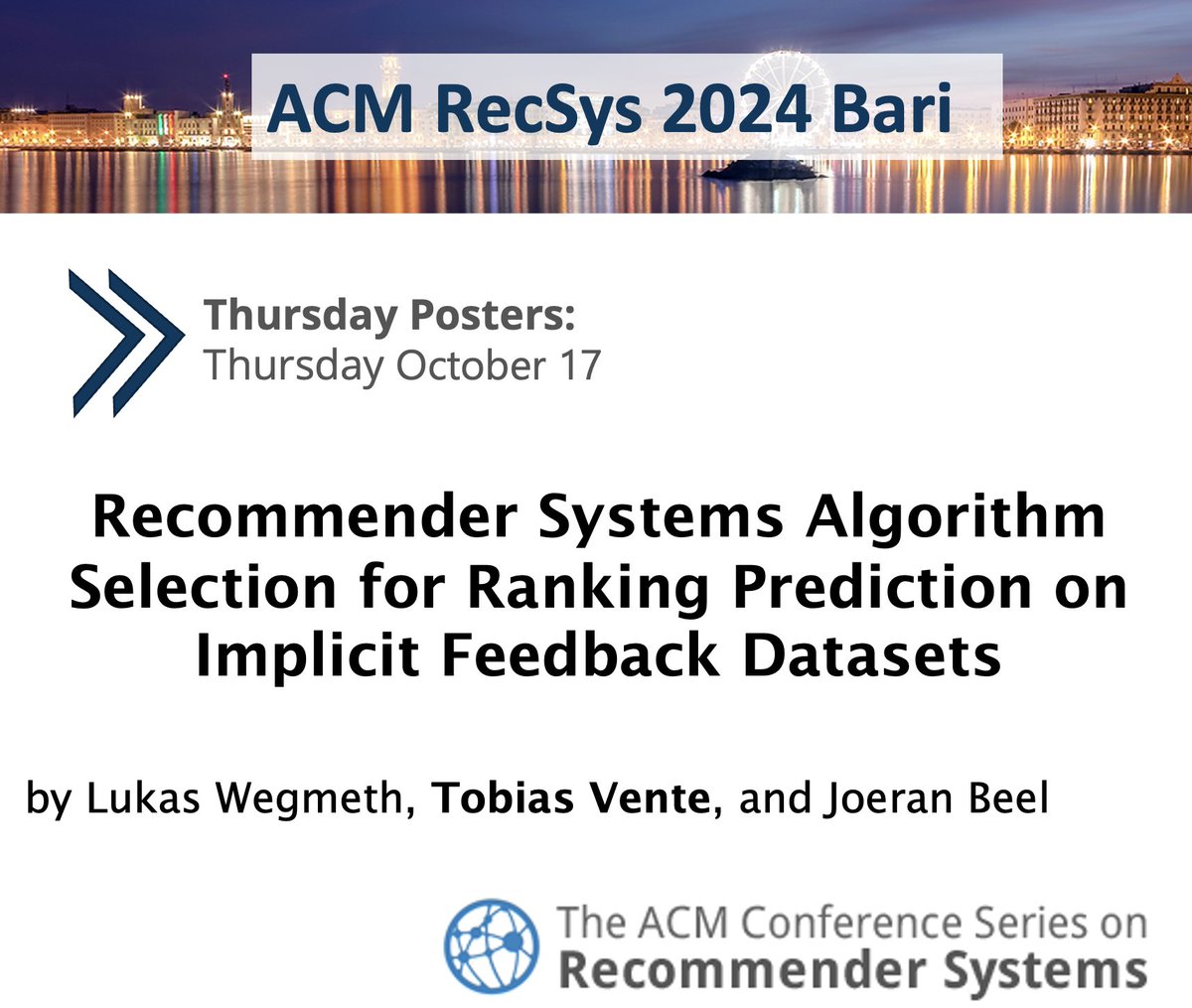
Excited to kick off #acm #RecSys2024 🚀! Looking forward to a week full of inspiring talks and engaging conversations!
This year, I contributed to 7 submissions, sharing the work with the community will be busy but fulfilling.
See you at #RecSys2024!
1
8
365
14 Oct 2024
Big shoutout to my amazing co-authors for their hard work and collaboration!
I couldn't have done it without you. 🙌
@LWegmeth @alansaid @JoeranBeel, Zainil Mehta, Moritz Baumgart, Philipp Miester and Ardalan Arabzadeh
4
58
Tobias Vente retweeted
9 Oct 2024
We (@tvnte @LWegmeth) are thrilled that 8 of our 11 submissions to #recsys2024 and workshops (#RobustRecSys #RecSoGood) were accepted for publication. Thx @alansaid, @lienmichiels and students for the joint work.
isg.beel.org/blog/2024/10/09… #recsys #greenrecsys #ensembles #datasets

4
11
517
Tobias Vente retweeted

8 Oct 2024
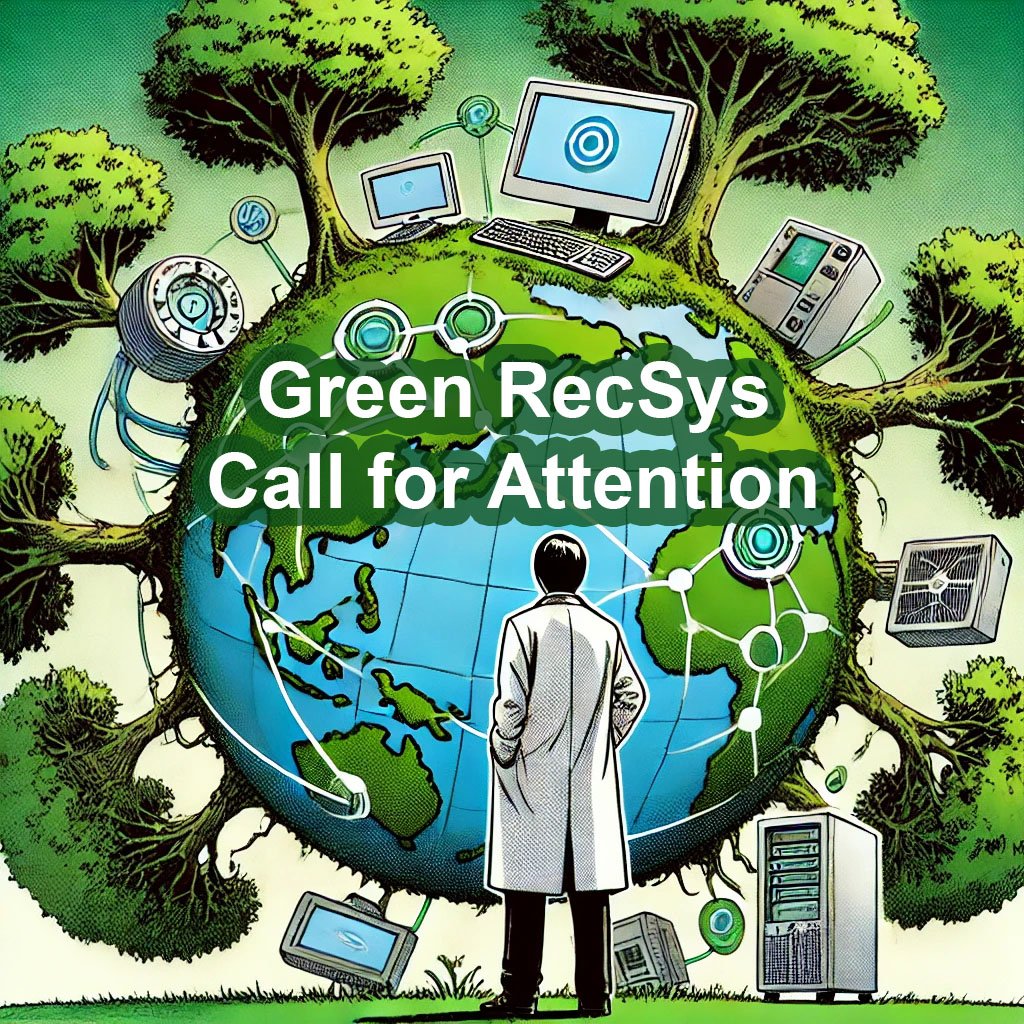
Wake up, #RecSys community! It's time to consider sustainability! We (@JoeranBeel @alansaid @tvnte @LWegmeth) call for a shift to #GreenRecSys, balancing performance with reduced environmental impact. Details: recommender-systems.com/news… #GreenML #GreenAutoML #GreenRecommenderSystems
3
8
647
Tobias Vente retweeted
22 Aug 2024
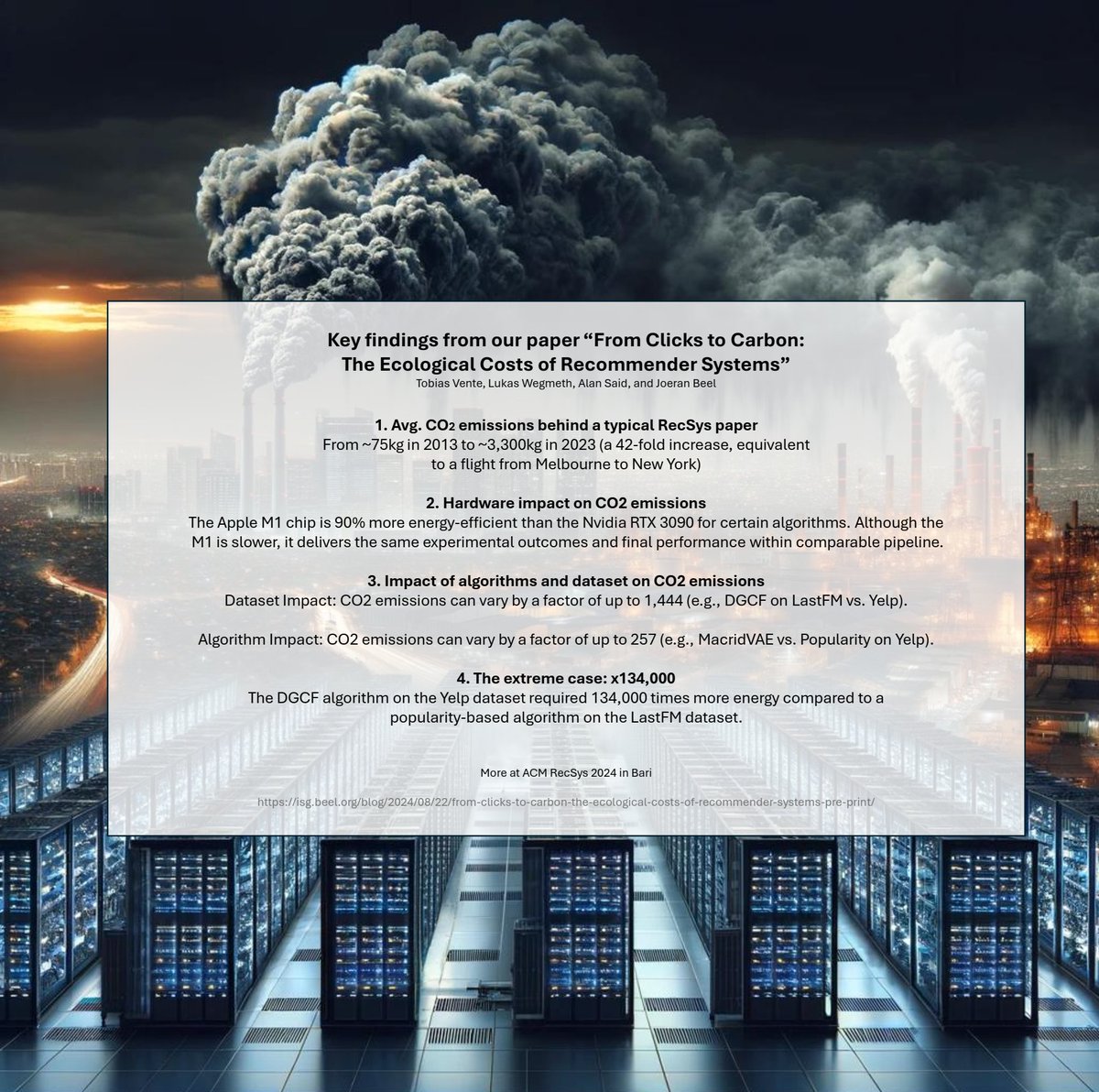
In extreme cases, energy consumption between #recsys experiments varied by 134,000! Also, an @Apple #M1 was, for some algorithms, 90% more efficient than #NVIDIA. Read more in our pre-print or at #RecSys2024 in October.
isg.beel.org/blog/2024/08/22… #Apple #CO2 #GreenRecSys #GreenML
2
3
410
Tobias Vente retweeted
30 Jul 2024
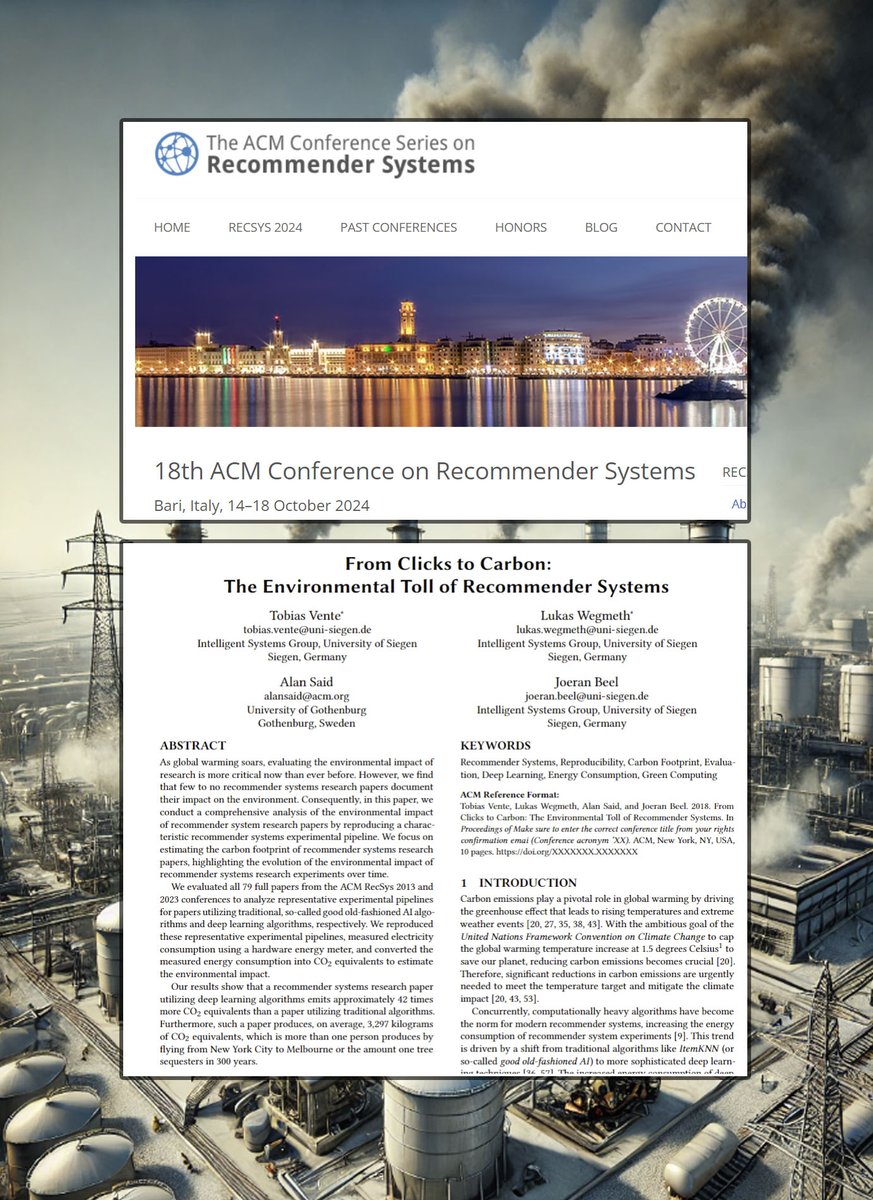
🌱Did you know a typical 2023 deep-learning #recsys paper generated as much CO2 as a flight from Melbourne to NY (~3,300 kg)? That's 42x more than a typical paper in 2013! More details at #recsys2024: "From Clicks to Carbon." #GreenRecSys #GreenML #GreenAutoML #DeepLearning
2
13
529
26 Jul 2024
From digital clicks to environmental impact 🌎🌱
Our work (w/ @LWegmeth, @alansaid, and @JoeranBeel), "From Clicks to Carbon: The Environmental Toll of Recommender Systems" got accepted at the #recsys2024 reproducibility track 🎉
🛫 see you at the @ACMRecSys 2024 in Bari!!
2
2
12
437
26 Jul 2024
📖Our study assesses the environmental impact of Recommender Systems, exploring changes over the past ten years.
2
68
Tobias Vente retweeted
26 Feb 2024
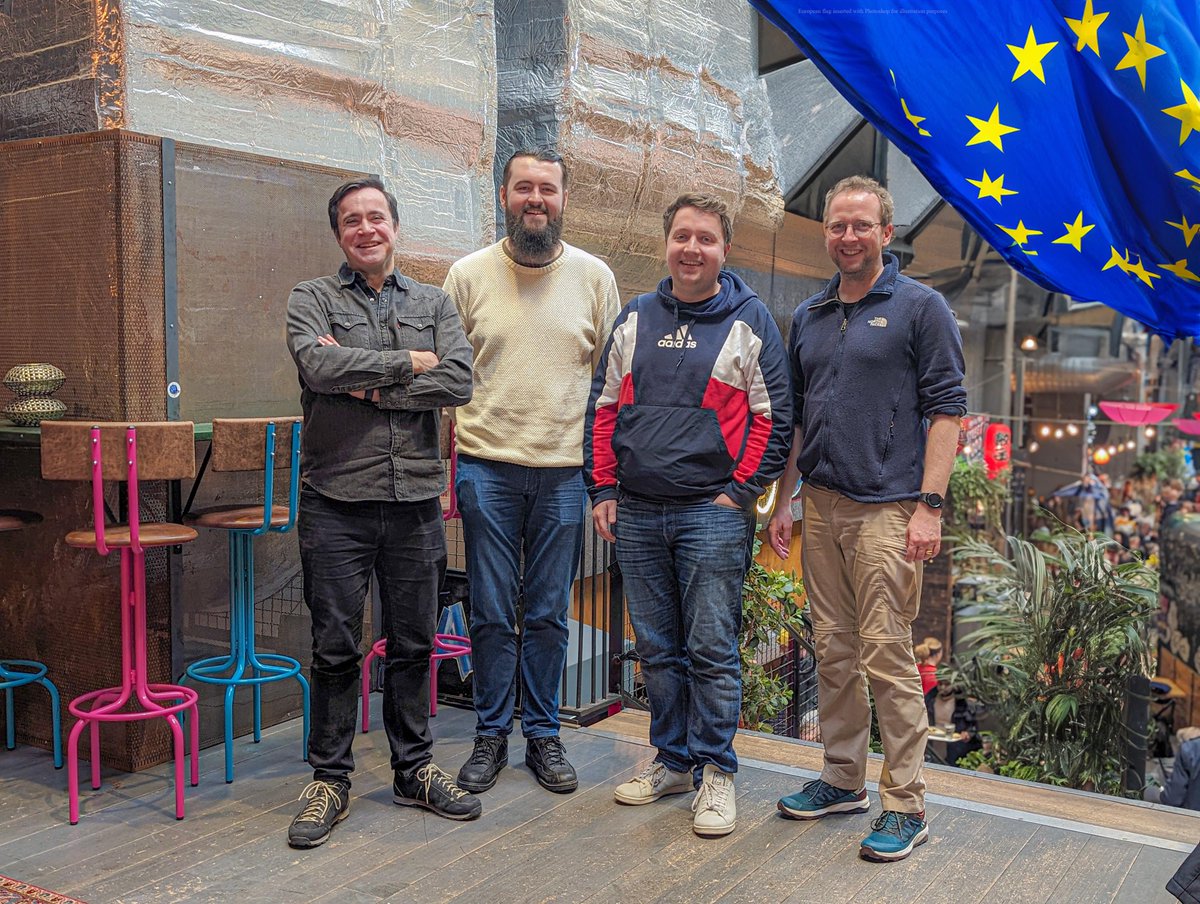
It's nice to be back in Gothenburg, visiting @alansaid and celebrating the new @EUErasmusPlus partnership between our departments @UniSiegen and @uniofgothenburg. I'll stay for 1 week; my PhD students @tvnte and @LWegmeth are lucky and will stay one month isg.beel.org/blog/2024/02/26…
3
13
534
13 Dec 2023
BREAKING NEWS! 🚨
@LWegmeth and Tobias Vente arrived in #Antwerp for the #DBWRS2023!
They expect two exciting days full of #RecSys talks, posters and discussions.
1
3
13
741