Joined November 2009
- Tweets 57,743
- Following 592
- Followers 12,430
- Likes 24,849
1,635 Photos and videos


Pinned Tweet

27 Nov 2024
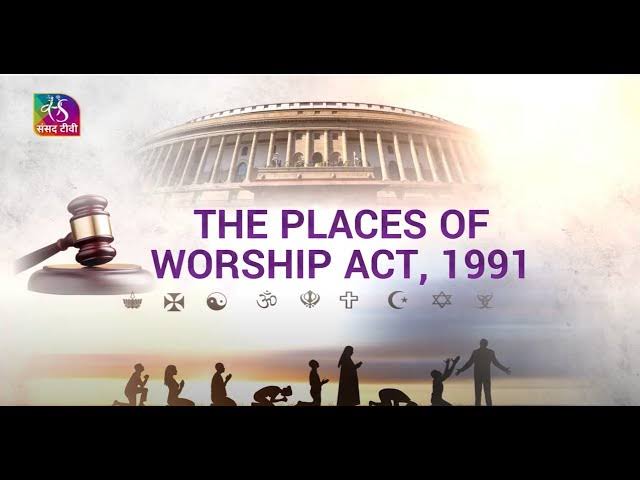
On Places of Worship Act 🧵:
Even though the Sambhal Structure does qualify as an exception under Section 4(3) of the Act, the PoW Act itself suffers from serious constitutional infirmities that render it ultra vires the constitution :
1. To begin with, the law treats religious property disputes differently from other civil matters, creating an unreasonable classification that denies affected parties equal access to justice.
This denial of equal access to justice violates not just Article 14 but also violates Article 21; access to justice has been held to be a fundamental right under Article 21 on numerous occasions by the Supreme Court.
The Act's blanket prohibition on converting places of worship infringes upon religious freedom guaranteed under Article 25. While the state can impose reasonable restrictions on religious practices, the Act's absolute bar on addressing historical grievances through the judicial process is disproportionate.
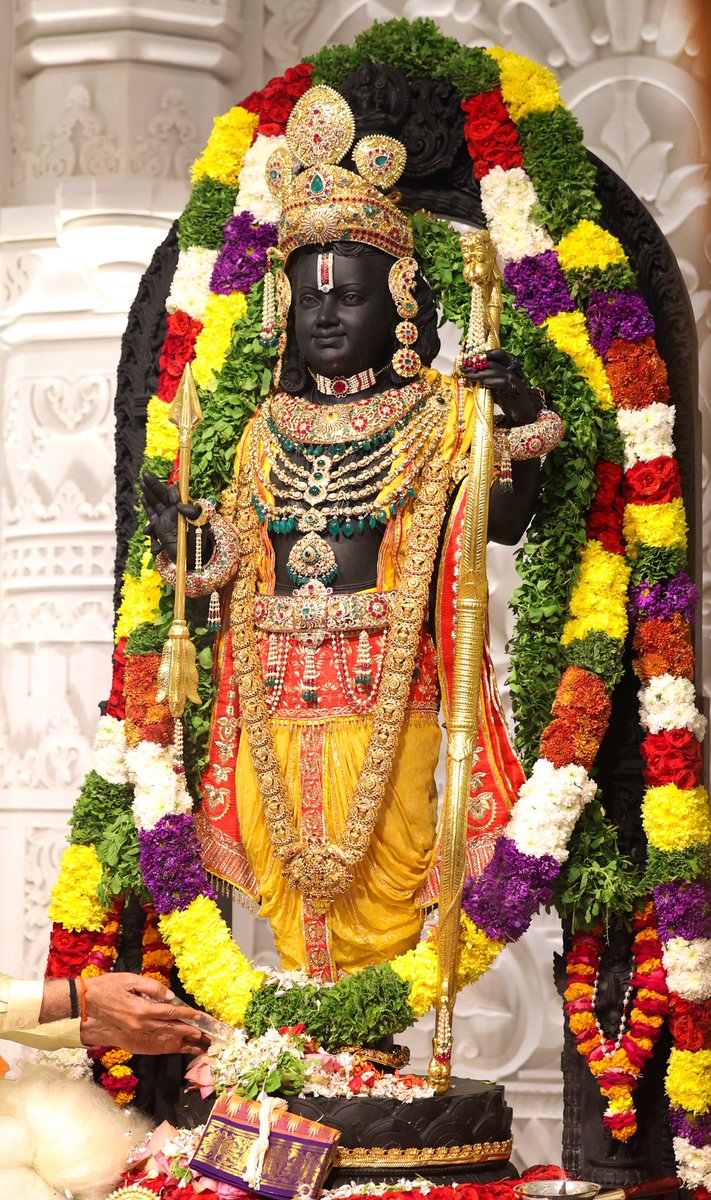
2. The Act arbitrarily excludes the birthplace of Prabhu Shri Ram from its purview while including the birthplace of Shri Krishna, despite both being revered as incarnations of Bhagwan Vishnu and worshipped equally among Hindus. This selective treatment lacks any rational basis, rendering the 1991 Act arbitrary and irrational. Two religious sites, both equally revered in Hinduism, are treated differently under the Act without a clear or rational explanation.
How can a law draw an arbitrary distinction between the birthplaces of Shri Ram and Shri Krishna ?
3. The Act's arbitrary selection of August 15, 1947, as a cut-off date creates an arbitrary classification in religious property disputes without a rational nexus to its stated objective of maintaining communal harmony.
This classification effectively denies legal remedies to parties with legitimate grievances, violating the principle of equality before the law under Article 14.
4. An argument that the defenders of the Act often come up with is that the Supreme Court praised the law in Ayodhya Judgment. The Supreme Court never examined its constitutionality since it was not under challenge. So any observation made when the constitutionality was not under challenge (obiter dicta) will have no bearing while deciding the constitutionality of an act.
Though the Act is presently under challenge before the Supreme Court, a constitution bench is yet to be constituted to hear the matter. We do not even need to wait for the SC to determine its constitutionality; the Parliament must repeal the Places of Worship (Special Provisions) Act, 1991. The repeal of the act is inevitable; it must be done sooner than later.
A law that violates my fundamental rights under Articles 14, 15, 21, 25 and 26 of the constitution must not exist.
The constitutional goal of social harmony would be better served through regulated judicial processes rather than an outright ban on dispute resolution. You cannot arbitrarily deny access to justice without providing any alternative legal recourse.
16
75
103
49,652
Utkarsh K. Shahi 🇮🇳 retweeted
13 Dec 2025
And the DMK spox repeats a long-debunked falsehood:
1. Justice Muralidhar's transfer was approved by the Collegium two weeks before the said hearing, and his transfer notification was just a formality; the Govt can't transfer a judge without a Collegium recommendation.
2. He never directed the Police to register an FIR! He made prima facie observations, asked police to apply their mind and granted them time to take a decision in accordance with the law. No direction to register an FIR was issued!
13 Dec 2025

Did this Judge Gentleman speak anything when Justice Muralidhar was unceremoniously transferred out of Delhi High Court for directing the Delhi Police to register an FIR against the Hate Speech of BJP leaders @ianuragthakur and Kapil Mishra, voice out his concerns?
Was he twiddling his thumbs, when Justice Muralidhar was not allowed by the BJP to assume charge as CJ of Madras High Court?
1
31
31
7,961
Utkarsh K. Shahi 🇮🇳 retweeted
13 Dec 2025
Manufactured anti Muslim fear? Are the likes of JeM, LeT, HuM & IM “manufactured” terrorist organizations? Have they not killed thousands of our civilians & soldiers?
Are they not Islamist in character and ideology? And Dhurandhar is about terrorism emanating from Pakistan!
Why does an Indian Muslim have to feel restless over truth being shown about Pakistani terrorism?
12 Dec 2025

On India Today I said it plainly:
Dhurandhar is gore, misogyny, and manufactured anti-Muslim fear.
Also Bollywood needs to stop exoticising Muslims.
Leave them alone, they’re just trying to get through another day.
2
17
21
5,497
Utkarsh K. Shahi 🇮🇳 retweeted

13 Dec 2025
Indian Army Chief General Upendra Dwivedi with young officers of the Indian Army after the passing out parade at the IMA Dehradun. 🔥
260
3,059
24,432
604,375

Utkarsh K. Shahi 🇮🇳 retweeted

12 Dec 2025
Someone teach him that aggression isn’t the best technique for begging.
I’m sure he was insulted nicely behind closed doors by both Putin and Erdogan.
14
104
700
13,861
Utkarsh K. Shahi 🇮🇳 retweeted

12 Dec 2025
The Cabinet has approved the CoalSETU policy, creating a new window to enable seamless, efficient and transparent utilisation of coal. It will support Ease of Doing Business, boost domestic availability and reduce dependence on imported coal. It is yet another important step towards strengthening India’s energy security and accelerating growth.
pib.gov.in/PressReleasePage.…
828
4,210
28,620
3,159,007
Utkarsh K. Shahi 🇮🇳 retweeted
11 Dec 2025
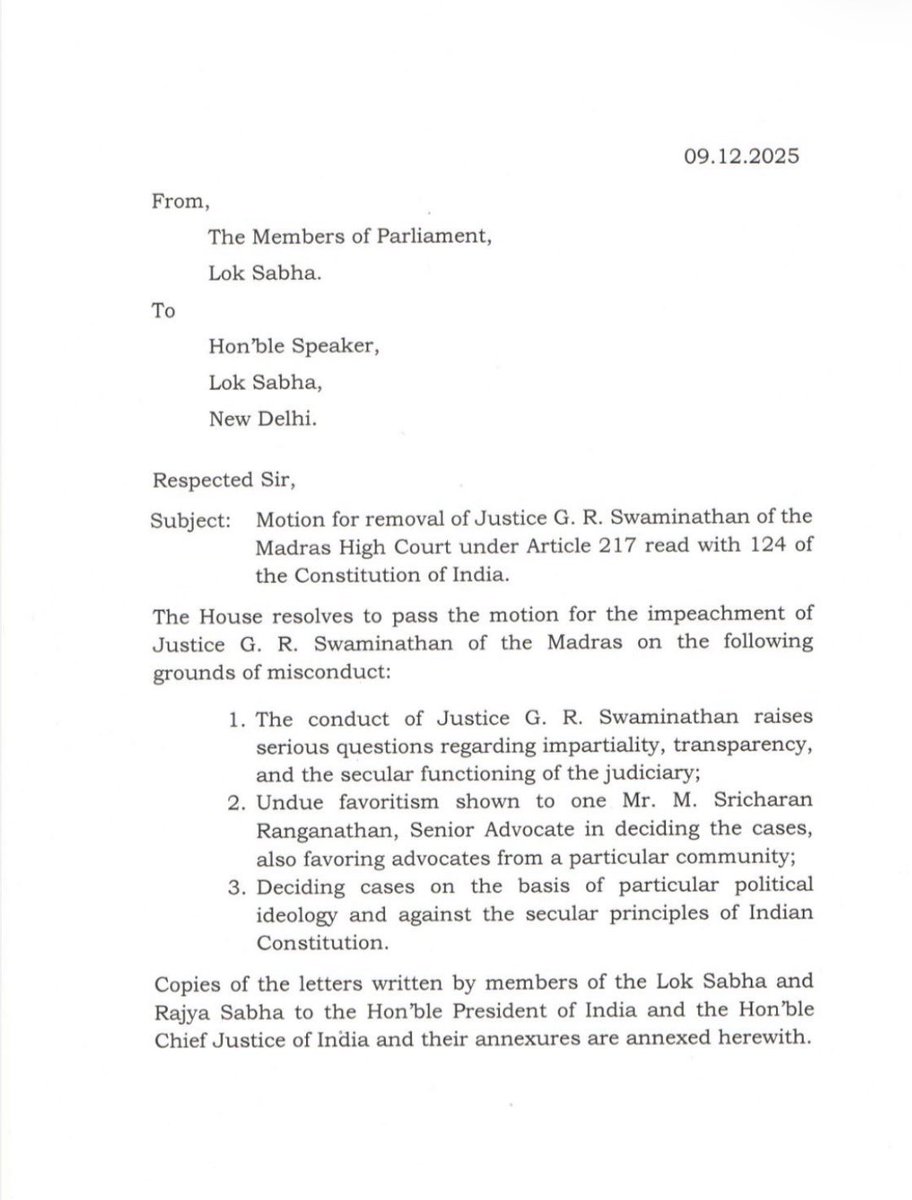
So the opposition has moved this bogus impeachment motion to remove Justice Swaminathan!
What is this?
A brazen attempt to weaponize impeachment and intimidate the judiciary!
The judge’s fault?
He delivered a judgment upholding the right of Hindu believers to light a Deepam and practise a long standing ritual on the temple’s land!
Besides being anti Hindu, this act is anti rule of law, anti Constitution and therefore anti India too. They know the motion has no chance of success, which exposes their real intent to bully the court for protecting Hindu rights and ancient customs.
Using impeachment as a weapon to put political pressure is a shameful stunt to intimidate the higher judiciary in the country. Most importantly, it is a grave assault on the red book they carry in their pockets too!
1
18
21
4,021
Utkarsh K. Shahi 🇮🇳 retweeted
10 Dec 2025
An outstanding speech by Home Minister Shri Amit Shah Ji. With concrete facts, he has highlighted diverse aspects of our electoral process, the strength of our democracy and also exposed the lies of the Opposition.

लोकसभा में चुनाव सुधारों पर आयोजित चर्चा से लाइव...
Speaking in the Lok Sabha on election reforms. x.com/i/broadcasts/1OyJAjQZn…
3,359
12,074
58,681
3,406,763
Utkarsh K. Shahi 🇮🇳 retweeted

10 Dec 2025
This Dhurandhar Review by Lallantop Intellectual is even more insane
This guy says Rang De Basanti propaganda was okay because it was anti-establishment but Dhurandhar's problem is that it is pro-Establishment
Matlab gajab hai bhaisahab
10 Dec 2025

Lallantop Intellectual says the movie could have been done in 2 hours or 2 and a half hours but it was allowed to run for 3 hour 34 mins for reasons other than filmmaking
What are these people smoking
🤣🤣🤣🤣🤣
195
1,148
6,300
629,291
Utkarsh K. Shahi 🇮🇳 retweeted

10 Dec 2025
“India has been a very difficult nut to crack on Trade Deal”
US Trade Representative Jamieson Greer testifies before the Senate Appropriations Subcommittee on American economy, #tariffs and trade deals
50
275
1,376
224,246

Looking forward to serving India with @Starlink!
10 Dec 2025

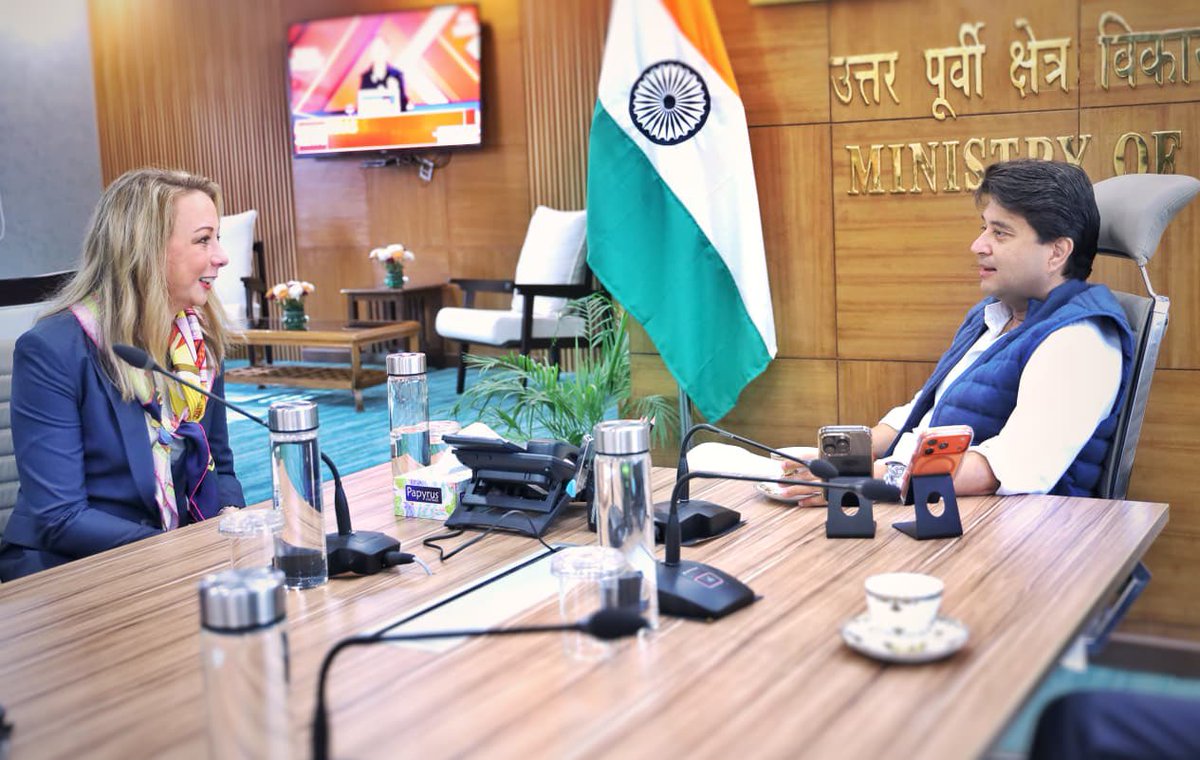
A pleasure to meet @LaurenDreyer, Vice President of @Starlink Business Operations (SpaceX) and the senior leadership team to discuss advancing satellite-based last-mile access across India.
As we work to advance PM @narendramodi ji’s vision of a digitally empowered India, satellite technology will play a pivotal role in extending connectivity to the most remote parts of the country & strengthening internet access to every citizen in rural and hard-to-reach regions, ensuring that digital inclusion accelerates broader development.
4,765
8,722
109,148
12,840,233
Utkarsh K. Shahi 🇮🇳 retweeted
10 Dec 2025
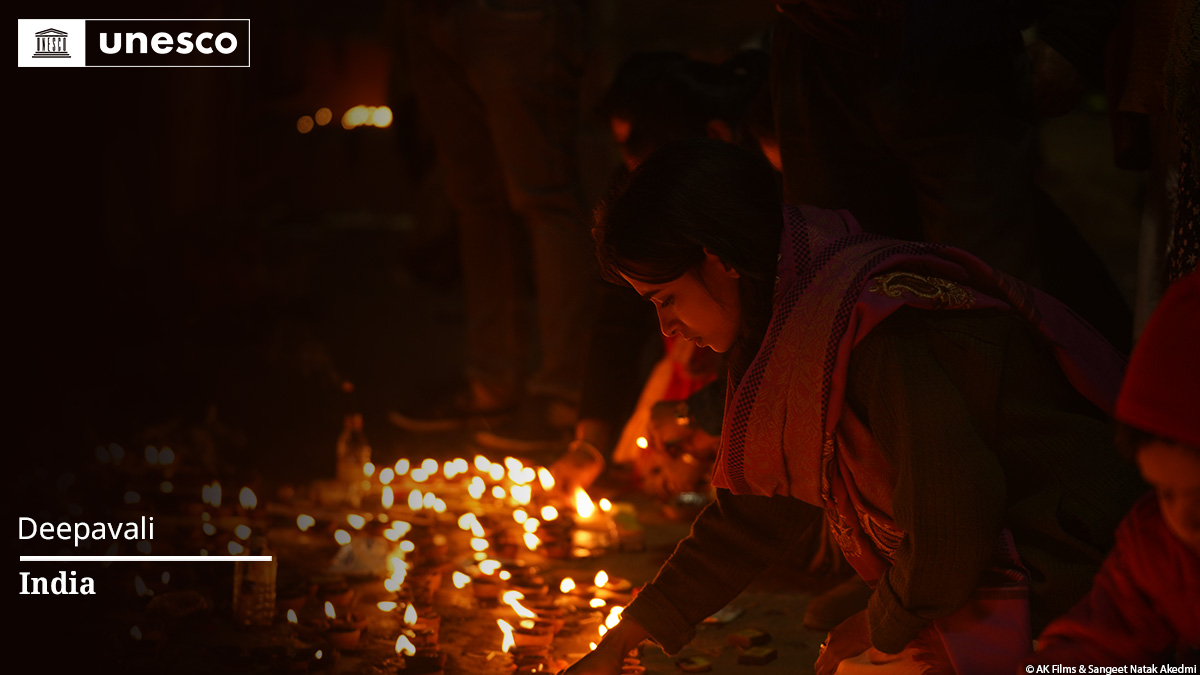
People in India and around the world are thrilled.
For us, Deepavali is very closely linked to our culture and ethos. It is the soul of our civilisation. It personifies illumination and righteousness. The addition of Deepavali to the UNESCO Intangible Heritage List will contribute to the festival’s global popularity even further.
May the ideals of Prabhu Shri Ram keep guiding us for eternity.
@UNESCO
10 Dec 2025

🔴 BREAKING
New inscription on the #IntangibleHeritage List: Deepavali, #India🇮🇳.
Congratulations!
unes.co/20ich #LivingHeritage
3,437
11,500
68,391
3,955,299
Utkarsh K. Shahi 🇮🇳 retweeted

10 Dec 2025
Liar of the first order - till 2002 Flag code Amendment Tiranga was not allowed to be flown by All- Naveen Jindal went all the way to Supreme Court for a decade for citizens right to hoist flag flagfoundationofindia.in/his… mha.gov.in/sites/default/fil…
10 Dec 2025

For 50 years, RSS refused to fly the Tiranga at its headquarters — and even filed an FIR against those who tried to hoist it.
Yet today, the same people claim to define nationalism. History deserves better memory. #VandeMataram
▶️ youtu.be/zo232k2KNIo?si=c4mv…
45
299
707
30,846
Utkarsh K. Shahi 🇮🇳 retweeted
6 Dec 2024
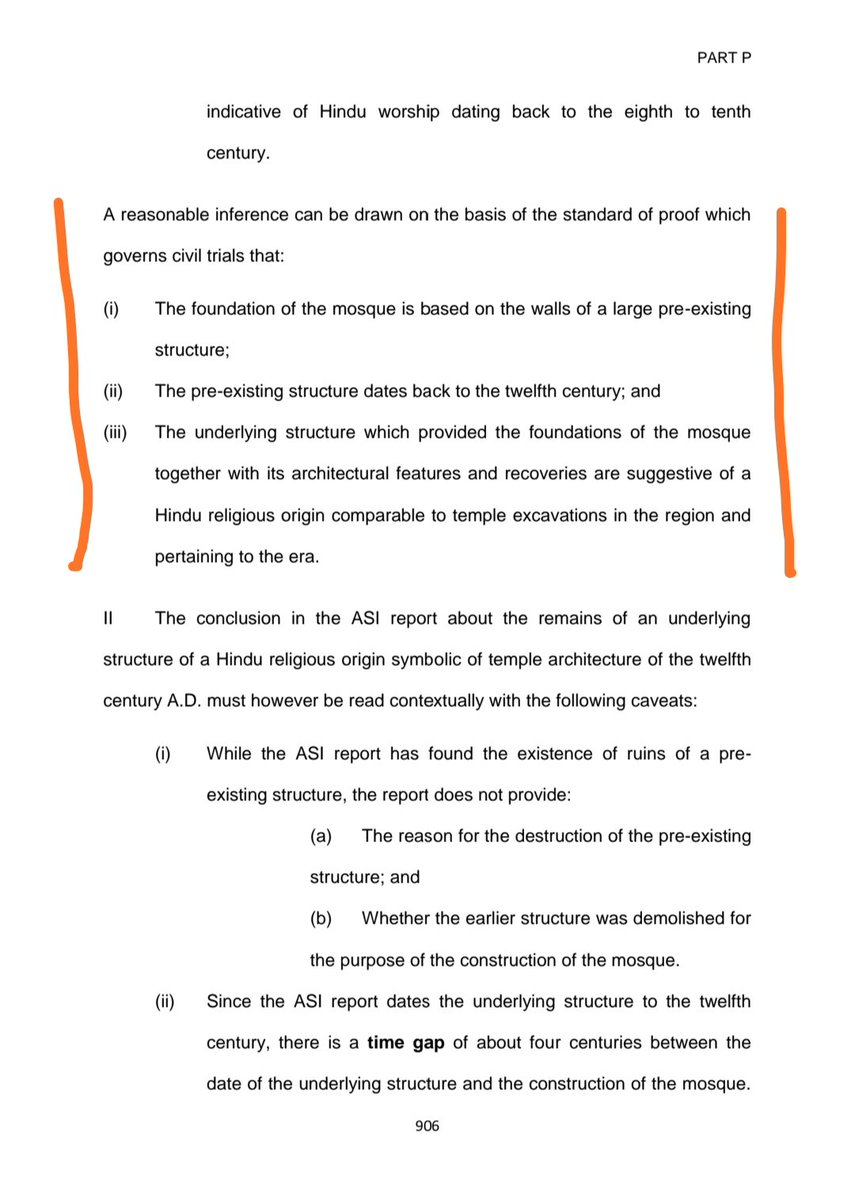
The Supreme Court in the Ayodhya Judgment clearly held that a reasonable inference could be drawn that the foundation of the mosque was based on a large pre-existing structure of Hindu origins.
Justice Nariman has either not read the judgment or is guided by his own bias.
6 Dec 2024

Very important finding that the Court came out with was there was no Ram Temple under the structure(Babri Masjid) : Justice Nariman.
14
267
603
23,480
Utkarsh K. Shahi 🇮🇳 retweeted
25 Nov 2025
To witness the Dharma Dhwajarohan Utsav at Shri Ram Janmabhoomi Mandir is a moment crores of people in India and the world have waited for. History has been made in Ayodhya and this inspires us even more to walk the path shown by Prabhu Shri Ram.
3,631
23,250
132,578
3,166,373

#WATCH | Ayodhya Dhwajarohan | PM Modi and RSS Sarsanghchalak Mohan Bhagwat ceremonially hoist the saffron flag on the Shikhar of the sacred Shri Ram Janmbhoomi Temple, symbolising the completion of the temple’s construction.
The right-angled triangular flag, measuring 10 feet in height and 20 feet in length, bears the image of a radiant Sun symbolising the brilliance and valour of Bhagwan Shri Ram, with an ‘Om’ inscribed on it along with the image of the Kovidara tree.
(Source: DD)
187
1,822
10,139
630,581
Utkarsh K. Shahi 🇮🇳 retweeted
24 Nov 2025
The passing of Dharmendra Ji marks the end of an era in Indian cinema. He was an iconic film personality, a phenomenal actor who brought charm and depth to every role he played. The manner in which he played diverse roles struck a chord with countless people. Dharmendra Ji was equally admired for his simplicity, humility and warmth. In this sad hour, my thoughts are with his family, friends and innumerable fans. Om Shanti.
2,532
11,021
110,186
6,994,099