
Full-Stack Developer (MERN) ⚡ Passionate about clean code & powerful user experiences | React, Node.js, MongoDB | Let’s build something great 👨🏽💻
Joined July 2025
- Tweets 143
- Following 137
- Followers 13
- Likes 173
18 Photos and videos



Pinned Tweet

28 Dec 2025
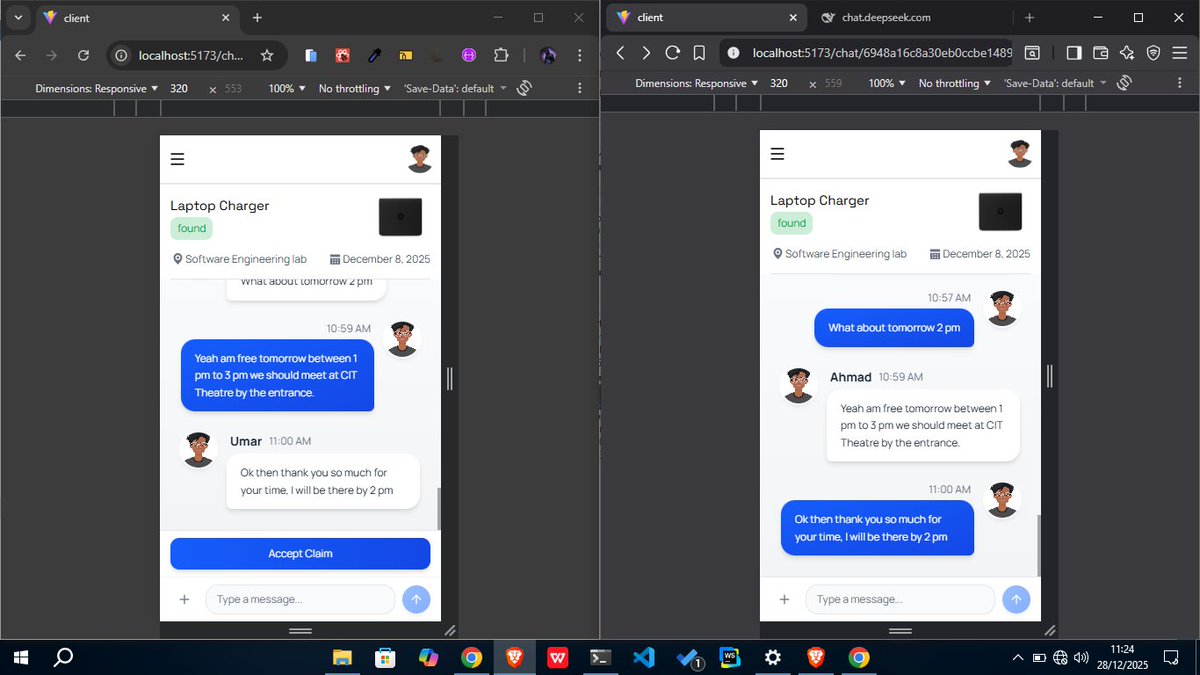
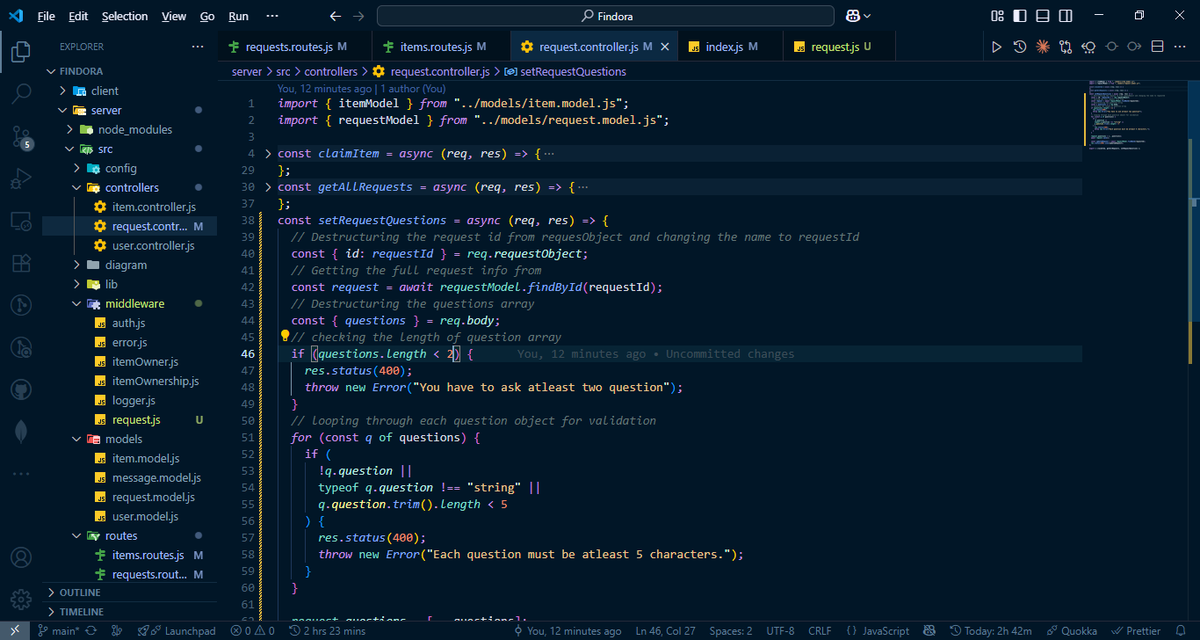
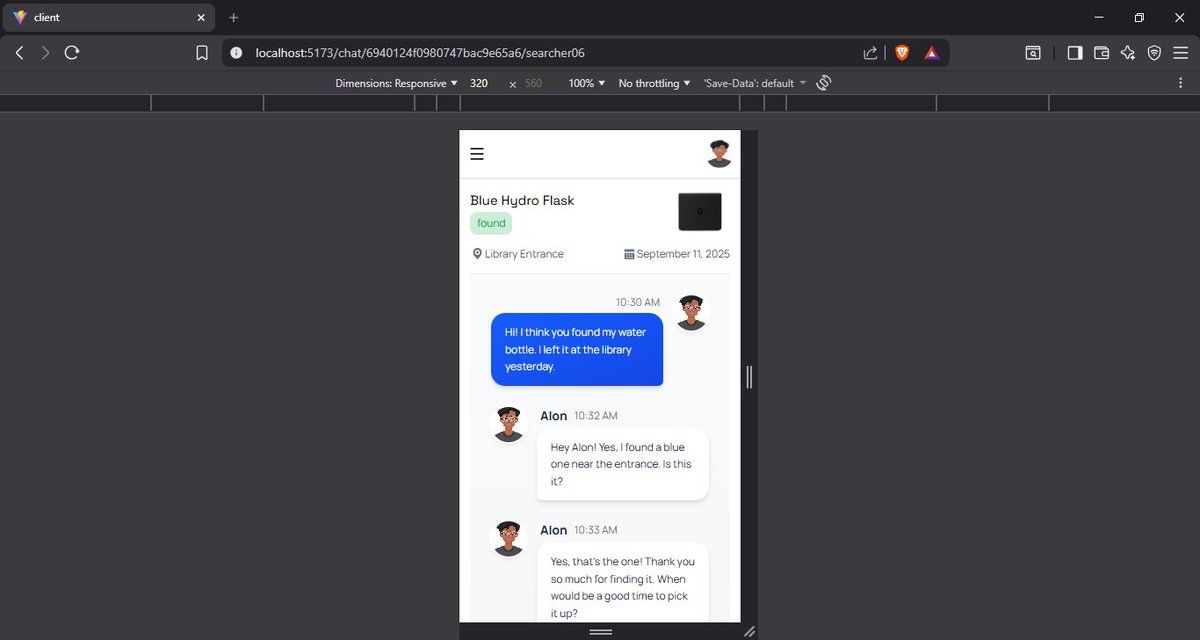
Just shipped real-time chat for Findora, a Lost & Found web app I’m building for my university campus.
The goal is simple: help students and staff reconnect with lost items faster through direct, in-app communication between finders and owners.
Built with Socket.IO
3
2
103
Ahmad Ibrahim retweeted

Jun 1
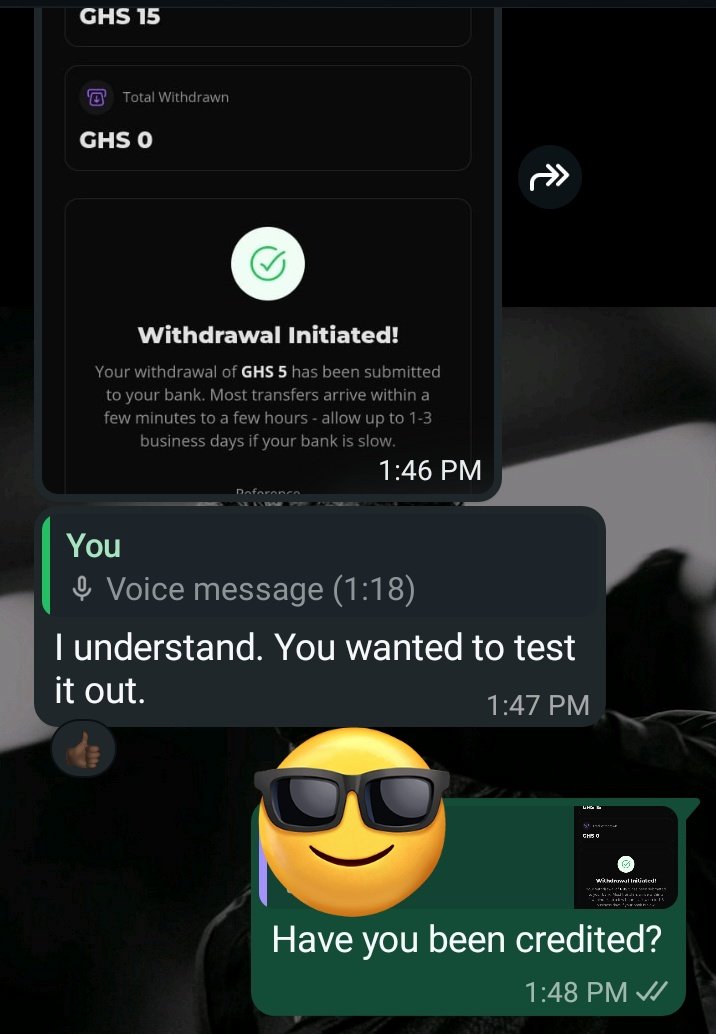
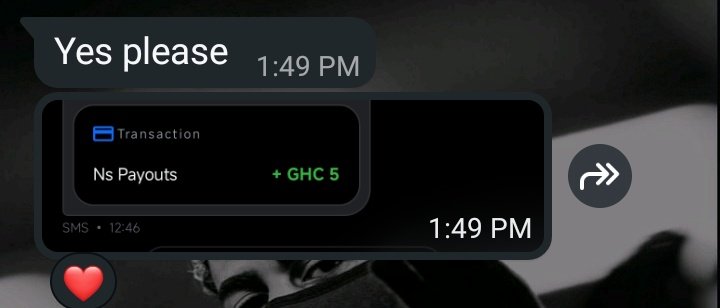
I tipped somebody in Ghana using @myhappr and he just withdrew his earnings and got some credited instantly. 🤝
Claim your page today, share your page with your fans and start receiving support across the world.
Visit myhappr.xyz
Trusted and verified 🤝
Happy New Month from @myhappr
6
26
425
Ahmad Ibrahim retweeted
May 11
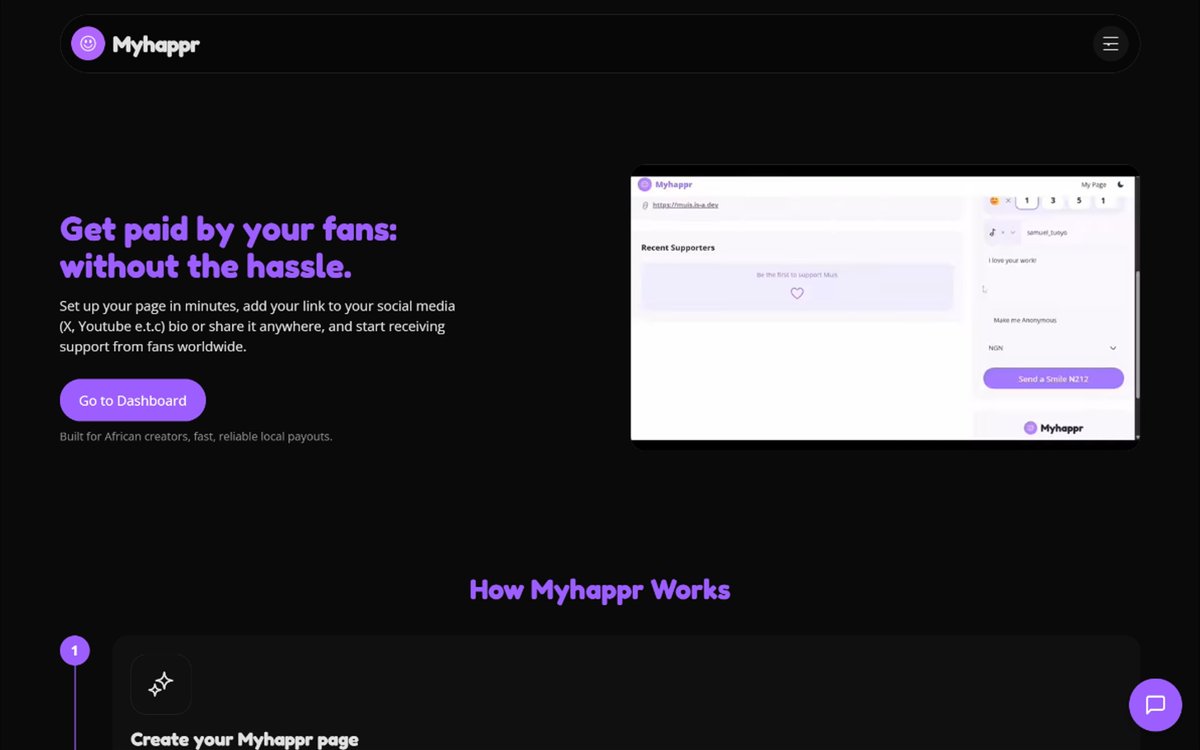
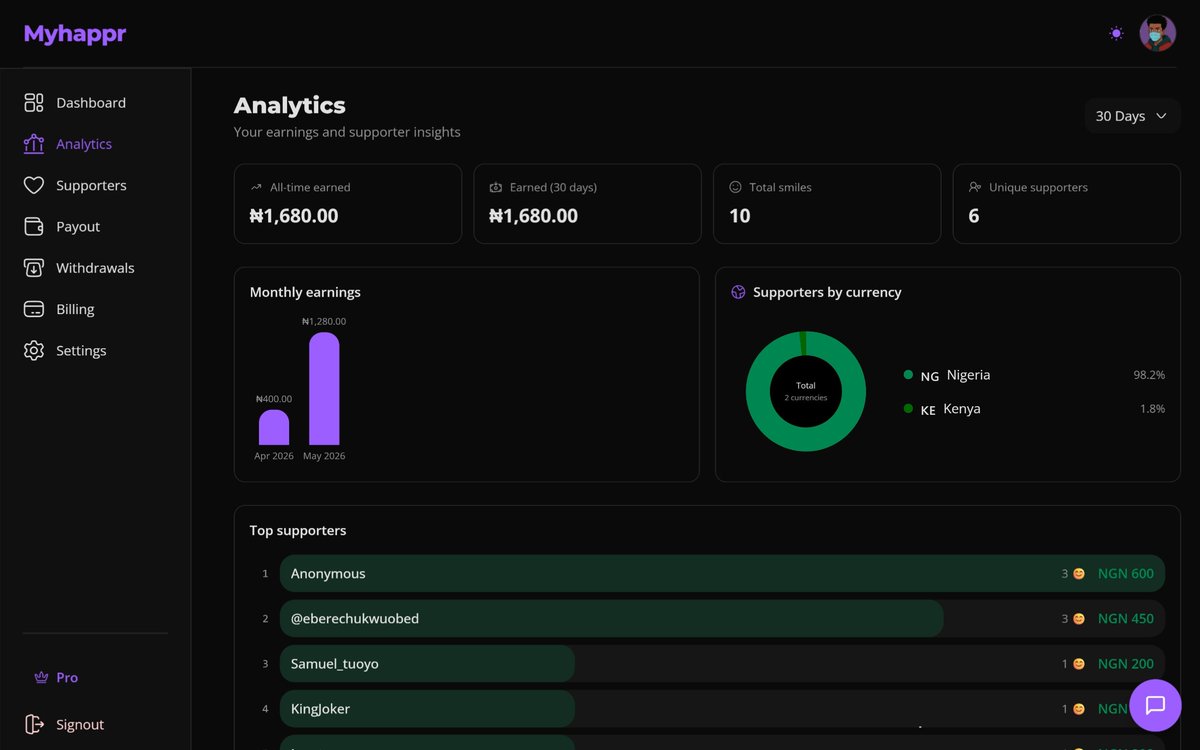
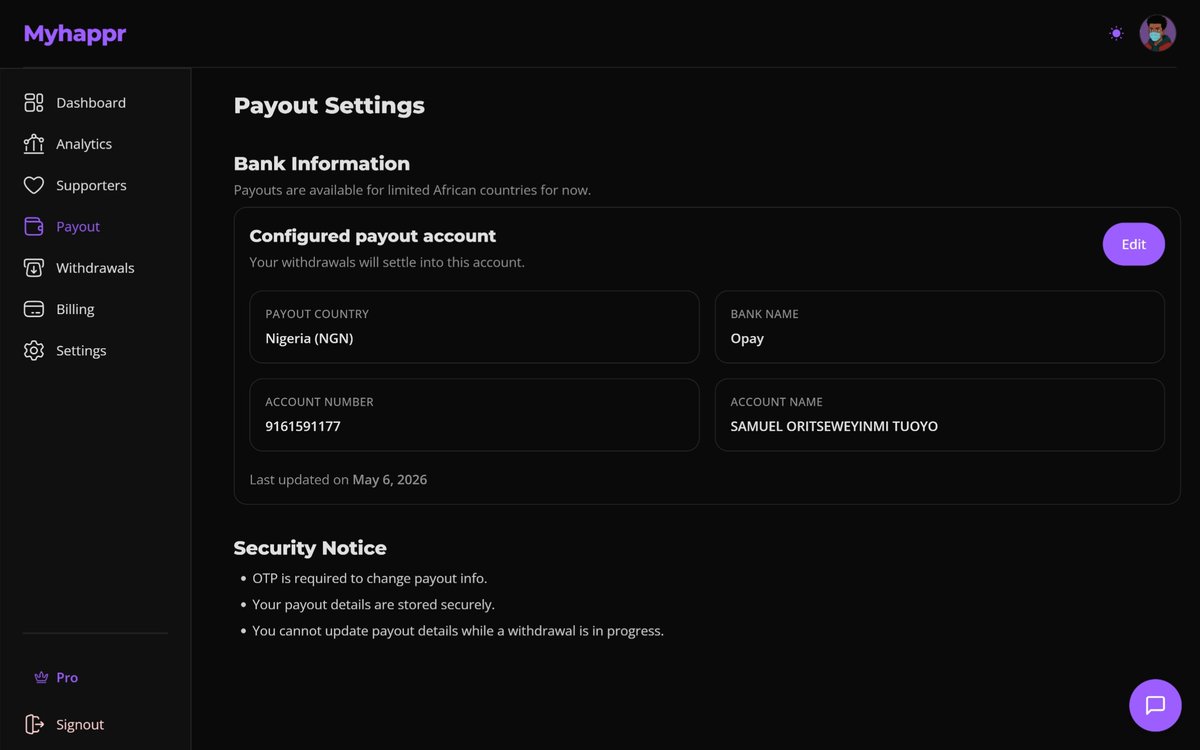
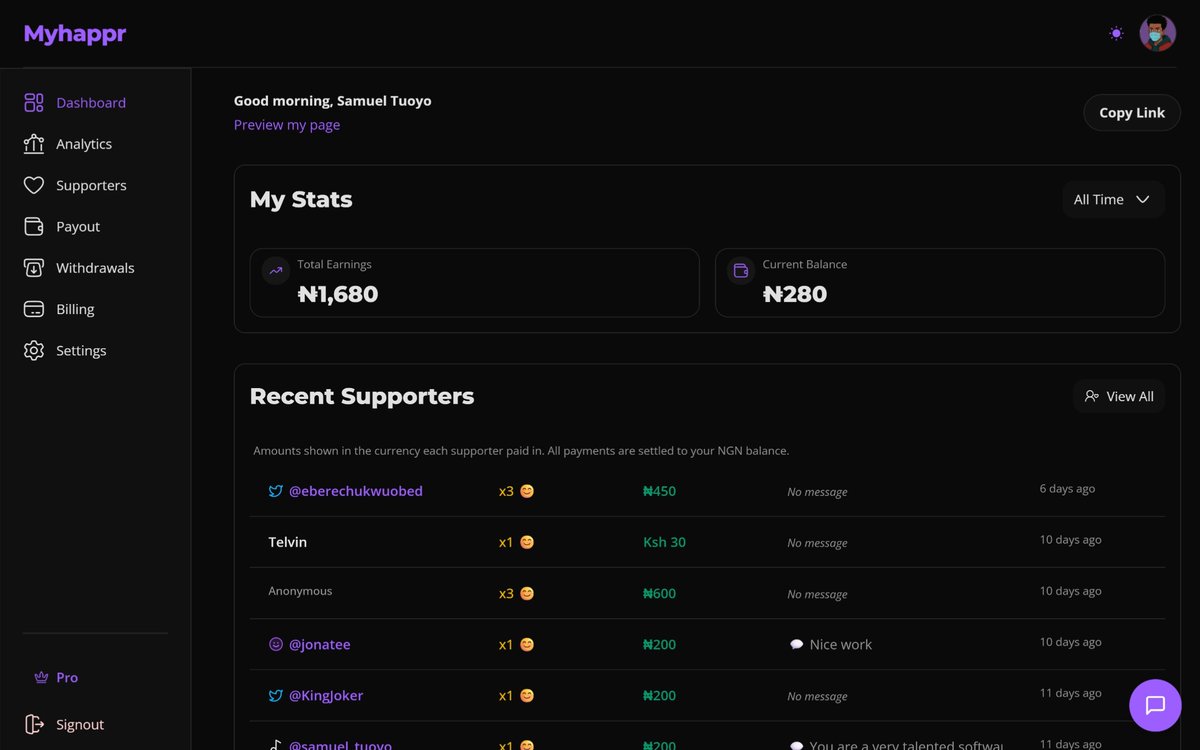
Yo chat, Introducing my startup @myhappr
Basically Buymeacoffee alternative for Africans.
> Create your account
> Add your payout details
> Start receiving tips/support from other countries too.
> Withdraw your earnings.
Checkout the platform out. myhappr.xyz/
20
25
100
3,521
Day 1.
Finally started building Vestlee 👨🏽💻
Been dealing with the same annoying problem for way too long and I got tired of acting like it’s normal 😭
So instead of complaining about it again… I’m building.
This one might actually be crazy.
Stay tuned.
2
1
3
27
Ahmad Ibrahim retweeted

Apr 7
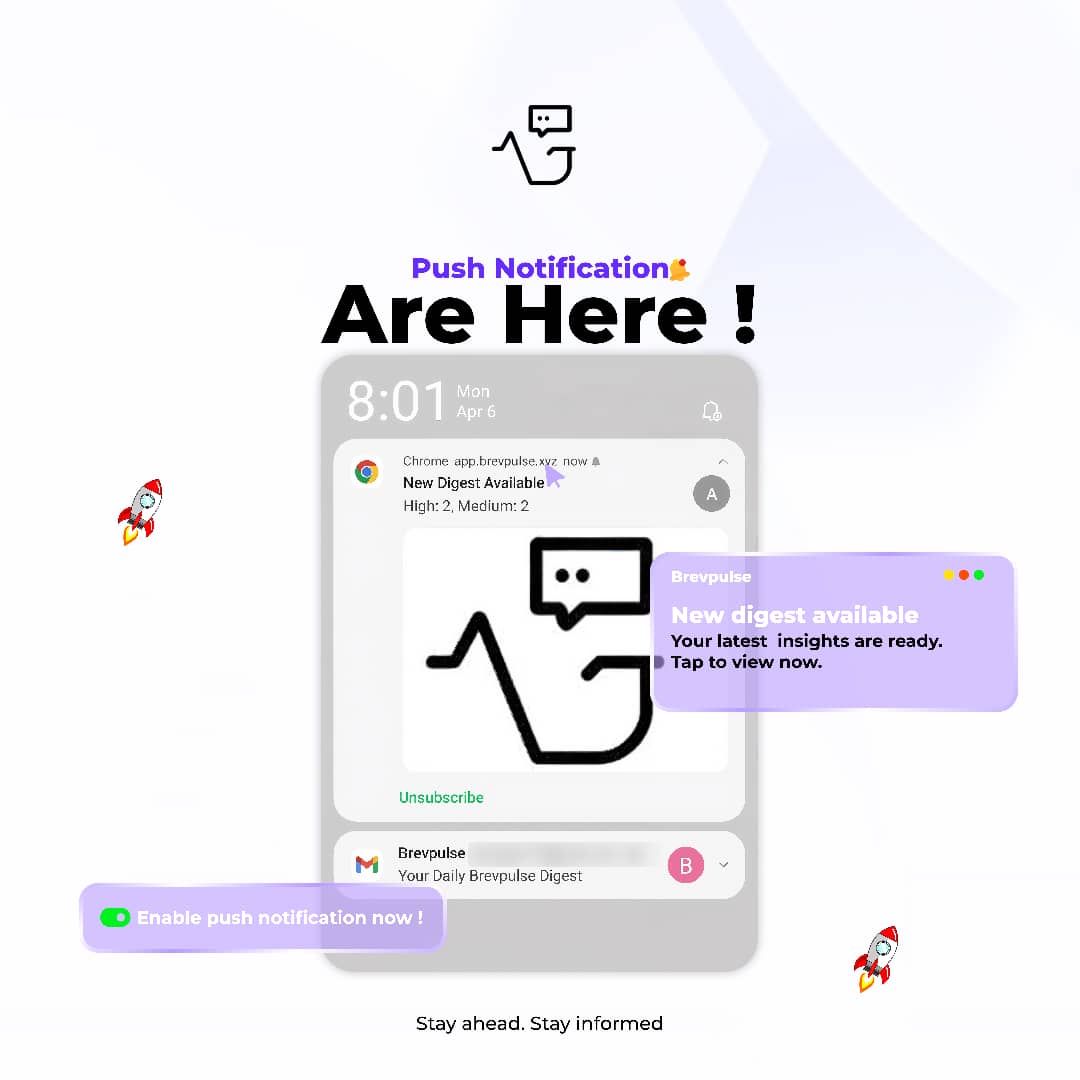
We heard you,
You wanted faster access to your digests. So we built it.
Push notifications are now live on Brevpulse. Get alerted the moment your daily insights are ready... with a quick summary at a glance.
Head to app.brevpulse.xyz and turn it on.
1
10
151
Ahmad Ibrahim retweeted

Feb 23
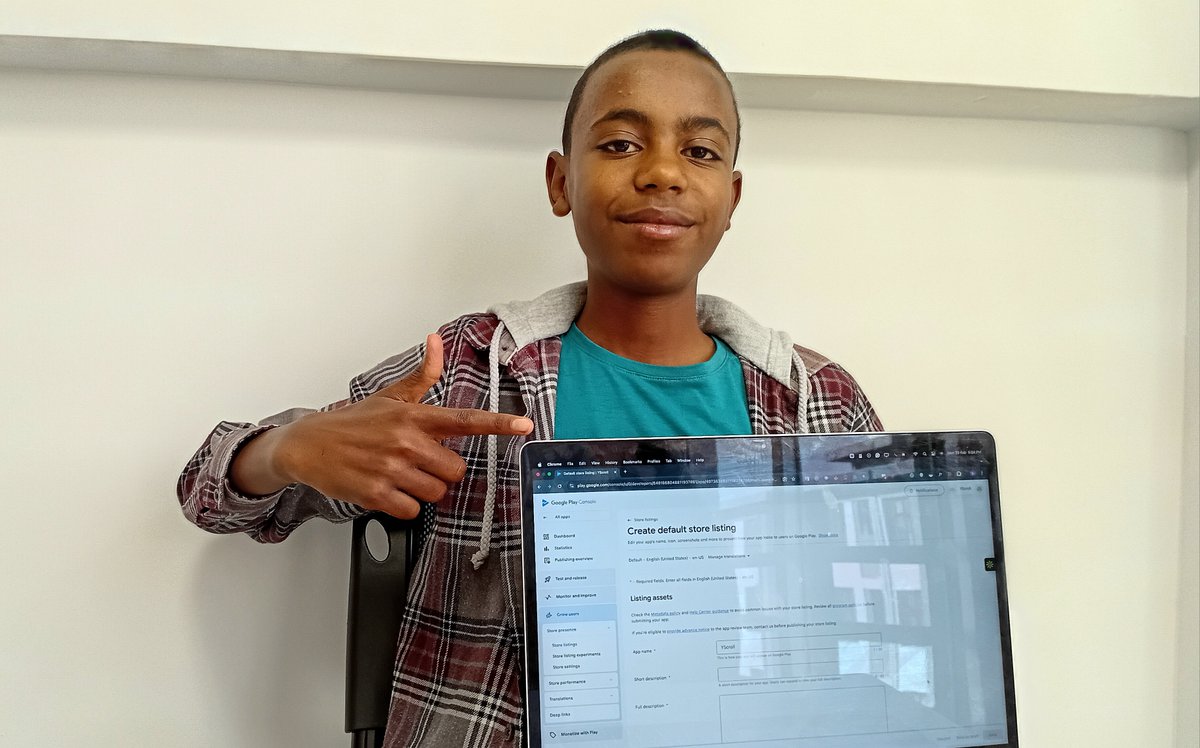
my first mobile app about to be submitted to @GooglePlay
after months of grinding, this is it!🤞wish me luck
382
406
7,420
120,255
Exactly-Once in Distributed Systems 🔑
Today I learned why exactly-once is so tricky: true exactly-once is impossible. Networks fail, messages get lost, and retries can duplicate actions.
The way systems handle it? Combine retries, idempotency keys, and transaction states to
1
8
simulate exactly-once.
Why it matters: in critical systems like payments, duplication or loss can be disastrous. Understanding this makes you think beyond code about reliability, trust, and real-world consequences.
1
6
Distributed systems are hard, but that’s exactly why building them is worth it.
#SoftwareEngineering #DistributedSystems #Backend #Reliability #FirstPrinciples
5
Ahmad Ibrahim retweeted
Jan 22
Think your background jobs in Node.js are really running in the background? Think again. If your worker shares the same process as your web server, CPU-heavy jobs can still block requests. True decoupling = separate process.
4
2
29
1,388
Ahmad Ibrahim retweeted
Jan 17
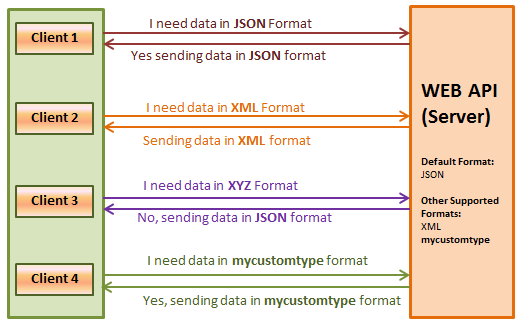
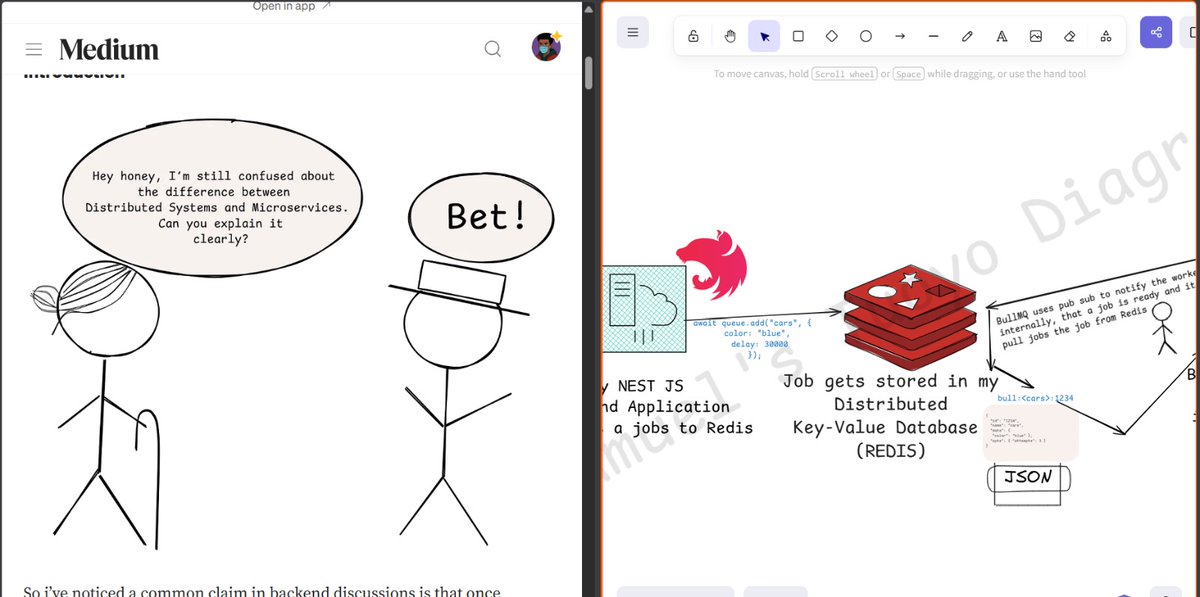
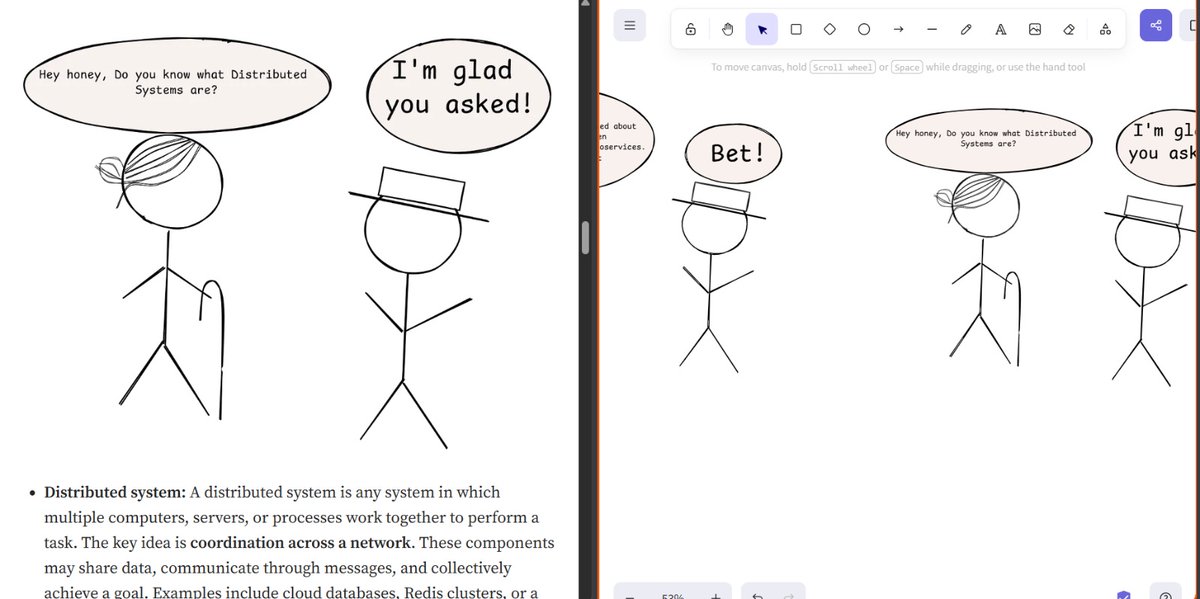
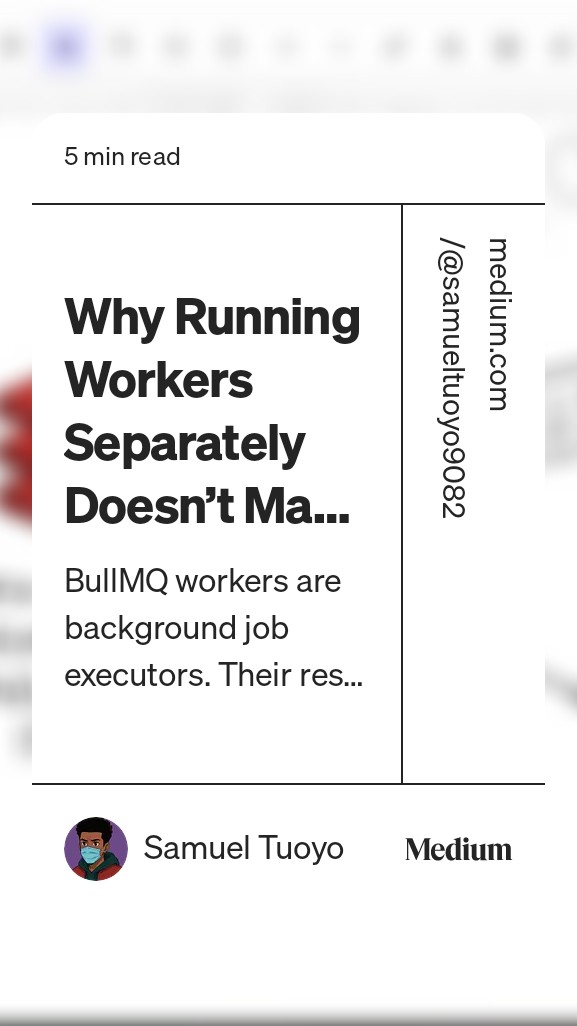
Spent most of my time today writing a new article on why running workers separately doesn’t make them microservices, sketching some system diagrams in Excalidraw.
I had a Productive day!
Read the full article here: medium.com/@samueltuoyo9082/…
#BackendEngineering #Microservices #DistributedSystems #NodeJS #BullMQ #DevCommunity #WebDev
3
33
755

Jan 10
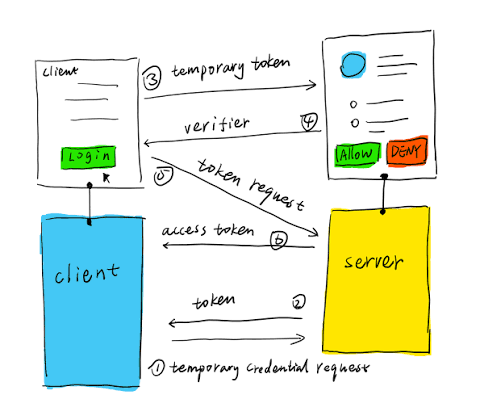
We’ve become spoiled by HTTPS.
OAuth 1.0 was designed for a hostile internet. It assumed the network was compromised, the wire was tapped, and the environment was out to get you.
It was clunky, difficult, and brilliant.
A thread on why we should still study "heavy" protocols.
1
1
7
Jan 10
Implementation was a nightmare.
One millisecond of clock skew or a misplaced parameter meant a 401 Unauthorized.
We traded Developer Experience (DX) for Protocol Resilience. OAuth 1.0 didn’t care if your network was "secure" it carried its own armor. 🛡️
1
4
Jan 10
The takeaway for modern engineers?
Good system design starts with environmental assumptions, not convenience.
Legacy protocols feel heavy because they solved harder problems. Modern systems quietly rely on the scars these protocols earned.
Resilience > Comfort.
4
Ahmad Ibrahim retweeted

Jan 7
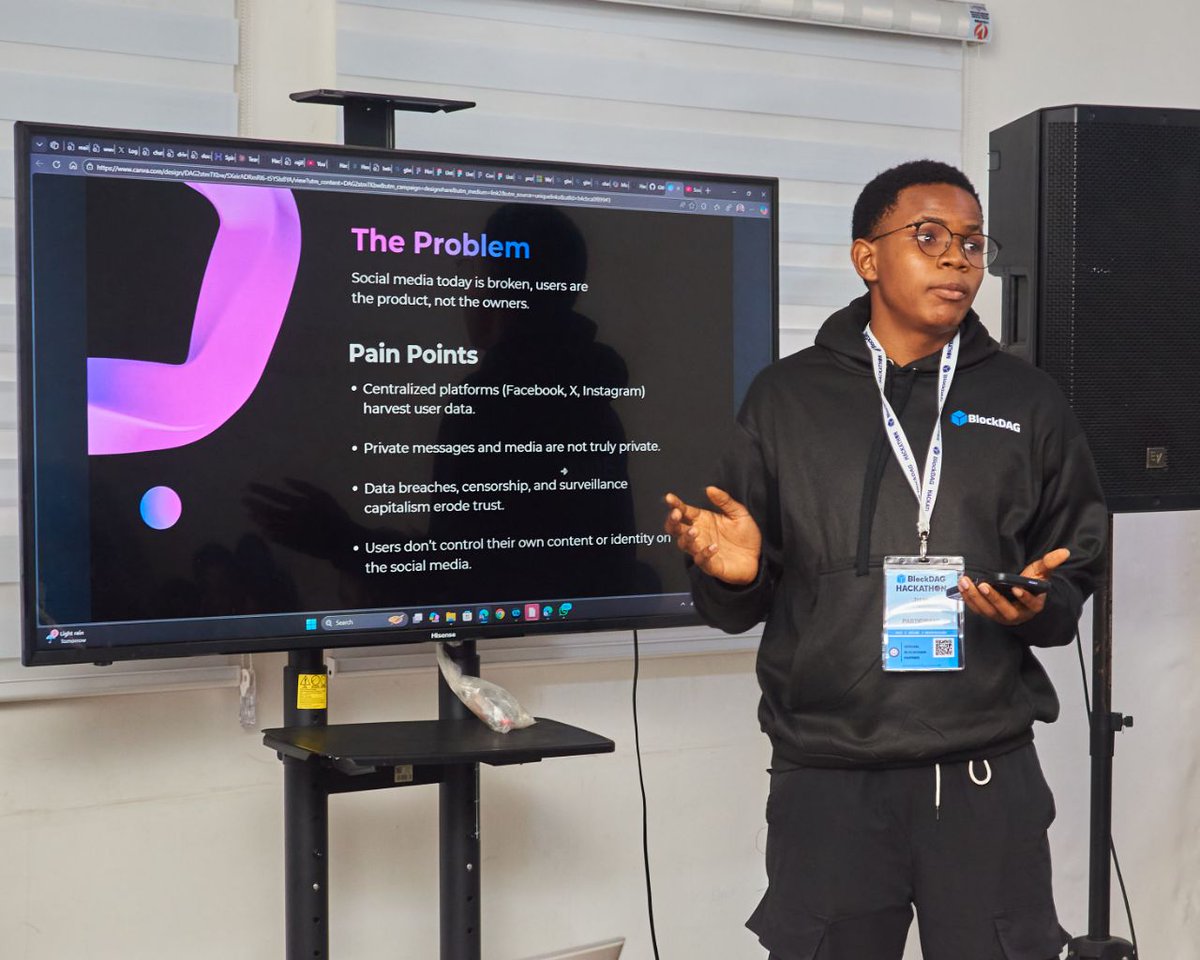
Hi, I'm Onos
I'm a web developer.
This is my 2nd year in tech
Building @brevpulse, co-building @myproforms
Great things are happening.

Jan 7

Hi, I'm Soala
I'm a web developer .
This is my 5th year in tech.
Great things are happening already.
6
3
38
987
28 Dec 2025
Just shipped real-time chat for Findora, a Lost & Found web app I’m building for my university campus.
The goal is simple: help students and staff reconnect with lost items faster through direct, in-app communication between finders and owners.
Built with Socket.IO
3
2
103
28 Dec 2025
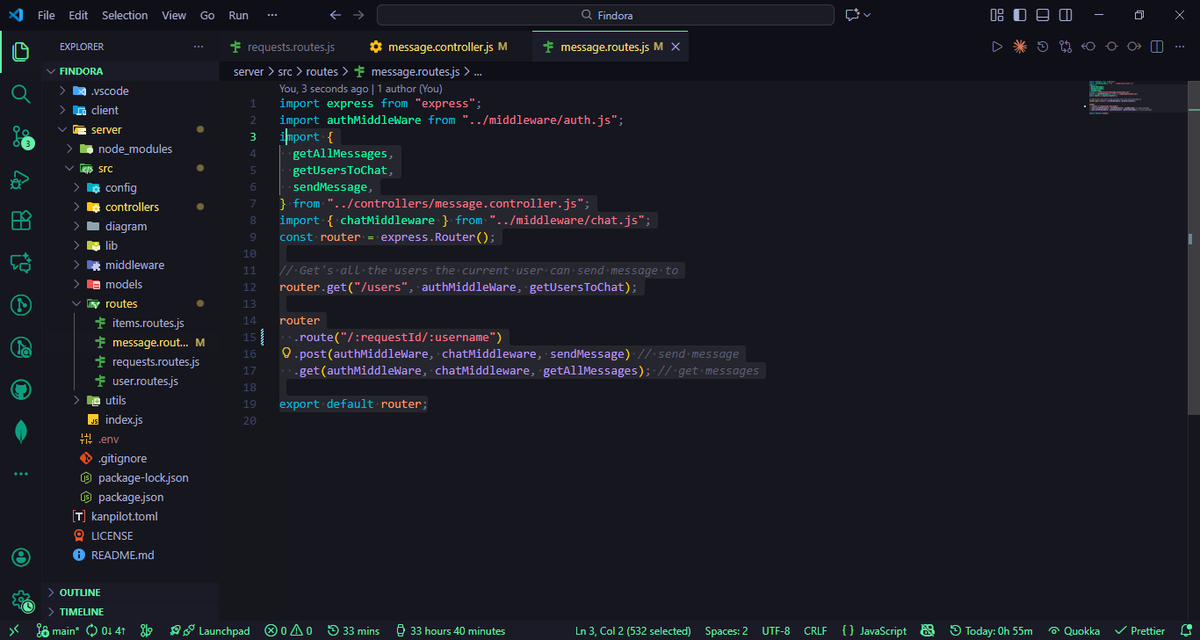
across frontend backend, fully integrated with authentication and existing data models.
Building for real users beats building demos.
1
8