resist the sweeps of homeless encampments & support those displaced. Stop Cop Cites.
Joined December 2012
- Tweets 70,644
- Following 210
- Followers 48,035
- Likes 310,914
5,545 Photos and videos




UnDo 512 retweeted

We are calling for people to attend court support for Lucy’s and Janette’s Arraignment/Bond reduction hearing happening this Thursday starting at 1:30 PM. There will be people outside of the court house with a table where you can check-in and ask questions the day of the (1/3)
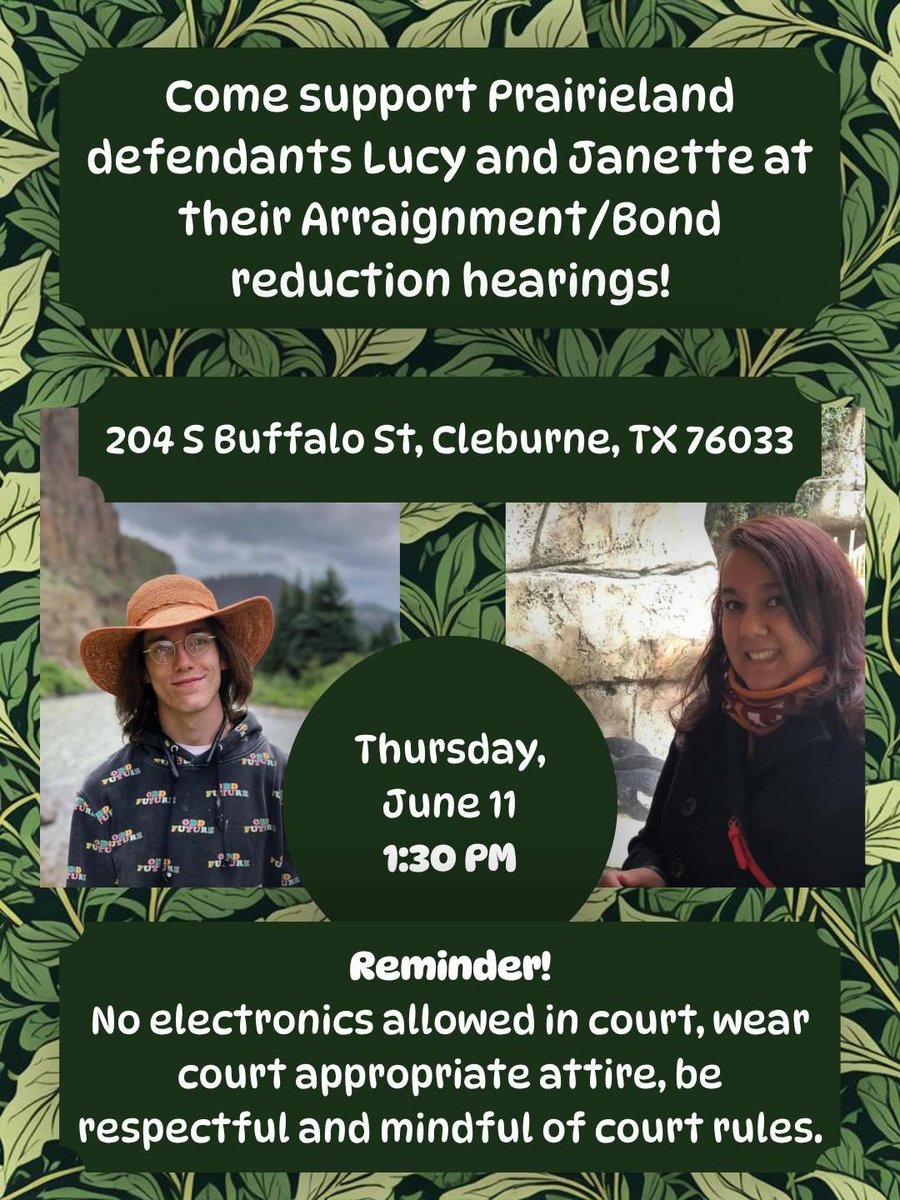
ALT A graphic that displays the information for court support happening on Thursday, June 11 in Cleburne, Texas. The background is an artwork with a bunch of leaves with different shades of green on a black background and in the foreground are two photos of the defendants. To the left is a photo of Lucy in a mountain range and to the right is Jannete next to some penguins in the zoo.
1
17
18
1,917
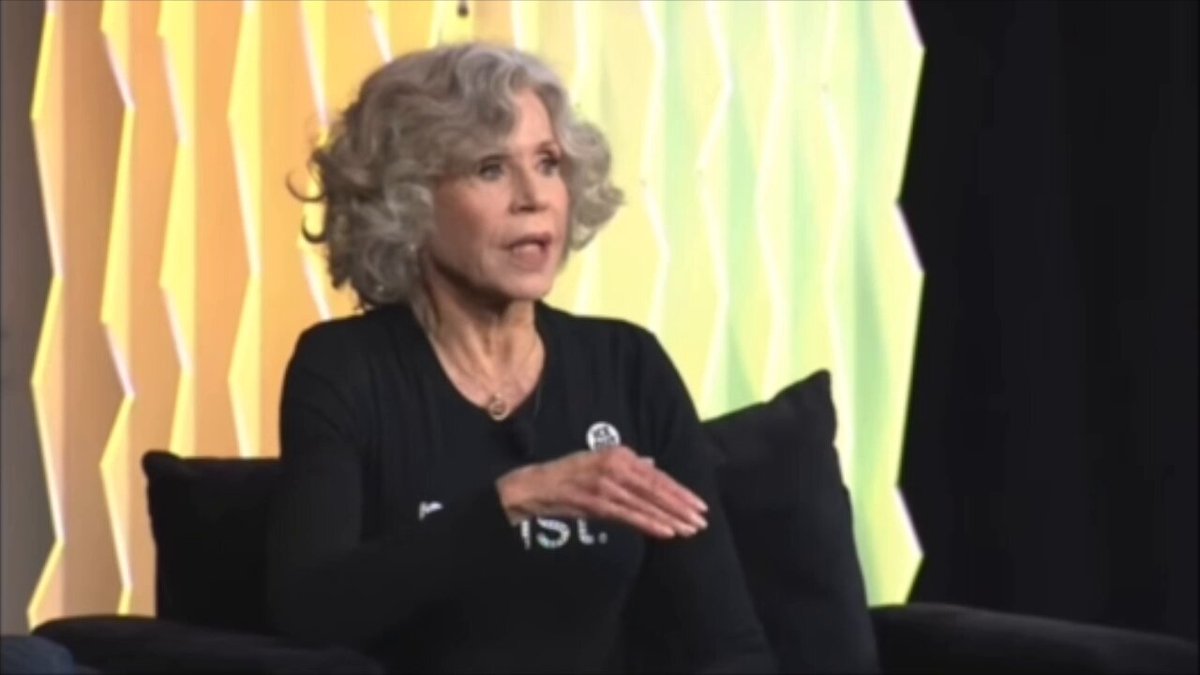
The fuck is SXSW London
May 31

I’ve been banned from the UK. I tried to get on a flight to London to attend SXSW London and give a speech at Oxford. I’ve been banned for criticizing Israel. Are we free anymore? This is oppression of Western citizens by our own governments on behalf of a different country!
1
1
10
1,326
RT @OGBlackRedGuard: Contradictions and struggle in the open. Pay attention.
23
UnDo 512 retweeted

Around 500 People Are Now On A Hunger Strike at Five ICE Detention Centers Across the U.S.
lataco.com/huger-strike-dhs-…
4
411
702
13,065
UnDo 512 retweeted

BREAKING: Pepper spray, Pepper Balls and Massive Barricade Clashes between Anti-ICE Protesters with Shields and Federal Agents at Delaney Hall ICE Detention Center
Protesters built barricades and used cement blocks to reinforce their line blocking facility as ICE pushed back
158
493
1,255
102,789
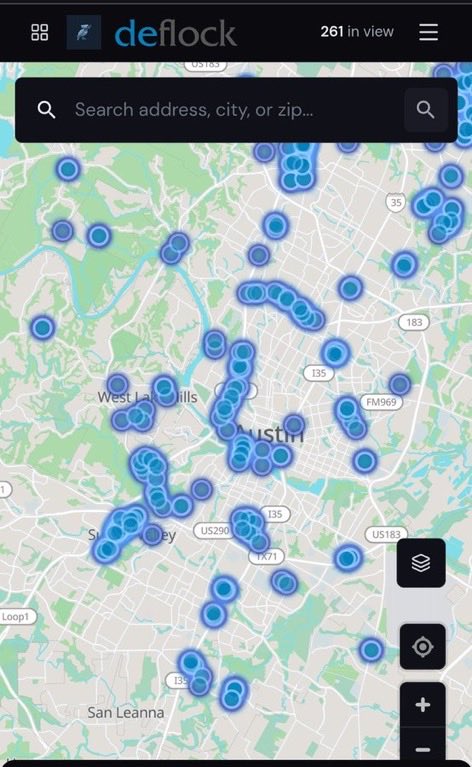
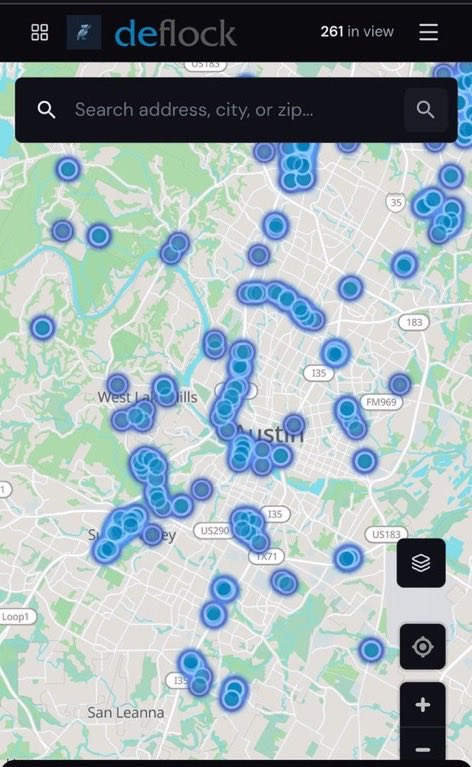
Lucky for Flock, they’ve got the pig “union” putting out advertising for free!
May 21

Austin's decision to turn off its license plate cameras and let criminals roam free has become the best sales pitch police departments across the country could ask for. ALPR companies couldn't have paid for better marketing.
6
1,626
So… the timeline is…Michael Cargill gets a gun stolen by children, has an employee chase after them, hands over all their info to APD, who then does nothing??? And now @chitoforatx & @MBullockATX say ATX has to be spied on by Flock cameras?? Good grief.
7
4
53
3,538
5 minutes into the video, Cargill says his employees followed the shooters and gave their exact license plate with car descriptions and locations to APD at around noon. Cargill peacocking for the cameras post losing a gun to a child aside, how is this not a scandal for APD?
May 18

Full interview with Michael Cargill, owner of Central Texas Gun Works. He says one of the weapons used in the Austin shooting spree was stolen from his store on Saturday. He claims the suspects had attempted to steal from his store several times. He also says the store typically doesn’t check ID’s until the purchase process begins.
10
21
210
26,474
5 minutes into the video, Cargill says his employees followed the shooters and gave their exact license plate with car descriptions and locations to APD at around noon. Cargill peacocking for the cameras post losing a gun to a child aside, how is this not a scandal for APD?
May 18
Full interview with Michael Cargill, owner of Central Texas Gun Works. He says one of the weapons used in the Austin shooting spree was stolen from his store on Saturday. He claims the suspects had attempted to steal from his store several times. He also says the store typically doesn’t check ID’s until the purchase process begins.
10
21
210
26,474
Imagine seeing 50 cops in fatigues and a sniper for one dude and thinking the cops need more money, too little free time.
May 7

Austin police said a suspect is in custody after a SWAT response shut down parts of Texas 71 in South Austin.
Police said the man allegedly threw items such as rocks or bricks at vehicles on Ben White Boulevard before barricading himself beneath an on-ramp near South First Street.
Story: statesman.com/news/article/t…
2
30
461
7,921
UnDo 512 retweeted

May 17
The DFW Anarchist book fair is happening on July 4th! We encourage all of y'all to stop by to show solidarity with the Prairieland defendants, all political prisoners, and anarchists in the heart of cowboy country!
calendar.floresmagonbctx.com…

1
13
33
1,508
UnDo 512 retweeted
Texas professor reinstated after firing over Palestine talk says ‘I didn’t do anything wrong’ theguardian.com/us-news/2026…
1
41
101
6,125

An inspiration to workers everywhere: increase the pay, decrease the pace and intensity of work.

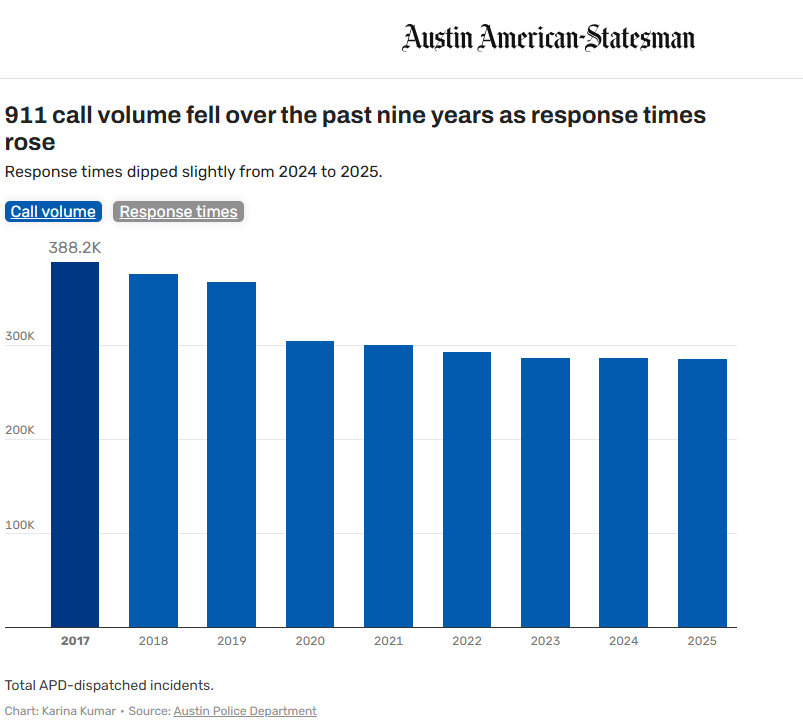
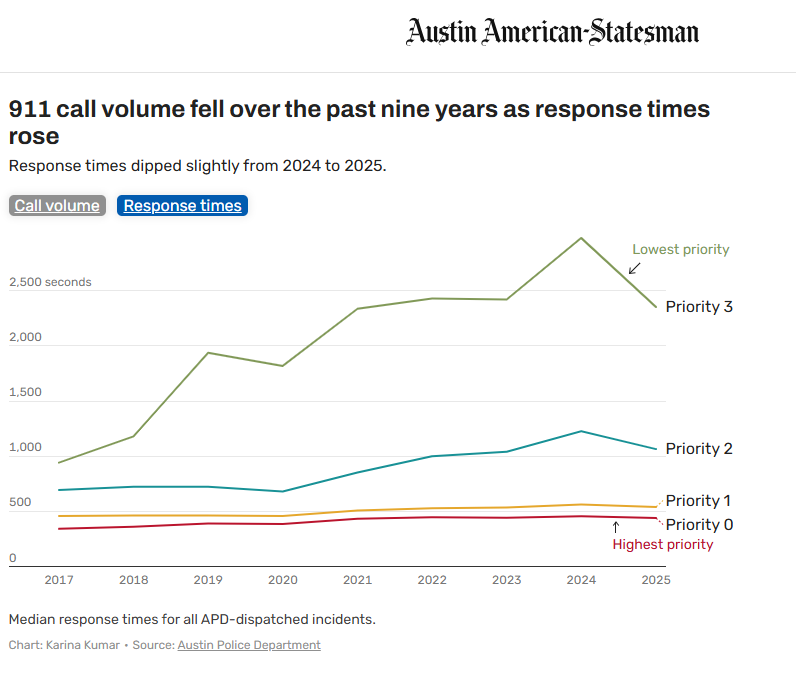
Austin police are taking longer to respond to 911 calls, even though they are responding to fewer of them.
1
1
9
658
You can even see them arguing for labor keeping the gains of technological increases of productivity:
x.com/austinjustice/status/2…?
May 7
Austin just made it harder to use tech to catch criminals.
Austin ran a one-year license plate reader trial that was, according to an auditor, successful because it led to the arrests of and prosecutions of hundreds of criminals and led to no unjustified police stops.
Despite -- or perhaps BECAUSE OF -- the success of the program, migrant advocacy groups lobbied hard against these tools and city council ended the contract last June.
Now city council went further and put in place a byzantine and highly restrictive approval processes before any department can deploy plate readers, drones, or other surveillance tools. The data collected may also be less relevant due to strict retention restrictions.
Other cities are moving the opposite direction and having good results. For example, SF is now deploying hundreds of more plate readers and drones and crime is now at half of its 2023 level, far outpacing the general national decline in crime. Similarly with Dallas.
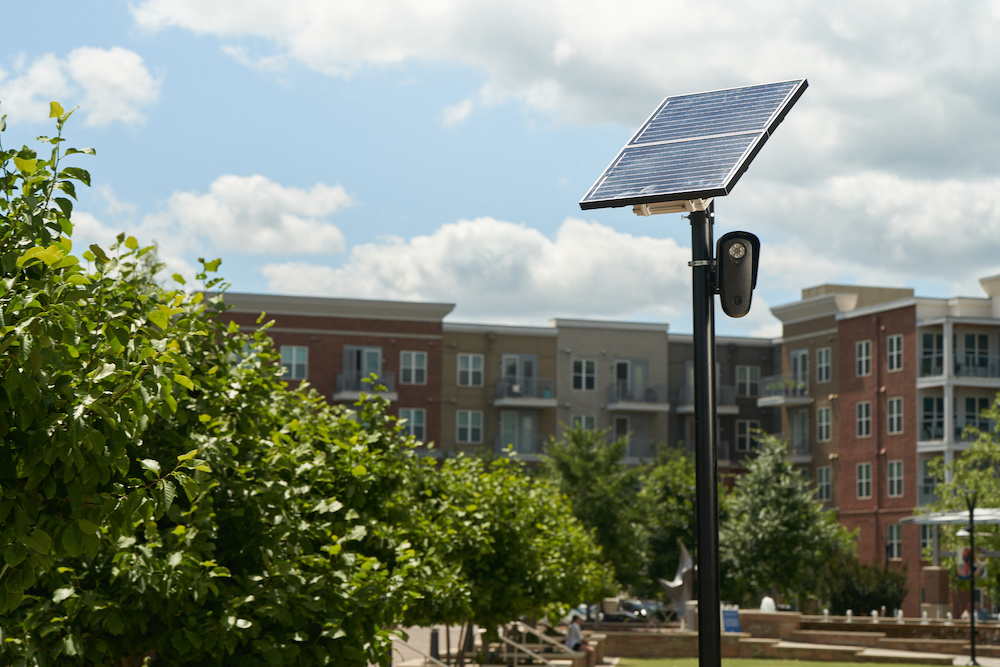
Besides making it harder to catch criminals, there's an unintended consequence of Austin's anti-tech move. Plate readers are narrowly scoped because they, for instance, flag a vehicle against a hot list and ignore everything else. Without them, the work falls back to humans: officers tailing suspects, reviewing more records by hand, looking over hours of footage of cameras all over the city frame by frame. This is not only slower and less precise, but it's arguably more invasive than police relying on an AI camera.
1
366
UnDo 512 retweeted

Austin police are taking longer to respond to 911 calls, even though they are responding to fewer of them.
10
9
54
5,436