
Building @useheraldmail, a privacy-first notification layer for Solana DeFi. Founder engineer. 🇳🇬 Building in public. contributing to @SuperteamNG, I guess
Joined April 2021
- Tweets 16,241
- Following 561
- Followers 866
- Likes 24,282
1,532 Photos and videos











Pinned Tweet

Mar 16
Every startup on @solana is laser-focused on finance. Yeah and I get it, it's a cryptocurrency.
But there's so much more potential we're leaving on the table.
I'm on a mission to build and explore other category of infrastructure on the blockchain.
Wish me luck. 🫡

3
3
25
1,315
Unnamed 🥷🏿 retweeted

11 Aug 2025
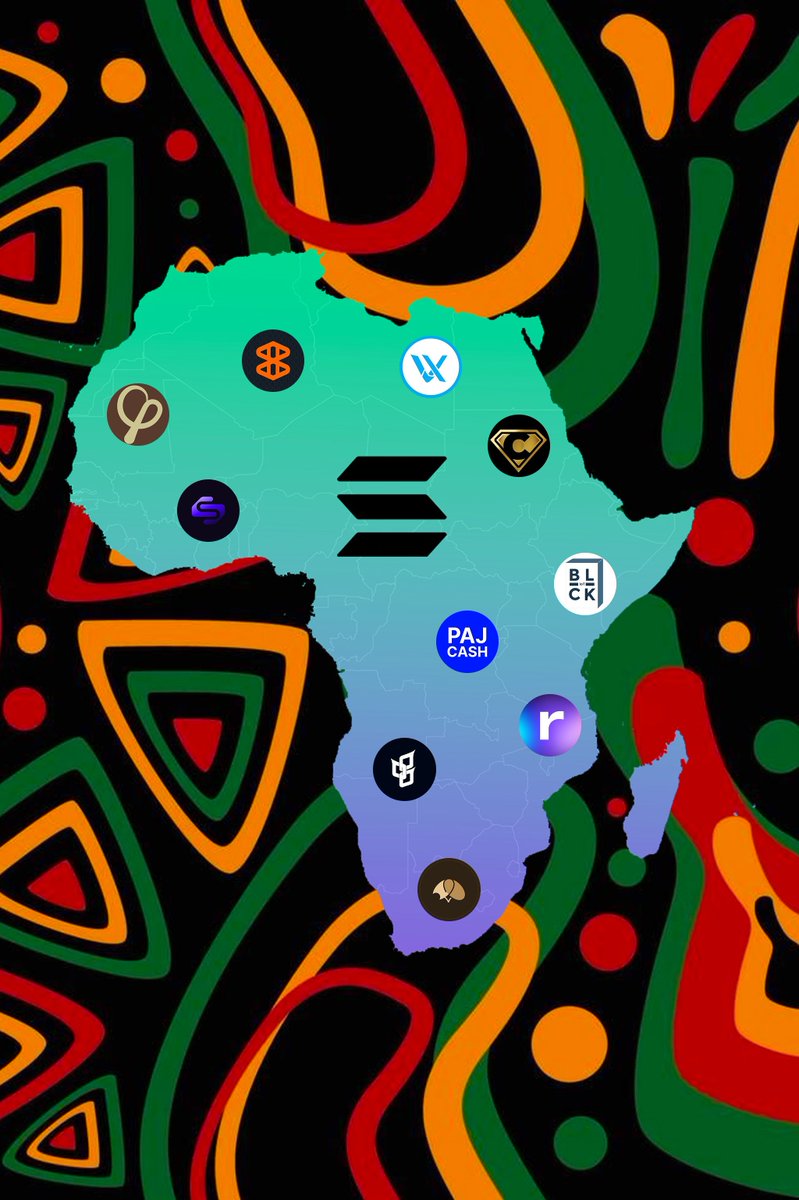
Solana 🤝 Africa

Global markets are moving onchain, and Africa isn’t left out.
From tokenizing the $2.7T agriculture industry to redefining payments on Solana, meet the products building the future of the internet across the continent.
A guest thread by @harri_obi 🧵
28
27
150
36,118
Unnamed 🥷🏿 retweeted

6h
The problem with crypto on and off-ramping in Africa isn't the money. It's the maze.
Multiple providers. Different rates. Different fees. One is always down.
@ramphub puts them all in one place and picks the best route automatically.
Sign up with my referral code: RHY6EPS75Y
ramphub.io/auth?tab=signup&r…
22
25
116
4,163
Unnamed 🥷🏿 retweeted
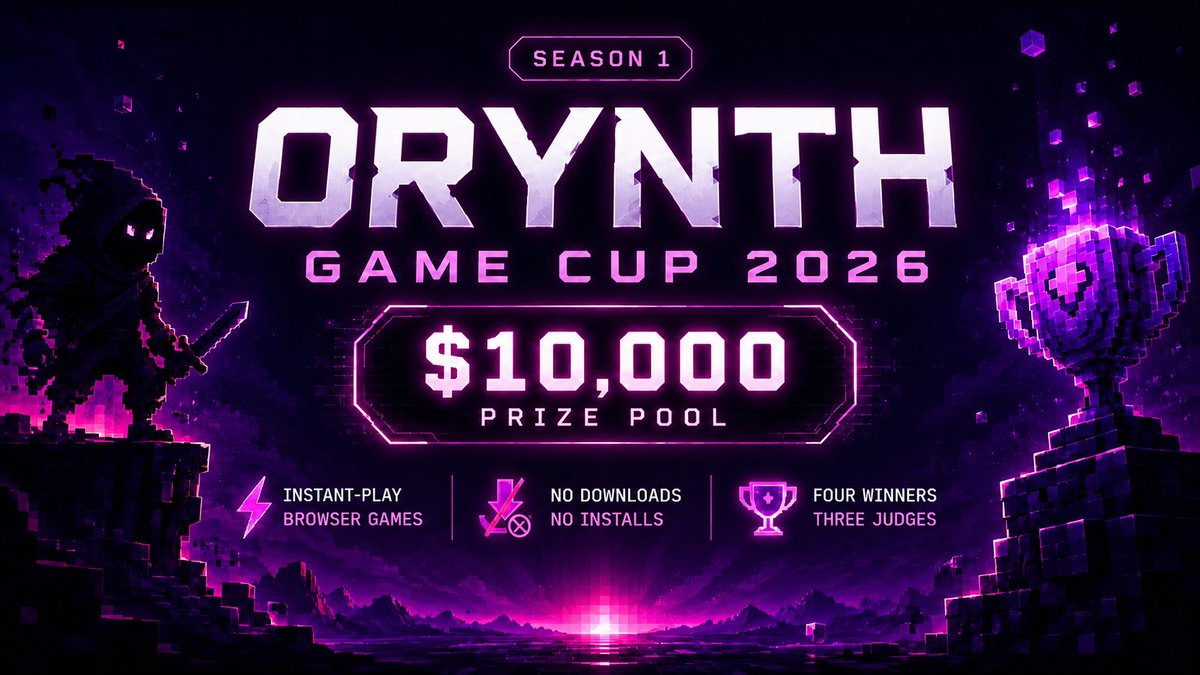
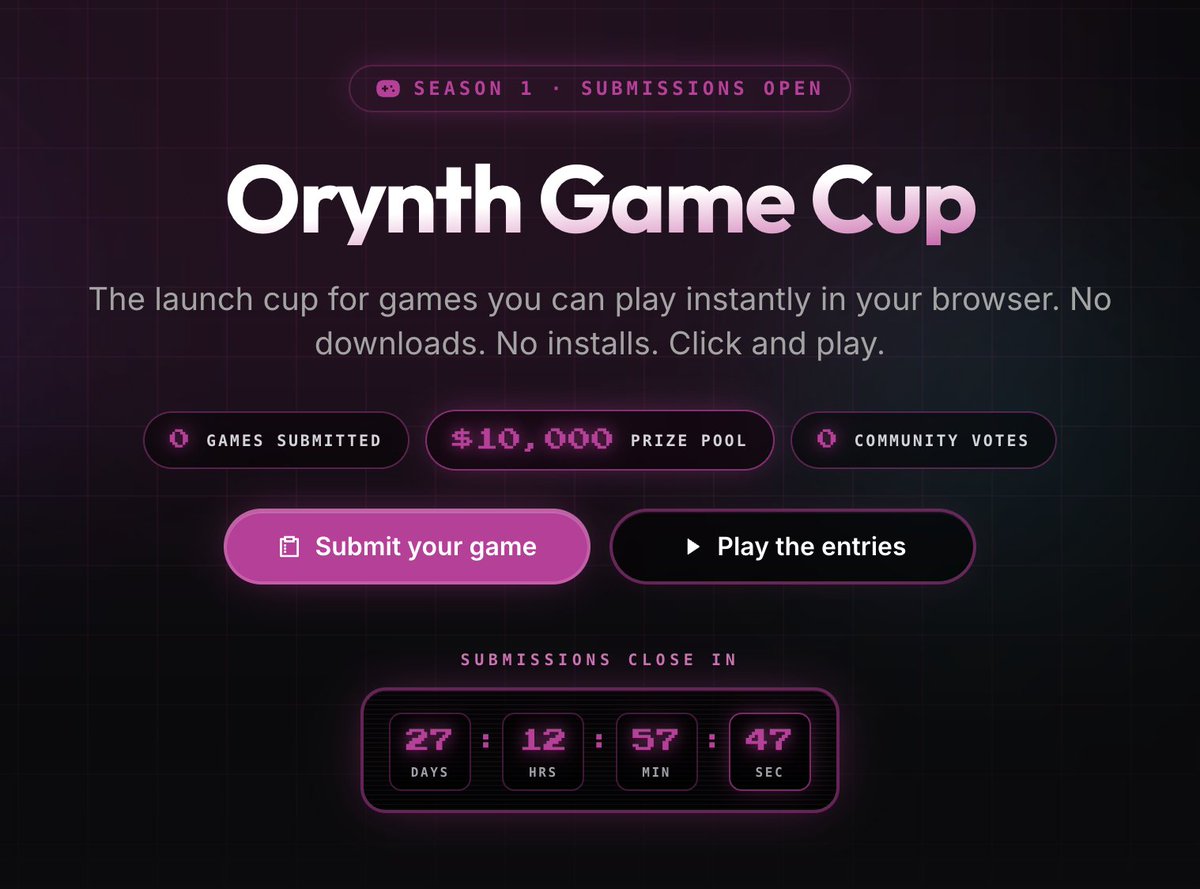
You can already submit your game to the @orynth Game Cup 2026 even if it’s not fully finished yet.
Judging starts after July 20, once submissions close, so you still have time to keep improving it!
6
5
33
1,024
Unnamed 🥷🏿 retweeted

We’ll be closing the RPC credit for the bounty at 11:59pm tomorrow.
No further applications will be considered after that.
Text me to join the Dev group chat or fill the form if you’re already there
2
2
10
223
Unnamed 🥷🏿 retweeted
Common terms Every Founder trying to fundraise should know
1. MVP (Minimum Viable Product) - The simplest version of a product built with just enough features to test demand and gather user feedback.
2. Data Room - A secure folder containing company documents investors review before investing.
3. Pre-Seed Round - The earliest fundraising stage used to validate an idea and build an initial product.
4. Seed Round - Early-stage funding used to grow the team, product, and customer base after initial validation.
5. Angel Investor - A wealthy individual who invests personal money into startups, usually at an early stage.
6. Venture Capital (VC) - Professional investment firms that invest in high-growth startups in exchange for equity.
7. Due Diligence - The process where investors verify a startup’s financials, legal status, team, and business model before investing.
8. Term Sheet - A non-binding document outlining the key terms and conditions of a proposed investment.
9. Cap Table (Capitalization Table) - A record showing who owns what percentage of a company, including founders, employees, and investors.
10. Burn Rate - The amount of money a startup spends each month.
11. Runway - The number of months a company can operate before running out of cash.
12. TAM (Total Addressable Market) - The total revenue opportunity if you captured 100% of the market.
13. SAM (Serviceable Available Market) - The portion of the TAM your product can realistically serve.
14. SOM (Serviceable Obtainable Market) - The market share you can realistically capture in the near term.
15. Valuation - The estimated worth of a company at a specific point in time.
16. Pre-Money Valuation - The company’s valuation immediately before new investment capital is added.
17. Post-Money Valuation - The company’s valuation immediately after an investment is made.
18. Dilution - The reduction in an existing shareholder’s ownership percentage after new shares are issued.
19. MRR (Monthly Recurring Revenue) - Predictable revenue generated every month from subscriptions or recurring customers.
20. ARR (Annual Recurring Revenue) - The yearly equivalent of recurring revenue, typically ARR = MRR × 12.
21. Traction - Evidence that customers want your product, usually shown through growth in users, revenue, or transactions.
22. LTV (Lifetime Value) - The total revenue or profit expected from a customer throughout their relationship with the company.
23. Acquisition - When one company purchases another company.
32
109
2,926
Unnamed 🥷🏿 retweeted

Jun 13
if you think you're dumb.
then get a load of this.. I have the gears, the time, the brain, the proof of wins, the skills and creativity..
yet im still unemployed JUST BECAUSE IM FCKING SHY TO REACH OUT TO CLIENTS..
cheer up homie..
44
3
144
2,440
Some SpaceX employees may disagree
Jun 13

By age 25, you should be smart enough to realize NOBODY got rich with a salary.
28
Unnamed 🥷🏿 retweeted

22h
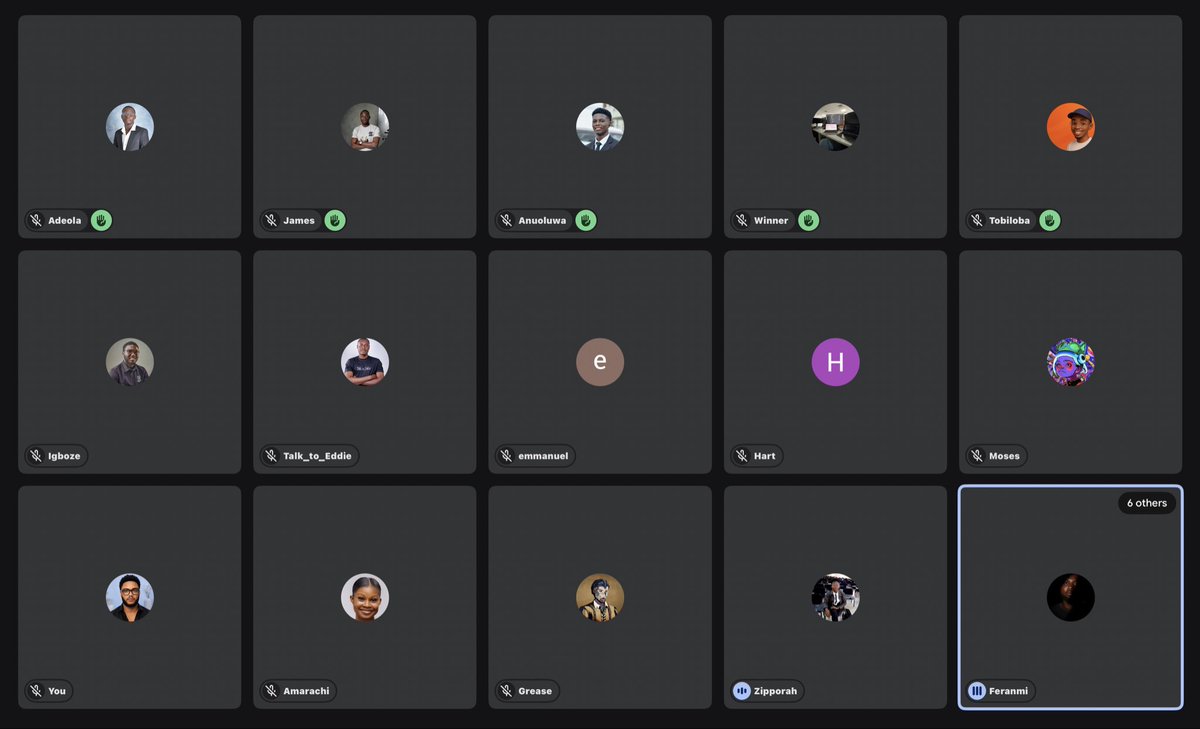
Day 6 of GTM School was all about Product Roast.
Builders stepped into the hot seat as their products were dissected, blind spots identified, and their positioning and messaging stress-tested.
See you next week Thursday!
5
15
95
1,626
Unnamed 🥷🏿 retweeted
Jun 8
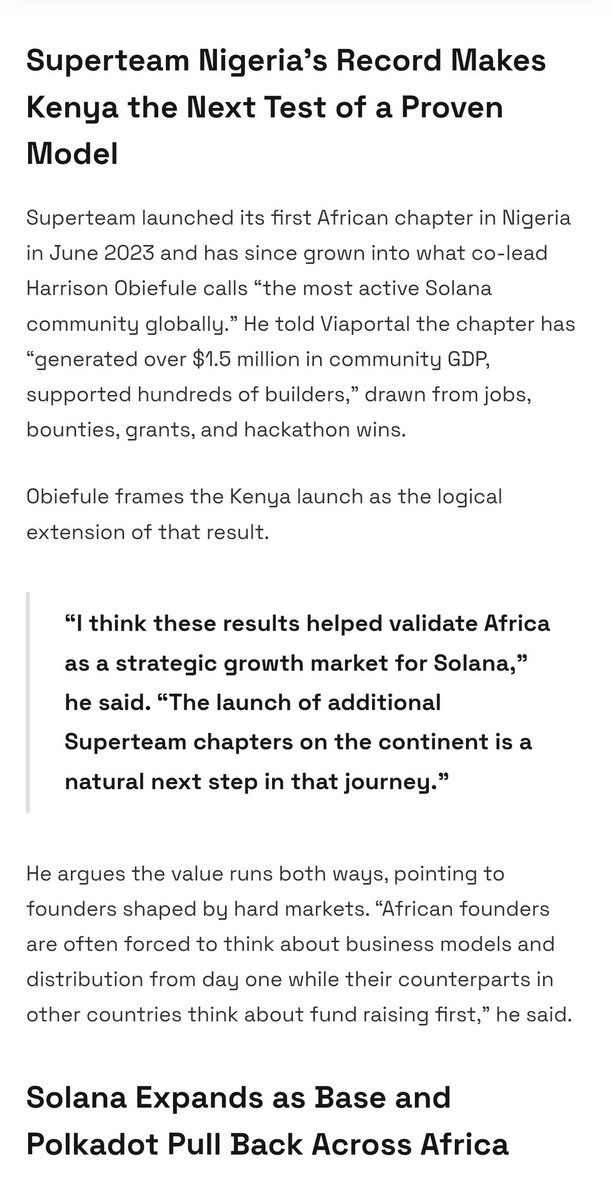
Superteam is expanding its footprint in Africa and is currently searching for a Lead in Kenya.
I spoke with Portal about the significance of this move, Kenya's role in the broader ecosystem, and what it could unlock for Solana builders and founders across the continent.
Jun 8

Solana's Superteam (@superteam) Targets Kenya in First African Expansion Beyond Nigeria
viaportal.xyz/solana-superte…

13
25
125
8,200
Unnamed 🥷🏿 retweeted

Jun 13
If you are thinking of integrating Stablecoin wallets into your products , here are a few things to consider before integrating
1. Stablecoins you want to support (USDT , USDC , cNgN)
2. Networks you want to support ( Solana , Bep20 , Ethereum , Tron , Base , Arbitrium , polygon, Sui , Aptos , Lisk , Celo )
3. Gas fees cost for the different networks
4. Speed of these networks transactions
5. Demand for the stablecoins and their different networks.
Kindly share with a founder that needs this.
4
14
52
1,730

Unnamed 🥷🏿 retweeted
Jun 13
If you are a founder trying to grow a personal brand and network with other founders ,here are a few tips to help you.
1. Get Verified on X
2. Have a clear description of what you are building on your bio
3. Talk about what you are building on the TL
4. Put a face to your profile , upload pictures from time to time , let people know who is behind the account
5. Attend events and conferences
6. Reach out to established founders in your line of work, don’t come on heavy , start with a mild intro , drop them a compliment and tell them you’d like to keep in touch.
7. Share your experiences building , problems you are facing etc.
8. Comment on issues affecting your industry as a whole.
9. Offer a helping hand to founders going through similar challenges you might have faced.
10. Avoid controversies , keep your posts strictly about your startup and your experiences.
The X algorithm would keep bringing your posts to founders in your field and suggesting their accounts to yours , consistently talking and sharing your experiences would keep putting you in peoples faces.
Kindly share to founders who might need this
14
32
136
3,592
Unnamed 🥷🏿 retweeted
Jun 13
If you are a founder in Nigeria , trying to raise money , here are some Angel investor networks/ Venture capital firms you can send your pitch to.
Good-luck
1. Microtraction @microtraction
2. Ventures platform @vp_fund
3. Ingressive Capital @IngressiveCap
4. Oui Capital @OuiCapital
5. Lagos angel network @EkoNetwork
6. Green capital @GreenHouseCap_
7. Voltron Capital @voltronafrica
8. Future Africa @anafricanfuture
9. Cascador @CascadorNigeria
10. Aruwa Capital @AruwaCapital
11. HoaQ Club @hoaqclub
12. Ajim Capital @AjimCapital
13. Lofty inc Capital @LoftyIncVC
14. Techstars Lagos @Techstars_Lagos
15. R17 Ventures @R17_Ventures
Kindly add others in the comment section below and share to founders that might need it.
17
103
433
19,731


.@calilyliu on the $SPCX IPO coming to Solana
"Crypto is fundamentally infrastructure. Infrastructure for finance globally, accessible to everyone, 24/7, wherever you might be. That's now five and a half billion people"
"With regards to the SpaceX IPO, it's going to be available on Solana tomorrow. As soon as it's available anywhere, you can get it on Solana on the internet"
"That's going to be through xStocks, Ondo, Sunrise and a number of other issuers, and globally accessible wherever you can log in"
117
201
1,051
155,637
Jun 13
RT @Nectar_finance: This is the IPO most people will read about but never actually get into.
You're not most people.
Download NectarFi to…
4
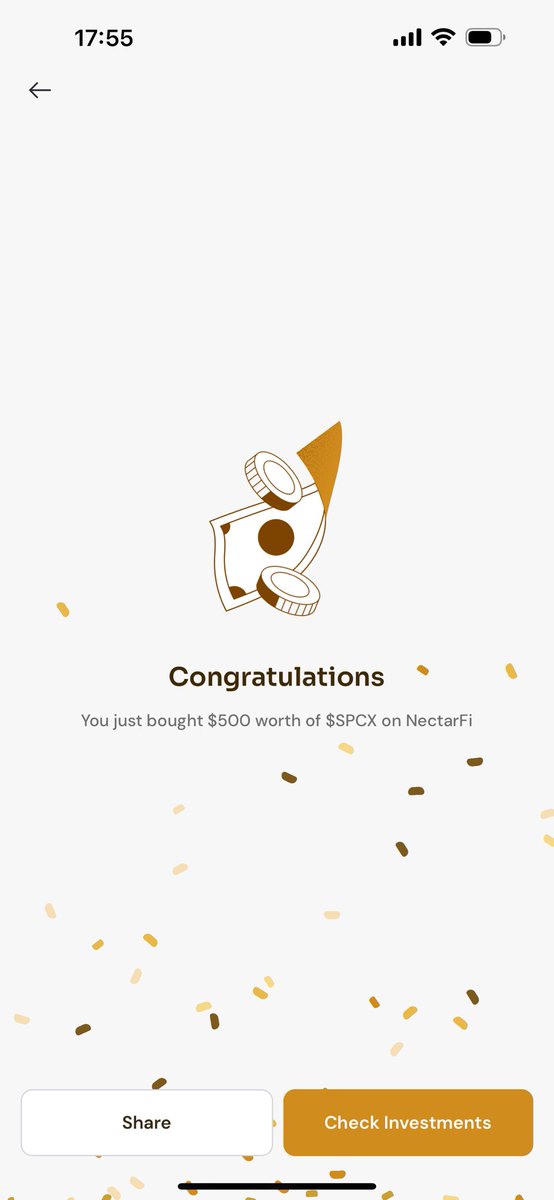
.@Nectar_Finance gives Nigerian users access to SPCX through @backpack and @sunrisedefi, connecting them directly into the global markets.
Solana makes global access to SPCX possible.
Jun 12

The fact that @SpaceX drops today and it took me less than 20 minutes to buy and gift to 10 amazing people shows the reason why i bet on @Nectar_finance.
They understand that access to wealth creation (not management) is the real use case for this technology. Adoption is about meeting people where they already are.
86
94
422
42,229
Unnamed 🥷🏿 retweeted

Jun 12
Thinking of launching a game contest on @orynth
There are thousands of indie game builders out there shipping insane stuff, but barely getting the attention they deserve.
Might be time...
9
5
43
1,303
Unnamed 🥷🏿 retweeted

Jun 12
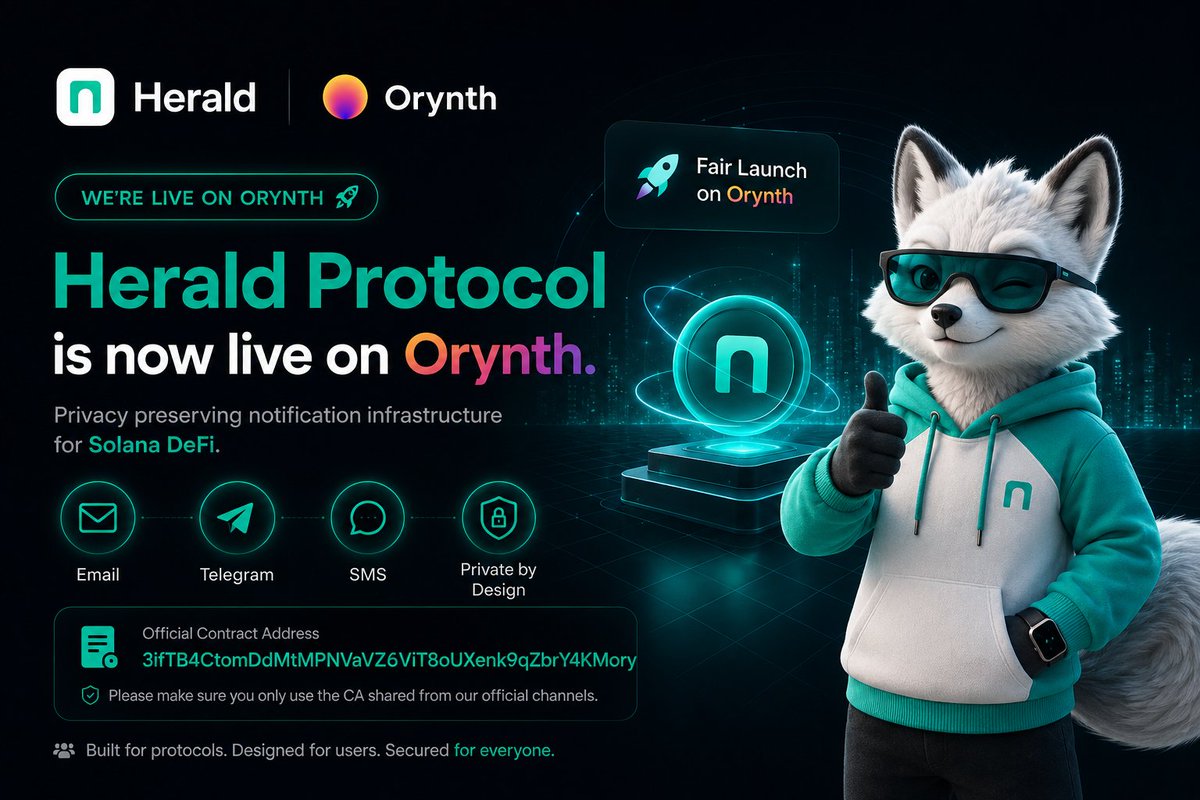
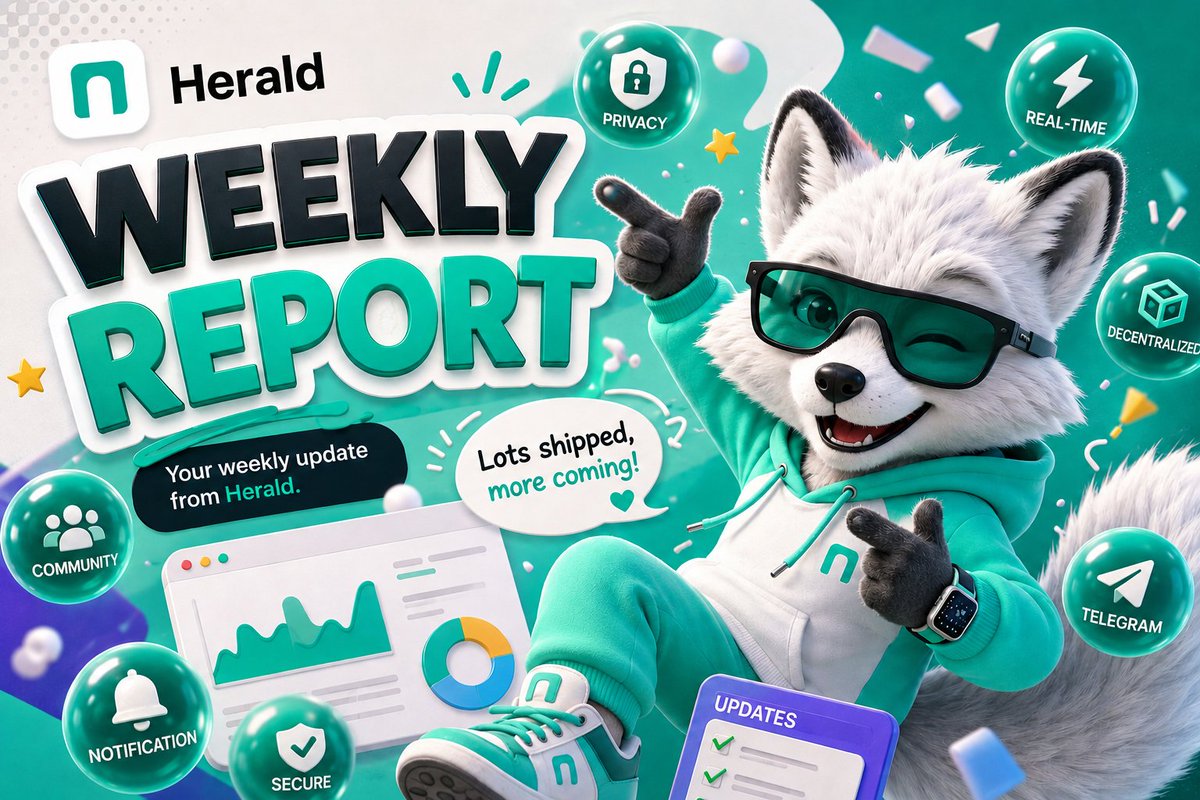
📡 Herald Weekly Update | June 8-12
Big week for the Herald user experience. Here's what shipped:
👤 For Users
• Subscription management is now live. Discover protocols, subscribe, unsubscribe, and manage per-protocol notification preferences all from one place
• Onboarding checklist gives new users a clear step-by-step guide after connecting their wallet
• Delivery health bar lets you see at a glance how reliably your notifications are landing
• Quiet hours lets you configure when you don't want to receive notifications
• Email OTP verification lets you verify your email as part of the sign-up flow, with smart resend handling
• Early Believer badge recognises Orynth holders on the platform and grants them priority notification delivery
• Mobile improvements including a hamburger nav, overflow fixes, and OTP paste support
🔌 For Protocols
• Protocols can now surface a Verified badge to subscribers on the discovery page
• The Herald SDK now includes a React entry point, making it simpler to embed Herald notifications in React apps
• Portal subscription and preference APIs are fully live and stable
🌐 Landing Page
• Full visual revamp with a new hero, features section, and footer
• Added an Orynth community section with the official contract address
• New animated background and cleaner typography
More coming next week. Stay tuned! 🚀
4
8
87