Joined November 2009
- Tweets 48,036
- Following 4,791
- Followers 5,641
- Likes 59,786
988 Photos and videos

Pinned Tweet

16 Dec 2025
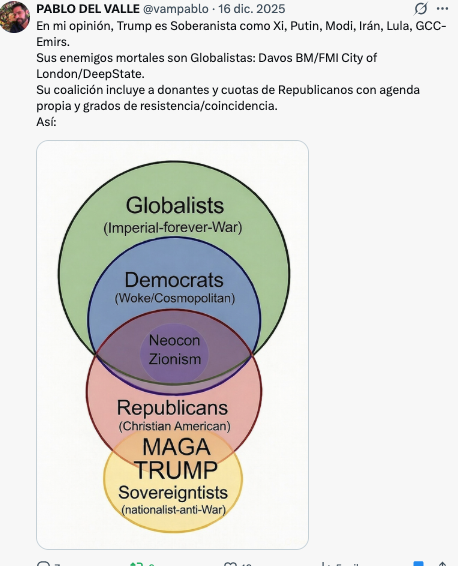
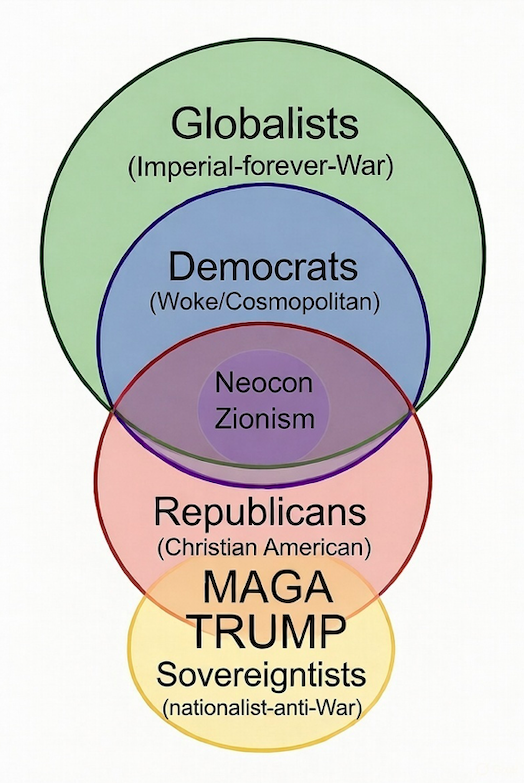
En mi opinión, Trump es Soberanista como Xi, Putin, Modi, Irán, Lula, GCC-Emirs.
Sus enemigos mortales son Globalistas: Davos BM/FMI City of London/DeepState.
Su coalición incluye a donantes y cuotas de Republicanos con agenda propia y grados de resistencia/coincidencia.
Así:
7
3
16
5,177
En EUA le llaman liberal-Izquierda a lo que aquí es el "buenaondismo" (marea rosa), y le llaman "conservador" a lo que aquí sería "lo popular/tradicional".
La industria de las identidades está impulsando una nueva segmentación por Salud Mental.
zerohedge.com/political/new-…
1
1
13
Et Tu, Mike Pompeo? Who Was MI6’s Inside Man Against Donald Trump? youtu.be/4zxX9rUINsM?si=CQJM… a través de @YouTube
15
Los twits de la Führer buenaondita.
El trabajo que esta señora ha hecho para exhibir la descomunal estupidez de la burocracia europea y la total hipocresía y falsedad de su discurso de DDHH y valores, es enorme.

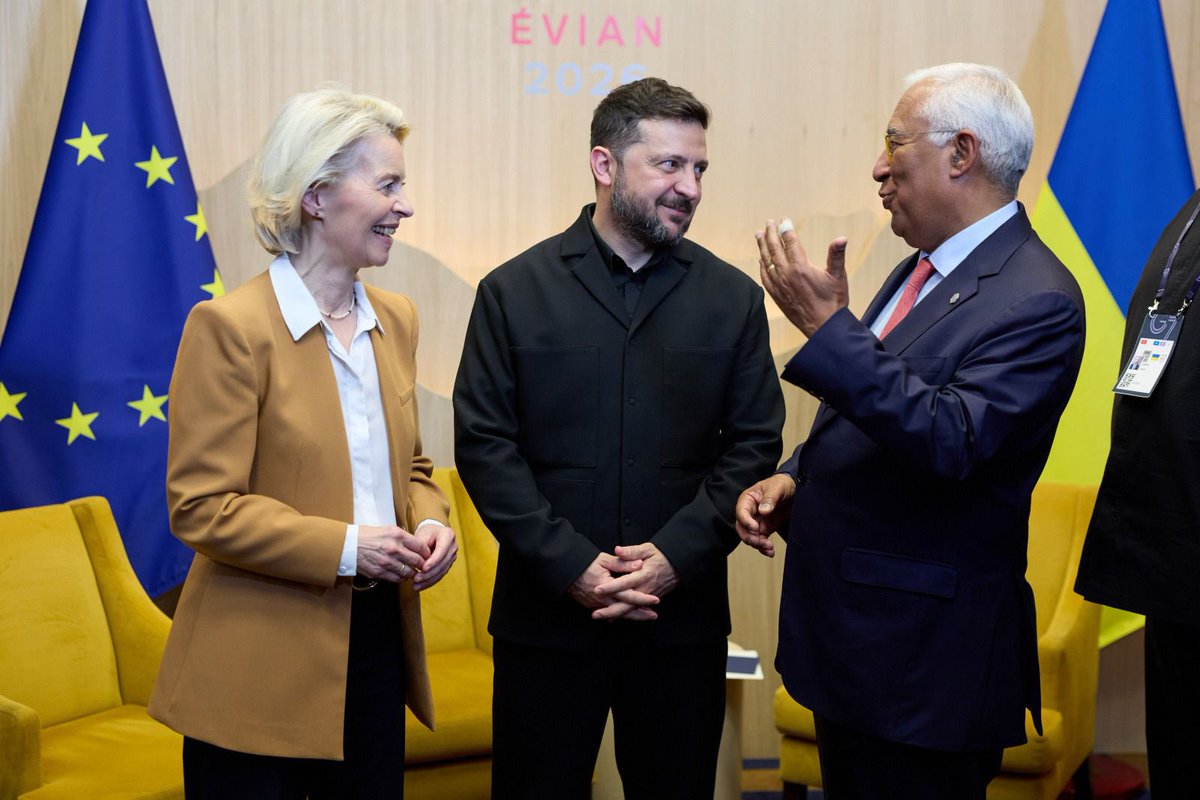
The EU is behind you, dear @ZelenskyyUa, today, tomorrow, as long as necessary.
Yesterday, we made history by opening the first accession negotiation cluster on Fundamentals.
And the first disbursement of the €90 billion support loan is imminent, with a strong focus on drones and defence capabilities.
You and the Ukrainian people are doing extraordinary efforts.
On the battlefield.
And on reforms. It is paying off, across the board.
The tide is turning for Ukraine.
16
PABLO DEL VALLE retweeted

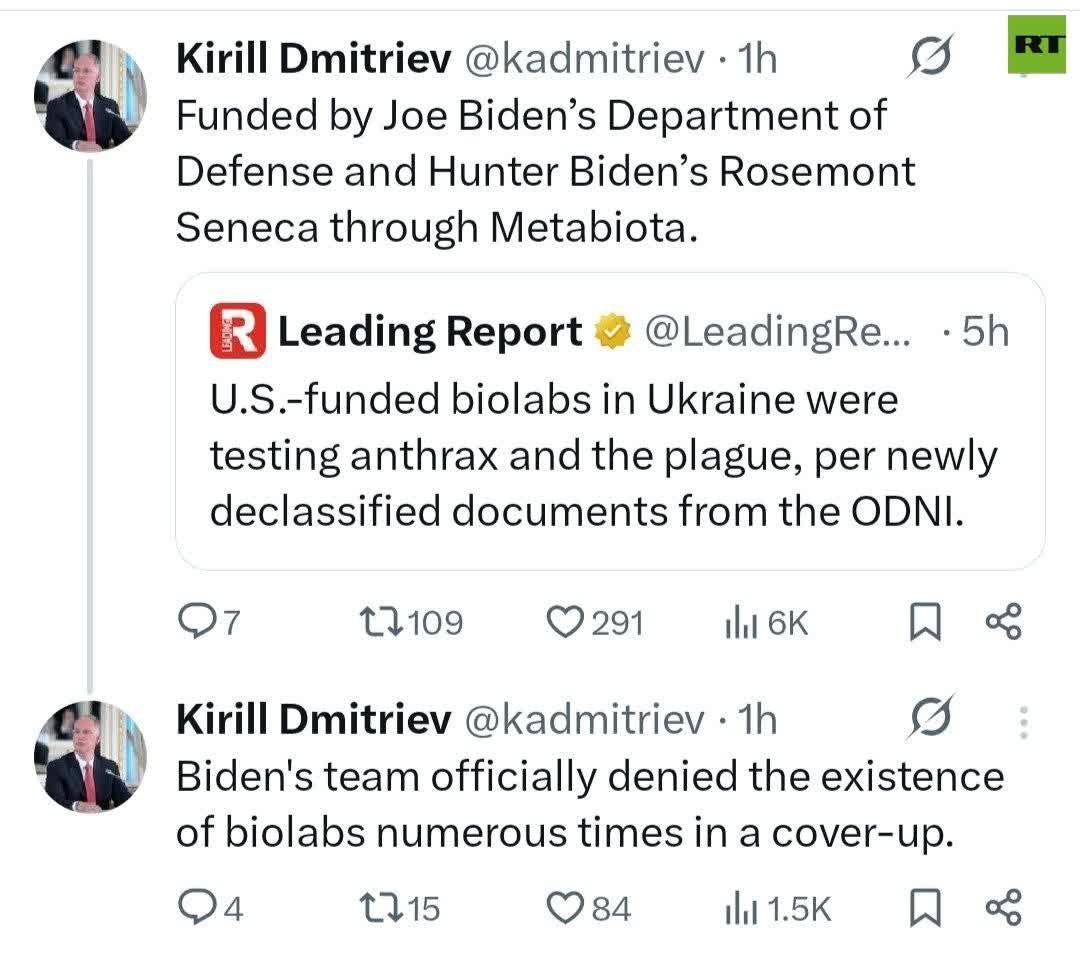
Funded by Joe Biden’s Department of Defense and Hunter Biden’s Rosemont Seneca through Metabiota.

U.S.-funded biolabs in Ukraine were testing anthrax and the plague, per newly declassified documents from the ODNI.
27
613
1,645
28,096
PABLO DEL VALLE retweeted

فرمایشات آقای مصطفی خوش چشم در تلویزیون کاملا درست بود. ایران تصمیم داشت در همان ساعات پاسخ محکمی به رژیم اسراییل بدهد که ترامپ بسیار نگران شد و با کمال تعجب بر سر موضوعات باقی مانده و «قفل کننده» در بحث تفاهم فورا کوتاه آمد. حماقت نتانیاهو در بمباران بیروت به ضرر خودش تمام شد.
124
560
3,216
87,426
PABLO DEL VALLE retweeted

My long-term followers will know that I’ve argued for years that the FIC is managing a transition away from the MIC-dominated forever war model in the Middle East.
You’ll also know how many people told me that could never happen.
Trump: FIC good cop.
Netanyahu: MIC bad cop.
Whether you agree with that framework or not, it’s the lens through which I’ve interpreted events for a long time.
The key question was never whether the transition would happen.
The question was how it would be managed, who would resist it, and what narrative would be used to sell it.
Trump latest narrative won’t surprise my followers.

SHOTS FIRED… President Trump just dunked on Israel for committing War Crimes against Civilians
“Israel has been fighting Hezbollah TOO LONG and too many people are being killed, and you don’t have to KNOCK DOWN an apartment house everytime you’re looking for somebody, because they’re a lot of people in those apartment houses, and they’re NOT all Hezbollah that can tell you. And I suggested to Israel to let Syria take care of Hezbollah, because to be honest with you, I think they do a better job of doing it.”
rumble.com/v7bde6a-trump-cri…
17
35
235
20,281

Yo entiende que hace apenas quince días no era perfectamente evidente para todos, la existencia de los Globalistas Vs los Soberanistas.
No era políticamente correcto distinguir que existe una Alianza Soberanista: Trump/Xi/Putin
Hoy es imposible no verlo. @BandaDelAzufre
Jun 15

El emisario de la Banca Central y la Corona Británica (la soberanía de Canadá y UK no reside en su pueblo, sino en su Rey), encabeza el Imperio Globalista. Gobernanza de simulación de DDHH al servicio del modelo financierista/FOREVER WAR.
Por favor, 4T, no apoyes a esta gente 🙏
3
109
PABLO DEL VALLE retweeted
Jun 15
El emisario de la Banca Central y la Corona Británica (la soberanía de Canadá y UK no reside en su pueblo, sino en su Rey), encabeza el Imperio Globalista. Gobernanza de simulación de DDHH al servicio del modelo financierista/FOREVER WAR.
Por favor, 4T, no apoyes a esta gente 🙏
Jun 15

Did this man read Binding Chaos?
"A dense web of connections" and governance by "ad hoc coalitions" is the Binding Chaos governance model. Everything he has said since coming to power sounds like Binding Chaos.
1
3
184
PABLO DEL VALLE retweeted
Ustedes son muy jóvenes para saberlo, pero esta reunión es de los Globalistas contra Trump.
La reunión de las verdaderas potencias fue en China, el mes pasado.
Jun 15

🚨 JUST IN: President Trump is the MAN OF THE HOUR working hard at the G7 in France, he is REFUSING to slow down 🇺🇸
He wrapped up UFC at 1AM, boarded Air Force One at 3AM, and now he's having MULTIPLE meetings abroad with more to come
Trump ended the Iran war and even called to restart the process of ending the Ukraine war
HIS WORK ETHIC IS UNMATCHED! 🔥
1
1
77
PABLO DEL VALLE retweeted

Trump at the G7 Summit in Canada calls out Obama and Trudeau for kicking Russia out of the organization in 2014.
All Putin wants is for Russia to be respected and given a seat at the table in what he calls a “multi-polar world”. Instead, the West isolated Russia and turned Ukraine into a NATO proxy to fight Russia.
One could argue a soft/cold WW3 started in 2014. That was the moment the CIA/State Dept overthrew and took control of Ukraine, and the West completely isolated Russia.
Everything we are witnessing now stems from the catastrophic foreign policy decisions during the Obama regime.
FOLLOW ME, THE NEXT DROP WILL BE SHOCKING.
43
323
925
19,487
PABLO DEL VALLE retweeted

21h
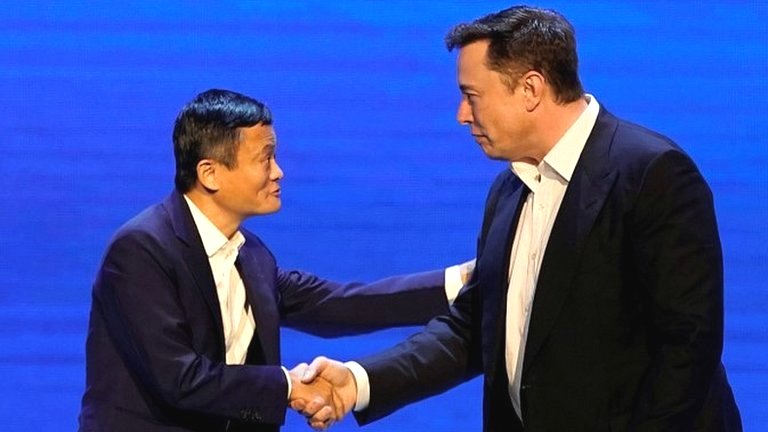
If you truly understand geopolitics, the Musk - Jack Ma contrast is the best example of how different power structures treat two visionary entrepreneurs.
One treats private scaling as the primary engine and subordinates everything else to it.
The other treats private scaling as a conditional tool that must remain subordinate to centralized continuity.
Two very distinct power architectures.
In the US, capital allocators extract fees most efficiently when wealth concentrates upward. Large asset managers and index vehicles earn a percentage of assets under management; the bigger and more concentrated the pools, the higher and more stable the fee income with minimal marginal effort.
This logic rewards actors who compound at the top; whether through technology platforms, defense-linked contracts, energy transitions, or satellite infrastructure,
while treating broad citizen welfare as a secondary externality rather than a binding constraint. Subsidies, regulatory carve-outs, tax treatment, and procurement flows consistently align with the return profiles of these allocators.
The US state does not function as an independent sovereign imposing requirements on society for welfare. Its a platform that clears obstacles for private sector power.
When this produces extreme outcomes at the bottom; like record high homelessness, the system registers it as a local governance issue rather than a structural failure requiring reversal of the upward tilt.
China operates under the opposite priority. The party-state apparatus retains decisive authority over capital direction, financial architecture, and information flows.
China halted Ant Group because Ant was about to load the entire Chinese consumer-credit market onto its own balance sheet;
systemic risk dressed up as innovation.
Cutting it down wasn't jealousy. It was preventing uncontrolled private autonomy from threatening public affairs.
The IPO was halted, the founder was sidelined, and the entity was restructured under tighter supervision.
This was not punishment for success per se; it was enforcement of the rule that no private actor may grow large enough to constrain the state’s ability to direct resources toward its own continuity priorities.
Visible street homelessness in major Chinese cities remains bare minimal because the state treats housing stability and public order as core legitimacy inputs.
Containment, relocation, shelter provision, and suppression of visible disorder are executed as operational requirements, not optional welfare spending.
The American pattern therefore produces trillion-scale personal fortunes for those whose activities feed the dominant extraction chains, alongside accelerating visible social costs that the system is structurally reluctant to internalize.
The Chinese pattern clips individual compounding when it risks becoming an independent power center, while delivering tighter management of visible disorder.
Both outcomes follow directly from which actor holds final authority. And it's not Elon or Jack.
It's transnational private capital networks that migrate toward highest returns, or a state apparatus that will not permit private networks to outgrow its control layer.

Ten years ago, Elon Musk and Jack Ma both looked like avatars of the future.
Musk was building electric cars, rockets, satellites, and AI. Jack Ma was building Alibaba, the crown jewel of China’s internet economy.
Fast forward a decade: Musk is worth $1.1 trillion.
Jack Ma was forced into silence, Ant Group’s IPO was crushed, Alibaba lost its aura(its stock plunged by more than 60% since 2020), and China’s tech sector went from world-beating to politically domesticated.
One entrepreneur was allowed to compound.
The other was reminded who really owns the scoreboard.
This is not just a story about two billionaires.
It is a story about two systems. One system lets madmen build rockets to Mars.
The other cuts down its most successful entrepreneur for flying too close to the sun.
That is why Musk became the world’s first trillionaire.
And Jack Ma became a warning label.
12
36
198
21,491
PABLO DEL VALLE retweeted
Jun 15
Aquí en México los medios están alineados a la narrativa de los Globalistas, donde se incepciona la fantasía de un Mundo Basado en Reglas(liberales), donde Trump es "El Imperio"(sic), y es enemigo de Rusia y China.
Esto es falso.
Trump/Xi/Putin son la Alianza anti-Globlaistas.

🇺🇸 🇷🇺 🇨🇳 Trump in an interview with the NYT noted the help of Putin and Xi Jinping in resolving the US conflict with Iran.
t.me/ruswar
1
1
242

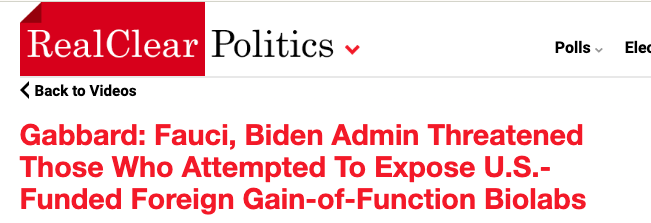
There were 120 secret biolabs in 30 different countries.
Let that sink in.
realclearpolitics.com/video/…
1,432
7,308
24,850
398,479
Jun 15
Estos son los Globalistas: burócratas designados por la Corona Británica y la Banca Central de la City of London que administran la UE-UK.
Ellos acaban de perder la Tercera Guerra Mundial, que anhelaban desencadenar.
El Memorandum de paz EUA-Irán, se apoya en Xi, Putin y Trump.
Jun 15
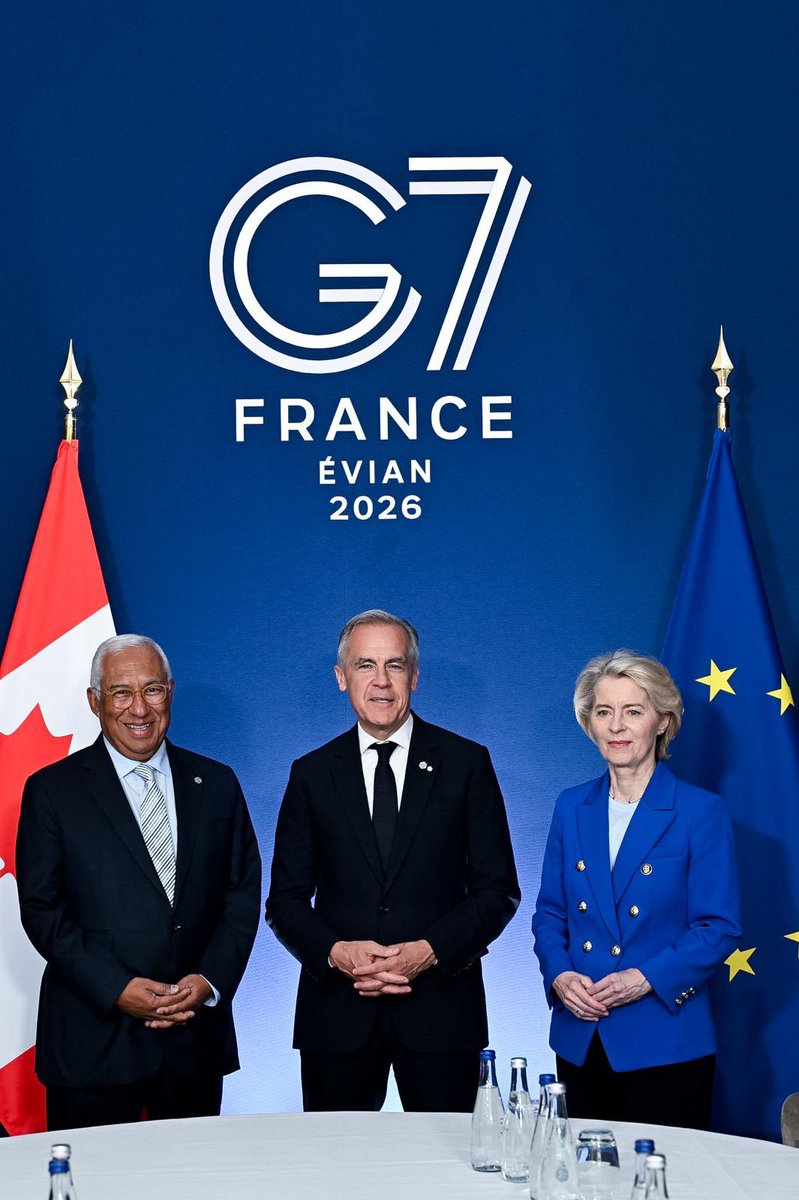
Great discussion with @MarkJCarney in Evian.
Canada is truly the most European of the non-European countries.
We are working together on digital trade, critical raw materials, and defence.
We are also stepping up our cooperation on energy.
Our next Summit, on 29–30 October in Canada, will be a major milestone in a partnership that continues to grow deeper and broader.
2
65
PABLO DEL VALLE retweeted
Jun 15
La Pandemia Covid fue creación de Biolabs, Agencias de Inteligencia y Privados, financiados por USAID. Esto se supo desde 2020 pero se censuró y persiguió a quien lo divulgara.
Hoy ha sido demostrado. Sigue sin ser la gran noticia, pero ya quedó para la historia de la humanidad.
Jun 15

Trump Settles Iran and Ukraine as the War Machine Loses Control x.com/i/broadcasts/1lKQRREpy…
2
2
65
PABLO DEL VALLE retweeted
Jun 15
El Globalismo Imperial Anglo-Sionista, acaba de perder la Tercera Guerra Mundial, que acaba de ser evitada. Esa es la lectura correcta.
x.com/vampablo/status/206655…
Jun 15
Aquí en México los medios están alineados a la narrativa de los Globalistas, donde se incepciona la fantasía de un Mundo Basado en Reglas(liberales), donde Trump es "El Imperio"(sic), y es enemigo de Rusia y China.
Esto es falso.
Trump/Xi/Putin son la Alianza anti-Globlaistas.
1
1
152