
Joined May 2009
- Tweets 14,380
- Following 180
- Followers 39,187
- Likes 8,098
1,625 Photos and videos




Pinned Tweet

26 Mar 2021
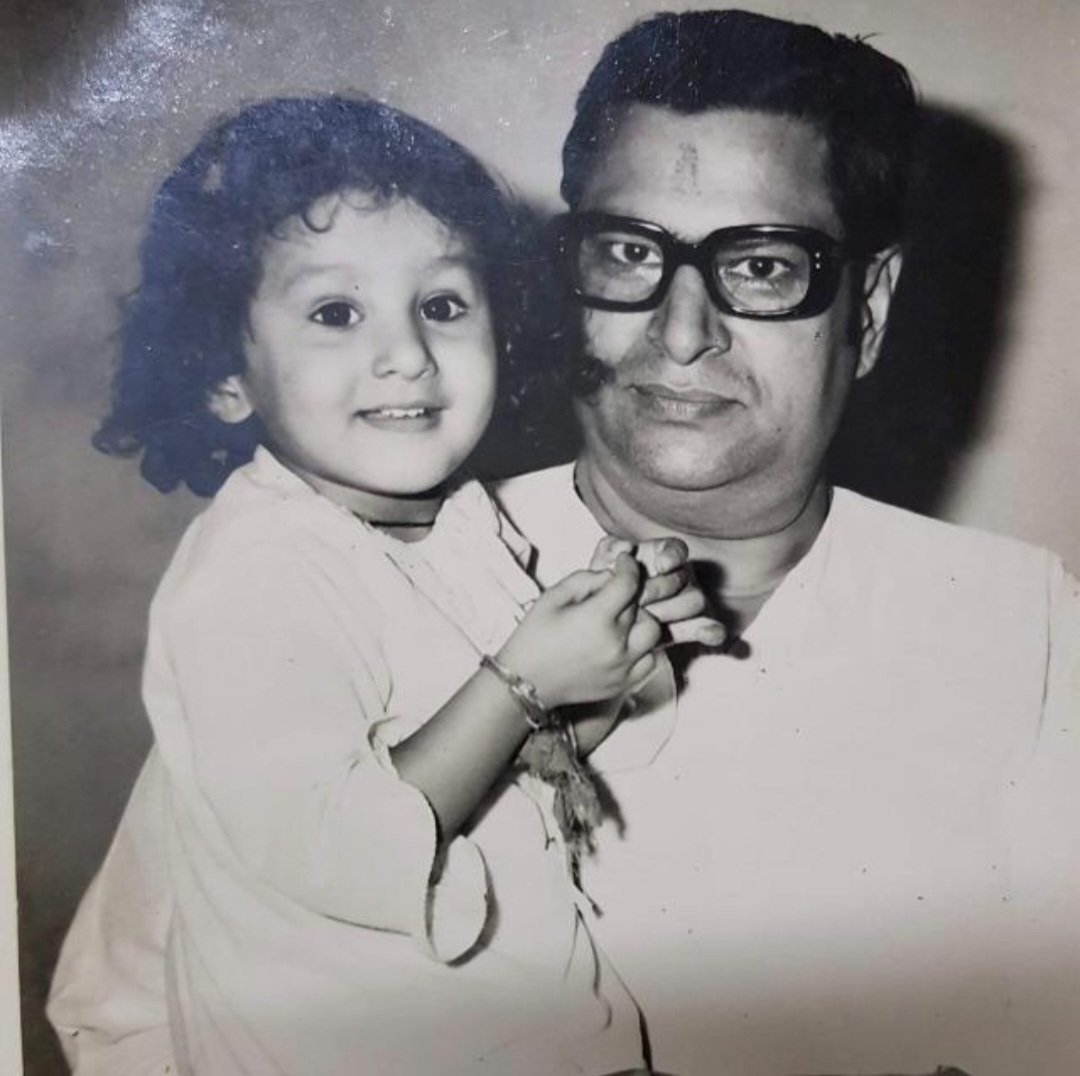
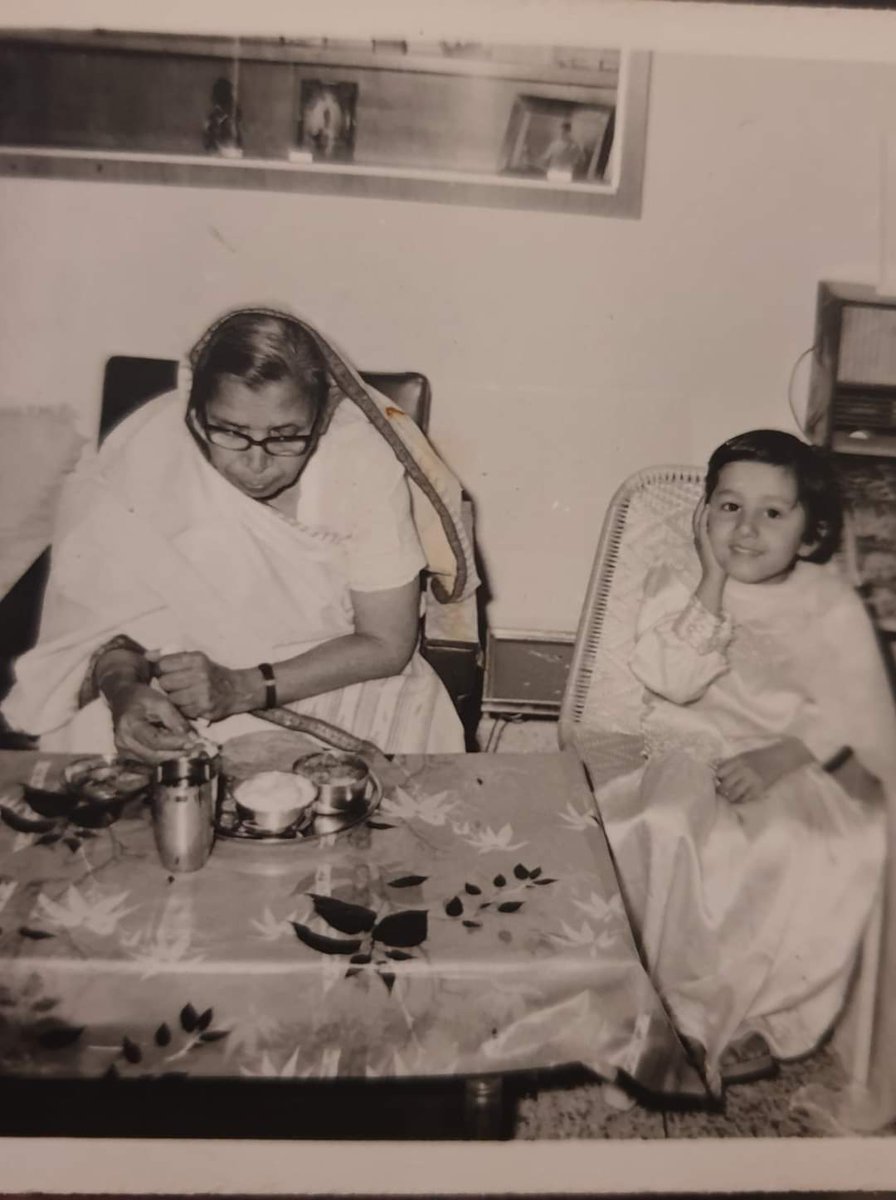
एक अविस्मरणीय स्मृति।
आज महादेवी जी के जन्मदिन पर...
#महादेवी_वर्मा
16
6
157
🙏🏻
Jun 12

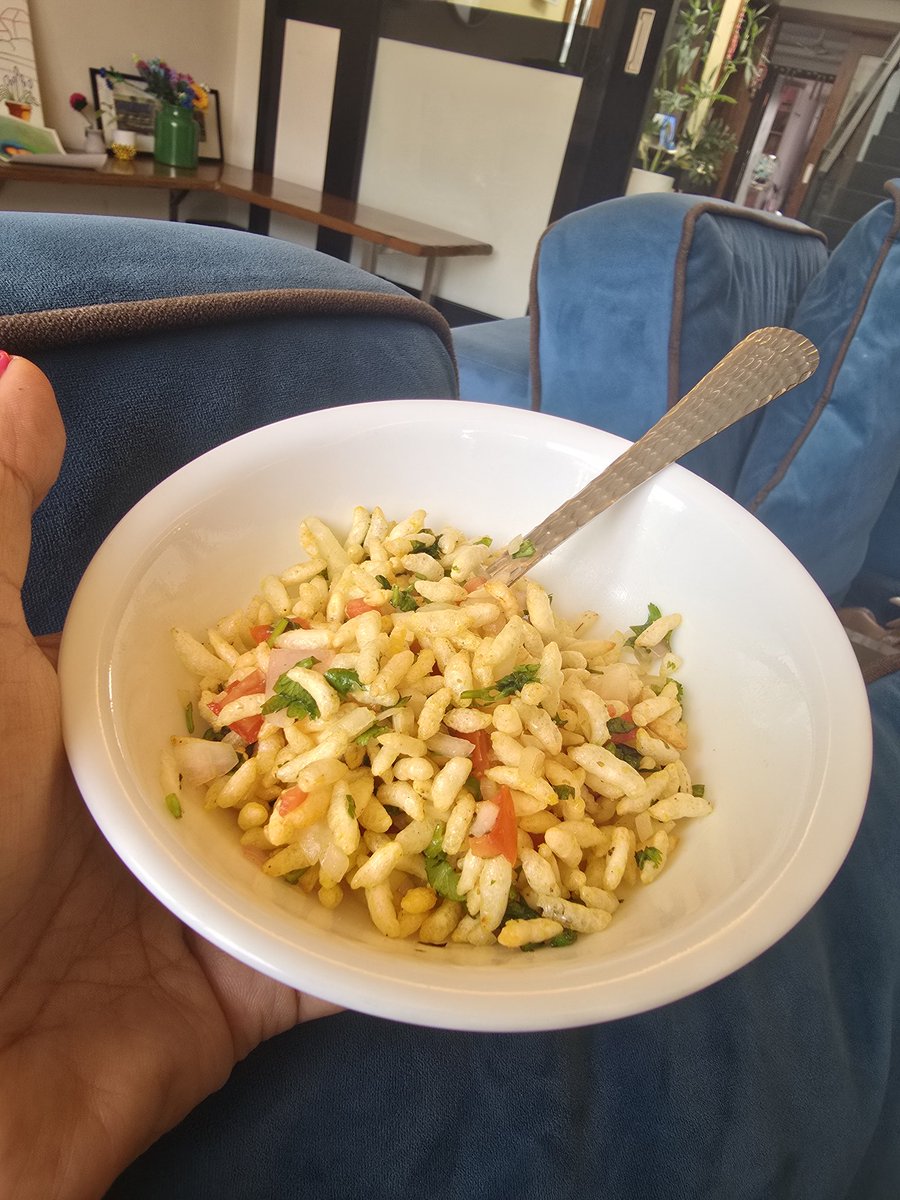
झलमुरी? बड़े लोग आजकल वही खा रहे हैं। 😄😄
2
104
Congratulations to @narendramodi ji for his leadership in guiding the Nation through 12 years of remarkable development. May your vision for this Nation be fully realized.
Best wishes!
121
Vani Tripathi Tikoo retweeted

There is an old curiosity of mountaineering literature: the unseen companion. Particularly on Everest, high in the death zone (above 8,000 metres), where the air has roughly a third of the oxygen available at sea level. It’s been described as an extra presence. It appears when your body is a sack of broken glass and your mind a leaking battery in the howling waste. The phenomenon has been reported often enough to have acquired a name: the Third Man Factor. Neurologists call it a hallucination. But one notices (in reports) that the hallucination is invariably constructive. It doesn’t urge men and women to lie down and die. What’s remarkable is the number of times it’s been reported. The newcomer arrives as a fellow traveller. Someone walking just off your shoulder, matching your pace. Oddly calm and professional, encouraging you onwards. Even their silence is reassuring rather than ominous.
The upper reaches of Everest have produced many such accounts. Frank Smythe, descending from the mountain in 1933, became so convinced of a companion’s presence that he broke off a piece of mint cake to share with him. More than seventy years later, the British physician Jeremy Windsor, exhausted and hypoxic near the summit, found himself accompanied by climber whom he named Jimmy and had a full conversation with him. Others have reported the same phenomenon in Antarctica, at sea, in deserts, in disaster zones, in the lonely aftermath of accidents and shipwrecks.
We’ve always been reluctant to accept that the most mysterious experiences may arise from ordinary tissue. The neurological explanation is less mystical than it is strange. Our sense of being a self and occupying a body, moving through space, is a given. But to achieve that the brain must constantly integrate signals from vision, touch, balance, proprioception and memory into a coherent account of who and where we are. Under conditions of severe stress, that integration can falter.
One region that has attracted particular interest is the temporoparietal junction, a patch of cortex involved in constructing the boundary between self and other. Neuroscientists have shown that disrupting activity in this area can produce the vivid sensation that another person is standing nearby, mirroring one’s movements. The figure is not seen in the ordinary sense, but felt. The brain appears to externalise part of its own representation of the self and then experiences it as a companion.
The combination of hypoxia and sleep deprivation may make such misfires more likely.
Yet the phenomenon has another aspect that neuroscience doesn’t fully capture: the presence being helpful, shepherding people through circumstances in which they might otherwise surrender. Why should there be a voice suggesting the next crevasse to avoid? Why a steadying hand at the small of the back when the legs have turned to water? One is tempted to think that the brain, faced with conditions for which evolution made little provision, is manufacturing the thing most likely to improve the odds of survival: another human being.
Whether Dawa Sherpa encountered such a figure is known only to him. Perhaps there was no phantom, only a lifetime of mountain knowledge operating below consciousness. Either way, one hopes he has many years ahead of him: many more climbs and many more evenings spent telling stories that sound impossible.
Jun 4

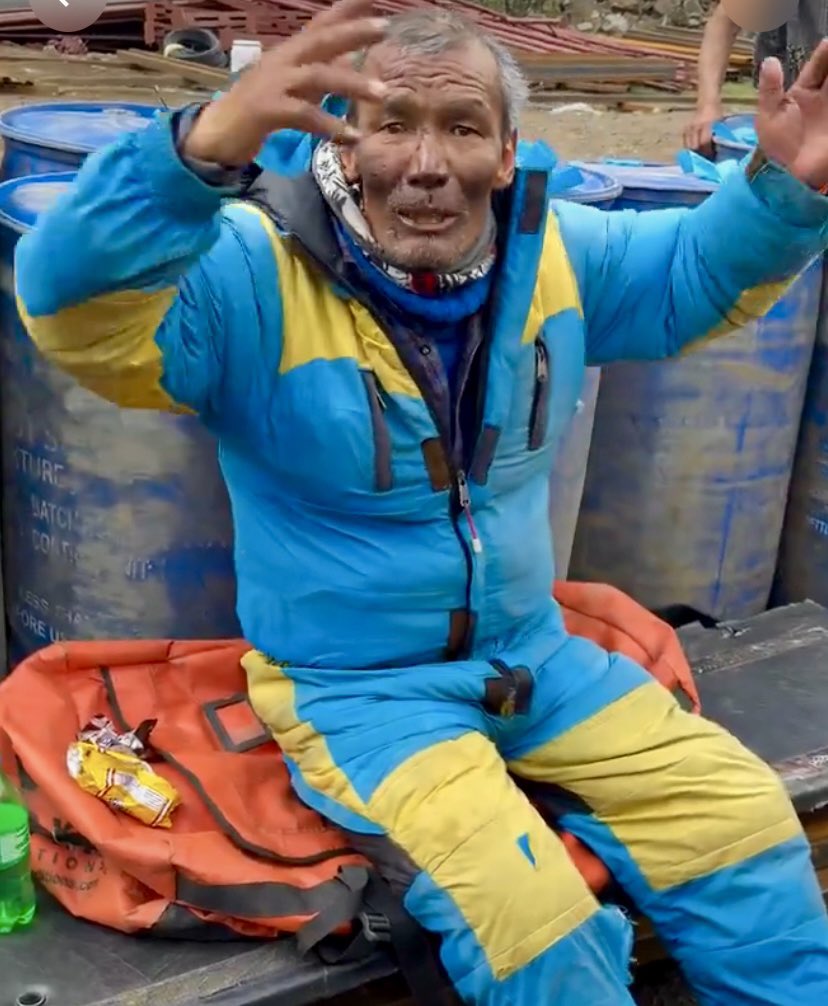
Dawa Hillary Sherpa (52 años, de Okhaldhunga, Nepal), guía sherpa experimentado, fue dejado atrás el 29 de mayo de 2026 (último día de la temporada) durante el descenso del Everest, cerca de la zona de la muerte.
Dawa guiaba a un cliente polaco con Himalayan Traverse Adventure (agencia nepalí). El cliente —que escalaba sin oxígeno suplementario— sufrió congelaciones graves cerca del Collado Sur (Campo 4, 7.950m), por lo que dieron la vuelta.
En el descenso por la Cara de Lhotse (cerca del Campo 3 / Yellow Band, 7.500-7.600 m), Dawa se detuvo a descansar con mochila pesada y les dijo al cliente y a otro sherpa que siguieran. Se separaron.
El cliente y otro sherpa llegaron al Campo 2 (6.400 m), de donde fueron evacuados en helicóptero. Dawa no apareció.
La temporada en el Everest cerraba ese mismo día. Los Icefall Doctors retiraban las escaleras de la Cascada de Hielo del Khumbu poco después (zona 5.500-6.000 m).
Su empresa tardó días en reportarlo y no activó una búsqueda inmediata.
El miércoles 3 de junio subió un helicóptero (de 8K Expeditions, a petición de la familia), pero no lo vio a pesar de buscar desde la Cascada de Hielo hasta Campo 3.
Críticas duras por negligencia y falta de apoyo.
Final milagroso (hoy, 4 de junio): Dawa sobrevivió 6-7 días solo en la montaña (sin oxígeno, sin comida, solo, sin ayuda).
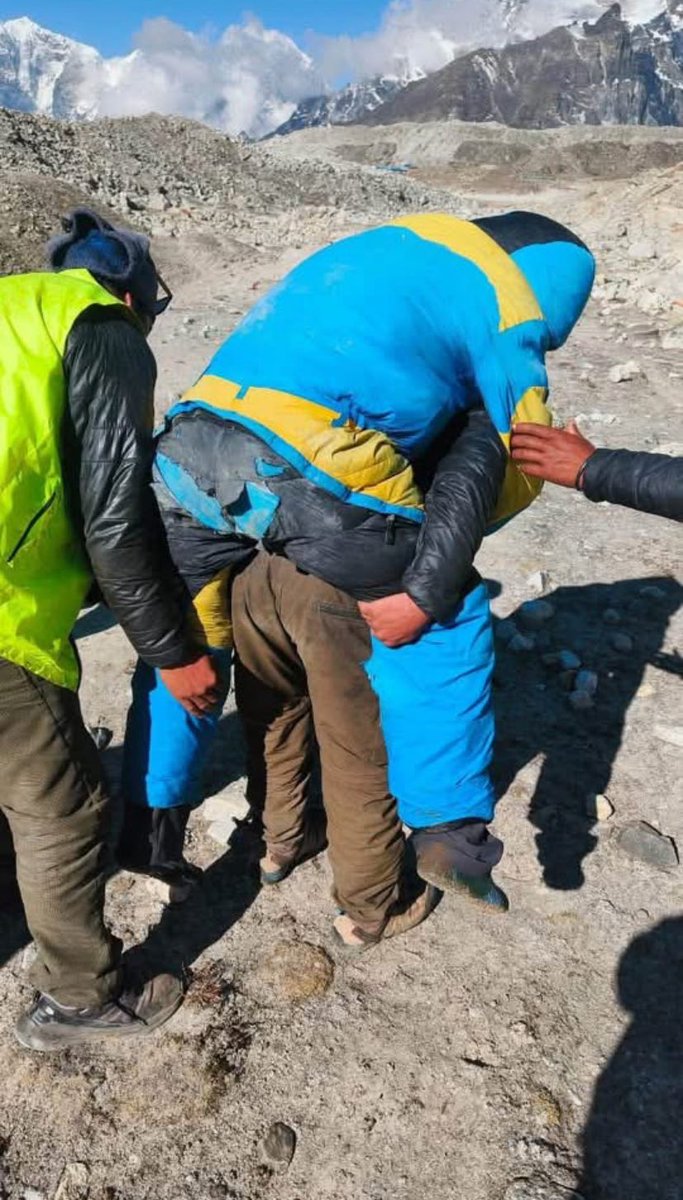
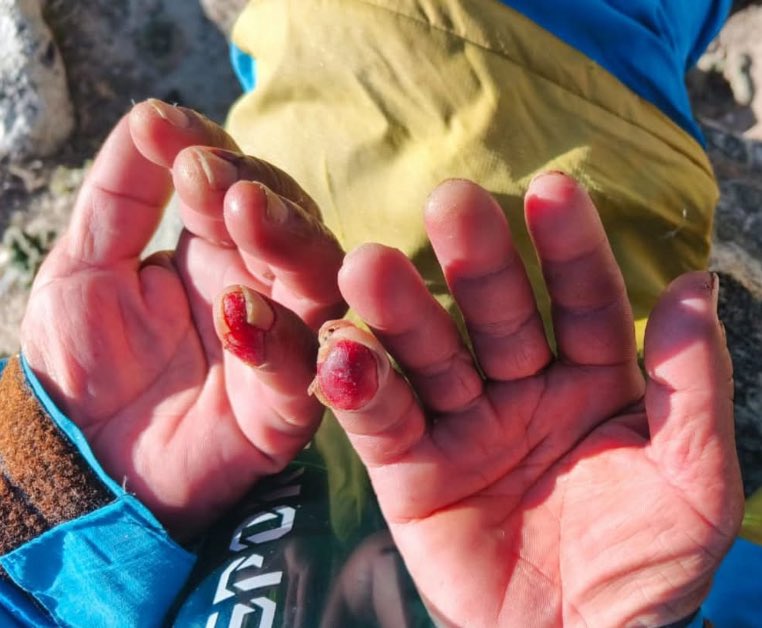
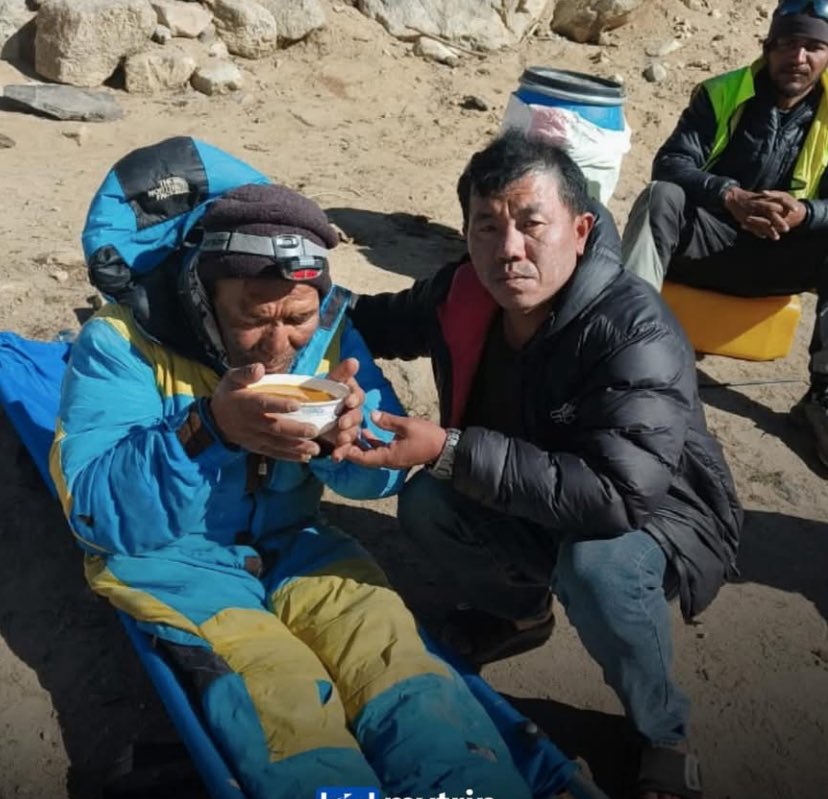
Bajó arrastrándose más de 2.000 m por la vertiginosa Cara de Lhotse, Western Cwm y la peligrosa Cascada de Hielo del Khumbu, arrastrándose hacia el Campo Base . Un equipo de limpieza lo encontró cerca del Crampon Point, consciente pero con graves congelaciones. Dawa hablaba lento y estaba débil. Le dieron una sopa caliente. Fue evacuado en helicóptero a Kathmandu, donde está en el hospital recuperándose.
Su familia ya preparaba los funerales.
Pero como dice la canción de Cheo Gallego:
"Nadie sabe si luego de la muerte podemos vernos,
nunca;
Que si el infierno que resguardas tú
Lo guardas, pero en tu yo interno
NUNCA."
📷Mingmar Sherpa/Capitán Bibek Khadka
3
23
78
30,745

Hahaahhaa! And remember phalsa? And ber?
Jun 3

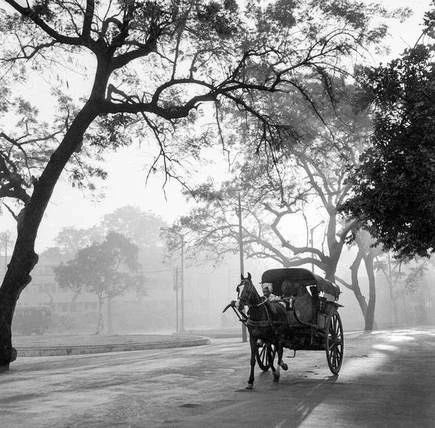
I remember going to school in a Tonga in Delhi. Now heavily into AI. What a journey life has been ..
I then graduated to bicycle. From Nizamuddin to Barakhamba road where my School was. Unfortunately on the way was India Gate. Full of Jamun and Shehtoot trees. How could you not shake the branches and eat the Jamun’s that fell off the trees ?
Of course all the excuses of why I was late to school never worked… guess why? …
How do you lie with a completely purple tongue ?
154
Or hedwi or guhaghar..all gorgeous..
Jun 3

Is it Ganpati Pule?
1
158
Happy happy birthday to our dear friend, philosopher and guide...shine on you are unputdownable...
Pave on!!
@manojladwa
2
222
Vani Tripathi Tikoo retweeted

Jun 1
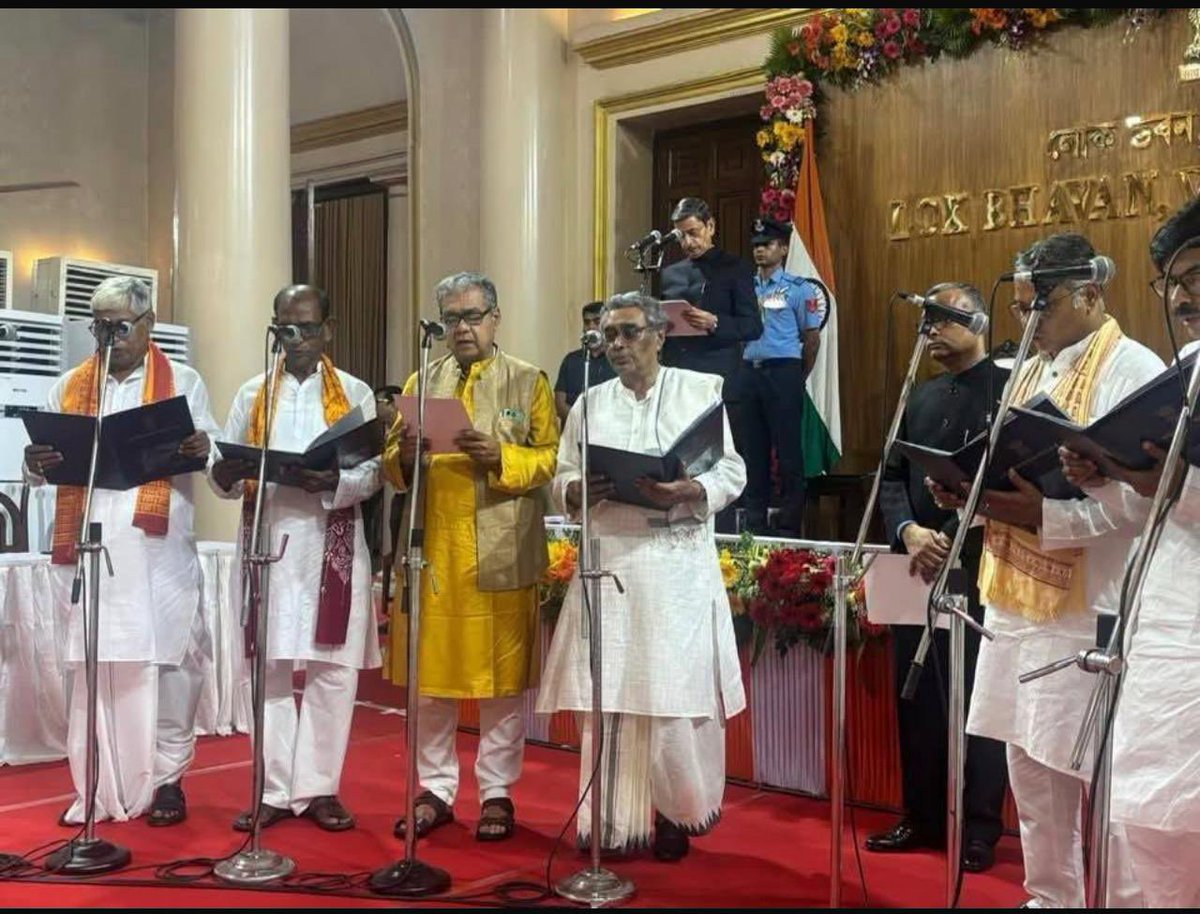
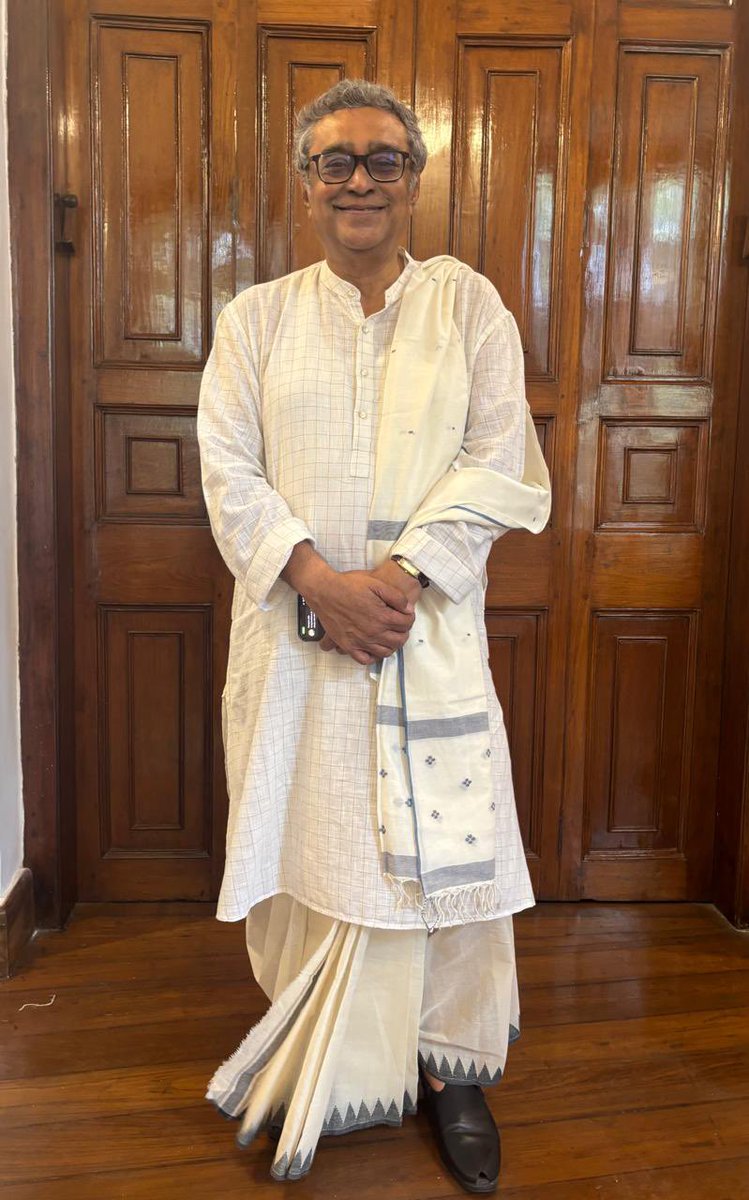
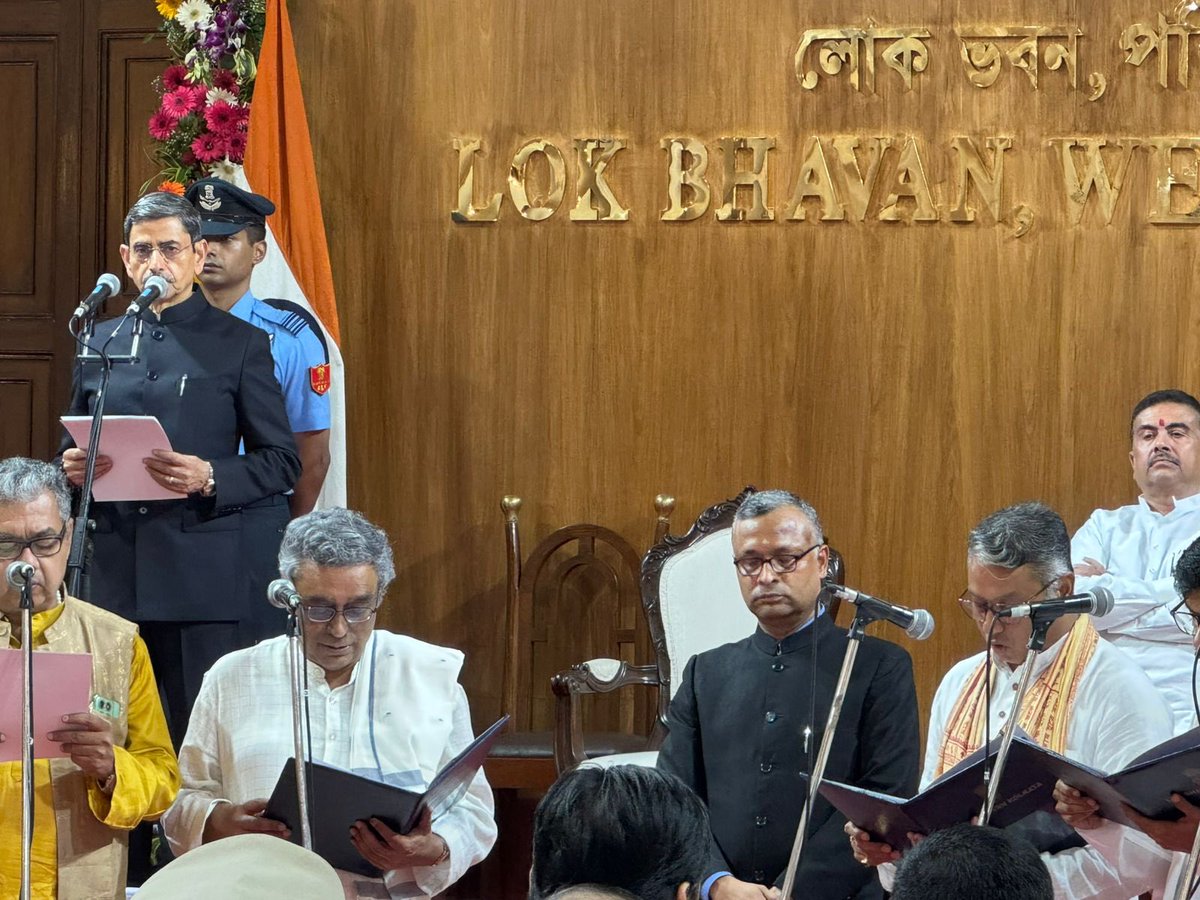
Honoured to be sworn in as a Cabinet member in the West Bengal government.
501
944
9,051
218,907
Abhinandan dada! Badhai!!
Jun 1

Honoured to be sworn in as a Cabinet member in the West Bengal government.
230
May you grow strength to strength!
May 29

Thank you so much for your warm wishes and kind words.
1
71
Congratulations @hdmalhotra on being nominated the chief of @BJP4Delhi
A huge change for the party and an able karyakarta makes it to the top!
Kudos!
1
1
5
406
Vani Tripathi Tikoo retweeted

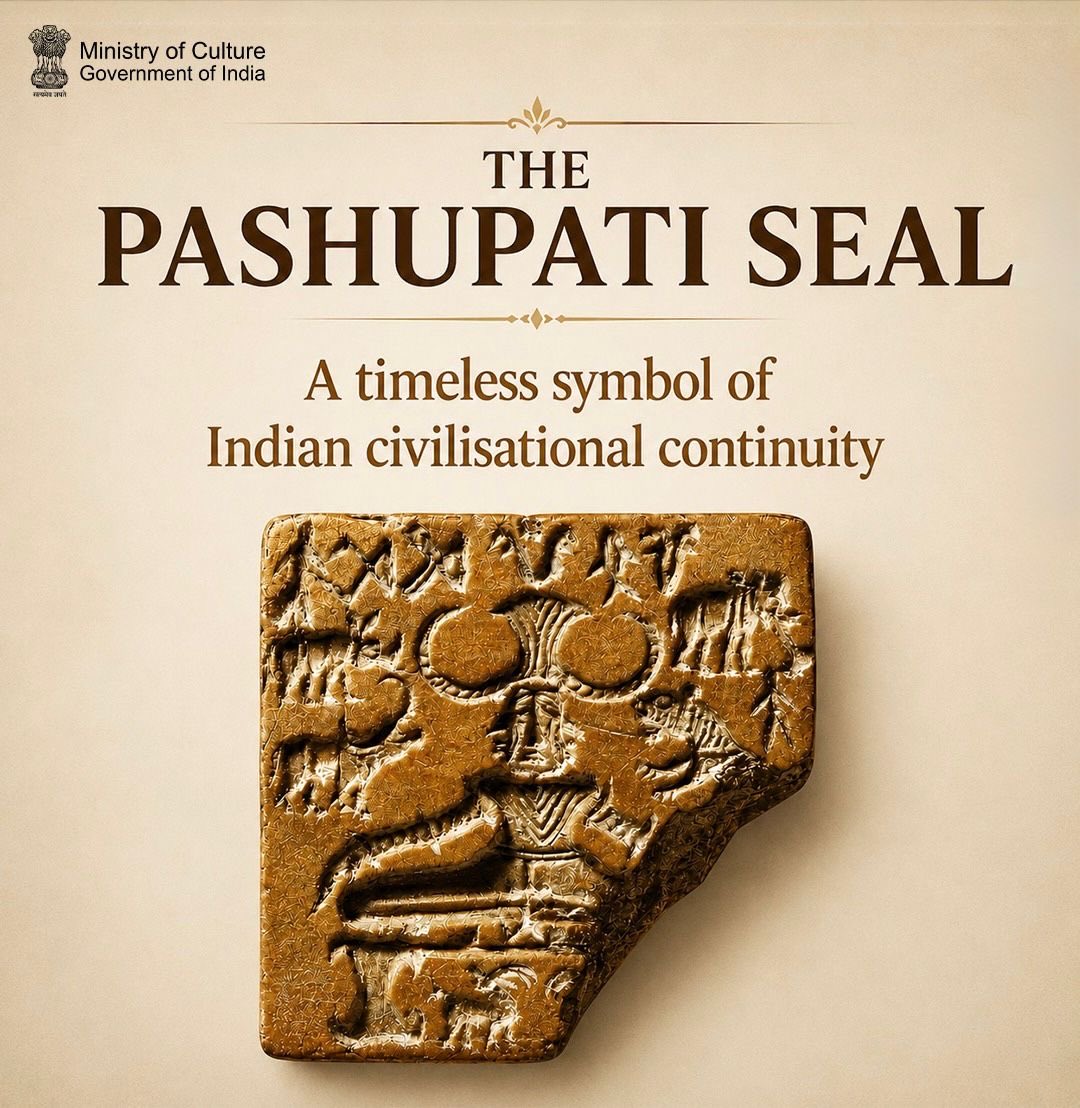
One of the most powerful symbols of India’s unbroken civilizational continuity!
Discovered at Mohenjo-daro in undivided India this steatite seal, about 4,300-year-old, shows a seated figure in yogic posture (widely seen as Shiva-Pashupati) seated in Mulabandhasana, surrounded by animals.
While ancient sites may lie across modern borders, India remains the living custodian of this heritage. The yogic posture, Shaivite symbolism, and spiritual ethos seen in the Pashupati Seal continue to thrive in India’s temples, daily worship of Shiva, yogic traditions, and cultural life even today.
From the Vedic period to contemporary Bharat, this civilizational thread has remained alive and unbroken — deeply embedded in our philosophy, rituals, and collective consciousness.🇮🇳
#PashupatiSeal #IndusSaraswatiCivilization #LivingIndianHeritage
607
5,401
17,439
1,742,426
Vani Tripathi Tikoo retweeted

May 27
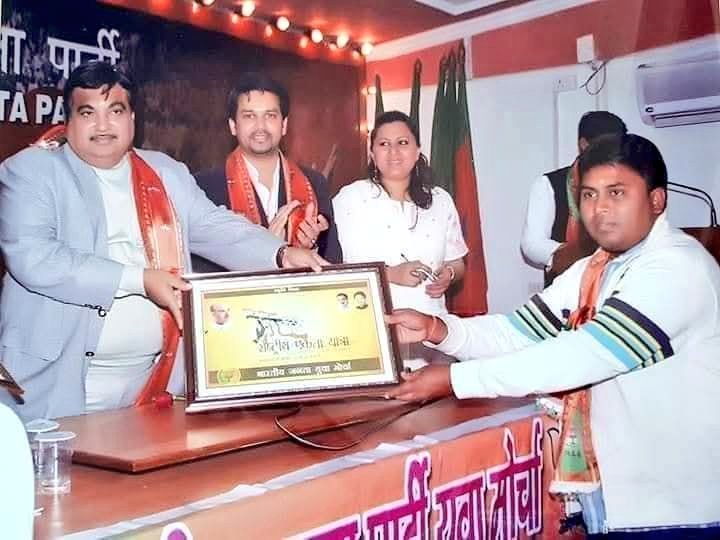
भाजपा के वरिष्ठ नेता एवं केंद्रीय सड़क एवं परिवहन मंत्री अभिभावक श्री @nitin_gadkari जी को जन्मदिन की हार्दिक एवं शुभकामनाएं।
भगवान आपको स्वस्थ एवं दीर्घायु रखें!
@OfficeOfNG
@ianuragthakur @vanityparty
1
1
82
Break a leg!

Thank you so much Vani 🤗🤗🙏
117
Cannes or Couture? How the World’s Greatest Film Festival Became a Red Carpet Marketplace (GUEST COLUMN) varietyindia.com/share?p=lA6…
88
Congratulations 🎊 👏 💐 so looking forward to this book!
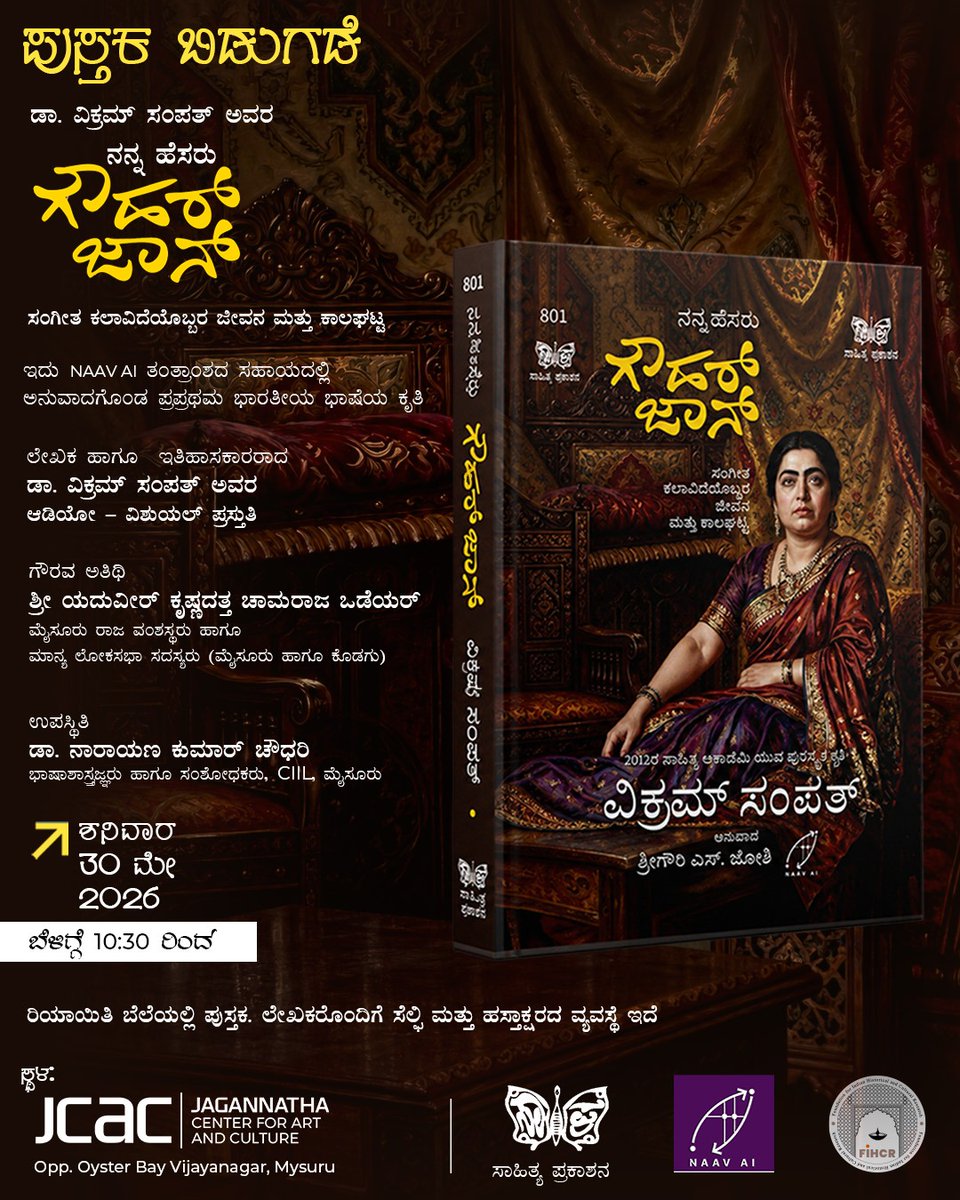
She died in Mysore, lonely & forlorn with none by her bedside to shed tears for her, on 17 January 1930 at the Krishnarajendra Hospital.
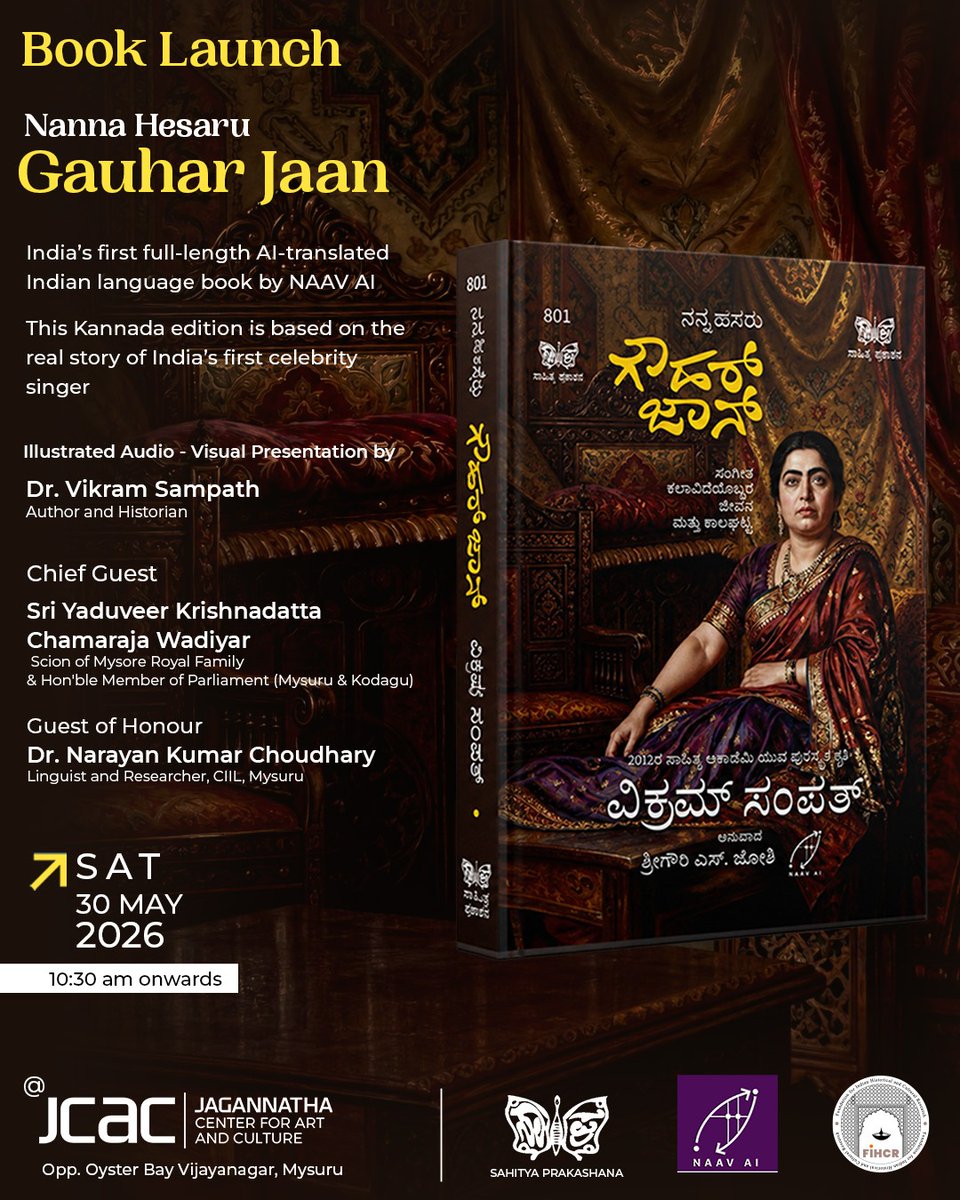
Now, close to a 100 years later, she returns to Mysuru proudly proclaiming "Nanna Hesaru Gauhar Jaan" 😊 India's first recorded artist & woman, the flamboyant and talented Gauhar Jaan of Calcutta (1873-1930)
Delighted to invite all friends in Mysore for the launch of the Kannada translation of my 2010 published book "My Name is Gauhar Jaan" , on 30th May 2026, Saturday, at 10 AM at the wonderful JCAC Mysuru - a haven for art lovers of the city.
Gauhar was a state guest of the benevolent Maharaja of Mysore Nalwadi Krishnaraja Wadiyar & it's so special that his descendant Shri @yaduveerwadiyar Hon'ble Member of Parliament Mysuru & Kodagu will launch the Kannada book there.
The book is India's first AI assisted translation book from our startup @naav_ai with @JoshiShrigouri
from our team as the translation assistant for the AI output. Dr Narayan Choudhary from our partner institute Central Institute for Indian Languages CIIL Mysore is the guest of honour at the event co-sponsored by the archives division of @fihcr_info.
Entry free, so look forward to many art & music loving Mysureans to come to this event which also has an audio visual presentation on Gauhar Jaan and her times 🙏 @subbubooks
1
5
2,299
118