
Think think... What have I gotta say? Forget it im bored!!
Joined February 2010
- Tweets 13,631
- Following 474
- Followers 231
- Likes 10,748
363 Photos and videos









VoodooChild retweeted

Apr 24
Facing an imposing supreme court bench, Senior Advocate @jsaideepak takes us on an incredible journey in constitutional law to bolster his case for overturning Sabarimala judgment. He is fighting ferociously for dharma, armed with nothing but his intellect.
Watch, and be amazed:
537
11,052
37,130
686,792
VoodooChild retweeted

Mar 18
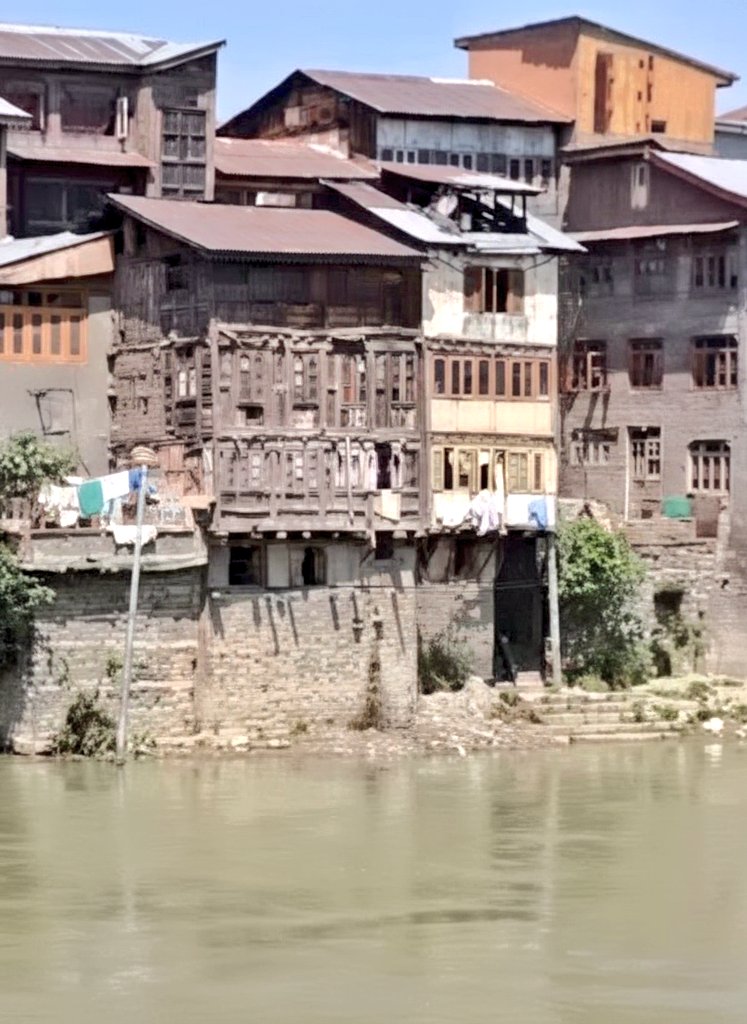
This is my home in Kashmir right on the banks of River Jhelum. The place I took my first steps, spoke my first words. Gone since the 1990 Genocide. A Muslim family lives there illegally. I have tried for 2.5 years, submitted all papers to the Govt but every time, local officials say 'No home at that address'.
My mother still clutches the old key. Please help. Share and amplify my plea. Maybe, one day, justice will return our world to us. 🙏🏼🕉️🚩
1,006
14,361
31,156
1,148,959
VoodooChild retweeted

Mar 8
हित वचन तूने नहीं माना
मैत्री का मूल्य न पहचाना
तो ले, मैं भी अब जाता हूँ
बहुत-बहुत धन्यवाद @BJP4India! नमन रहेगा @narendramodi यह दिन दिखाने के लिए कि इस राष्ट्र में आतंकवादी सड़क घेर सकते हैं, दंगे कर सकते हैं, फिर वापस प्रदर्शन कर सकते हैं, पर आपकी कायर सरकार को समस्या मेरे जैसों से है।
आज मैं अपने घर में कैद हूँ। आज मेरा आना-जाना बंद है। न तो व्यक्ति अमर होता है, न सत्ता!
आप लोग कायरों का एक समूह मात्र हैं। आप समाज को बाँटने वाले, डरपोक हो जो ट्रोल बंदरों की एक सेना बिठा कर हमें कलंकित करना चाहते हो।
दिल्ली में आए मित्रों का आह्वान करता हूँ कि रामलीला मैदान की ‘मोदी छावनी’ तक पहुँचिए। मोदी ने छावनी बनवाई है तो आप उसी मोदी तक अपने नारों को पहुँचाइए।
ये आपके बच्चों को जन्मजात अपराधी बना चुके हैं और आपको आतंकवादी की तरह देखते हैं। आप सवर्ण हैं तो इसका प्रतिकार कीजिए।
#March8DelhiChalo
603
8,621
21,807
294,367
VoodooChild retweeted

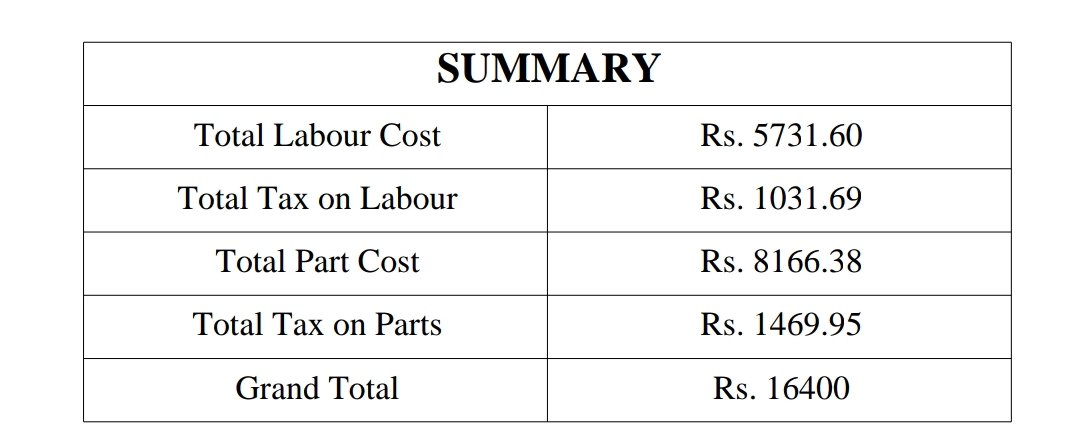
I gave my Honda Amaze for service today.
Here is the breakup of the estimate.
Cost of Parts - ₹8167
Cost of Labour - ₹5732
GST - ₹2502
Can you guys believe it? 18% GST on Labour. 18% GST on Car Parts.
I request the FM MADAM @nsitharaman ji & @GST_Council
to not take GST on Labour. Also please reduce the GST on vehicle parts to 5%.
Almost everyone has a vehicle in India. Such a high GST on basic things like car parts and labour is not at all acceptable.
I request my audience to share Widely, if you also felt the same.
On behalf of tax payers,
#FI
303
653
2,395
186,239
VoodooChild retweeted
Dear FM Madam @nsitharaman ji,
Higher Income Leads to Higher Taxes
Higher Taxes Leads to Lesser Spending
Lesser Spending Leads to Slower Economy
Slower Economy Leads to Unemployment
Unemployment Leads to Lower Income
Lower Income Leads to Lower Taxes & Lesser Spending
Message to @FinMinIndia - Reasonable Taxation Leads to Better Savings, Consistent Taxes, Higher Expenditure & Healthier Nation. Think about it !!!
#FI
41
96
434
24,184
VoodooChild retweeted

My humble request to the finance minister to pls mind her language.
We pay 20L, 30L, 40L taxes for the country's defence, infrastructure, welfare, govt employees salaries.
We are not hungry for your shitty 87A rebates.
Her statement makes us feel we are unwanted in this country.
92
374
1,466
134,866
VoodooChild retweeted

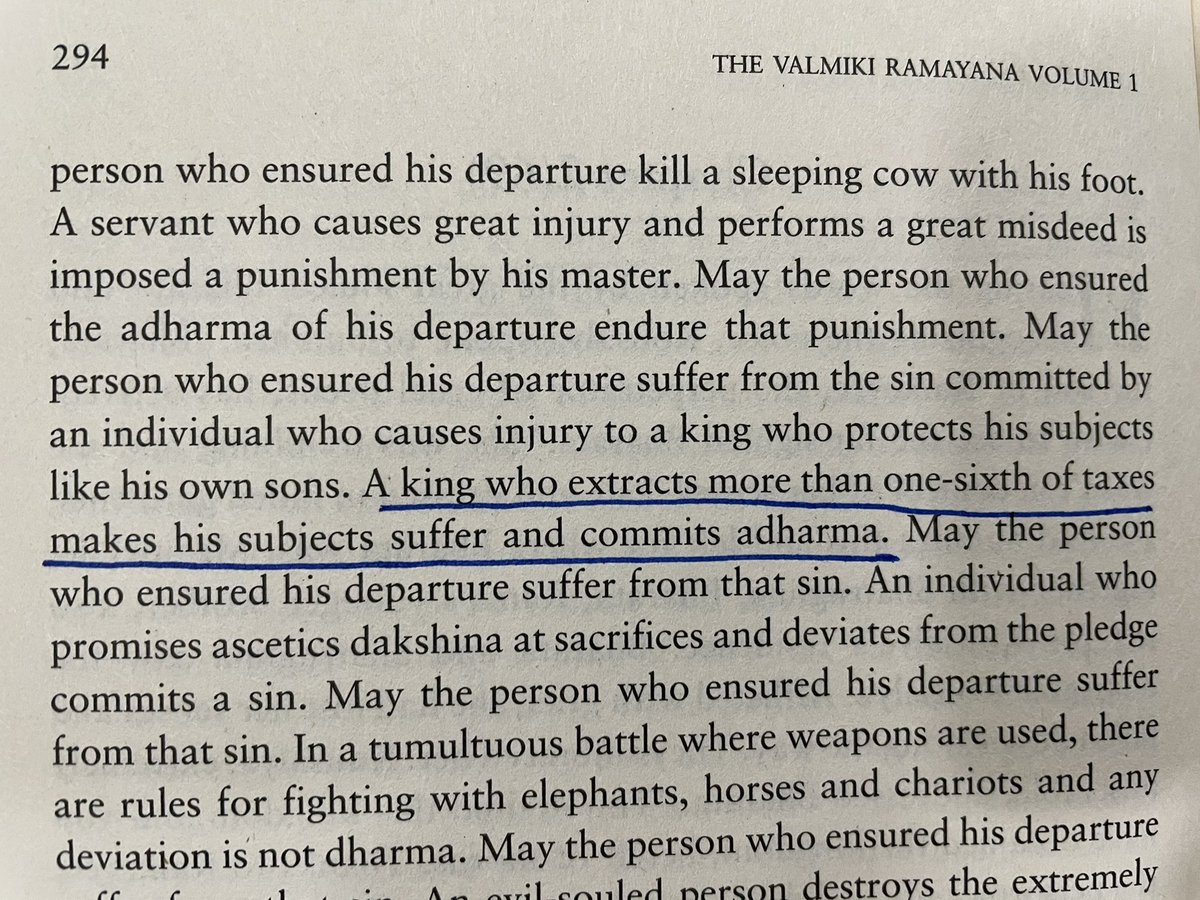
In #Budget2026, India must revise equity taxation rates and let the world invest in India 🇮🇳
STCG - Below X years, taxed at 15%
LTCG - Above X years; taxed at 0%
X can be discussed, maybe 5 years. And these rates should be even for foreigners investing in Indian stock market.
@mppchaudhary, @nsitharaman @nsitharamanoffc mam, we shouldn't punish people trying to invest long term in India.
24
61
236
18,395
VoodooChild retweeted

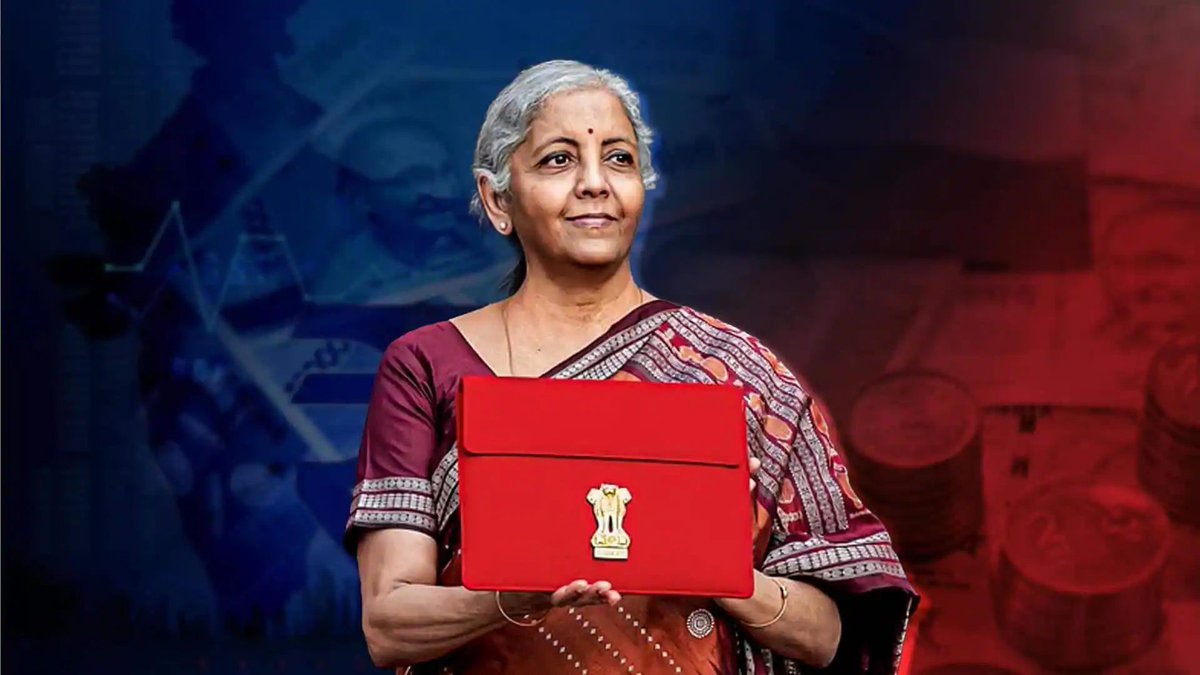
Cut LTCG tax immediately for FIIs at-least , so they can make 7 % net ( post tax post currency hit ) .
If you don’t do that , they will sell another 6 lacs crores worth of holding in Indian stock market & Rupee will hit 100 in next 24 months.
I don’t want any personal favour , don’t cut my taxes , but save Indian Rupee & Indian economy.

What are your expectations for the upcoming 2026 budget on Feb 1?
98
243
1,235
124,352
VoodooChild retweeted
Dear FM Madam @nsitharaman ji,
Time to #ReconsiderLTCG NOW !!! 🙏
This needs to Trend. We need FM Madam to lower LTCG for long term investors and make investing lucrative.
#FI
68
249
734
22,180
VoodooChild retweeted

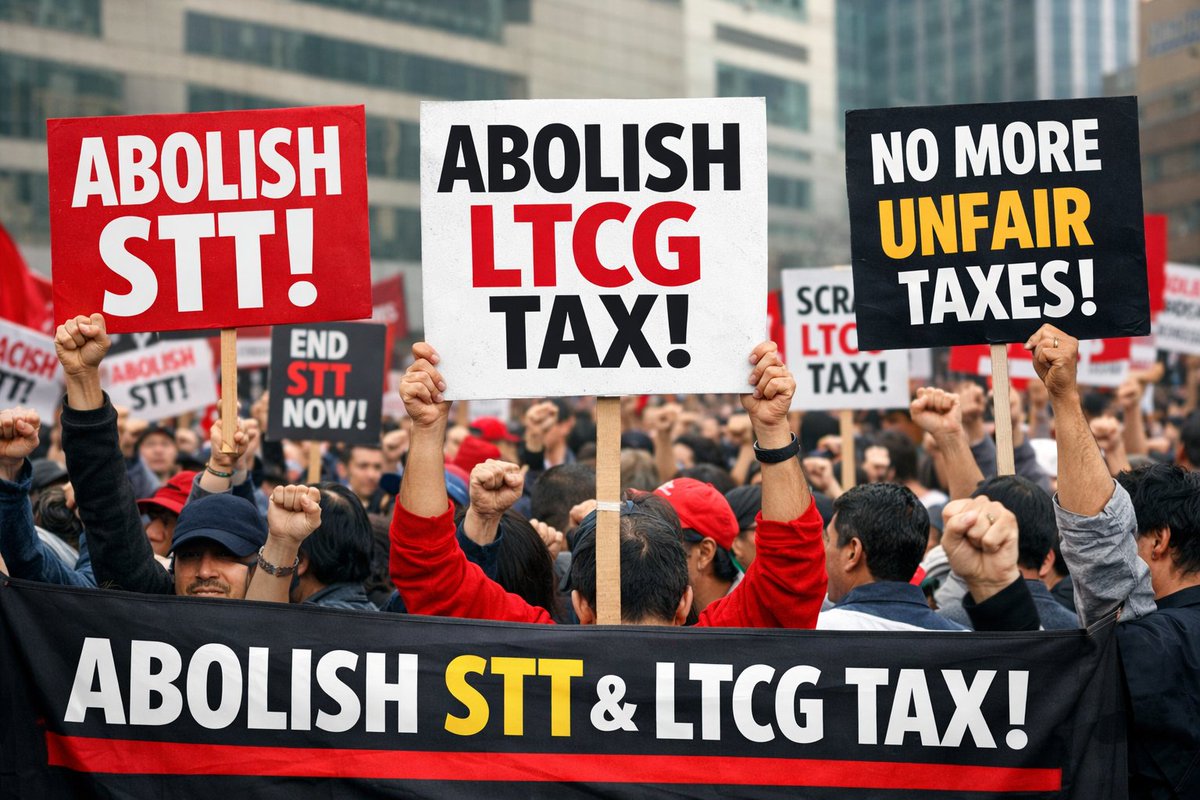
₹53,000 crore - whooping STT collected last year from markets
STT was meant to remove capital gains....but now it is double taxation....!!
This is unnecessary burden on investors...
Either remove LTCG or remove STT....can't have both..
Retweet if you agree..
#abolishSTT
191
1,781
3,040
93,602
VoodooChild retweeted
Investors who don't have faith in power of social media, this post is for you.
After we voiced our concerns repeatedly on X tagging FM and GST Council:
GST slabs was modified - 5% and 18%
GST on Life & Health Insurance was reduced to ZERO
GST on 2 wheelers was reduced to 18%
GST on 4 wheelers was reduced to 18%
GST on essential education materials, including exercise books, notebooks, pencils, sharpeners, erasers, maps, and charts is ZERO Now
GST on Air conditioners, Televisions, Refrigerators, Washing machines reduced to 18% (I believe it should be much much lower)
Now, we want LTCG to be reduced and also abolished if investor holds for more than 2 years !!! Long Term Investing should be incentivized. Retail Investors should be Rewarded for Holding Long Term.
FM Madam @nsitharaman ji will definitely have to consider in Budget 2026 !!!!
Let us do our bit, keep the faith and share widely. Tag Madam and respectfully voice our concerns.
I know that they are listening. Are we voicing out loud enough???
#FI
66
314
848
37,324
VoodooChild retweeted
A Middle Class Person wants to Buy 2 Wheeler for his family. He works hard, saves money & test rides a TVS Jupiter. He feels it is good for his small family.
He enquires the cost.
Ex Showroom Price is ₹76000. He realizes that this price includes 18% GST (around ₹11000). 18% YES, THAT'S RIGHT. Base Price is around ₹65000.
₹13000 Road Tax Registration. Both PAID TO Government.
₹6000 for a Motor Insurance (18% GST ~₹1000 to Govt). Yes that is 18% GST.
Accessories ₹5000 (GST included)
So, now he totally has to pay ₹1,00,000.
He calculates that he eventually pays 70% to Dealer, 5% to Insurance company & 25% to Government. He has already paid 20%-30% tax to the Government in the First Place 😀😀
He feels a bit let down. But then he asks himself:
- Why am I Paying 18% GST on a 2 Wheeler when I have paid 20%-30% Tax already on my income?
- Why am I Paying 18% GST on Motor Insurance when this is supposed to Protect me in case of Accident?
- I am not taking any Loan, but still I Pay almost ₹25000 to Government just to buy a Vehicle for my Family. I pay ₹70000 to the Vehicle Dealer & ₹5000 to the Insurer. They also have to make some money out of it.
So I am actually paying Government so much for the Vehicle.
He asks these questions, but realizes that he is Middle Class. He pays the Taxes, buys the Vehicle, Takes Photograph & Goes Home to Enjoy with Family. He goes back to Work the next day, so that he can afford many other things. Cycle Continues...
This is the Story of Every Middle Class of India 😀❤️
@FinMinIndia - You need to answer the questions asked by this Middle Class Person. Don't you think?
If you are a Hard Working Honest Middle Class Reader like Me, Share this Story until the Government takes notice & Becomes Accountable.
#FI
642
3,237
9,462
483,529


VoodooChild retweeted

19 Dec 2025
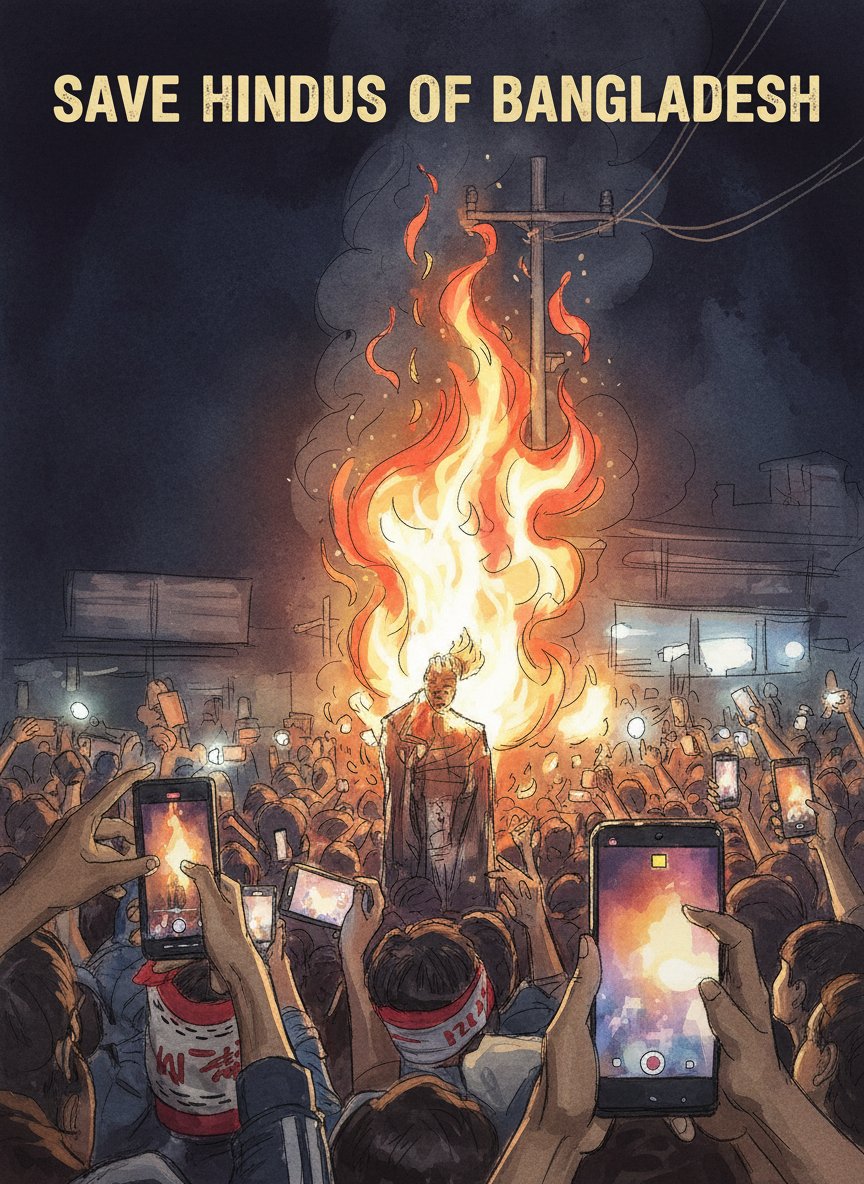
All eyes on Bangladeshi Hindus!
#DipuChandraDas
316
12,554
36,117
322,888
VoodooChild retweeted

18 Dec 2025
Bangladesh Navy is killing Indian fishermen-
• On 14th December, a ship of the Bangladesh Navy turned off its lights and intentionally rammed an Indian trawler carrying 16 fishermen in international waters of the Bay of Bengal.
• After hitting the trawler, the Bangladesh Navy ship did not stop to rescue the Indian fishermen and escaped immediately.
• The Indian Coast Guard and nearby trawlers came to rescue the fishermen. Eleven fishermen were rescued immediately, while five went missing.
• Two bodies have been recovered, and three are still missing. The names of the deceased are Ranjan Das and Sanjeev Das.
(TMC leaders consider Bangladeshis as their brothers, but Bangladeshis are busy killing Indian Bengalis.)
@MamataOfficial kichhu bolo.
67
1,161
3,770
154,178
VoodooChild retweeted

17 Dec 2025
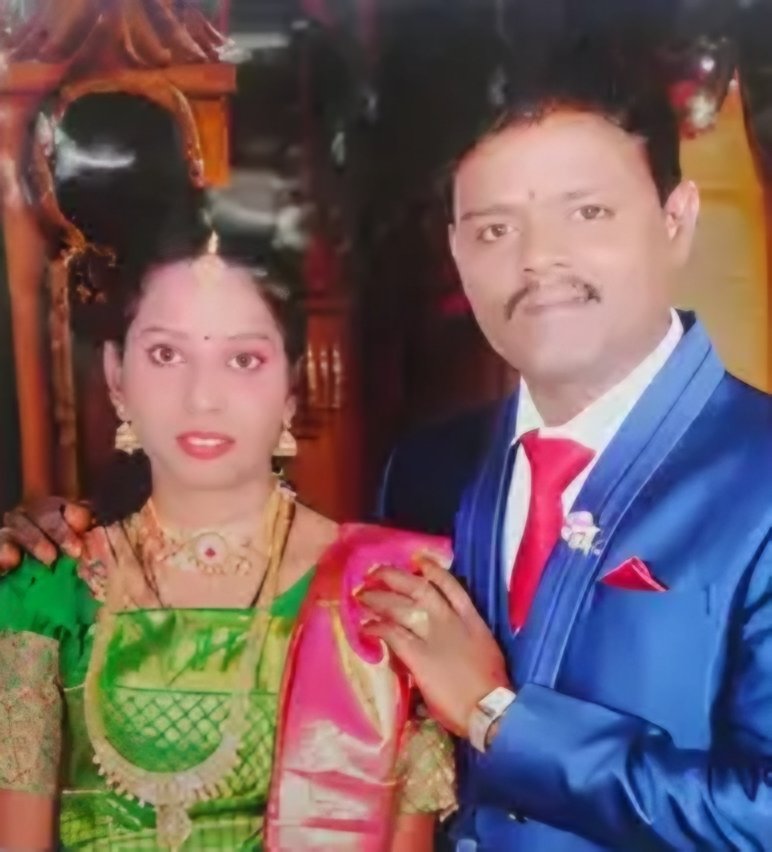
In the early hours in Bengaluru, 34-year-old Venkataraman woke with severe chest pain, prompting his wife Roopa to rush him on a scooter to a nearby private hospital.
They were allegedly turned away as no doctor was available. She took him to another private hospital where an ECG confirmed a heart attack, yet no emergency treatment was given and no ambulance arranged; instead, they were advised to go to Jayadeva Hospital.
With no alternative, Roopa again set off on the scooter. En route, Venkataraman suffered intense pain, the scooter lost balance, and both fell. Despite being injured herself, Roopa pleaded with passing motorists for help, but most ignored her as her husband lay gasping for breath. By the time he was taken to a hospital, he had lost consciousness and was declared brought dead.
Systemic failure and public indifference did not kill the humanity within Roopa, and she donated her husband’s eyes, later saying that timely medical care, or even basic help from passersby, could have saved his life. Venkataraman and Roopa were ordinary, law-abiding citizens who must have paid taxes on time, yet when a time-critical emergency struck, they had no immediate care.
Heart attacks are among the most common causes of sudden death in India, yet timely intervention remains a matter of luck. Why can’t the govt establish small coronary care units every 4–5 km, equipped with ECGs, defibrillators, oxygen, and essential drugs? These units wouldn’t need full-time doctors, trained paramedical staff, supported by protocols and telemedicine, could deliver lifesaving care in the crucial first minutes at modest cost and enormous impact.
719
3,986
13,572
677,049
VoodooChild retweeted

21 Oct 2025
Drop the Year of your Birth and find out the year, when you will experience major events that will change your life.
Retweet, Follow and Like to get a detailed analysis
281
113
351
30,187
VoodooChild retweeted
17 Oct 2025
Drop your Date of Birth and find out a remedy to increase your Income.
RT, Follow & Like for a detailed reply
4,514
635
2,641
448,729
VoodooChild retweeted

13 Oct 2025
Ejipura Flyover has finally resumed construction. A historical day not just for Bangalore but also for us who have grown up with this historical monument.
Our forefathers started work on this centuries ago despite the odds. Our ancestors played hide and seek along its beautiful pillars.
There was an even an episode dedicated to the monument on myth busters on the History Channel where it was falsely claimed to have been built by aliens a millennia ago.
When all else failed an Instagram phenomenon called manifestation was used by the younger citizens to help propel its completion.
And today we are witnessing nothing short of history.
They say all good things come to those who wait and this monument is a beautiful testament to that.
87
178
1,642
427,336
VoodooChild retweeted

12 Oct 2025
A Durgapur Medical student was gangraped. Mamata Banerjee said its her fault because she was roaming in night
Name of the rapists
Sheikh Nasim Uddin
Sheikh Riyaz Uddin
Sheikh Ferdaus
Sheikh Safikul
Share the post because @WBPolice said they can't reveal the name of Rapists
433
10,605
28,084
574,544