

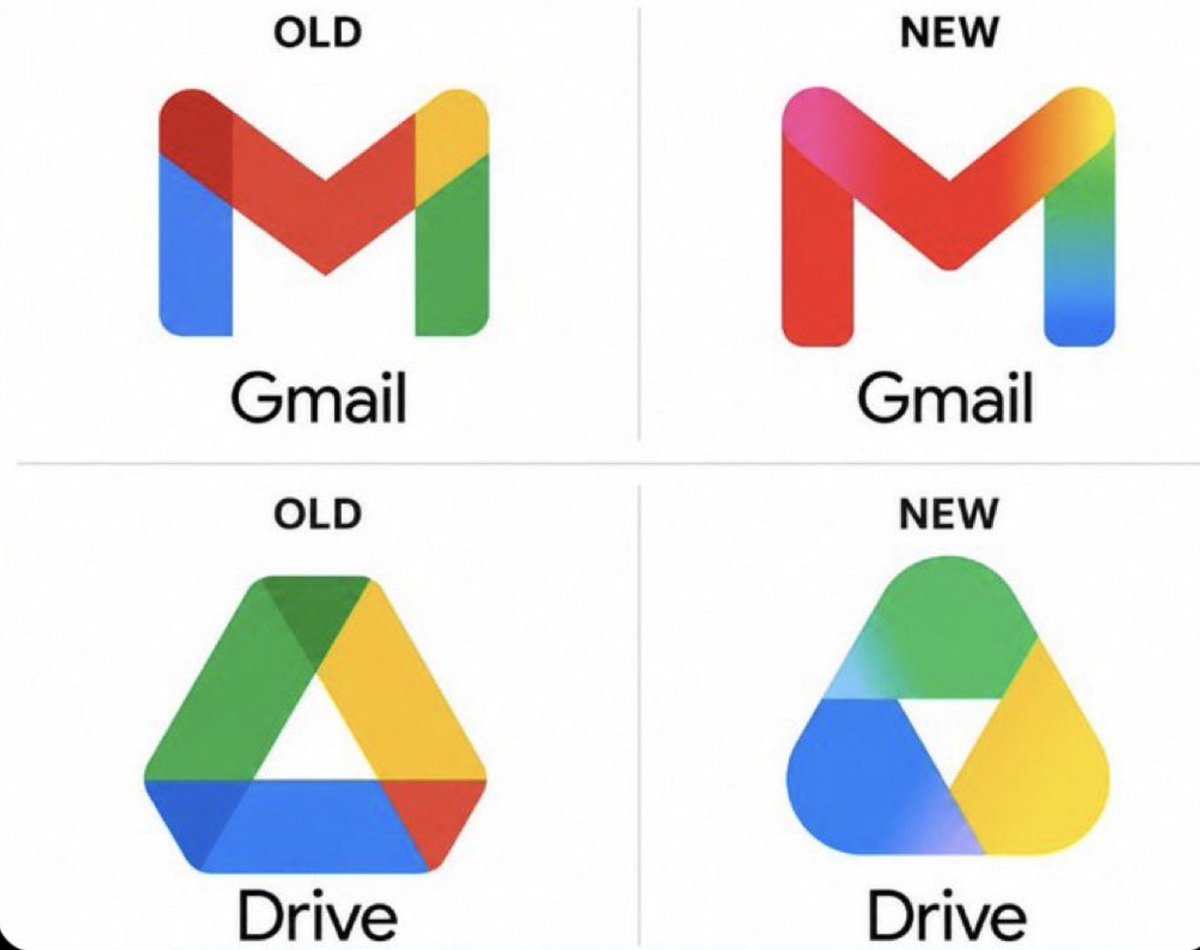



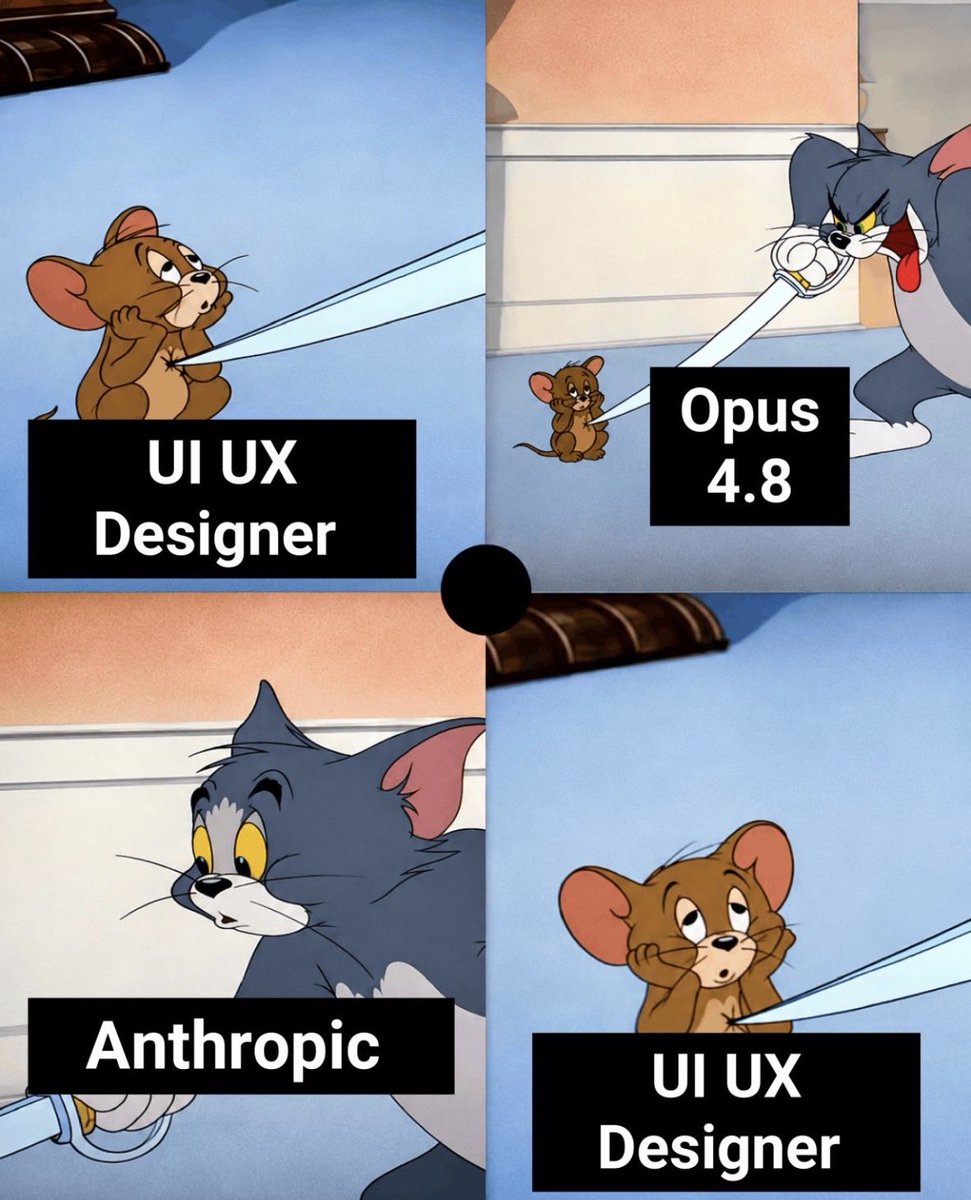
Every month tech Twitter discovers a new AI tool that will “replace designers forever.”
Last month it was Claude.
Then Cursor.
Then Opus 4.8.
Then Google Stitch
I’ve been “replaced” 14 times this year. And still have a demand in the market. Weird.
Here’s the part nobody posts about: every single one of these tools can generate a beautiful screen and still have no idea WHY it exists.
The AI made 40 gorgeous variations of a checkout flow. Cool. Which one reduces cart abandonment? crickets
Turns out the hard part was never drawing the rectangle. It was knowing where the rectangle goes, who’s looking at it, and why they’d care.
Meanwhile designers are out here panic-learning their 600th tool like it’s a Pokémon collection, fully convinced that falling a day behind on a button generator means career death.
Plot twist: the tool changes every Tuesday. Good design thinking is from like 1955 and somehow still undefeated.
AI is fast. Genuinely. But it’s a very confident intern who’s never met your user.
Stop racing the tools. Out-think them.
They’re not coming for the designers who understand people…
They’re coming for the ones who thought design was just decoration.
#UX #UIUX #DesignTwitter #ProductDesign #AI
10
319


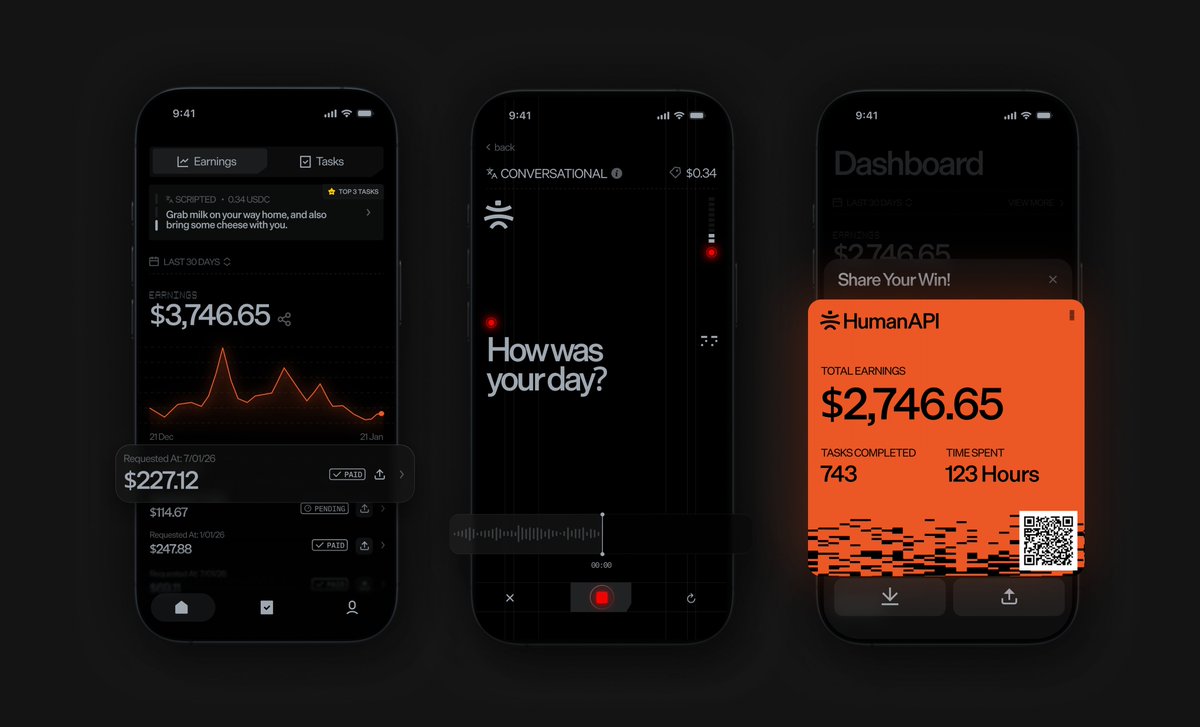
Introducing Human API, the first platform for AI agents to hire humans.
Join now at thehumanapi.com
181
128
1,683
13,508,828


Most AI note-taking tools don’t work for people like us...
I was on a product call with a founder of the biggest AI note-taking app last week. The AI note-taker kicked in, generated a “smart summary,” and I moved on.
Later, when I sat down to figure out what we needed to design next, that summary was… useless.
Not because it wasn’t accurate.
But because it wasn’t emotional.
As a designer (or even a founder or therapist), I don’t just want to know what was said. I need to understand how it was said.
Where did the user hesitate?
Where did the founder light up?
What moment actually felt like a breakthrough?
I find myself going back to the full recording — not to rewatch the whole thing but just to find that one moment where something clicked.
A smart summary can’t give me that.
It’s why I believe most AI call tools today are designed for sales teams and ops.
People who want quick action items. And that’s great.
But what about the rest of us — the emotion-driven thinkers?
Designers. Founders. Researchers. Therapists.
We don’t just need “what’s next.”
We need what mattered.
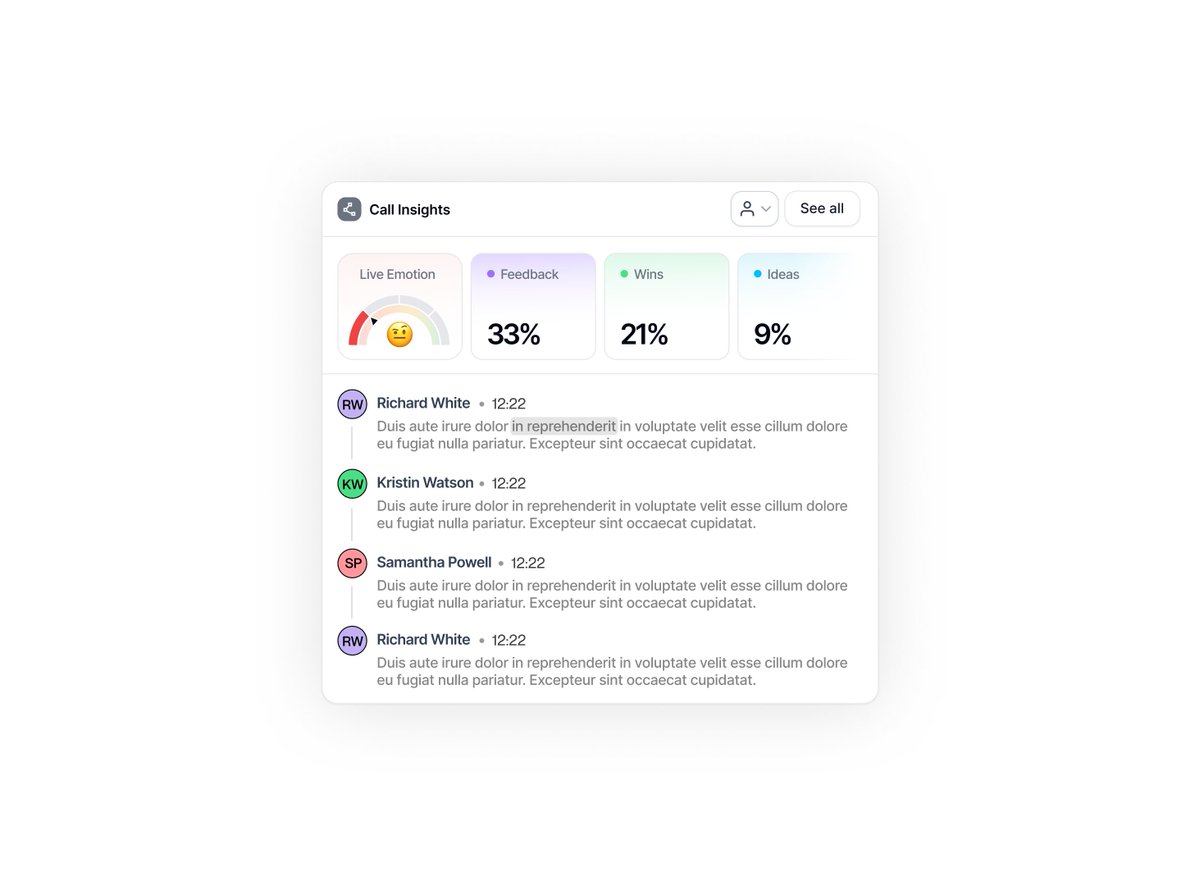
So I ended up designing a component for this (attached as an image) — just a side project — after a conversation with someone from one of the biggest call recording apps out there. They agreed...
They agreed: this is a gap no one's really solving yet.
The idea is simple:
Highlight moments of feedback, wins, frustrations, and insights — and link them directly to the full transcript and video timestamp.
Let us feel the call, not just read it.
I’m not building a tool (yet), but if you're building in this space — or even just using these tools every week — I hope this helps you think from a broader perspective.
We don’t just need better summaries.
We need better listening.
Notes for: @FathomDotVideo @meetgranola @firefliesai @whoisjenniai @otter_ai @meetjamie_ai
Ps: If you want a full-blown deck of how I came to this solution, I'd love to share my design process with you guys. Just "Like" "Comment your email" and I got you.
#AItools #Notetaking #CallRecording #ProductDesign #UXDesign #EmotionDrivenDesign #DesignThinking #UserResearch #HumanCenteredDesign #Founders #Designers #Therapists #Researchers #ProductCritique #BuildInPublic #UXMatters #SaaS #StartupTools #ListeningDesign #DesignForEmotion
1
5
520