
Joined October 2017
- Tweets 14,410
- Following 890
- Followers 676
- Likes 52,970
1,511 Photos and videos















Polly 🇺🇲 ❤️🇺🇸 retweeted

Senator Whitehouse also here with JournoLawfare™️ troll Harry Litman threatening the Supreme Court Justices as well, especially Clarence Thomas.
One minute, the Senator is threatening Cabinet-level Executive Branch officials operating under Article II, the next he is threatening Justices operating under Article III.
People need to wake up and realize that Senator Whitehouse is not making idle threats.
P.S. Incidentally, I reject the notion that Senator Whitehouse is “a top Senator.” The JournoLawfare™️ Bros at MeidasTouch need to stop huffing their own glue.
21
175
382
6,768

Jun 12
It should be that every other legislative session is tasked to REMOVE laws, the others in between can make new laws, or tweak past laws.
*seems to me they ONLY want to make new laws, more regulations, more removal of rights.

Rhode Island is the only New England state that allows logging on public land. Why one local group is calling for change: wpri.com/news/local-news/sou…

18
Jun 11
Mandated for school aged children, boys and girls, in Rhode Island. 👇
Jun 11

BREAKING 🚨: The company behind Gardasil will pay $50 million to settle hundred of HPV vaccine injury claims.
According to the lawsuits, recipients developed conditions including POTS, seizures, premature ovarian insufficiency, and other autoimmune disorders shortly after vaccination.
The company insists the vaccine is safe
Maybe $50 million is just the cost of avoiding years of discovery, depositions, and internal documents becoming public.
Just many expensive coincidences, apparently. Nothing to see here once again.
32
Jun 10
The similarities between this op and the operational methods of the SPLC are not lost on me.
Jun 10

Another blow to the Whitmer fednapping prosecution.
To recap: Of the 6 men charged federally--2 were acquitted amid evidence of FBI entrapment, 2 others received a hung jury then convicted at 2nd trial (SCOTUS recently refused one defendant's petition for certiorari) and 2 pleaded guilty.
Of the 8 men who faced state charges--3 were acquitted at trial, 2 pleaded guilty, and 3 were convicted at trial. But now one of those convicted defendants just had his verdict overturned by MI appellate court.
22
Prostitute

I am supporting @grahamformaine today because of his passion for opposing war.
An honest conversation about the human toll and his journey.
22
Behold...another politician twisting himself into a pretzel to make excuses for liberal election policy.
The policy is FRAUD, Ro.
A close friend of mine is cancelling his voter registration today. He is convinced Spencer Pratt was robbed of the election. I explained to him that in California we count absentees first (which skew older and more conservative) and election day voters are younger and more Democratic. The slow count is largely because of policies to maximize participation, including postmarking a ballot on Election Day.
Regardless, we need to figure out in California how we can get the vote counted faster and results tabulated so it does not drag on. We should make the investments in operational improvements and resources in the wealthiest state in the nation. It is worth spending the resources to get the vast majority of the vote counted within 48 hours. Right now the system is eroding trust and spawning conspiracy theories.
8
This was the same guy reporting during the "Summer of Love", fire behind him....
"MOSTLY PEACEFUL PROTESTS"
clown show 🤡 bye

Dear @AliVelshi, you should feel nothing but pride at being an American. I'm moving to the US shortly and I'll be celebrating America's 250th birthday as though I had been an American since 1776. Show some gratitude.
51
Polly 🇺🇲 ❤️🇺🇸 retweeted

RHODE ISLAND SCHOOL FAILURE EXPOSED
RI Public School Scandal: 39-year-old Ponaganset teacher Alisha Crins faces sexual assault charges after grooming a male student with lingerie photos, secret texts & physical encounters. School officials saw the red flags for MONTHS and did NOTHING. Another failure of Rhode Island’s broken, union-protected schools. Kids aren’t safe. Time for real accountability.
10
41
88
7,455
May 28
FAFO...
dont approach a horse from the rear while being led by another, touch him...when he has blinders on.
Fire her ass.
May 28

🇬🇧 A groom was sent flying after a horse kicked her during a live broadcast at Redcar Racecourse.
She walked away with bruises, which is basically a 5-star outcome when a horse decides you’re the problem.
89
Polly 🇺🇲 ❤️🇺🇸 retweeted

May 27
Seth Logan, a Republican father from Westerly, RI, who EXPOSED radical books in schools that glorified suicide and self-harm to children, was just elected to the Town of Westerly School Committee.
AMAZING 👏
Don’t mess with concerned parents!! 💪
363
10,334
68,696
578,814
May 25
The church is THAT desperate for funds?
May 25

NOW - Pope XIV says the church and Anthropic, will work together to "find the way for humanity, in this time of artificial intelligence."
Community note
The Pope says that he accepts the invitation to "walk together," not "work together."
vatican.va/content/leo-xi…
28
Polly 🇺🇲 ❤️🇺🇸 retweeted

May 20
1/2: My letter Re: Opposition to H.B. 8531 Unconstitutional Interference w/ Fundamental Parental Rights.
I write as a Rhode Island parent to urge you in the strongest possible terms to reject H.B. 8531.
This bill is not a modest procedural tweak; it is a direct, unconstitutional assault on the fundamental right of fit parents to direct the upbringing and education of their children. It cannot survive constitutional scrutiny under the Fourteenth Amendment and long-settled U.S. Supreme Court precedent.
For nearly forty years, Rhode Island families have been permitted to homeschool upon filing a simple notice with the local school committee. The committee’s role has been limited to an objective determination of whether the proposed program satisfies the state’s curricular requirements. H.B. 8531 radically changes that framework. It empowers local school committees to deny or indefinitely delay homeschooling approval whenever they subjectively conclude that approval would be “not in the best interest of the child” or that a parent lacks “competency” or “capacity” to teach.
The bill also forces children to remain enrolled in public school during the entire approval process (up to 45 days), flips the burden of proof onto parents, & denies families any meaningful judicial review. Each of these provisions violates core constitutional protections.
1. The “best interest of the child” standard is constitutionally impermissible when applied to fit parents. SCOTUS has repeatedly and explicitly rejected the notion that the state may substitute its judgment for that of a fit parent under a “best interest” standard. In Troxel v. Granville, 530 U.S. 57 (2000), the Court held that “the interest of parents in the care, custody, and control of their children is perhaps the oldest of the fundamental liberty interests recognized by this Court,” and that fit parents are presumed to act in their children’s best interests. The plurality opinion warned that a “best interest” standard cannot be used by third parties—including government officials—to override parental decisions absent a showing of unfitness. Similarly, in Parham v. J.R., 442 U.S. 584 (1979), the Court declared: “The law’s concept of the family rests on the presumption that parents possess what a child lacks in maturity, experience, and capacity for judgment required for making life’s difficult decisions… [T]he natural bonds of affection lead parents to act in the best interests of their children.”
H.B. 8531 turns this presumption on its head. It treats fit parents as presumptively suspect and invites school committees to second-guess their most intimate decisions. That is precisely the overreach the SCOTUS has condemned.
2. Forcing children to remain in public school pending approval violates established precedent.
Almost four decades ago, the Supreme Judicial Court of Mass held in Care & Protection of Charles that the state cannot compel a child to attend public school while a homeschooling application is pending without violating the family’s constitutional rights. The logic is straightforward: once parents have exercised their fundamental right to remove their child from public school, the state bears the burden of proving unfitness or harm before it may interfere. H.B. 8531 ignores this principle entirely.
3. The bill’s “trigger” provisions and burden-shifting violate due process.
The bill automatically subjects families to heightened scrutiny based on mere allegations of truancy—regardless of whether those allegations were ever proven, were dismissed, or resulted in a finding in the parents’ favor. This treats parents as guilty until proven innocent & ignores the presumption of innocence that is the cornerstone of due process. It also forces parents to affirmatively prove their “good faith,” “capacity,” and “competency” rather than requiring the state to prove any actual deficiency. Such procedural burdens on a fundamental right are constitutionally intolerable.
4
8
21
415
Polly 🇺🇲 ❤️🇺🇸 retweeted

1/ My atty @GoldwaterInst beautifully & simply laid down the law on how teachers union NEARI sued me to harass me, i.e. suppress my 1st A. right to petition my govt.
Compared to the union's mess of a memo, our analysis is crystal clear & NEARI now must be held accountable.
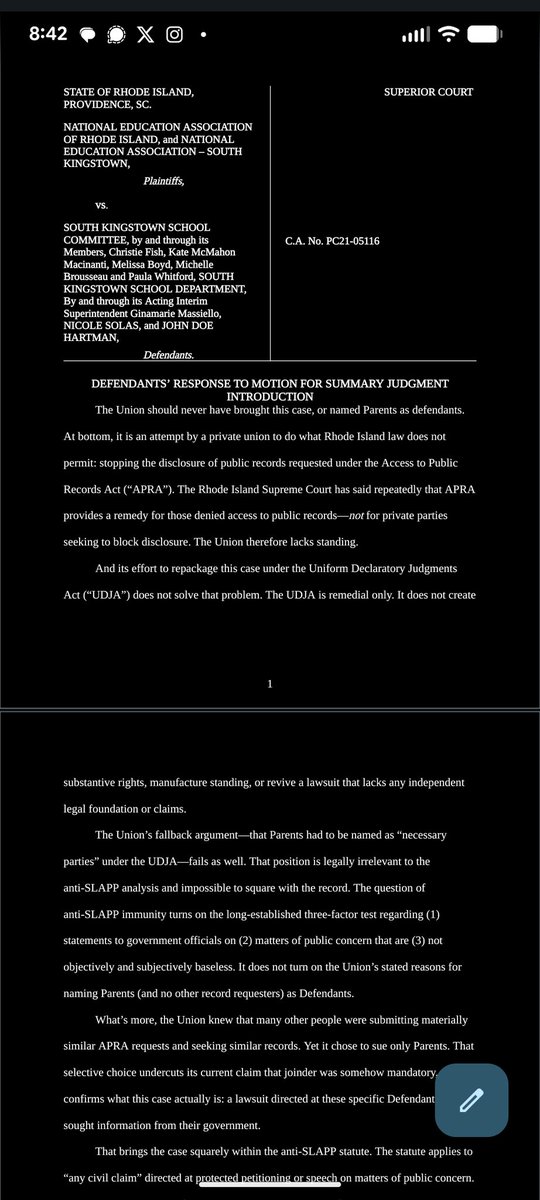

Teachers union NEARI - thru its flailing attorney Carly Iafrate - filed a 72-page screeching, meandering, irrelevant, conspiracy-laden objection to my SJM. There's not even complete analysis on the question before the court and she flat-out lied about me and other facts.
"But her husband did it too! But she didn't pay for records! But she changed her Twitter name!" "But she kept sending requests while in private school!" "Counsel sued her, not the union...also don't say I sued her bc it was THE UNION!"
Here is the whole embarrassment👇🏻. If you can get through it. Page 30 on is especially cringey.
drive.google.com/file/d/1eyR…
3
12
39
2,330
Polly 🇺🇲 ❤️🇺🇸 retweeted
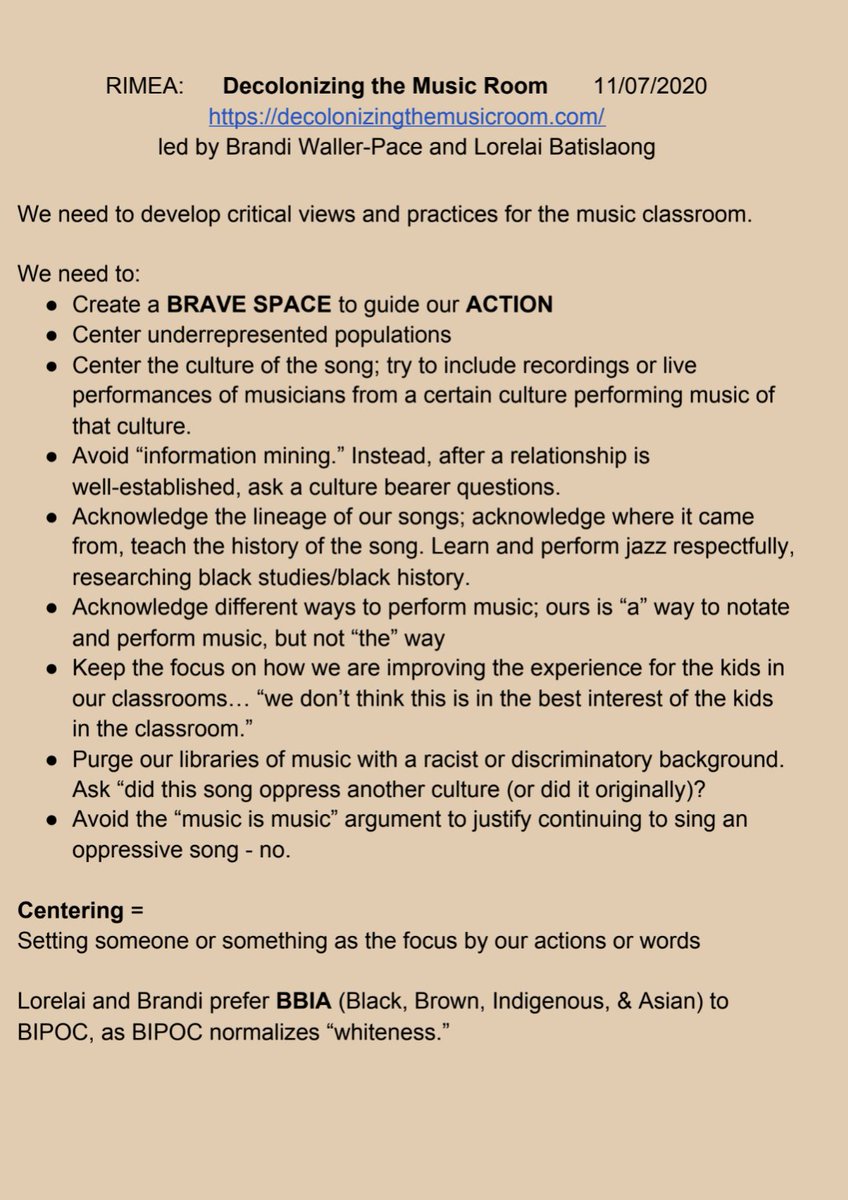
Music is a lesser-known politicized class. South Kingstown High School sang a song about George Floyd and the RI Music Education Association wanted to "purge libraries" of books which they deemed "racist."
That is actual book banning.
May 19

MASSIVE leftist meltdown in @WatertownUSD after the school board voted 7-1 to REMOVE a controversial LGBTQ activist song called "Mother of a Revolution," from an upcoming student band concert.
Transgender activists showed up en masse to a board meeting, screaming and shouting, before board members erupted, telling them they have no one to blame but their activist teacher, who tried to include the song.
Good on the school for doing the right thing!
9
28
69
6,471
May 18
Gen Xers just peed a little.
May 18

Now this is a story all about how my life got flipped, turned upside down
32
Polly 🇺🇲 ❤️🇺🇸 retweeted

May 16
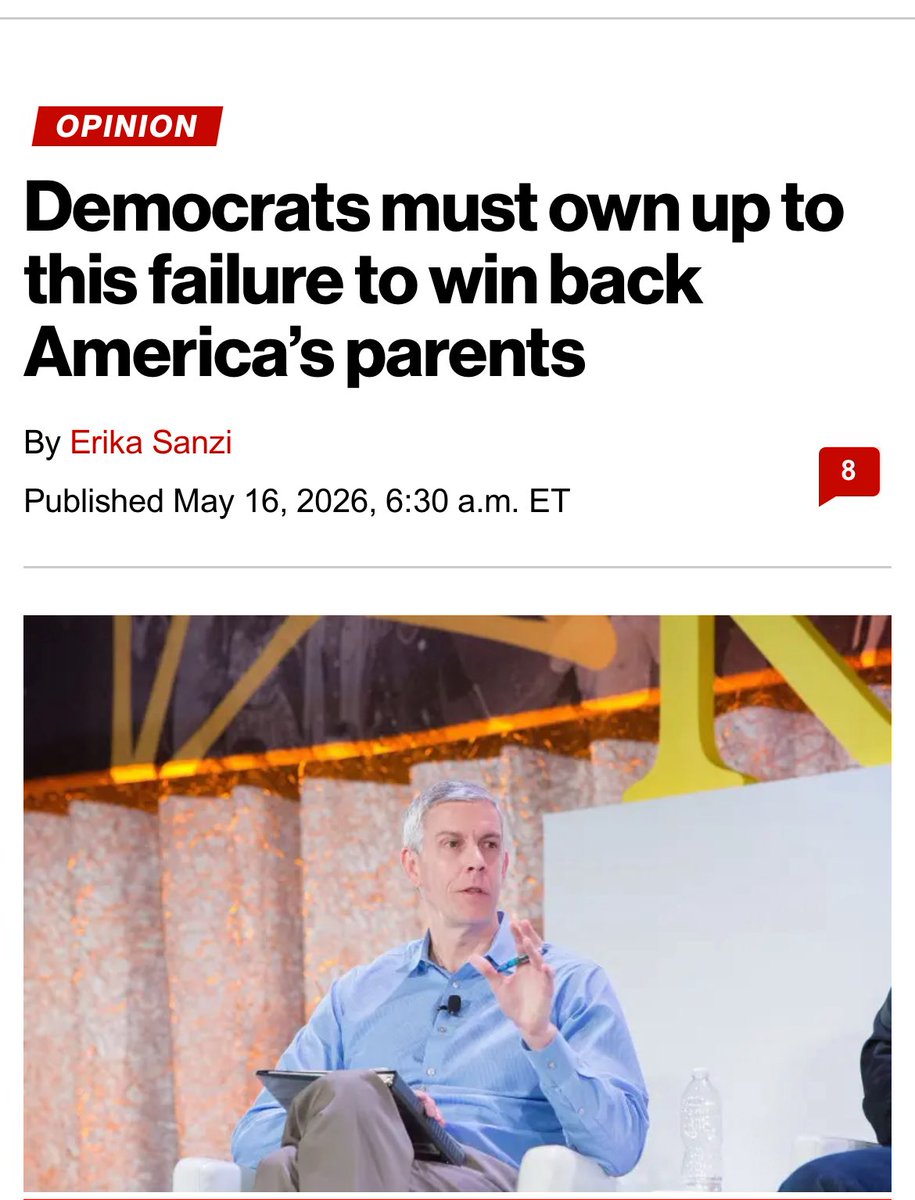
I have a piece in the @nypost today!
"Obama-era Education Secretary Arne Duncan sounded the alarm this month, warning that Democrats are “adrift” on schools and losing ground with voters.
And don’t think Republicans haven’t noticed."
4
2
8
374
Polly 🇺🇲 ❤️🇺🇸 retweeted

May 15
We miss you, Charlie. 💔

2,467
6,237
49,571
376,687
Polly 🇺🇲 ❤️🇺🇸 retweeted
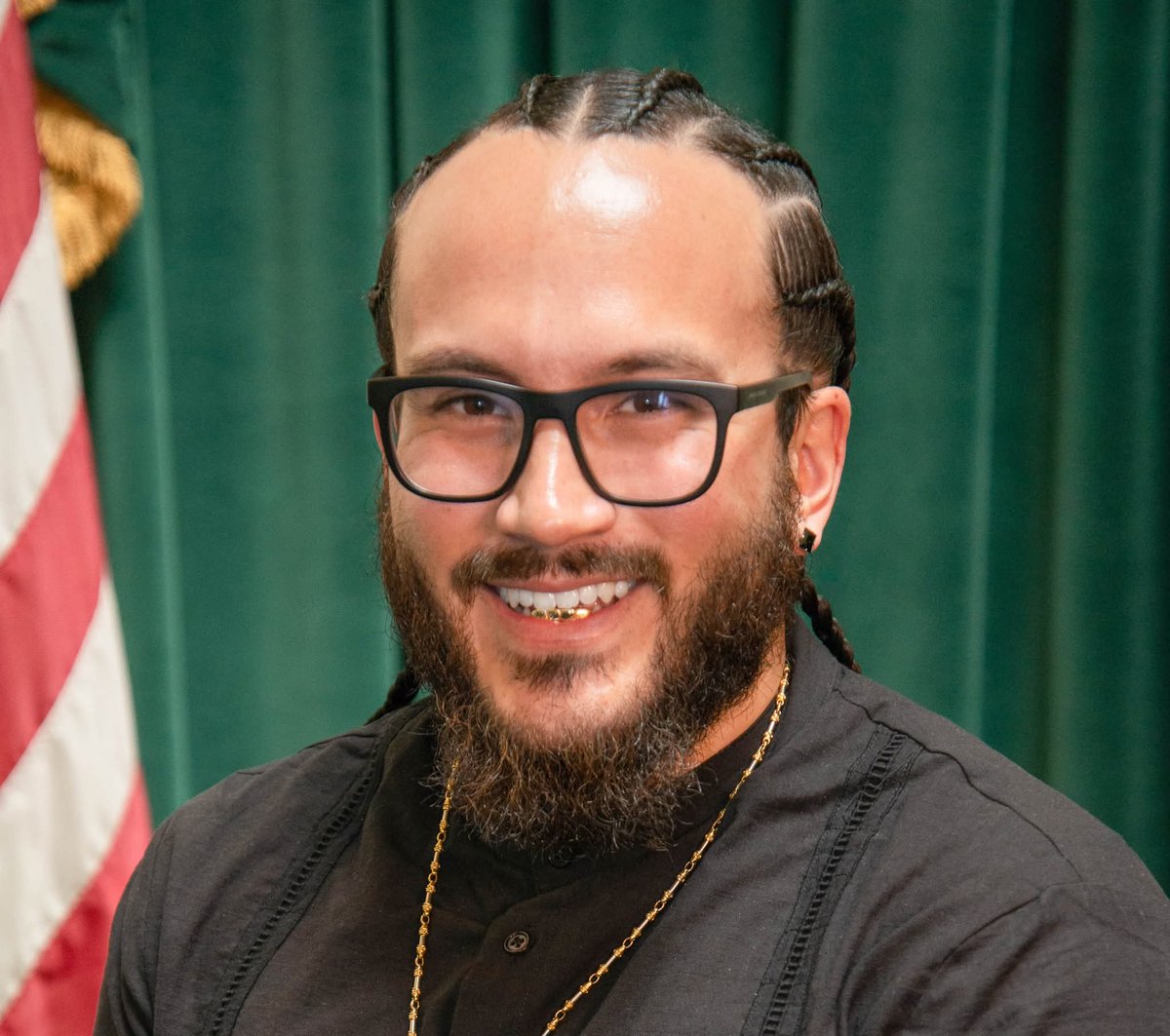
RI Sen. Acosta's (D) bill S2047 redefines felonies & misdemeanors to stop deportations of non-citizens convicted of crimes that automatically trigger deportation, including domestic assault.
Most domestic abusers commit more crimes. We don't want other country's criminals.
20
43
102
2,472
Polly 🇺🇲 ❤️🇺🇸 retweeted

May 13
Our city’s new golden age starts right here. VOTE TODAY!




780
5,502
47,114
427,051
May 13
Venezuela, the new Florida...
May 12


26