
26 Photos and videos

Pinned Tweet

30 Oct 2024
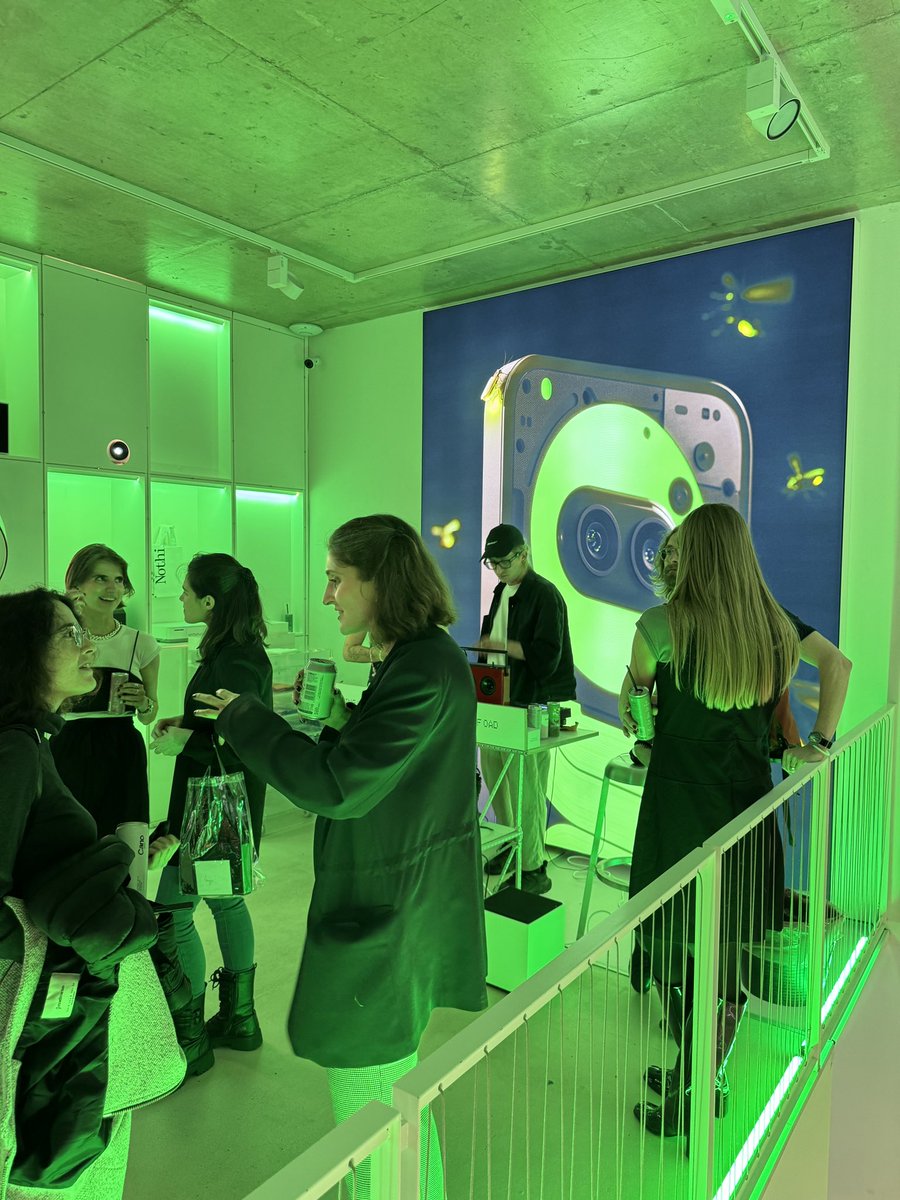
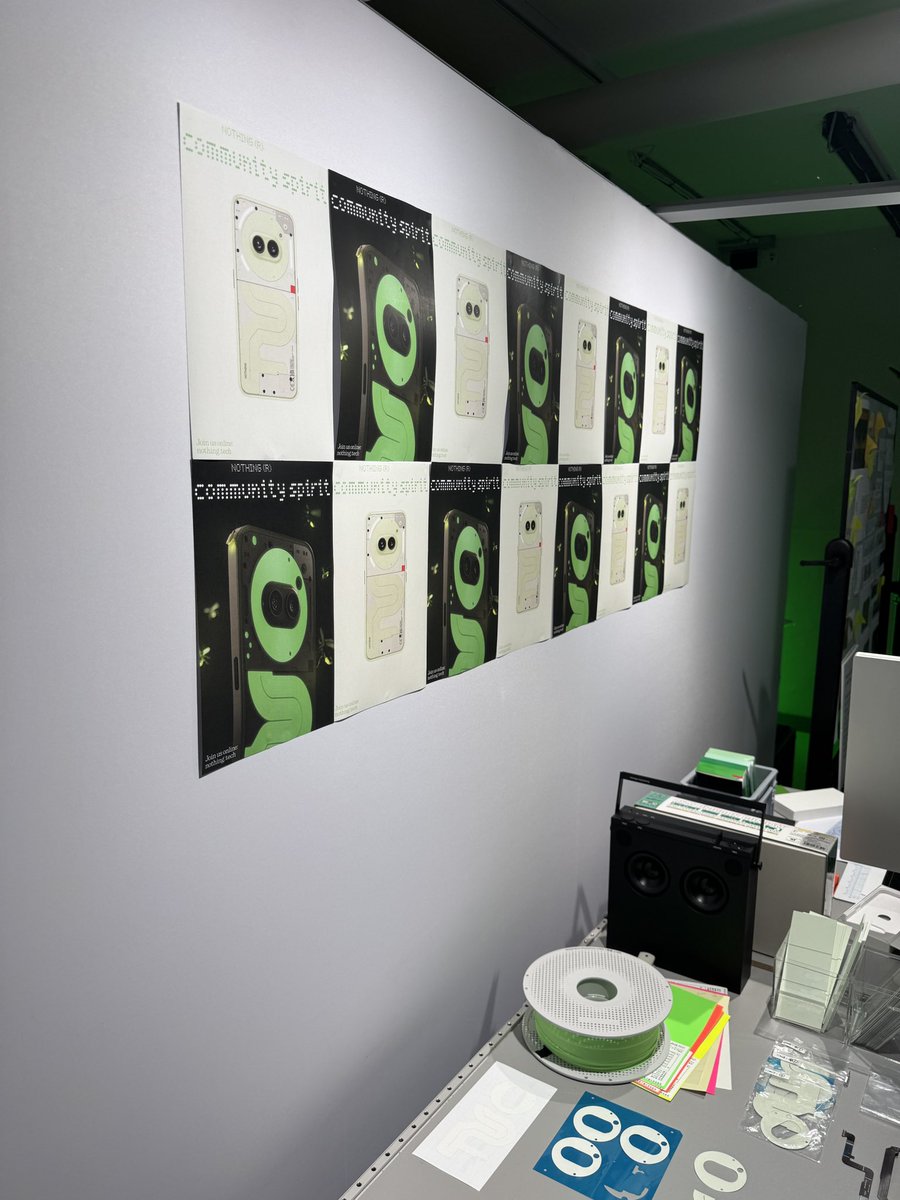
The community knows how to do things.

3
20
380
59,710
Walid Behlock retweeted

May 19
REAL PHOTOGRAPHY MUST REMAIN IN PEOPLE'S HANDS
Today, we are launching VWFNDR™ MBL, a compact camera for everyone.
A camera you always carry should work like a camera, not as a computational filter, not as an AI image generator, but as a tool for intentional photography.
102
232
1,826
525,523
Apr 27
glyphs sounds haptics
voice tone pacing
we're going for a point of view, an aesthetic, coherent across every surface
3
191
Mar 12
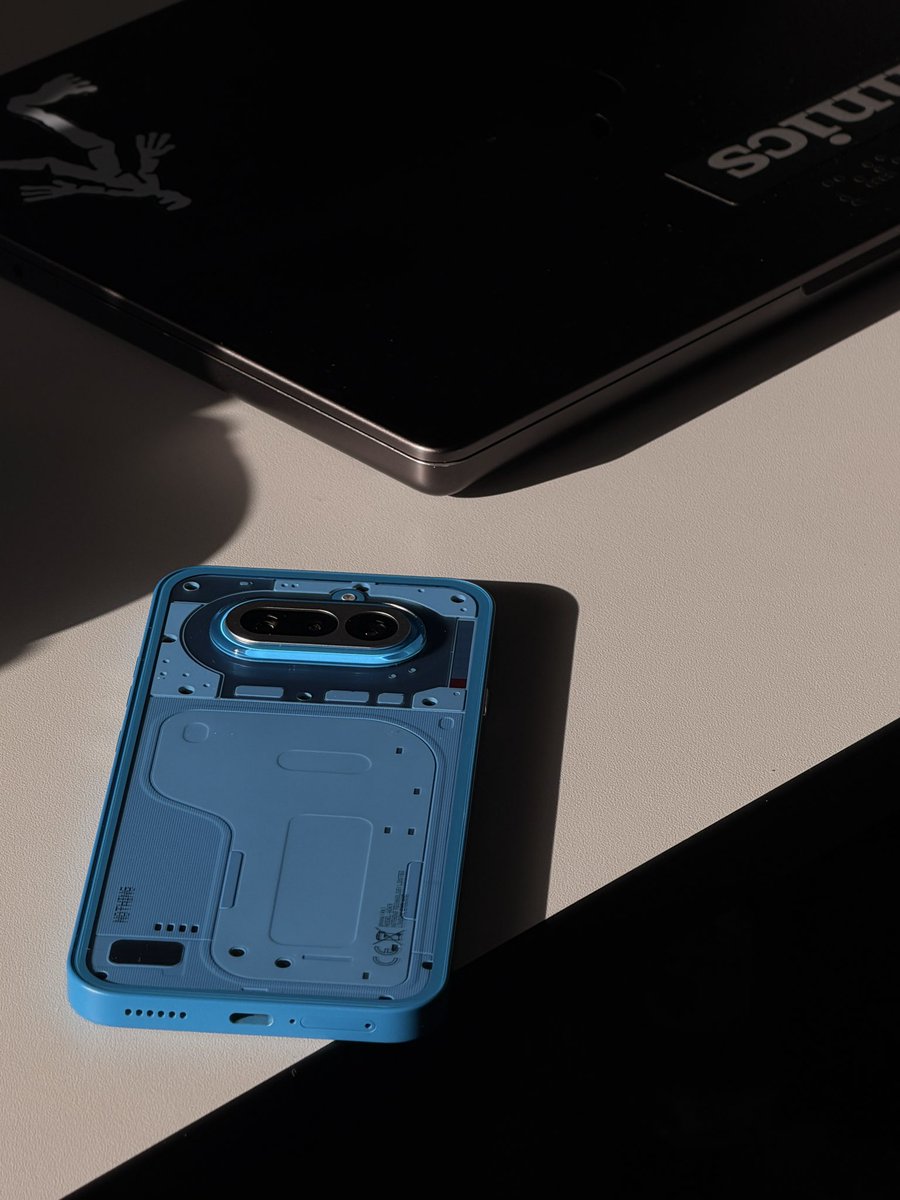
The MCP backlash today has been interesting to witness... turns out models are capable enough to read the messy web as is and figure it out
The Semantic Web tried to impose standards to make data machine readable 25 years ago, never hit critical mass. Same thing will happen with most of our tools, agents will learn to use them from docs and playing around, without the need for a universal spec
This is especially true on mobile, where agents that can navigate messy UIs and fragmented data will beat ones waiting for every niche app developer to implement a spec. Samsung is already betting on this with their S26, where Gemini navigates real app UIs in the background instead of asking developers for APIs. Right direction, but fragile
The real solve will be an OS level agent that understands you deeply enough that it doesn't need to pretend to be a user. Apps just need to expose a handful of core actions (order food, book ride, play playlist) as structured intents and let a lightweight on-device agent figure it out. Android is well positioned here, the foundation already exists
362
Mar 11
The blind box model (Labubu, gashapon) is centred around the transaction, that's when the dopamine hit happens. You either love it, trade it, or buy another box chasing rarity. The cultural power is also external, it's signalling, belonging, social currency.
STARBOY is interesting as it inverts both mechanics. The randomness doesn't happen at purchase, it evolves over the lifetime of the object, creating some kind of relationship model. You can't grind for a better outcome, can't optimise it. That's a different reward loop to anything in consumer tech right now.
Pretty sick release
Mar 11

Each STARBOY ships with a unique set of eyes. You don't know what color you'll get, and you can't alter it. There are over 5000 different looks, each with associated rarity.
3
701
Walid Behlock retweeted

Mar 5
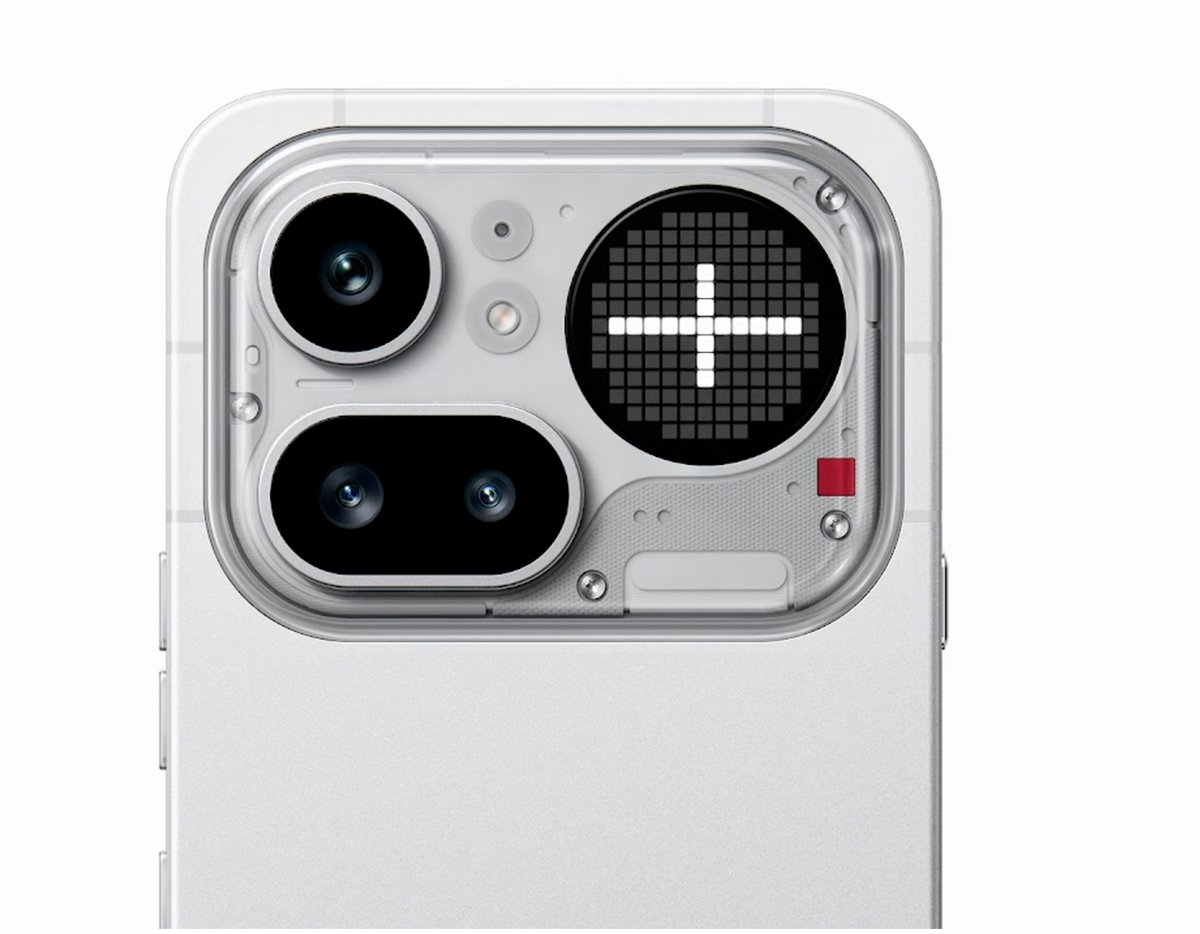
The new Nothing 4a Pro is here!
This keeps proving that Android has a wider advantage in uniqueness, personalisation and style.
And better cameras for less!
Mar 2

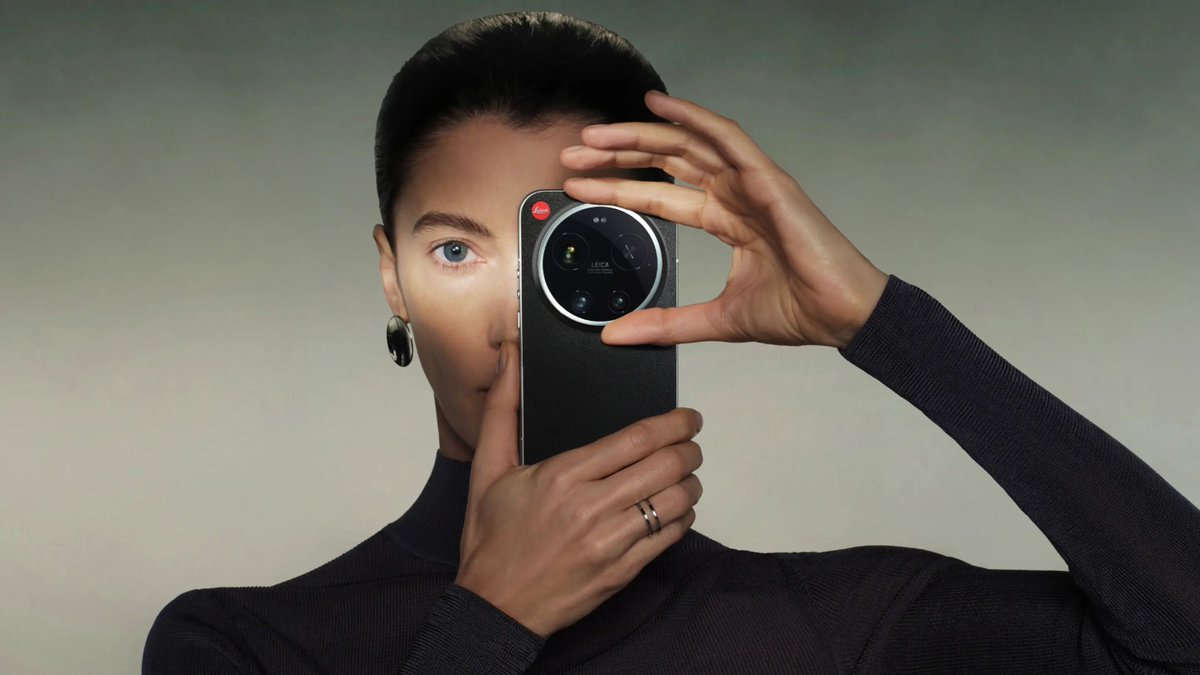
The Android platform is only getting better and better — The best cameras on mobile devices, the best-looking phones…
It can already fully replace your iPhone and your compact camera — and soon to get even better!

1
2
69
7,928
Walid Behlock retweeted

Feb 3
This isn’t the first time a shift like this happens and it won’t be the last.
I feel like what’s happening right now is what happened to photography — when everyone has an amazing camera and a publishing outlet to the entire world, we just get more of everything. Diversity and new ideas, class differences erased. But also a huge noise increase.
The people who would wade through the mud of challenges to master photography pre iPhones were on a path of commitment to being the best they could be. Nowadays the vast ocean of noise has weirdly dampened photography as an art. I for sure thought the opposite would happen, that people without the means to pursue photography in the pre-iPhone times would now have a stage, but they too drowned in the noise.
The same thing happened to sign making and many other fields of craft. It’s happening to software now. Average actual quality will go down and consumer expectations on quality will fall. Maybe the next 10-15 years is simply the cost of progress and we’ll build Star Trek-grade computers in a few generations from now.
Perhaps this is “good”, perhaps not. Regardless, it feels like desperate times of gold rush, not like a renaissance of software.
In some ways, software around 2010 felt like peak avg of quality. What did we culturally do back then that we changed or stopped doing, I wonder…
16
16
416
58,374
29 Dec 2025
Fully agree, Bauhaus emerged from industrial and social constraints (mass production, housing crises, new materials), not from "what should the future look like?"
29 Dec 2025

Pursuing a New Aesthetic is like pursuing status or money, it’s best achieved as a result of solving new problems, not as a direct goal.
3
421
29 Dec 2025
Bots will have their own digital identity, agency, and communication methods
We're rapidly moving past "bots that use human interfaces" toward native agent-to-agent protocols
What gets unlocked when agents can discover, authenticate, and transact with each other without human readable intermediaries?
Bots as first-class internet citizens
15 Dec 2025

There is no bot problem
Worldcoin is a scam
Bots will live amongst us
2
4
1,114
28 Dec 2025
now that robot training in simulation takes a few hours rather than weeks, the physical prototype cycles will need to adapt... plug and play hardware ecosystems feel like the obvious next step
2
185
25 Dec 2025
Google gave android to OEMs because they extend their business, every device is another data point for their ad engine
TPU buyers would be direct competitors to Google’s AI products. Selling TPUs to OpenAI would be like giving android to a company trying to replace search
Android worked because Google kept the profitable layer proprietary (GMS, Play Services) while commoditizing the OS. With TPUs, the hardware is the moat
25 Dec 2025

Google will never sell TPUs. The moment Google sells TPUs at scale, they transform their architectural advantage into a commodity.
Google's internal teams have first-order claims on TPU capacity because those workloads directly generate revenue and strategic moats. Any TPU sold externally is a TPU not used to defend Google's primary profit engines.
Right now, TPUs are Google's proprietary edge, vertical integration that lets them operate AI infrastructure at costs competitors can't match. DeepMind can burn through compute budgets that would bankrupt OpenAI because Google doesn't pay retail GPU prices, they pay internal TPU marginal cost.
If Google starts selling TPUs externally:
- They have to price competitively vs Nvidia GPUs, which means revealing their cost structure. Suddenly, everyone knows Google's true AI compute costs aren't magic.
- Selling bare metal TPUs means publishing detailed specs, performance benchmarks, and programming interfaces. This is handing competitors a blueprint for "how Google actually does AI at scale." Right now, that's proprietary. The moment it's a product, it becomes studied, reverse-engineered, and eventually replicated.
- Google Cloud already sells TPU access via GCP at premium prices. If they start selling bare TPUs, they're competing with their own higher-margin cloud offering. No sophisticated buyer would pay GCP markup when they could buy TPUs directly and run them cheaper.
GCP TPU pricing is not aggressive compared to GPU alternatives, but it is premium. This isn't incompetence, it's intentionally priced to discourage massive external adoption. Google makes TPUs available enough to avoid antitrust "hoarding infrastructure" accusations and to capture some high-margin cloud revenue, but they don't actually want external customers consuming capacity at scale.
Compare this to AWS, which sells every chip they can manufacture (Graviton, Trainium, Inferentia) because AWS is a commodity infrastructure business. Google's core business is ads and consumer products that depend on AI infrastructure. Selling the infrastructure is like McDonald's selling their supply chain to Burger King, even if it generates revenue, you're strengthening competitors and weakening your primary business.
You can't simultaneously be a commodity chip vendor AND maintain proprietary infrastructure advantage. The moment you sell, you commoditize. The moment you commoditize, your advantage evaporates.
Given that selling TPUs appears strategically unsound, why is there speculation that Google pursue it anyway? I think because cloud divisions at every hyperscaler have perpetual "we need differentiation" anxiety, and custom chips look like differentiation. But differentiation only matters if it protects margins or captures share without destroying your core business. Google selling TPUs would be differentiation that destroys more value than it creates.
1
281
25 Dec 2025
2026 is when we move from AI memory to actual identity modeling. Enterprise got accurate context layers first, but consumer devices are next. Your phone will understand your habits, what you care about, and how you think, not just remember what you told it
24 Dec 2025

5
251
Walid Behlock retweeted

23 Dec 2025
Something big is happening in robotics - and it’s hiding in plain sight.
This post is not about dancing robots but in the data that powers them. Open robotics datasets have exploded this year, turning the field into a more scalable and collaborative ecosystem.
In just two years, @huggingface datasets grew from 11k to over 600k - and robotics is by far the fastest-growing segment. We went from 1k robotics datasets in 2024 to 27k in 2025!
For comparison, text generation, the second-largest category, has only around 5k datasets in 2025. That gap is massive.
Open datasets are important because robotics lives and dies by real-world robot data - video, actions, sensors, failures. By making this data easy to upload, reuse, and benchmark, researchers, startups, and large players are now releasing real-robot datasets that would have stayed locked inside labs just a few years ago.
Major contributors include @nvidia, LeRobot initiative, and a rapidly growing maker community. This surge is also enabled by cheaper video storage, better tooling, and an open-source AI culture now spilling into the physical world.
And it really matters: open robotics data dramatically lowers entry barriers, accelerates learning-by-doing, and speeds up progress toward generalist and humanoid robots.
Robotics won’t scale through hardware alone - but to a large extent through shared data.
Viz below from @aiworld_eu - link to the story and more viz/filters in comment.
55
203
1,157
185,876
29 Nov 2025
1AM
Nothing x Cactus 24h hack in full swing
200 attendees
Can’t wait to see what everyone’s been building
233
26 Nov 2025
Quick update on what we’ve been building.
Today we shipped the first step toward a personal OS that learns you over time.
Smartphones already hold so much of your real context, and used privately and responsibly, that puts us in a great position to build something truly adaptive.
We’re starting with Essential Space as our first memory source. It’s high signal because you choose what to capture. From there, we’ll keep expanding the data sources and how the OS uses them across devices.
The goal: an adaptive, contextual OS that surfaces what you need, when you need it, in the way you’d want it.
Early days, but the foundation is in.
More soon!
25 Nov 2025

Two huge updates to Essential Space. Starting with:
Essential Memory!
Everything you drop into Essential Space (screenshots, links, notes, etc) now can become a memory.
When you ask Essential Search, it looks through your Memories first and gives you the most personally relevant answer.
Today, it's the bridge between Search <> Space.
3
300

22 Jul 2025
Great work on this!
22 Jul 2025

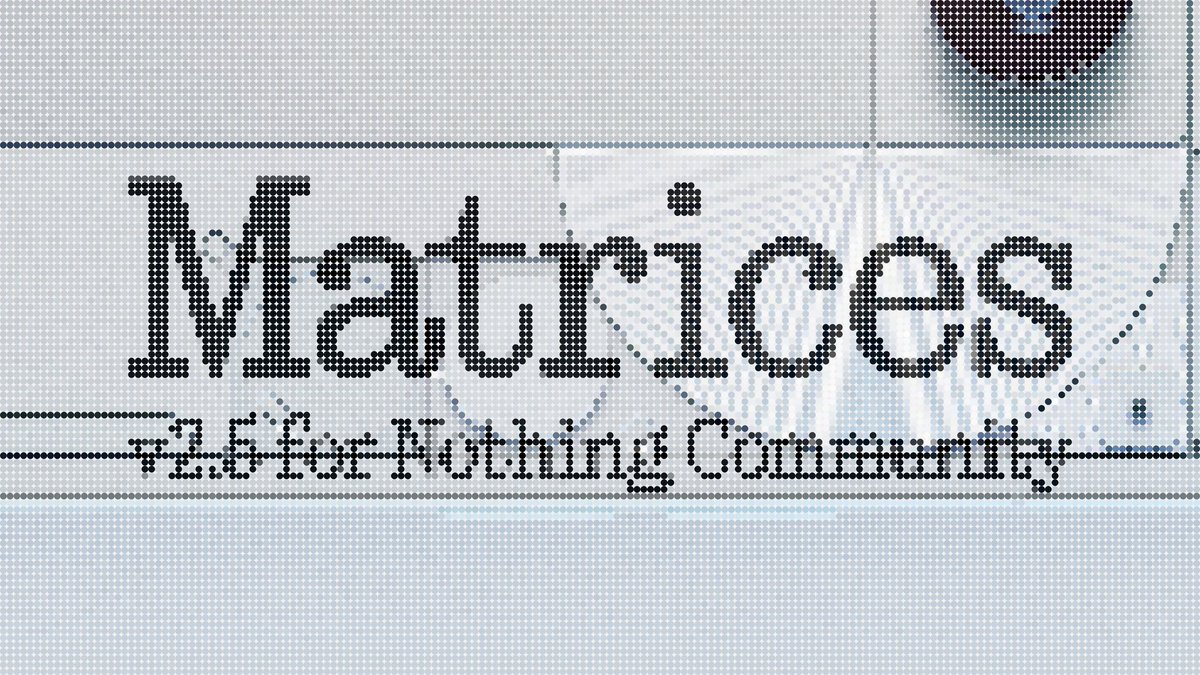
Introducing Matrices v2.5 for Nothing Community
nothing.community/d/38047
A super-handy utility to create @nothing style matrix imagery.
1
11
671