
Transformative Master Coach | Author | Empowering Leaders to Achieve Their Full Potential | The Integrative Approach
Joined August 2009
- Tweets 2,380
- Following 261
- Followers 1,211
- Likes 2,208
586 Photos and videos


Pinned Tweet

20 Jun 2025
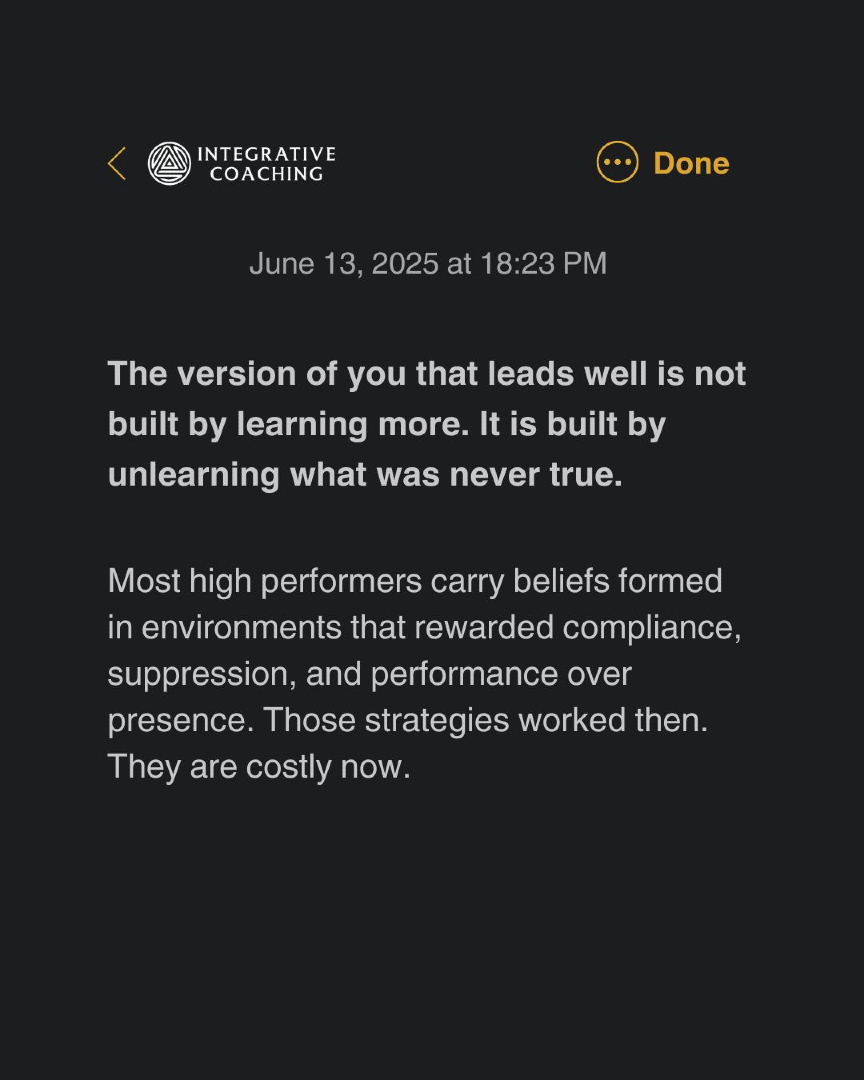
You’re not becoming more.
You’re unlearning the illusion that you were ever less.
That’s The Reality Effect.
New article:medium.com/p/the-reality-eff…
#TheRealityEffect #Consciousness #Coaching #Unlearning #Presence

97
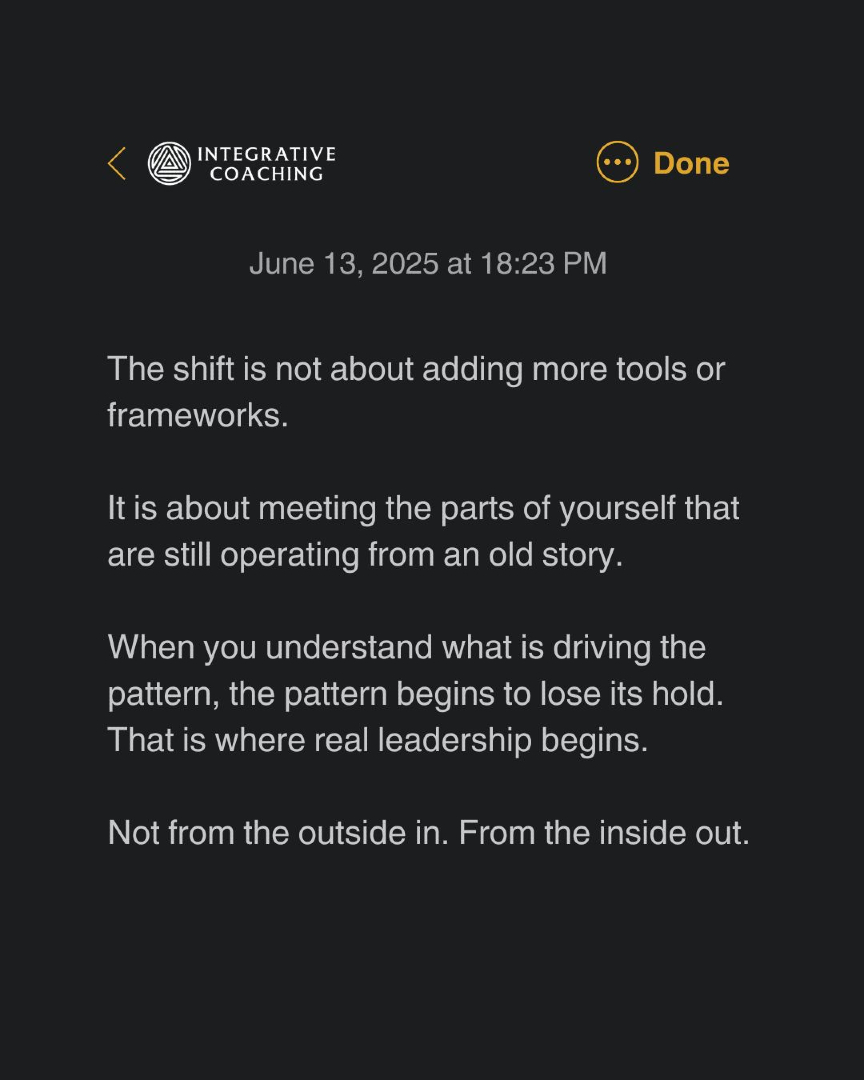
The most overlooked leadership skill isn't strategy or communication, it's self-awareness at a deep level.
Most leaders are running unconscious patterns formed decades ago. And no amount of coaching frameworks will change what hasn't been seen yet.
Integrative Coaching works at the level where the real shifts happen, the unconscious beliefs, the nervous system responses, the parts of you still trying to stay safe in a world that no longer exists.
When you change at that level, everything changes. Your presence. Your decisions. Your team. Your results.
If this resonates and you feel called to work together, explore the link in my bio or send me a message.
1
Jun 11
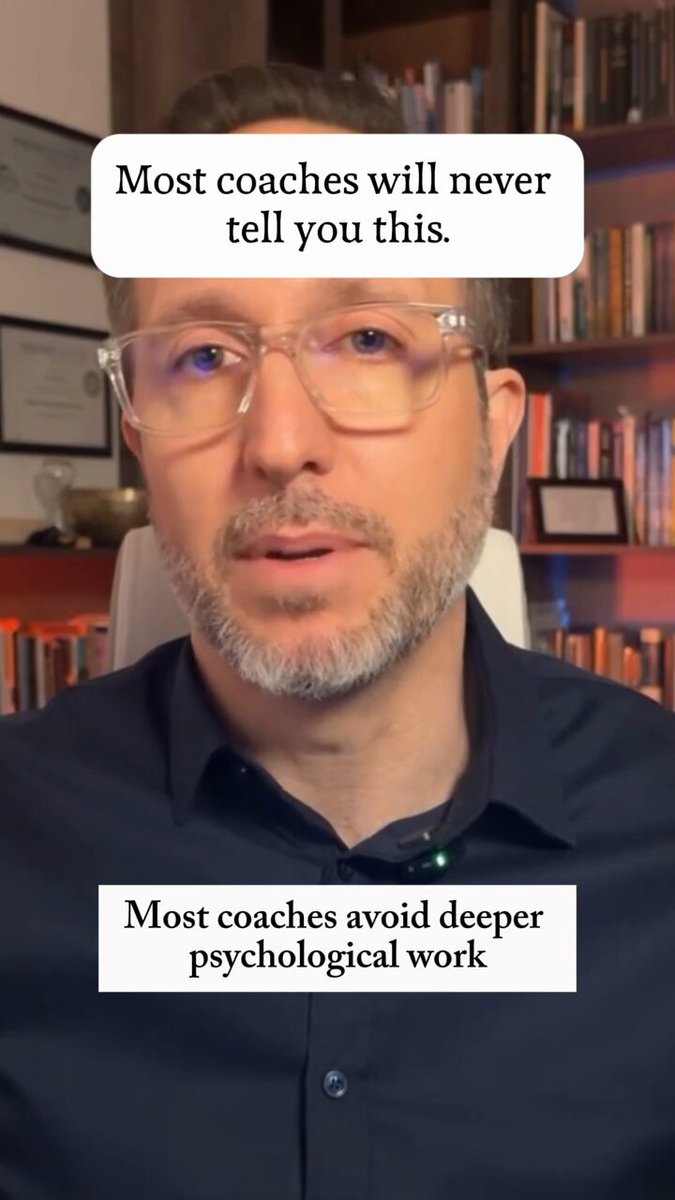
Most coaches avoid deeper psychological work because they're not trained for it. They don't understand Jungian psychology or how to work with the unconscious at a deep level.
There's a gap in mainstream coaching and the difference between temporary relief and genuine transformation.
Traditional coaching asks "how do I perform better?" That's incomplete.
The right question is: Who am I? Who am I being when I lead? What unconscious patterns am I running? What parts of myself am I avoiding that sabotage my effectiveness?
Your external results always reflect your internal state. If you're anxious internally, your leadership manifests as anxious externally, no matter how many frameworks you implement.
Real transformation isn't about doing more. It's about becoming more and that starts from within.
If this resonates and you feel called to work together, explore the link in my bio or send me a message.
3
Jun 8
Most of us were never taught that discomfort could be a good sign.
We learned pretty early on to manage it, avoid it, push through it.
And so when the inner work starts bringing things to the surface, the first instinct is to think something has gone wrong.
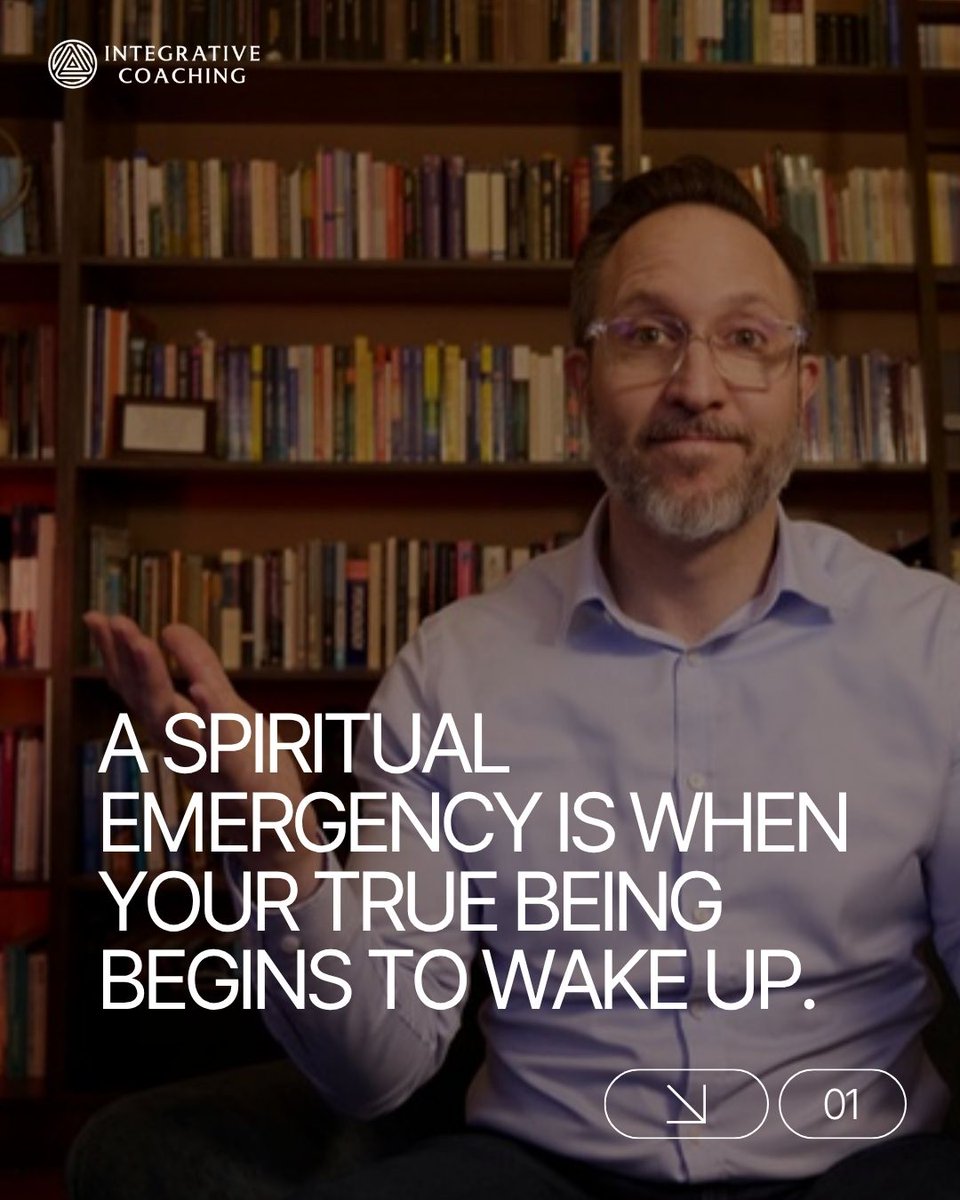
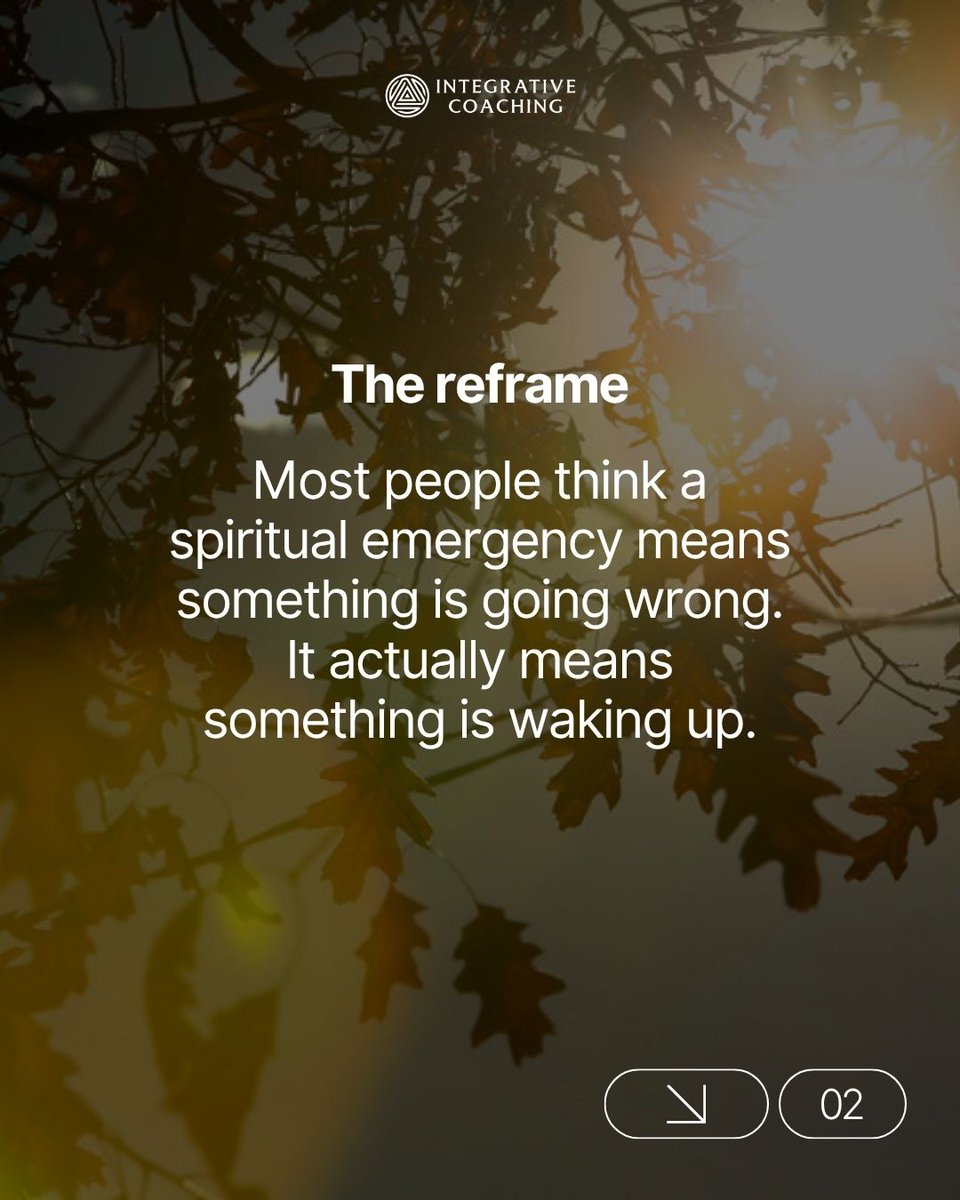
But a Spiritual Emergency is not a crisis. It is your True Being beginning to wake up.
It is what happens when you start peeling back the layers of all the ways you learned to cope, to adapt, to keep yourself safe.
It can feel messy and uncomfortable and a bit all over the place.
That is kind of the point.
You are not falling apart. You are just finally starting to Emerge And See.
#SpiritualEmergency #InnerWork #SpiritualAwakening #ConsciousnessExpansion #SelfDiscovery
2
Jun 4
In my work with Integrative Coaching, I keep coming back to one simple truth: the foundation of all practice is learning how to relax.
Sometimes the most simple things are also the most effective. If there isn’t a baseline of a relaxed nervous system and body, then everything that comes after can lose its groundedness.
Breathwork, meditation, performance work, cold exposure, they all land differently when the system is already at ease.
This has been coming up a lot lately, so I wanted to share a reminder of just how important relaxation really is.
#IntegrativeCoaching #NervousSystem #Relaxation
15
May 31
Most people are taught to focus on behaviour change.
Do more of the right things.
Fix the habits.
Adjust the mindset.
Push through the resistance.
And sometimes that helps temporarily.
But if the deeper patterns underneath aren’t addressed, you often end up back in the same cycles, just in different forms.
In my work, I’m far more interested in what’s driving the behaviour in the first place.
Because underneath most patterns, there are consistent themes showing up again and again.
How someone relates to stress.
How they move through control.
How they try to create safety.
How they manage uncertainty, connection, and self-worth.
This is where integrative coaching becomes different.
It’s not just looking at what you do, but understanding the emotional, relational, and nervous system layers that shape why you do it.
And when that becomes clearer, something important happens.
You stop trying to force change from the surface.
And you start working with the actual structure underneath it.
That’s when things begin to shift in a more sustainable way.
If this resonates and you’re curious about going deeper into your own patterns, feel free to reach out or DM me to explore working together.
1
May 28
A lot of self-development work focuses on understanding *what* you do.
But in my experience, the real shift happens when you start to understand *why* you do it.
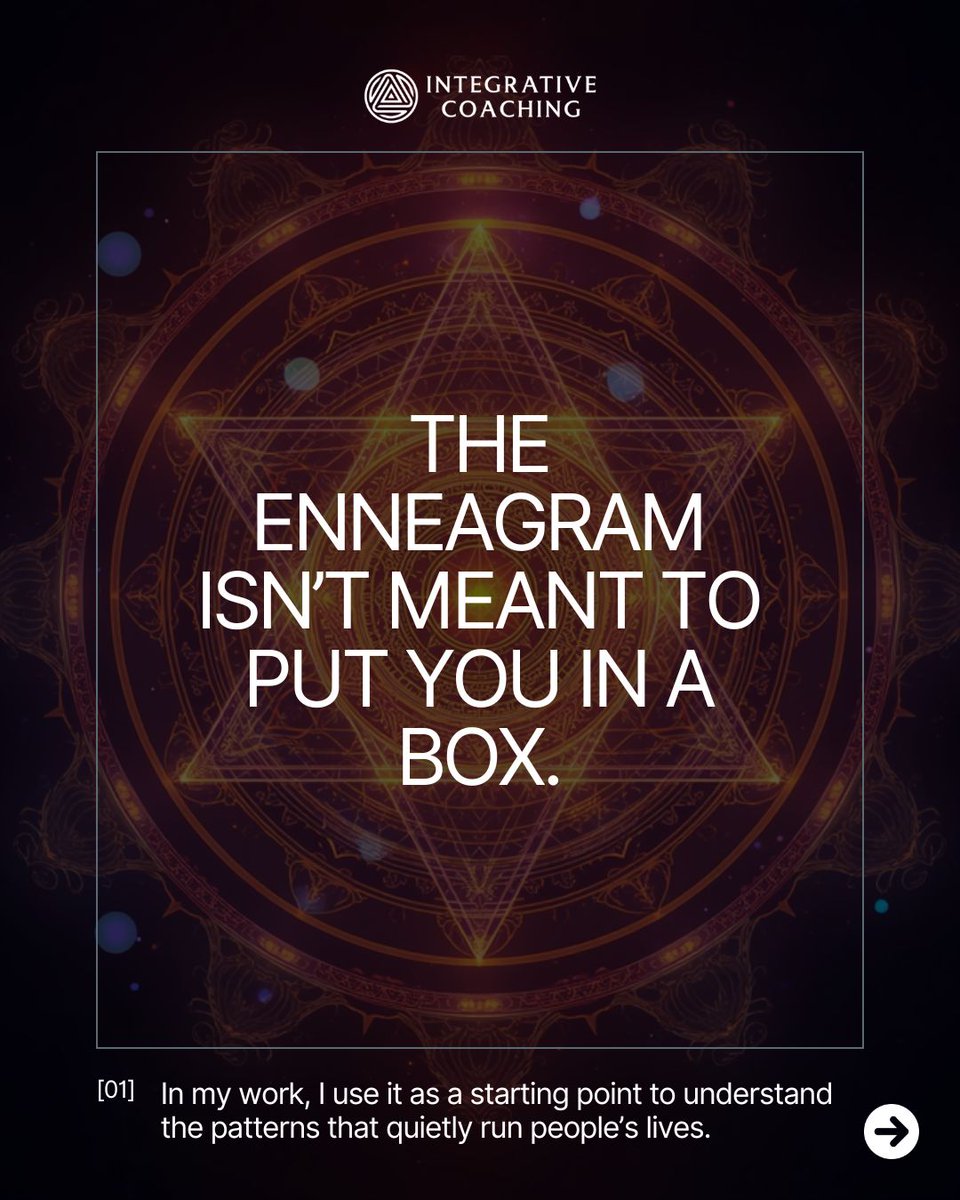
Tools like the Enneagram can be helpful here, not because they define you, but because they give you a starting point to notice patterns that are often running in the background of your life.
Patterns around how you handle stress.
How you relate to control.
How you seek safety, approval, or stability.
How you move through relationships, decisions, and change.
What I often see is that people already have awareness of certain behaviours, but they’re still stuck in the same cycles because the deeper layer hasn’t really been explored yet.
This is where integrative coaching becomes useful.
It’s not just looking at personality or behaviour in isolation, but understanding the emotional patterns, relational dynamics, and nervous system responses that sit underneath them.
When you start to see that layer more clearly, things begin to make more sense.
Not in a way that boxes you in, but in a way that helps you understand yourself with more honesty and less judgment.
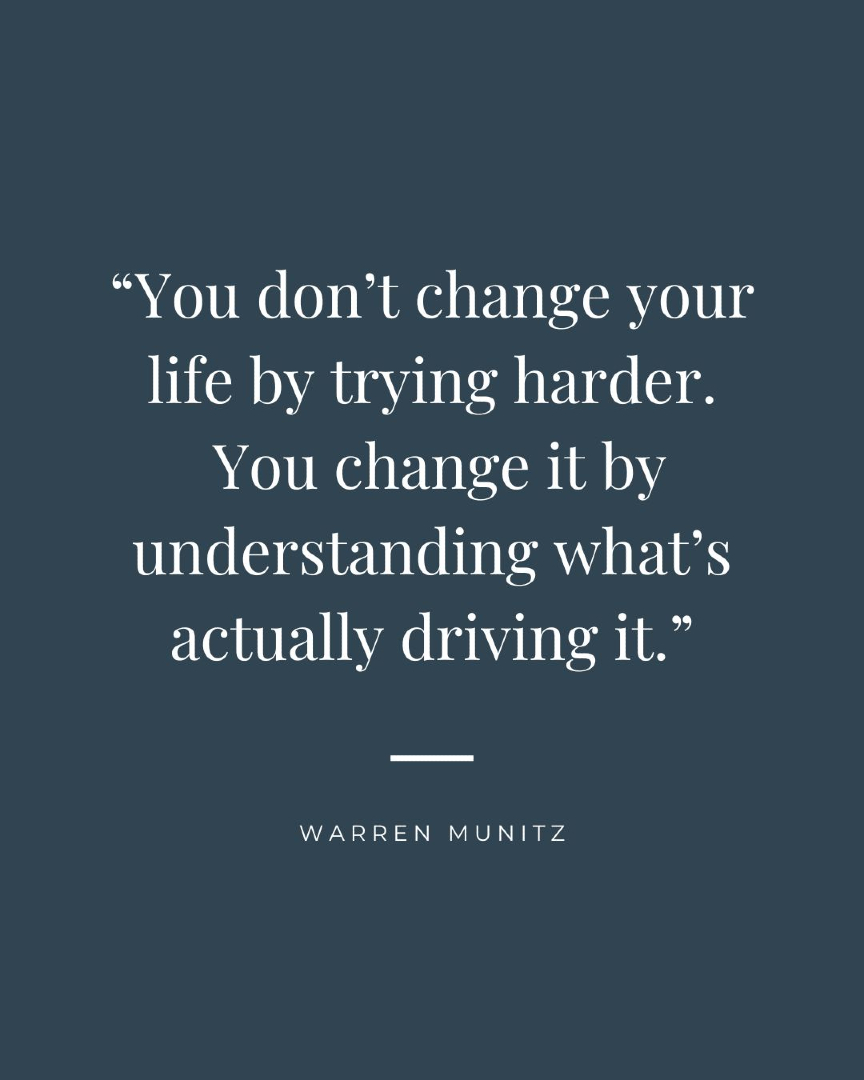
And from there, change stops being about trying harder, and starts becoming about working with what’s actually driving your experience.
If you’re curious about this or exploring deeper work around your patterns, feel free to comment or DM me if you’d like to look at working together.
11
May 25
Real commitment isn’t measured by intensity, but by consistency. When something becomes non-negotiable in your day, it stops being a decision and starts becoming part of who you are. That’s where real change begins.
Watch our latest episode of Mastery of Being, link in bio.
#masteryofbeing #discipline #consistency #commitment #habits #mindset #selfmastery #growth #dailypractice #mentalstrength
6
May 20
I think this is an important distinction.
Because a lot of people blame themselves for struggling to slow down.
They think they’re doing rest wrong.
That they’re too anxious.
Too overactive.
Too stuck in their head.
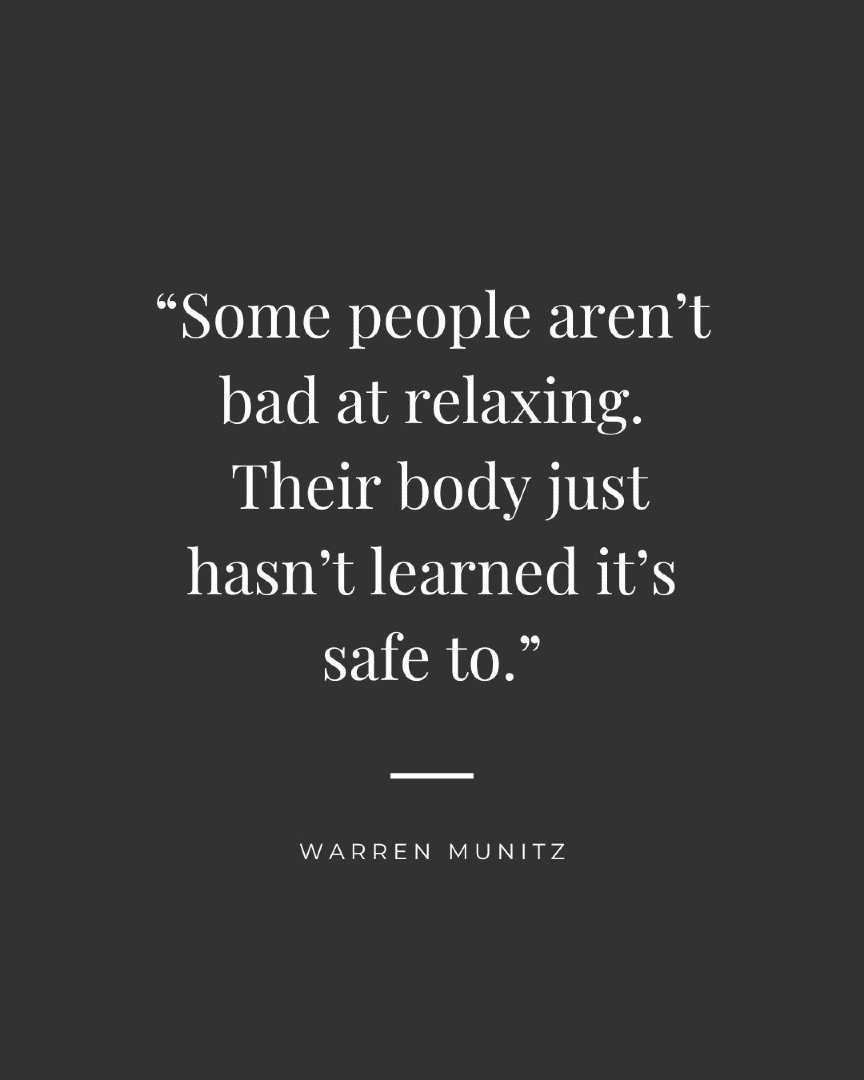
But often, what we call “stress” is actually a nervous system that learned very early on that being alert was safer than being relaxed.
For some people, that looks like overthinking.
For others, people-pleasing.
Constant productivity.
Hyper-independence.
Always staying busy.
Always preparing for what could go wrong.
These patterns usually didn’t come from nowhere.
At some point, they helped us cope, adapt, succeed, stay connected, or feel safe in the world.
The problem is that the body can continue carrying those survival responses long after the original situation has passed.
So even when life becomes calmer, the nervous system still struggles to let go.
And this is why relaxation matters so much in deeper inner work.
Not because relaxation is the goal itself, but because real change becomes difficult when the system is constantly bracing against life.
It’s hard to access clarity, presence, emotional honesty, or deeper self-awareness from a state of chronic fight-or-flight.
In many ways, relaxation becomes the foundation.
The starting point where healing, insight, and transformation can actually begin to land.
Is this something you’ve ever struggled with?
I’d be curious to hear your experience in the comments.
9
May 17
A lesson I learned at 16:
In your darkest moments, the most dangerous belief is that none of this has purpose. Because the moment you act on that belief… you make it true. Meaning isn’t always something you find, sometimes it’s something you choose to keep alive.
Watch our latest episode of Mastery of Being, link in bio.
#masteryofbeing #resilience #mindsetshift #purpose #innerwork #selfmastery #growth #mentalstrength #perspective #keepgoing
1
11
May 14
One of the biggest misconceptions in personal growth is thinking that changing one area of your life will automatically change everything else.
Sometimes it does help temporarily.
But often, people still find themselves repeating the same emotional patterns underneath it all.
The same relationship dynamics.
The same burnout cycles.
The same self-sabotage.
The same internal pressure.
Just in different forms.
This is because lasting change usually requires a deeper understanding of the system as a whole.
Not just your habits, but your nervous system.
Not just your mindset, but your emotional patterns.
Not just your goals, but the unconscious beliefs and survival strategies driving the way you move through life.
A lot of coaching focuses on optimisation and performance.
How to do more.
Achieve more.
Fix the behaviour.
But integrative coaching takes a more layered approach.
It looks at the connection between the mind, body, emotions, behaviour, relationships, and nervous system patterns, because all of these things influence each other constantly.
For example, someone can know exactly what they “should” do intellectually, but if their nervous system still associates change with danger, they’ll often stay stuck in the same cycles despite their awareness.
That’s why deeper inner work isn’t just about insight.
It’s about creating enough internal safety, awareness, and self-trust for change to actually become sustainable.
In many ways, the patterns people struggle with are often intelligent adaptations that once helped them cope, succeed, or stay safe.
And until those deeper layers are understood, people often keep trying to solve surface-level symptoms without addressing what’s underneath them.
That’s the work integrative coaching tries to explore.
Not just changing behaviour.
But understanding the deeper patterns shaping the behaviour in the first place.
Have you ever noticed this in your own life?
Where you understood something logically, but still struggled to fully shift the pattern?
8
May 11
You might spend years searching for the right teacher… But a true teacher may spend a lifetime waiting for the right student. It’s easy to keep moving, keep searching, keep looking for the next answer. But real growth begins when you become someone ready to receive it.
Watch our latest episode of Mastery of Being, link in bio.
#masteryofbeing #growthmindset #selfmastery #personaldevelopment #learning #wisdom #mentorship #innergrowth #mindset #discipline
29
May 8
Lately I’ve been noticing how many people are trying to heal, grow, improve, optimise, perform… while their entire system is still holding tension.
And honestly, it makes sense.
The world rewards urgency.
Productivity.
Being needed.
Always pushing.
Always “on.”
Most people don’t even realise how disconnected they’ve become from what relaxation actually feels like in the body.
Real relaxation.
Safety.
Feeling enough
Space to breathe without feeling guilty for slowing down.
I think this is why so many people struggle to create lasting change.
Because real transformation doesn’t happen through force.
It happens when the nervous system no longer feels like it has to brace against life.
And that changes the way you think.
The way you relate.
The way you make decisions.
The way you show up in the world.
In my experience, healing is less about becoming someone new and more about creating the internal conditions where your system no longer has to stay in survival mode.
That’s where deeper change begins.
And if this resonates with where you are right now, you’re always welcome to reach out and explore working together.
6
May 5
Clive, an entrepreneur, shares how working with Integrative Coaching over four years helped him gain deeper self-awareness, improve decision-making, and release internal baggage that was draining his energy. Through honest self-inquiry, he experienced powerful breakthroughs, including the realisation that he is not his ego. He describes our intuitive approach as transformative, leading to meaningful shifts in his relationships, business, and overall sense of freedom and lightness.
46
May 4
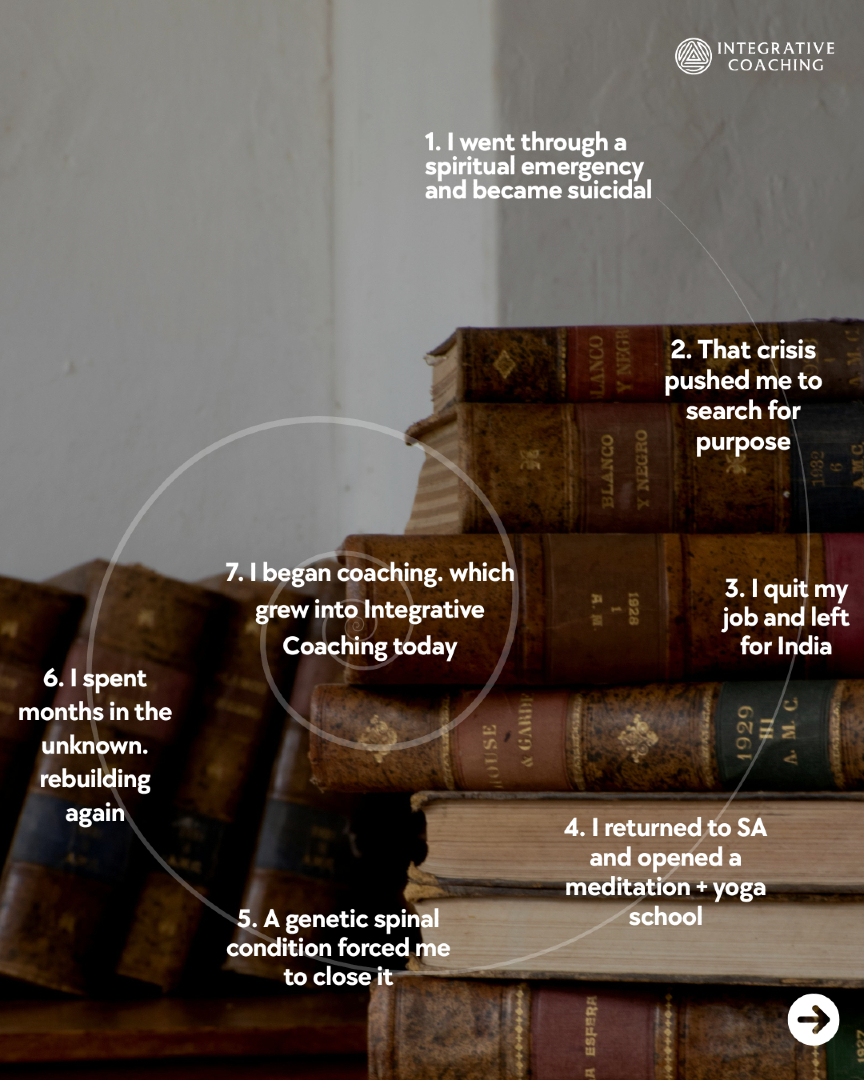
Most people don’t change because things are going well.
They change when something stops working.
For me, that moment came 30 years ago.
And it forced me to start asking better questions.
Not “how do I fix this”
But “what’s actually going on beneath this”
That shift changed everything.
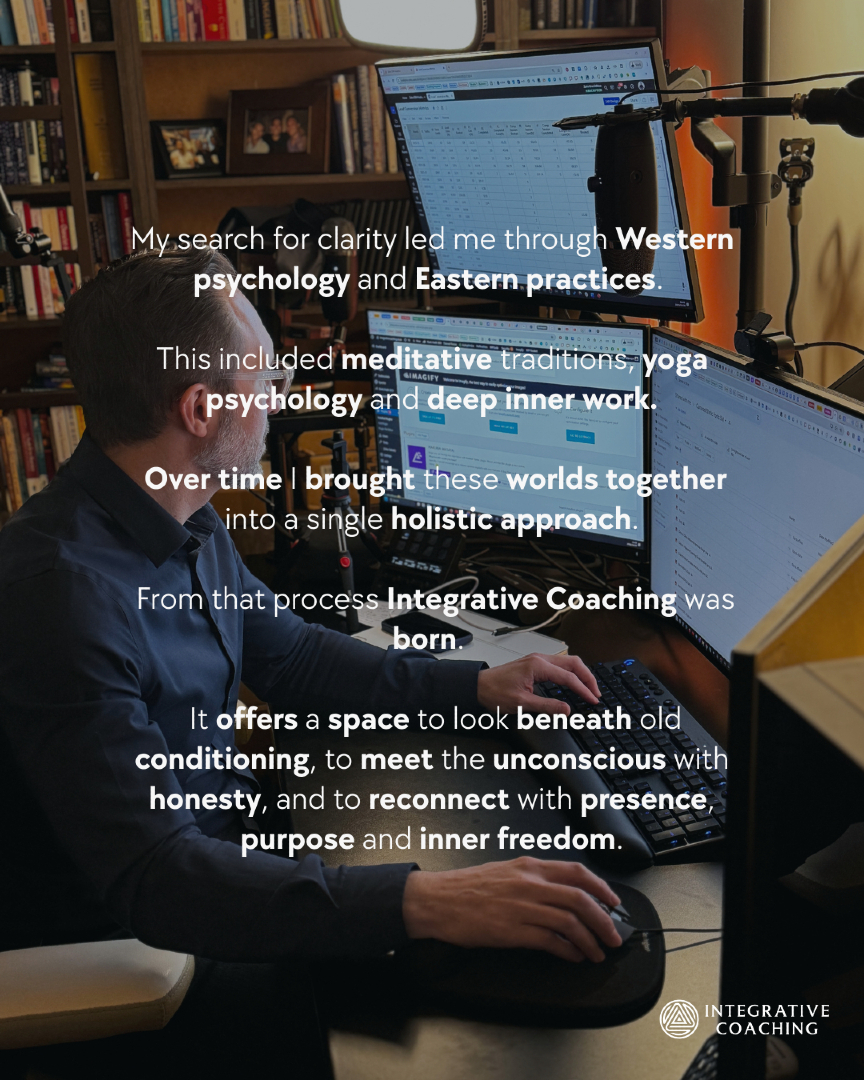
Over time, I realised that a lot of what drives us sits outside of our awareness.
Our reactions, patterns, even the way we see the world.
Integrative Coaching came from that understanding.
It’s not about advice or telling you what to do.
It’s about helping you see what’s already there, more clearly.
Because when you can see it, you can start to work with it.
If you’re at a point where something isn’t working, this might be a place to start.
5
Apr 30
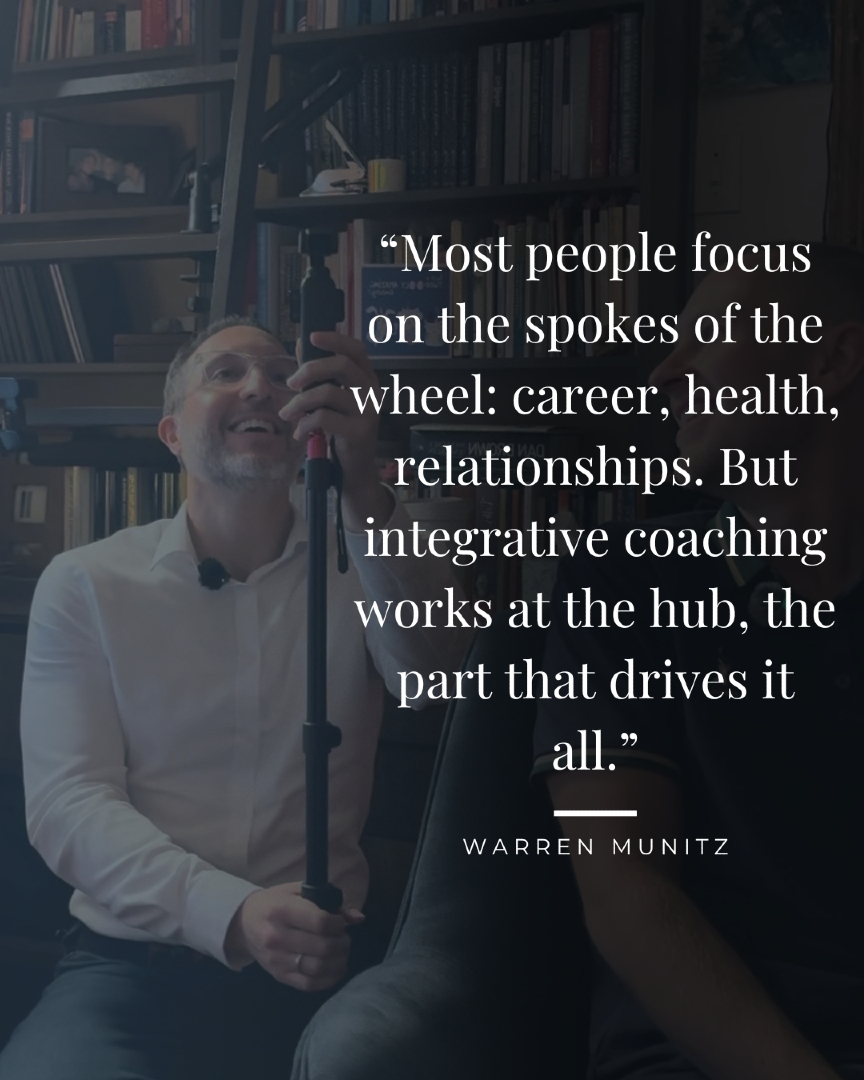
It’s easy to focus on improving individual areas of life, pushing harder in your career, trying to be more disciplined with your health, or working on your relationships. But when each area is treated separately, progress can feel inconsistent or short-lived. That’s because all of these “spokes” are being driven by the same underlying system.
At the centre of it all is you, your patterns, beliefs, perceptions, and the way you interpret the world. If that centre is misaligned, it doesn’t matter how much effort you put into the outer areas, things will eventually fall back into old patterns. But when you start working at the core, everything else begins to shift more naturally.
That’s the difference with integrative coaching, it’s not about fixing parts, it’s about understanding and evolving the whole system that’s driving them. Because when the centre moves, everything connected to it moves too.
Go check out the latest episode of Mastery of Being, link in description.
4
Apr 27
At some point, “I’ll just do it myself” stops being a strength and starts becoming a limitation. It often comes from a good place: high standards, ownership, and care. But underneath it is a lack of trust. Not just in others, but in the process itself. Because if you believe things will only be done properly when you do them, you’ll always be the bottleneck.
The shift happens when you realise that growth requires letting go. Delegation isn’t about lowering standards, it’s about expanding capacity. Yes, someone else might only do it to 80% of your level, but that 80% frees you up to focus on the bigger picture, the things only you can do. And over time, that 80% improves, especially when people are given the space to step up.
Real leadership isn’t about control, it’s about trust. Trusting others to take ownership, make mistakes, and grow. Because if you want to build something bigger than yourself, you can’t be the one holding onto everything.
Go check out the latest episode of Mastery of Being, link in description.
1
Apr 24
The Enneagram isn’t about putting yourself in a box, it’s a starting point for real self-discovery. But one of the biggest misconceptions is that you can just take a test and get a definitive answer. In reality, identifying your true type can take time, because it requires more than just surface-level responses.
When you answer questions, you’re not just answering honestly, you’re answering through layers of bias. Who you think you are, who you want to be, and how you want others to see you all influence your responses. That’s why self-assessments can only take you so far. They don’t challenge your answers or explore what’s underneath them.
The real value comes from going deeper through conversation, reflection, and being guided to uncover patterns you might not see yourself. Because once you understand the lens you naturally operate from, everything else, your behaviours, reactions, and decisions, starts to make a lot more sense.
Go check out the latest Mastery of Being podcast episode, link in description.
9
Apr 21
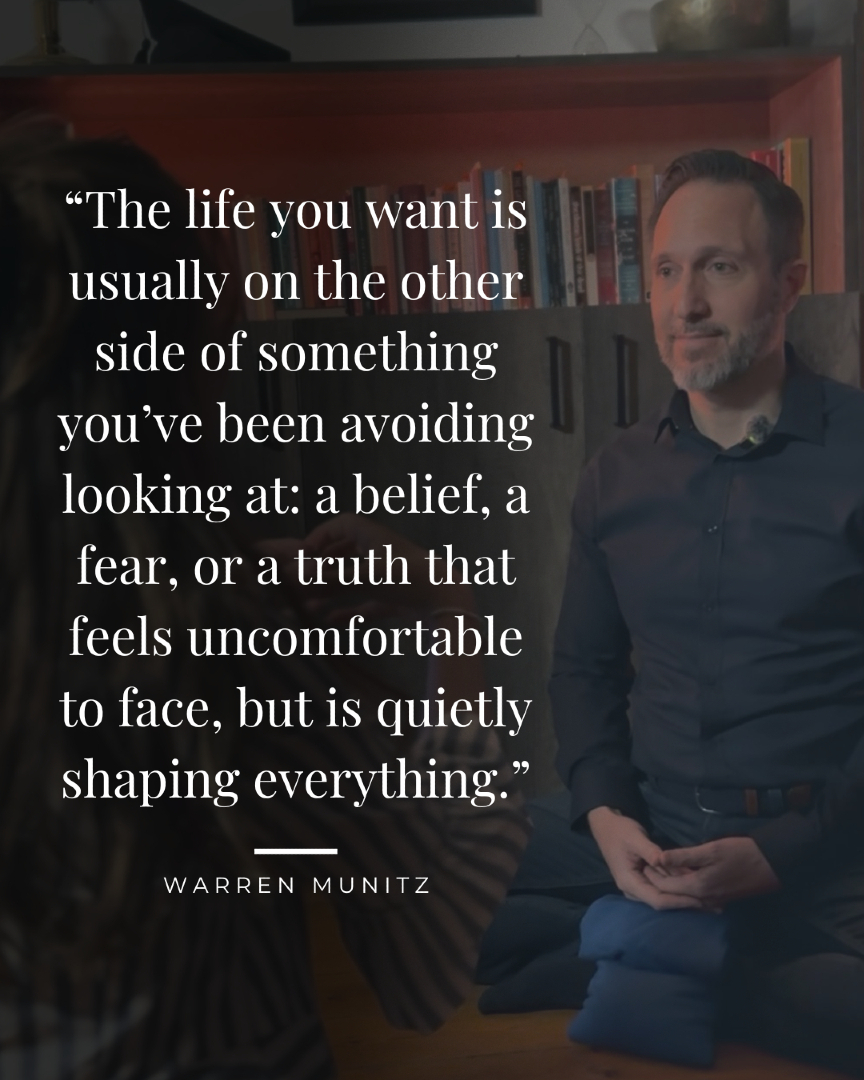
Most people know what they want, more clarity, better relationships, a stronger sense of purpose, but they stay stuck in the same patterns. Not because they’re incapable, but because there’s something underneath the surface they haven’t fully faced yet. And avoiding it doesn’t remove it… it just keeps it running in the background.
What we tend to avoid isn’t random. It’s often tied to identity, how we see ourselves, what we believe we’re capable of, or what feels safe and familiar. Looking at it can feel uncomfortable, even threatening. But that discomfort is usually a signal, not a stop sign. It’s pointing directly at the next level of growth.
The shift happens when you stop trying to work around it, and start getting curious about it. Because on the other side of that awareness is where real change begins, not forced, not temporary, but something that actually lasts.
Go check out the latest episode of Mastery of Being, link in description.
1
Apr 18
A lot of people focus on improving different areas of their life: health, career, relationships, like separate pieces of a wheel. But what often gets overlooked is the hub… the part that actually drives it all. Because if the centre isn’t aligned, it doesn’t matter how much effort you put into the outer areas, things still feel off.
The real question isn’t just what you’re doing, but who is doing it. What’s the state of the person making the decisions, taking the actions, and responding to challenges? When that centre is unclear or disconnected, it creates inconsistency. But when it’s grounded and aligned, everything else starts to move with more clarity and intention.
That’s the shift, moving from managing the spokes to understanding and strengthening the hub. Because when you work on the centre, every part of your life benefits as a result.
Go check out the latest Mastery of Being podcast episode, link in description.
6
Apr 15
When Gary Vaynerchuk said he avoids meditation because he doesn’t want to “mess with what’s happening” in his head, it points to something deeper than preference, it reveals a very human fear. The fear of losing what already works. When you’ve built success, clarity, or momentum, the idea of disrupting that can feel risky. So instead, we protect what’s familiar… even if it means never exploring what’s possible.
But growth doesn’t come from staying within the boundaries of what you already know. It comes from being willing to look beyond it. Most people measure themselves relative to others. “I’m doing well compared to them”, rather than against their own potential. And that gap often goes unquestioned, because comfort can be incredibly convincing.
The truth is, you can’t fully understand what you’re missing until you experience it. Deep work, whether through meditation or self-inquiry, isn’t about losing who you are, it’s about expanding it. The version of you on the other side isn’t a risk… it’s an upgrade you simply haven’t met yet.
Go check out the latest episode of Mastery of Being, link in description.
24