
Joined February 2014
- Tweets 75,095
- Following 1,550
- Followers 623
- Likes 53,187
2,434 Photos and videos

wayne akagi🇺🇸🙏🏼☮️ retweeted

Jun 13
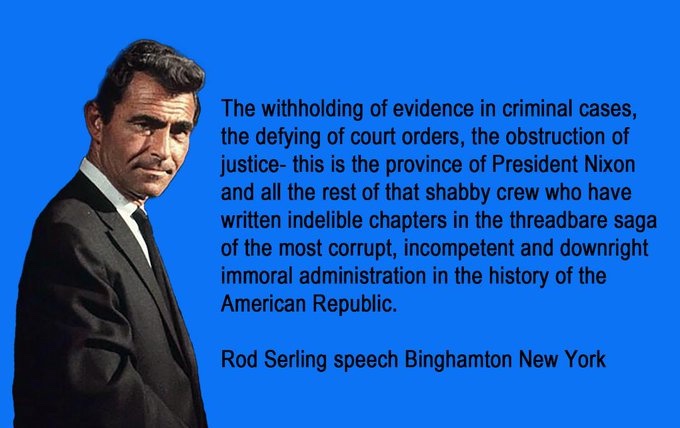
To those wondering what my dad would have to say about Trump, here’s a clue from the past…
57
476
1,523
20,677

President Obama sings "Amazing Grace" during Pinckney eulogy youtu.be/PVRvZjEv00s?si=6onj… via @YouTube
26
wayne akagi🇺🇸🙏🏼☮️ retweeted

It was 91° in Richgrove CA as workers pruned blueberry bushes. They focused on 3 main steps: removing dead/diseased wood, clearing out crossing branches to create an open center (like a wine glass) & cutting away 20% of the oldest canes to stimulate new growth. #WeFeedYou
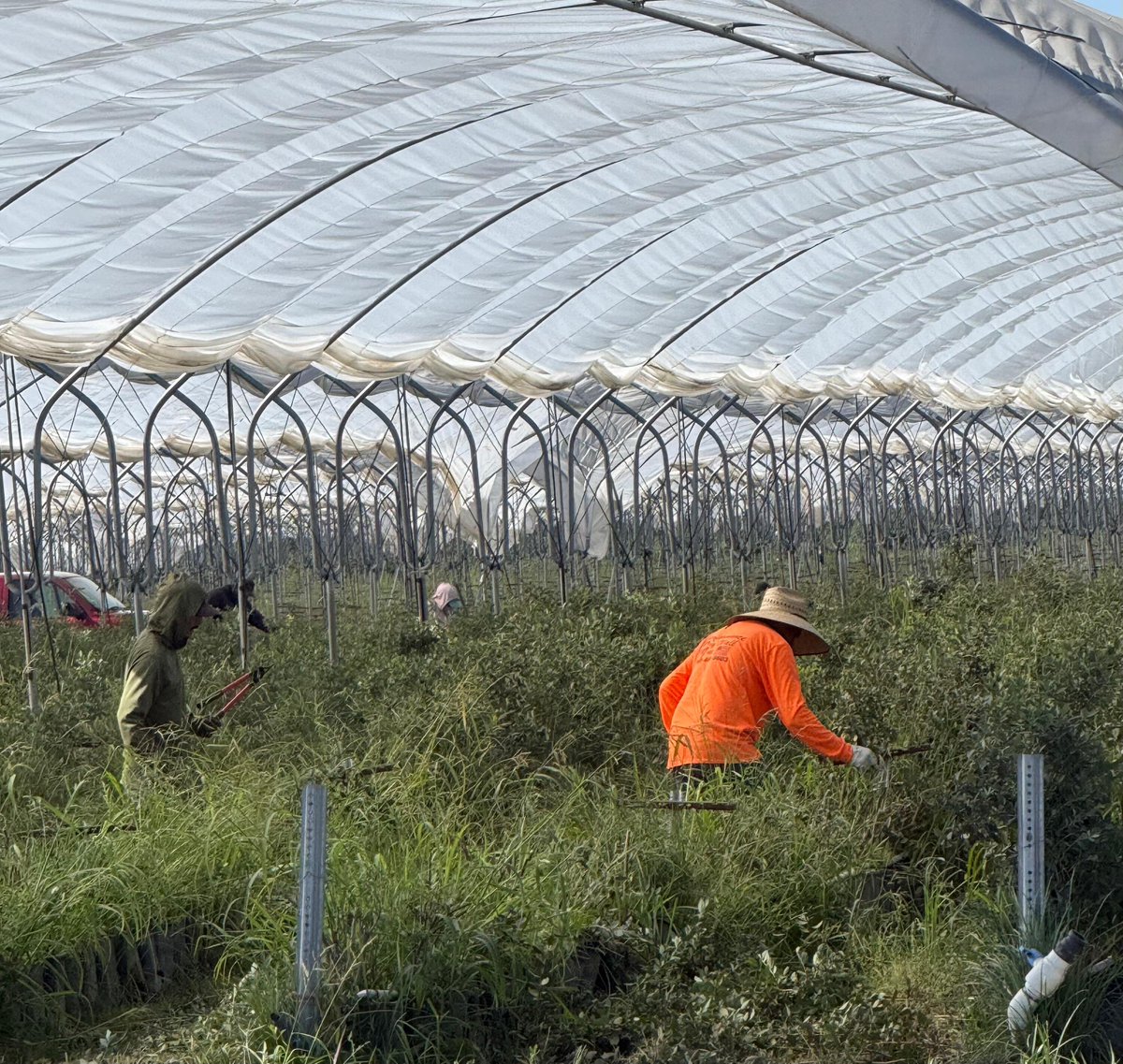
ALT Workers pruning blueberry bushes
3
38
157
1,802
wayne akagi🇺🇸🙏🏼☮️ retweeted

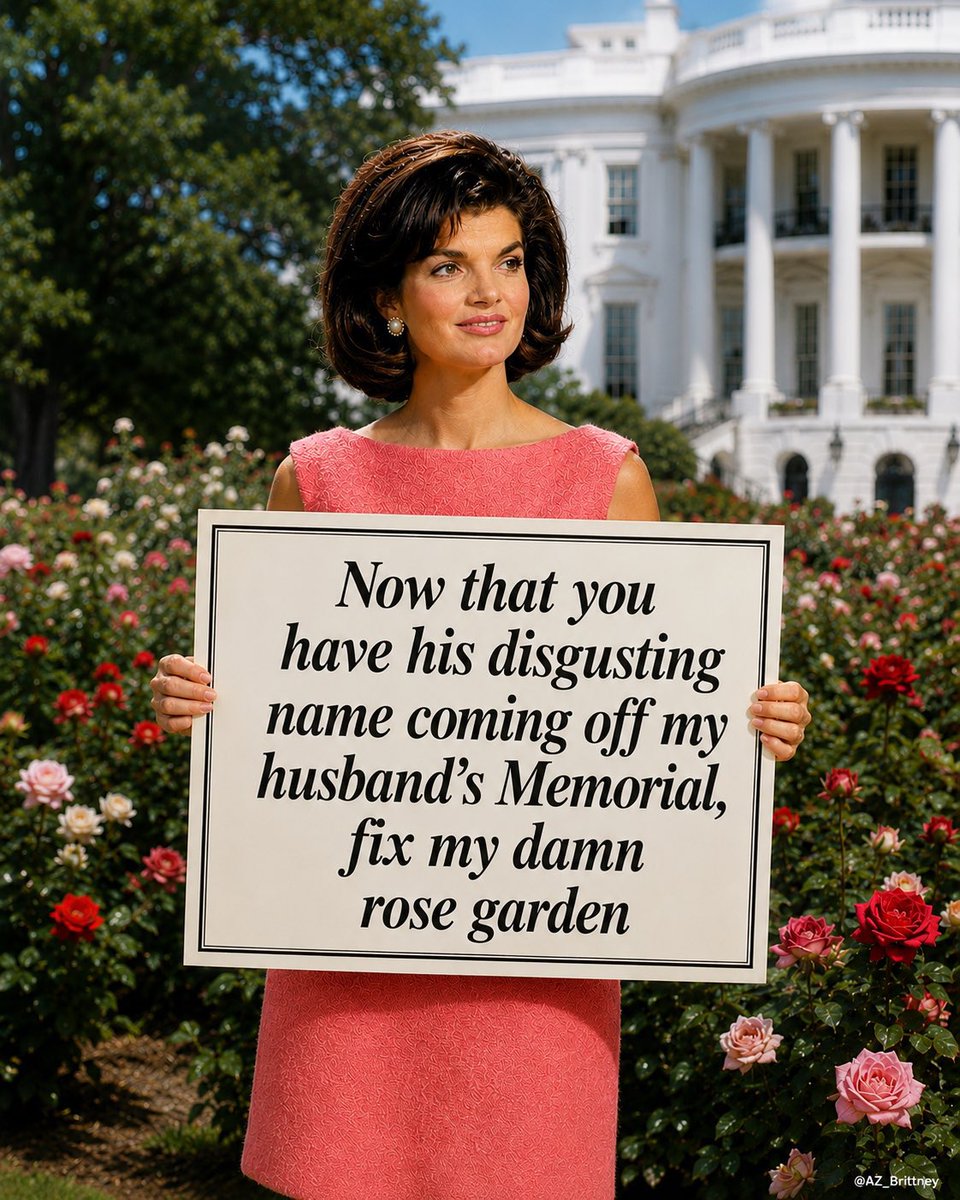
The work crew is really groovin’ as Trump’s name is ripped off the Kennedy Center. 😂
“Young man, pick yourself off the ground” … peak YMCA celebration vibes. 🎶
America is healing one scaffold dance at a time! 🕺
#YMCA #KennedyCenter
94
890
3,124
99,198
wayne akagi🇺🇸🙏🏼☮️ retweeted

👏🏼👏🏼👏🏼

24
416
2,123
21,252
wayne akagi🇺🇸🙏🏼☮️ retweeted

“CHAPPIE “ !America is grateful for YOUR service on behalf of us
Jun 12

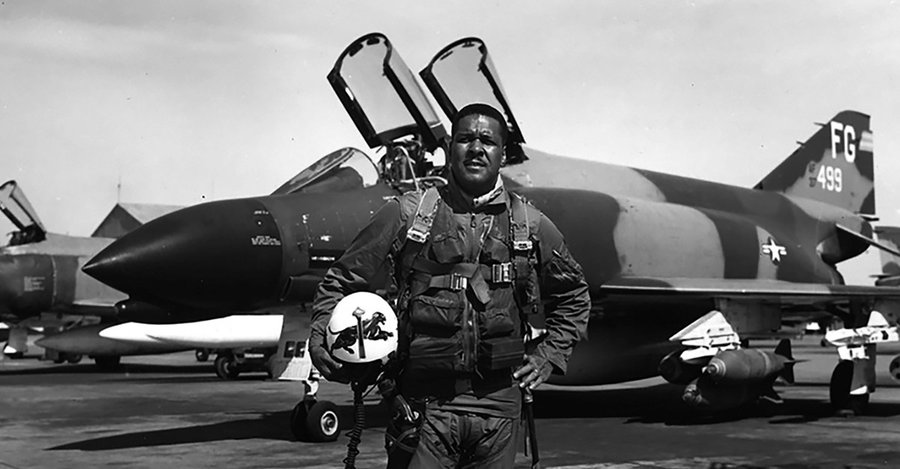
Daniel "Chappie" James Jr. flew 101 combat missions in Korea and 78 in Vietnam. He stared down Qaddafi at an air base in Libya. He became the first Black four-star general in the history of the United States military. Ronald Reagan called him "a truly great American." Florida named a bridge after him.
Pete Hegseth took down his portrait from the Air Force Art Gallery and left the wall empty.
Colonel Gerald Curry passed that painting every day for more than a decade on the way to his office. He is writing a leadership book based on James's service. When the portrait came down, he said it "really, really hurt." Shortly after, he retired.
Clint Smith interviewed two dozen currently serving, retired, and civilian Black military members for this piece. Person after person described the same thing: promotions blocked or delayed, senior Black and female officers dismissed, Confederate monuments restored, books about Black service members removed from military libraries, affinity groups disbanded. One training instructor described her team manually striking out passages about accomplished Black service members from educational materials - by hand, page by page.
Hegseth at Quantico told 800 generals and admirals it was acceptable to "put hands" on subordinates and promised their records would be kept clean if they faced discrimination complaints.
A retired Army officer told Smith his fear plainly: "If Pete Hegseth and the current administration had their way, you wouldn't see any of us in key leadership positions. I think the whole idea is to eliminate as many of us as they can, take us back as far as they can."
Chappie James's words are engraved on his tombstone at Arlington: "This is my country and I believe in her." The Pentagon took down his portrait. His words are still there.
101
1,126
6,037
72,490
wayne akagi🇺🇸🙏🏼☮️ retweeted
"Blanca" is packing 8 oz and 12 oz baskets of raspberries. Each box holds about 6 baskets. "Since the season is just starting, we are producing around 500 boxes/day. During peak season, it increases to about 700-800 boxes/day with a crew of 20 employees." #WeFeedYou

ALT Farm worker packing raspberries
5
76
263
2,417
wayne akagi🇺🇸🙏🏼☮️ retweeted

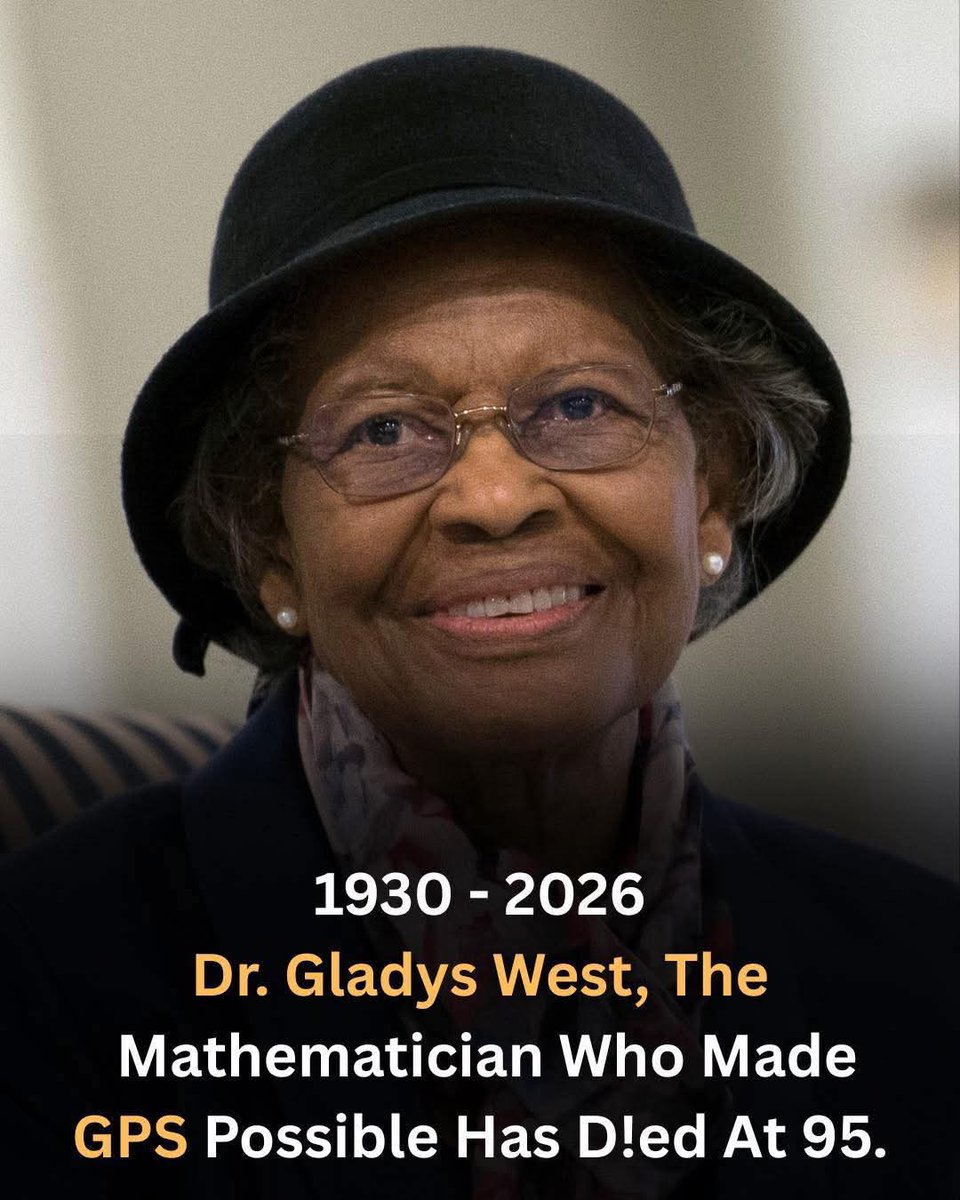
May her soul continue to rest in perfect peace 🕊️

15
628
3,189
29,320
wayne akagi🇺🇸🙏🏼☮️ retweeted

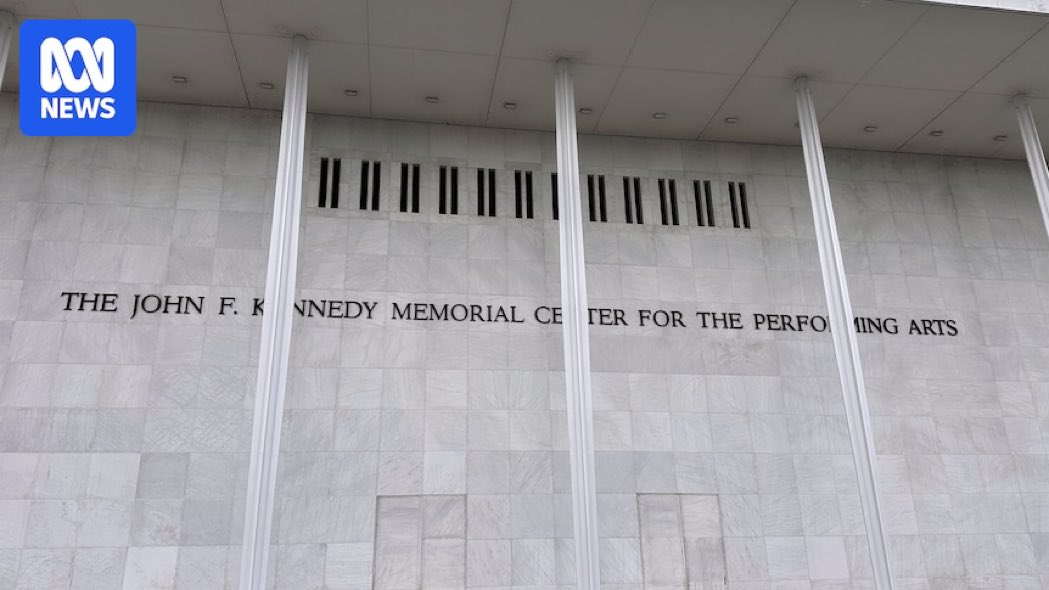
The Kennedy Center is BACKKKKKKKKKKKKKK!
94
968
7,814
62,563
wayne akagi🇺🇸🙏🏼☮️ retweeted
Thank you Col.
Jun 13

🚨 SHAMEFUL ERASURE! This corrupt Trump administration ordered the Air Force to scrub the historic achievements of Retired Col. Nicole Malachowski — the FIRST female Thunderbird pilot in 2006! 🔥😡
Pete Hegseth's DEI purge is wiping out documented military history to feed fragile egos. Her legacy is NOT a political slogan — it's FACT! Stop the cover-up!

64
674
2,497
42,626
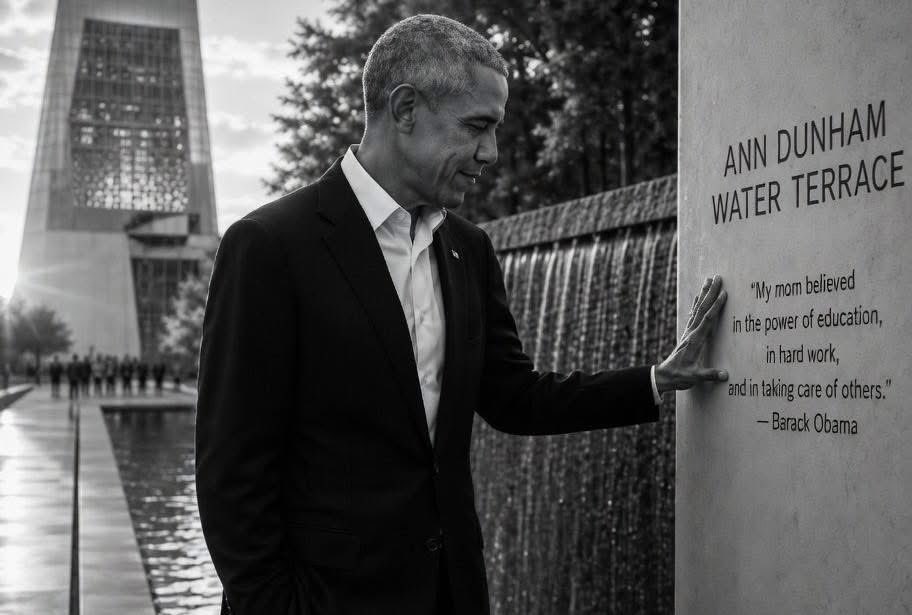
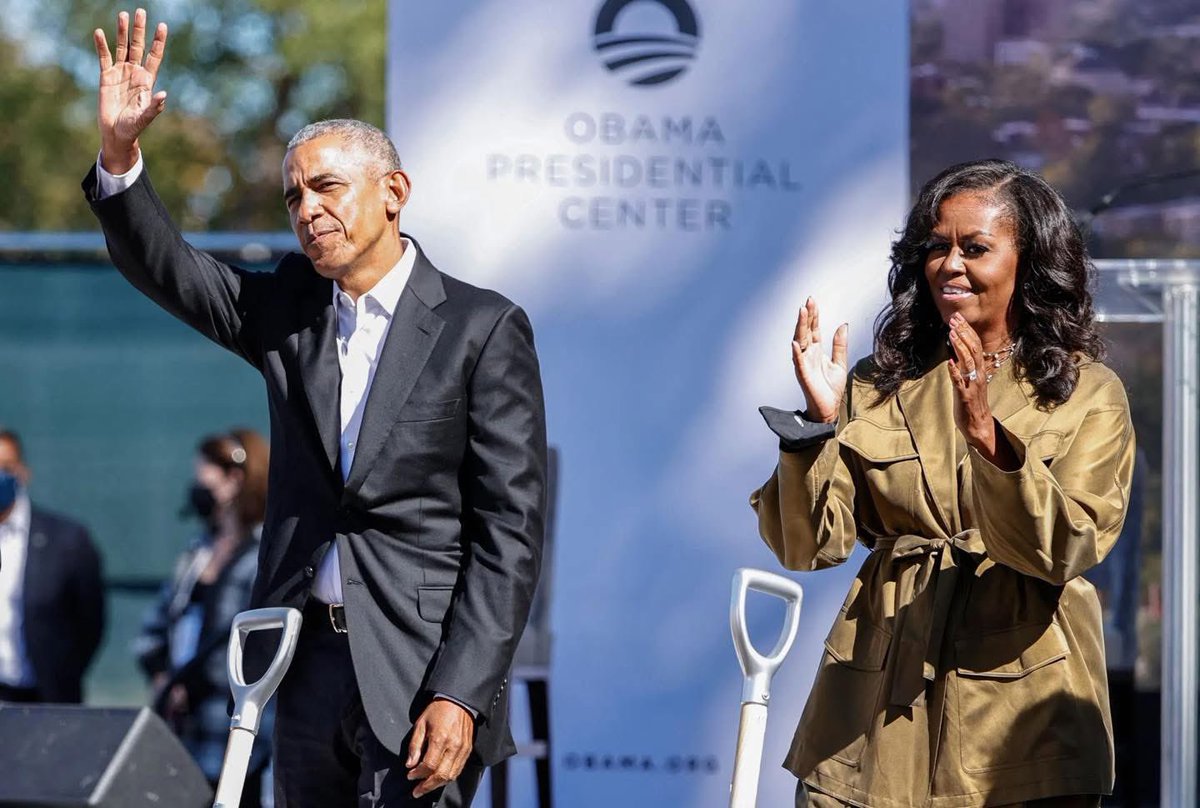
take note @POTUS, Happy #ObamaAppreciationDay....
12h

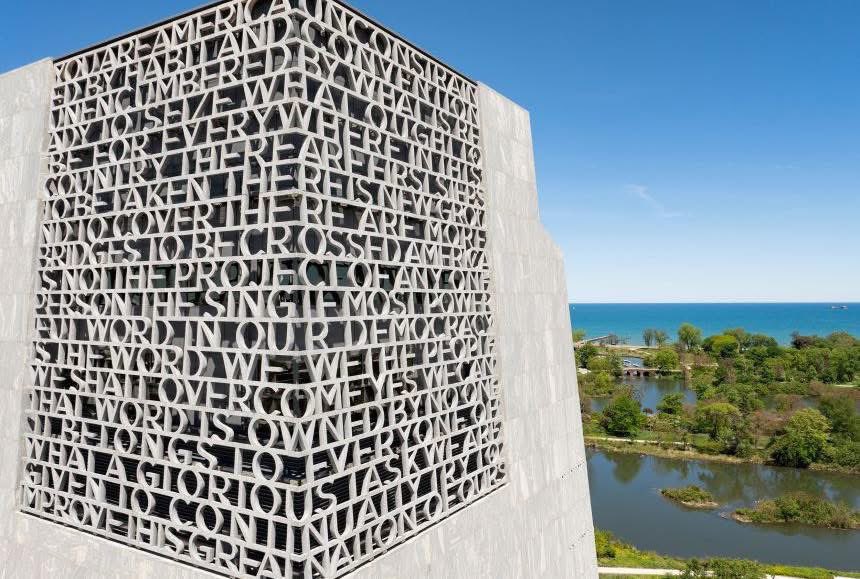
Notice how almost EVERYTHING inside Obama’s Presidential Center bears someone ELSE’S name:
The Eleanor Roosevelt Garden
The Nancy Pelosi Pavilion
The Nelson Mandela Skyroom
The Ann Dunham Water Terrace
The list goes on…
REAL leaders don’t feel diminished by sharing the spotlight 💙
1
4
18

DC live cam.......
LIVE: See Donald Trump's name off Kennedy Center when tarp is removed youtube.com/live/1SvjzURhZO0… via @YouTube
170
wayne akagi🇺🇸🙏🏼☮️ retweeted

You saw this…
and kept scrolling.
That’s how we disappear.
If you stopped,
leave anything.
My family needs $300 to pay our rent.
chuffed.org/project/nermeen
9
29
39
414
wayne akagi🇺🇸🙏🏼☮️ retweeted
"Juan" is thinning WA apples. "I need to be very fast and precise to do this work at the speed the boss asks. I remove 3 apples from a bunch, leaving 2. This improves the tree's production and fruit size. Officially, I earn piece rate, but really barely make min wage." #WeFeedYou
10
164
513
6,861
wayne akagi🇺🇸🙏🏼☮️ retweeted

Jun 13
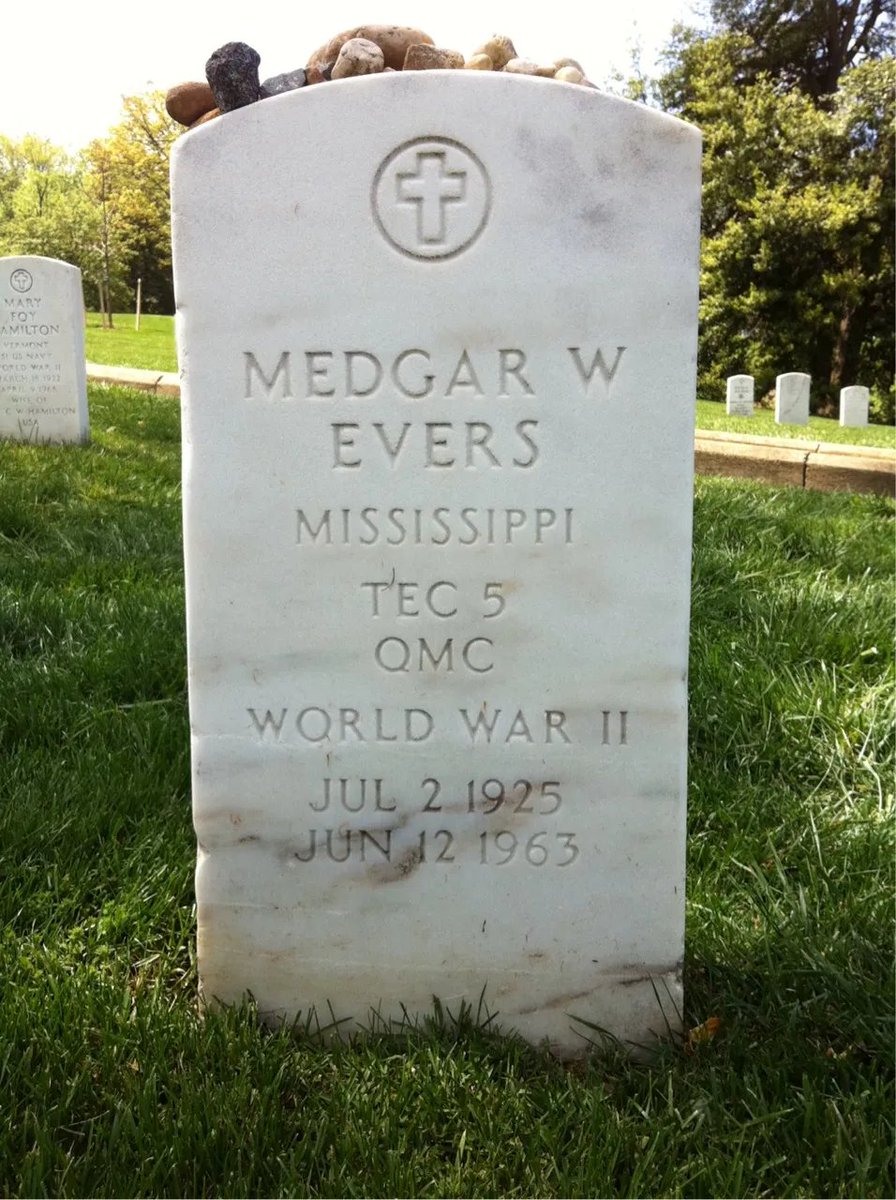
On June 12, 1963, a WWII veteran was shot in the back in his own driveway while his wife and children hid inside. It took 31 years to convict his killer.
Medgar Evers stormed Normandy at 19. He came home to Mississippi and was turned away from voting at gunpoint. So he dedicated his life to the NAACP: investigating the Emmett Till murder, organizing boycotts, registering Black voters. He knew it would kill him. "If I die, it will be in a good cause," he said.
Hours before his death, President Kennedy gave his historic civil rights address on national TV. Evers came home after midnight carrying NAACP T-shirts that read "Jim Crow Must Go." Byron De La Beckwith was waiting across the street with a rifle.
The details still stop your heart. Evers was initially refused admission at the local hospital because he was Black. He died there 50 minutes later, the first Black man ever admitted, too late.
Beckwith was tried twice in 1964. Two all-white juries deadlocked. He spent decades free, bragging about it at Klan rallies. That bragging became evidence. In 1994, new testimony and a new jury finally convicted him. He died in prison.
Medgar Evers is buried at Arlington with full military honors. He was 37 years old.
He died 63 years ago today. Remember him.

28
196
543
10,518
wayne akagi🇺🇸🙏🏼☮️ retweeted

Jun 12
Hello! My name is Ms.Mouzon and I’m looking for donations for my fourth graders. I teach more than one class so it gets pretty pricey during the school year. If you’re able to please check out my list. Any help is greatly appreciated!
amazon.com/hz/wishlist/ls/2O…
2
15
wayne akagi🇺🇸🙏🏼☮️ retweeted

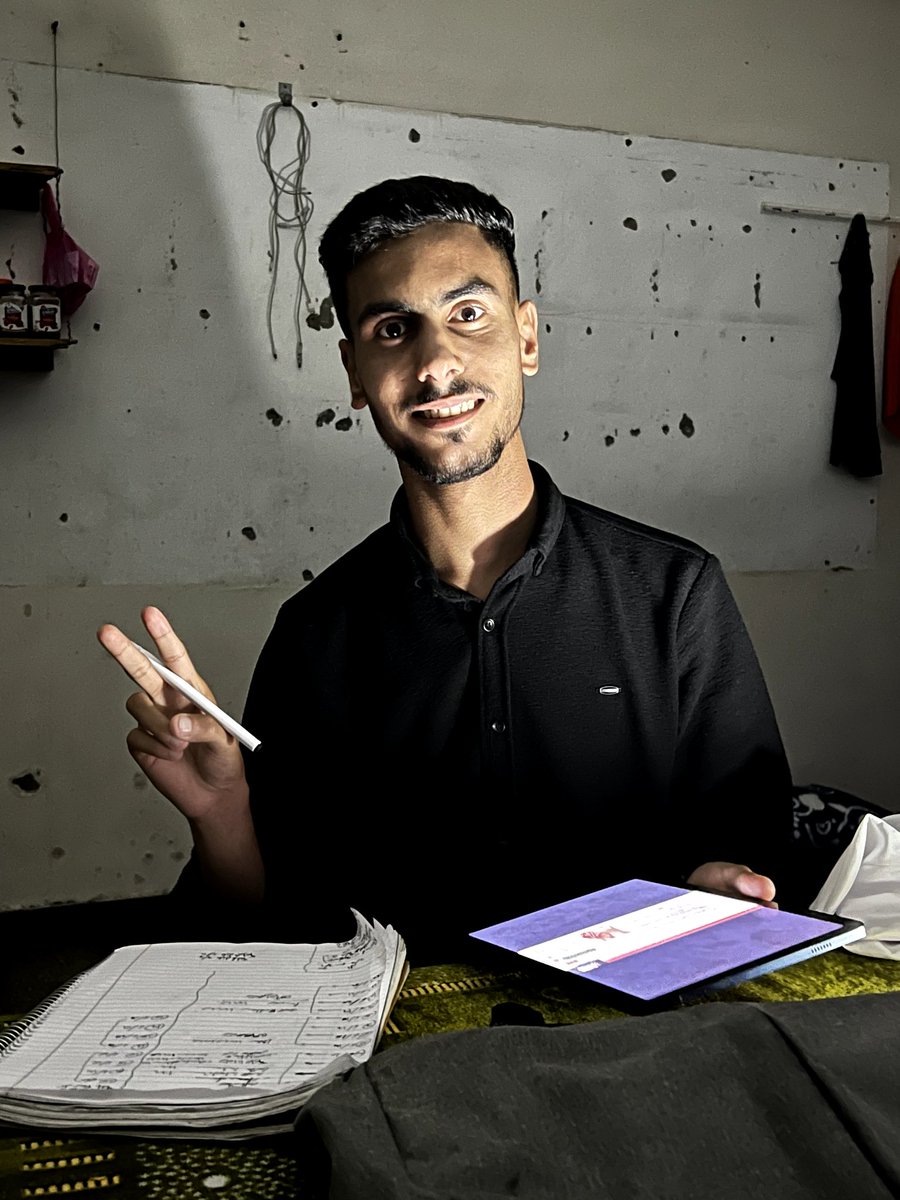
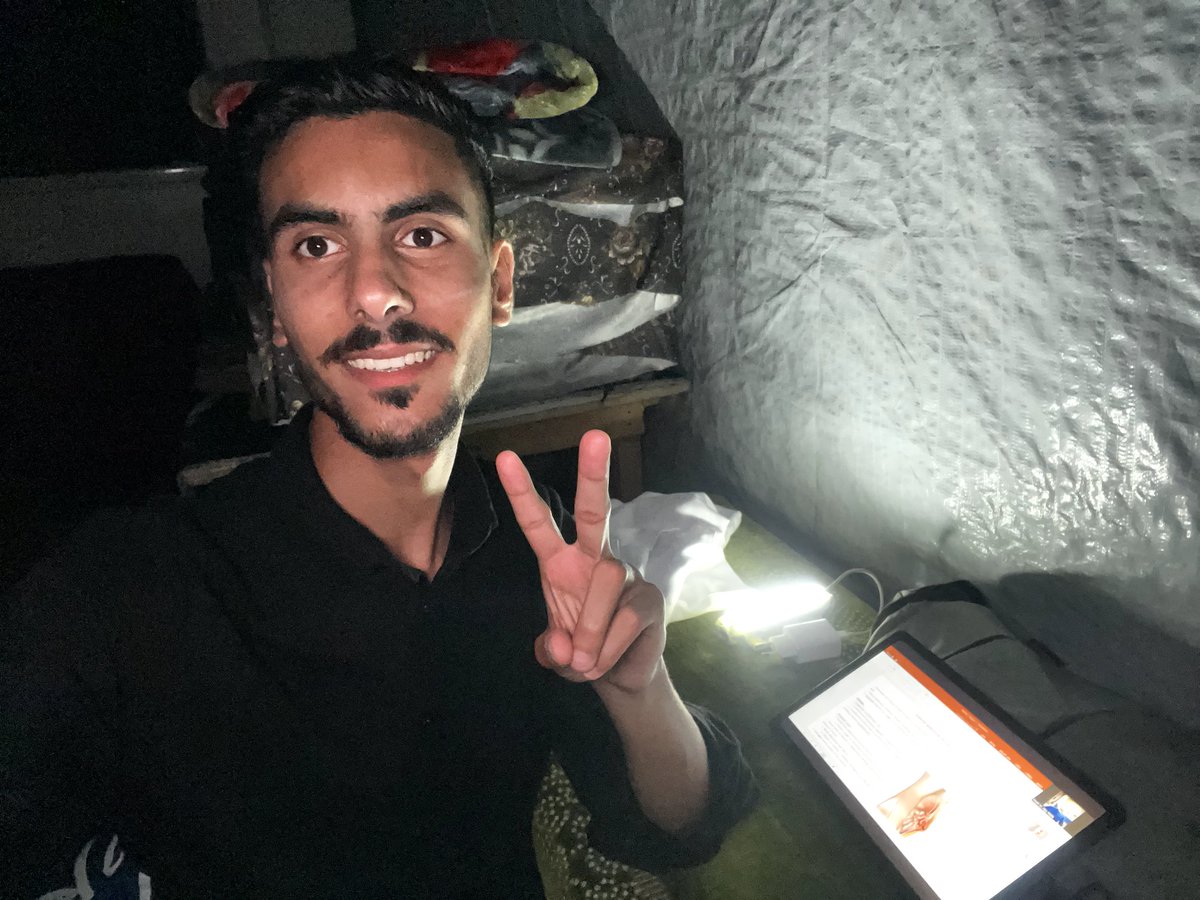
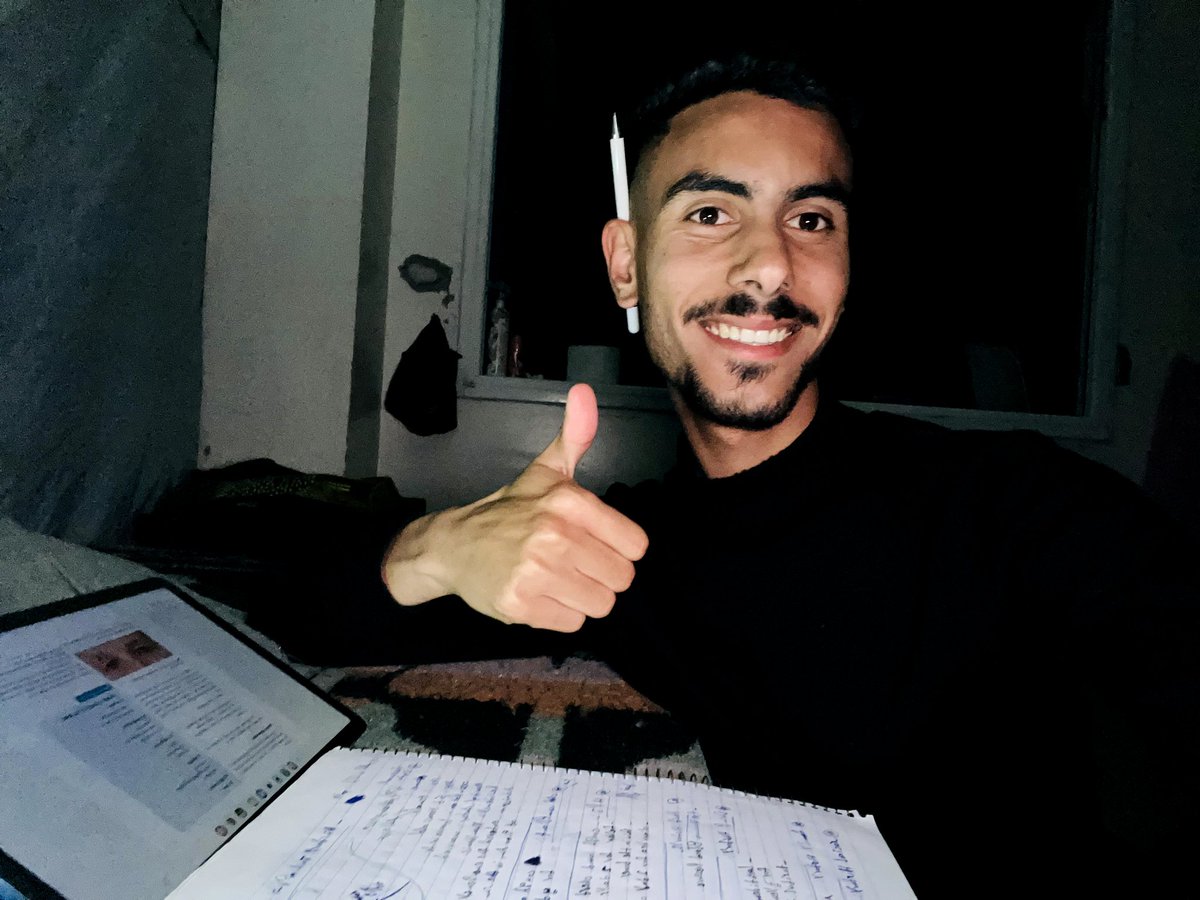
Guess who survived three years of genocide and will sit for a General Surgery exam tomorrow as a fourth-year medical student in Gaza?

257
3,123
22,655
245,750
wayne akagi🇺🇸🙏🏼☮️ retweeted

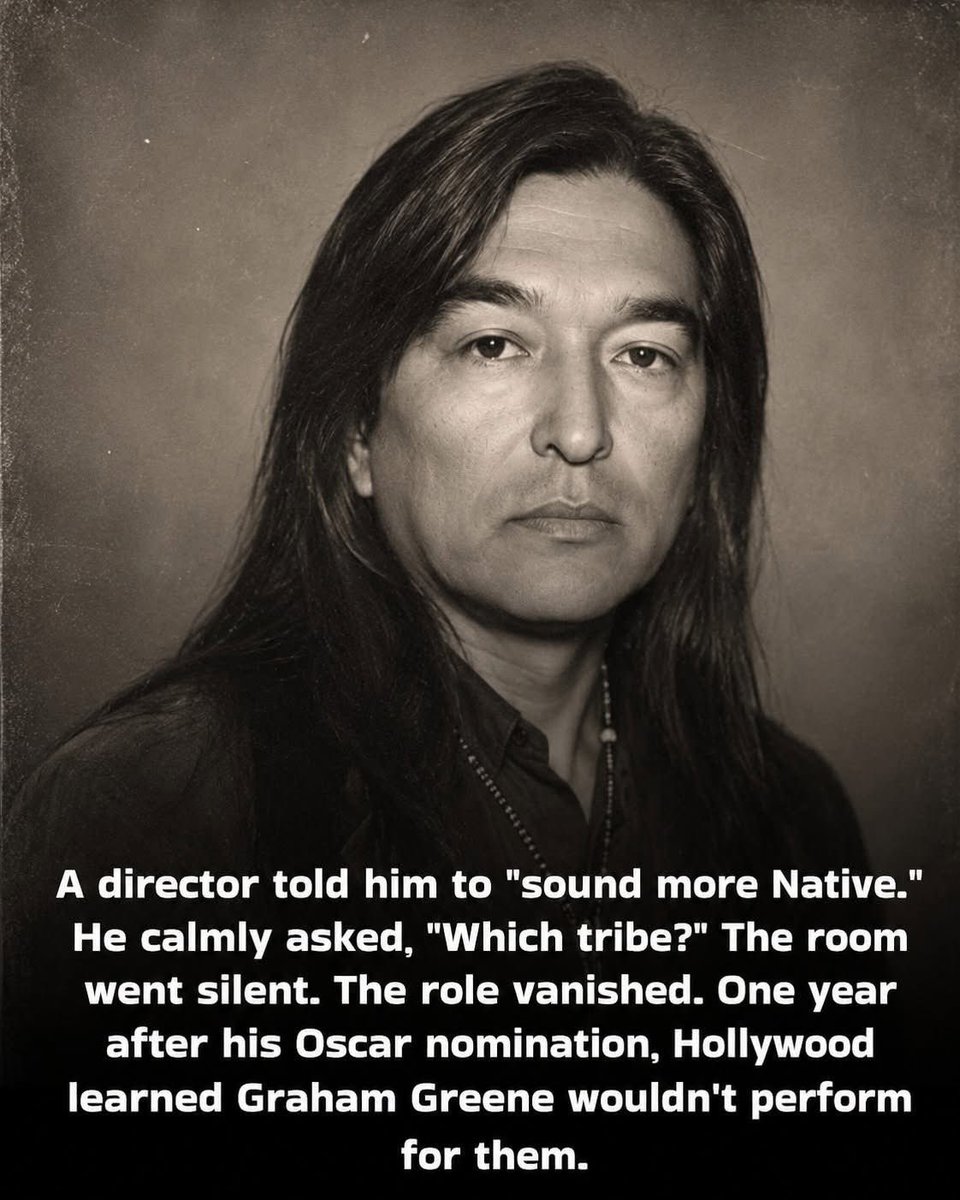
A director told him to "sound more Native." He calmly asked, "Which tribe?" The room went silent. The role vanished. One year after his Oscar nomination, Hollywood learned Graham Greene wouldn't perform for them.
That moment—quiet, precise, devastating—sums up Graham Greene's career better than any award ever could.
The Oscar Nomination That Changed Nothing
In 1991, Graham Greene stood on the red carpet at the Academy Awards, nominated for Best Supporting Actor for his role in "Dances with Wolves."
Hollywood celebrated itself that night. The industry congratulated itself for finally getting Native representation "right." For treating Indigenous characters with "respect." For moving beyond old stereotypes.
Graham Greene saw something different.
His character, Kicking Bird, was intelligent. Calm. Dignified. Admired by the white protagonist. Everything Hollywood wanted to believe it was offering Native actors.
But Kicking Bird was also subordinate. Wise, but never decisive. A teacher for the white hero's journey, not a character with his own complete arc. He existed to help Kevin Costner's character find himself, find meaning, find redemption.
It was the same old story, dressed in better clothes.
Greene was nominated. He didn't win. And Hollywood assumed he'd be grateful for the opportunity, eager for more of the same.
They were wrong.
The Offers That Kept Coming
After the Oscar nomination, the offers flooded in. Graham Greene became Hollywood's go-to Native actor. The "safe" choice. The one who could bring dignity and gravitas to Indigenous roles.
But the roles were always the same.
Forgiving elders who explained tribal customs to white audiences. Wise chiefs who dispensed spiritual guidance. Characters who existed so white America could feel evolved, enlightened, absolved.
And characters who died. Violently. Ritualistically. Sacrificially.
The Noble Savage had been rebranded as the Wise Indigenous Elder, but the function was identical: serve the white protagonist's story, then disappear.
When Greene challenged dialogue, he was told he was overthinking it. When he questioned why his character had to die in the third act—again—he was called difficult. When he asked for agency, for complexity, for a Native character who wanted something beyond helping white people find themselves, he was labeled uncooperative.
The phone calls slowed.
The Choice
Graham Greene faced the choice every actor of color faces in Hollywood: play the game or pay the price.
Take the roles. Cash the checks. Be grateful. Build a career on scripts written by people who see your identity as decoration, your culture as aesthetic, your existence as supporting.
Or refuse. Risk everything. Demand better. And watch opportunities vanish.
Greene chose refusal.
Clearcut: The Role That Terrified Audiences
In 1991—the same year as his Oscar nomination—Greene starred in "Clearcut," a Canadian film that Hollywood wanted nothing to do with.
He played Arthur, a Native activist who doesn't forgive. Doesn't reconcile. Doesn't teach white characters to be better people.
Instead, Arthur is violent. Uncompromising. Terrifying. He takes a white mill manager hostage and subjects him to the same brutality that Indigenous people have endured for centuries.
The film doesn't ask audiences to sympathize with Arthur. It doesn't soften his edges or explain his anger in ways that make white viewers comfortable.
It simply presents him as he is: a man who refuses to be anyone's moral teacher, anyone's path to enlightenment, anyone's narrative device.
White audiences were horrified. Critics called the film "disturbing." Some theaters refused to screen it.
Greene didn't care. Because for the first time, he was playing a Native character who existed on his own terms. Who wanted things. Who refused to die for someone else's story.
Thunderheart: Making Discomfort Deliberate
1
3
26
504
wayne akagi🇺🇸🙏🏼☮️ retweeted

Jun 12
I'm a Special Ed Elementary Teacher going on my 12 year from San Antonio TX. 😊 Anything will be appreciated, I know my students will love it 💜
amazon.com/hz/wishlist/ls/32…
1
5
2
86