Empowering you with the knowledge to prevent and reverse chronic diseases, and live a vibrant disease-free life.
Joined March 2013
- Tweets 4,854
- Following 2,851
- Followers 4,418
- Likes 673
3,845 Photos and videos



A simple amino acid supplement could reverse cognitive decline, such as memory loss.🧠💊
wddty.com/news/an-amino-acid…
#AminoAcids #CognitiveHealth #BrainHealth #NeuroScience #Supplements #HealthyAging #MentalWellness #CognitiveDecline #BrainSupplement #MemorySupport
1
42
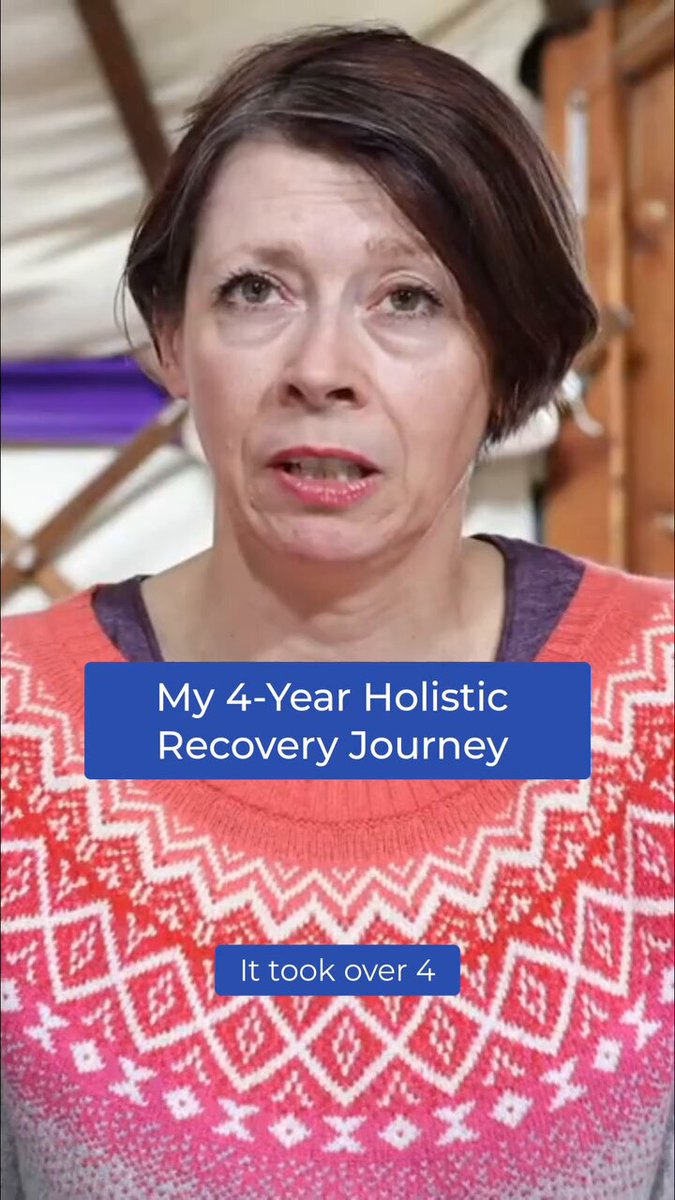
Lisa was depressed, housebound, in constant pain and could only get up the stairs by crawling. She'd been given a diagnosis of fibromyalgia—after suffering on-and-off with aches and pains, here is how she overcame her diagnosis.
#FibromyalgiaSupport #PainManagement #FibromyalgiaAwareness #ChronicIllness #WellnessTips #HealthJourney #OvercomingFibro
2
66
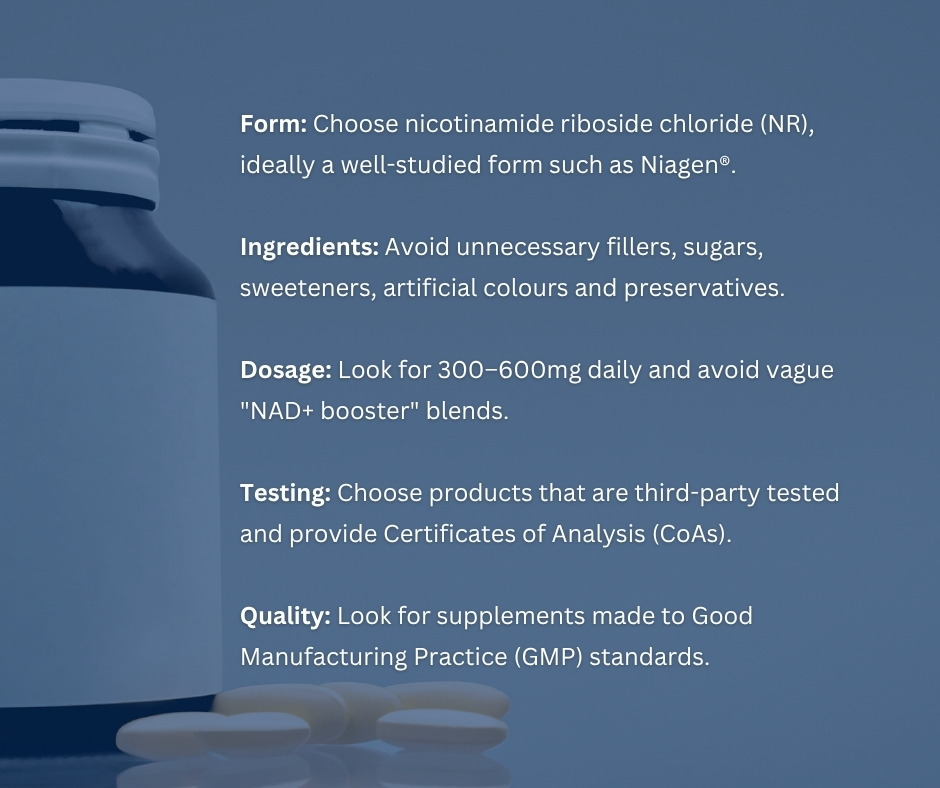
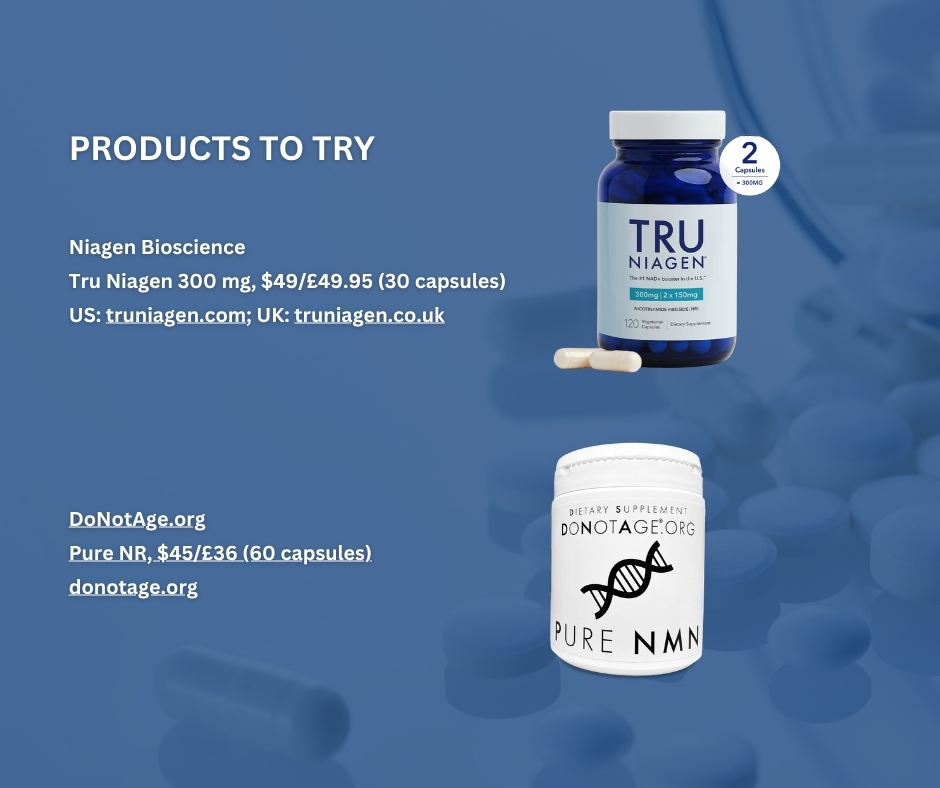
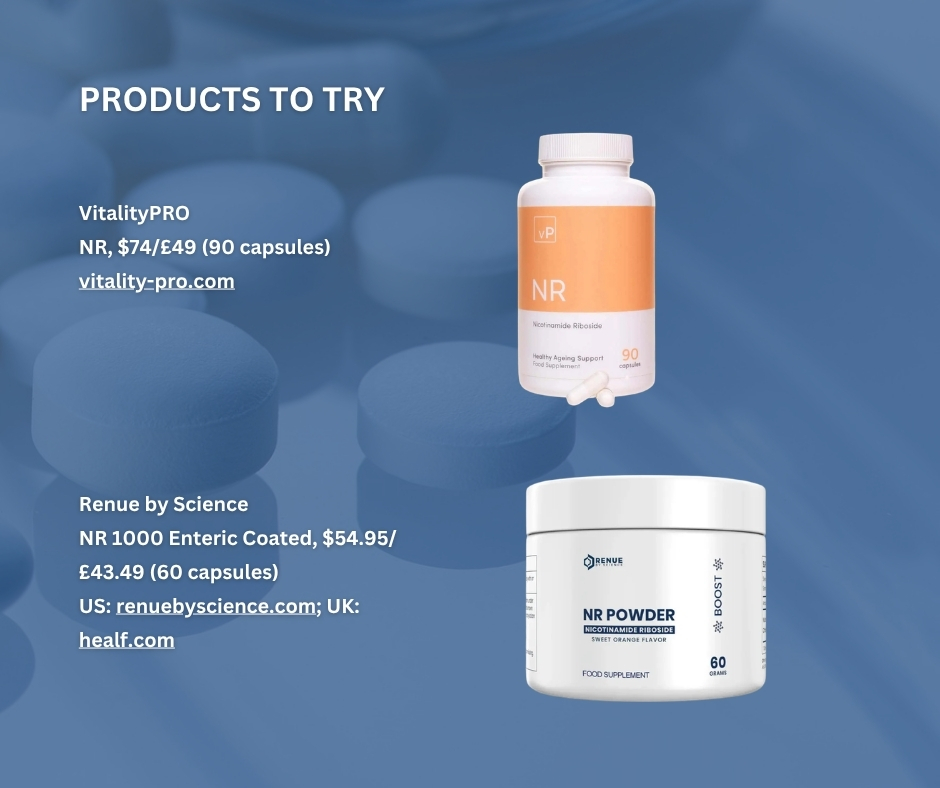
Looking for supplements to help boost NAD ? Here are some useful pointers on what to look for plus a handful of high-quality products to try 💊
@renuebyscience
@Do_Not_Age
#NADPlus #Supplements #HealthBoost #WellnessTips #NutritionalSupplements #HealthyLiving #SupplementGuide #LongevitySupplements #QualitySupplements
1
1
50
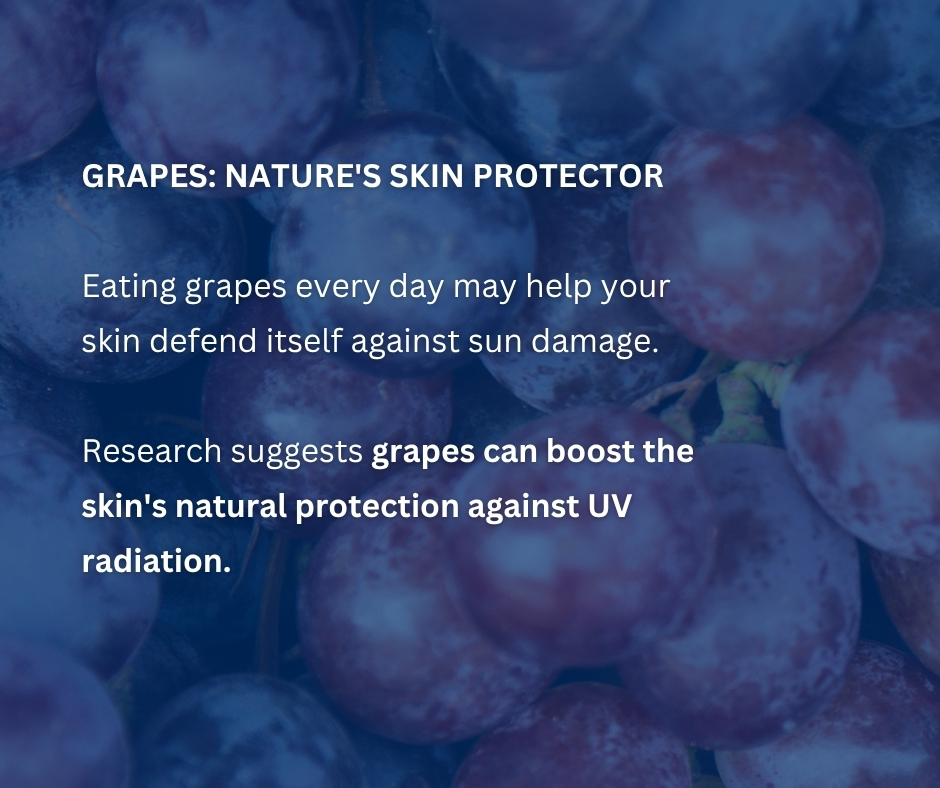
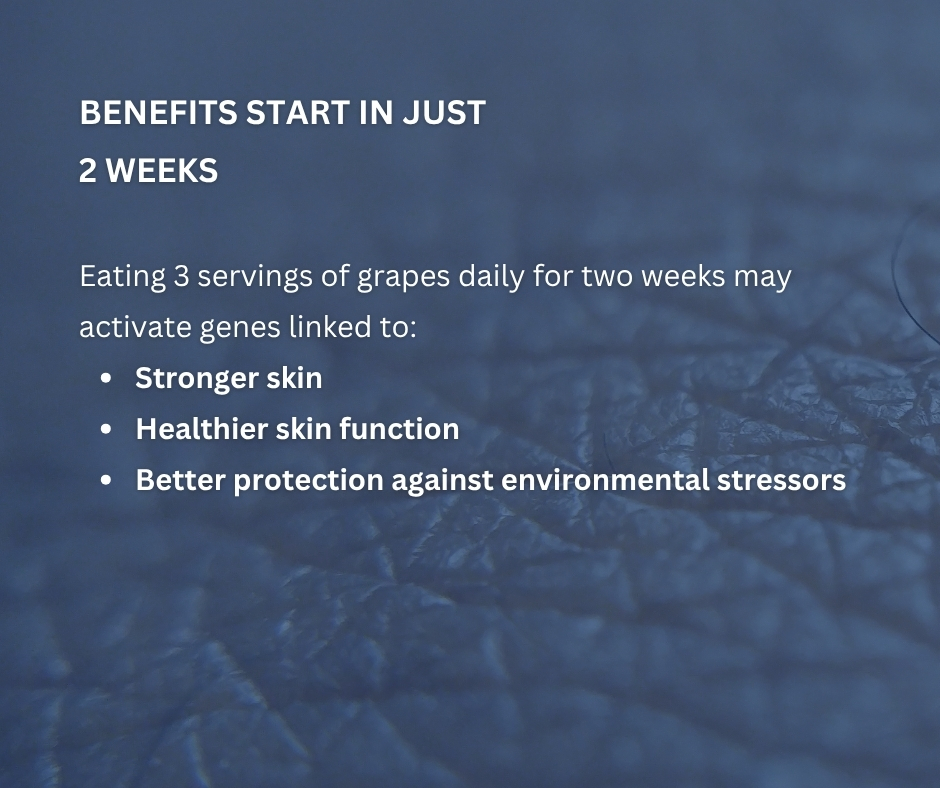
Eating grapes can boost your skin’s natural protection against the sun.
#HealthySkin #SkinProtection #EatHealthy #SunProtection #SkinCareTips #HealthyLifestyle #Antioxidants #GlowUp
1
49
People who often eat the fruit tend to have higher-quality diets packed with more vitamins, fibre, and antioxidants, and the juice may help protect blood vessel function and support heart health.
bit.ly/3Q5Zp2S
#HeartHealth #FruitBenefits #Antioxidants #NutritionTips #HealthyLifestyle #VitaminsAndMinerals #BloodVesselHealth
1
49
What Doctors Don't Tell You retweeted

THEO VON: “Was there anybody who was immune to COVID-19?”
DR. MCCULLOUGH: “There’s one adult group. You’re going to laugh.”
[Theo Von listens closely for the reveal]
DR. MCCULLOUGH: “Smokers… They got very mild cases. And they don’t get long COVID.”
THEO VON: “Why?”
MCCULLOUGH: “Because smokers maintain a level of nicotine in the bloodstream… Smoking blocks the spike protein. It’s amazing. I thought smokers were going to go down.”
THEO VON: “Do you think that’s a good idea [to use nicotine patches] on a regular basis?”
DR. MCCULLOUGH: “I think [it’s a good idea] if they have long COVID... Nicotine, don’t forget, is a nootropic. A nootropic is a drug that makes the brain function more effectively... It’s addictive, but it’s not harmful to the human body... Nicotine patches are perfectly safe.”
1,878
12,688
64,604
4,941,236
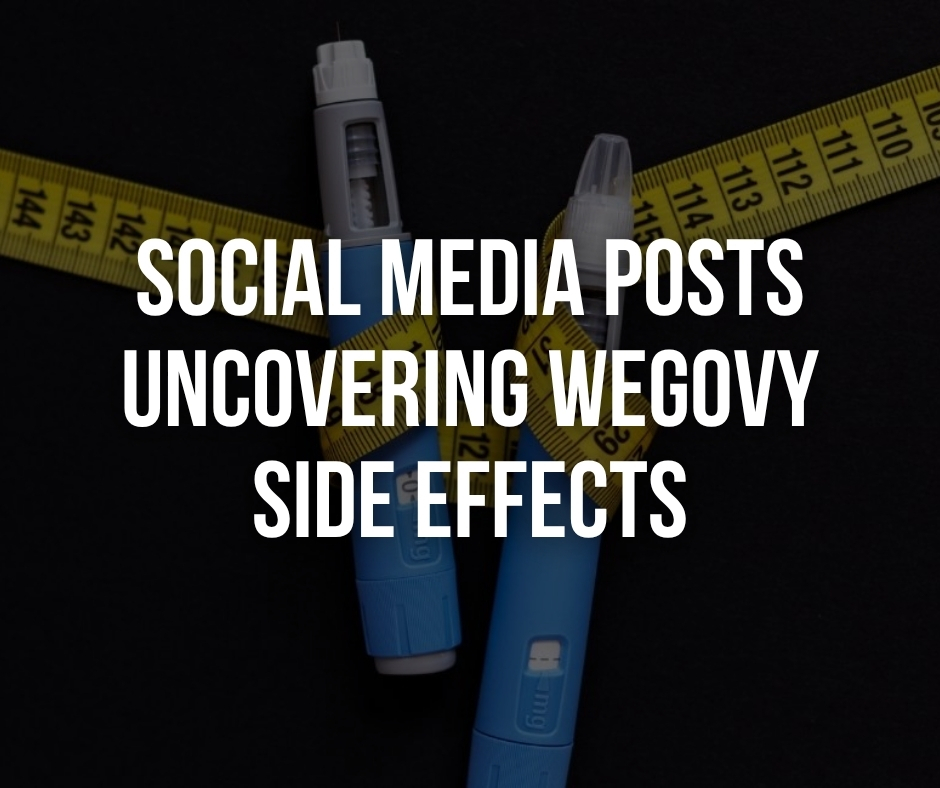
People on social media are reporting side effects to weight loss drugs like Wegovy that doctors didn’t know anything about.
Researchers from the University of Pennsylvania School of Engineering and Applied Science have used an AI system to scan more than 400,000 Reddit posts by 70,000 people and discovered regular posts about unknown side effects from drugs like weight loss and diabetes medications Wegovy and Ozempic (semaglutide) and Mounjaro (tirzepatide).
Reactions being talked about include menstrual irregularities and temperature-related complaints like chills and hot flashes.
Around 4 percent of the Reddit posts reported menstrual problems—and so the ratio would have been even higher if it had been a female-only platform.
Nausea is another common reaction, and it’s one that is known by the manufacturers, which demonstrates that the others being reported are also genuine, say the researchers.
“Online patient communities work a lot like a neighbourhood grapevine. People who are living with these medications are swapping notes with each other in real time, sharing experiences that rarely make it into a doctor’s office visit or an official report,” said Lyle Ungar, one of the researchers.
#WegovySideEffects #WeightLossDrugs #HealthResearch #DiabetesMedication #Ozempic #Mounjaro
2
95
If you’ve had a heart attack, you’re likely to be prescribed a beta blocker—but the drugs can be a killer, especially if you’re a woman.
Women prescribed beta blockers are more likely to die, suffer a second heart attack or need hospital care than those who didn’t take the drug.
The drugs aren’t as dangerous for men, but they don’t offer any protective benefit either, say researchers from the Mount Sinai Hospital in New York, who are part of the Reboot Trial, which is investigating the use of beta blockers.
The trial is truly independent and doesn’t get any funding from drug companies.
The drugs have been routinely prescribed after a heart attack for around 40 years, but it’s time to rethink the procedure, especially as better responses are available today, they say.
The researchers enrolled 8,505 heart attack patients from 109 hospitals in Spain and Italy, some of whom were randomly assigned to receive beta blockers, and their progress was monitored for four years.
The result was striking: Beta blockers did not significantly reduce death, or lower the chances of a second heart attack, or prevent hospitalization for heart failure in patients whose hearts had not been damaged by the initial attack.
But for women, the drugs could even be dangerous. Their risk of dying rose by 2.7 percent, provided their heart was functioning normally after an attack. The risk disappeared in women whose heart function had been mildly affected.
Around 80 percent of heart attack patients are routinely handed a beta blocker such as Metoprolol, which blocks the effects of stress hormones like adrenaline and slows the heart rate and lowers blood pressure.
But as there are better therapies available after a heart attack, their day in the sun may soon be coming to an end, the researchers conclude.
#HeartHealth #BetaBlockers #CardiologyResearch #CardiacCare #MedicalResearch #HeartDiseaseAwareness
1
2
71
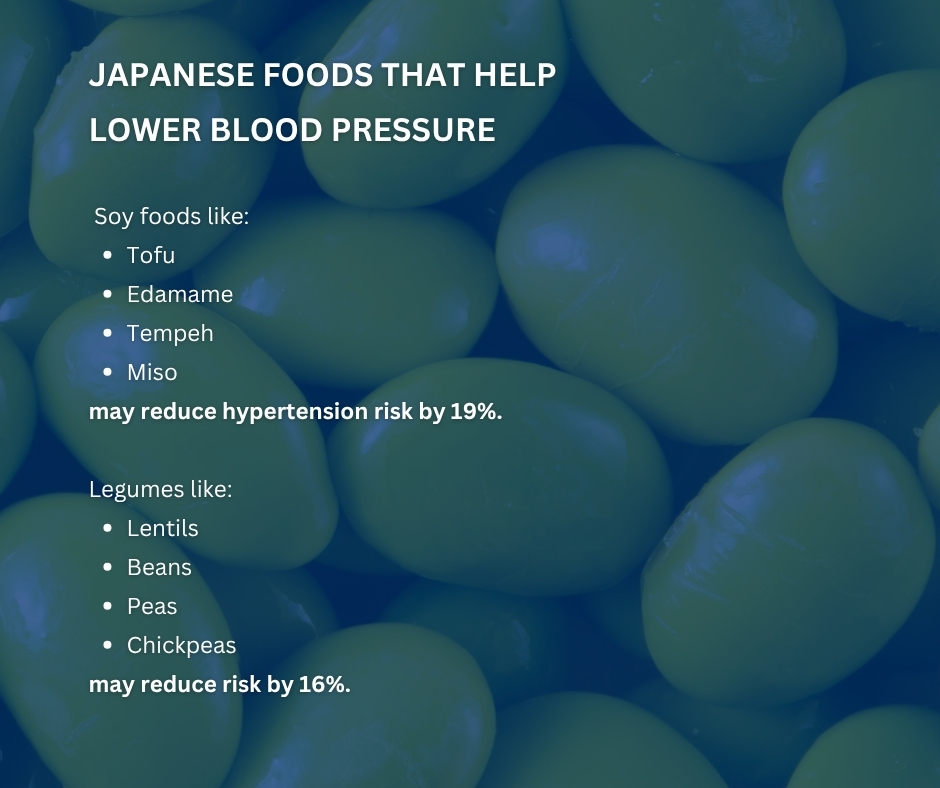
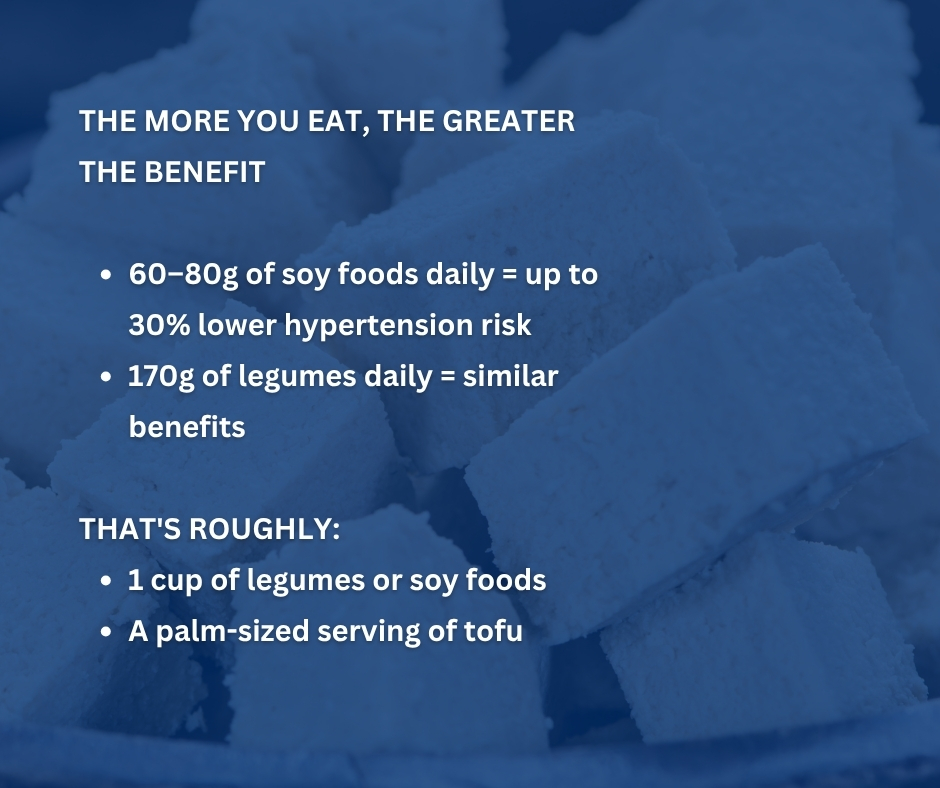
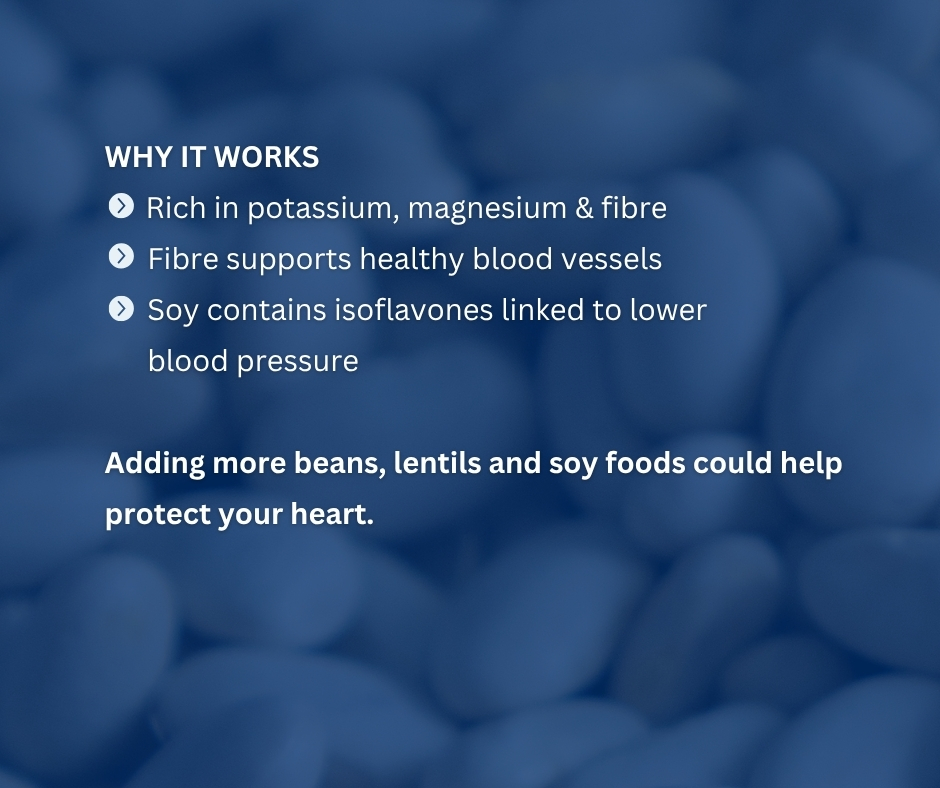
Staples of the Japanese diet can keep blood pressure levels in check and reduce your risk of developing hypertension (high blood pressure).
#JapaneseDiet #HealthyEating #BloodPressureControl #HypertensionPrevention #HeartHealth #NutritionTips #HealthyLifestyle #DietAndHealth
1
1
45
Since Hollywood star Mel Gibson said his friends’ cancers had been reversed by the dewormer ivermectin, social media has gone into a frenzy. But is there any evidence that it can work? Bryan Hubbard reports
What have parasites got to do with cancer? If you read Facebook, Instagram and X posts, you’d think quite a lot: For one, the antiparasitic drug ivermectin is being touted as a cancer treatment, and some parasites have been discovered to start cancer, while others have been harnessed to slow the spread of tumors.
Ivermectin, an antiparasitic that treats worm infections, crashed into the public consciousness as a possible cancer therapy last year when Hollywood star Mel Gibson announced to the 11 million listeners to the Joe Rogan podcast that several friends had seen their cancer reverse after taking the drug.
It was also touted as an effective therapy to combat the SARs-CoV-2 virus responsible for the Covid-19 epidemic five years ago. However, it was never tested by a mainstream that was instead waiting for a vaccine to be developed.
The idea that ivermectin could treat cancer isn’t new. Scientists have been investigating its cancer-fighting qualities for more than 30 years.
Read more: wddty.com/features/ivermecti…
2
87
Laurens toxic-Free Lifestyle Transformation: From Illness to Remission
Watch more: youtu.be/X2DL4Gc1gBk
#ToxicFreeLiving #LifestyleTransformation #HealthJourney #FromIllnessToWellness #CleanLiving #WellnessTransformation
2
96
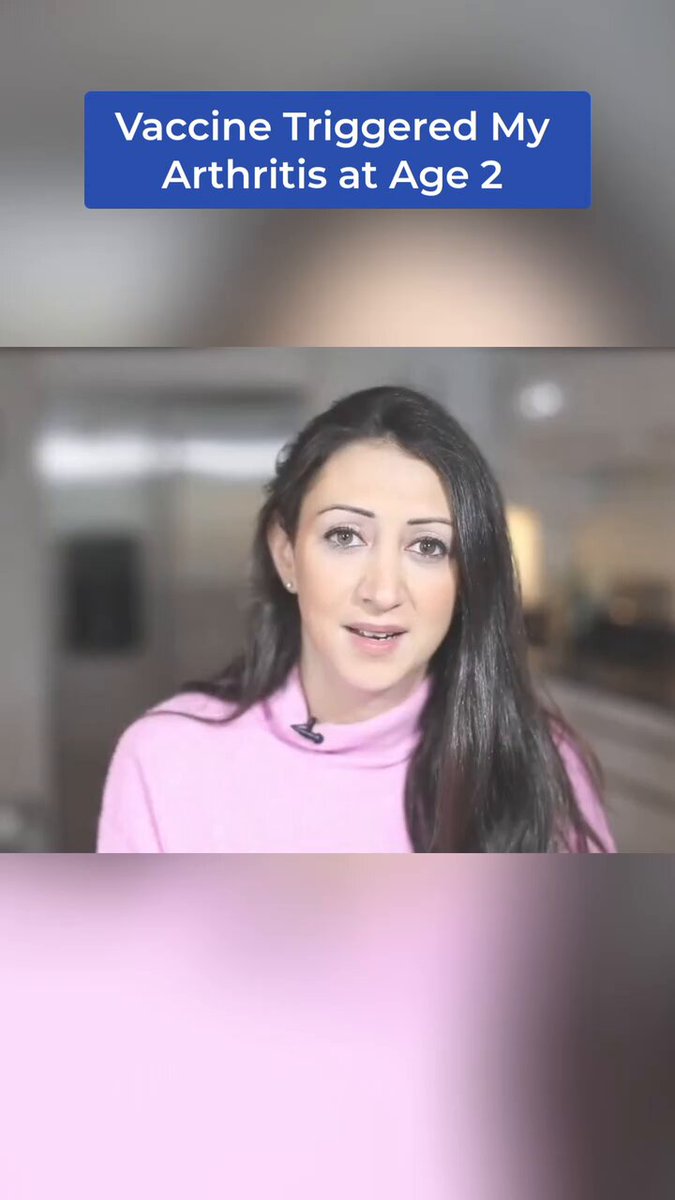
Discover Lauren's journey with juvenile rheumatoid arthritis, diagnosed just before her second birthday. Her parents bravely sought alternatives to steroids, sharing a powerful story of resilience and informed decision-making.
#JuvenileArthritis #RheumatoidArthritis #ArthritisAwareness #ChronicIllness #AutoimmuneDisease #HealthJourney #ArthritisSupport #patientstory
3
124
The Mediterranean diet is good—but adding exercise to the mix makes it even better.
Combining the two does more to protect you from developing type 2 diabetes than just following the diet on its own.
The combination can reduce the risk by as much as 31 percent, say researchers from the University of Navarra in Spain, who tested the two approaches on a group of 4,746 people, aged between 55 and 75, who weren’t diabetic but were overweight and had metabolic syndrome, a precursor of diabetes when insulin resistance starts to build.
Read more: wddty.com/news/combine-the-m…
#MediterraneanDiet #HealthyLiving #ExerciseBenefits #DiabetesPrevention #HealthyLifestyle #NutritionAndFitness #HealthTips
2
53
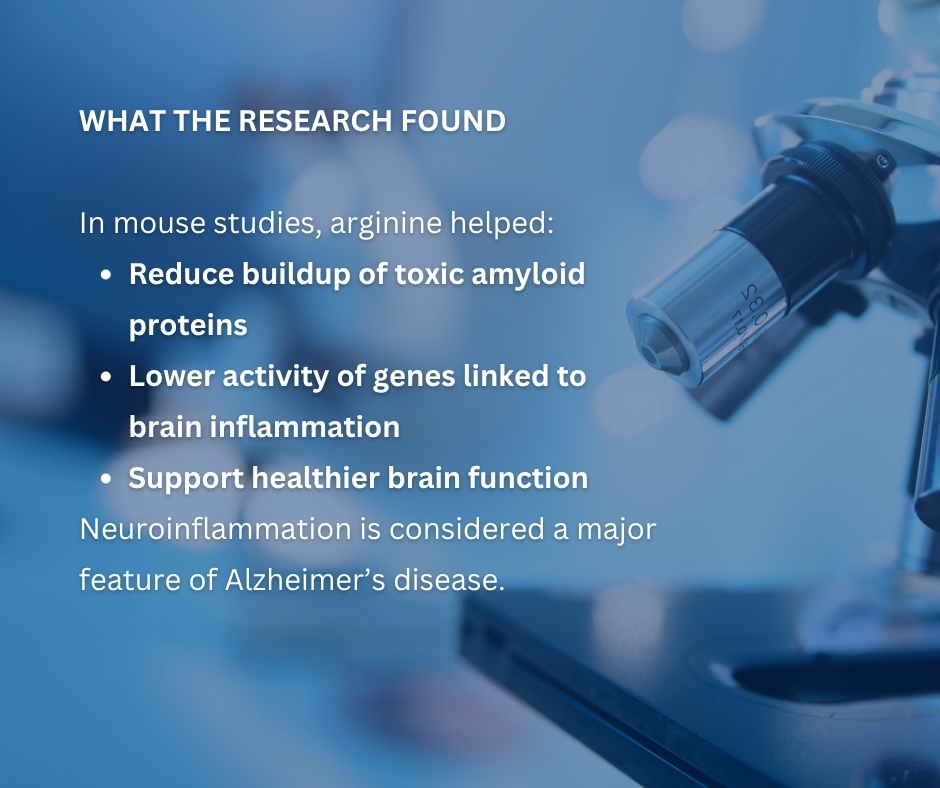
Taking this simple supplement every day could reduce your risk of Alzheimer’s disease.
#AlzheimersAwareness #BrainHealth #CognitiveHealth #HealthyAging #NeuroHealth #SupplementBenefits #MentalWellness #AlzheimersPrevention #HealthyMind
3
136
You can start reversing your biological age in just four weeks by making just one tweak to your diet.
Find out more: wddty.com/news/reverse-your-…
#ReverseBiologicalAge #HealthyDiet #AntiAging #NutritionTips #WellnessJourney #Longevity #HealthyLiving
1
2
56
After 20 years and 6 knee operations, doctors were stumped. Discover a natural path to pain-free movement, healing through water, diet, and meditation. Witness the body's incredible ability to return to health.
youtu.be/8_ODehsquRk
#NaturalHealing #KneeRecovery #HealingJourney #WaterTherapy #HealthyLiving #MindBodyHealing #MeditationBenefits #HolisticHealth #PainFreeMovement
1
55
Struggling with stress, trauma or anxiety? Herbalist and holistic nutritionist Luis Mojica reveals his powerful trio of herbs to calm the nervous system and restore balance to mind and body 💆♀️💆♂️
Read more: wddty.com/features/the-herba…
#HerbalHealing #HolisticHealth #StressRelief #AnxietySupport #NaturalWellness #MindBodyBalance #HerbalRemedies #NervousSystem #HolisticNutrition
1
44
A US senator has claimed that health agencies deliberately downplayed the risks of the Covid-19 vaccinations and continued to encourage everyone to get the jab.
Ron Johnson, a Republican senator for Wisconsin, claims the Biden administration manipulated scientific data about the vaccines’ safety by reducing the risk level of stroke from ‘moderate’ to ‘slight’.
Mr Johnson, chairman of the Permanent Subcommittee on Investigations, says he has unearthed nearly 2,000 documents from the Department of Health and Human Services “showing the Biden administration’s failure to immediately warn the public about a serious safety concern linked to the Pfizer COVID-19 booster that they discovered as early as November, 2022”.
But instead of issuing a warning, the US government encouraged the over-65s to get a booster jab.
#Covid19Vaccines #VaccineSafety #HealthPolicy #PublicHealth #Covid19Booster #VaccineRisks
2
39
The connection between brain health and a leaky gut, emphasizing a holistic approach to healing that addresses mind, body, and spirit.
#BrainHealth #LeakyGut #HolisticHealing #GutHealth #HealthAndWellness #NaturalHealing #HealthyMind #WellnessJourney #MindBodySpirit #IntegrativeHealth
56
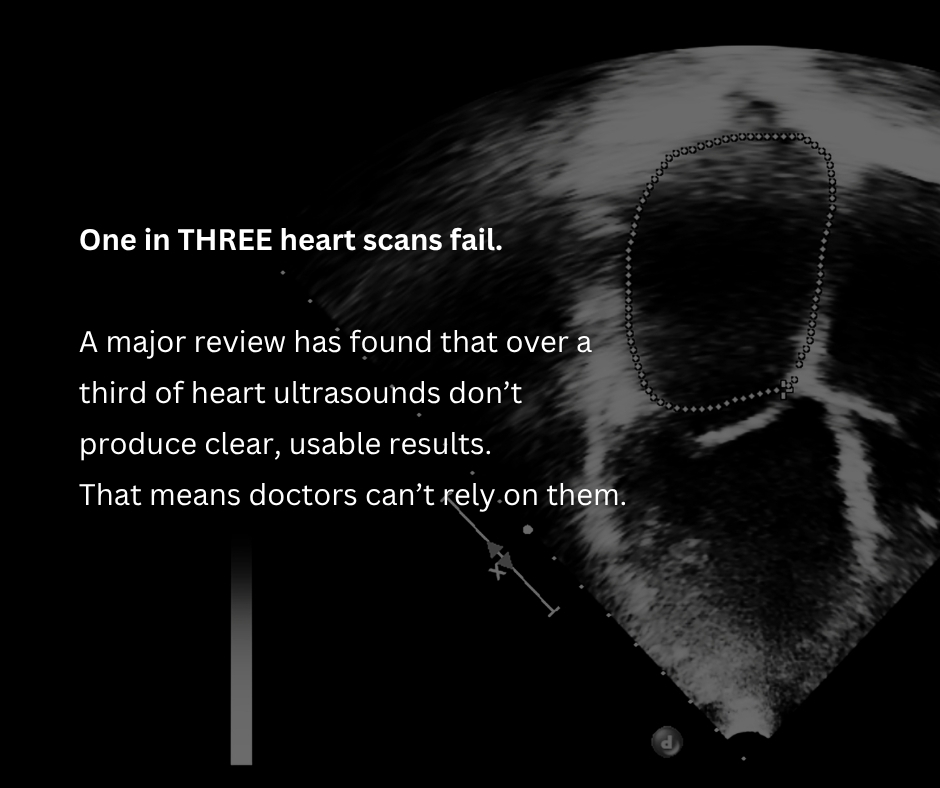
One in three heart scans fail, and don’t produce clear results that heart specialists can use, a new review has concluded.
#HeartHealth #MedicalResearch #HeartDisease
1
1
42