Weix Group at UW-Madison. Primarily student run, with the occasional DJW tweet. Mostly group news. @weixgroup.bsky.social
Joined November 2017
- Tweets 203
- Following 99
- Followers 4,697
- Likes 37
105 Photos and videos


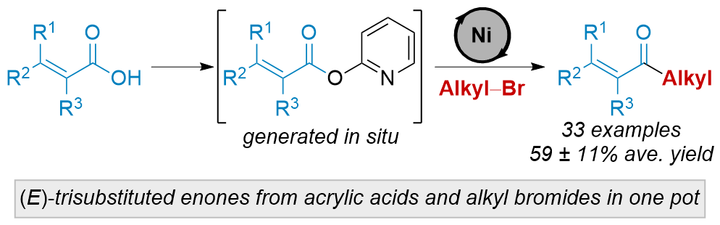

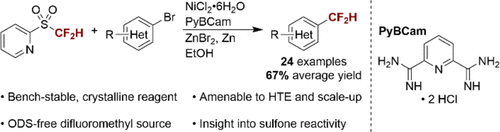

24 Jul 2025
Perhaps belatedly, we are shutting down on twitter - thank you to all the chemists out there who participated. It was pretty awesome while it lasted! Times change and so must we. Check out our website for the latest news as we change up how we share things. -DJW
19
2,798
21 May 2025
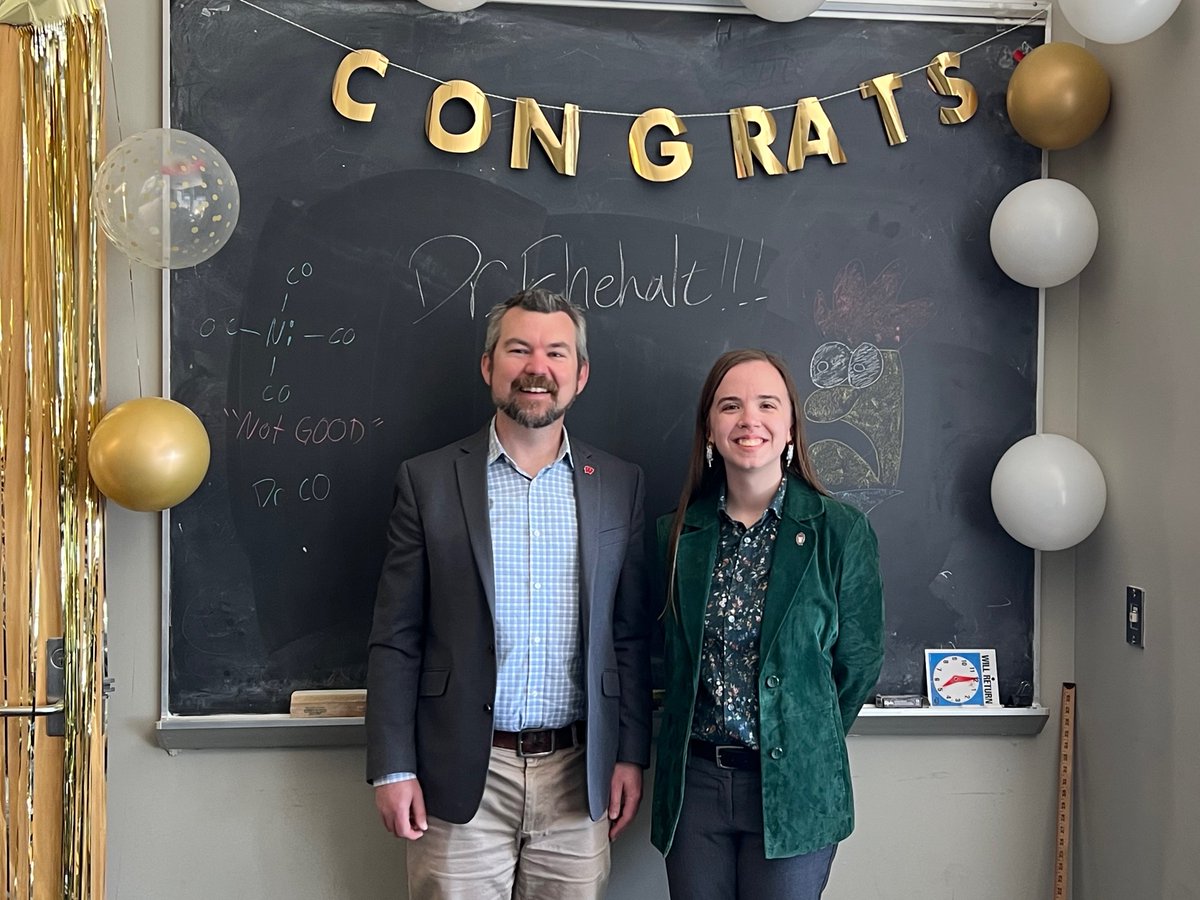
Congratulations Dr. Lauren Ehehalt on a fantastic thesis defense! We're so excited to see all your future work at @EastmanChemCo 🥳🎉🎓
5
1
47
3,715
15 Apr 2025
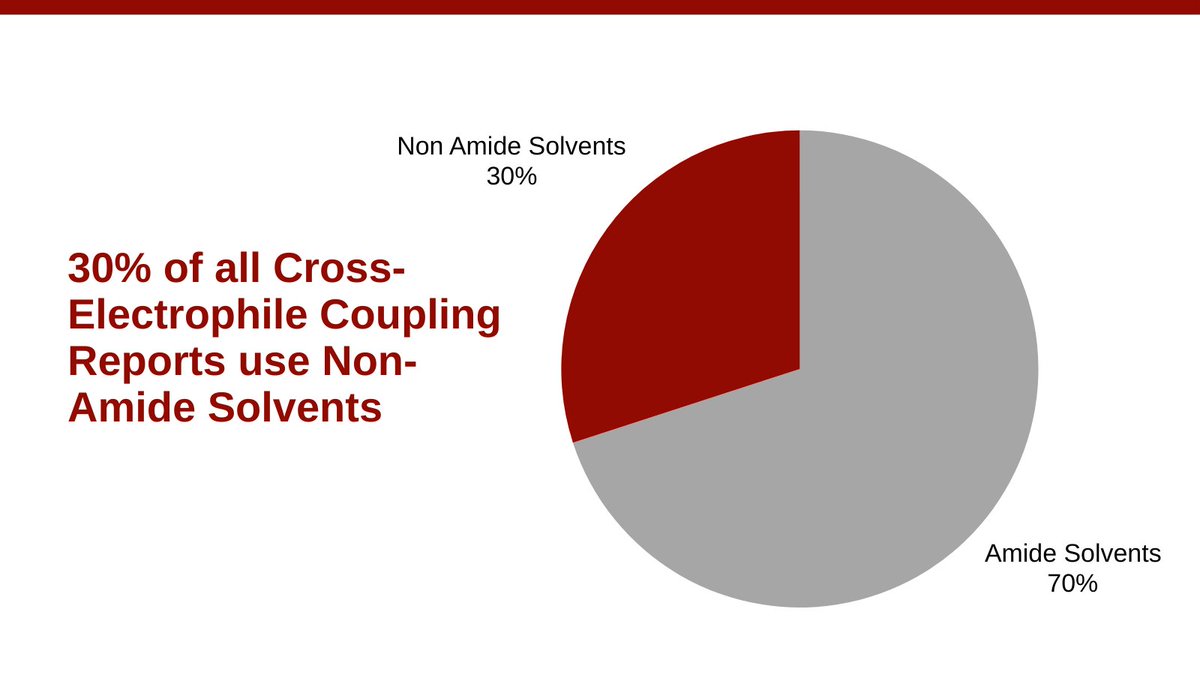
Our work on the translation of Nickel-Catalyzed C(sp2)–C(sp3) Cross-Electrophile Coupling to Non-Amide Solvents is now online in @JOC_OL! Congrats to Brett, Julianna, Michelle, and wonderful collaborators at @NovartisScience. Check it out! doi.org/10.1021/acs.orglett.…
3
95
3,929
Weix Group retweeted

17 Mar 2025
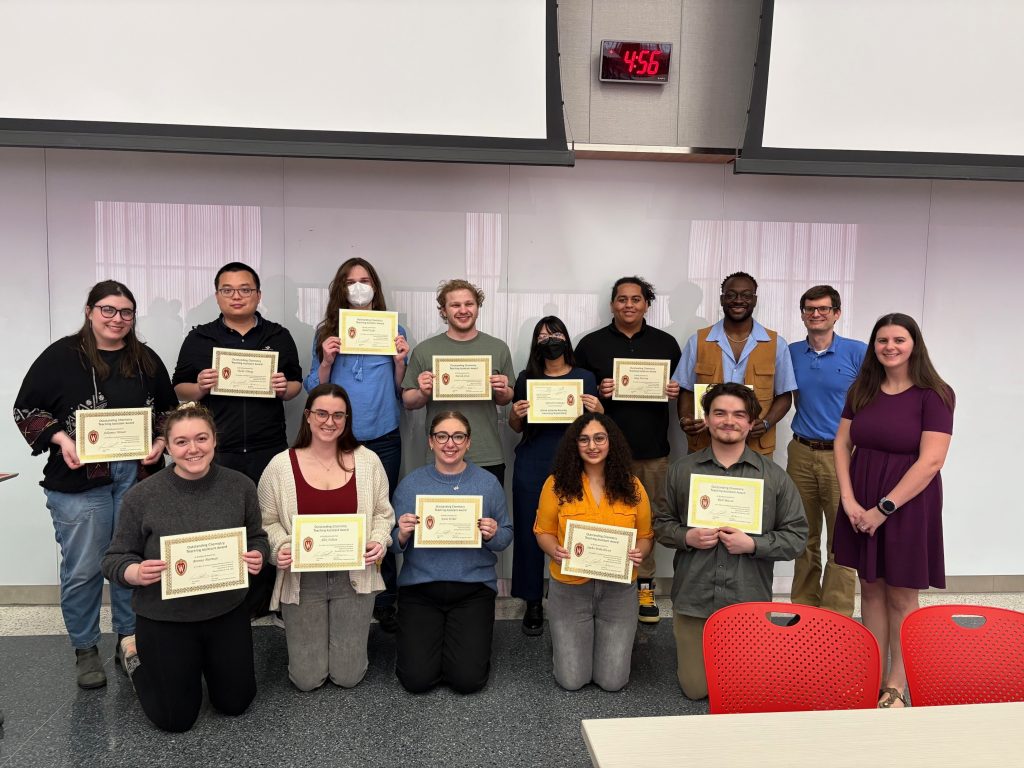
Honoring Excellence in Chemistry Teaching!
Congratulations to our 2025 Chemistry Teaching Award winners! Thank you for all of your hard work!
Learn more here loom.ly/J00JlKM
1
9
1,669
14 Mar 2025
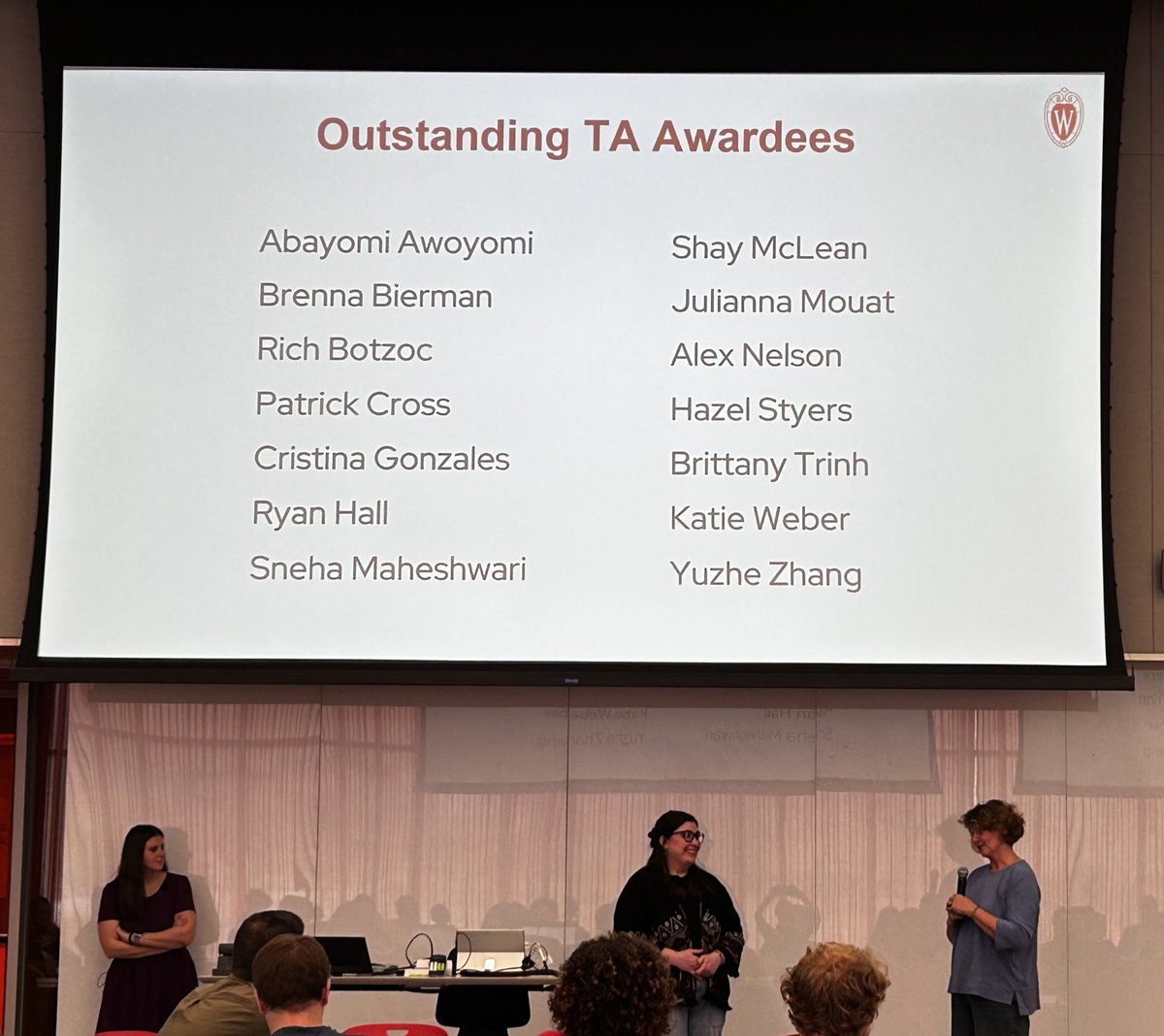
Congrats to Julianna for receiving an Outstanding Chemistry Teaching Assistant Award for your work with Chem 636 and the NMR facilities! Well deserved! 🎉
2
23
3,928
Weix Group retweeted

10 Mar 2025
Cross-Electrophile Coupling to Form Sterically Hindered C(sp2)–C(sp3) Bonds: Ni and Co Afford Complementary Reactivity | Journal of the American Chemical Society @UWMadison @UWMadisonChem @weixgroup @TotalSyntheses pubs.acs.org/doi/10.1021/jac…
7
43
4,518
7 Mar 2025
Our work on Ni- and Co-catalyzed Cross-Electrophile Coupling to Form Sterically Hindered C(sp2)–C(sp3) Bonds is now online at @J_A_C_S! Congrats to Tianrui, Anthony, Kasturi, and our collaborators Madeline (@KozlowskiMarisa) and @NovartisScience doi.org/10.1021/jacs.4c16912
1
8
132
9,519
24 Jan 2025
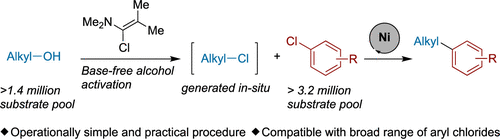
Our work on in-situ generation of alkyl chlorides using Ghosez’s reagent and coupling with aryl chlorides is now online at @JOC_OL Congrats Ben! Check it out! doi.org/10.1021/acs.orglett.…
3
78
6,650
Weix Group retweeted
12 Jan 2025
Ni-Cat Cross-Electrophile Coupling of ArOTf/AlkHal: Mechanism-Informed Design of General Conditions | Journal of the American Chemical Society @UWMadisonChem @UWMadison @TotalSyntheses -optimal ligand selection & LiCl avoids deleterious transmetalation pubs.acs.org/doi/10.1021/jac…
21
142
10,702
13 Jan 2025
Our work on Ni-Catalyzed Cross-Electrophile Coupling of Aryl Triflates with Alkyl Halides is now online at @J_A_C_S Congrats to Seoyoung, Matt, Ben, and Daniel! Check it out! doi.org/10.1021/jacs.4c14769
5
105
5,968
8 Jan 2025
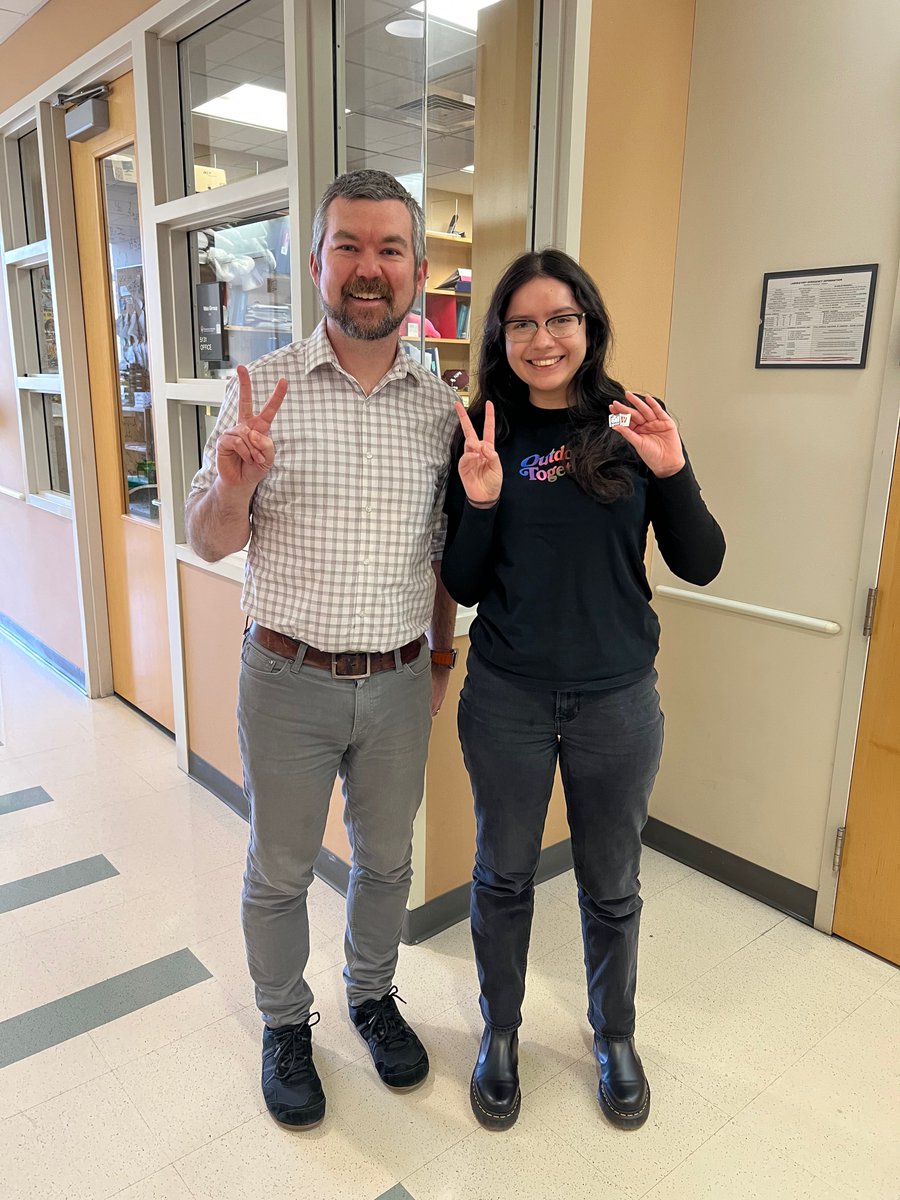
Welcome to Abi! We're excited to see all your awesome work in the group! 🥳✌️
38
4,661
26 Nov 2024
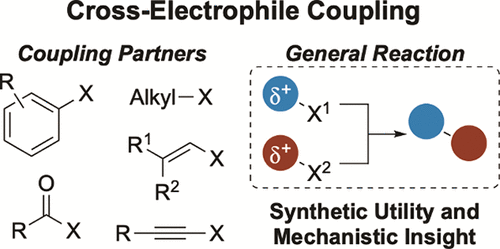
Wondering "What is XEC"? Want to use XEC but don't know where to start? Check out our guide to XEC, which includes a flowchart comprised of all the data we compiled during the writing of our Chemical Reviews publication! weixgroup.chem.wisc.edu/xec-…
1
42
2,863
26 Nov 2024
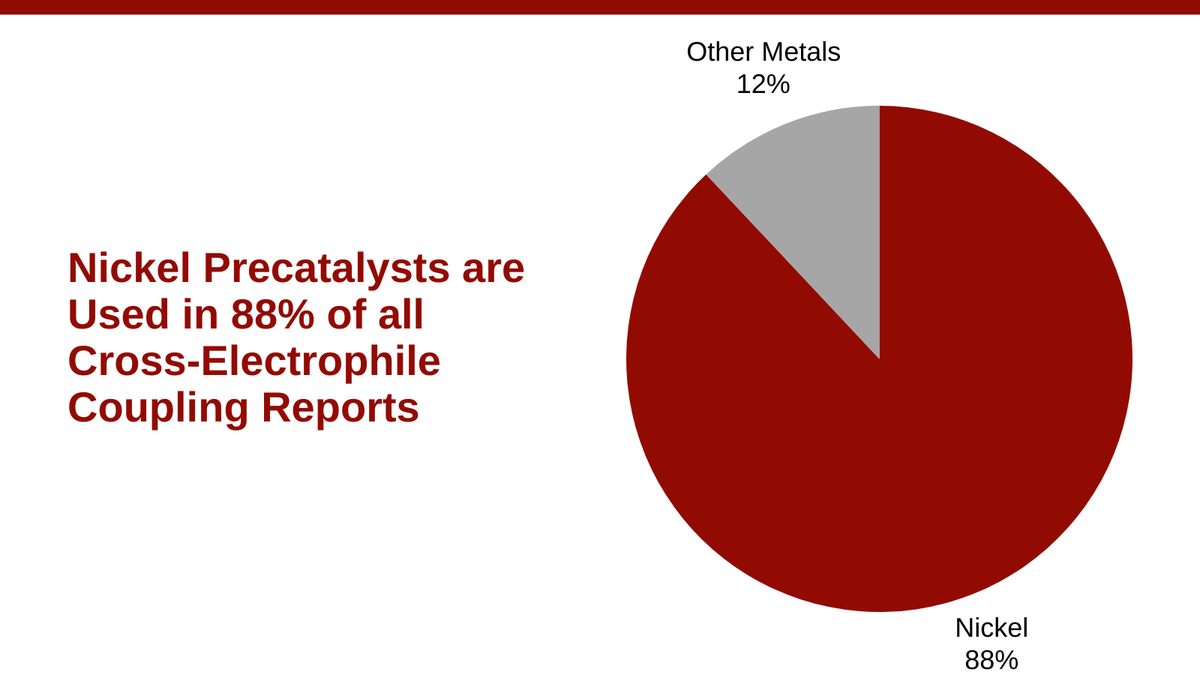
We're incredibly proud to say that our review of Cross-Electrophile Coupling: Principles, Methods, and Applications in Synthesis is now online and open access at @ACSChemRev! Congrats to the team for this labor of love (and data!) pubs.acs.org/doi/10.1021/acs…
3
23
147
17,632
28 Oct 2024
Question 5: What Organic Additive is most commonly used across all XEC?
47%
TMSCl
11%
Pyridine
9%
Trifluoroacetic Acid
33%
nBu4Br
66 votes • Final results
1
7
1,758
28 Oct 2024
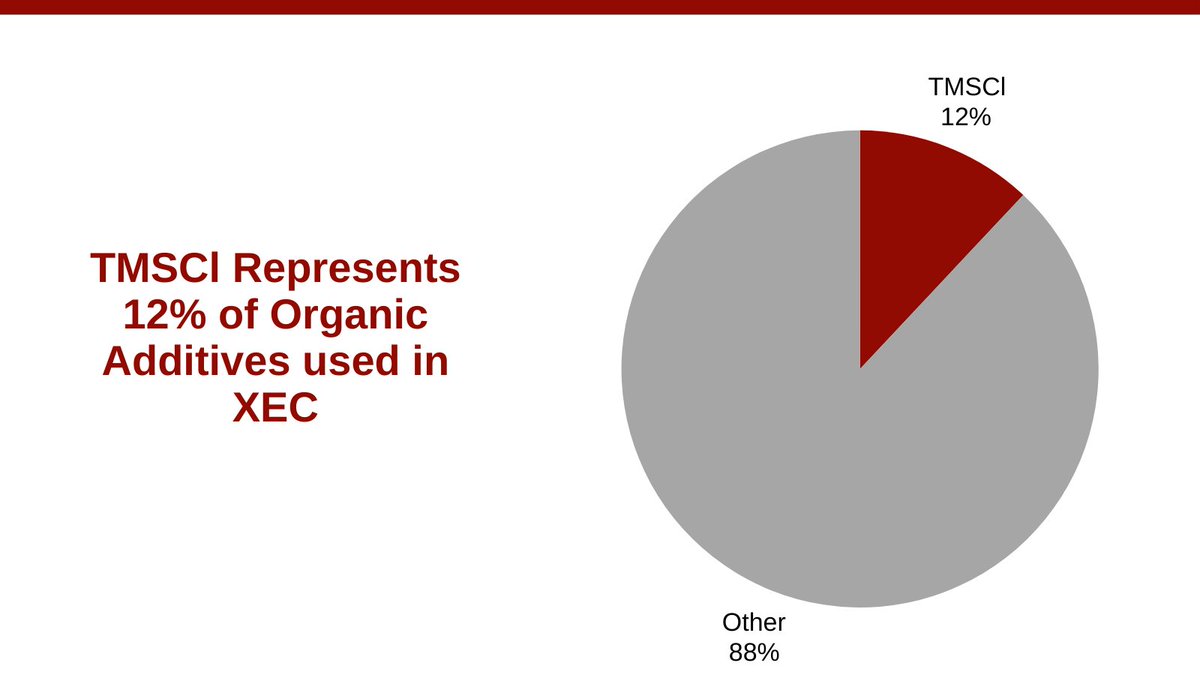
The wide variety of organic additives used means that TMSCl represents the largest portion with only 12% of all organic additives used. Silane reagents like TMSCl can activate metal powder reductants or by playing a direct role in the reaction mechanism.
7
1,387
26 Oct 2024
Question 4: What Cation is most commonly employed when Inorganic Additives are used in XEC?
32%
Mg 2
21%
Li 1
14%
Na 1
33%
Zn 2
81 votes • Final results
1
5
1,864
26 Oct 2024
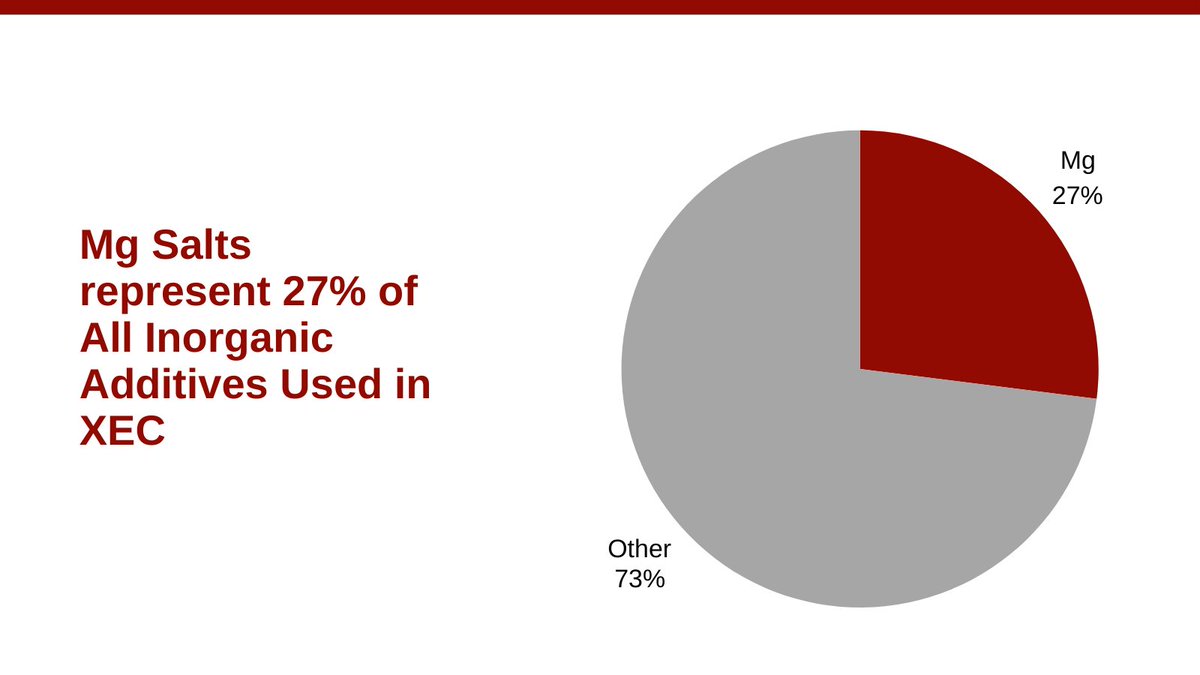
While Zn salts can be generated in situ over the course of an XEC reaction, alkali and alkaline earth metal salts predominate by one to two orders of magnitude over other salt additives. Among all salt additives, Mg Salts (eg. MgCl2 and MgBr2) are the most common (27%)
6
1,220
Weix Group retweeted
20 Oct 2024
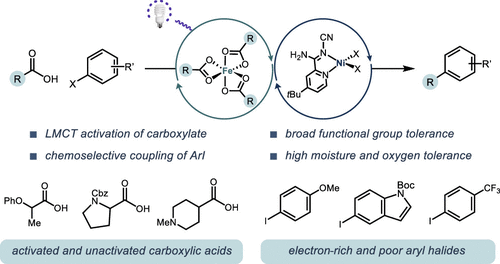
Decarboxylative Cross-Coupling Enabled by Fe & Ni Metallaphotoredox Catalysis | JACS @UWMadisonChem @EmoryUniversity @EmoryChem @TotalSyntheses #Minisci #Decarboxylative #CrossCoupling #FeNi #Metalaalphotoredoc #Catalysis pubs.acs.org/doi/10.1021/jac…
1
15
103
12,323
22 Oct 2024
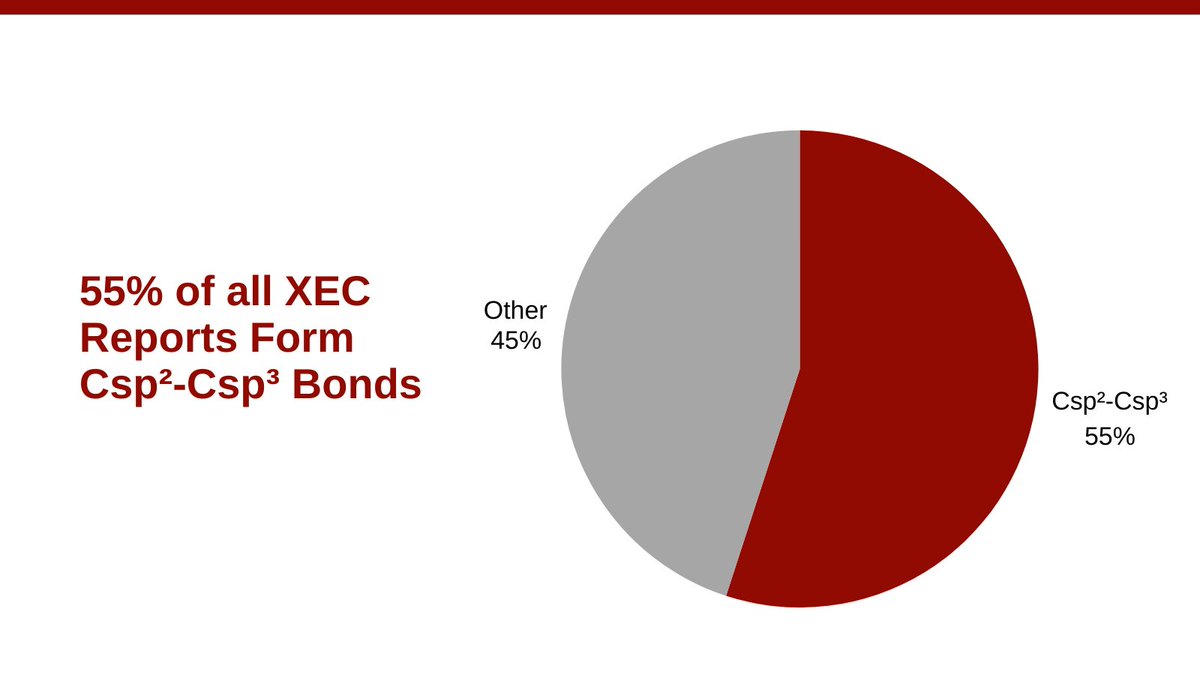
Question 3: What percent of XEC reports form Csp2-Csp3 Bonds?
16%
40
36%
55
24%
63
24%
85
25 votes • Final results
1
3
1,275
22 Oct 2024
While Csp2-Csp3 bonds do make up 55% of all XEC publications reported, the remaining 45% is comprised of a wide variety of other coupling types, from Csp2-Csp2 and Csp3-Csp3 to alkene and alkyne difunctionalization, among many others!
3
817