Philosophy professor at George Mason researching moral psychology and cognitive science ippp.gmu.edu/. journalentries.fireside.fm.
Joined September 2009
- Tweets 6,799
- Following 1,514
- Followers 2,383
- Likes 16,164
100 Photos and videos





Wesley Buckwalter retweeted

Jun 10
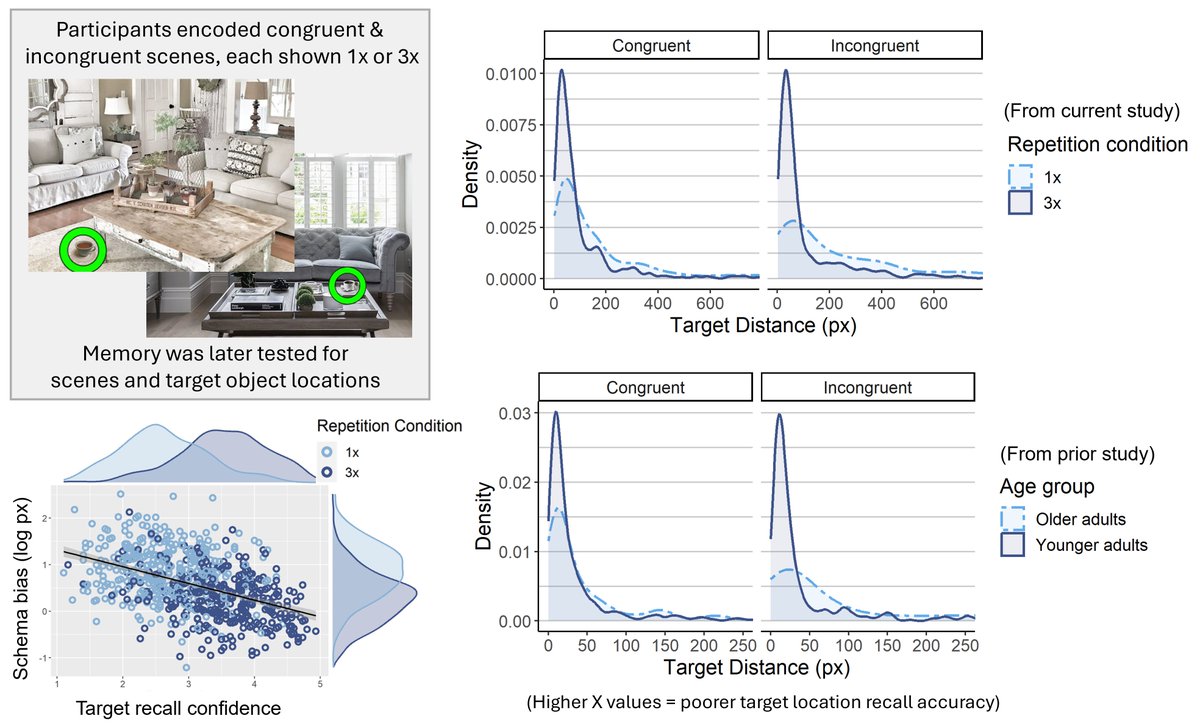
"Prior knowledge biases episodic memory by filling in the gaps in imprecise memories: Simulating aging effects in younger adults"
New paper from Michelle Ramey
Read more here: sciencedirect.com/science/ar…
1
9
30
2,596
Wesley Buckwalter retweeted

Jun 8
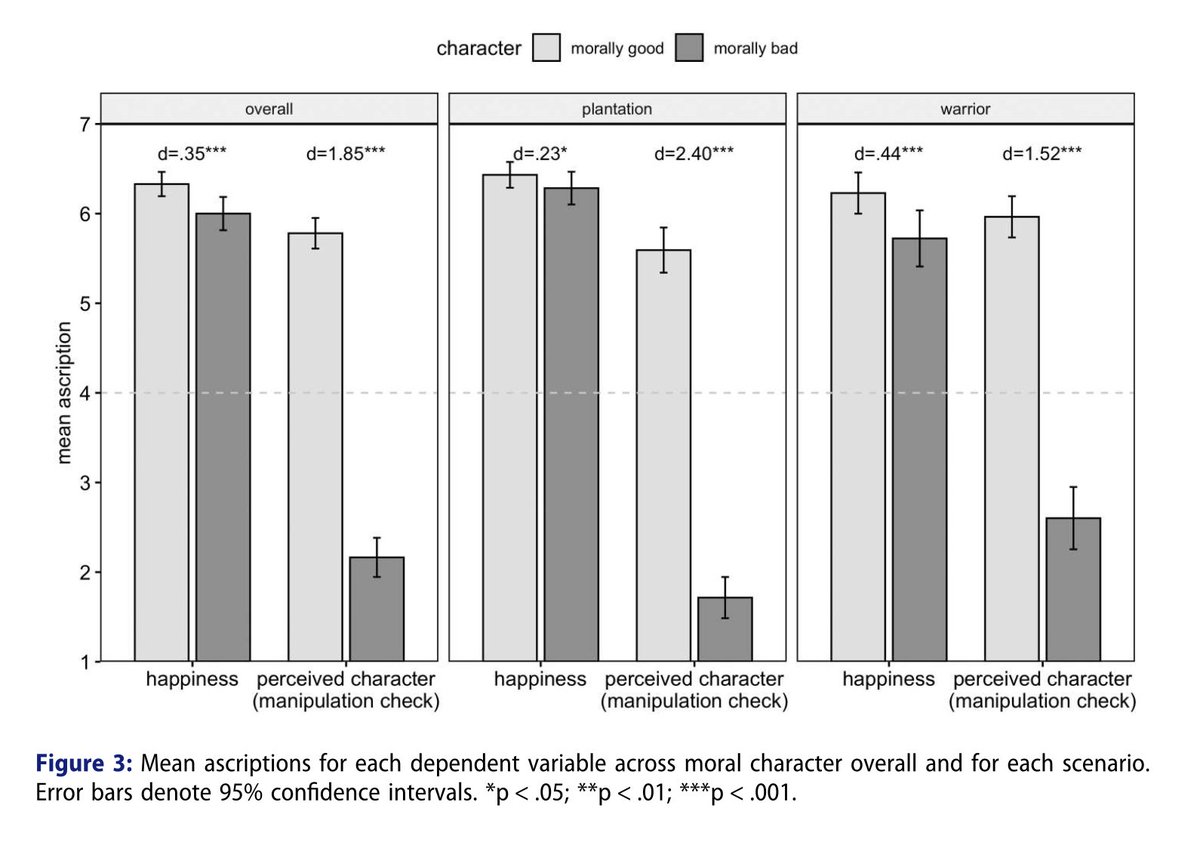
Is happiness a morally charged concept? Ceteris paribus, is the saint happier than the sinner? Diverging from the great work by @phillipsjs and @xphilosopher, @DanHaybron and I find that morality plays no role in the concept of happiness. OA in AJP: h1.nu/1r82v
5
6
16
1,388
Wesley Buckwalter retweeted

Jun 4
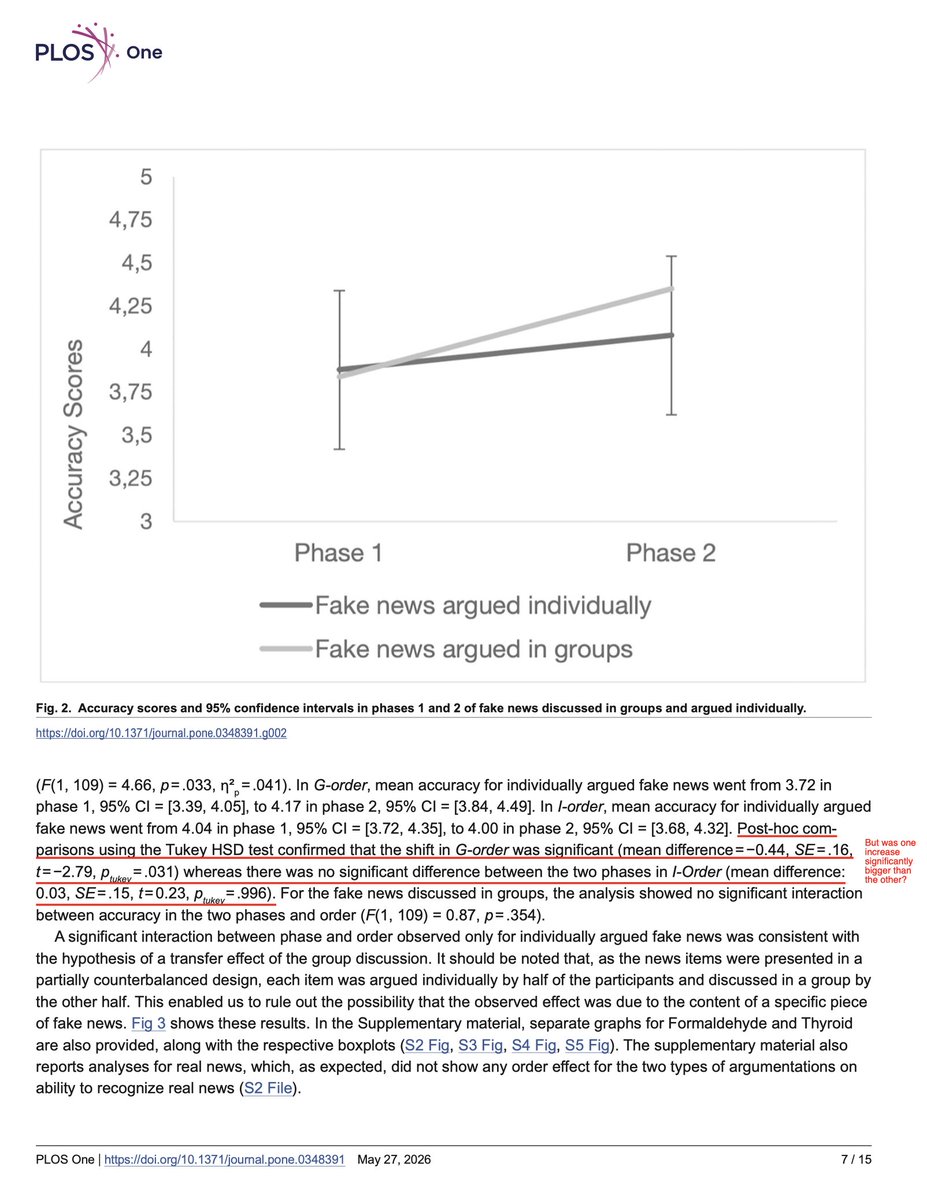
Similar to what we find in our Socratic reflection experiments (researchgate.net/publication…), group discussion improved #fakeNews recognition but solitary reflection did not: doi.org/10.1371/journal.pone…
#edu #teaching #journalism #debate #news #socialMedia
1
4
204
Wesley Buckwalter retweeted

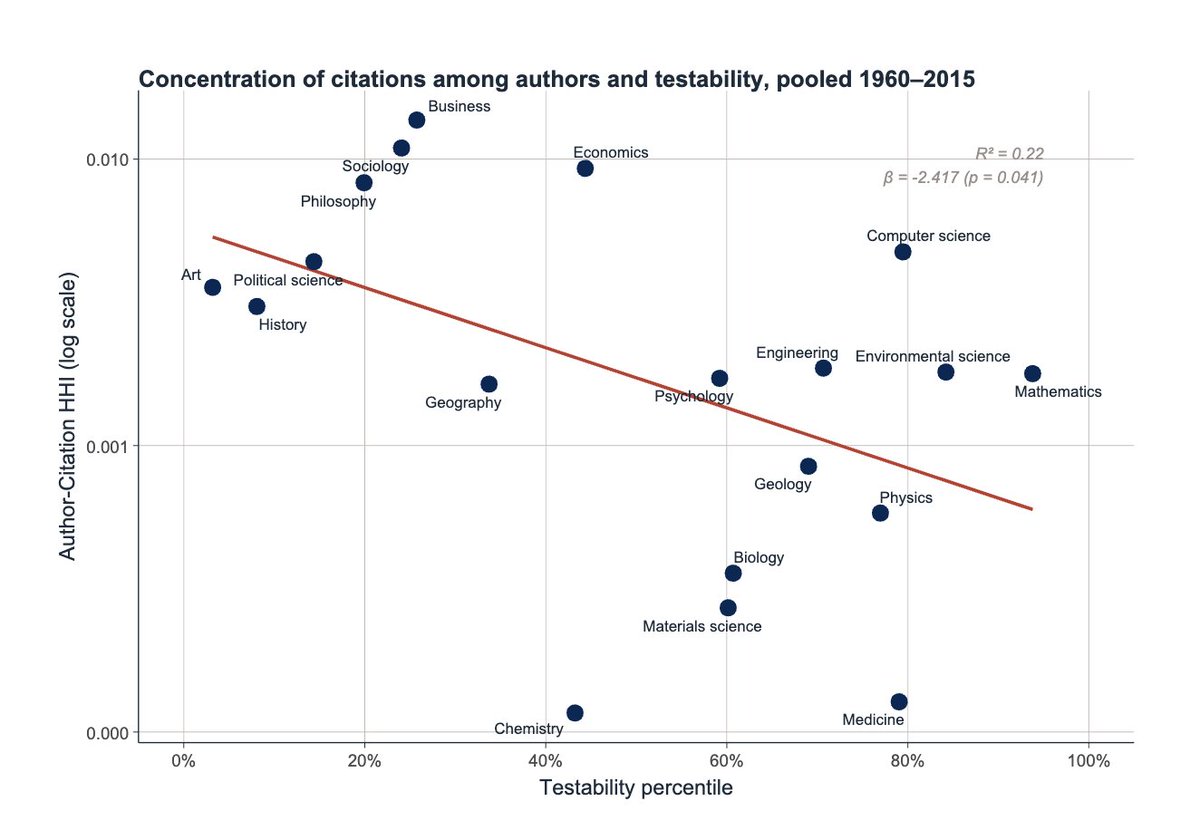
Prestige bias is a major problem in academia: success in academia leads to numerous unfair advantages (eg., professors at prestigious universities have an easier time getting their papers published).
But prestige bias is bigger in fields that are less scientific (eg., art, history, politics, and philosophy). In these fields, the claims of academics are hard to test so people rely more on prestige as a heuristic about the truth of their claims.
In contrast, fields where claims are more testable exhibit lower concentrations of prestige markers (eg., math, physics, computer science, and medicine). This makes it easier for unknown or early career researchers to break through and have success.
A new analysis finds that a 10% increase in the testability of claims in a field is associated with a 9% decrease in citation concentration. Evaluators rely less on prestige for quality assurance when the work is testable.
My field is psychology is in the middle (close to biology). In the last decade, the credibility revolution has dramatically changed the field. As people published replication attempts, several the leading figures in the field lost significant prestige when their claims did not hold up to empirical scrutiny.
This is actually the sign of a healthy scientific field: Prestige should not trump empirical evidence.
kurtishingl.com/files/PTTS_l…
22
167
588
71,587
Wesley Buckwalter retweeted

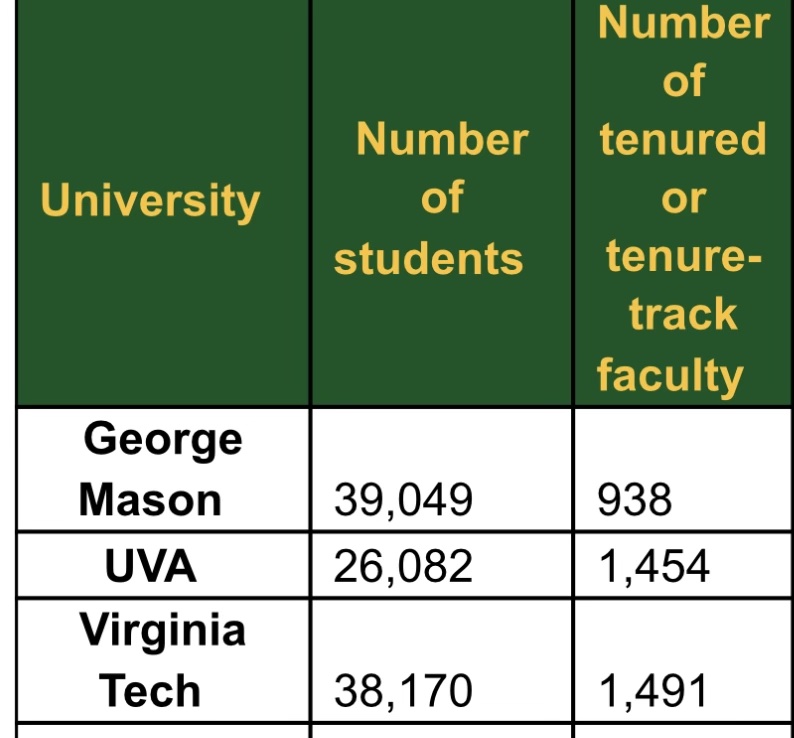
George Mason grads are thriving. The Class of 2025 posted a 92% positive career outcome rate, stepping into roles that match their goals and power the D.C. region.
gmu.edu/news/2026-04/george-…
6
10
1,168
Wesley Buckwalter retweeted

13 Aug 2025
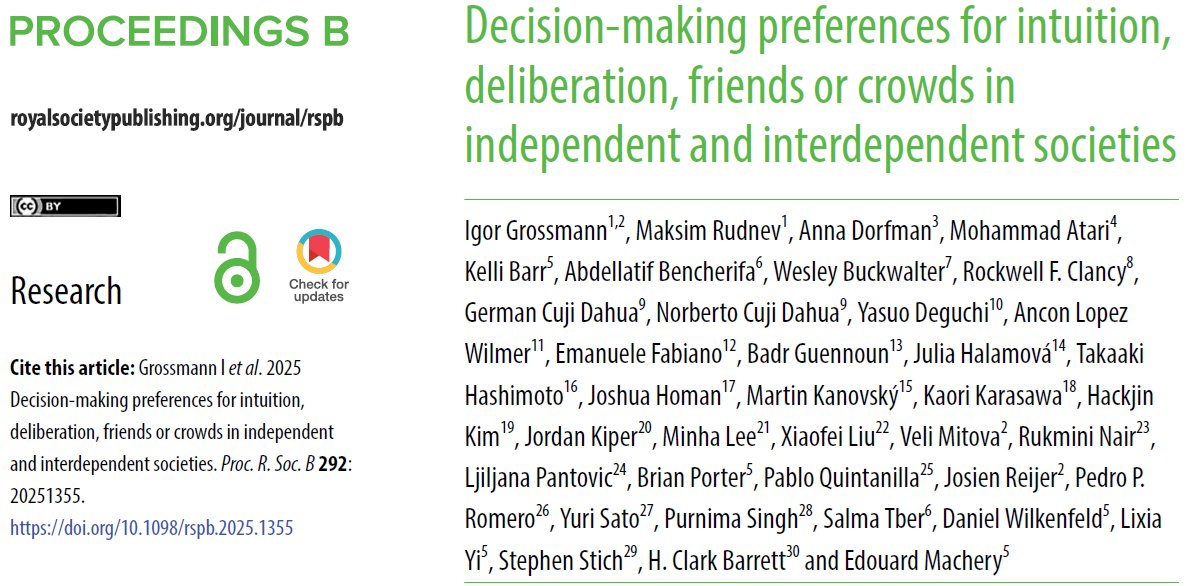
1/12 Finally out! 🎉 This project took a village to audit, analyze, and edit. It began with a simple worry: is Solomon’s paradox (psychologicalscience.org/new…) too trivial? Doesn’t everyone know that stepping back (#selfdistancing) & getting outsider #advice helps us choose wiser?
2
4
14
1,745
Wesley Buckwalter retweeted

28 Jun 2025
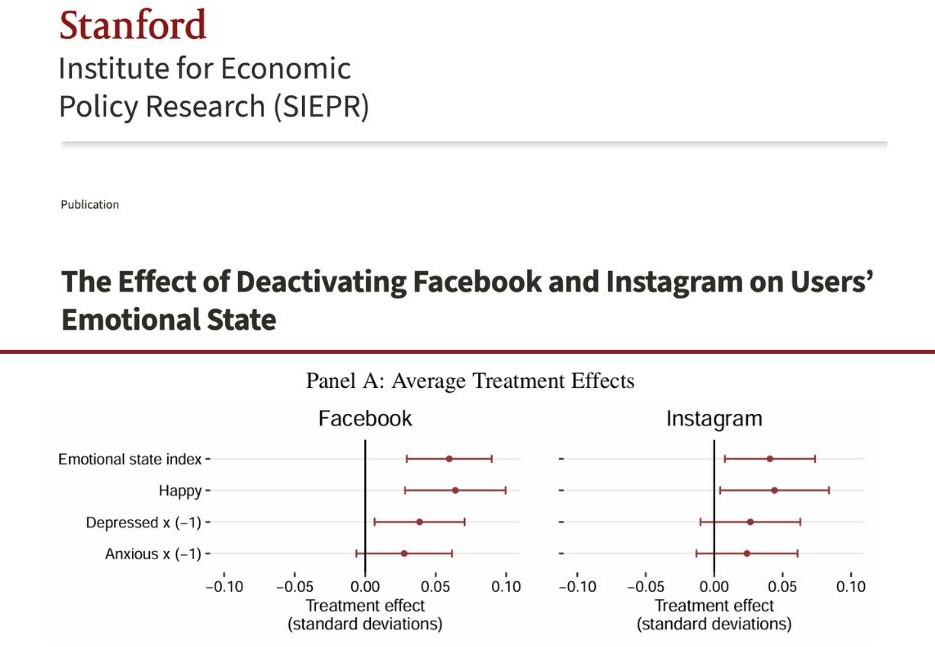
Stanford paid 35,000 people to quit social media.
This was the largest study on emotional health in history.
The results were so shocking, scientists called it "comparable to therapy."
Here's what happens when you break free from the algorithm:
🧵
525
6,052
39,341
5,625,559
Wesley Buckwalter retweeted

11 May 2025
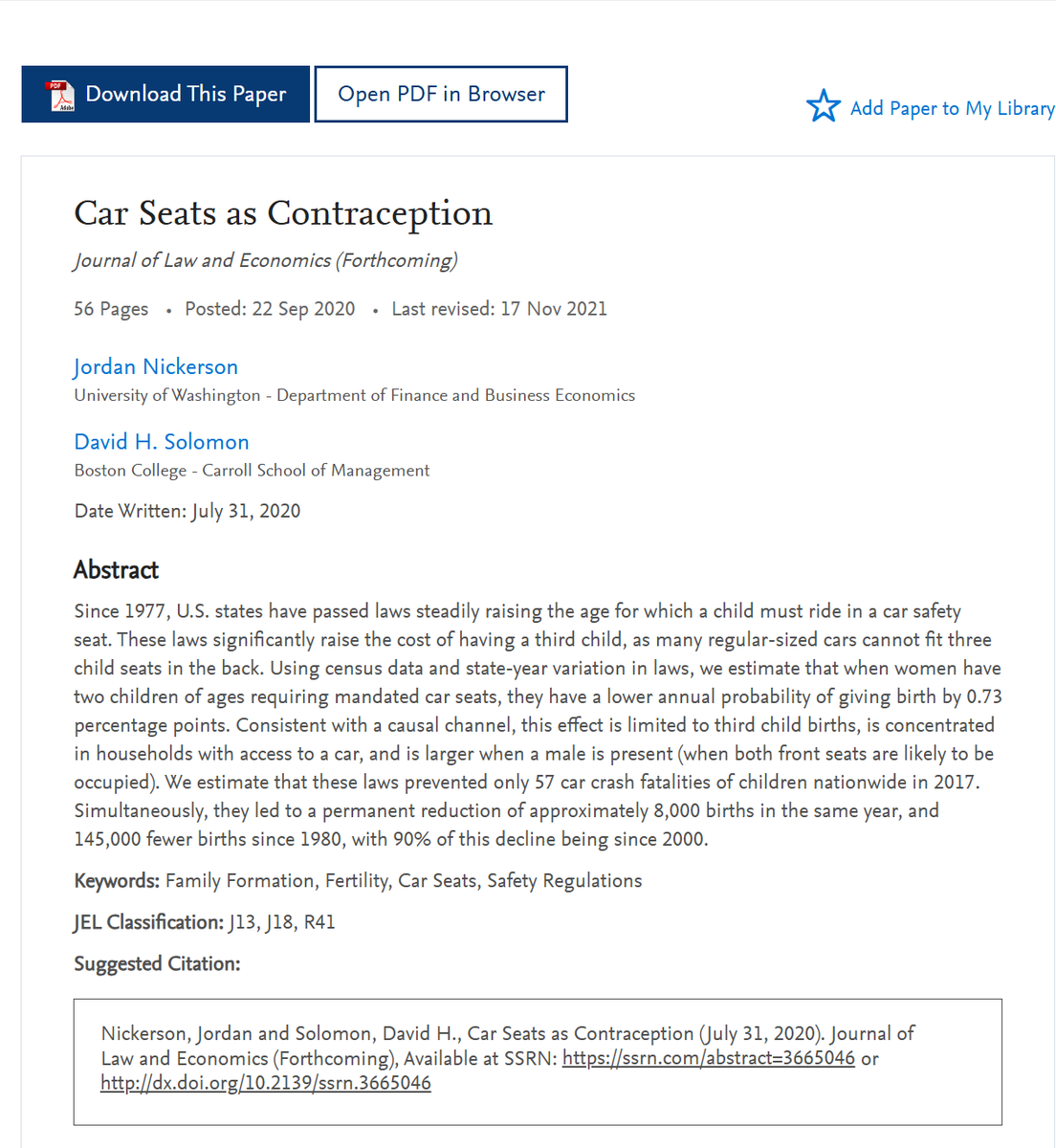
Mandatory car safety seats prevented 140 births for every life they saved.
Safetyism sucks the life from our culture, figuratively and literally.
775
1,745
15,301
3,653,977
Wesley Buckwalter retweeted

16 Apr 2025
🎉 Just published in Nature Human Behavior 🎉
Do liberals or conservatives in the US trust scientists more? You might assume it's liberals, but studies often fail to consider the diversity of scientific disciplines! 🔬
nature.com/articles/s41562-0…
[1/6]🧵
2
12
64
5,525
Wesley Buckwalter retweeted

7 Apr 2025
Are you interested in research experience before applying to PhD programs? Or just want to learn more about cognitive science? Consider joining my lab as a lab manager (joint w/the Griffiths Lab). We will begin reviewing applications one week from today: cognition.princeton.edu/news…
4
50
112
13,966
Wesley Buckwalter retweeted

31 Mar 2025
Very pleased that this paper led by Will Gervais is now out in PNAS. Philosopher Dan Dennett coined the phrase 'belief in belief' for believing that belief in God is a good thing. In this paper, we document just how widespread it is, even among atheists.
pnas.org/doi/10.1073/pnas.24…
12
67
3,471
Wesley Buckwalter retweeted

19 Mar 2025
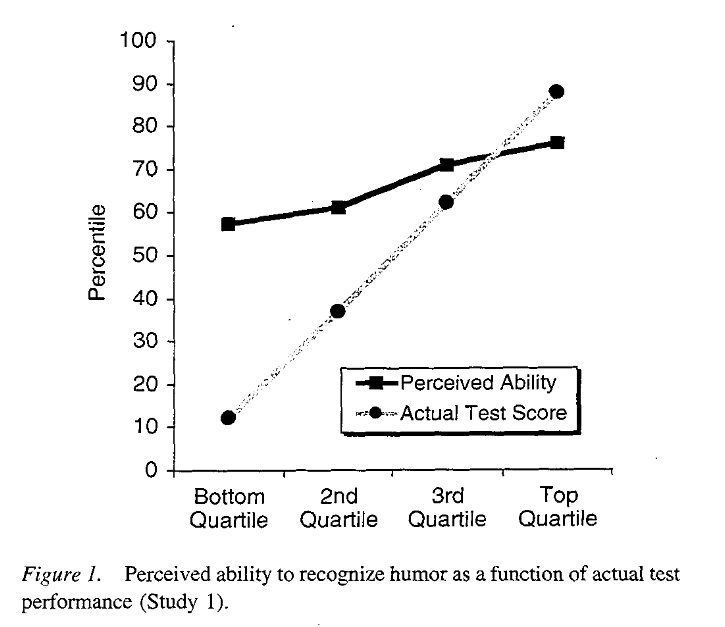
The Dunning-Kruger Effect is one of the most famous psychology findings. It's the idea that people of low competence/ability overestimate their ability. But is it REAL? At Clearer Thinking, we investigated (with surprising twists and turns): 🧵
14
43
306
44,076
Wesley Buckwalter retweeted

19 Mar 2025
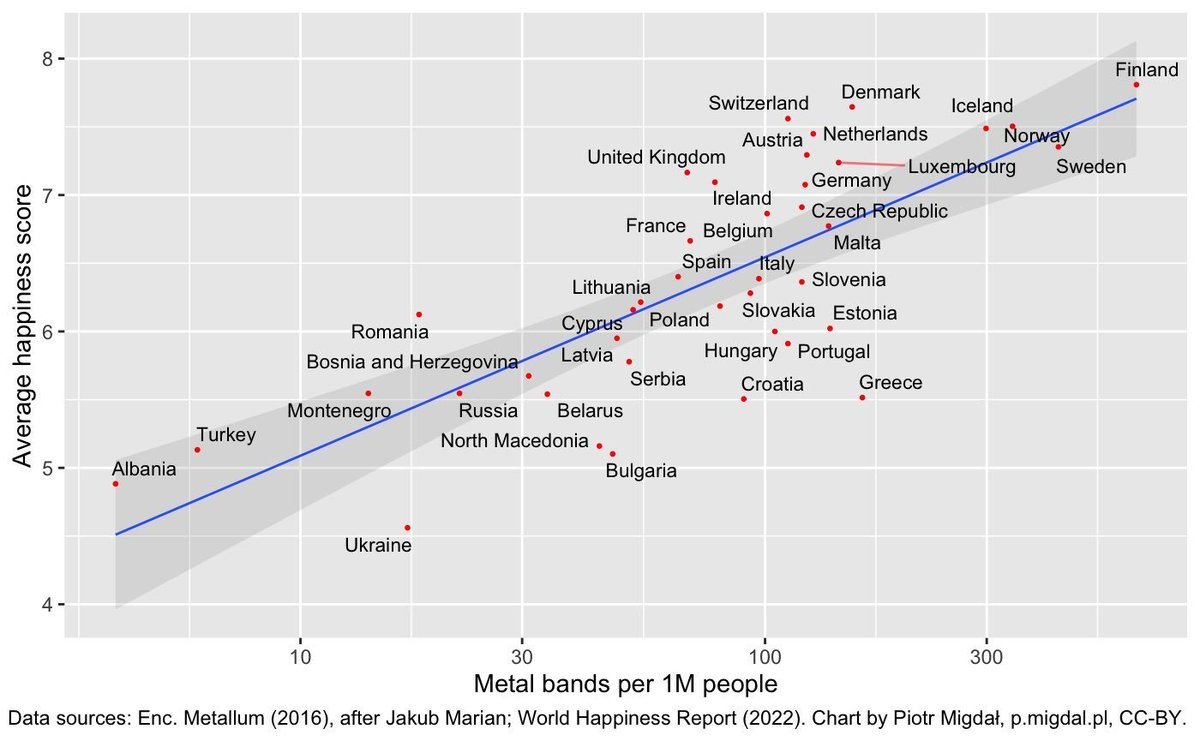
The happiest countries in the world tend to have the most heavy metal bands.
[Link below.]
46
98
558
54,629
Wesley Buckwalter retweeted

19 Mar 2025
A few different things in current events remind me of @Jill_Jord’s “virtuous victim” effect — the tendency to see victims of injustice as morally good
It’s so hard to recognize that the very same person can be both a victim and a wrong-doer
science.org/doi/10.1126/scia…
8
28
1,623
Wesley Buckwalter retweeted

18 Mar 2025
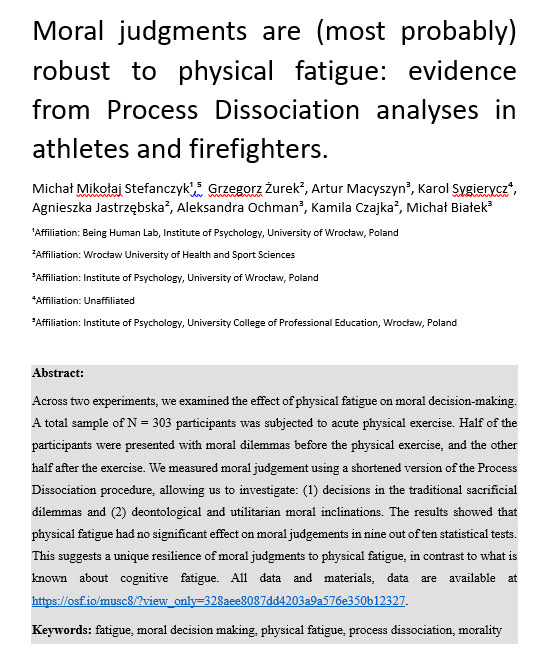
Accepted @ExpPsychJournal Research w @StefanczykM challenges assumptions about moral decision-making under fatigue. Study with 303 athletees and firefighters shows moral judgments remain stable despite physical exhaustion. #MoralPsychology #DecisionMaking
3
12
50
10,029
Wesley Buckwalter retweeted

9 Mar 2025
56
2,600
39,026
1,106,074
Wesley Buckwalter retweeted

27 Feb 2025
Holy crap.
Pancreatic is one of the deadliest cancers.
New paper shows personalized mRNA vaccines can induce durable anticancer T cells that attack pancreatic cancer. 75% of patients cancer free at three years.
19 Feb 2025

#mRNAvaccines for #PancreaticCancer (PDAC) PART4
1. Out today in @Nature nature.com/articles/s41586-0…
🧵👇🏽
[1/23]
488
5,521
38,767
4,006,370