
Just a guy on the beach reading Tweets and surfing Reddit. I love my Harley, Metallica, good times and fine wine. Go Birds!
Joined March 2021
- Tweets 2,928
- Following 206
- Followers 2,740
- Likes 3,996
177 Photos and videos




8 Sep 2025
I just learned of Don Fizz’s (aka Richie) passing and am saddened.
Richie worked hard for the $MMTLP community (and all the communities). He was tireless in his efforts and cared deeply for those he got to know on a personal level. There is no doubt he had his demons, and struggled at times to keep them under control but at the end of the day he gave a shit and dedicated a tremendous amount of time to the cause as best he could.
I’m glad I got to know him as well as I did and will miss his random phone calls at 4AM and pleas to help him write an email or a letter or free legal advice. He was a true New Yorker through and through and he will be missed.
5
136
383
7,367
14 May 2025
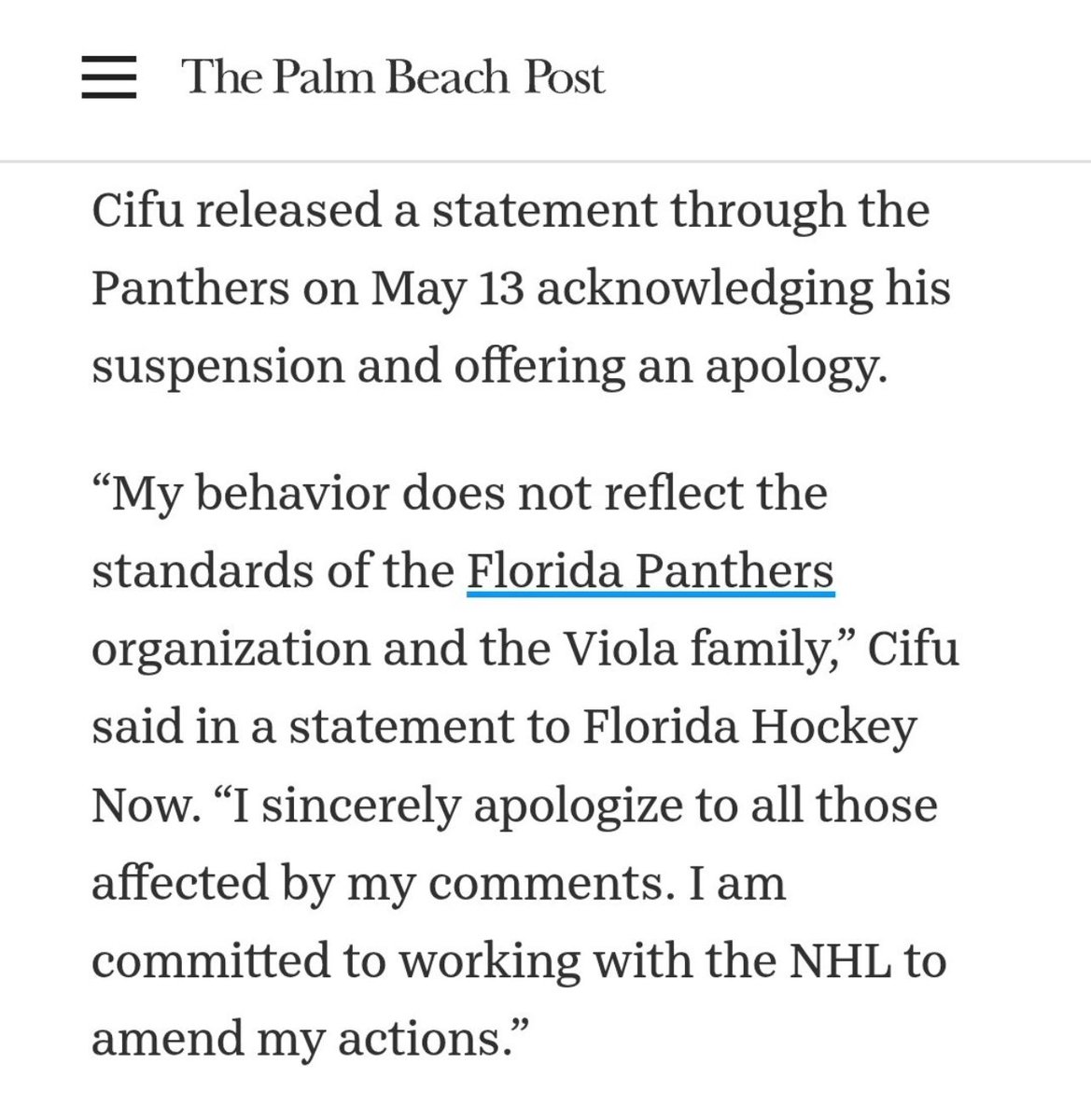
But … but Commissioner … I didn’t mean those things.
What a pathetic loser … grow some balls and own it Doug. You absolutely did mean to “hurt” those people with your vile comments and it so reflects on the organization that it took this long to notice and do something about it.
10
61
154
4,904
🛢️J.R. Ewing🛢️ retweeted

30 Apr 2025
Just wait until we put some of the tools we have built with both @AIVersityio and @TRADERVERSEio. Armed with the proper tools, retail WILL turn the tables on HFs and market manipulation. The tide is turning. If you want a first look and get into Alpha for Traderverse, sign up for our Alpha release launching this MONDAY! $GTII shareholders- you want to be here. Special access is also available to the retail traders disenfranchised with $MMTLP

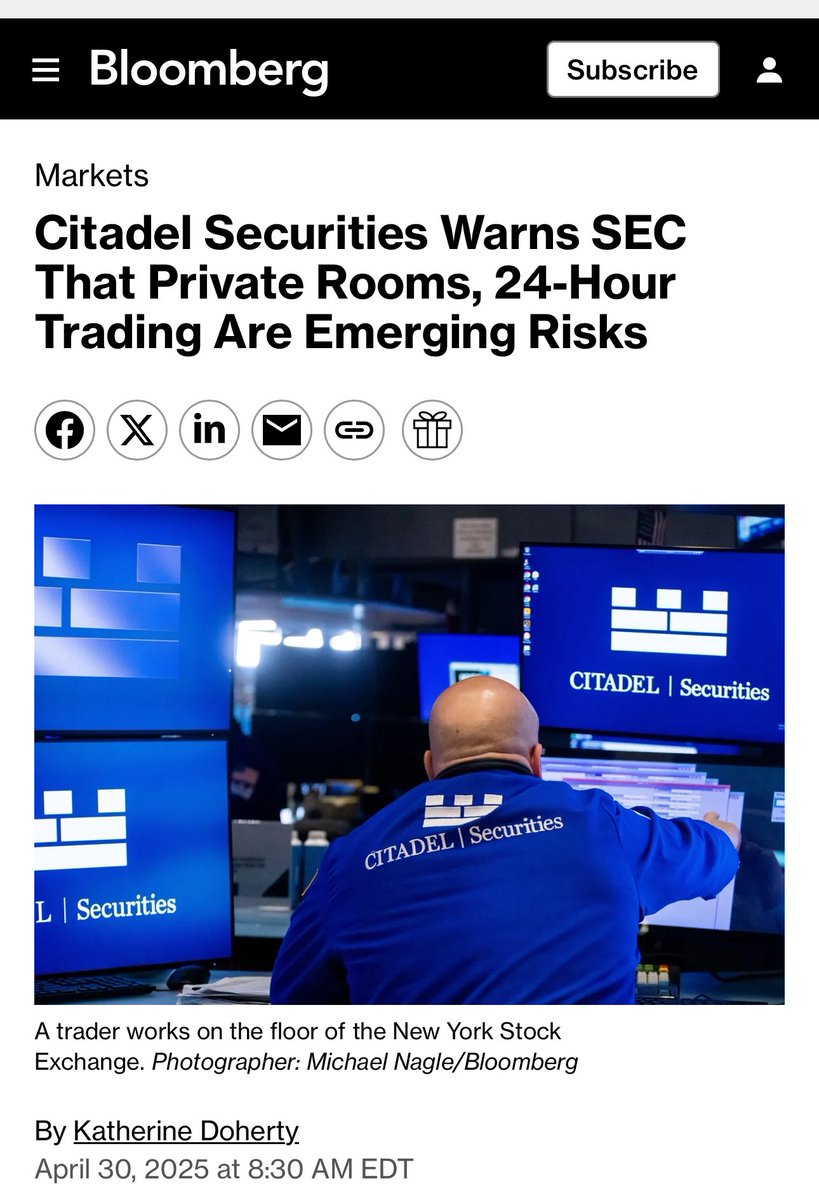
Citadel whining to the SEC that “private rooms” and “24-hour trading” are risks is the most ironic thing since the fox warned the farmer about holes in the fence.
You built this casino, Ken. Now the lights are staying on and retail brought night vision.
They’re losing control of the timing.
#GME #AMC #DarkPoolDrama #CitadelConcerns
20
92
195
13,009
29 Apr 2025
Now this is interesting … Check out searching $DJT on X. It was blasted with posts just like the one below the minute their shareholder letter was released … like 100’s. Tell me that wasn’t intentional.
1
18
55
2,037
26 Apr 2025
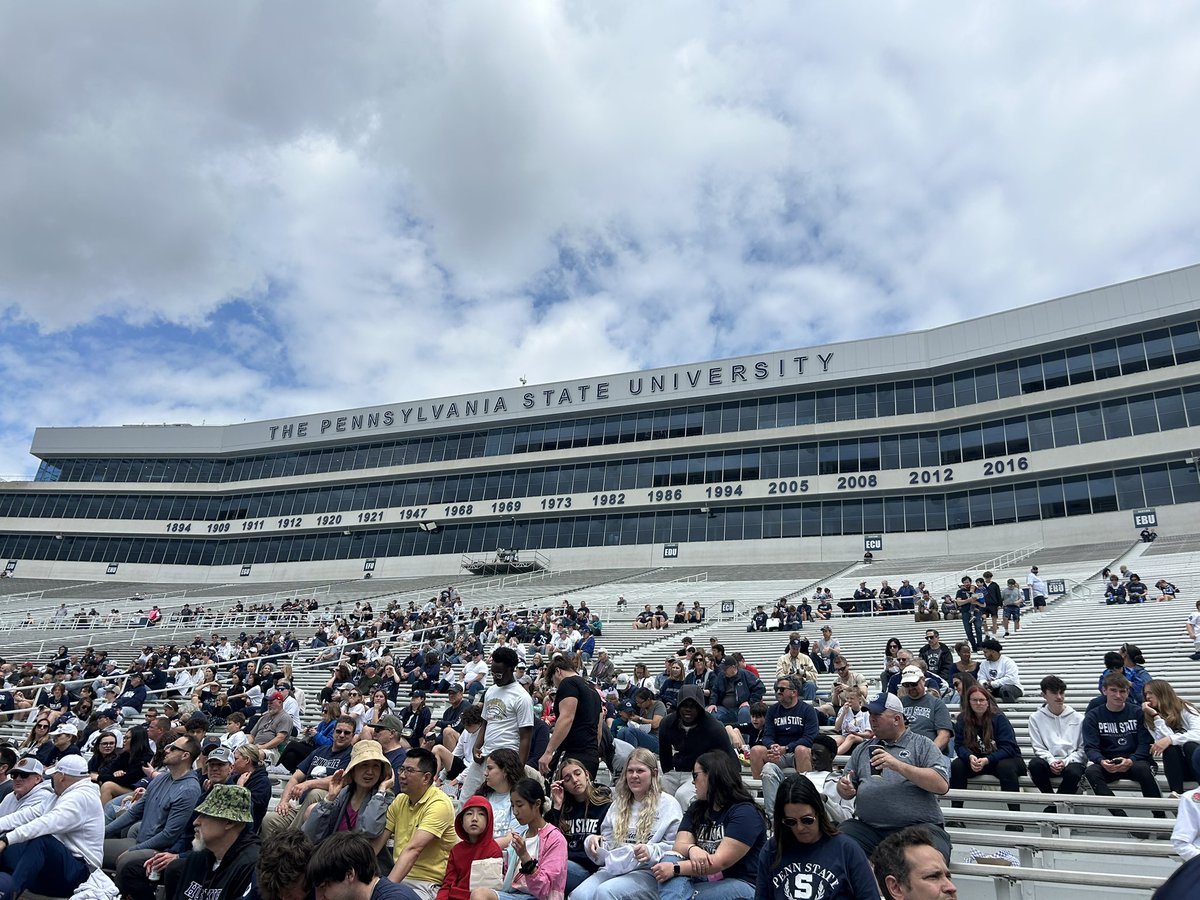
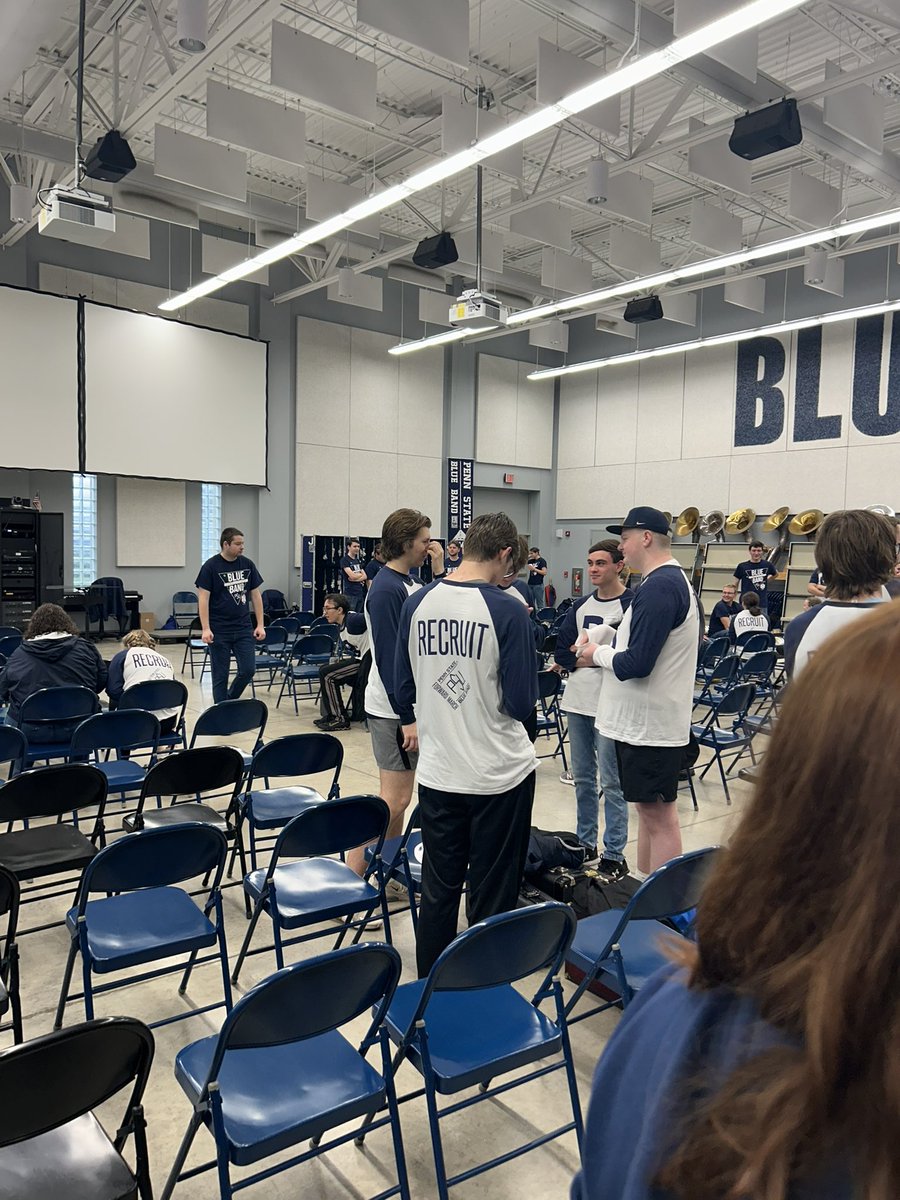
First PSU game in 27 years … never did I imagine my son would be marching with the band.
11
560
17 Apr 2025
Best quote of the day:
“American equities exchanges should be operated with full transparency and maximum efficiency, not as an opaque free-for-all reminiscent of a third-world casino.” TMTG 4/17/2025
@FINRA They are talking to you.
$MMTLP $GME $BBBY $BBBYQ $AMC $DJT $GTII
9
147
254
6,214
🛢️J.R. Ewing🛢️ retweeted

8 Apr 2025
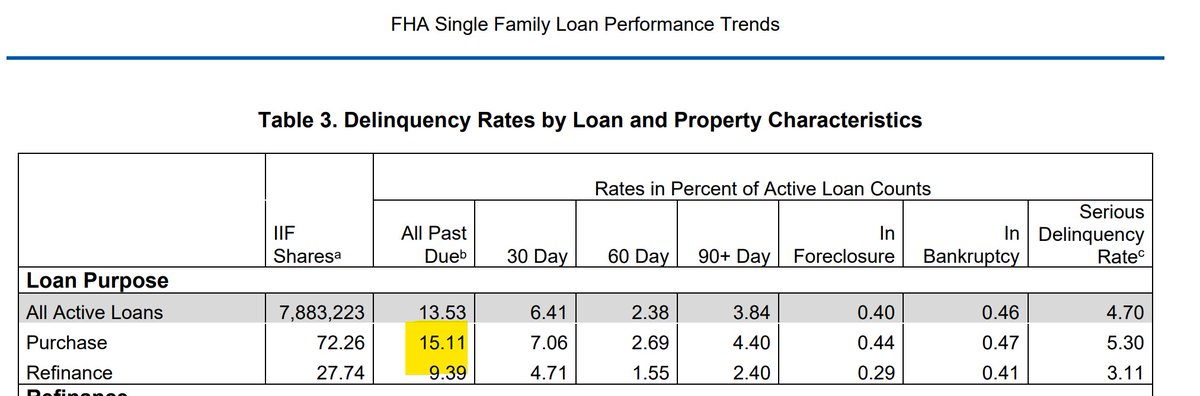
FHA mortgage delinquencies now higher than the 4th quarter of 2007 prior to the biggest housing bust in world history.
8 Apr 2025

FHA delinquencies are skyrocketing, 15.11% of all FHA mortgage purchase loans are now DELINQUENT.
This excludes the loans artificially brought current by placing the missed payments to the back of the loan.
In 4Q2007 FHA overall delinquencies were LOWER at 13.05 percent (vs 13.53% today)
19
90
463
36,404
7 Apr 2025
Excellent write up.
7 Apr 2025

Here’s my thoughts on what is happening in the markets and why it’s a good thing in the not so long term… Bessent /Trump are playing 3D chess and fortifying the dollar by tackling the red flags seen in the struggles of rival currencies like the Euro, Chinese Yuan, and Japanese Yen—major players vying for global financial clout. Overheated US real estate markets, surging government bond yields, and other warning signs resembled the setups that have historically invited massive speculative takedowns by bad actor funds like Soros’. A deep dive into housing costs and bond rates isn’t just crowd-pleasing rhetoric—it’s targeting the pulse of a currency’s vigor. This is about stress-testing the dollar: pinpointing its soft spots to armor it against future raids. This is a financial war we’ve been in and we just went on offense.
One glaring chink in the armor was an overhyped trading scene. Wall Street has been buzzing on adrenaline, with hedge funds borrowing up to their eyeballs. If that bubble burst, it could’ve unleashed a financial meltdown like 2008. The tariff rollout—chaos included—was a deliberate jolt to the system. Wall Street recoiled and shed its excess baggage, ensuring banks and hedge funds wouldn’t be stuck drowning in unpayable debts from wild overreach.
This shake-up ripples straight to the top 10% of Americans, who hold the reins of stock market action. Federal Reserve numbers show the richest 10% control about 90% of U.S. stocks and mutual fund shares. Here’s a snapshot;
```
Market Participation by Wealth Tier (2023 Data):
- Top 1%: 54% of total stock holdings
- Next 9% (2nd-10th tier): 35% of total stock holdings
- Bottom 90%: 11% of total stock holdings
```
For short-term traders and investors in this upper crust, the tariff-sparked turbulence and pullback hit fast and hard. Hedge funds offloading bets squash high-stakes gambles, slamming day traders and leveraged players with instant setbacks. Longer-term investors in this group stare down slimmer bond yields as a flight to safety looms, crimping near-term gains.
The bold tariff moves also sync with the outlook of an economic slump or nosedive in China, a drum he beat loudly heard lately. By cornering China and choking off their exports, the US is crafting a scenario that’s rattled currencies like the Yuan, Euro, or Yen in past showdowns with the dollar. A buckling Chinese Yuan could ignite a worldwide sprint into U.S. Treasury bonds, pushing interest rates down further. That would grease the wheels for refinancing the $9T in maturing U.S. debt, solidifying the dollar—but in the short run, it’s a gut punch for the top 10%, with traders racing to regroup and investors weathering a yield squeeze. This pain is needed for the remake of the US economy away from the globalization puppet masters. Now, is the next step to fix US financial markets and reduce the fraud @DOGE @DOGE_SEC ???
1
2
8
851
21 Mar 2025
Watching my back today …
21 Mar 2025

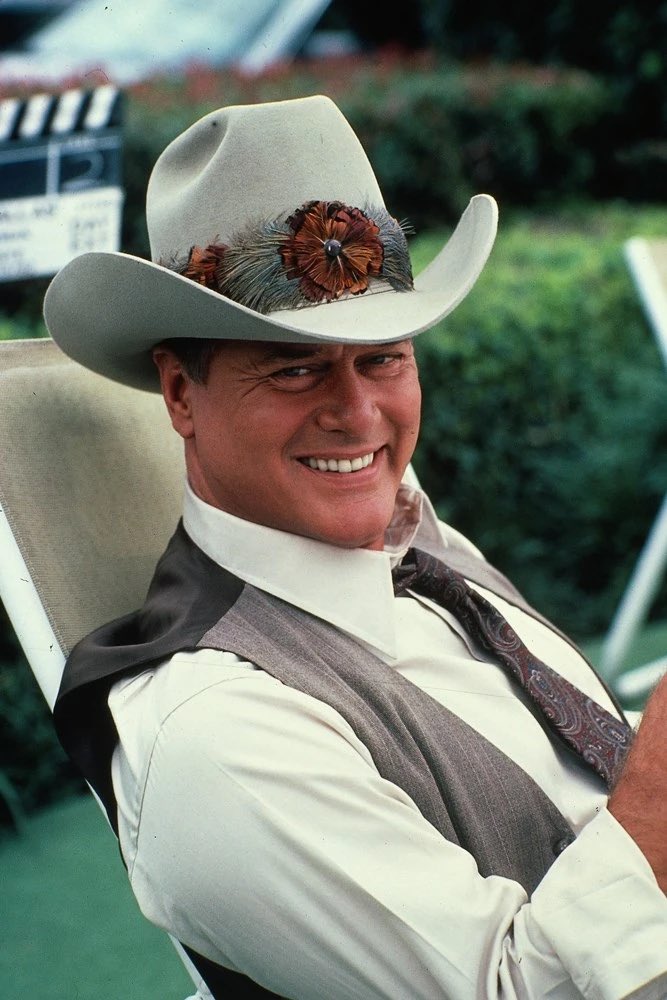
45 years ago today, on the season finale cliffhanger of the TV show "Dallas", villain J.R. Ewing is shot by… well you remember the rest, who shot J.R?
4
1
15
1,644
18 Mar 2025
Come and join for some useless talk. Richard and I holding a space cause we cant livestream. @KnotLegaladvice

4
19
2,015
18 Mar 2025
21
11
21
3,468
18 Mar 2025
No wonder I’m so damn happy! I attribute it to tunes like - South of Heaven by Slayer, Master of Puppets by Metallica, Hanger 18 by Megadeth and I Am the Law by Anthrax - all songs that put a smile of my face and fill me with joy 😂😂😂😂.
18 Mar 2025


1
2
22
1,424
7 Mar 2025
Should be fun and a good convo!
7 Mar 2025

2
16
51
1,696
6 Mar 2025
I have no clue who this person is … but her stuff is really good.
1
7
17
1,885
6 Mar 2025
We all know what is going on here.
6 Mar 2025
This is infuriating. They don’t even know what about to happen to them. If it takes the unraveling of the entire cabal, so be it. @zsaeed please keep the volume on MAX. The calvary is coming. @DOGE_SEC @FBIDirectorKash
@SecretService
@AGPamBondi
1
35
76
2,149
🛢️J.R. Ewing🛢️ retweeted

6 Mar 2025
$MMTLP @MariaBartiromo – Tomorrow, you have the chance to ask Mark Uyeda about the #MMTLP scandal that has been ongoing for over 2 YEARS. @cvpayne asked Commissioner Peirce on air about this, and over a year has passed with no movement.
Over 80 members of Congress requested a share audit to determine if phantom shares exist, but the SEC declined, hiding behind an 'active investigation' involving the CEO's.
What does an investigation into the CEO's have to do with transparency on how many shares were sold to the public by brokers and market makers? And what does Chair Uyeda plan to do to help shareholders who have fought relentlessly for answers?
For more information, please see the following thread: x.com/KarmaCollects/status/1…
We need accountability. Please ask. @MorningsMaria
29 Aug 2024

My name is Andrew. In January 2022, I made an investment that has since become a wild, eye opening lesson in the corruption that runs rampant on Wall St. A lesson that cost many good people EVERYTHING, including their families, homes, and sadly, their lives. This is our story 🧵.
28
349
519
20,733
5 Mar 2025
Just some food for thought on BBBY.
1
4
12
819
5 Mar 2025
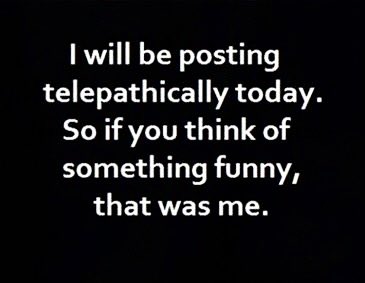
Damn … this is so spot on.

2
1
16
881
4 Mar 2025
Truer words have never been spoken.
1
2
26
990