
The Doomed DAO member. Collector of AI, onchain and glitch art. Appreciation of cool tech and beautiful things.
Joined April 2010
- Tweets 8,264
- Following 4,838
- Followers 2,583
- Likes 16,894
1,048 Photos and videos
TheAnalyst.eth (852.888) retweeted

Jun 11
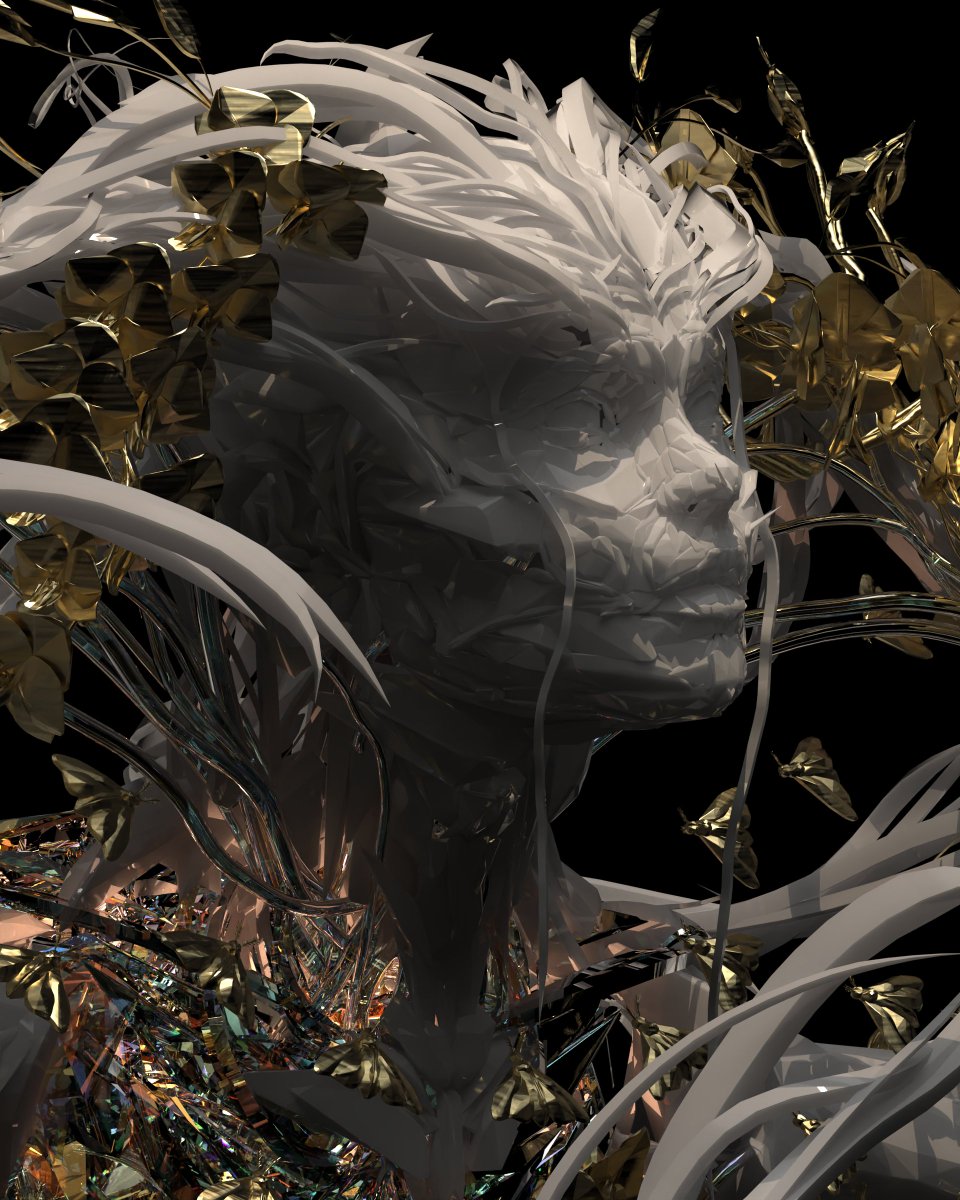
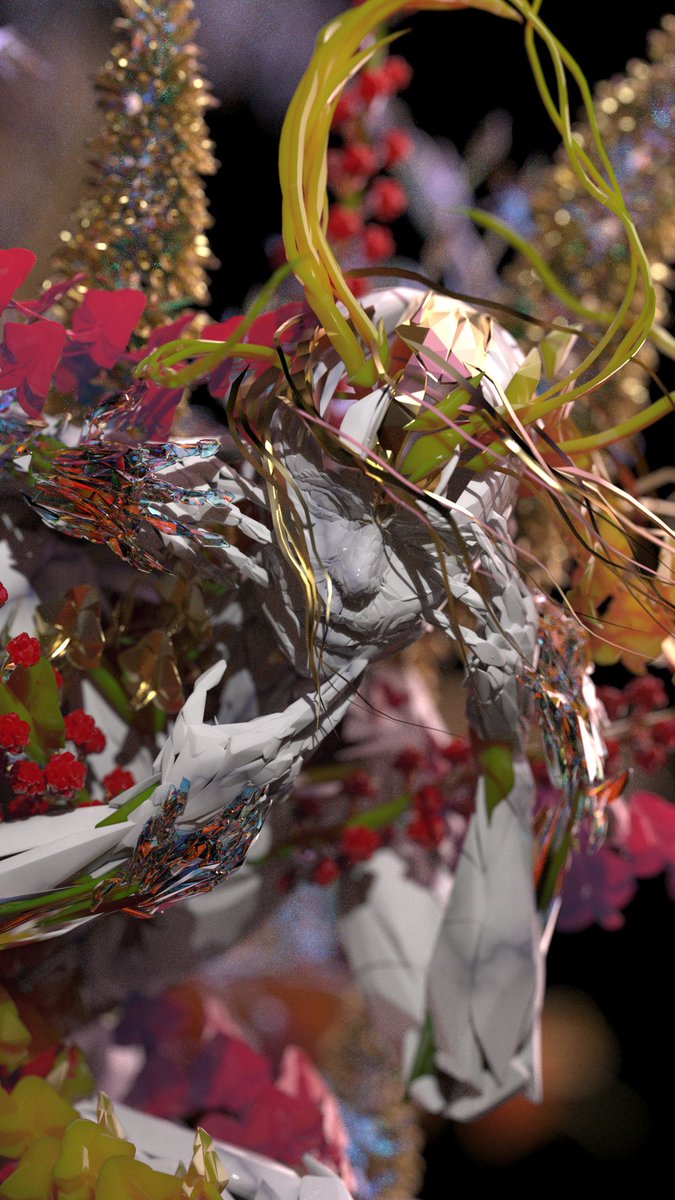
Hello dreamers,
Next piece dropping later today 🤘
1
1
14
177

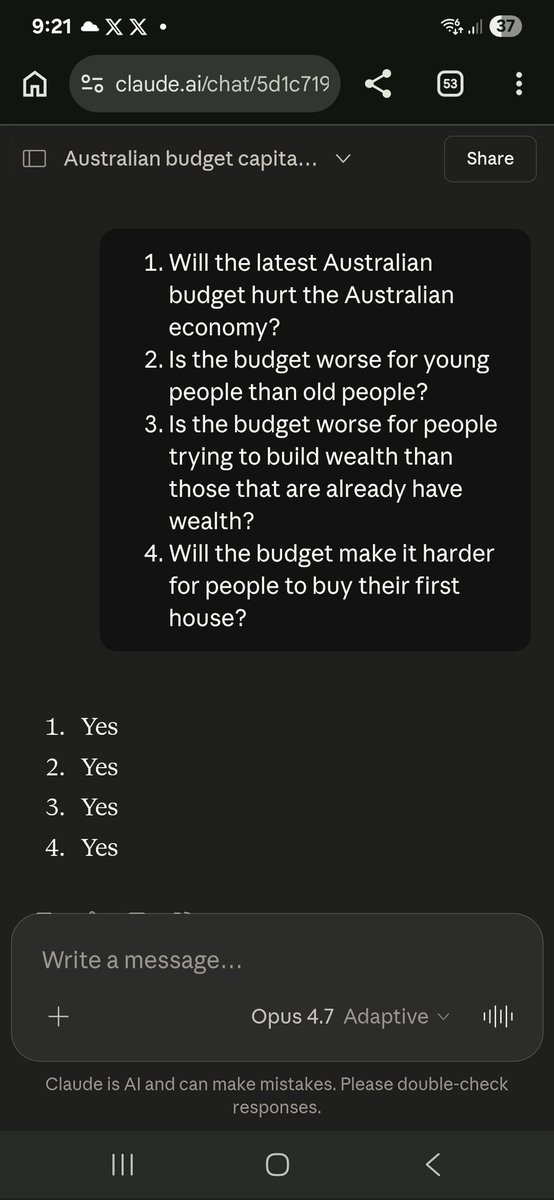
This is the downfall of democracy when you break a major election promise without a referendum... why even vote!?
1
11
128
TheAnalyst.eth (852.888) retweeted

Apr 18
GN everyone♥️
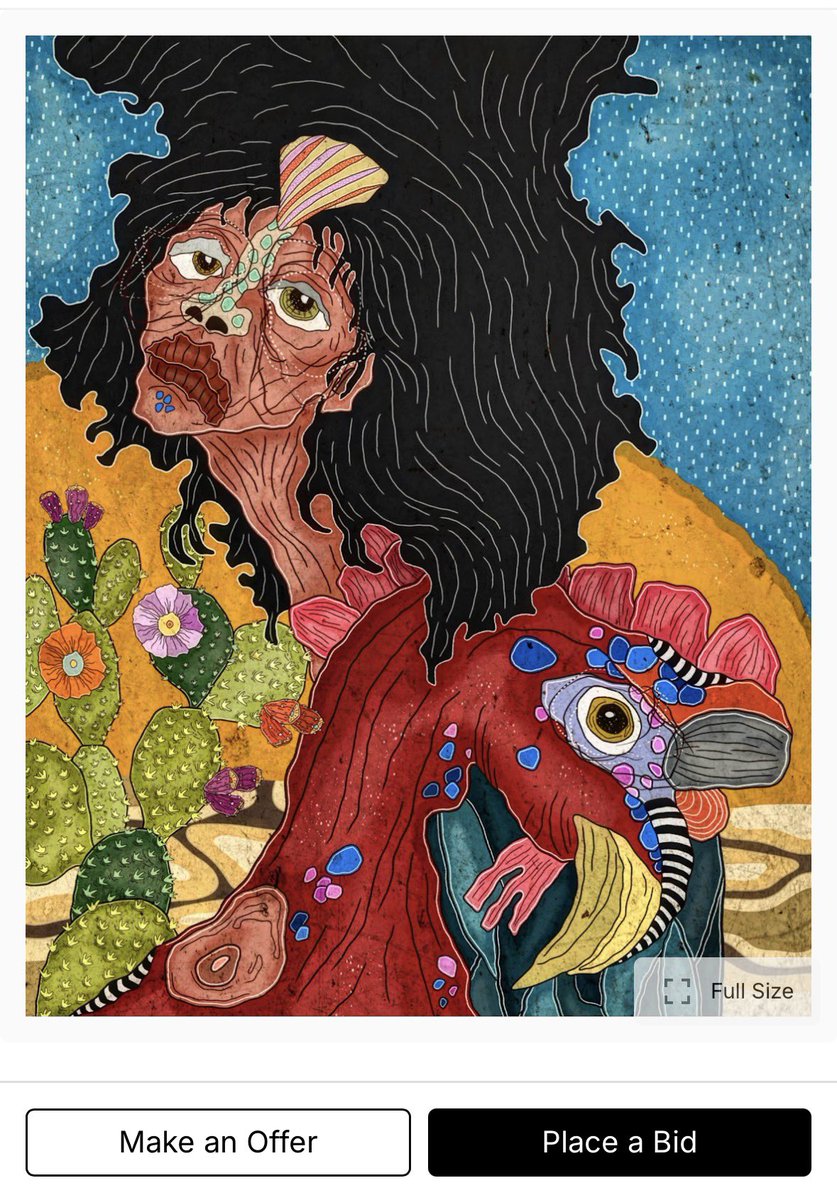
“Someone Else Was There”
Sometimes two strangers
carry the same feeling.
They stand close,
not to talk,
just to share the silence.
Reserve: 0.11 ETH on SR 🔗👇🏻
13
2
25
345
Ate too much chocolate and bought some art. Don't Be Such A Square by @KJerzykPhoto
2
20
215
An interesting read.

ON CREATIVITY IN DIGITAL ART
50 years on from Harold Cohen’s treatise on creativity, no one has yet built a program that is creative in the way he imagined
By Paul Cohen
rightclicksave.com/article/o…
1
10
248

Morning ✨
Today, a year ago, I experienced a truly life-changing moment in my life and career. Primavera Digitale gave me the opportunity to exhibit "Obedientia" in Florence surrounded by friends who inspired me to dream big.
As I said then, I went for the art and returned with unforgettable friends and stories. Thank you to everyone who made it possible!
Le Temps Revient.
@Sinbadilmarino @WaitHopeFound @30CamposEliseos @mariano_cuartas @RubyRhizome @nszcollections @ygbwrites
8
8
36
2,313
TheAnalyst.eth (852.888) retweeted
Mar 22
GM everyone💙
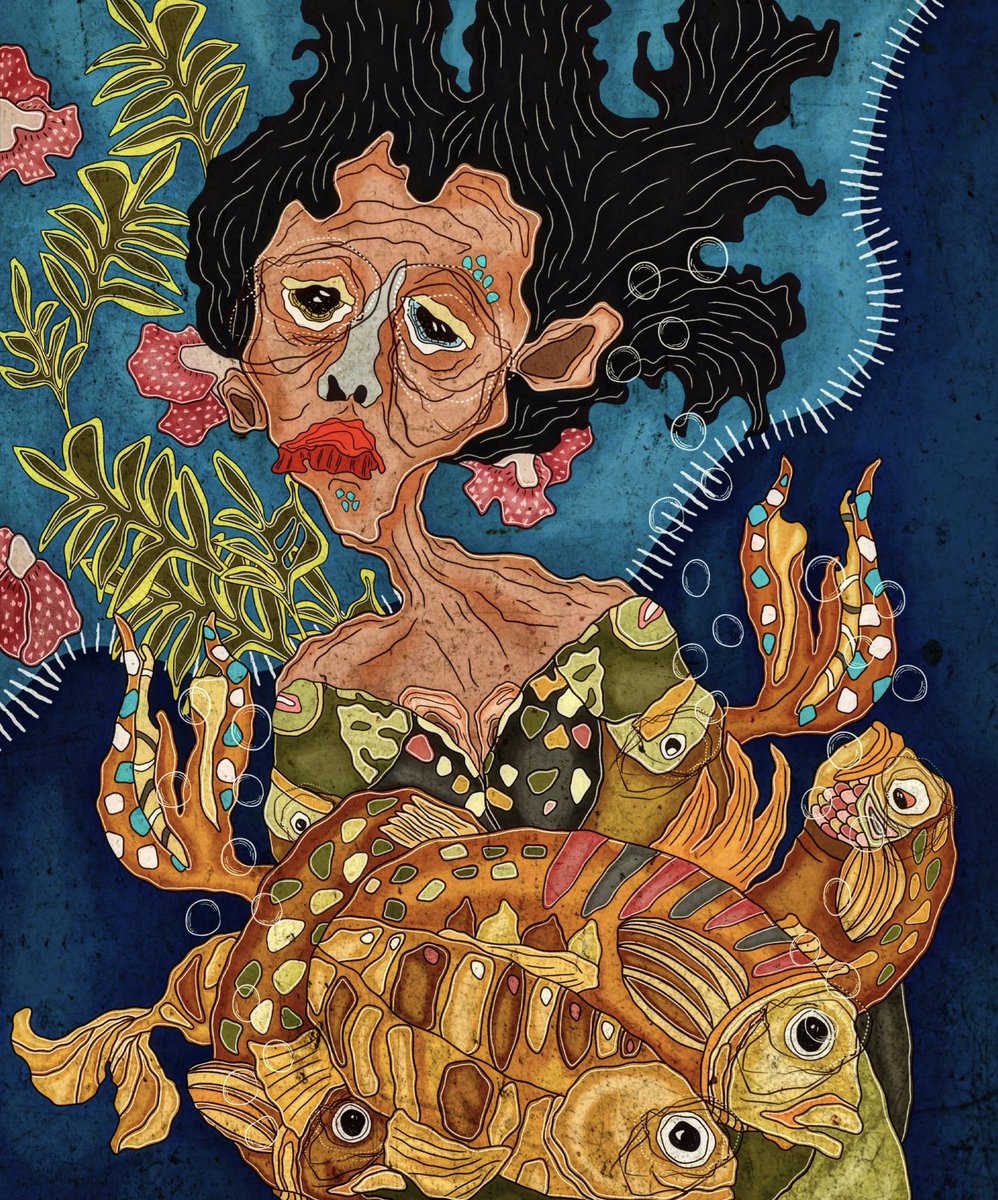
“𝐈 𝐋𝐞𝐭 𝐈𝐭 𝐓𝐚𝐤𝐞 𝐌𝐞”🐠
Reserve: 0.1 Ξ
36
11
87
1,105

TheAnalyst.eth (852.888) retweeted

Feb 26
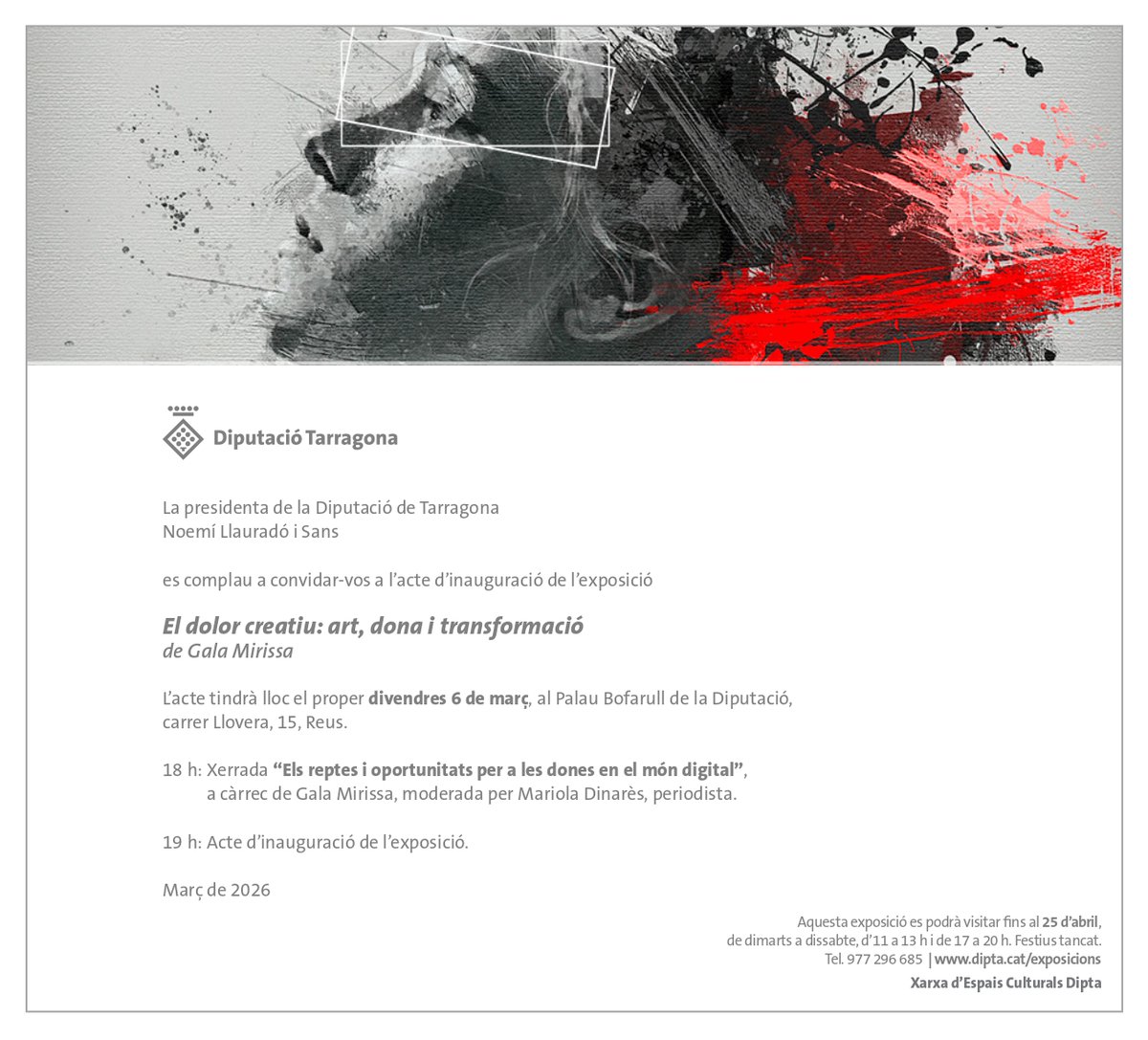
🎨✨ Inauguració d’exposició a Reus!
La presidenta de la @dipta_cat (Diputació de Tarragona) , Noemí Llauradó i Sans, us convida a l’acte d’inauguració de l’exposició.
El dolor creatiu: art, dona i transformació, de Gala Mirissa.
📍 Palau Bofarull – Reus
📅 Divendres 6 de març
🕕 18 h – Xerrada “Els reptes i oportunitats per a les dones en el món digital”, a càrrec de Gala Mirissa, moderada per @HolaMariola
🕖 19 h – Acte d’inauguració EL DOLOR CREATIU: L´ART, DONA I TRANSFORMACIÓ en pantalles digitals.
🖼️ L’exposició es podrà visitar fins al 25 d’abril.
El Dia Internacional de les Dones és una oportunitat per reivindicar la presència femenina en àmbits on històricament ha estat invisibilitzada. L’art digital és actualment un camp emergent que combina creativitat i tecnologia, i Gala Mirissa n’és una figura destacada en l’escenari global.
La seva obra, que explora el dolor i la identitat, connecta amb la temàtica del projecte El Dolor Creatiu i amb la necessitat de donar veu a les emocions en un món hiperconnectat. A càrrec de Gala Mirissa i moderat per la periodista Mariola Dinarès.
Una proposta que connecta art, experiència i transformació.
*Les obres animades han sigut exposades a @EthereumDenver gràcies a @verse_works , NYC, @SuperRare i en Philadephia.
“Absència” viatjarà a @nftcanarias , amb l’excepció de les dues obres físiques creades exclusivament per aquesta exhibició i mai exposades. Us hi esperem!
——
Agraïments a @tinareig / Joan Dalmau / Maria Fe Merchan/ Rosa Comes
——
Dedicat a ma mare i a la Gemma
——
#artdigital #tecnologia #8M
6
3
19
428
TheAnalyst.eth (852.888) retweeted
Feb 24
Hi dear Cozomo and welcome dear @niftymonkee
#ArtTank
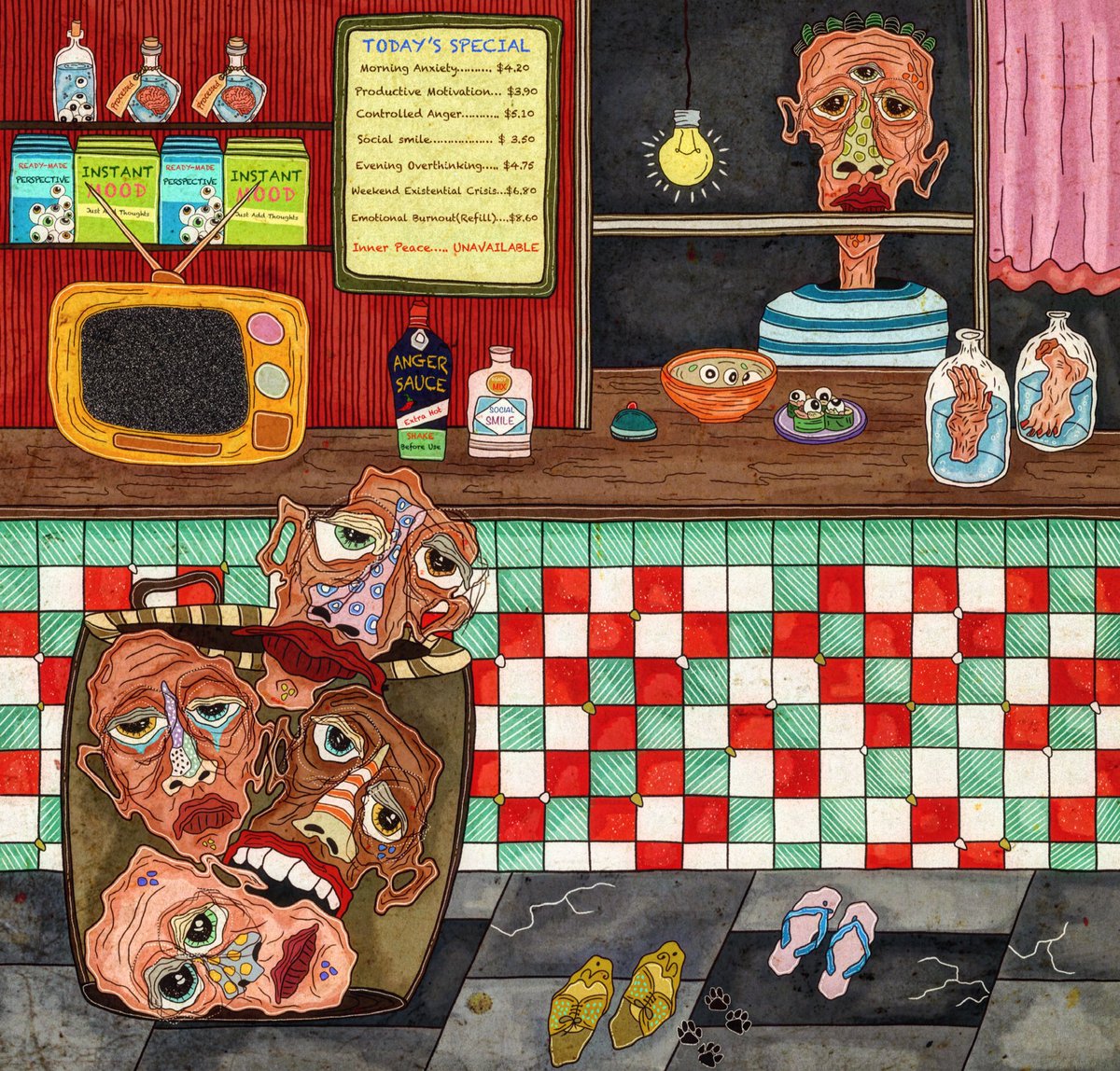
“The Usual Buffet”
Every day comes with a menu.
Some emotions are optional.
Some are sold out.
Some we never asked for.
We still buy them.
Reserve price: 0.1 ETH
manifold.xyz/@ava
1
12
154
TheAnalyst.eth (852.888) retweeted

Feb 23
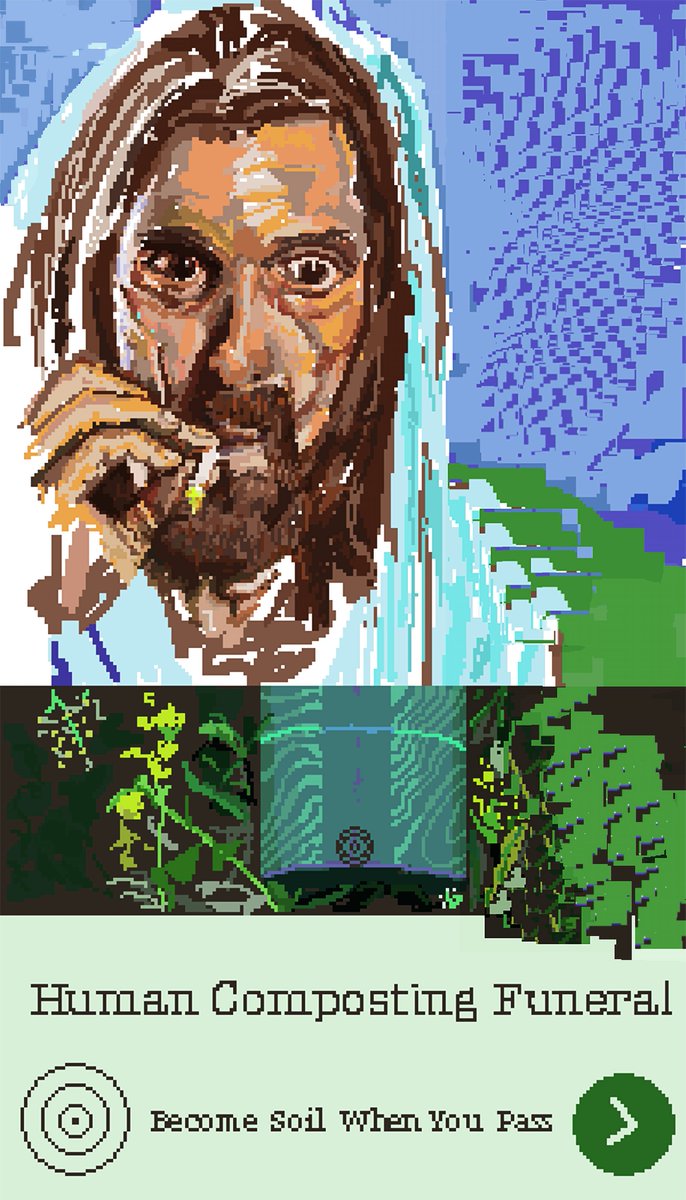
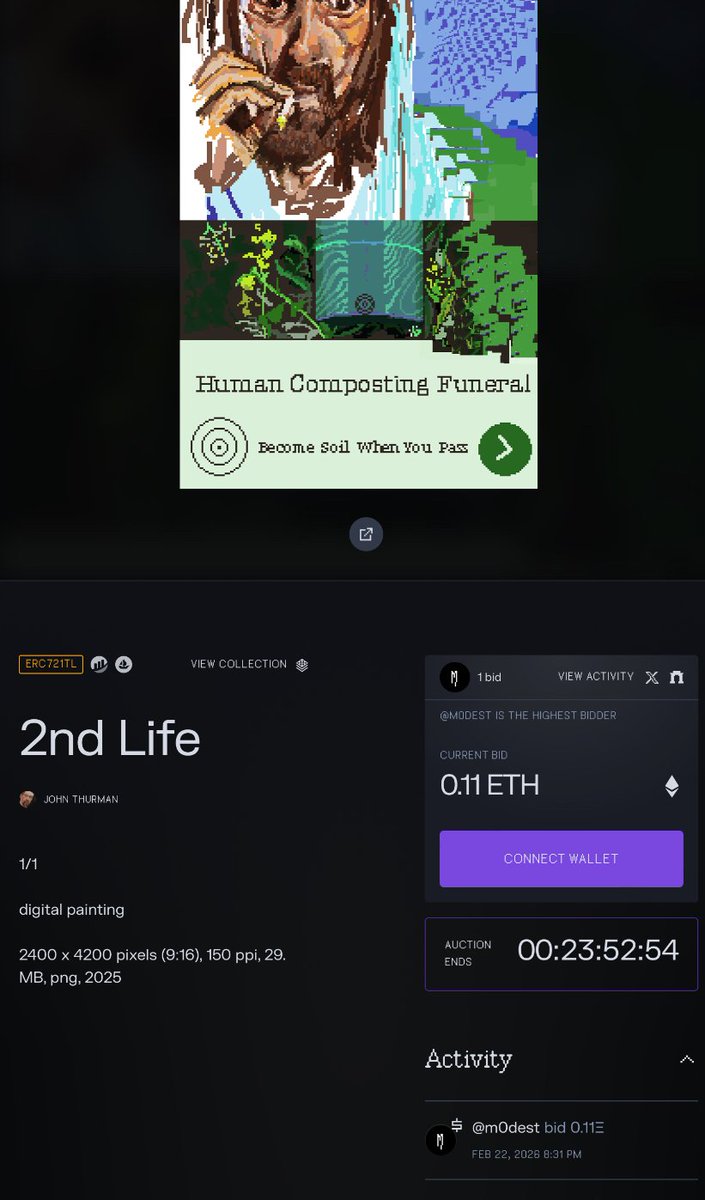
Thank you, thank you @m0dest___ for starting the auction on my meme painting “2nd Life”!
Currently .11 ETH with 23 hours remaining.
🔗👇👇👇
46
16
135
2,253
TheAnalyst.eth (852.888) retweeted

Feb 21
OMG🤯
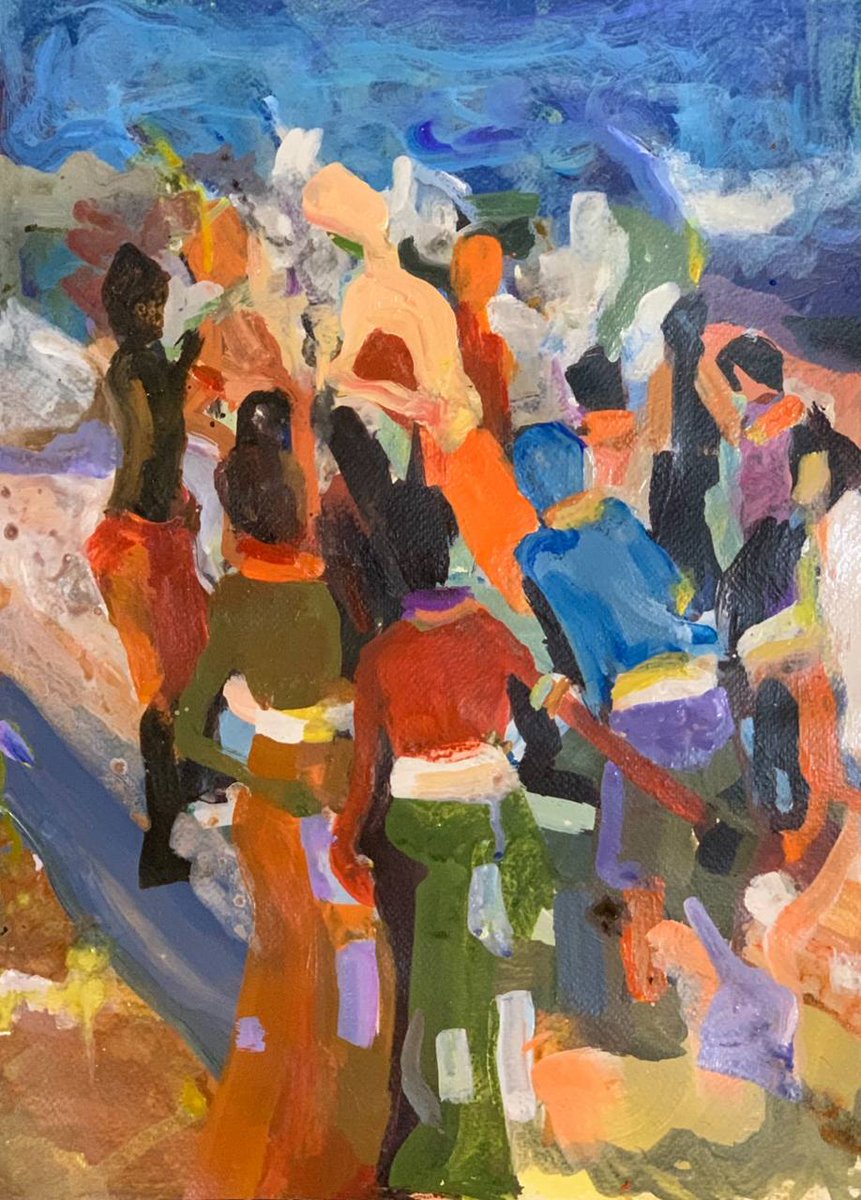
I got a second bid on
𝗪𝗲 𝗖𝗮𝗿𝗿𝘆 𝘁𝗵𝗲 𝗥𝗵𝘆𝘁𝗵𝗺
by dear @willcassidy 🖤
current bid: 0.11 eth
first bid by @moodSlime_ 🖤
6 min left.
Feb 20

OMG
Auction has just started by
amazing @moodSlime_ 🖤
𝗪𝗲 𝗖𝗮𝗿𝗿𝘆 𝘁𝗵𝗲 𝗥𝗵𝘆𝘁𝗵𝗺
current Bid: 0.1 eth
At a loss for words, supper happy for your trust and support Of my art. Thank youuuu so much.
It means the world to me.🫠💙💙🕊️
32
15
94
2,510
TheAnalyst.eth (852.888) retweeted

Feb 19
"Images create conditions for recognition and interpretation... They are records of acts of cognition." Harold Cohen
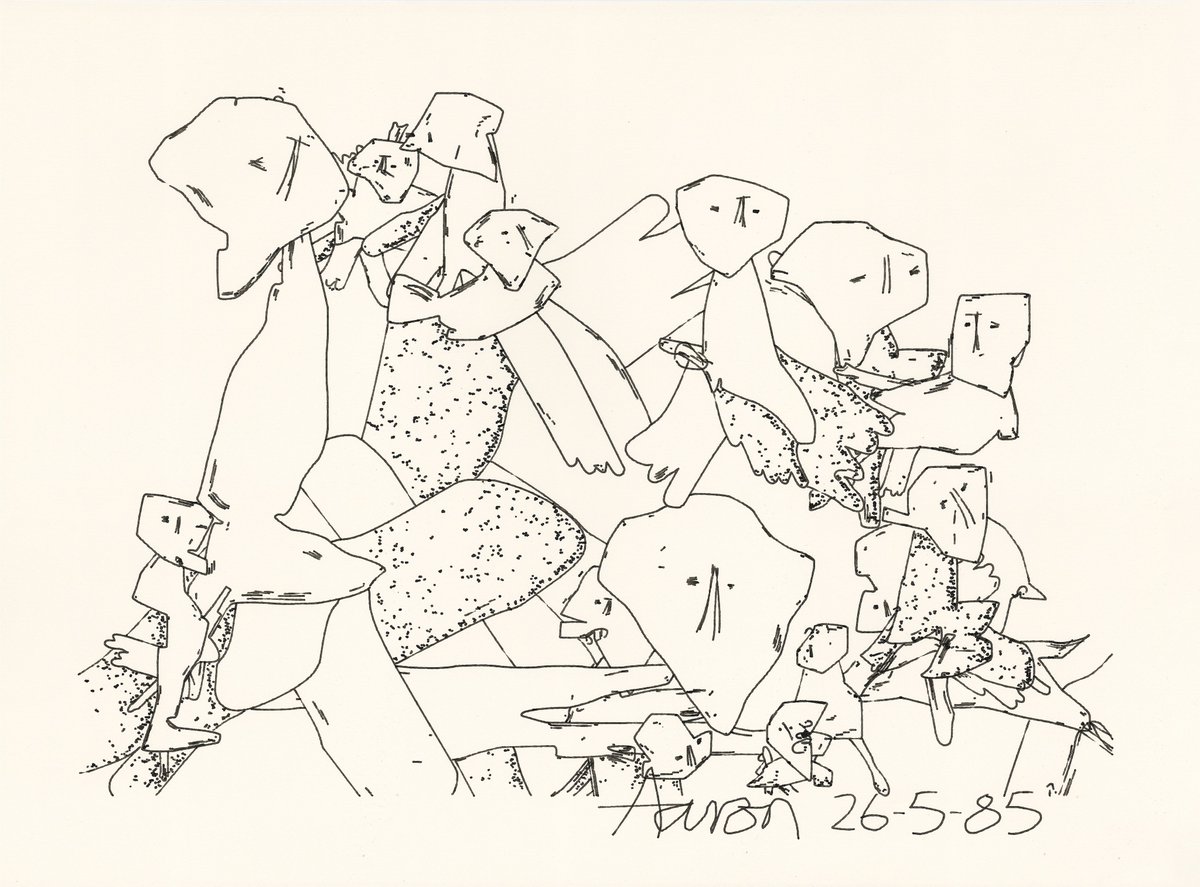
Harold Cohen’s paper from 1979, What is an Image? anticipates later discussions about algorithms and the status of digital images in visual culture. His claim that images are “records of acts of cognition” shifts attention from representation to process, from what an image shows to how it comes into being. In this sense, AARON’s drawings function less as objects than as events. They can be seen as traces of perceptual reasoning enacted through a machine. Cohen concludes that an image refers to some aspect of the world while simultaneously referring to the cognitive act that produced it. This understanding situates image-making as a reflective activity: not the reproduction of appearances, but the construction of ways of seeing and knowing.
Cohen’s work complicates the opposition between human creativity and technological mediation. AARON does not replace artistic agency; it reveals how structured, rule-based processes underpin all acts of image-making. His use of randomness illustrates this point. Randomness is not introduced to produce surprise but to sustain engagement. This in turn, makes each decision contingent and responsive rather than predetermined. The resulting drawings, though made by a machine, evoke the rhythms of human gesture and attention, suggesting that meaning can emerge from structured interaction rather than from conscious intention alone.
Cohen’s main argument centers on the idea that images do not carry meaning because of what they depict but because of how they organize perception. Meaning arises through what he calls “image-mediated transactions,” the reciprocal relationship between viewer and image. Rather than transmitting fixed messages, images create conditions for recognition and interpretation. Against the notion that photography defines the “normal” form of visual representation, Cohen reasserts drawing as a mode of cognition in which marks gain significance through their internal relationships. In this view, the image is not a representation of the world, but a record of the mental process that recognizes it.
AARON at Tsukuba, #4 26-5-85, 1985
3
8
47
1,588
Everyone needs a @0xdiid in their collection.
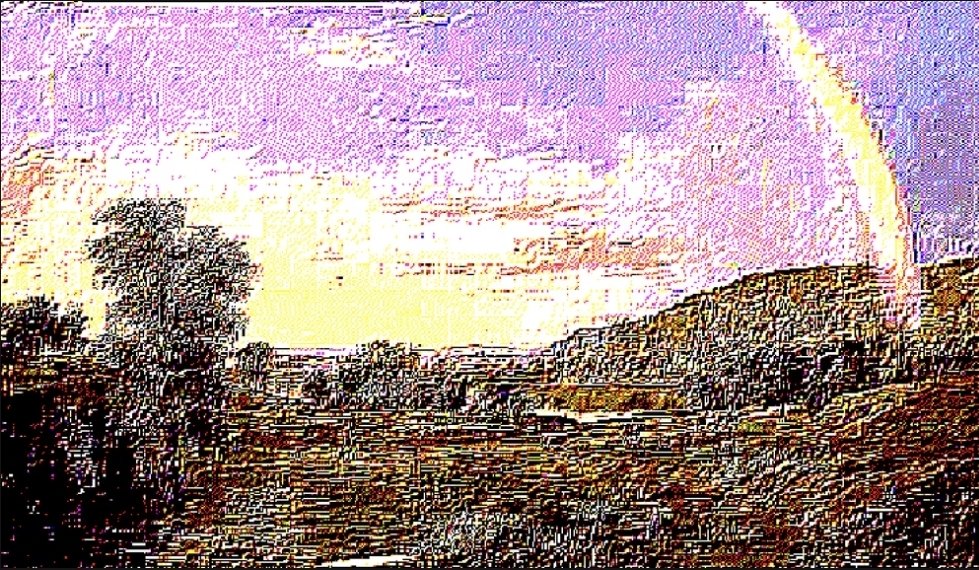
The Challenge Ahead, a modified work of Robert S Duncanson, painted in America but reminds me of Australia, and the beacon of hope should speak to you wherever you're from.
23
7
87
1,040
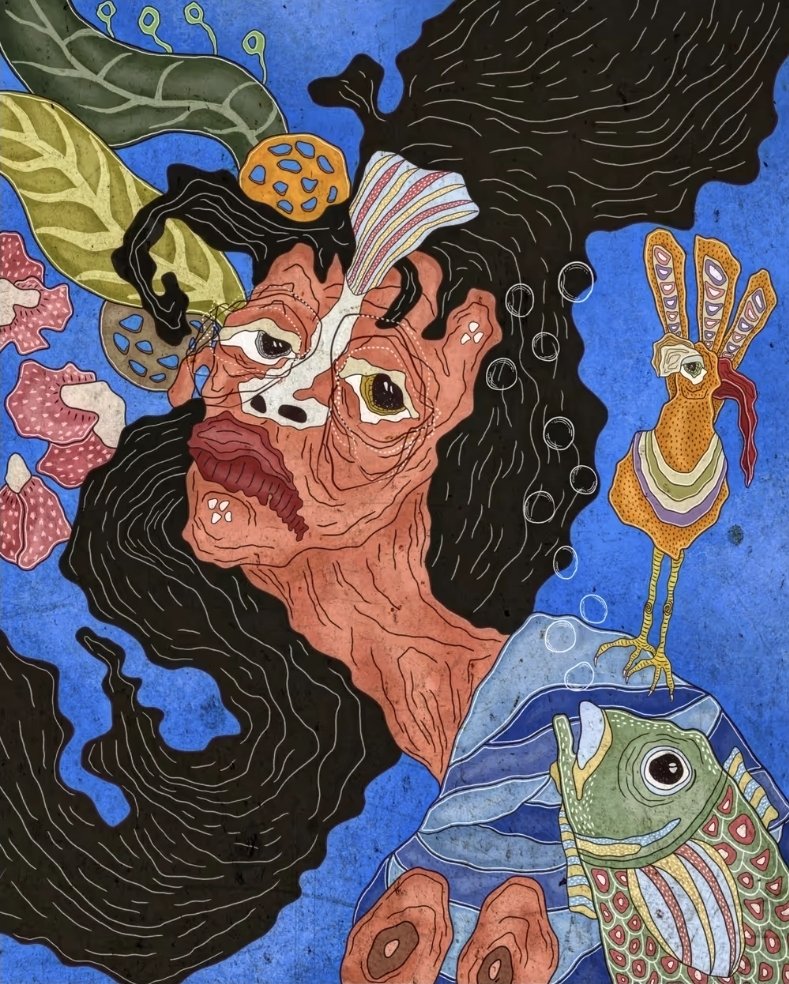
Happy to have collected these artworks by @John_Thurman_1 & @avaaaaart today, check out their other available works of you get a chance.
40
8
116
1,519
TheAnalyst.eth (852.888) retweeted
Jan 15
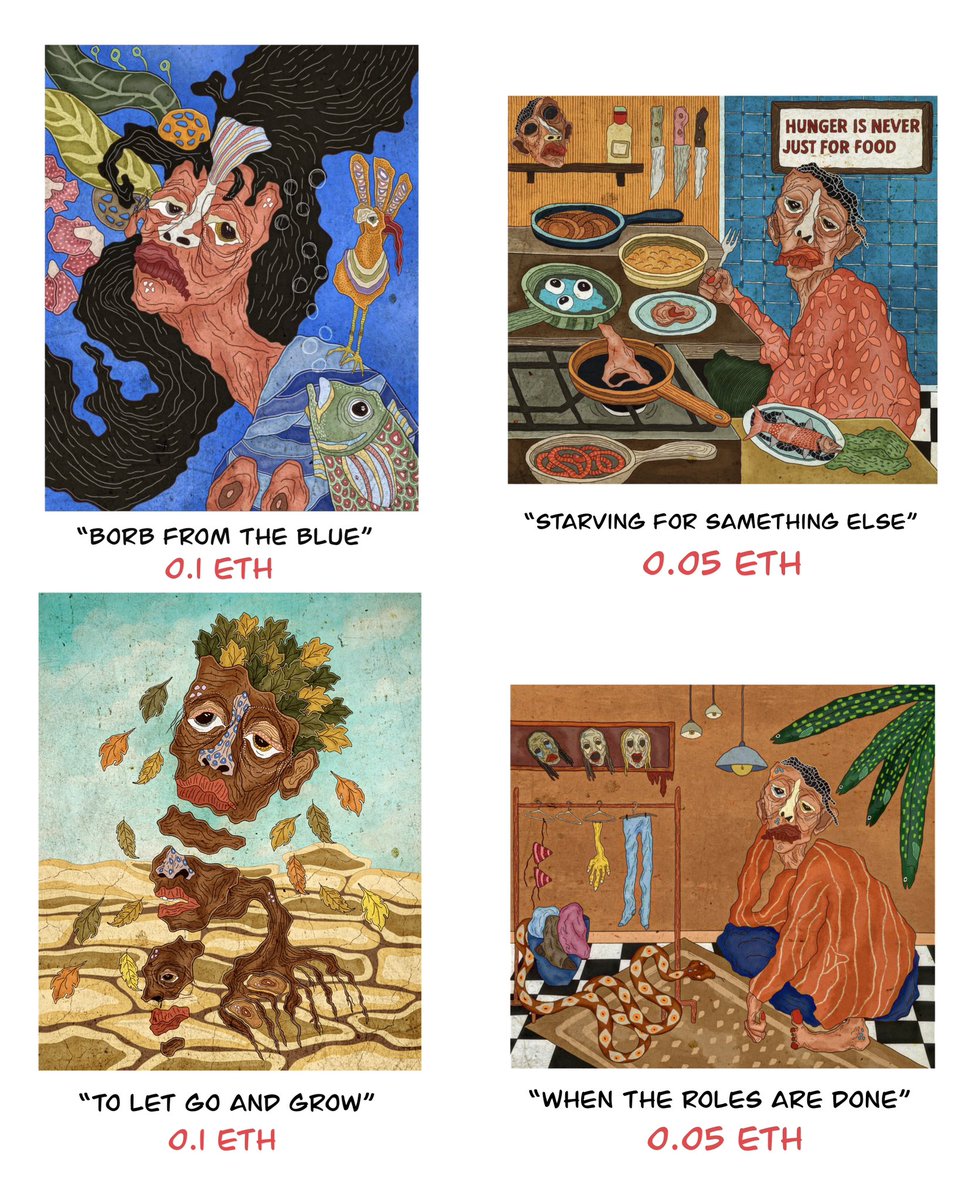
GM everyone!💚
I’ve moved all my available works from FND to my own 𝐌𝐚𝐧𝐢𝐟𝐨𝐥𝐝 𝐬𝐦𝐚𝐫𝐭 𝐜𝐨𝐧𝐭𝐫𝐚𝐜𝐭.
If any piece resonates with you, your support with a bid means a lot.🙏🏻✨
42
32
126
5,633
TheAnalyst.eth (852.888) retweeted

Feb 5
HabiTextures: An Archive of Lived Moments
A new collection of 30 1/1s by @RichardNadler1
NOW LIVE on SuperRare ↓
12
12
95
10,651
And of course the CEX I use to onboard has a 24 hour hold which means I can't even test it out!
11
155