
Cyber Incident Response Director at @PwC_UK | Tweets about cyber security, ransomware, and identity-based attacks | Opinions my own
Joined January 2015
- Tweets 402
- Following 908
- Followers 438
- Likes 2,357
18 Photos and videos

Will Oram retweeted

11 Nov 2025
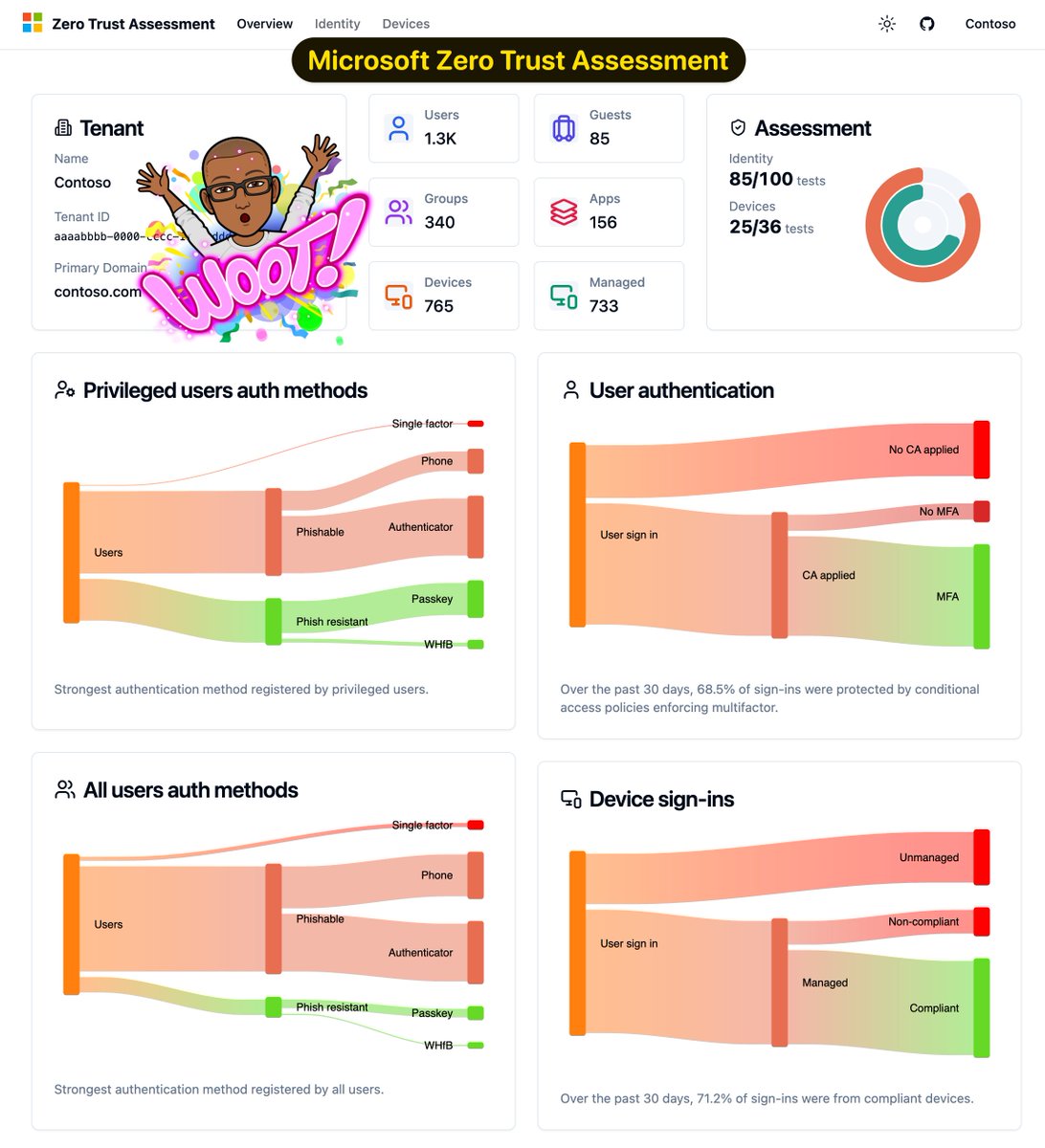
👋 Folks, I'm super excited to announce the launch of the Microsoft Zero Trust Assessment!
I've been working on this project for the past year at Microsoft with an extended team including our security researchers, product feature teams and docs
Here's what it does
🧵👇
35
167
789
57,714
Will Oram retweeted

28 May 2025
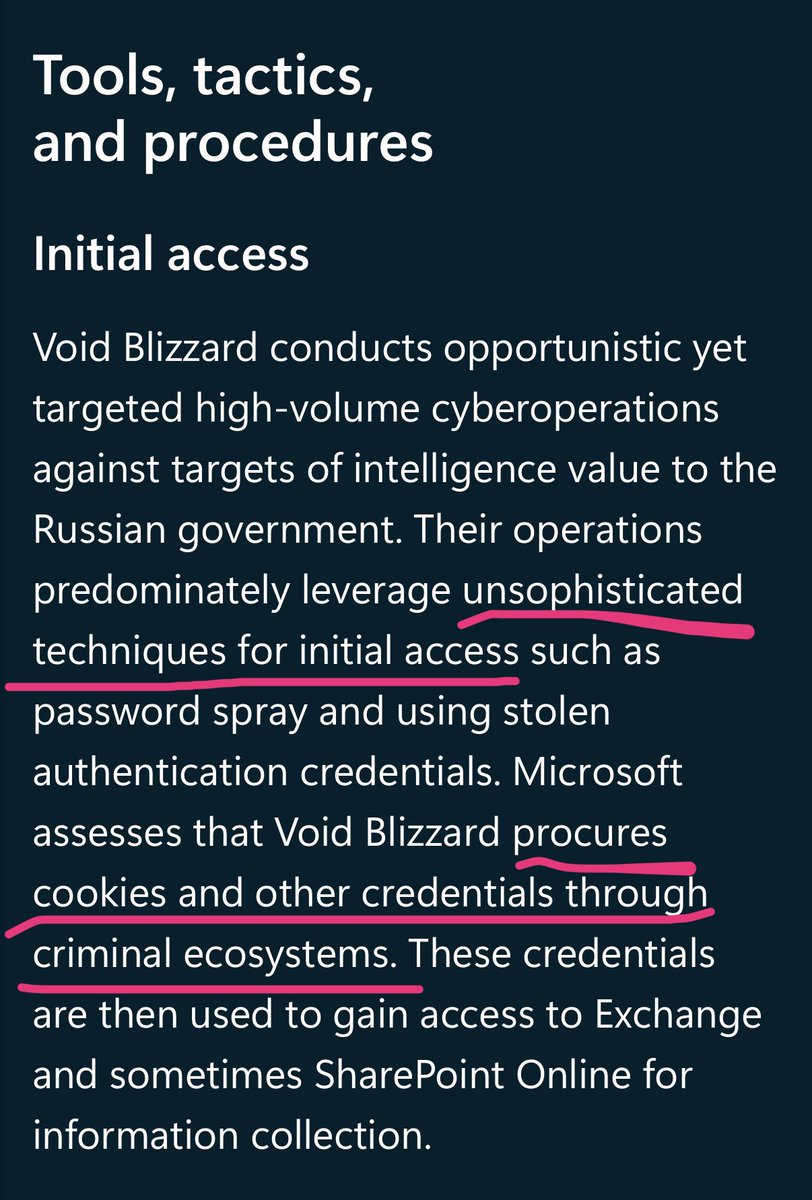
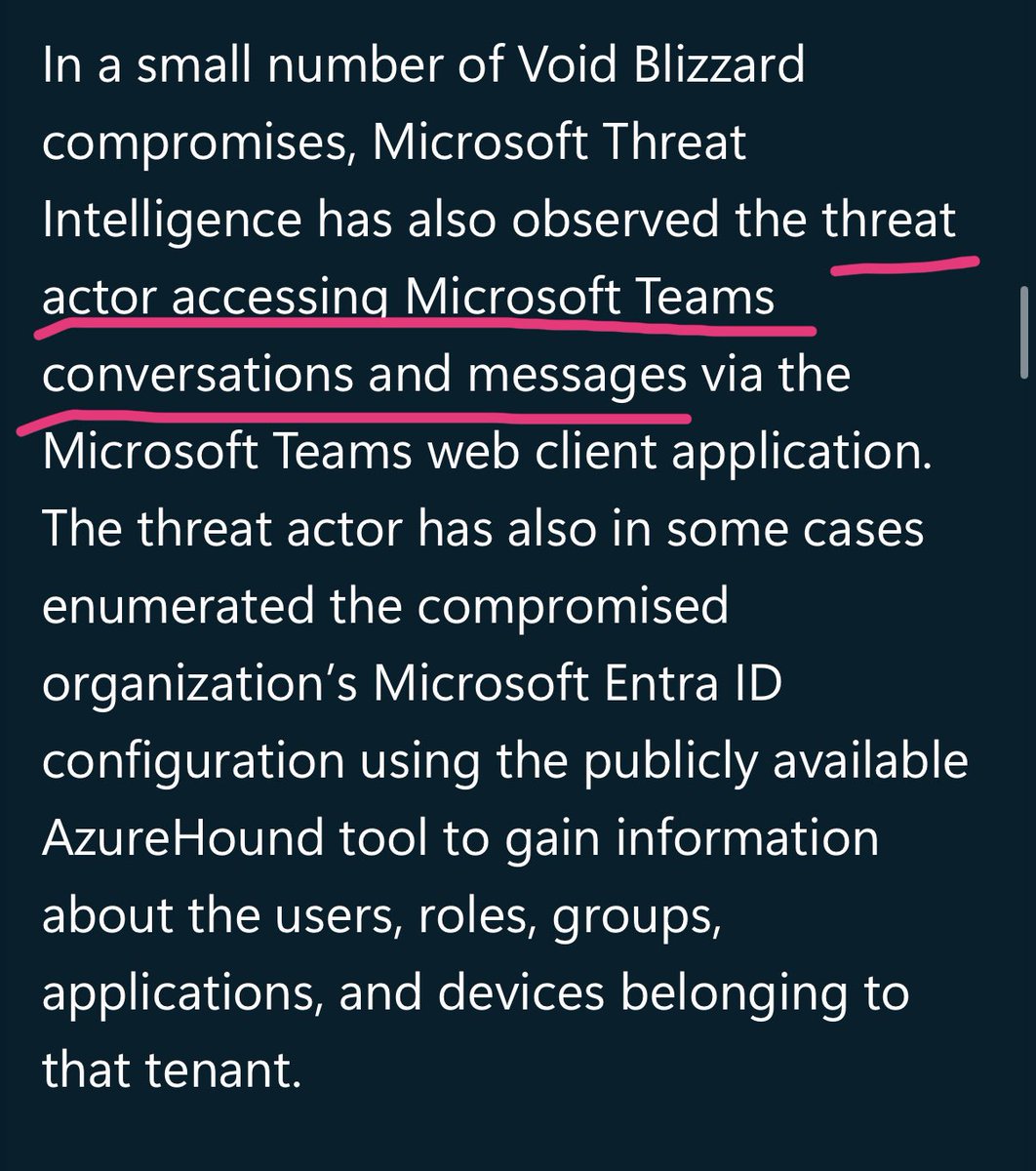
Reading Microsoft’s new Void Blizzard report, one thing stands out (again): Everything is about credential theft, phishing, and tokens. Initial access comes from buying or stealing creds - often through low-effort phishing. All the real action happens in the cloud, not on endpoints.
Gone are the days of multi-stage attacks where you’d see lateral movement, privilege escalation, or fancy malware on file servers. Now it’s just: steal creds, log in to cloud, exfiltrate data, repeat. Detection? Only possible if you have access to expensive cloud logs. No logs, no chance.
The perimeter has shifted from endpoints to identity. The detection surface shrank from your whole network down to some logs you might get from your cloud provider if you pay extra. Honestly, not sure if that’s “progress” or just shifting the visibility problem somewhere else.
27 May 2025

Microsoft has discovered worldwide cloud abuse activity by new Russia-affiliated threat actor Void Blizzard (LAUNDRY BEAR), whose cyberespionage activity targets gov't, defense, transportation, media, NGO, and healthcare in Europe and North America. msft.it/6011S9JpN
21
143
624
88,180
Will Oram retweeted

23 Apr 2025
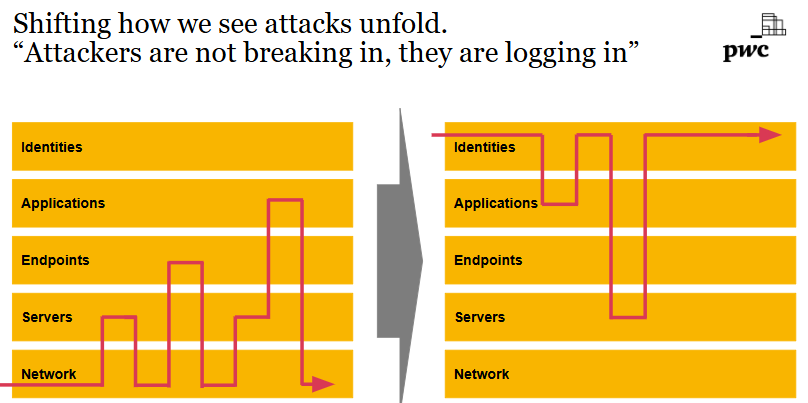
This is a great summary. We (and by we I mean mostly @willoram) have been using variants of this diagram to describe the inversion of attack paths to identity-based intrusions - a major trend in our incident response cases over the past year.
23 Apr 2025

In the past, you had to:
phish a user, drop malware, escalate privileges, pivot to servers, evade EDR, dump creds, move laterally, exfiltrate quietly, clean up, leave a backdoor.
Today, you just:
phish a user, steal an OAuth token, access everything from anywhere.
Cloud breaches aren’t hacks. They’re logins.
3
33
132
16,179
Will Oram retweeted
23 Apr 2025
In the past, you had to:
phish a user, drop malware, escalate privileges, pivot to servers, evade EDR, dump creds, move laterally, exfiltrate quietly, clean up, leave a backdoor.
Today, you just:
phish a user, steal an OAuth token, access everything from anywhere.
Cloud breaches aren’t hacks. They’re logins.
23 Apr 2025
We’re seeing a clear trend: attackers are bypassing the endpoint entirely. Not just avoiding traditional EDR-monitored systems by pivoting to embedded and edge devices, but now also operating purely in the cloud. No shell, no malware, no persistence on the endpoint. Just an OAuth token and full access to whatever’s in the victim’s Microsoft 365, Google Workspace, or AWS console.
It’s a complete inversion of how things used to be. The endpoint, once the weakest link, is now usually the most monitored, most policy-enforced part of the infrastructure. You’ve got EDRs, SIEM integration, automation, threat hunting - the full stack. But attackers don’t need to touch it anymore.
Instead, they go after the new soft spots:
- Cloud platforms, where logging is limited, expensive, or off by default
- Network devices and appliances, which are practically blind spots - obscure OSes, no EDRs, hard to monitor, hard to forensicate.
- Embedded systems and IoT junk that no one really knows how to secure, but that sit in critical network paths.
Cloud especially is a mess:
- Logging tiers cost extra and the good stuff is behind paywalls.
- Detection content is lacking, both from vendors and the community.
- You don’t get memory dumps or full control like you do on endpoints.
- You’re at the mercy of the provider when it comes to visibility and response.
And that’s the shift: attackers aren’t hacking computers anymore. They’re hacking trust relationships, identities, and APIs. The whole idea of detection and response needs to evolve with that. Otherwise, we’re securing the hell out of endpoints while attackers happily fish through mailboxes and cloud shares from halfway across the planet.
25
172
759
79,462
Will Oram retweeted

24 Jun 2024
Credential and token theft are impacting nearly every organization. In this video I look at what we can do to try and protect against these threats.
youtu.be/toytJf1rmV4
00:00 - Introduction
00:49 - Credential protection
05:46 - Authentication strengths
07:32 - Protection for strong authentication method registration
08:54 - Additional protections
11:56 - Shift to token theft
12:19 - Tokens we get
13:24 - Secrets on the machine
15:45 - Primary Refresh Token
17:42 - Session Key
19:21 - Refresh and Access Tokens
21:51 - Token theft
24:02 - Protections
24:22 - Entra Internet Access
26:13 - Machine management
29:21 - Token binding
32:20 - Proof of Possession
37:50 - Token brokers and MSAL
39:41 - Requiring token binding
41:59 - Demonstrated Proof of Possession standard
45:13 - Detection
45:42 - Continuous Access Evaluation
46:39 - Identity Protection
48:16 - Summary
51:35 - Close
#security #identity #entraid #microsoft #oidc #oauth2 #microsoftdefender #azure #cloud #entra
44
169
13,524
Will Oram retweeted

20 Jun 2024
Microsoft Incident Response provides a response playbook to empower defenders in tackling the challenges posed by Octo Tempest and evicting the threat actor from cloud and on-premises environments: msft.it/6016Y2DQu
1
94
227
36,457
Will Oram retweeted

19 Jun 2024
It's mind blowing that such a highly privileged role hides who is assigned it in the portal by default 🤯
Great article... now I've even more things to monitor :)
3 Jun 2024

"Directory Synchronization Accounts" Entra role is very powerful (allowing privilege escalation to Global Admin role) while being hidden in Azure portal / Entra admin center ( poorly documented) making it a stealthy backdoor for persistence in Entra ID 🙈
medium.com/tenable-techblog/…
3
10
34
17,814
Will Oram retweeted

18 Jun 2024
The cost to run a company that has all the right cyber security tools and staff is absolutely obscene. It’s hard to describe the numbers I’ve seen. Even saying this is a gray area. But it is incredible headcount and spend. Non-keystone companies have no chance in normal paradigm.
36
65
793
107,129
Will Oram retweeted

29 Apr 2024
For almost a year, invisible password spraying could be performed against any #Azure tenant due to a vulnerability in #MicrosoftGraph. In our latest blog, @nyxgeek walks us through how these attacks could have been carried out. Read it now! hubs.la/Q02vpTlN0
3
144
316
91,770
Will Oram retweeted

26 Apr 2024
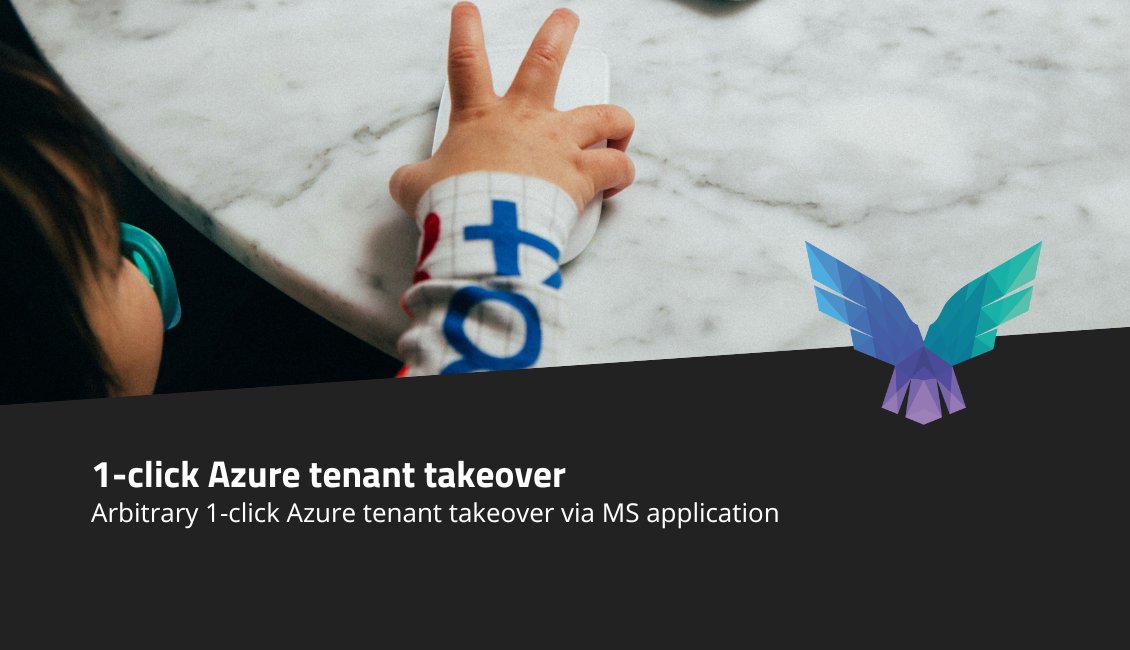
We are proud to finally share some great research by Arnau Ortega on a 1-click #Azure tenant takeover attack. You can read all about it in our latest blog post. It explains how we could take over any Azure tenant; just by clicking one legitimate link 😨
falconforce.nl/arbitrary-1-c…
3
59
133
28,979

We’re delighted to announce that Richard Horne has been appointed as the NCSC’s new CEO and will take over in the autumn. Richard will join us from PwC UK, where he currently chairs the Cyber Security Practice.
More details here ⬇️
ncsc.gov.uk/news/ncsc-annouc…
8
26
82
57,370
Will Oram retweeted

5 Dec 2023
We are often engaged with organizations that have lost complete control of their Microsoft Entra ID tenant, I wrote a comprehensive blog post on lessons learned from real world engagements to try to help reduce the risk of the same happening to you microsoft.com/en-us/security…
11
159
517
70,707
Will Oram retweeted
25 Oct 2023
The financially motivated threat actor tracked by Microsoft as Octo Tempest, whose evolving campaigns leverage tradecraft not seen in typical threat models, represents a growing concern for organizations. Get TTPs and protection info: msft.it/60129Lhkw
3
151
297
140,677
Will Oram retweeted
24 Oct 2023
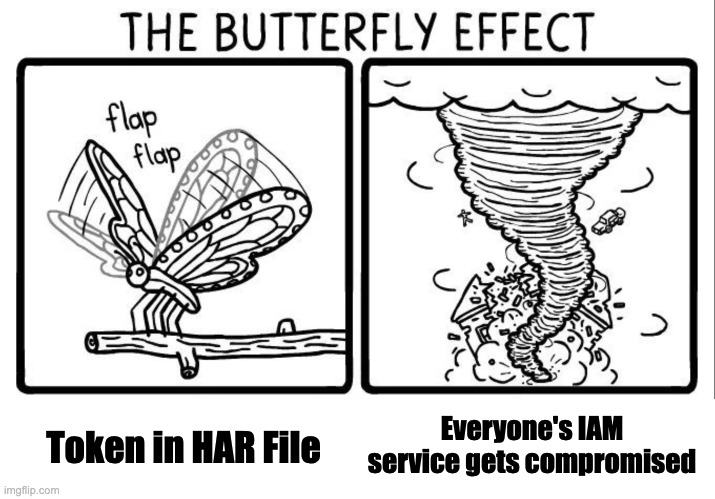
I love this brave new world where a single leaked or stolen token can significantly impact cloud service providers, their customers, and even their customers' clients
#Okta #TokenBinding #DuckingTokens
12
94
383
44,871
Will Oram retweeted
10 Oct 2023
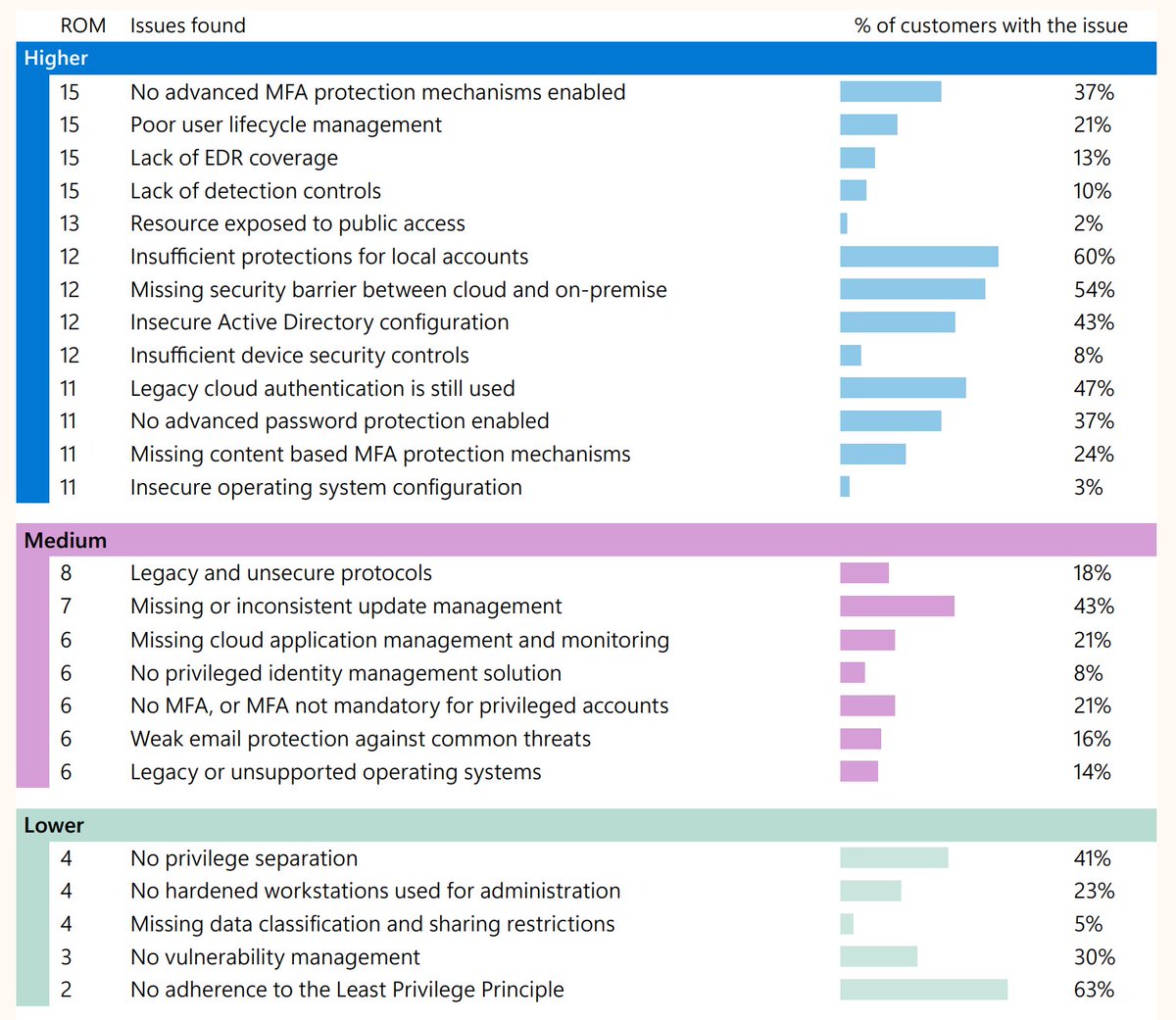
If you need some help tracking down resources, links, blog posts etc to help address these issues, should you have them in environments you own or manage, I put together a list of the resources I usually share with customers during engagements - github.com/reprise99/mddrgui…
9 Oct 2023

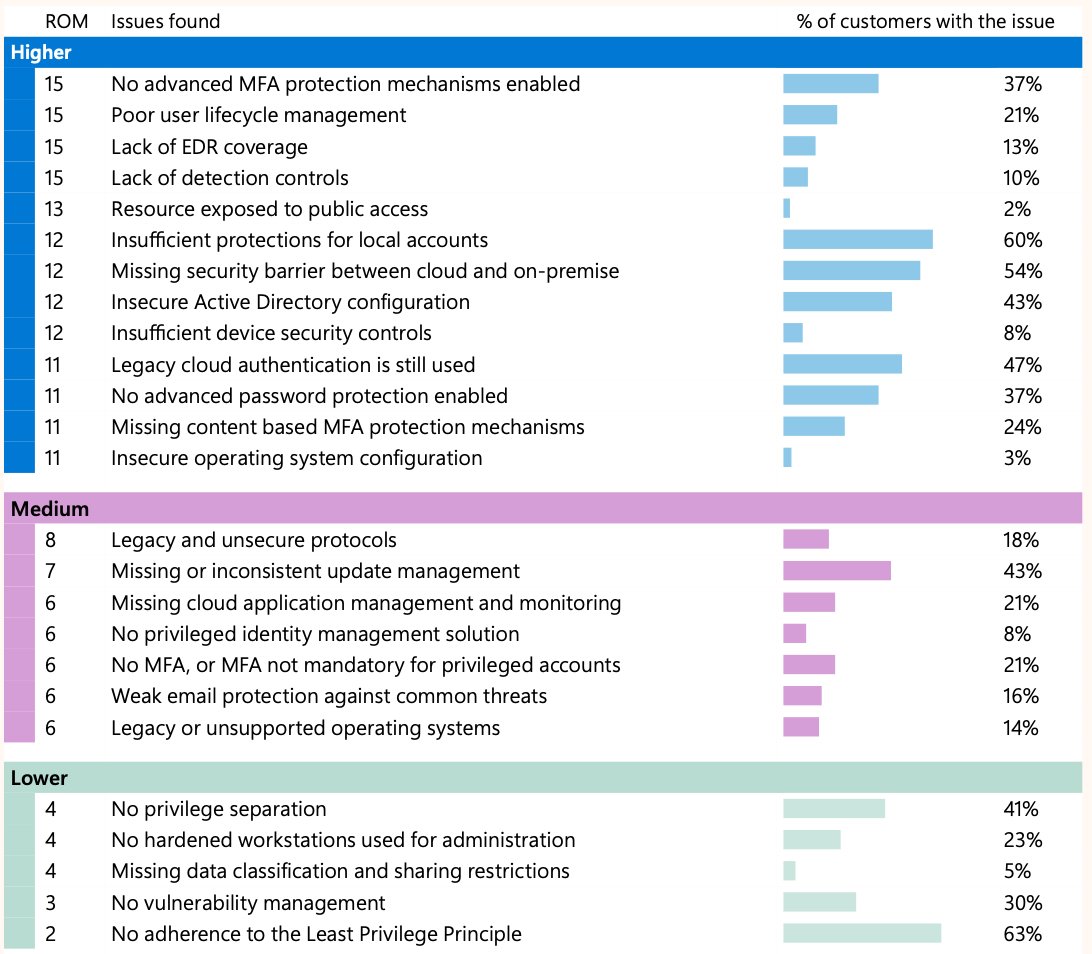
This table in the Microsoft Digital Defense Report is always fascinating, these stats are taken from DART engagements and other IR teams, it shows the common issues seen across our customers. Brilliance in the basics isn't easy, but worth it. Full report - aka.ms/mddr
1
40
158
28,466
Will Oram retweeted

6 Oct 2023
Looks like a good time for a thread on token theft :)
Not all MFA is of the same quality, and anything using OTP (SMS, hardware/software tokens) or Push (MS Authenticator, Duo, etc.) is susceptible to AITM attacks
That doesn't mean it's useless, but it's becoming less useful
6 Oct 2023

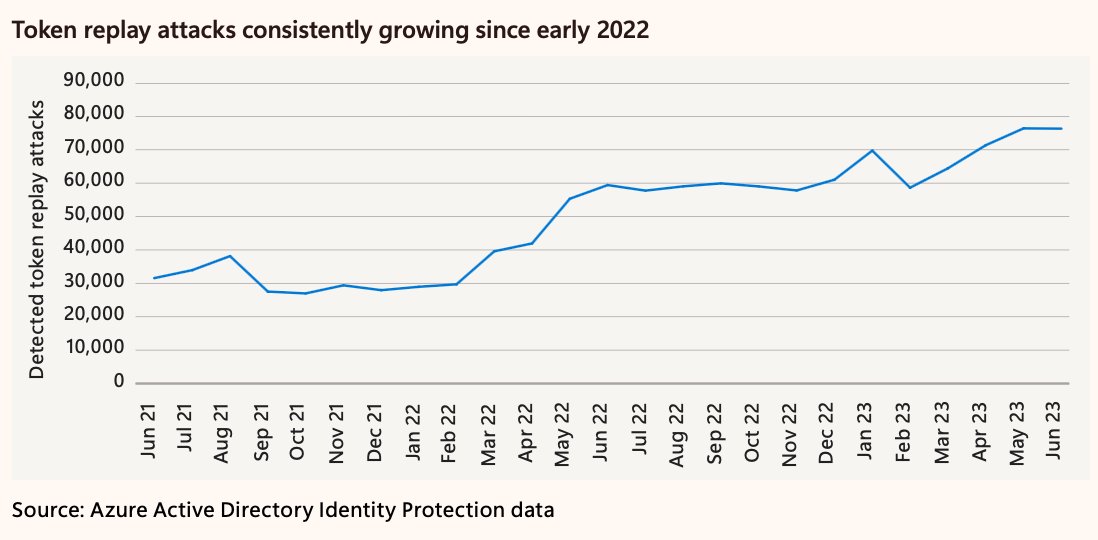
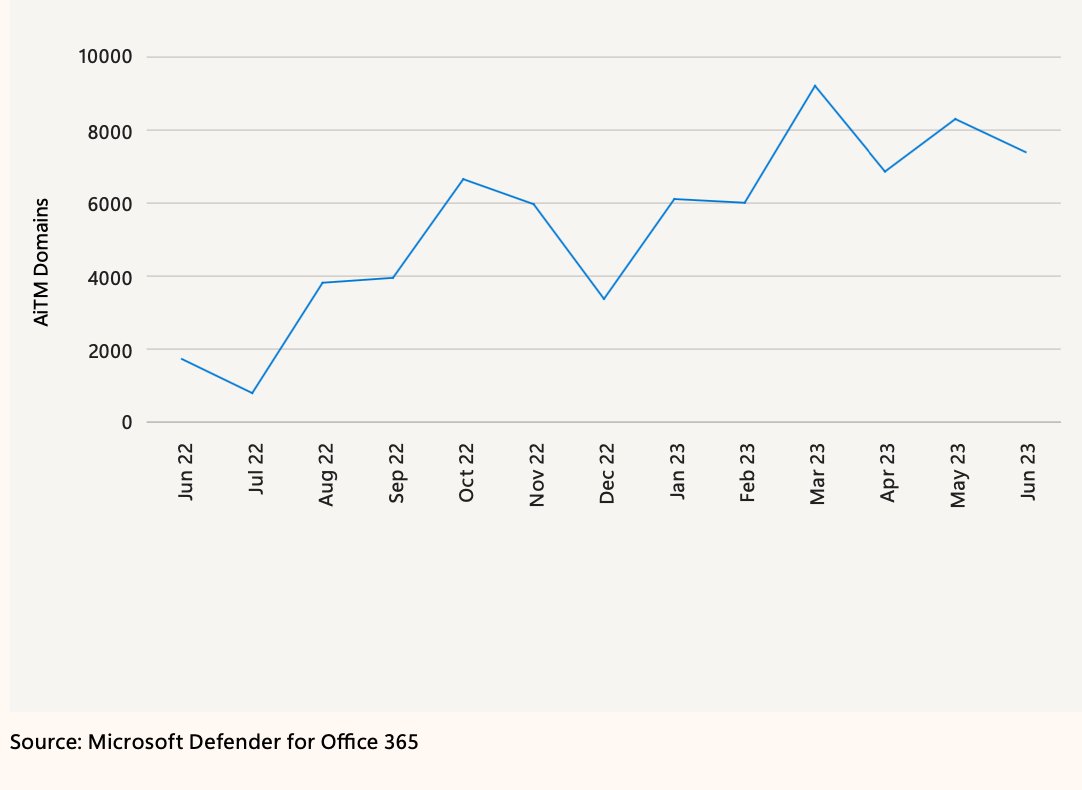
Great insights from Microsoft Digital Defense Report 2023.
aka.ms/MDDR
Major Increase in AITM domains, which also roughly translates to increase in token theft attacks
2022->2023 ~1500-2000 to~7000-9000
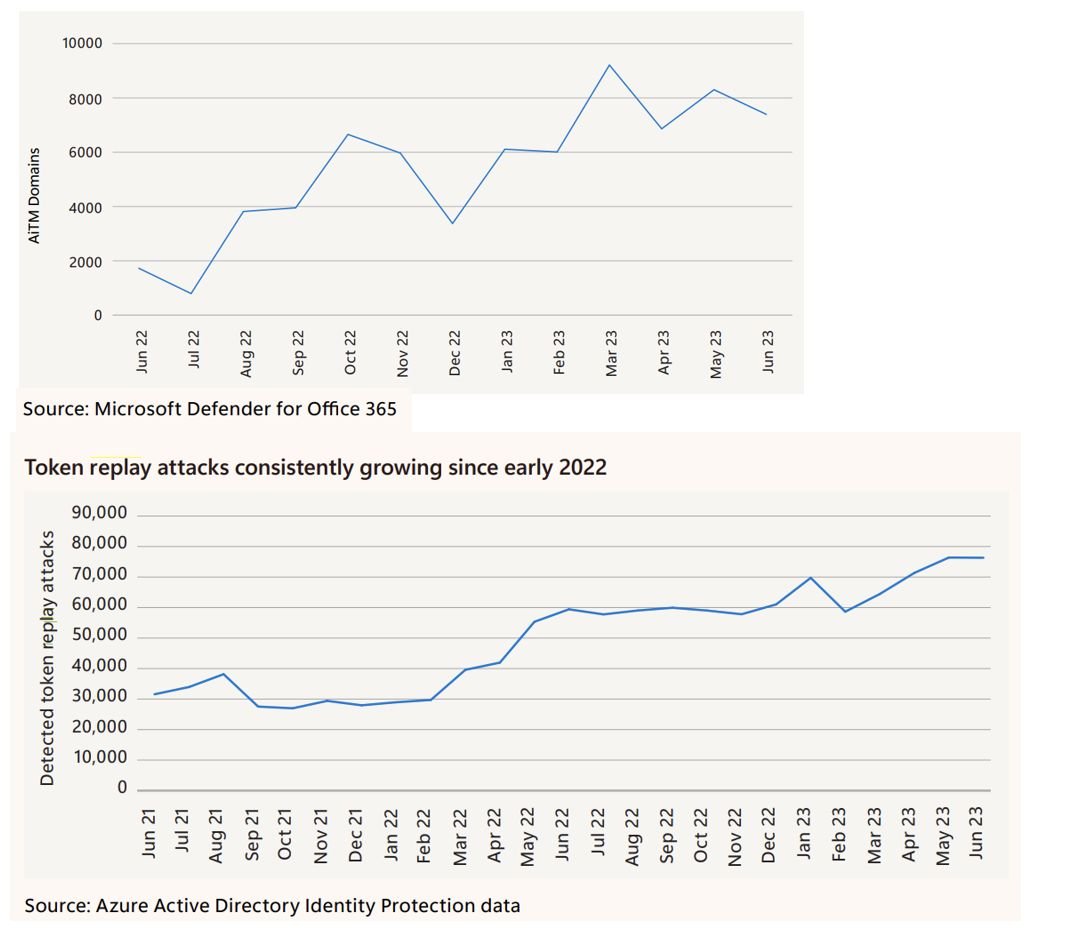
4
53
197
71,500
Will Oram retweeted

6 Oct 2023
I can only strongly recommend to read #Microsoft Digital Defense Report 2023. It includes also many interesting insights and statistics on identity attacks. For example, methodology and overview of "return on mitigation" scoring. (1/2)
microsoft.com/en-us/security…
1
53
193
26,113
Will Oram retweeted

5 Oct 2023
Conditional Access – Common Microsoft 365 Security Mistakes Series campbell.scot/conditional-ac…
#MicrosoftEntra #MicrosoftSecurity #Cybersecurity #Azure #AzureAD #Identity #CloudSecurity
12
82
8,224
Will Oram retweeted

4 Oct 2023
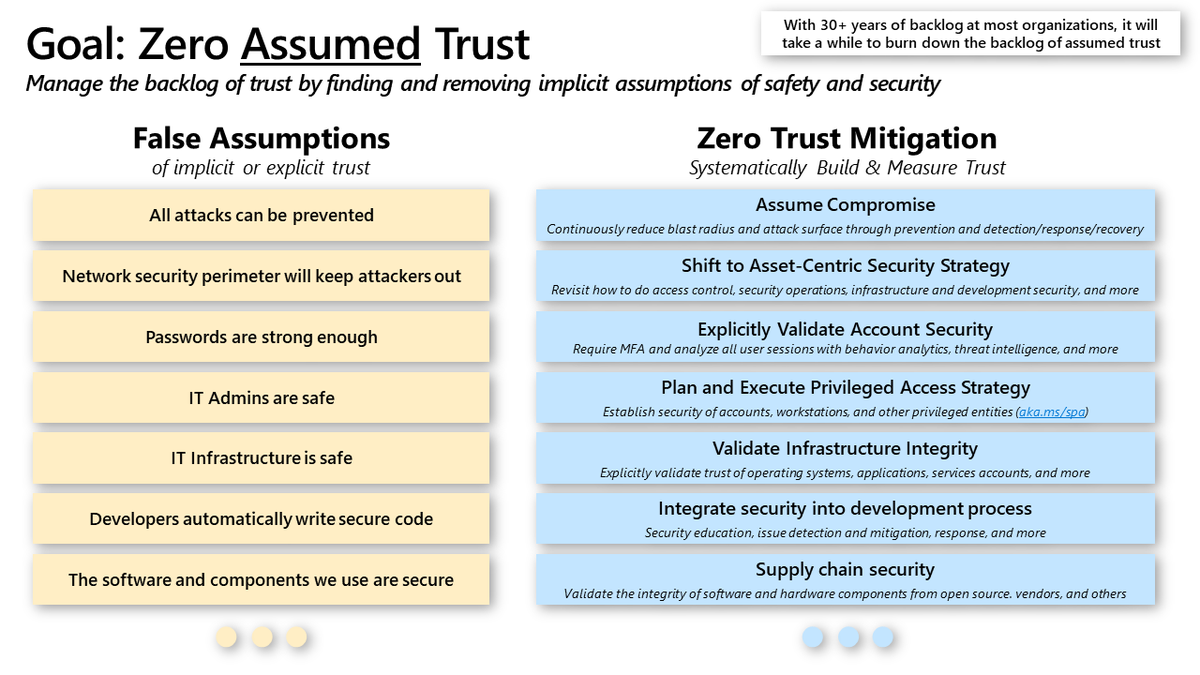
A Zero Trust initiative is effectively working through a backlog of false assumptions of trust (trust debt).
Prioritization is critical for most organizations as they have 30 years of IT decisions made when security wasn't considered/understood/prioritized/etc.
1
27
103
10,585
Will Oram retweeted

20 Sep 2023
Beware of LUCR-3! 🚨 Threat actor that overlaps with Scattered Spider, Oktapus, UNC3944, & STORM-0875, they exploit IDPs for initial access & aim to steal IP for extortion. They use victims' tools and evade detection with expertise. @permisosecurity
permiso.io/blog/lucr-3-scatt…
2
68
149
86,800