
Joined September 2009
- Tweets 97,928
- Following 825
- Followers 214
- Likes 67,188
698 Photos and videos
Pinned Tweet

4 Oct 2024
@GM_CRly
@IR_CRB
@RailMinIndia
@narendramodi
@PMOIndia
@MMRDAOfficial
@MrvcLtd
Modi Sir
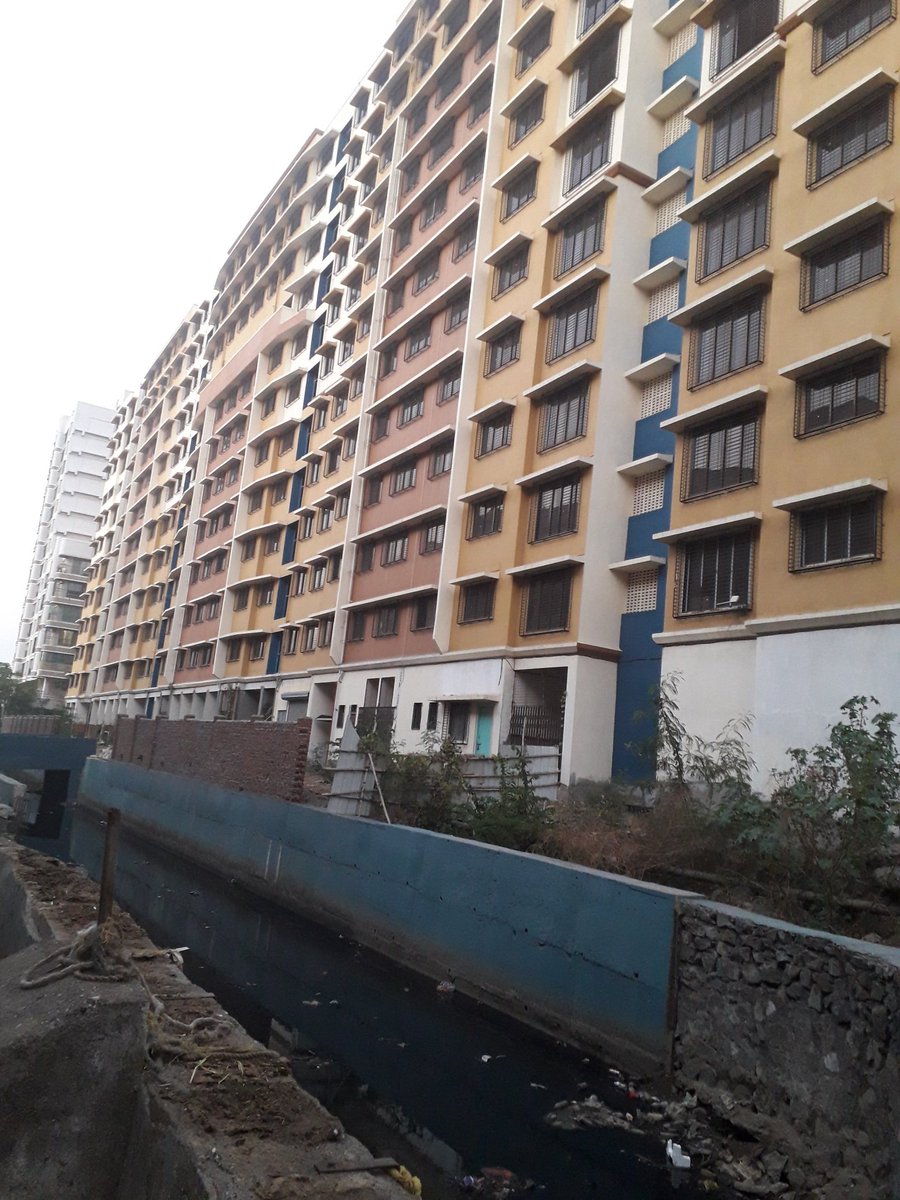
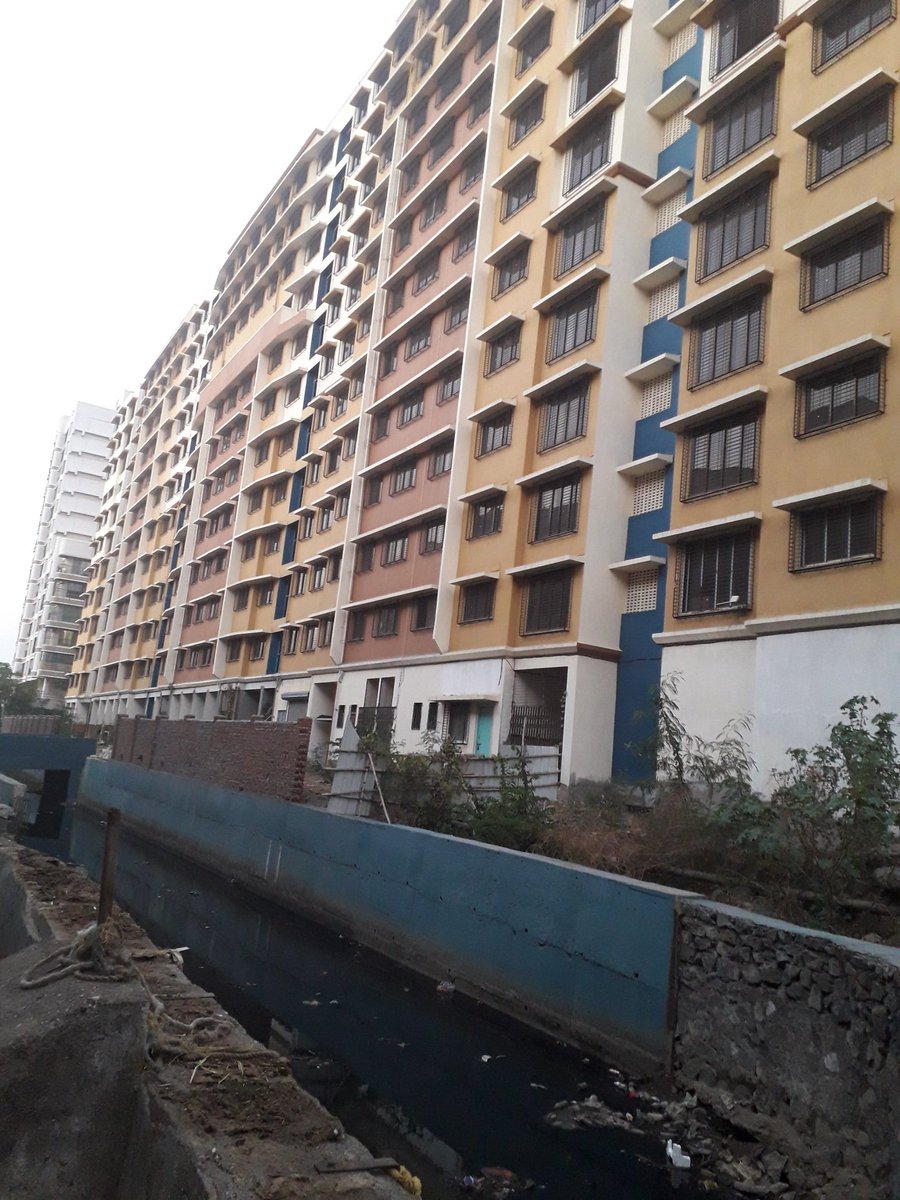
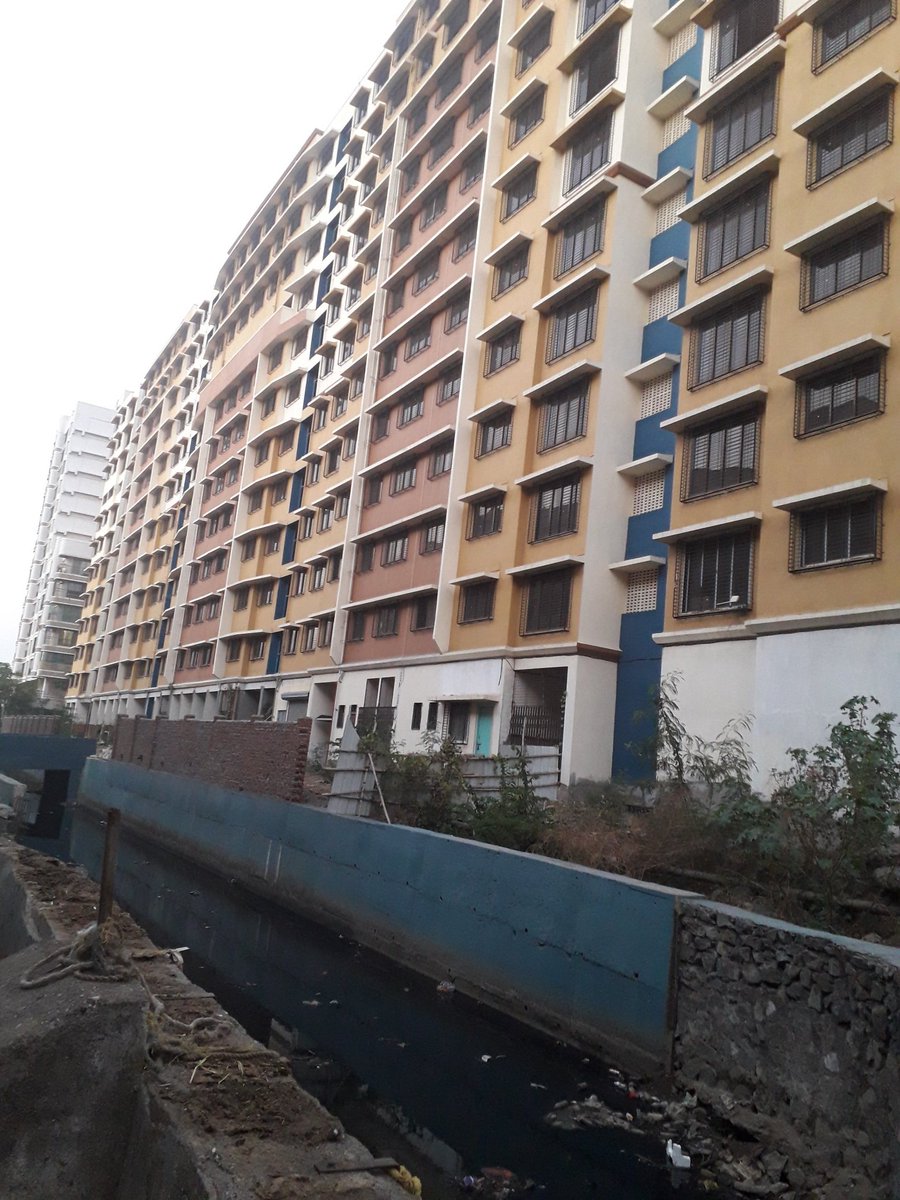
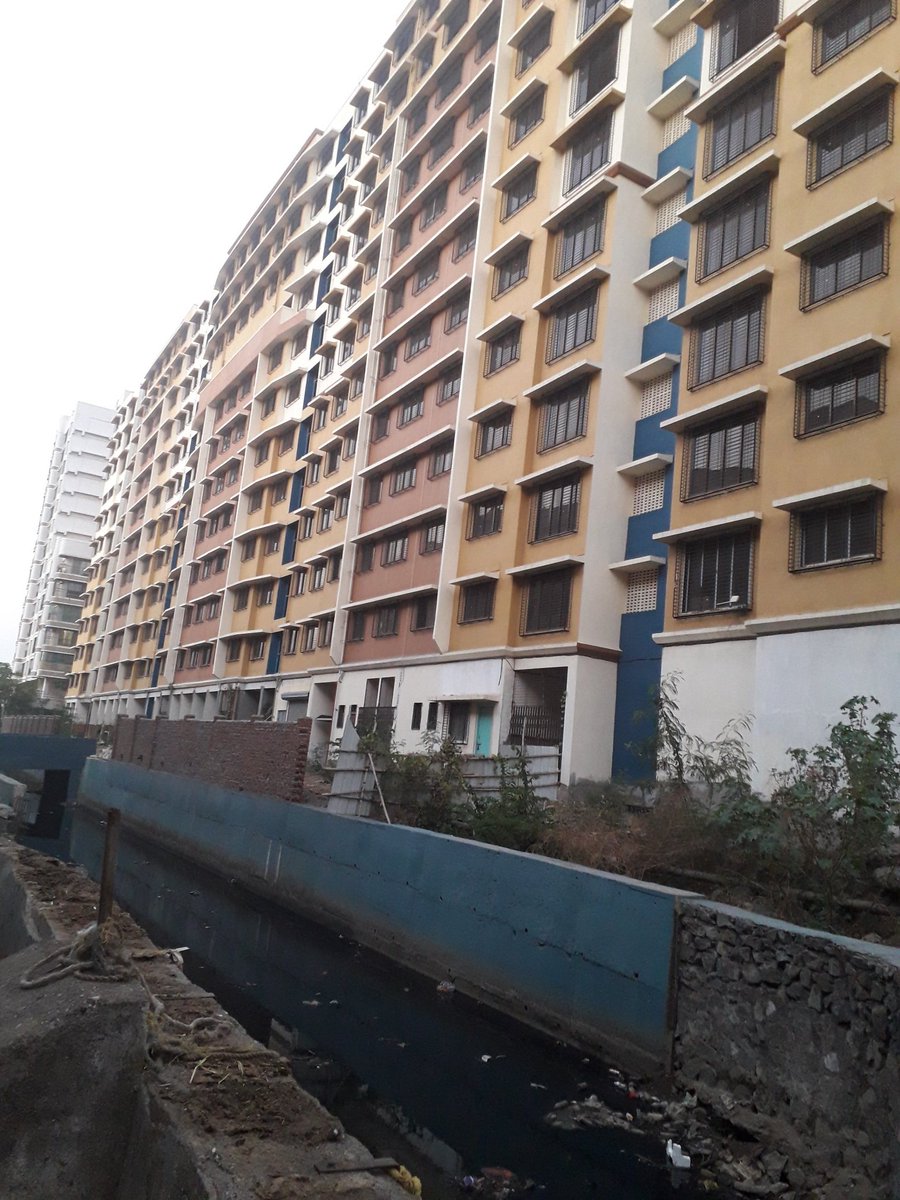
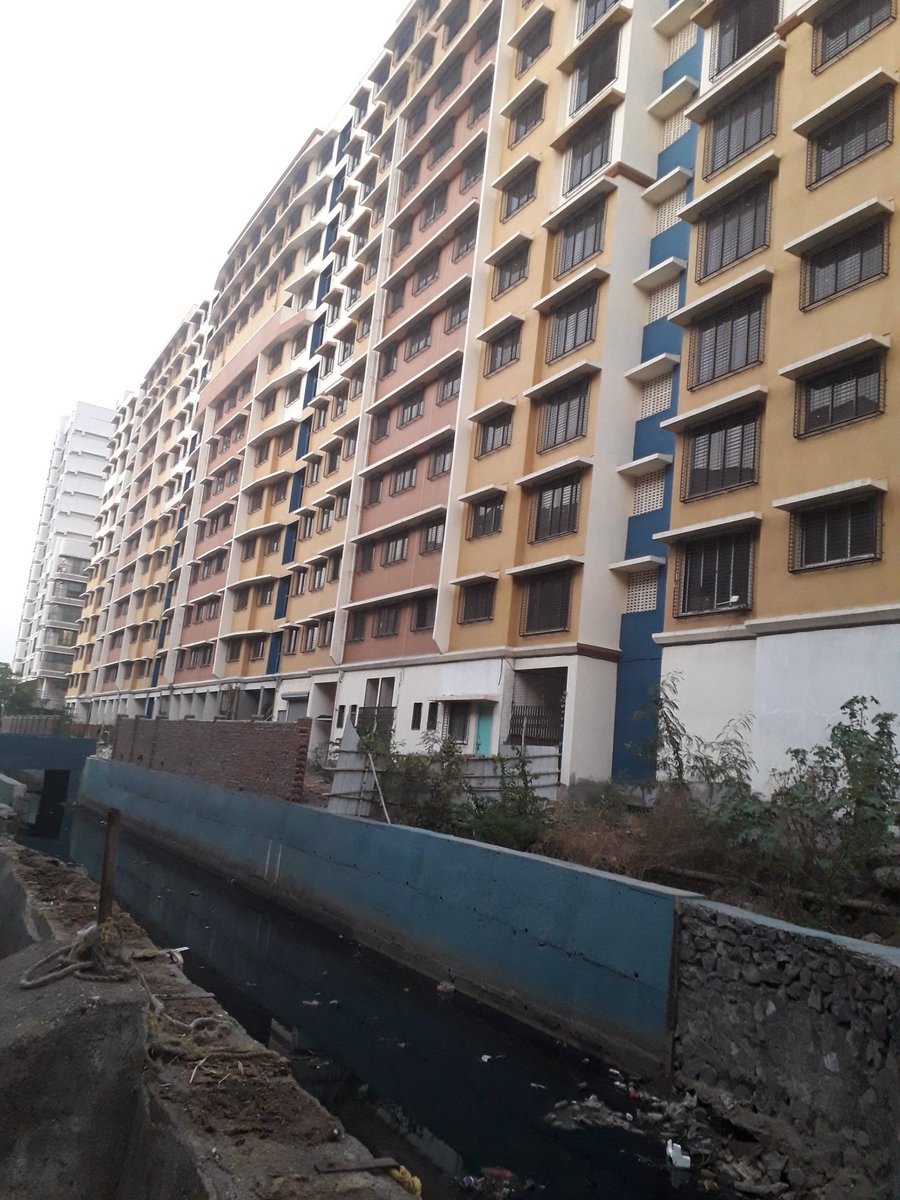
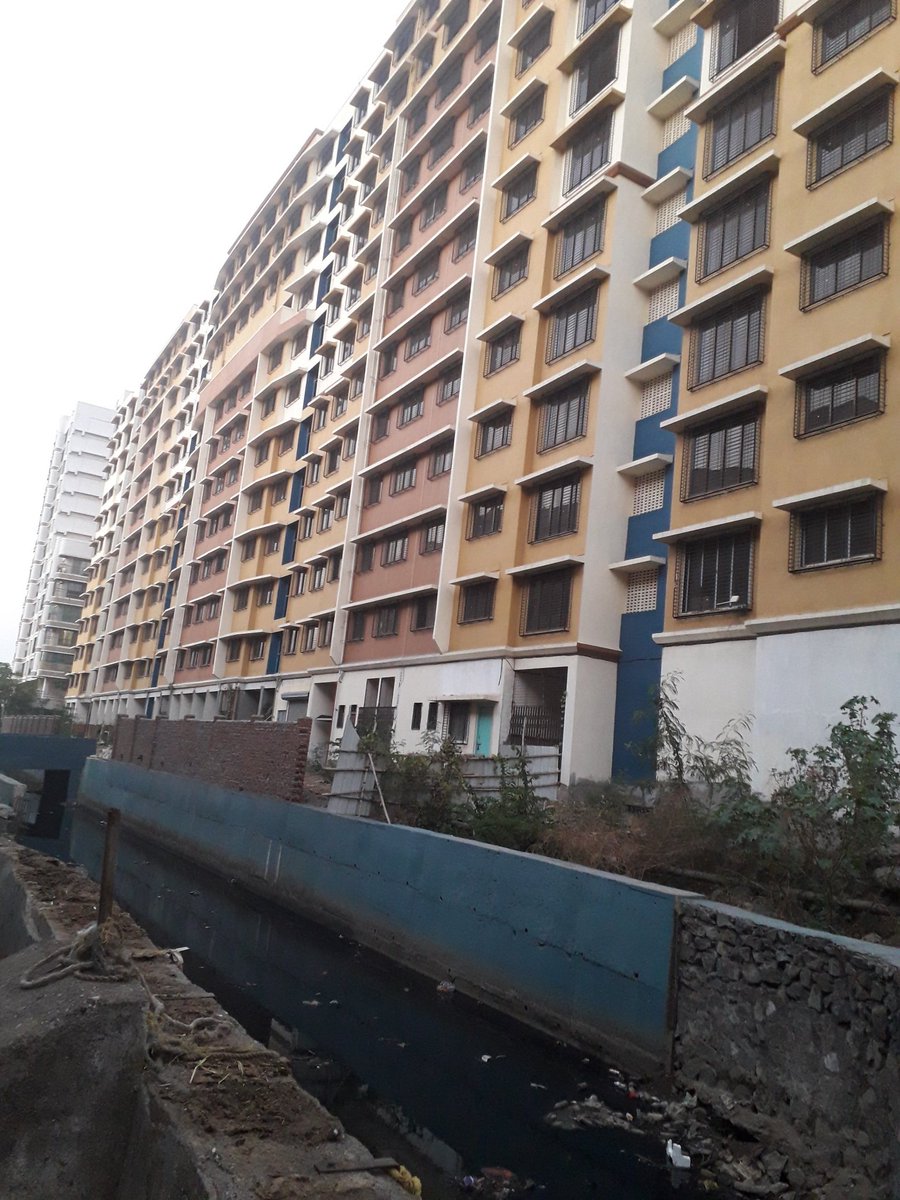
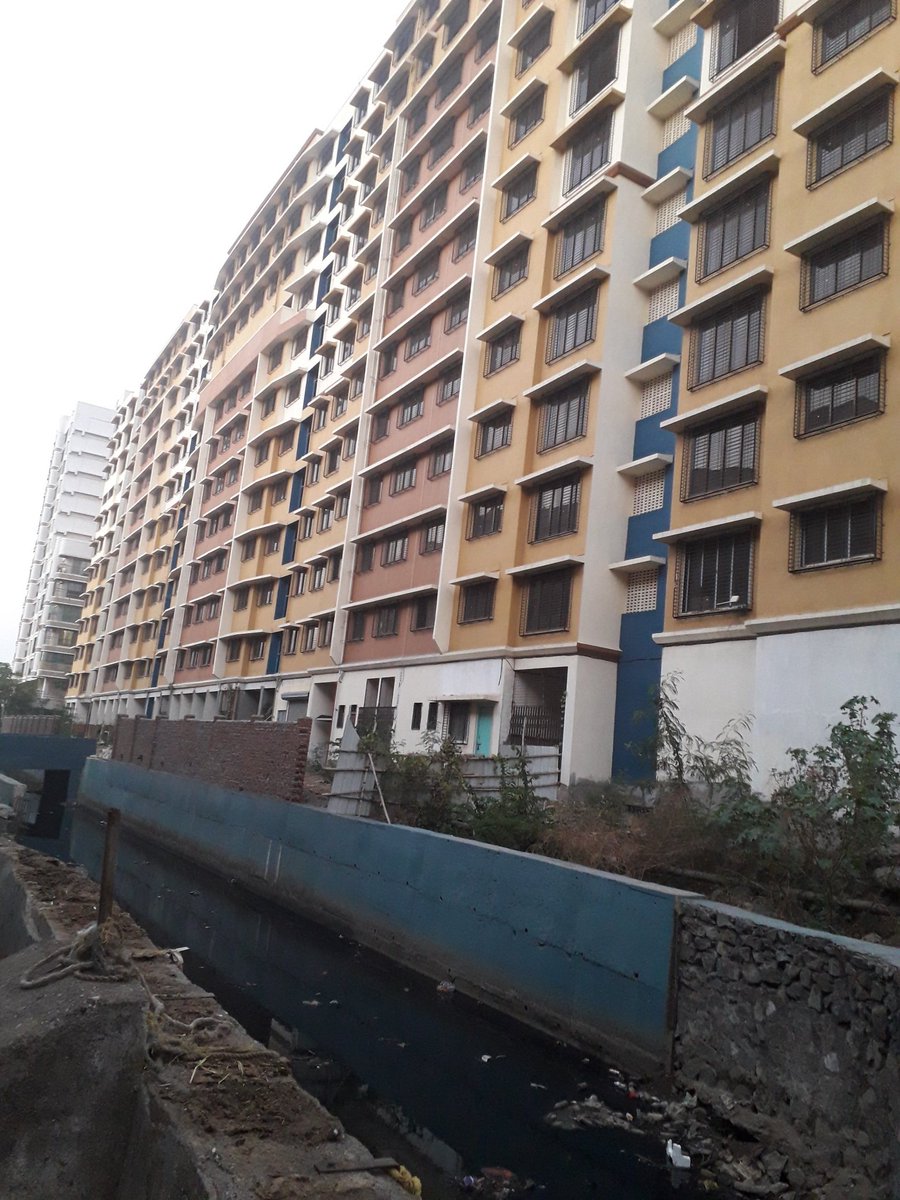
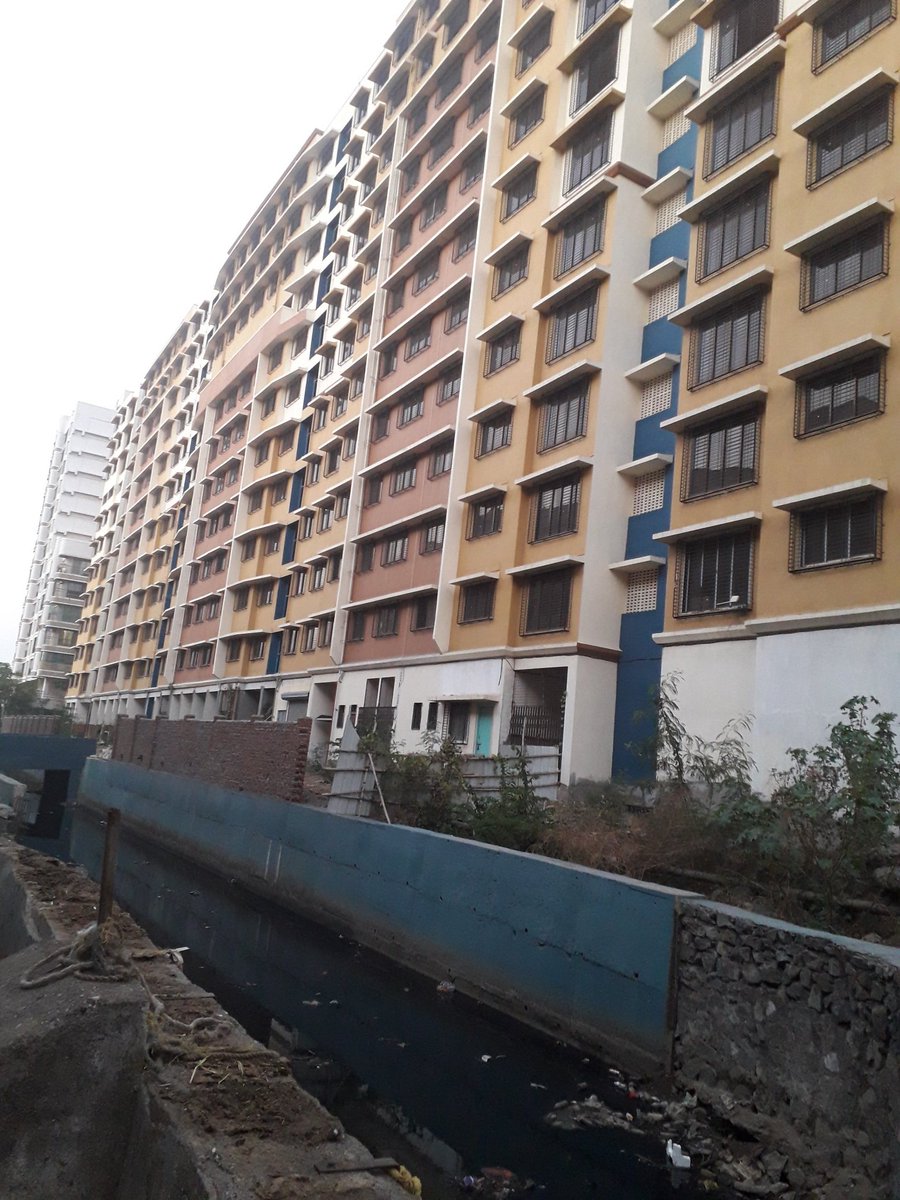
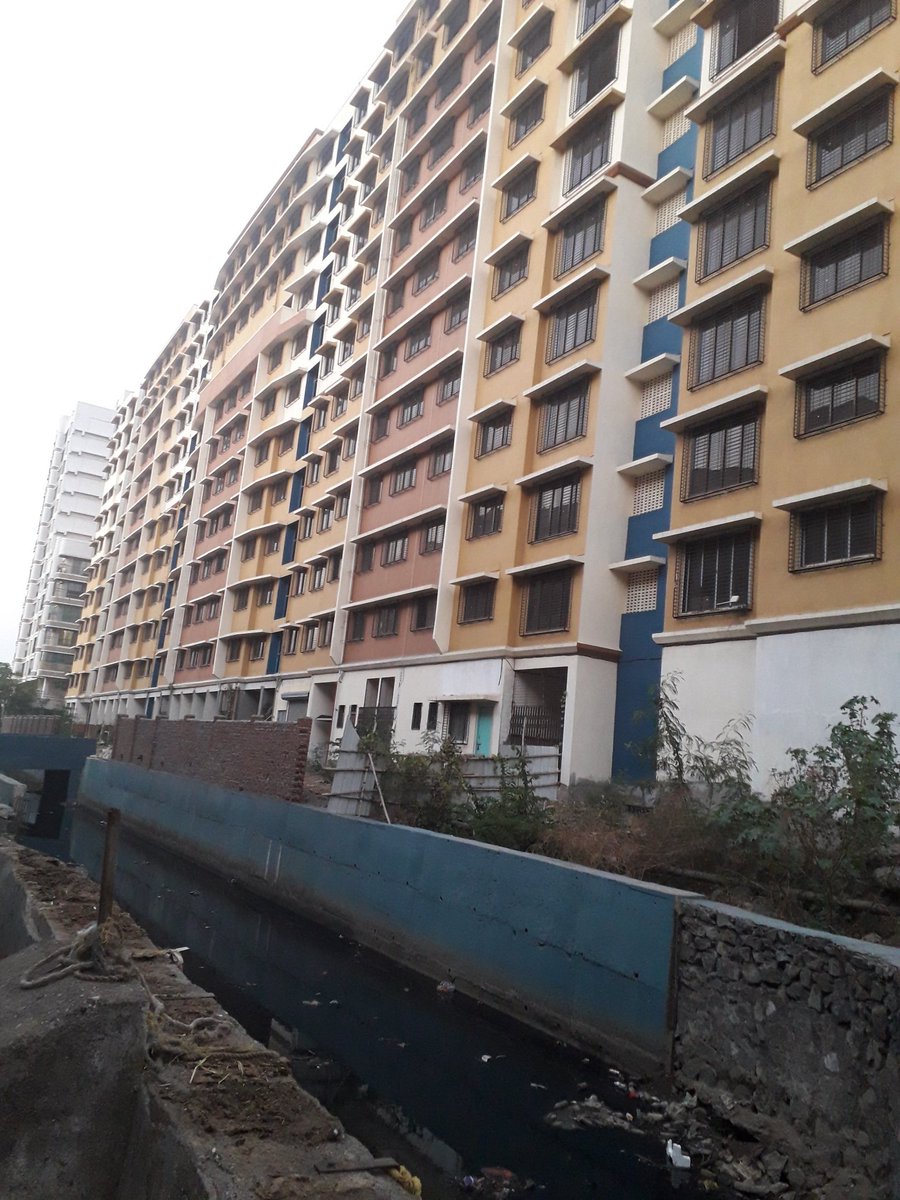
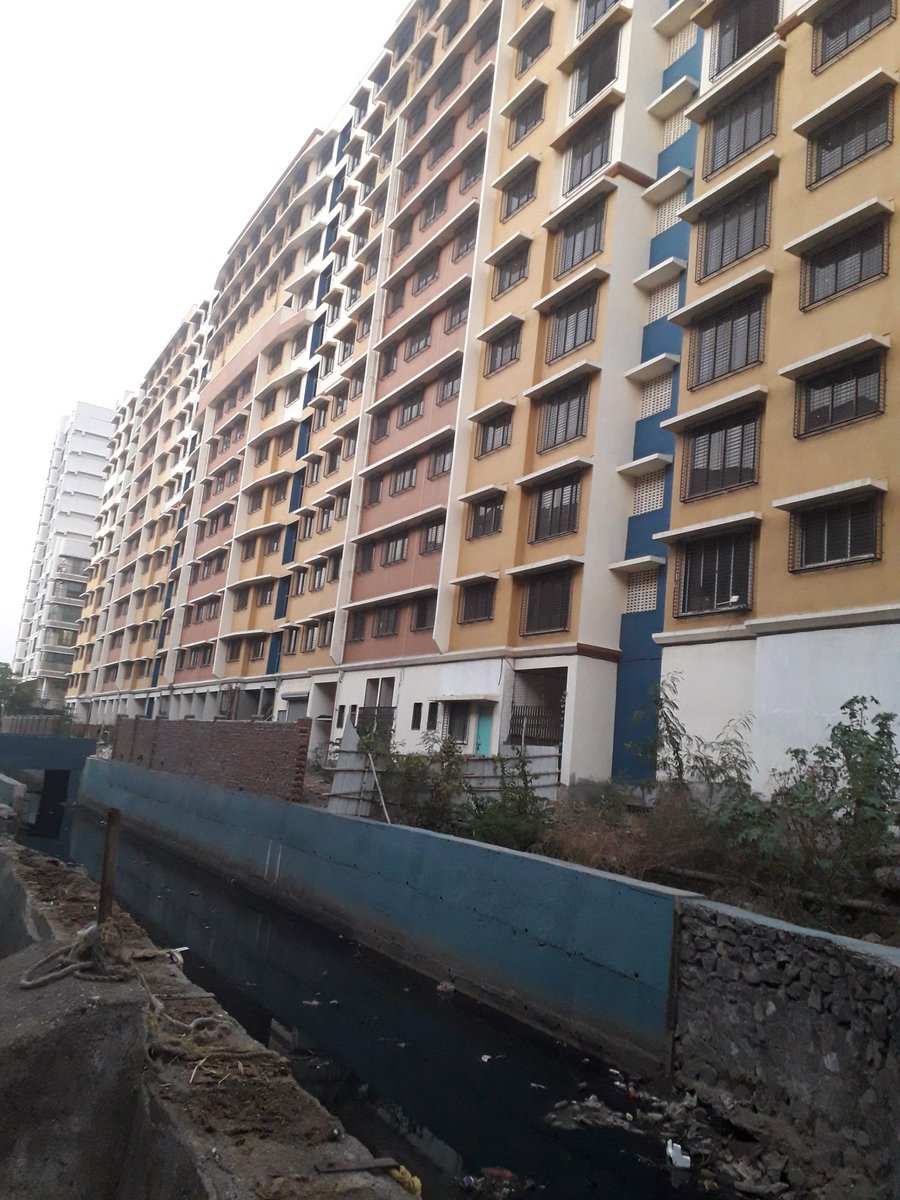
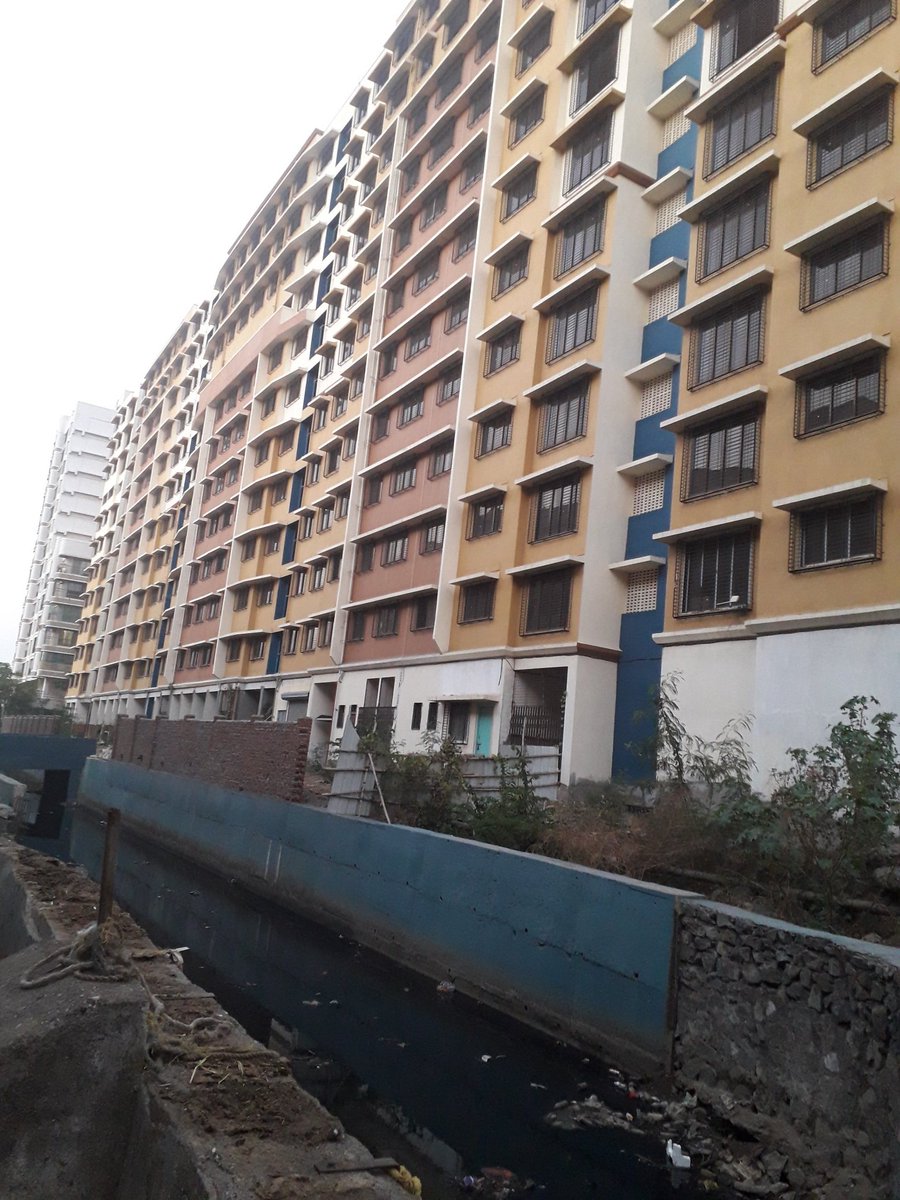
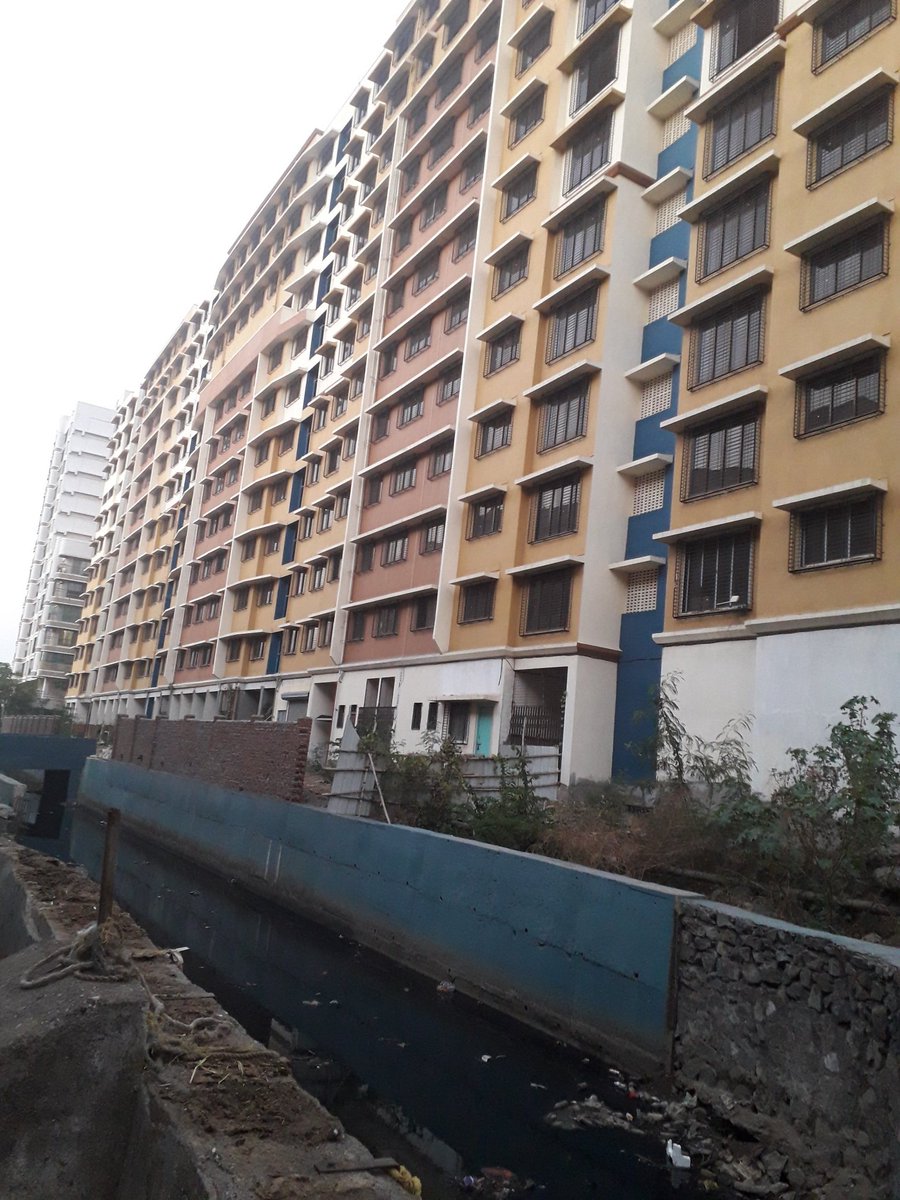
Lay BG train track on
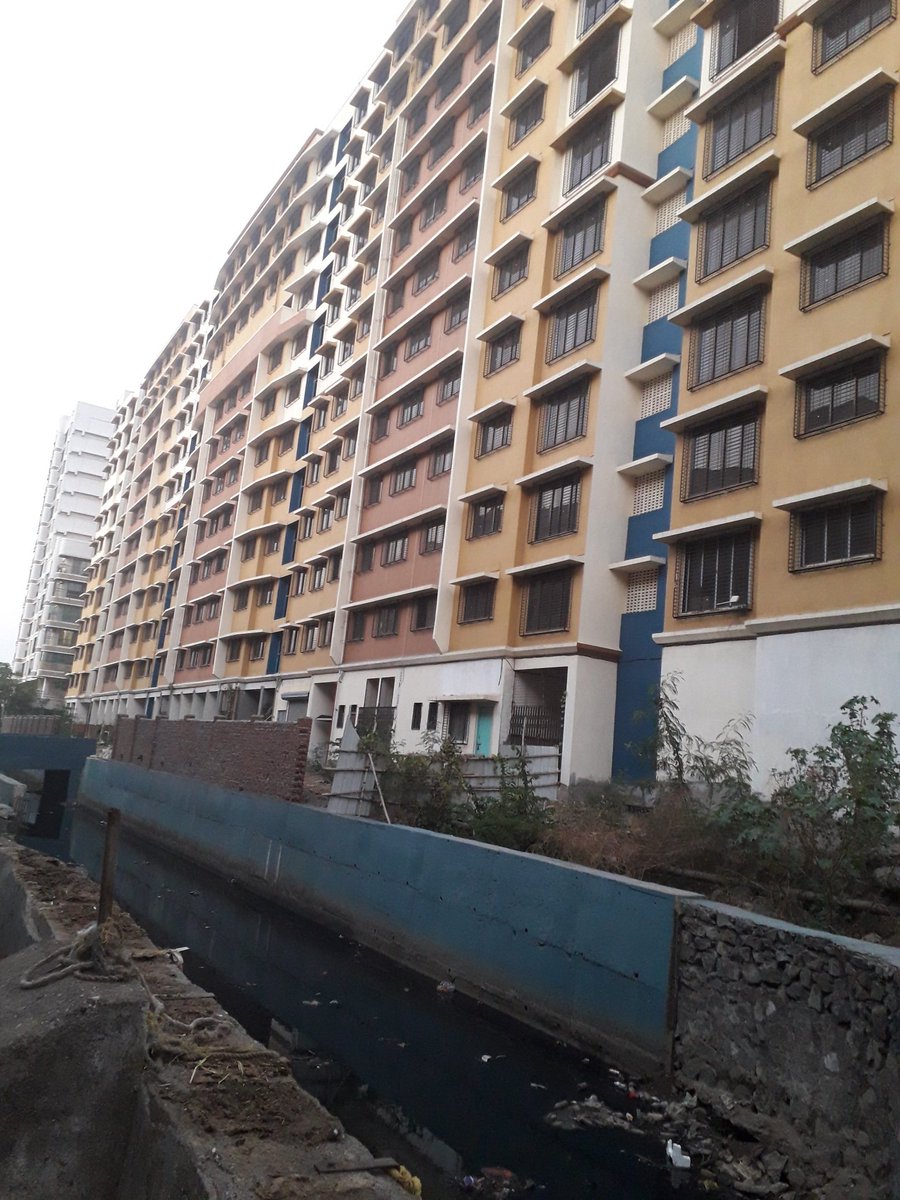
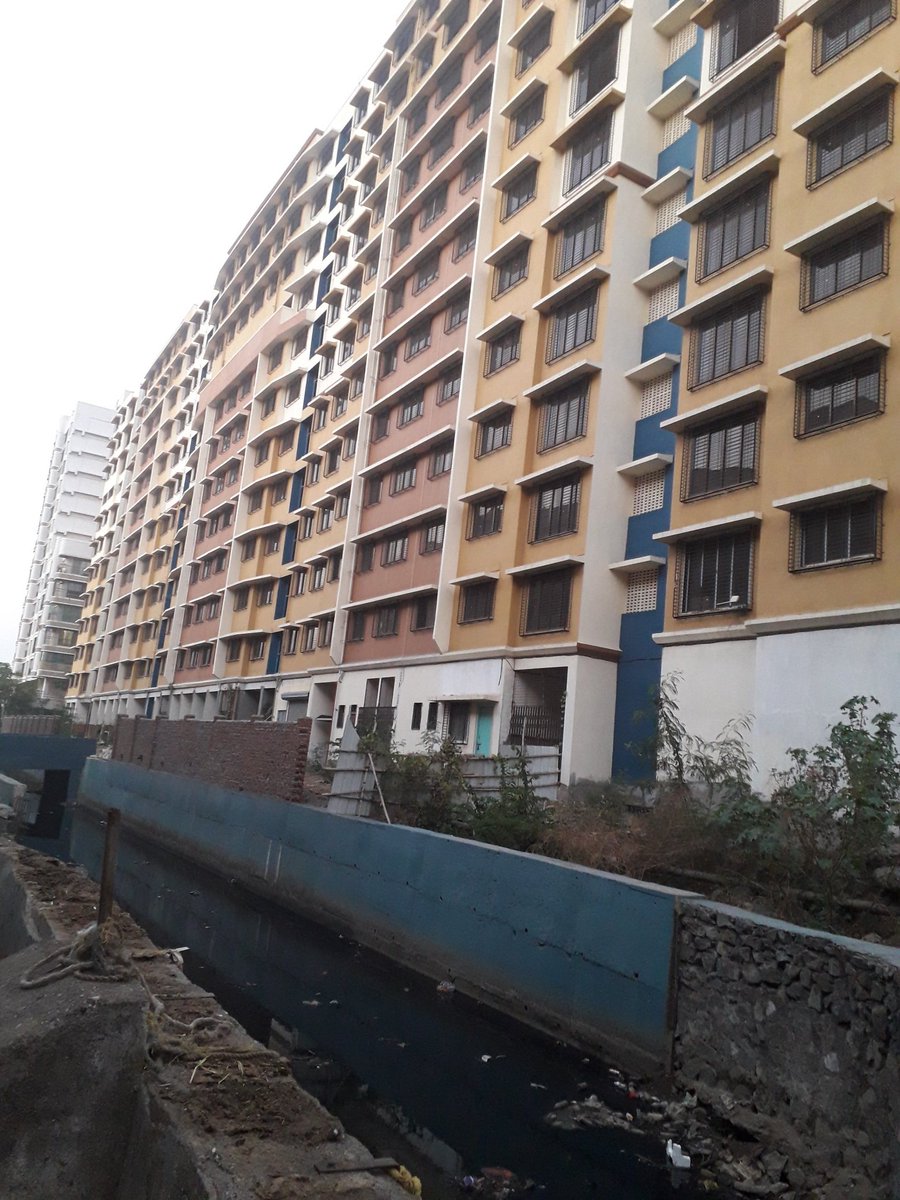
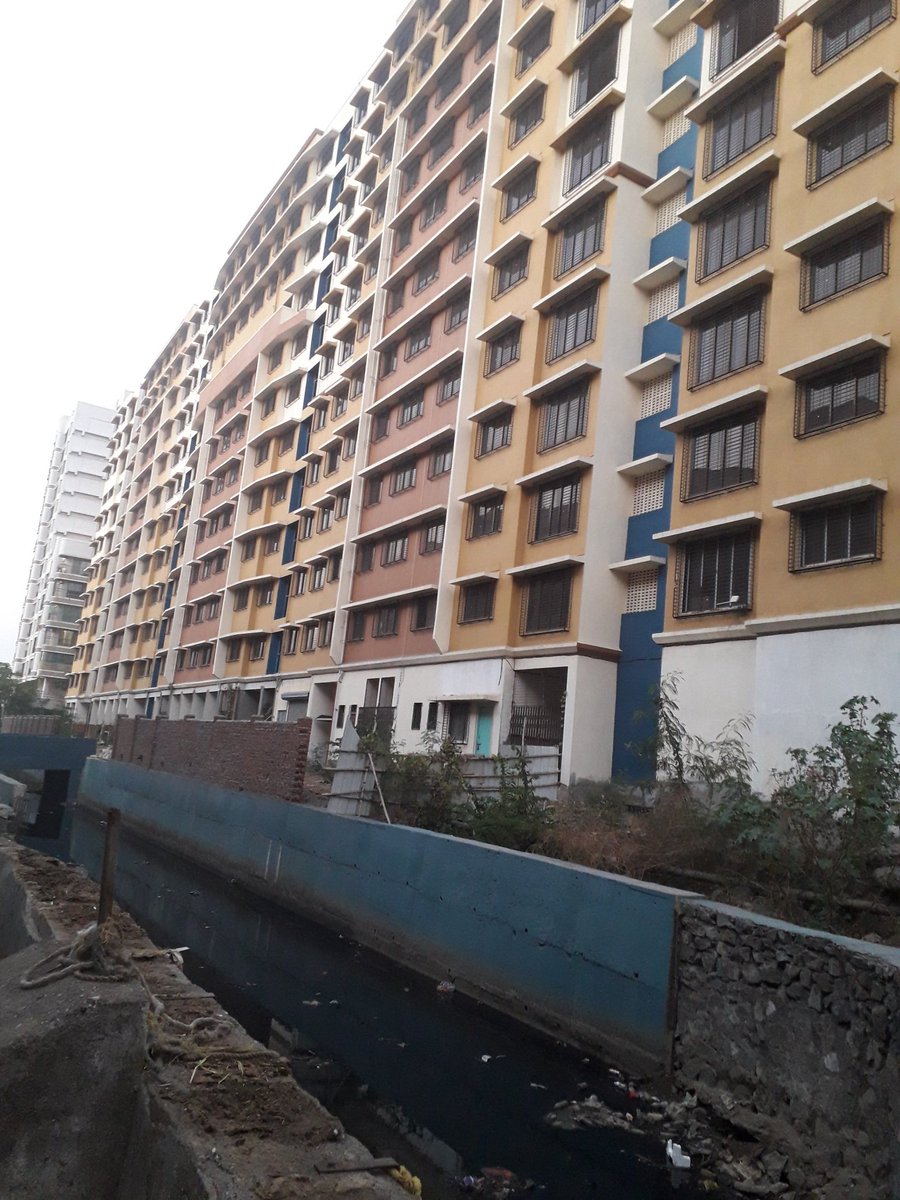
The new bridge linking Mumbai with panvel.
Let the track go to pune.
3
4
13
13,571
wind retweeted

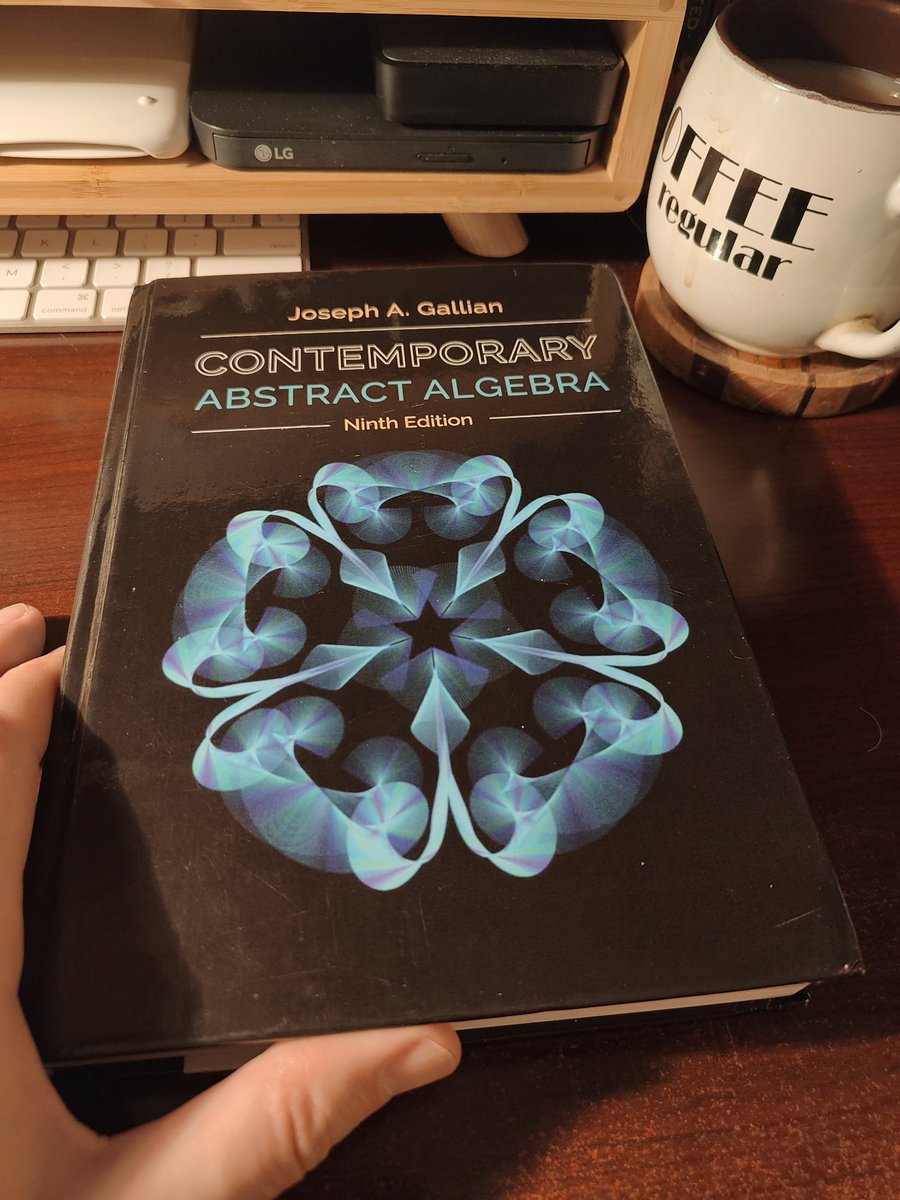
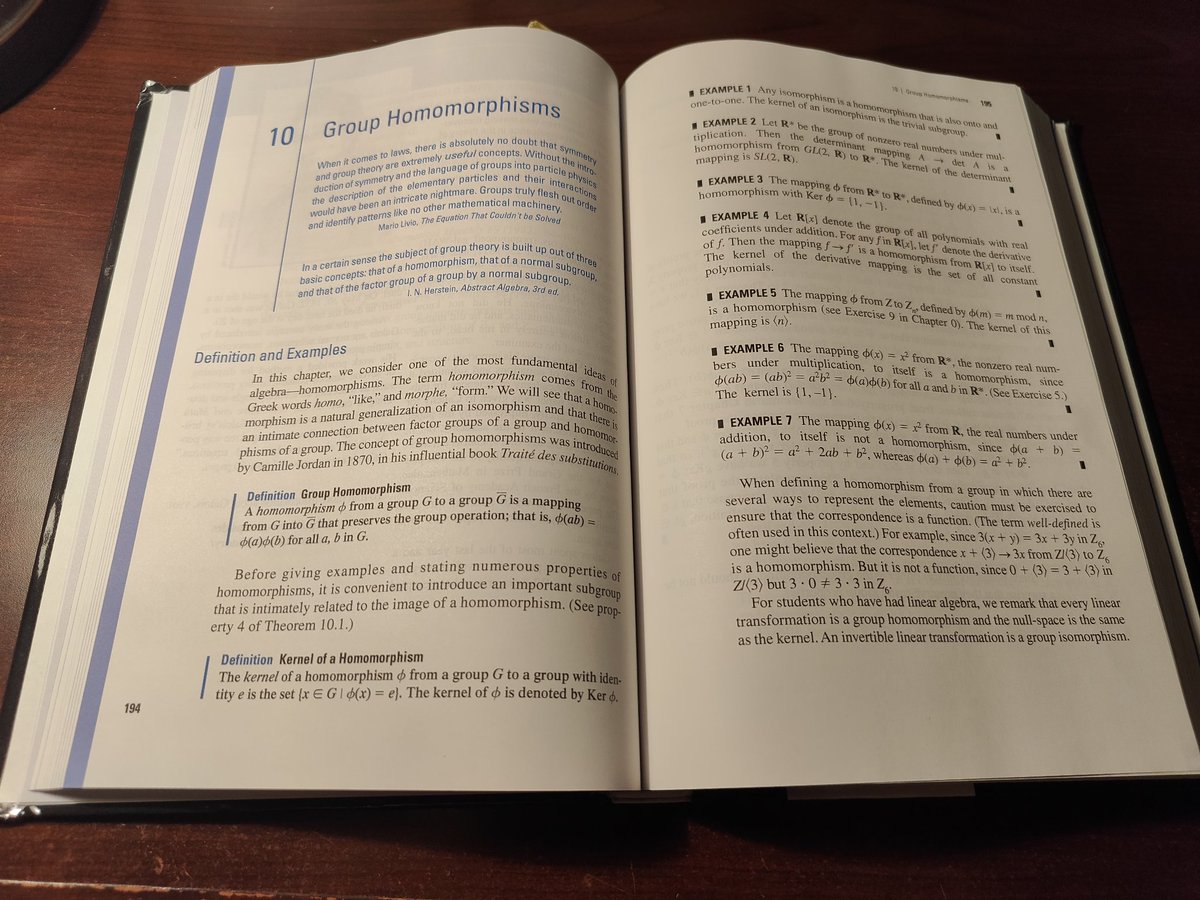
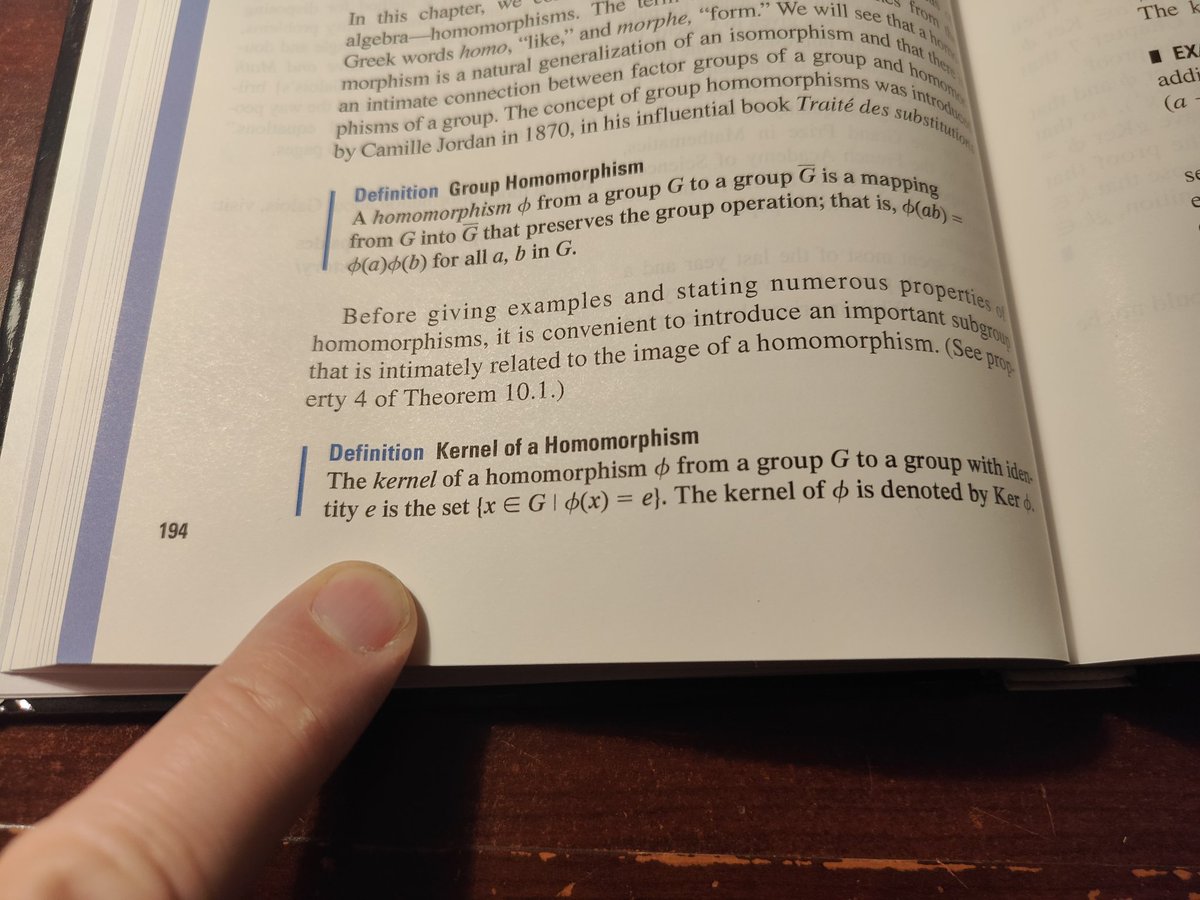
Today's fun fact: if f: G ->G' where G and G' are groups, then the Kernel of f, is just a set of all elements in G that get mapped into the identity in G'.
1
1
99
wind retweeted

Aap Ki Kasam, this song gives me such deep peace and pure satisfaction every time I listen to it


6
13
171
wind retweeted

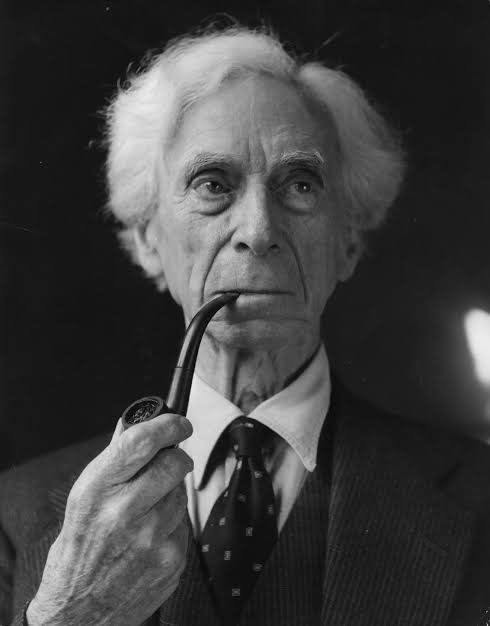
Mathematics moves forward not just through brilliant ideas, but through the courage to face when those ideas fail.
Some of the most silly mistakes in mathematics do not come from beginners. They come from people who were trying to build something enormous.
Gottlob Frege was one of those people.
He spent years working toward an ambitious dream: to rebuild all of mathematics from the ground up using pure logic. It was not just a theory. It was an attempt to give mathematics a perfectly solid foundation, where every idea could be traced back to simple, unquestionable rules about sets and logic.
Frege wrote his ideas in German, using a notation so unusual that very few people could follow it. His work remained largely unnoticed, almost hidden in plain sight.
Then, one day, he sent his book Begriffsschrift to a young philosopher and mathematician named Bertrand Russell.
Russell was curious. He began reading.
And almost immediately, he saw something strange.
Right near the beginning, built into the very foundation of Frege’s system, there was a simple assumption. It seemed harmless. Frege believed that if you could clearly describe a collection of objects, then that collection should exist as a set.
At first glance, this feels natural. If you can define it, why shouldn’t it exist?
But Russell looked closer.
He imagined a peculiar set. Call it S. This set contains all sets that do not contain themselves as members. It sounds like a playful idea, almost like a puzzle.
Then comes the unsettling question.
Does S contain itself?
If it does, then by definition it should not. And if it does not, then by definition it should.
The logic loops back on itself, refusing to settle. A contradiction appears, simple and unavoidable.
It was a small crack, but it ran deep. It showed that Frege’s basic assumption could not hold. The entire system, built so carefully over years, was standing on unstable ground.
Russell wrote to Frege and explained the problem.
Frege’s response is one of the most remarkable moments in the history of mathematics. He did not argue or dismiss the criticism. Instead, he calmly acknowledged it. He admitted that this single flaw seemed to undermine the foundation of his entire work.
There is something deeply human in that moment.
After years of effort, after building a grand intellectual structure, he chose truth over pride. He accepted the mistake with clarity and grace.
In the end, Frege’s system did not survive in the way he had hoped. But his honesty did. And in a strange way, that may be an even greater achievement.

1
12
75
3,890
wind retweeted

Interesting...
London is becoming the clear second choice (after San Francisco Bay Area) for top software & AI startups & companies?
cnbc.com/2026/06/11/anthropi…
2
4
537
wind retweeted

Dear passenger train delay due to technical problem . Inconvenience caused is deeply regretted.
1
1
21
wind retweeted
@Gmwrly
@GM_CRly
@RailMinIndia
@IndianrailSeva
@narendramodi
@PMOIndia sir pl instruct to make flying rani & Dquuen & 5 trains additional 2 borivali Pune
As modified @VB with6II 6IIAc(3 3) 8VB
Flyingrani is slow 4 hr40Mt compared to 4hr in British regime
@MandarSawant184
1
1
13
wind retweeted
@Gmwrly
@GM_CRly
@RailMinIndia
@IndianrailSeva
@narendramodi
@PMOIndia sir pl instruct to make flying rani & Dquuen & 5 trains additional 2 borivali Pune
As modified @VB with6II 6IIAc(3 3) 8VB
Flyingrani is, slow niw4 hr40Mt compared to 4hr in British regime
@timesofindia
1
1
11
wind retweeted
@Gmwrly
@GM_CRly
@RailMinIndia
@IndianrailSeva
@narendramodi
@PMOIndia sir pl instruct to make flying rani & Dquuen & 5 trains additional 2 borivali Pune
As modified @VB with6II 6IIAc(3 3) 8VB
Flyingrani is, slow niw4 hr40Mt compared to 4hr in British regime
@rajtoday
1
1
11
wind retweeted
@Gmwrly
@GM_CRly
@RailMinIndia
@IndianrailSeva
@narendramodi
@PMOIndia sir pl instruct to make flying rani & Dquuen & 5 trains additional 2 borivali Pune
As modified @VB with6II 6IIAc(3 3) 8VB
Flyingrani is, slow niw4 hr40Mt compared to 4hr in British regime
@AlokPatel
1
1
1
13
wind retweeted
@Gmwrly
@GM_CRly
@RailMinIndia
@IndianrailSeva
@narendramodi
@PMOIndia sir pl instruct to make flying rani & Dquuen & 5 trains additional 2 borivali Pune
As modified @VB with6 II 6IIAc(3 3) 8VB
Flyingrani is, slow niw4 hr40Mt as compared to 4hr in British regime
1
1
1
18


wind retweeted

WR too. Make all of Mumbai Suburban a separate, unified entity, so that trains can be routed across Zones/Corridors for one-seat rides.
1
2
7
215

wind retweeted

आज जो लोकल १२.५० दादर से चर्चगेट के लिये चली उसमे चढ़ने की बाद तो दूर उतरने तक का टाइम नहीं दिया गया । जबकि दादर लोकल के साथ साथ मेल गाड़ियो के लिये भी स्टेशन है । @RailMinIndia @RailwaySeva @Central_Railway @WesternRly @drmbct @mumbai_locals
1
1
1
63
wind retweeted

एंगेजमेंट फार्मिंग आता जुनं झालंय, मराठी ट्विटरवर सेक्सगेजमेंट फार्मिंग नावाच्या क्रांतीची सुरुवात झालेली आहे.
#निरीक्षण
11
5
44
5,641
wind retweeted
Bi stupid before time coming shud v allowed Mumbai track is getting started in running slow. Trains following it run late.
1
1
11
wind retweeted

Jun 12
Look at the speed of this train 200-300 meters before a yellow signal. It could have even stopped before the signal
Such unnecessarily over cautious driving is also a big reason of zero punctuality in @drmmumbaicr
26
11
144
58,102
wind retweeted

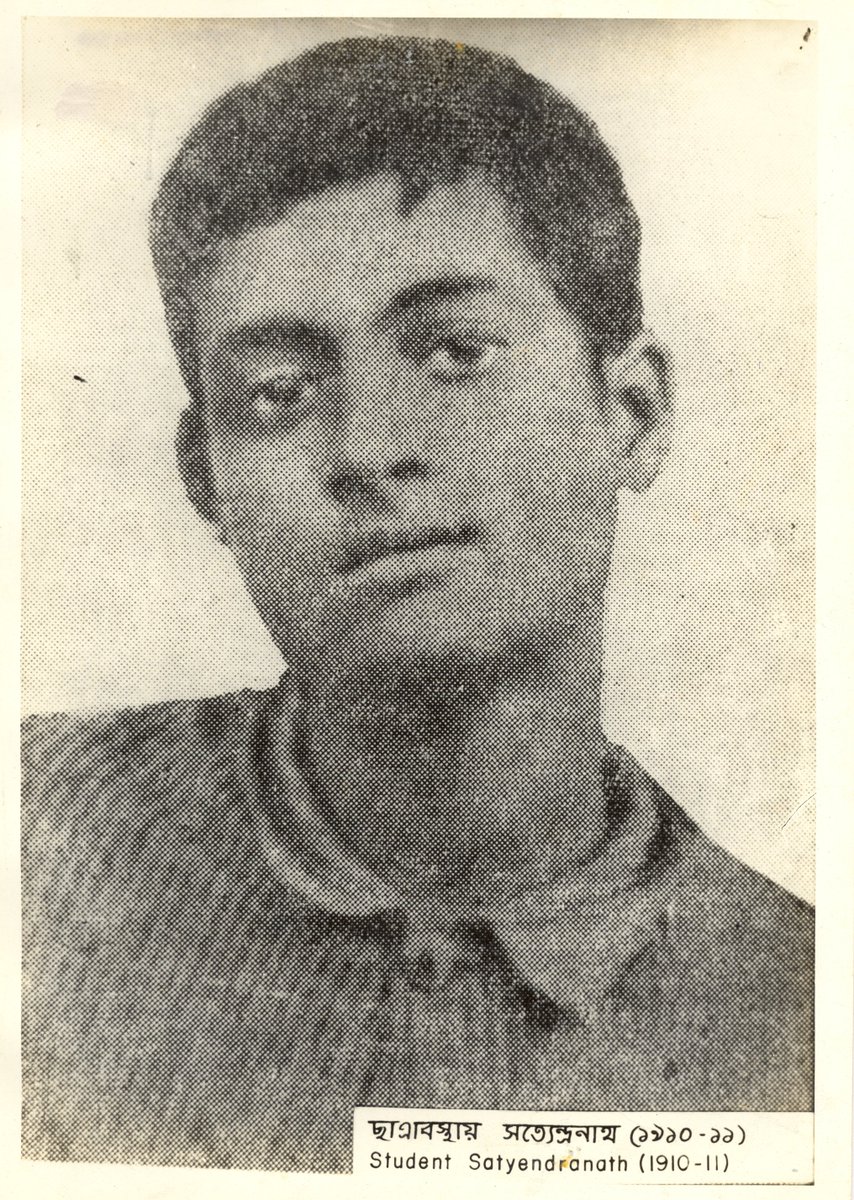
Before the world knew Satyendra Nath Bose as the physicist whose ideas would reshape quantum mechanics, he was a young man teaching the children of workers in the narrow lanes of Maniktola. Long before the famous letter to Einstein. Long before photons, Bose-Einstein statistics & a new chapter in modern physics.
S.N. Bose was among a group of young students who spent their evenings running classes at the Working Men's Institute, a night school for working-class children. The Institute operated from Keshab Academy on Maniktola Street & had been founded by associates of Sri Aurobindo Ghosh & Barin Ghosh during a period when nationalism, education & social reform often walked hand in hand.
The school's president was the renowned Presidency College mathematics professor D.N. Mallik. Among the young volunteers conducting classes were Nirendranath Roy, Satyen Bose, Girijapati Bhattacharyya, Pashupati Bhattacharyya & Harish Sinha.
They continued teaching there until they completed their B.Sc. examinations.
History remembers Bose for changing our understanding of the universe. But before he taught the world how photons behave, he was teaching ordinary children who simply wanted a chance at education.
1
29
119
1,776
wind retweeted
He was good. borivali-virar is max30 mts borivali- churchgate for slow shud not take more than1Hr Present timetable is useless demanding 1hr& 7 mts
@Gmwrly
@drmbct
@IR_CRB
@IndianrailSeva
@RailMinIndia
@PMOIndia
@narendramodi sir remodel timetable & medal to the motorman
1
1
44
wind retweeted

Great thank you @PMModiNews @PrimeMinisterMo @RailMinIndia @AshwiniVaishnaw
Just due to special train like vande bharat and express train is getting delay for 4 hours.
From 4 days contusions intercity 13332 getting delay.@ArunBhartiLJP
Sc seat se sansad bane.
Sewa bade logo ka
1
1
2
190