
269 Photos and videos















E retweeted

Jun 14
The real reason Russia is pushing the Ukraine biolab narrative is more serious than the propaganda suggests. 𝗬𝗼𝘂 𝗮𝗹𝘀𝗼 𝗵𝗮𝘃𝗲 𝘁𝗼 𝘄𝗼𝗻𝗱𝗲𝗿 𝘄𝗵𝘆 𝗧𝘂𝗹𝘀𝗶 𝗻𝗲𝘃𝗲𝗿 𝗺𝗲𝗻𝘁𝗶𝗼𝗻𝘀 𝘁𝗵𝗶𝘀. As the old saying goes, accuse your opponent of what you are doing yourself.
Russia claims Ukraine and the United States operated secret biological weapons labs in Ukraine. That claim has not been substantiated. The UN has said it is not aware of any biological weapons programme in Ukraine, and Ukraine has repeatedly denied developing, producing, or stockpiling biological weapons.
Ukraine’s facilities are publicly described as public health, disease surveillance, biosafety, biosecurity, and threat-reduction labs. Ukraine says it complies with the Biological Weapons Convention and rejects the claim that these sites were military bioweapons facilities.
Russia’s position is the opposite.
Russia accuses Ukraine of hidden biological weapons activity while keeping its own military biological infrastructure secretive and largely inaccessible to meaningful international scrutiny.
Russia inherited the Soviet biological weapons legacy. The Soviet Union operated one of the largest and most secretive biological weapons programmes in history. After its collapse, serious questions remained about how much of that infrastructure, expertise, and military research culture survived inside Russia.
Those concerns remain unresolved.
The U.S. State Department has assessed that Russia maintains an offensive biological weapons programme in violation of the Biological Weapons Convention. Russia denies this, but its relevant military biological facilities remain closed, opaque, and shielded from independent verification.
Ukraine’s labs are discussed as public health and disease surveillance facilities.
Russia’s military biological sites are treated as restricted state secrets.
Ukraine’s cooperation with the United States was linked to biosafety, biosecurity, and reducing risks from dangerous pathogens inherited from the Soviet period.
Russia, by contrast, has a documented Soviet bioweapons legacy, current official compliance concerns, and restricted military facilities that outside observers cannot meaningfully inspect.
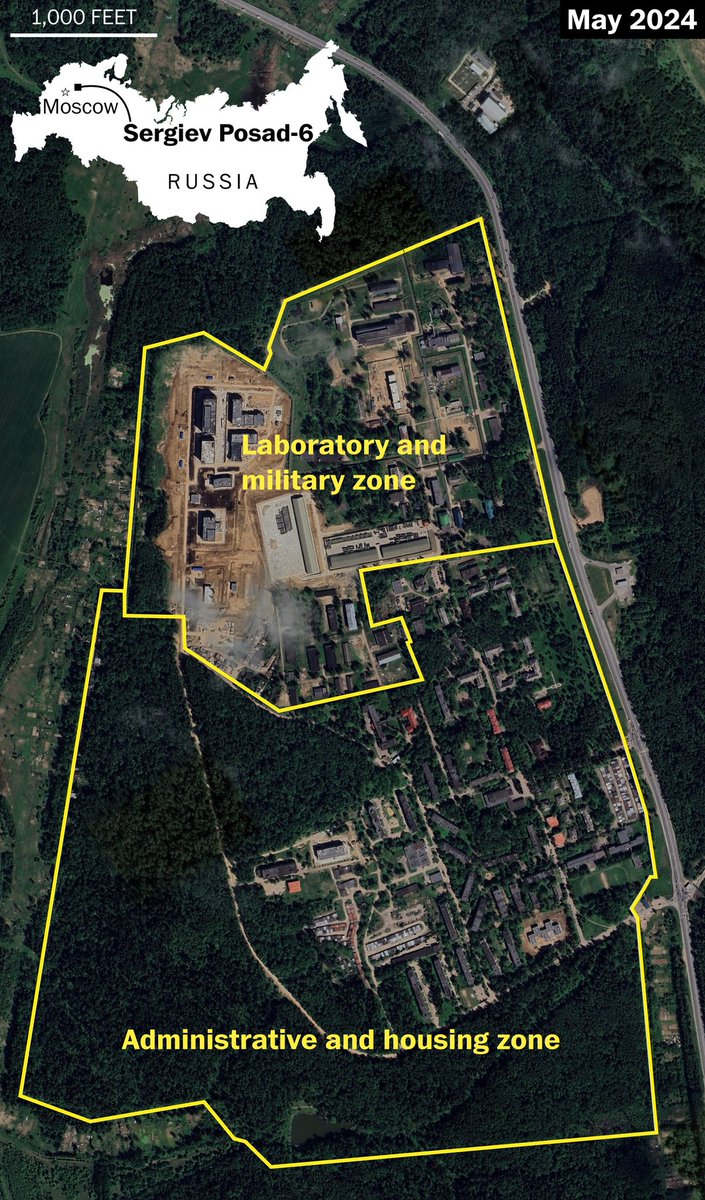
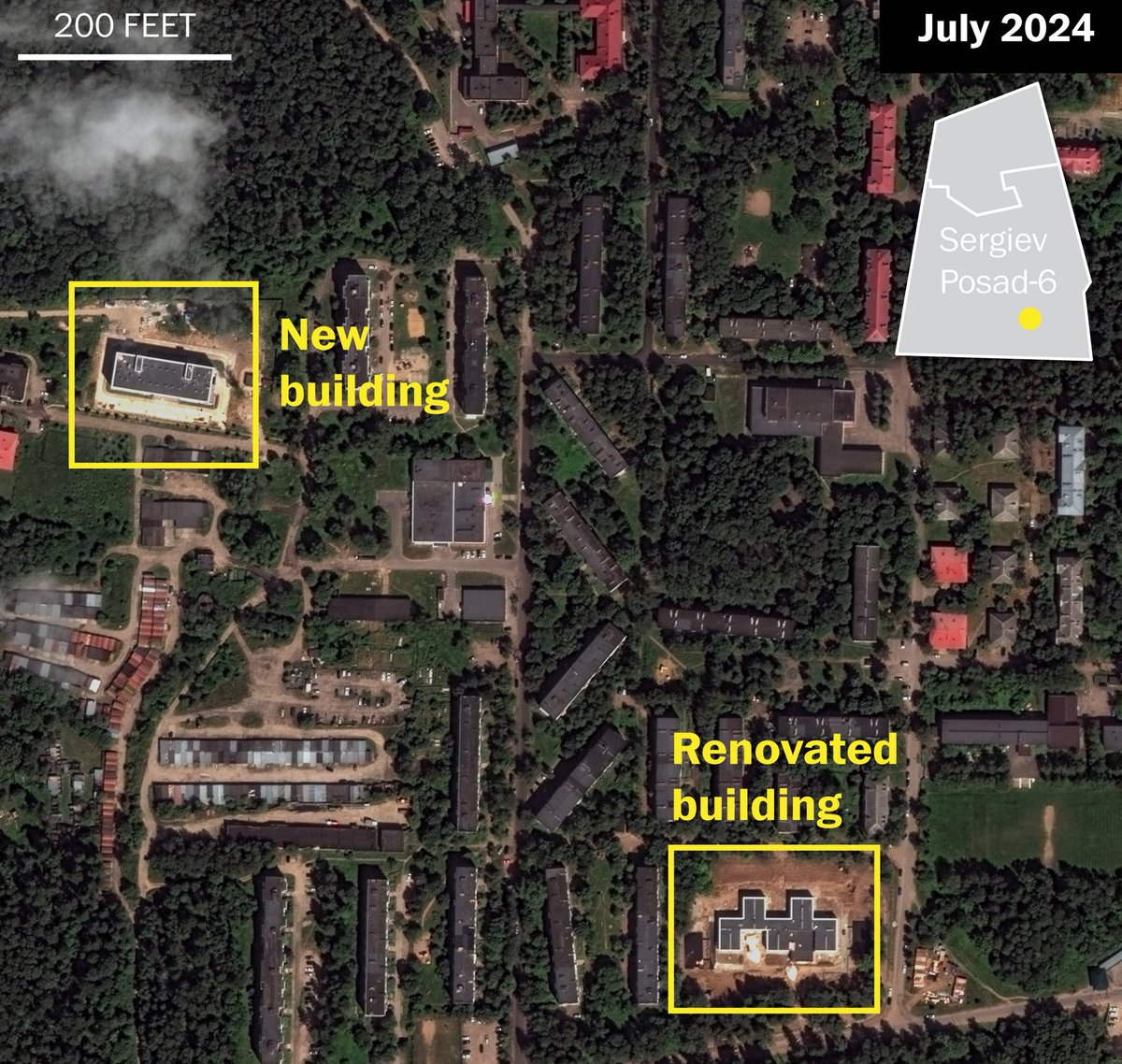
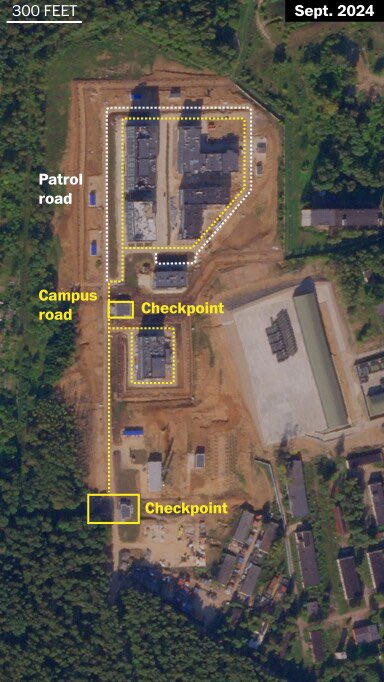
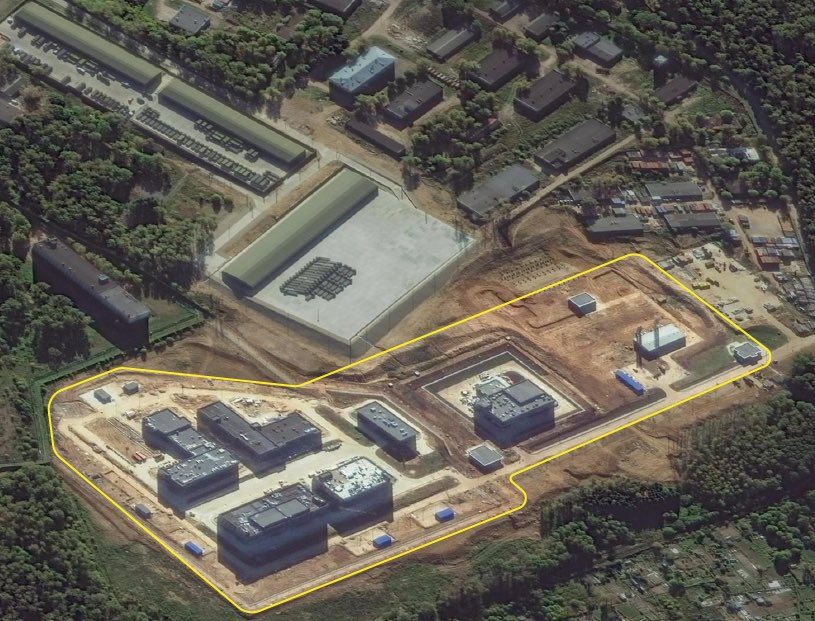
In 2024, satellite imagery and expert analysis reported major construction and expansion at Sergiev Posad-6, a restricted Russian Ministry of Defence biological research site with a Soviet-era bioweapons history. The reported construction began in May 2022, shortly after Russia’s full-scale invasion and during the same period when Moscow intensified its claims about Ukrainian “biolabs.”
That timing does not prove the new construction is an offensive biological weapons programme. But it does make Russia’s propaganda campaign look highly suspect.
Russia demanded outrage over Ukrainian public health laboratories while expanding or upgrading its own secretive military-linked biological research infrastructure.
The strongest factual argument is not that every Russian biological activity is illegal. It is that Russia has no credibility accusing Ukraine of hidden bioweapons activity while refusing transparency over its own military biological facilities.
This is classic projection and deflection.
Russia turns Ukrainian public health and threat-reduction work into a fake Western bioweapons plot.
It shifts attention away from its own closed military biological sites.
It muddies the waters around biological weapons compliance.
Ukraine denies the allegations, points to peaceful public health work, and says it complies with international obligations.
Russia has a Soviet bioweapons legacy, U.S.-assessed BWC violations, secretive military biological facilities, and refuses the transparency it demands from others.
So when Russia talks about Ukrainian “biolabs,” the relevant question is why a country with closed military biological sites is trying so hard to redirect attention onto Ukraine’s public health laboratories.
Jun 13

This video was published in January 2020.
And that timing matters, because it shows Russian “Ukrainian biolab” propaganda did not magically appear after the 2022 invasion. Moscow had been dragging this corpse of a conspiracy around for years, especially against Ukraine, Georgia, Kazakhstan, and other post-Soviet countries that dared to cooperate with the West.
The video explains the U.S. Biological Threat Reduction Program as exactly what the name says: a threat-reduction program. Its purpose was to help partner countries secure dangerous Soviet-era pathogens, improve disease detection, strengthen public-health laboratories, and stop natural outbreaks from becoming regional security disasters. In Ukraine, the official priority was to consolidate and secure pathogens and help detect and report disease outbreaks before they became wider threats. The U.S. Defense Threat Reduction Agency also states that the work was peaceful, subject to export-control and vetting processes, and did not sponsor gain-of-function research or human experimentation.
The video also makes clear why Russia hated these labs: not because they were secret weapons sites, but because they represented Western cooperation with countries Moscow still treats like stolen property. Georgia’s Lugar Center is the perfect example. Russia smeared it as a U.S. proxy bioweapons facility, while Georgia opened it to international review. In 2018, 22 experts and observers from 17 countries inspected the Lugar Center under the Biological Weapons Convention framework and found transparency around its activities. Russian experts were invited, then refused to participate, because obviously the propaganda works better when you never look at the evidence.
So the Russian narrative is not “skepticism.” It is geopolitical sewage with a lab coat thrown over it. The same machine that calls invasions “liberation” and civilian massacres “staged” also tried to turn public-health laboratories into cartoon villain bioweapon factories. The goal was not truth. The goal was fear, confusion, and poisoning public trust in countries moving closer to the West.
The whole point of the video is transparency: these projects were not classified, scientists were encouraged to publish, international experts were invited in, and the work was described as peaceful public-health cooperation. Russia’s claim was the opposite: secret U.S. bioweapons plots on Russia’s borders. One side offered inspections, publications, and open cooperation. The other side offered paranoia, state media hysteria, and the usual Kremlin swamp gas.
This is basically pre-2022 evidence that the “Ukrainian biolab” panic was never a serious argument. It was an old Russian disinformation weapon, reheated when useful, then thrown into the invasion narrative to make Russia look like the victim while it was the aggressor.
39
377
851
26,194
E retweeted

Jun 14
Today marks 85 years since the first Soviet mass deportations in Estonia.
More than 10,000 people torn from their homes. 7,000 of them women, children, and the elderly.
We will never forget the innocent lives shattered and lost.
We will stand for our freedom.
#NeverAloneAgain
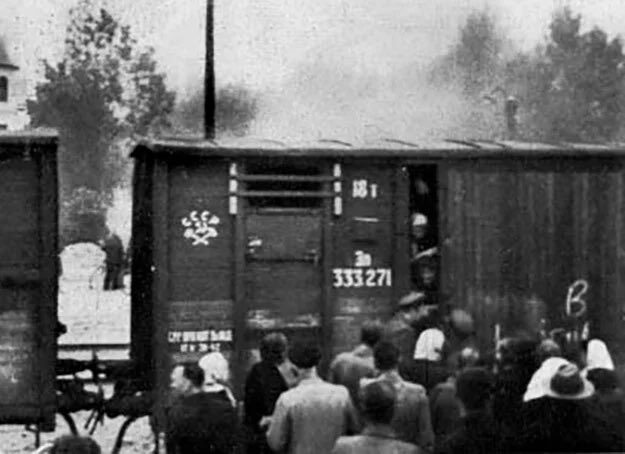
ALT June deprtations on Latvia. People being forced onto cattle wagons.
12
281
584
8,592
E retweeted

Jun 14
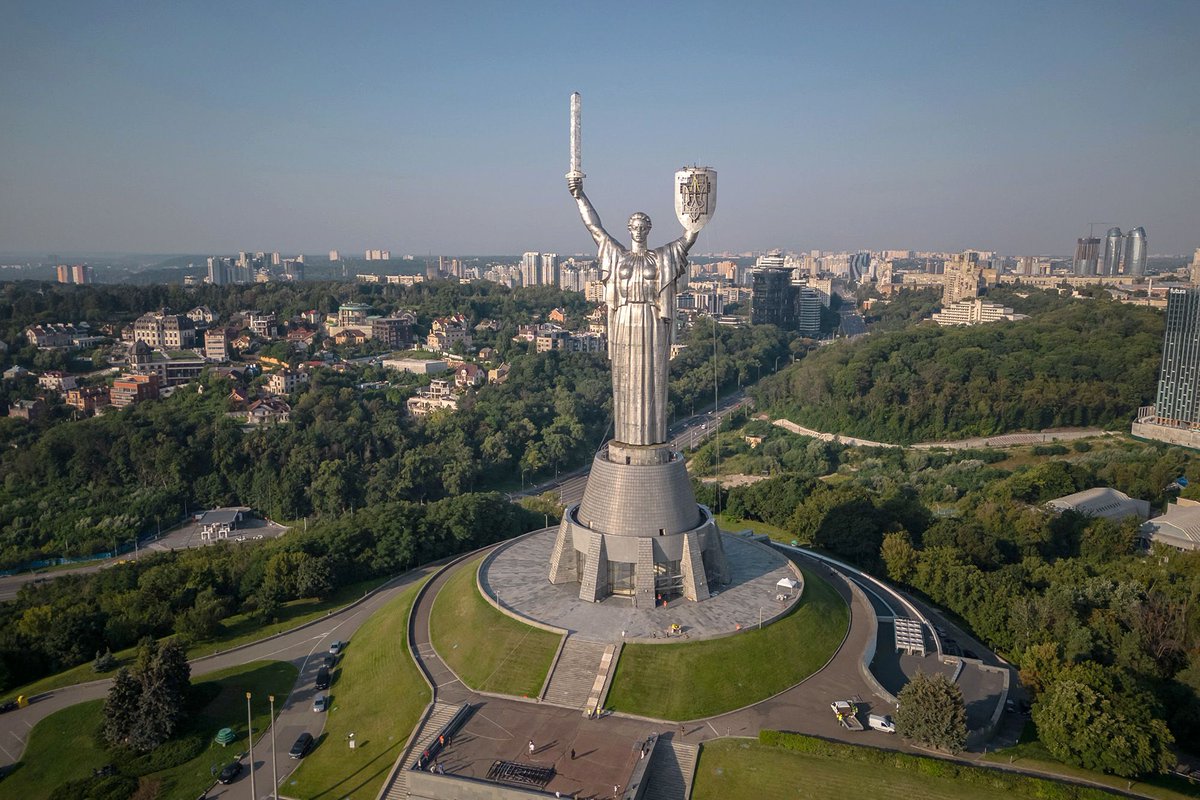
Here are 10 things the EU and European countries could do right now to help Ukraine:
1. Seize frozen Russian state assets and use them to fund Ukraine.
2. Expand weapons aid and joint procurement, including artillery, drones, ammunition, and air defense systems.
3. Supply more long-range missiles (SCALP, Taurus) and remove restrictions on strikes against military targets inside Russia.
4. Deploy European troops to western Ukraine for training, logistics, maintenance, and air defense, freeing up Ukrainian forces for the front.
5. Crack down on sanctions evasion networks and tighten enforcement.
6. Intensify action against Russia's shadow fleet through inspections, sanctions, and port restrictions.
7. Create a Patriot coalition to provide more air defense systems and interceptors.
8. Launch a European lend-lease (PURL) program with long-term financing for weapons and industrial cooperation.
9. Lower the Russian oil price cap and ban remaining Russian LNG imports.
10. Commit to a postwar European peacekeeping and security presence to deter future Russian aggression.
By doing this, we could accelerate Russia's total collapse, but the biggest constraints for these actions are political will and speed.
108
650
2,035
30,229
E retweeted

Jun 12
A lot of people have been asking where I am and if I am ok. I am preparing.
In two weeks, I will begin my first vacation in nearly two years.
I won't be spending it on a beach. I won't be traveling abroad. I won't be resting.
Instead, I will walk home.
From Maidan and the Alley of Heroes in Kyiv to Kramatorsk.
Hundreds of kilometers.
Roughly 50 kilometers every day.
In the summer heat, where temperatures regularly reach 28°C and above. I have my own health challenges, and there will be days when every step hurts. But compared to what my soldiers endure every day, that discomfort is insignificant.
I am doing this because it is easy for the frontline to feel distant when you are not living beside it. For my soldiers, there is no distance. The war is present in every day, every decision, and every kilometer of ground they defend.
But my soldiers are still there.
They are still defending #Ukraine.
They are still living in frontline villages and cities.
They are still carrying the weight of a war that most people only see through a screen.
Donbas is Ukraine.
And Donbas is not some distant place on a map.
It is home.
My soldiers are former prisoners. Even if they are granted a vacation, it does not look like yours or mine. They will still remain close. They do not get to simply walk away from it.
So I am asking for your help.
This walk is about awareness, but awareness alone does not keep soldiers alive.
Equipment does.
Vehicles do.
Communications do.
Drones do.
Recently, our only ground drone struck a mine and was destroyed.
That wasn't just a piece of equipment. It was a lifeline. It delivered water. It carried supplies. It reduced risk to the soldiers who depended on it.
Now it is gone.
And what we have in the field is what we have.
That is not a position any unit should be forced into.
My goal is to raise a minimum of $50,000 during this journey so that my battalion can continue operating, continue adapting, and continue bringing our people home.
Every kilometer I walk is for the soldiers who cannot leave.
Every kilometer is for the fallen whose flags stand in the Alley of Heroes.
Every kilometer is for Donbas.
Every kilometer is for Ukraine.
If you can donate, please do.
paypal.com/donate?campaign_i…
If you cannot donate, share this campaign.
Help me carry this message from Kyiv to Kramatorsk.
The war is not over.
And neither are we.
#Support93 #SupportUkraine
63
490
1,351
15,542

RT @BohuslavskaKate: Russian Z propaganda tg-channel "From Mariupol to the Carpathians" has published a video showing a drone strike on a c…
489
E retweeted

Jun 8
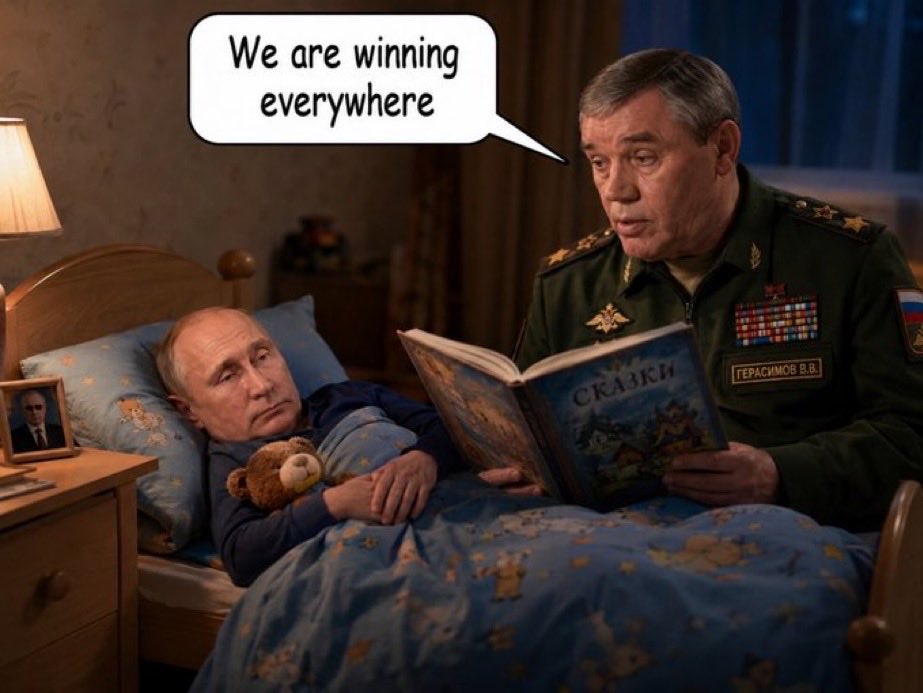
Perfect description of Putin planning 3 day SMO… 😭
26
87
984
47,172
E retweeted

Jun 2
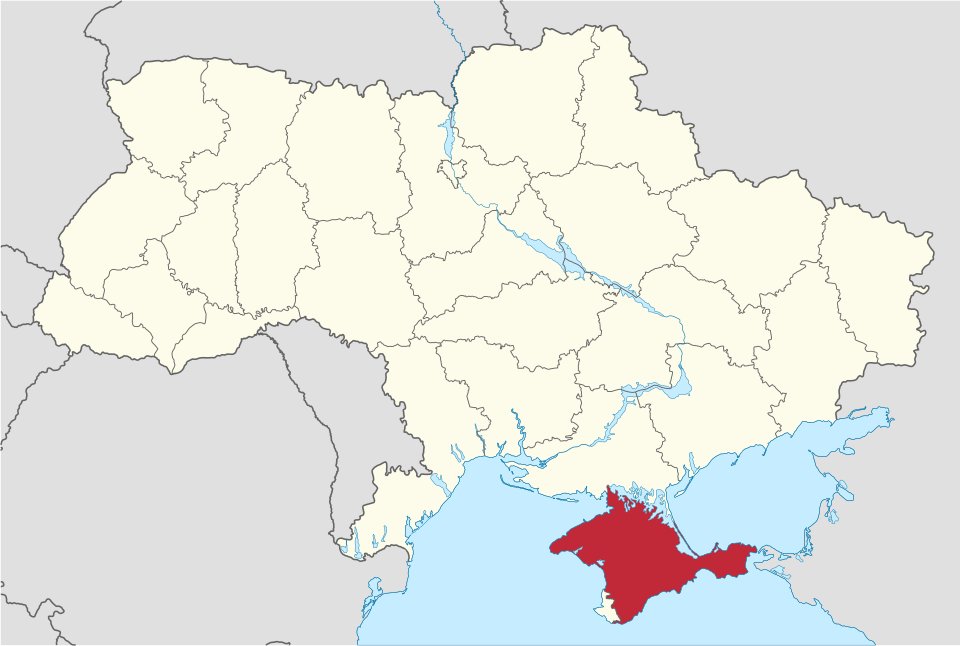
La Crimea è Ucraina, non può sopravvivere senza l’Ucraina e la guerra iniziata nel 2022 sta paradossalmente dimostrando quanto l'annessione del 2014 sia stata incauta e di fatto insostenibile. Lo scrivo, con buona pace di Travaglio, ma soprattutto di Lucio Caracciolo, che sulla rivista Limes, continua a proporre cartine in cui si ritrova la regione illegalmente occupata puntualmente dello stesso colore della Russia, quasi a legittimare per via editoriale ciò che il diritto internazionale vieta.
In questi giorni, infatti, si parla molto - l’ho fatto io stesso - del blocco logistico che sta paralizzando i rifornimenti della penisola, legato all’abbandono del traffico ferroviario attraverso il ponte di Kerch, oltre ai colpi inferti all’Ucraina sia ai traghetti che operano nello stretto, sia ai collegamenti via terra lungo la M-14, la strada che attraversa tutte le aree occupate del sud-est dell’Ucraina. Si susseguono notizie sui razionamenti della benzina e sui social appaiono immagini di code interminabili ai distributori per accaparrarsi quel poco di carburante che non viene requisito dalle forze di occupazione per le esigenze militari. Ma ci sono almeno altre due emergenze che ora rischiano di esplodere e che ben rappresentano come la visione imperiale di Vladimir Putin sia del tutto scollegata dalle reali capacità militari e logistiche di una media potenza come la Russia.
La prima è quella energetica. La Crimea viene rifornita attraverso cavi sottomarini che operano già al massimo della capacità, anche a causa delle necessità dell’esercito e dei sistemi di difesa. L’infrastruttura è quindi estremamente fragile, dal momento che le sottostazioni elettriche sia sul lato della Crimea che su quello di Krasnodar sono esposte al fuoco ucraino e il loro danneggiamento causerebbe il collasso dell’intera rete. Per compensare il deficit, la Russia ha costruito due grandi centrali termoelettriche a ciclo combinato, Tavridska (vicino a Simferopol) e Balaklava (vicino a Sebastopoli). Questi impianti sono alimentati a gas, ma l'intero sistema di generazione di supporto (inclusi i massicci generatori diesel d'emergenza installati per proteggere i siti militari, i radar e gli ospedali) dipende appunto dalla logistica dei combustibili liquidi, che, come si è detto, è praticamente interrotta. I flussi turistici estivi rischiano di mettere a dura prova la tenuta del sistema.
La seconda e assai più grave emergenza è quella idrica. La scelta folle delle forze di occupazione russe di far saltare la diga di Kakhovka nel giugno del 2023 per ostacolare la controffensiva ucraina ha di fatto azzerato la portata del Canale Nord-Crimeano (Severo-Krymskiy Kanal), che storicamente forniva l’85% dell’acqua utilizzata dalla penisola. I bacini idrici che alimentano il sud-est e il centro della Crimea (in particolare il bacino di Belogorsk e quello di Taigan) mostrano ampie aree completamente deidratate. Il fiume Biyuk-Karasu, che dovrebbe alimentarli, è quasi in secca. Le riserve accumulate ad inizio anno, nonostante le rassicurazioni delle autorità, difficilmente sopravviveranno alla stagione estiva.
A questo si aggiungono le recenti criminali perforazioni disposte dall’amministrazione, le quali hanno causato la contaminazione delle falde con acqua salata. Dai rubinetti in molte zone della penisola esce quindi acqua salmastra, inutilizzabile sia per scopi potabili, sia per l’irrigazione, elemento questo, che sta azzerando tutte le coltivazioni intensive. Il Cremlino sta stanziando miliardi di rubli in sussidi d'emergenza per salvare almeno la viticoltura e la frutticoltura, ma gli idrologi locali concordano sul fatto che, senza una soluzione strutturale, la Crimea si avvia verso un processo di progressiva desertificazione interna.
Il paradosso vero è che le azioni criminali del Cremlino stanno ricreando artificialmente esattamente le condizioni che costrinsero l’allora leader dell’URSS Nikita Chruščëv a “donare” la Crimea all’Ucraina nel 1954. Una scelta ritenuta scellerata da Putin. Secondo la retorica del capo del Cremlino - avvalorata anche da diversi accademici nostrani, che sostengono che la penisola sia "sempre stata russa” - quella cessione fu infatti un’elargizione azzardata ed ingiusta, ma la realtà dei fatti è che fu allora una scelta non solo oculata, ma anche necessaria.
Dopo la deportazione nel ‘44 di 200.000 tatari, la popolazione turcofona indigena della penisola, accusati falsamente di collaborazione col nazismo (un evergreen della propaganda di Mosca), Stalin vi spostò decine di migliaia di russi, i quali tuttavia, a differenza dei nativi, non riuscirono a coltivare le aride terre interne con la poca acqua disponibile, facendo così crollare la produzione agricola e l’economia della regione. Fu allora progettato proprio il Canale Nord-Crimeano, che avrebbe dovuto portare acqua dal Dnipro grazie alla diga di Kakhovka, ma il fatto che la mastodontica opera dovesse essere gestita da due diverse amministrazioni (russa e ucraina) rendeva l’impresa un incubo burocratico. Chruščëv decise dunque di rendere la Crimea ucraina proprio per ragioni “idriche”, sebbene avesse presentato la cessione come un "nobile atto del popolo russo" per commemorare il 300° anniversario del Trattato di Perejaslav (1654), interpretato dalla propaganda sovietica come la "riunificazione eterna" tra Ucraina e Russia, ottenendo peraltro anche l’appoggio della potente élite politica di Kyiv.
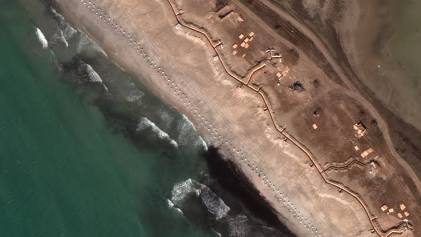
Non ci vuole molto per capire che nella Crimea ucraina, che fino al 2014 i russi frequentavano senza restrizioni come splendido paradiso turistico, oggi quegli stessi russi si ritrovano su spiagge piene di denti di drago, con chilometri di filo spinato sulla battigia e trincee per la fanteria, per poi immergersi in un mare minato, spesso a due passi da postazioni missilistiche che rappresentano obiettivi militari, mentre mancano benzina, acqua ed energia e la situazione agricola del 2026 somiglia a quella dei primi anni ‘50. Piaccia o no ai propagandisti nostrani, il fallimento della presa di Kherson nel 2022 rende impensabile uno scenario in cui la Crimea possa sopravvivere senza l’Ucraina. La Russia d’altra parte fa, anche lì, le uniche cose che sa fare: uccidere, deportare, militarizzare, desertificare, distruggere.
#CrimeaIsUkraine
#SlavaUkraini
46
337
1,221
22,480

E retweeted

Jun 7
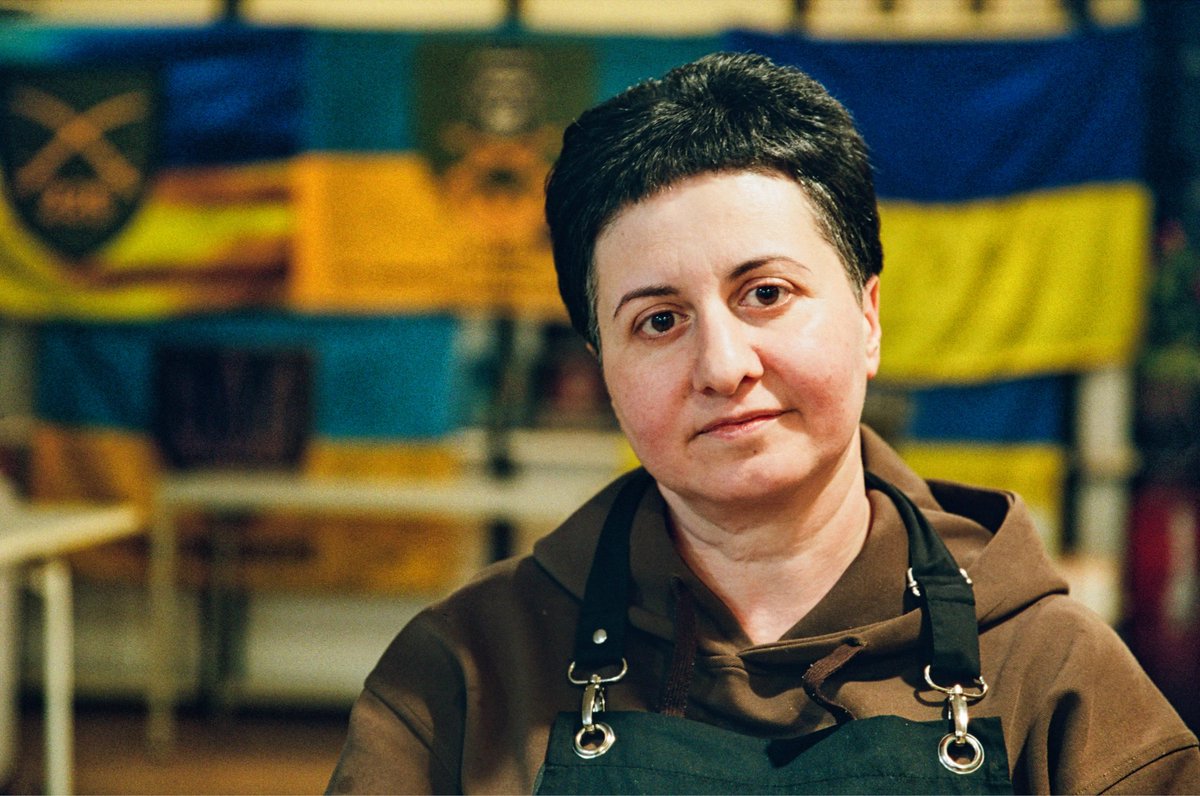
Roxana Pavlenko, 47, feeds thousands in Kharkiv every day, through blackouts, air raids, and shelling. Her kitchen, Soul of Kharkiv, supplies shelters, schools and front-line units
She has kept it running since 2022 and through two rounds of cancer, Korbinian Kramer, Kyiv Post. 1/
10
174
654
6,840
E retweeted
Jun 5
The greatest lie Russia ever told was convincing people it is a superpower.
Its economy is smaller than Italy's.
Its GDP per capita is lower than Uruguay's.
Its military is the second-best... in Ukraine.
The only things Russia truly invests in and innovates are kinetic warfare and information warfare.
It has one of the worst demographic outlooks in the world.
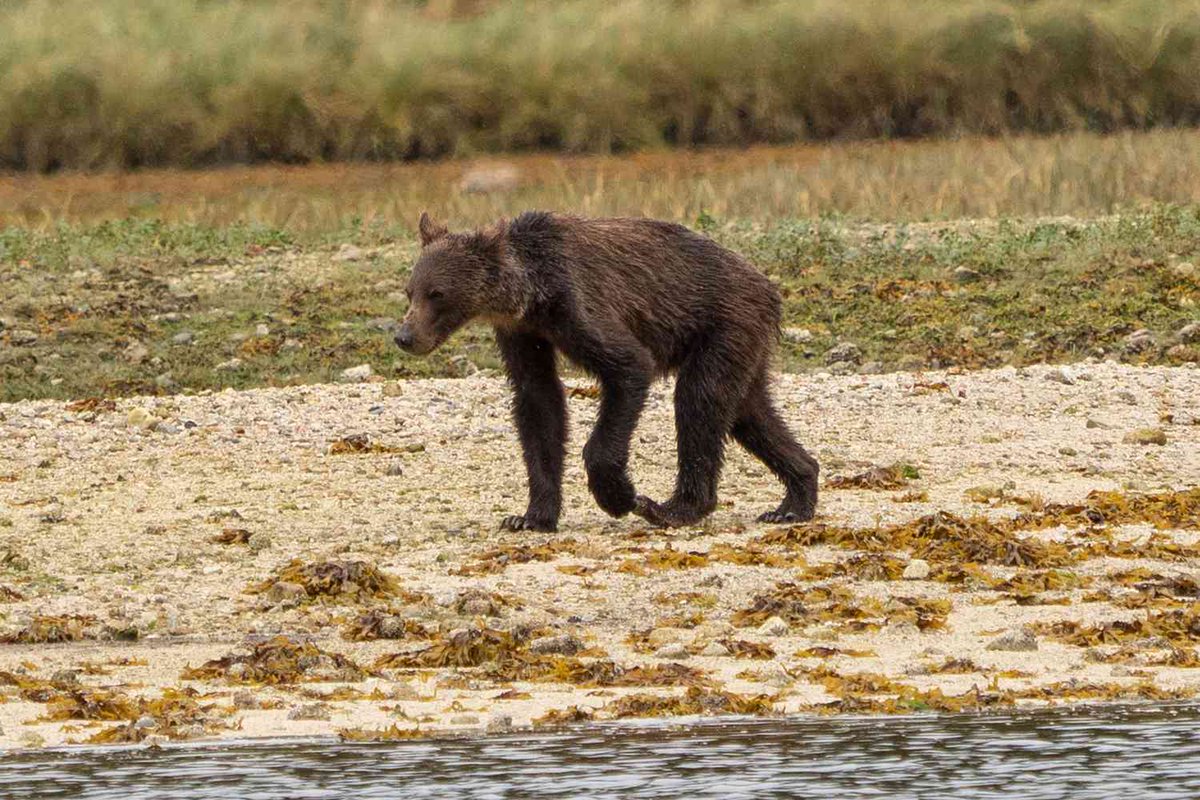
Russia is a paper bear.
563
2,224
10,666
181,627
E retweeted

Proud to be the first high school student in the world to ever be sanctioned by an authoritarian regime for uncovering corruption. It just proves that the work I’ve done to expose Russias sanctions evasion stablecoin, A7A5, has touched a raw nerve.
thetimes.com/world/russia-uk…
352
2,528
11,444
238,971
E retweeted

😭🕯 Veronika Chuyan, a 29-year-old mother, was killed yesterday during the Russian attack on Kyiv. She was running to a bomb shelter, desperately trying to get her children to safety.
She was trying to save her two little boys, aged 5 and nearly 3.
A Russian missile exploded right next to the family. Veronika died on the spot. Her eldest son is now in the hospital; he suffered severe injuries and underwent emergency surgery. Her youngest child escaped with only bruises.

239
1,353
4,093
50,070
E retweeted

Jun 3
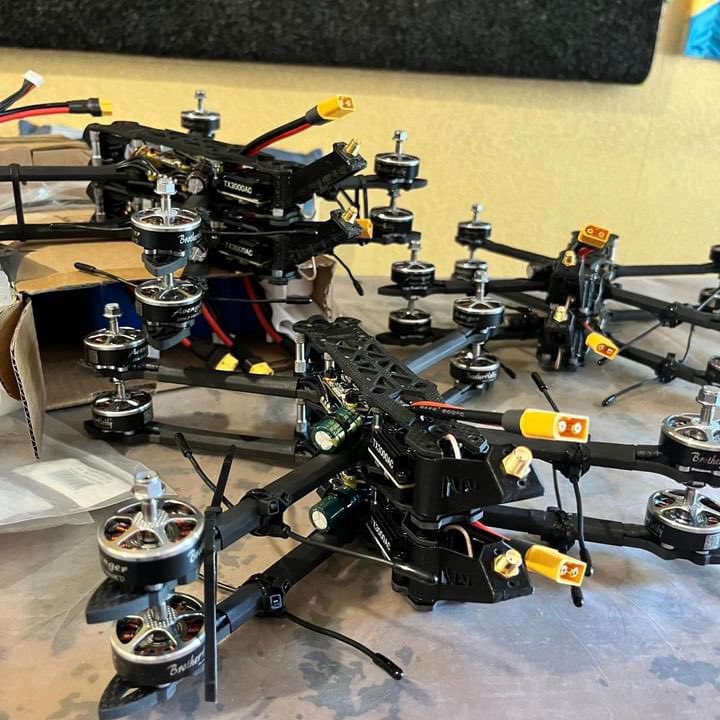
Good news! I’m buying one charging station and 5 drones! 🥳
Still missing a little bit but I’ll try to find some 💰
Donation never stops!
Pp for more 🔥 juliapod.art@gmail.com
12
195
509
5,389