
Joined February 2019
- Tweets 9,205
- Following 8
- Followers 107
- Likes 20,939
51 Photos and videos



Who's paying for all of those muslims to be in the UK and the rest of europe? Hit them all in their wallets.

2
True that
@elonmusk has brought us EVs, saved free speech, and is trying to save humanity in his own way. He also just created a lot of new millionaires.

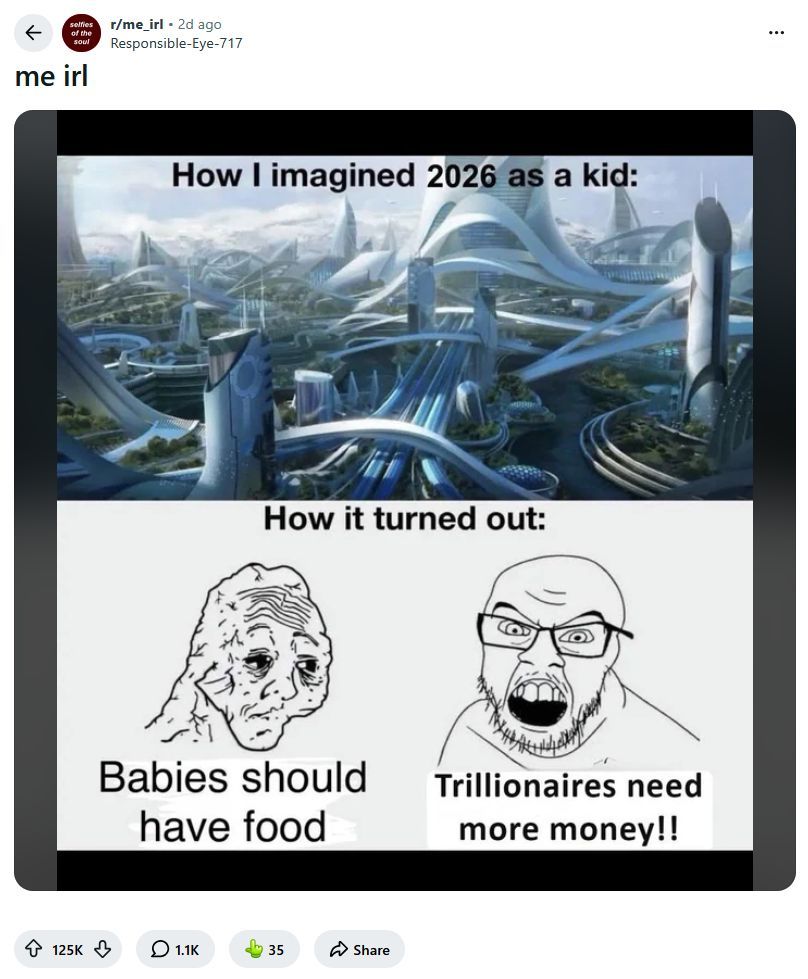
Notice how the trillionaire that is trying to make the above picture a reality is being dragged down by Redditors who don't understand anything?
3
I know that series of images and book titles!


1
21

Jun 15
Asian games appeal to lust too often.
Western games don't seem to appeal to anything, especially the players.
It's little wonder asian money dries up. If anything, I think china was specifically pushing the west into going full retard with woke: it created a vacuum for china

Ninja Theory is the latest studio to get the dreaded “Xbox” call.
They, along with Compulsion, are being given a narrow window of time to find buyers or new investors.
In today’s market, that is going to be almost impossible.
All the Asian funding for games has dried up, because they figured out they could make their own games and do it better.
And Asian money was the biggest investment vehicle in games.
37
Jun 12
I'm up for the discussion that only people born in america can be in the government.
Jun 12

City Council meeting in Hamtramck, MI
Hard to believe that this is America
5
Jun 12
Do any of them play DnD or battletech?
Jun 12

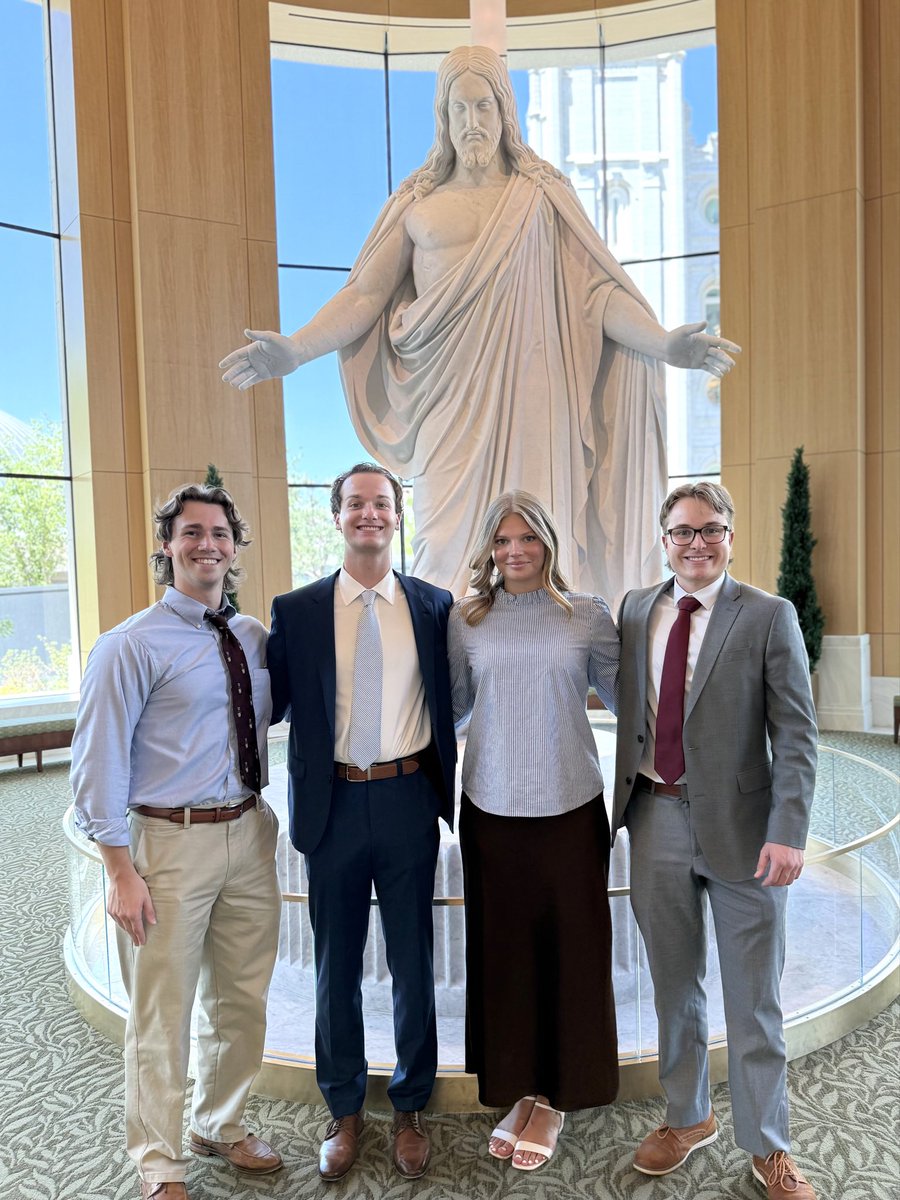
we have an epidemic of lonely church girls
35
Yes, it really is slavery at that point.

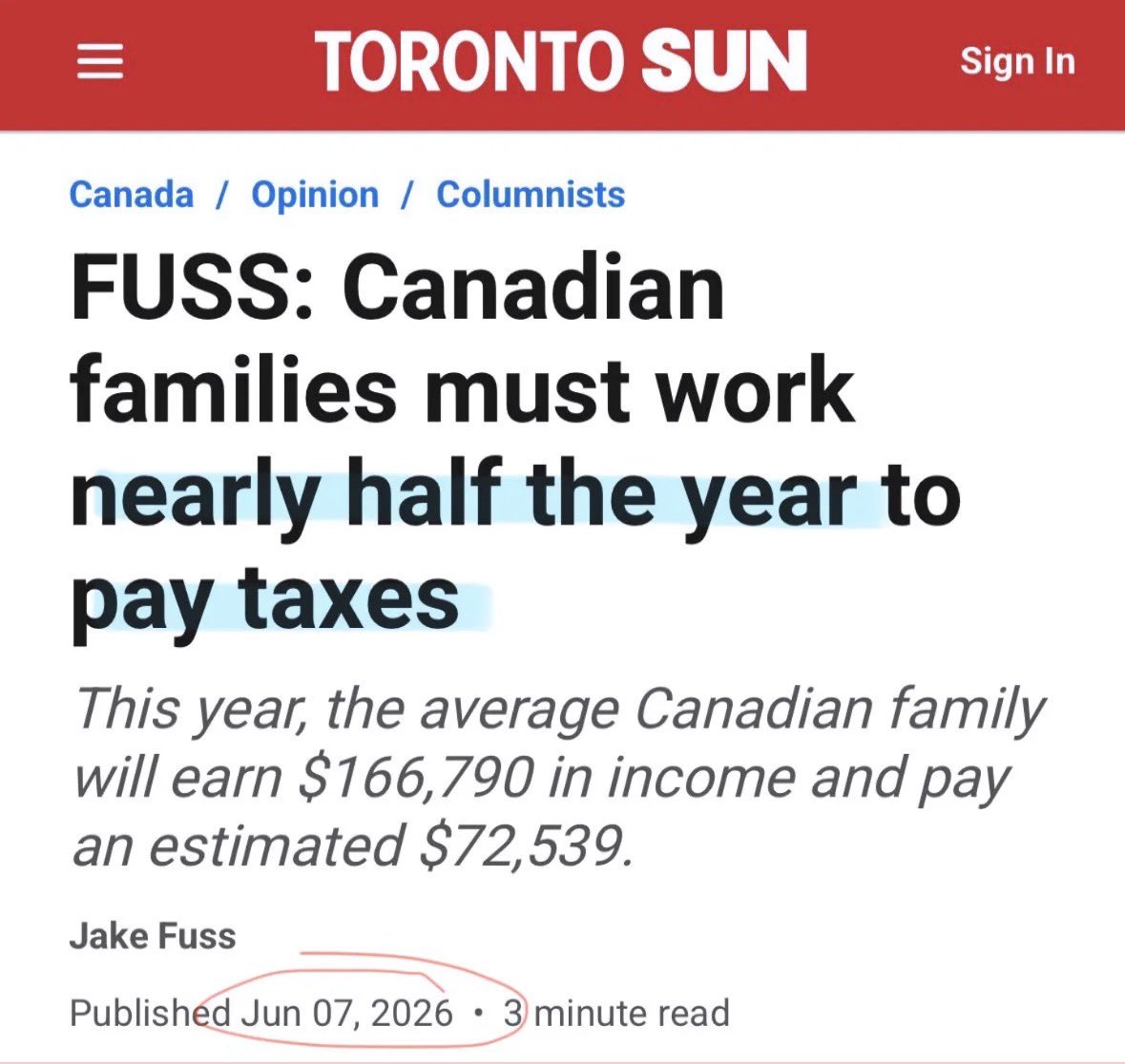
1
33
Winterclaw42 retweeted

Jun 8
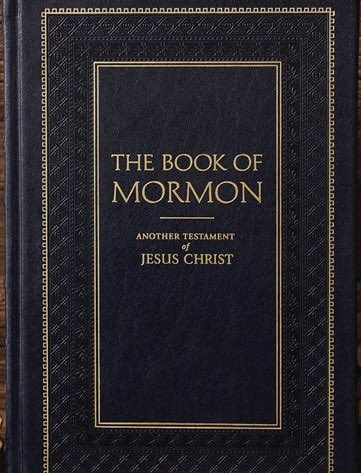
Here are three compelling reasons to think the Book of Mormon is not a historical work:
1. Lack of archaeological confirmation
Most Bibles contain maps that describe where important biblical events took place. You can visit the ruins of cities described in the Bible. The same is not true for the Book of Mormon. The book itself contains no maps; moreover, there are no references to where the events it describes took place. None of the sites described in the Book of Mormon have ever been found, and even LDS scholars don’t agree on the general location of where the events in the book took place.
According to the National Geographic Society, “Archaeologists and other scholars have long probed the hemisphere’s past, and the society does not know of anything found so far that has substantiated the Book of Mormon.” (mit.irr.org/national-geograp…)
Although it is possible that evidence for the events in the Book of Mormon lies deep underground waiting to be discovered, this lack of evidence does not bode well for the book’s claims to being historical.
2. The existence of anachronisms
The Book of Mormon describes many things that did not exist in the Americas during the time when the events in the Book of Mormon allegedly took place. These include animals (dogs, horses, cows, elephants), plants (barley and wheat), fabrics (silk), metals (steel and iron), and technologies (swords and chariots).
Although it is possible (in the barest sense of the term) that these items are waiting to be discovered by archaeologists or that these modern words refer to completely different things (such as when Europeans used the term “water horse” to describe a hippopotamus), it’s more likely that these anachronisms are evidence of Joseph Smith’s lack of knowledge about ancient America and more proof that the Book of Mormon is a work of fiction.
3. Evidence of plagiarism
Significant portions of the Book of Mormon consist of a word-for-word copy of the King James Version of the Bible. These include dozens of whole chapters from the prophet Isaiah as well as scores of verses from the New Testament. Especially troubling are passages like Moroni 7:44-47 that copy large portions of the New Testament but do not cite those passages.
Since the New Testament wasn’t available for the Nephites (the people whose history the Book of Mormon allegedly records) to copy and place in their own records, these passages most likely came from Smith’s recollection of the Bible.
For more, see @counseloftrent's video "5 Reasons to Doubt the Book of Mormon" (linked below)
Jun 7

Read the Book of Mormon.
Cover to cover.
Pray about it, asking sincerely to know whether it’s true (the final chapter provides specific guidance on this point).
Then tell me whether Latter-day Saints believe in Jesus Christ.
Will you accept that challenge?
82
161
1,337
81,961
The GOP fails us once again.

1
14
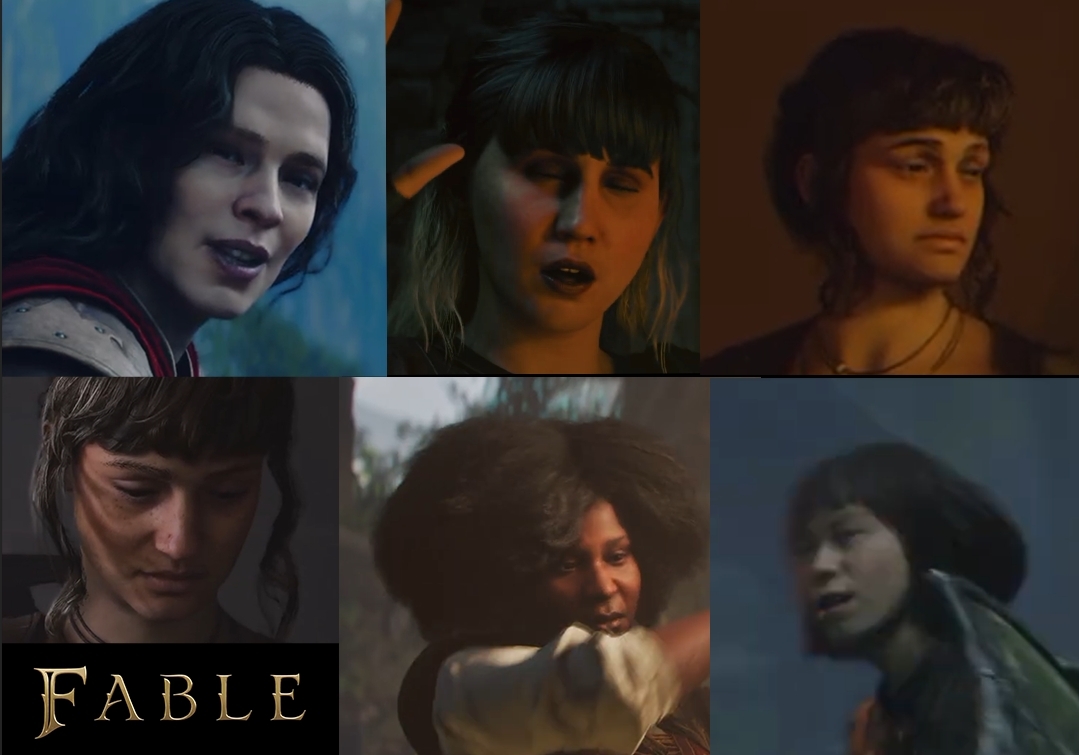
The woke want ugly chicks.
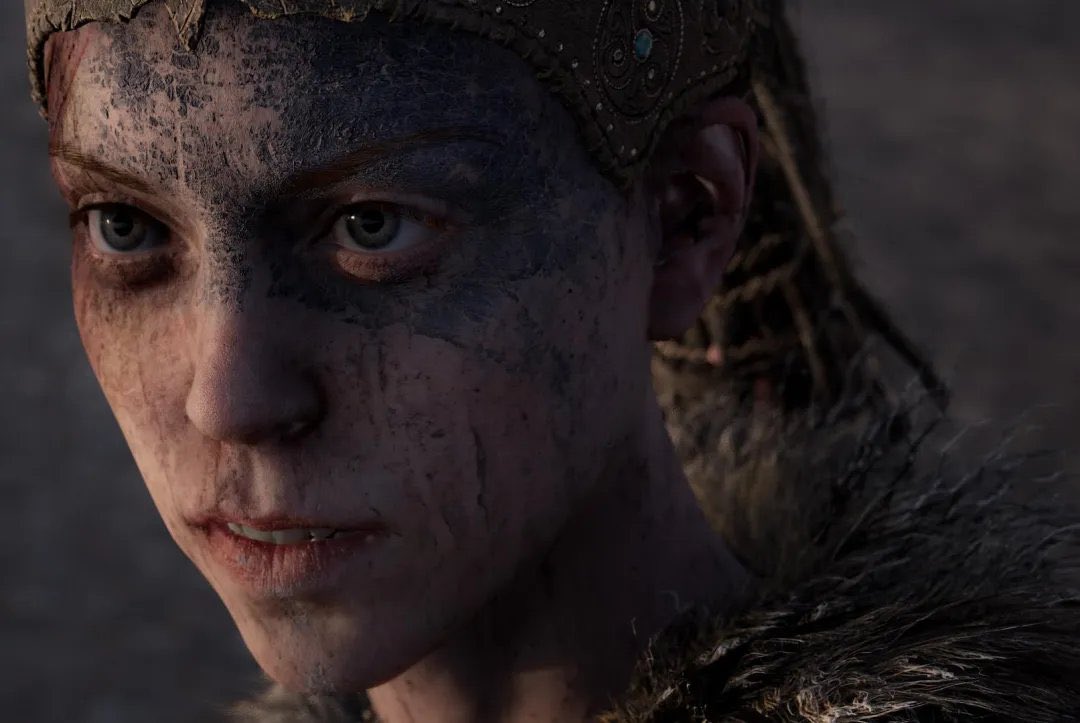
The complete inability to render ONE decent looking female character in Fable needs to be studied.
Seriously, this is ridiculous.
And they will tell you it's a "technology and lighting" problem.
1
52


Wasn't going to get one before because the games were too expensive and Nintendo was doing a heel turn.
Neither of those things changed.
Jun 5

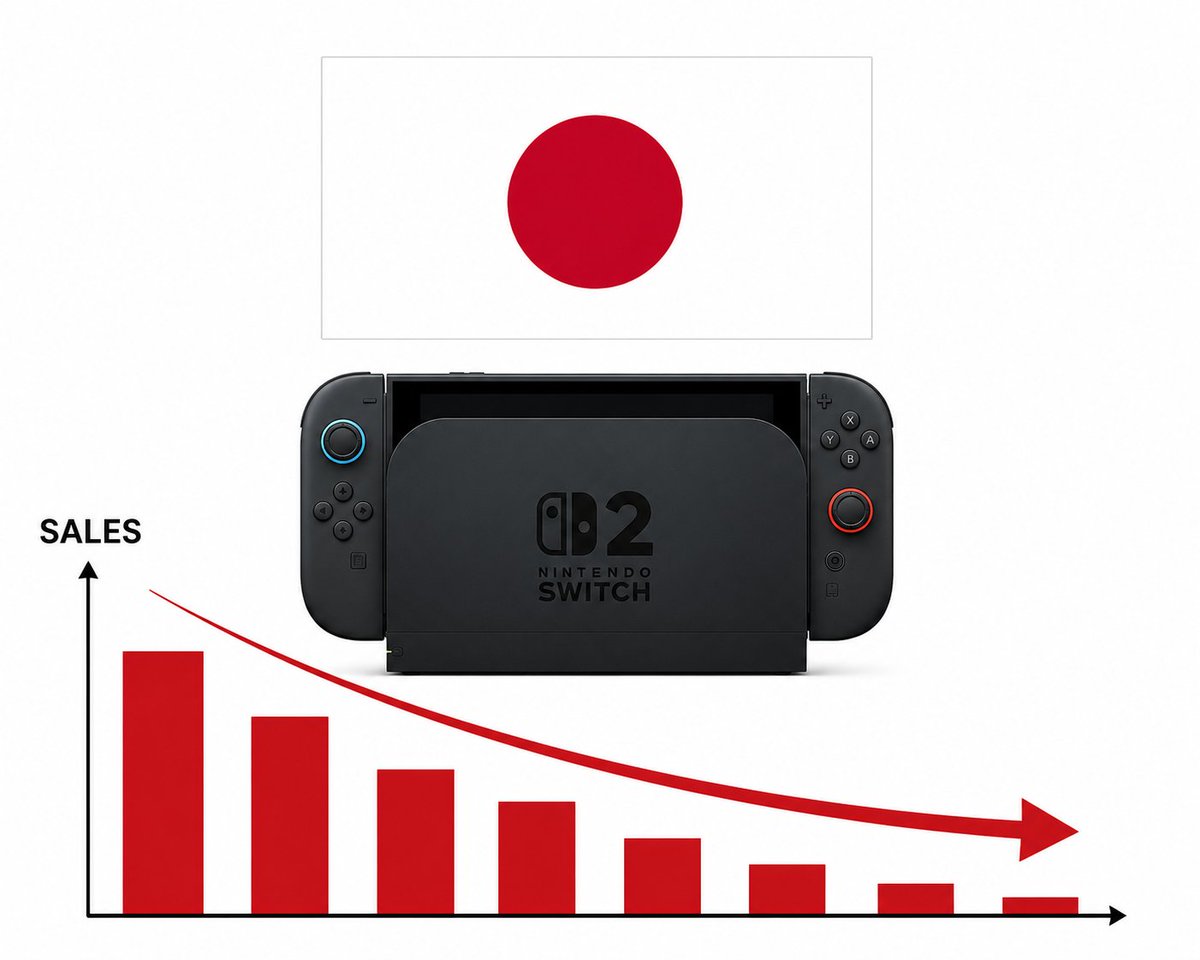
Nintendo Switch 2 sales in Japan dropped 87% after a huge number of gamers purchased the console before the recent price increase.
Nintendo raised the Switch 2’s price in Japan from ¥49,980 to ¥59,980, prompting many consumers to buy early.
Once the new price took effect, weekly sales fell sharply from over 200,000 units to around 31,700.
62
Today is the anniversary of the Battle of Midway. This victory allowed the US to focus on Germany first.
No midway, no D-day.
7
I think western media in general doesn't want to represent normal people or its fans.
Wuthering Waves is doing their crossover with Cyberpunk Edgerunners. They also did this Developer Deep Dive on their channel today.
What struck me was how Western Devs don't talk like this anymore:
- We need to push harder for better optimization and compatibility.
- We always want to bring you a better game experience.
The whole interview is like this, about delivering what gamers want. The focus on the gamer is relentless.
Western interviews tend to be more about "what WE wanted to do" which is more dev as storyteller focus and "if you don't like it don't play it."
17
Winterclaw42 retweeted

Jun 1
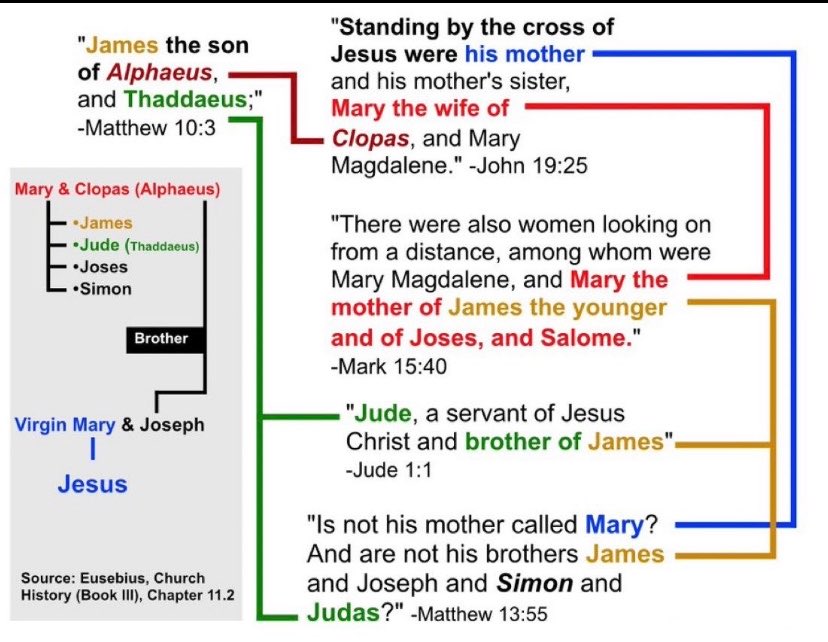
This picture alone destroys the myth that Mary had other children outside of Jesus
72
31
182
9,714
Yeah, it's not something to celebrate.


11
I think the better question is how high do you want the body count to be.
May 31

If both were sent on the same mission… who do you trust to get the job done:
John Wick or James Bond


12
May 30
On one hand, women should have the right to vote.
On the other:
May 30

Females have no moral compass. They are completely driven by emotions.
>Cameron Herrin
>18-year-old Florida street racer
>Was speeding over 100 mph in a street race when he slammed into a young mother pushing her toddler daughter in a stroller
>Killed Jessica Reisinger-Raubenolt, 24, and her 20-month-old daughter Lillia
>Sentenced to 24 years in prison
>Has gained a massive cult-like social media following, mostly young women on TikTok calling him “too cute” to be locked up
>Over 20,000 women have signed a Change org petition demanding his release or reduced sentence

15

May 27
They really need to plan for 3 FF and 3 DQ games each generation.
May 27
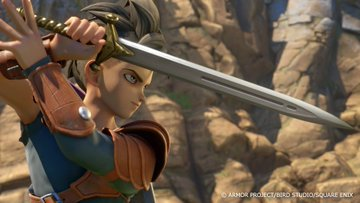
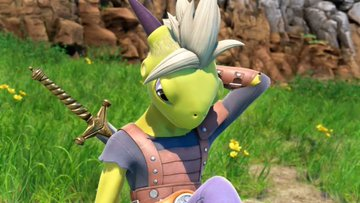
Dragon Quest XII has been renamed from The Flames of Fate to Beyond Dreams
The development team restarted the entire project from scratch after encountering major hurdles which means the game will be delayed even further.
The update was announced during the Dragon Quest Team stream

36