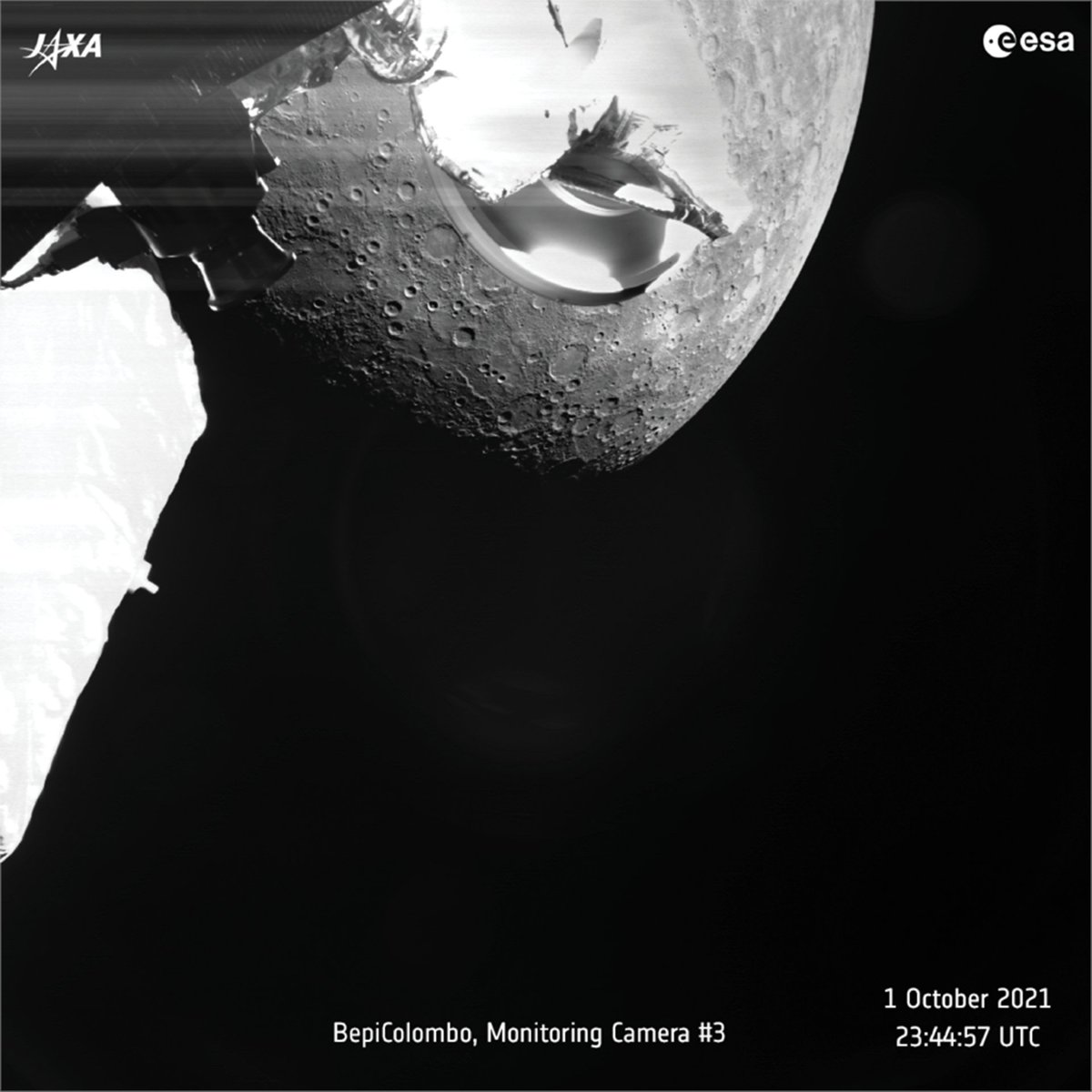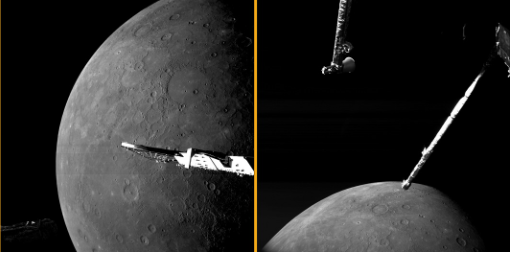
📽️Sit down, relax and enjoy #BepiColombo’s views as it moved gracefully around Mercury on 7-8 January 2025.
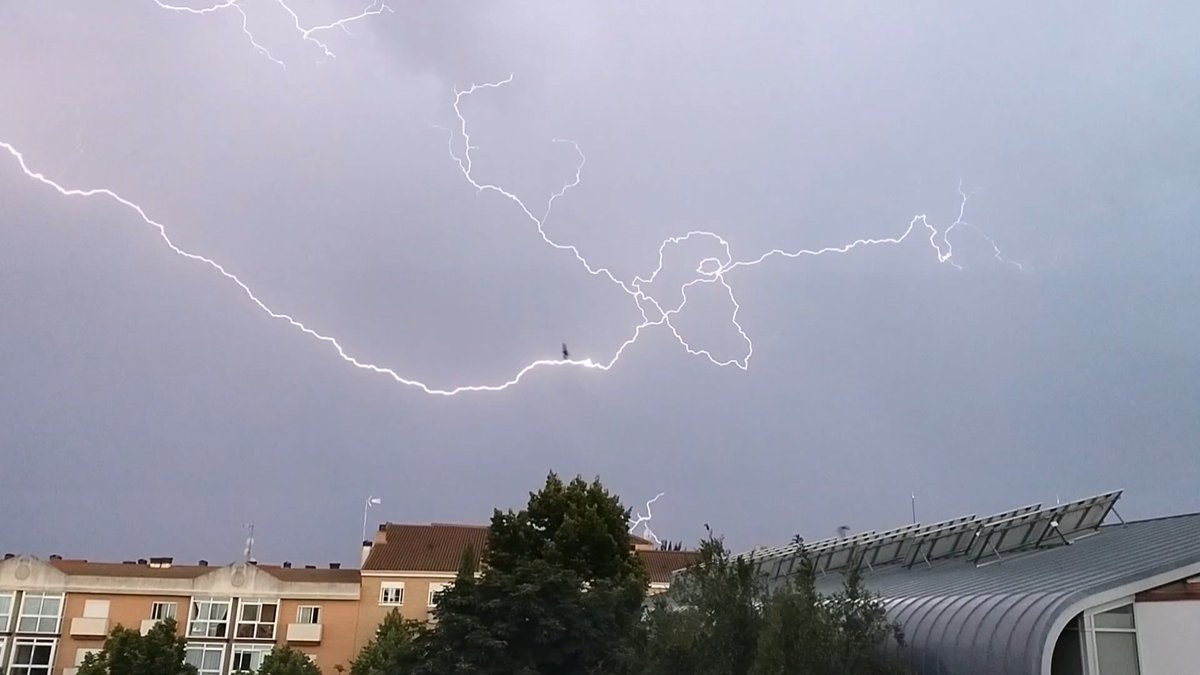
🎼🎶Playing in the background is The Hebrides overture by Felix Mendelssohn - can you guess why?
My favourite part is seeing #Mercury reflected in the solar array of @ESA_MTM. I've not noticed this before, perhaps because previous Mercury flyby videos haven't used M-CAM1 much. Very cool!
On 8 January 2025, BepiColombo completed its final Mercury flyby, setting up for orbit in late 2026!
OU experts @daverothery and @wrightplanet, part of BepiColombo’s MCAM team, supported the mission from the UK and Germany.
Read more! : ow.ly/h3Ag50UEbCp
ALT BepiColombo mission flew past Mercury for the sixth time
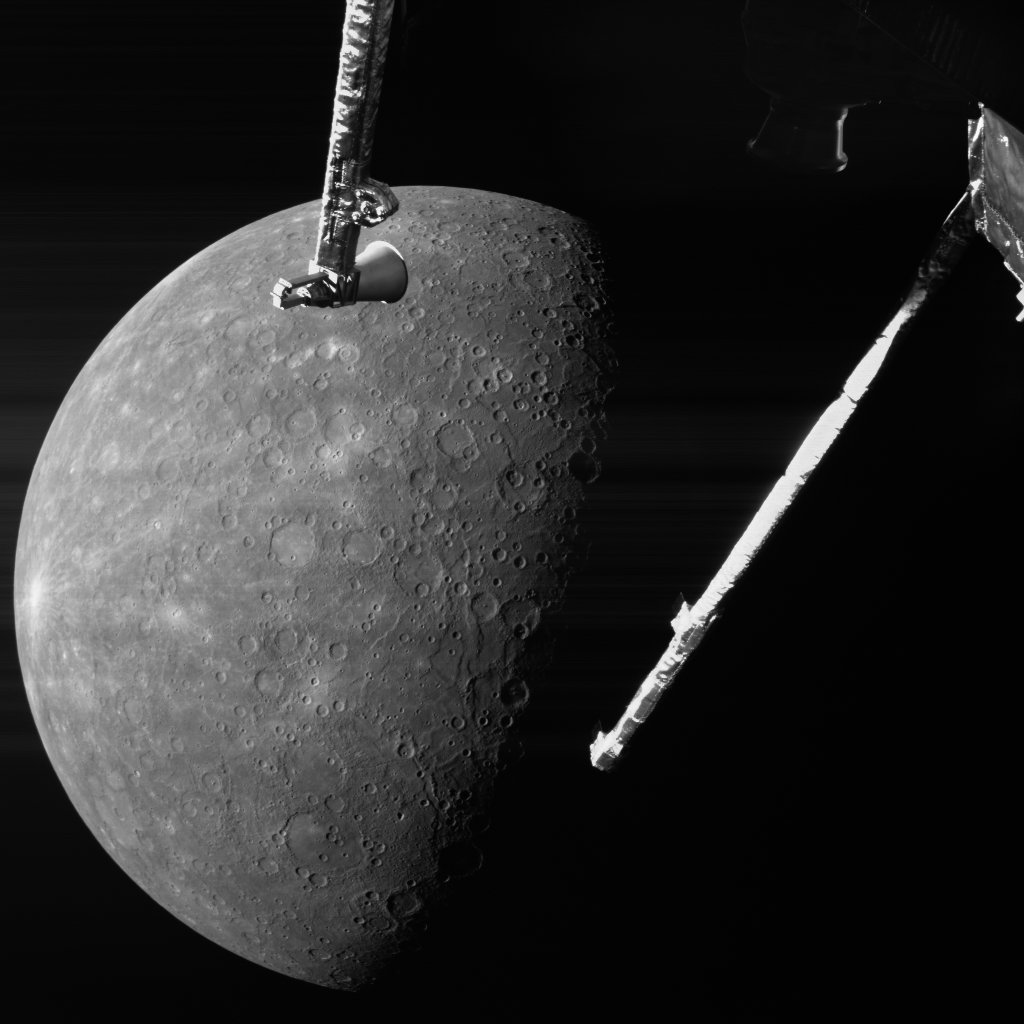
Our top three images from the sixth Mercury flyby are here! 🌗
See what they reveal about the mysterious planet here 👉 esa.int/Science_Exploration/… and in 🧵👇
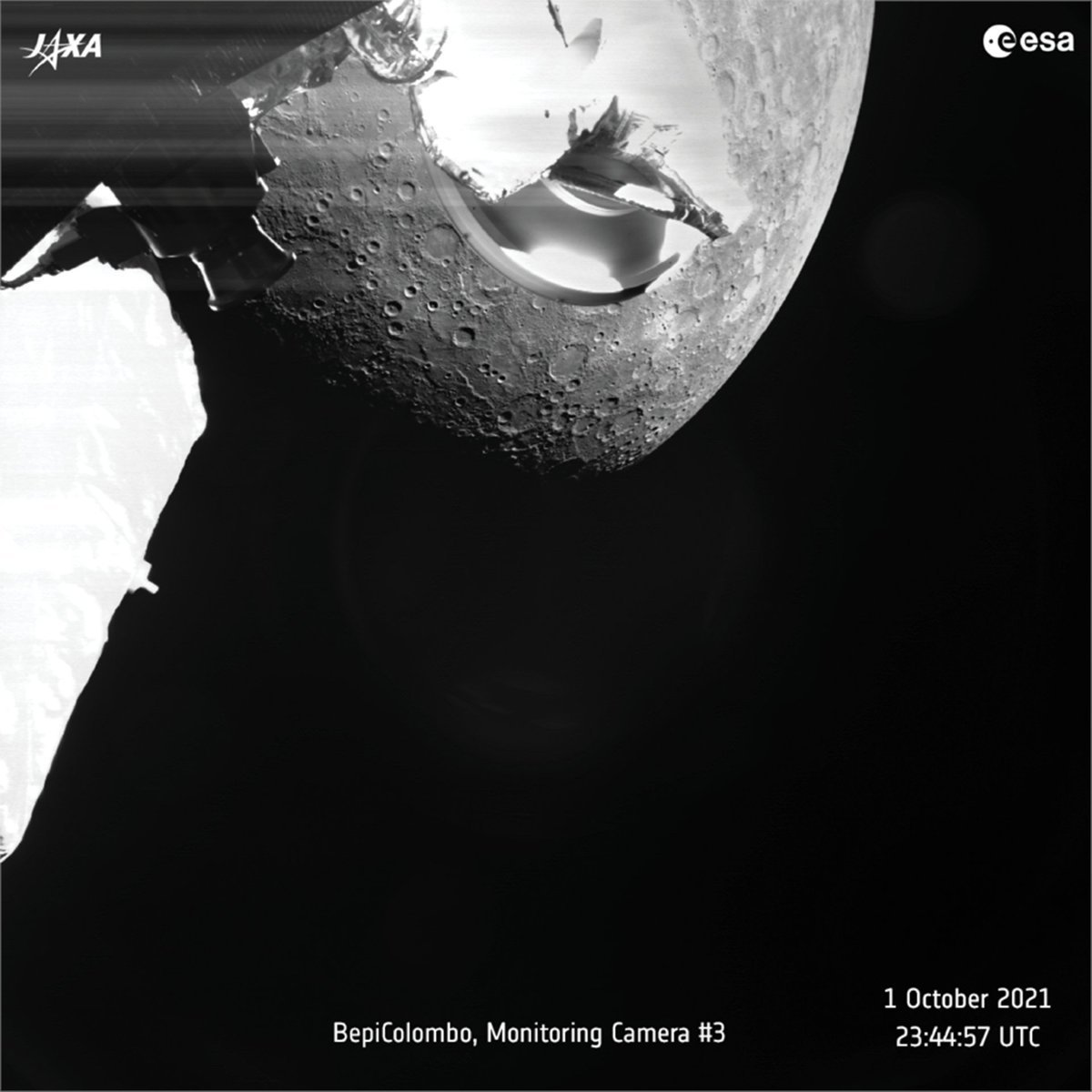
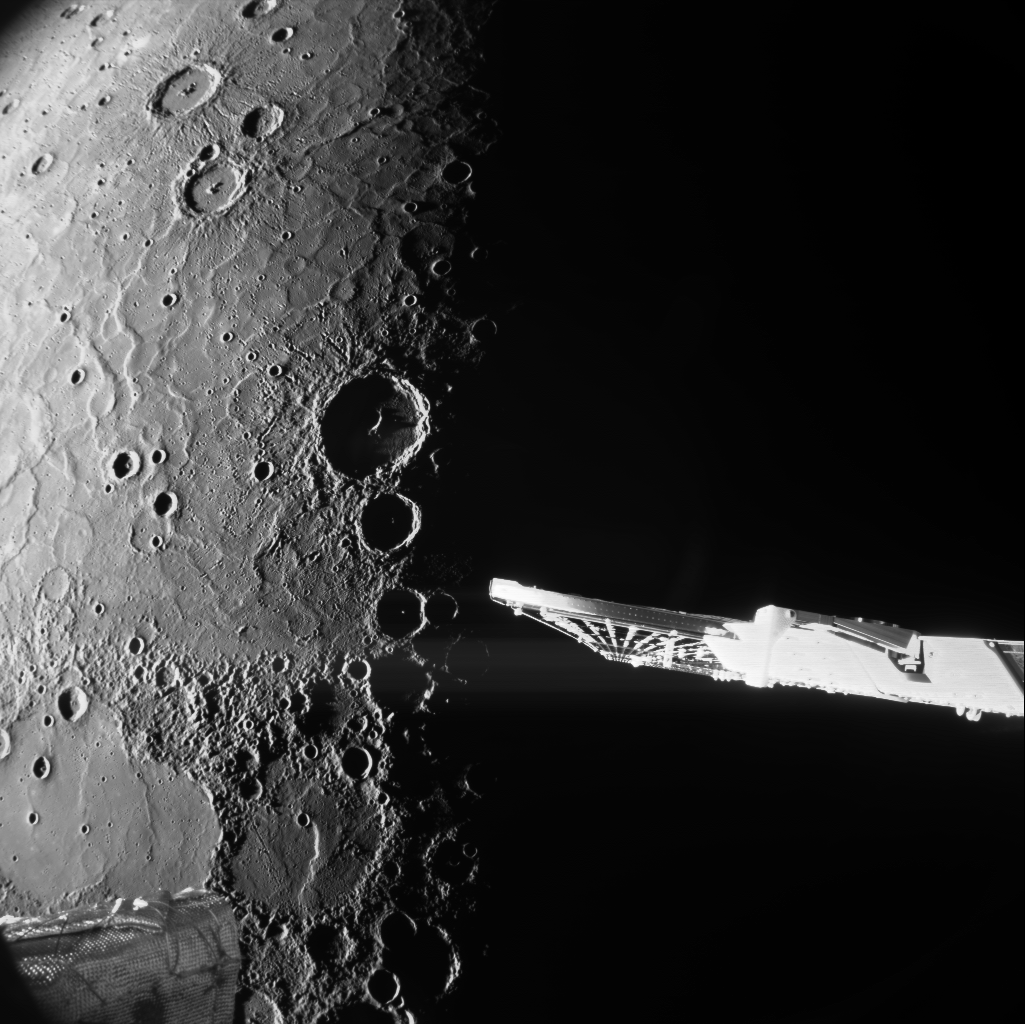
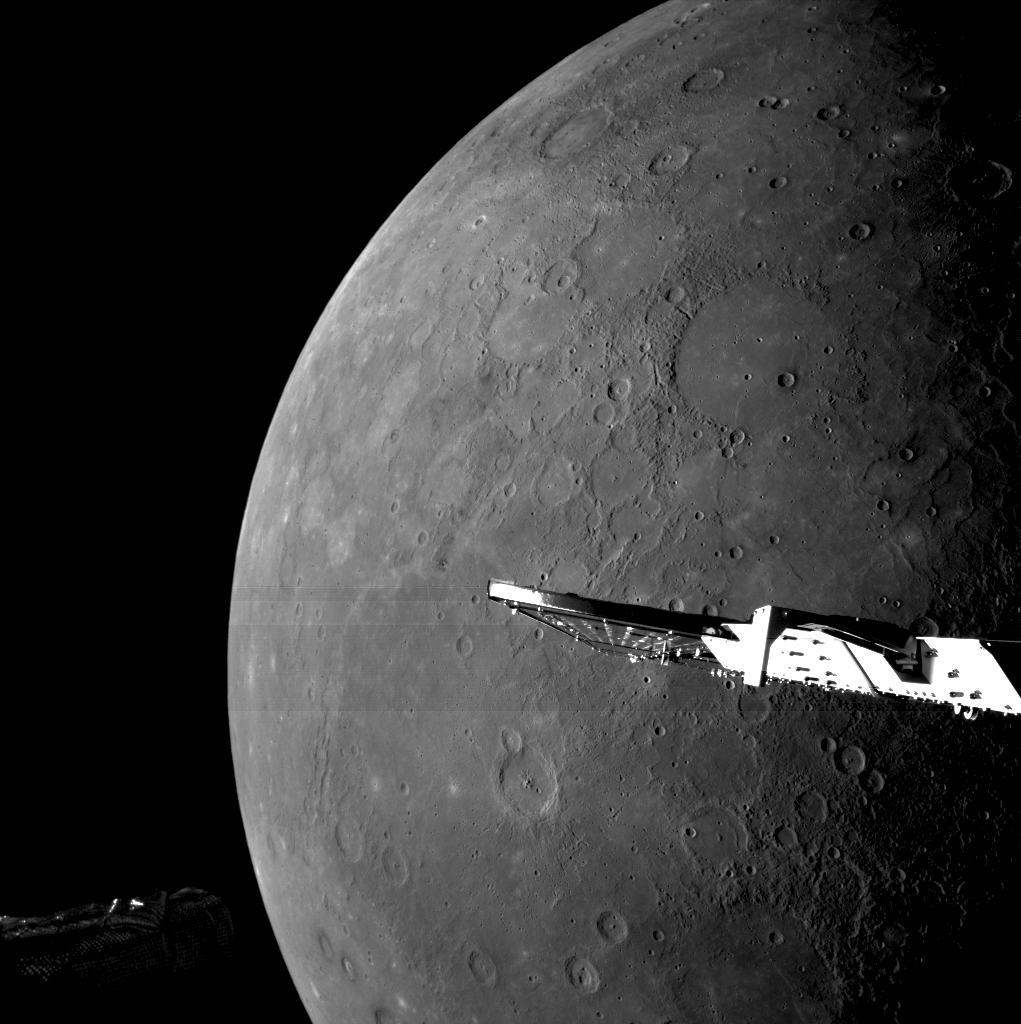
ALT Image taken by BepiColombo during its sixth Mercury flyby. Planet Mercury is visible in the background with its grey, cratered, pock-marked surface. In the foreground are some spacecraft parts.
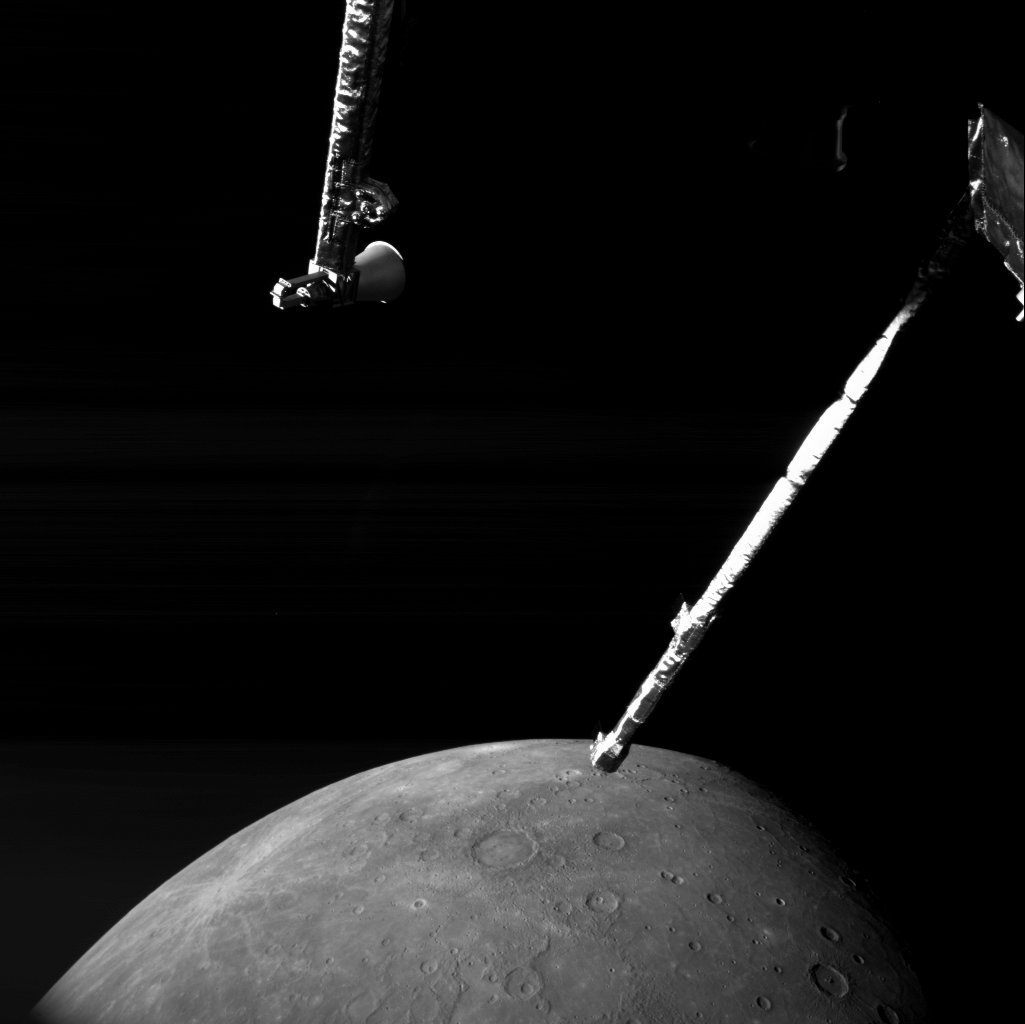
Images and other scientific data from this morning's close approach to Mercury by #bepicolombo are safely on the ground! We'll be sharing images from the closest approach tomorrow.
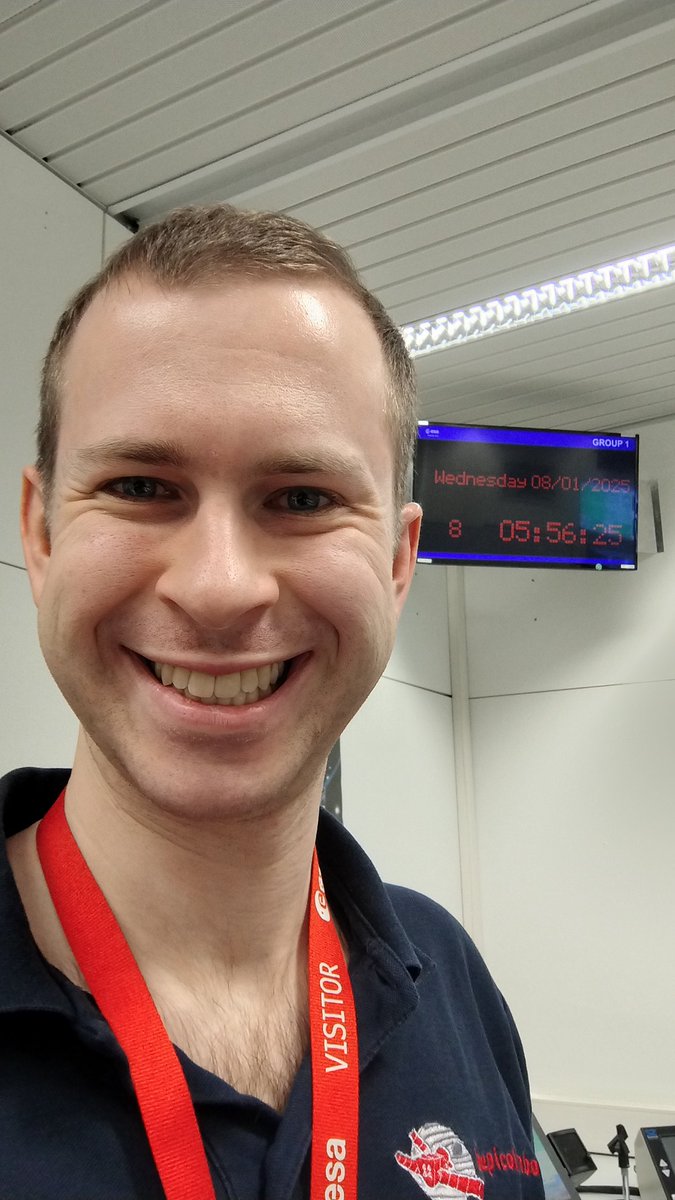
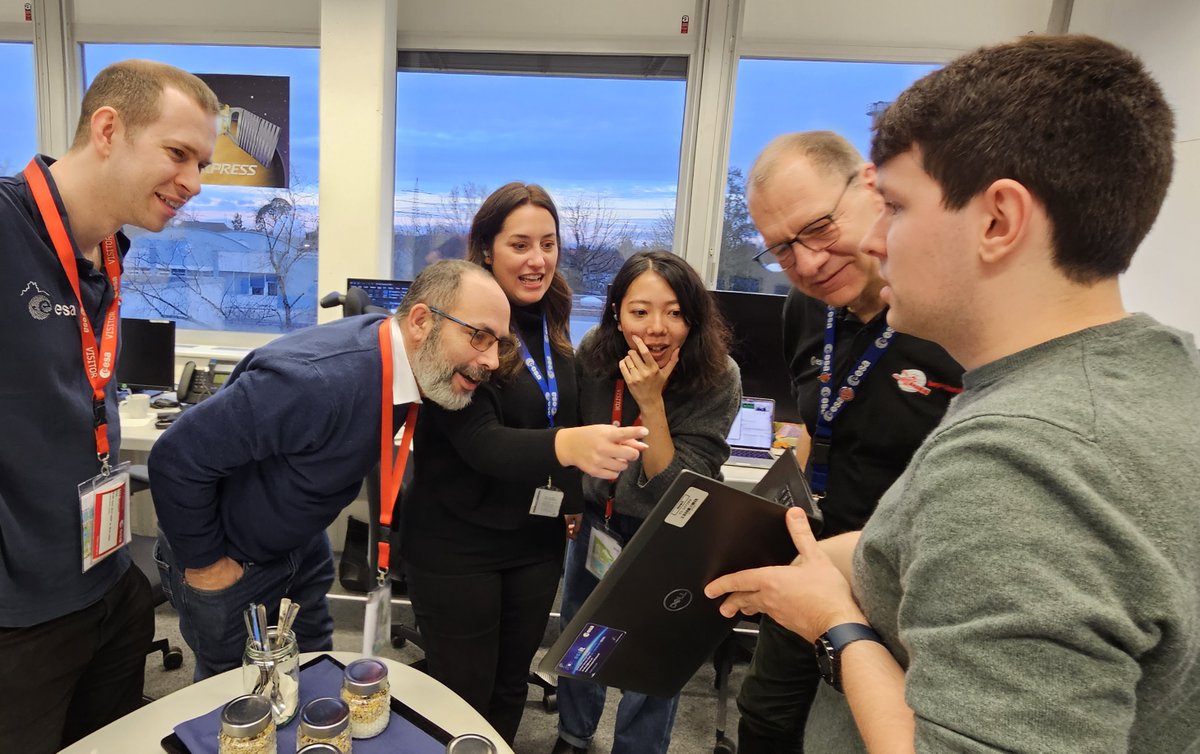
I'm really happy to be back @esa to analyse M-CAM images from @BepiColombo's final flyby of #Mercury. Here I am with a mission clock two minutes before closest approach. Go Bepi go! @ESA_Bepi@JAXA_MMO@ESA_MTM
BepiColombo is reaching its closest approach to Mercury now during its sixth encounter with the planet. It's 06:58:52 CET, and the spacecraft is 295km from the surface. #bepicolombo
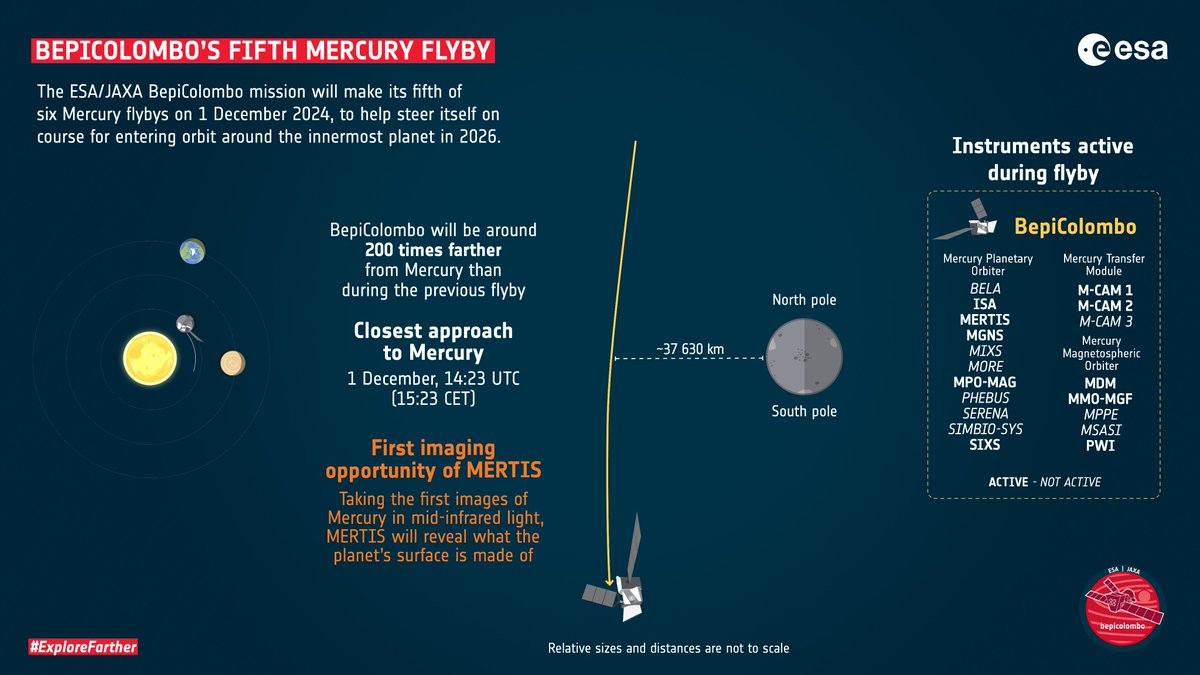
ALT Infographic explaining BepiColombo’s fifth flyby of Mercury. In the centre of the infographic we see the spacecraft flying past the planet. On the left we see the inner Solar System in perspective, with the positions of Mercury, Venus and Earth indicated. On the right we see which of BepiColombo’s instruments will be activated during the flyby.
#BepiColombo will fly less than 40 000 km above Mercury's surface this Sunday, marking its fifth flyby of the planet.
🆕Its MERTIS instrument will observe the planet in mid-infrared light, making BepiColombo the first spacecraft ever to do so 😎
ALT Infographic explaining BepiColombo’s fifth flyby of Mercury. In the centre of the infographic we see the spacecraft flying past the planet. On the left we see the inner Solar System in perspective, with the positions of Mercury, Venus and Earth indicated. On the right we see which of BepiColombo’s instruments will be activated during the flyby.
Sit back, relax, and enjoy this beautiful timelapse of last week's Mercury flyby, set to some special music inspired by a crater that appears in some images 😉
Its closest pass yet and its first-ever views of Mercury's south pole – last night was quite a night for #BepiColombo!
Enjoy this taste of our fourth Mercury flyby.
Details & images 👇esa.int/Science_Exploration/…
Our #BepiColombo@esaoperations team confirm all went well with our Mercury flyby last night. Now we wait and see what images & data our instrument teams collected!
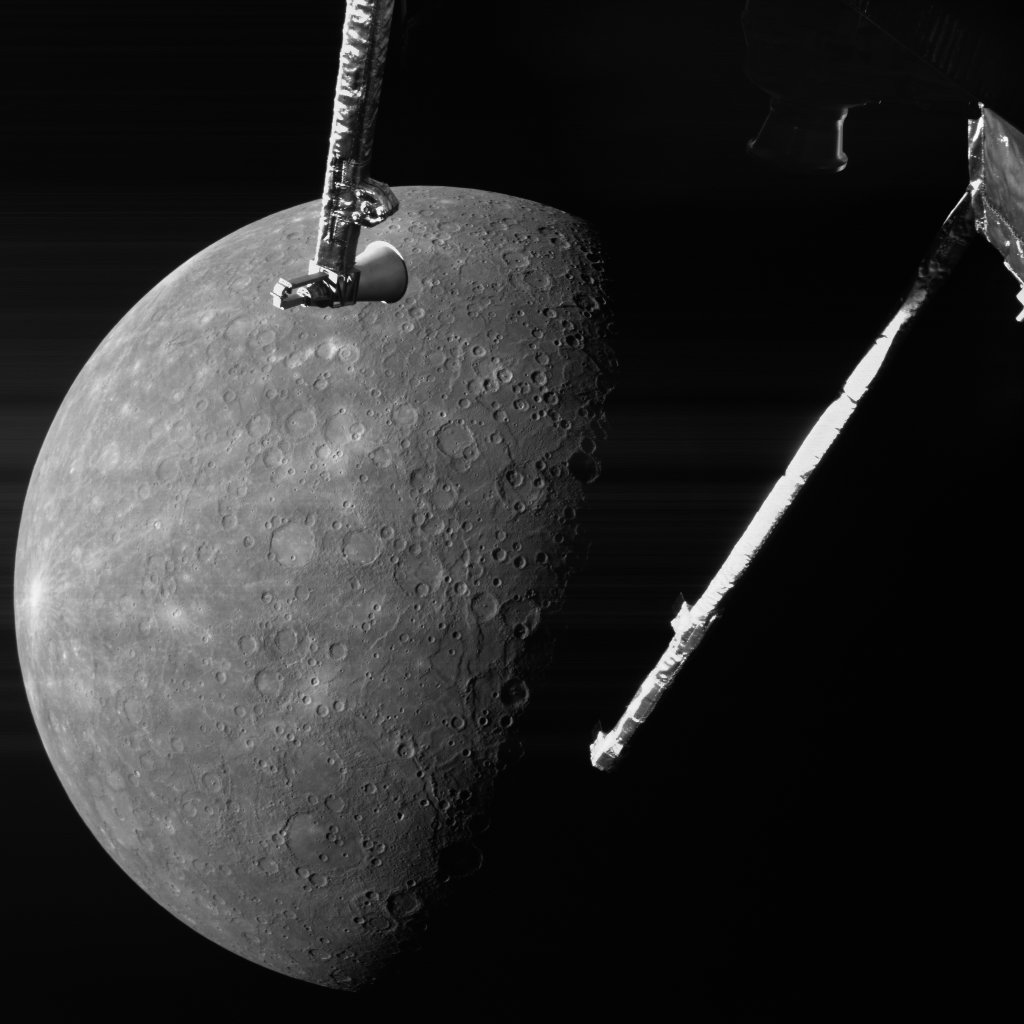
Stay tuned for a selfie-cam update later today. Here's a sneak preview 🤫
ALT Grey cratered and pock-marked planet, with spacecraft parts visible in the foreground.
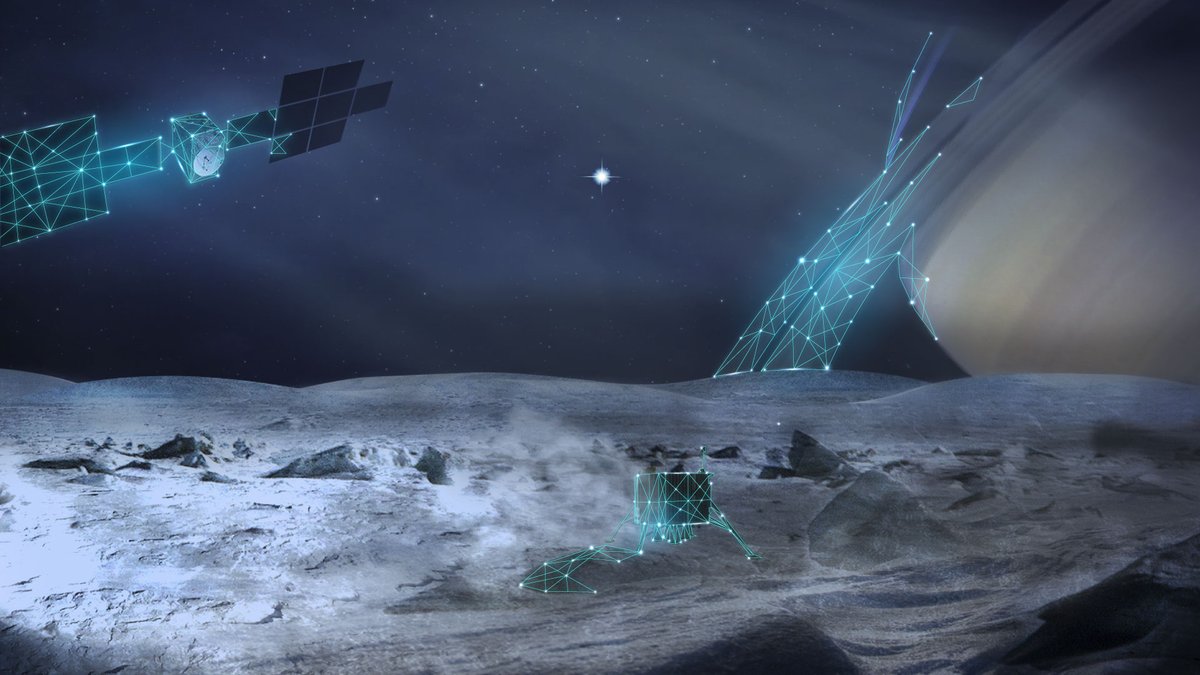
🆕Our newest 'large-class' mission will explore habitability on an icy ocean world. But which of Jupiter or Saturn's moons should we choose? 🤔
A team of planetary scientists has spent the last two years considering the options. Do you agree with their top choice? 👉 esa.int/Science_Exploration/…
ALT In the foreground is a grey icy surface, with a small spacecraft stood on the surface. In the background on the right is the planet Saturn. At the top left is an orbiting spacecraft. The surface spacecraft, orbiting spacecraft and Saturn are all partly drawn with blue lines, indicating that they are a future concept.
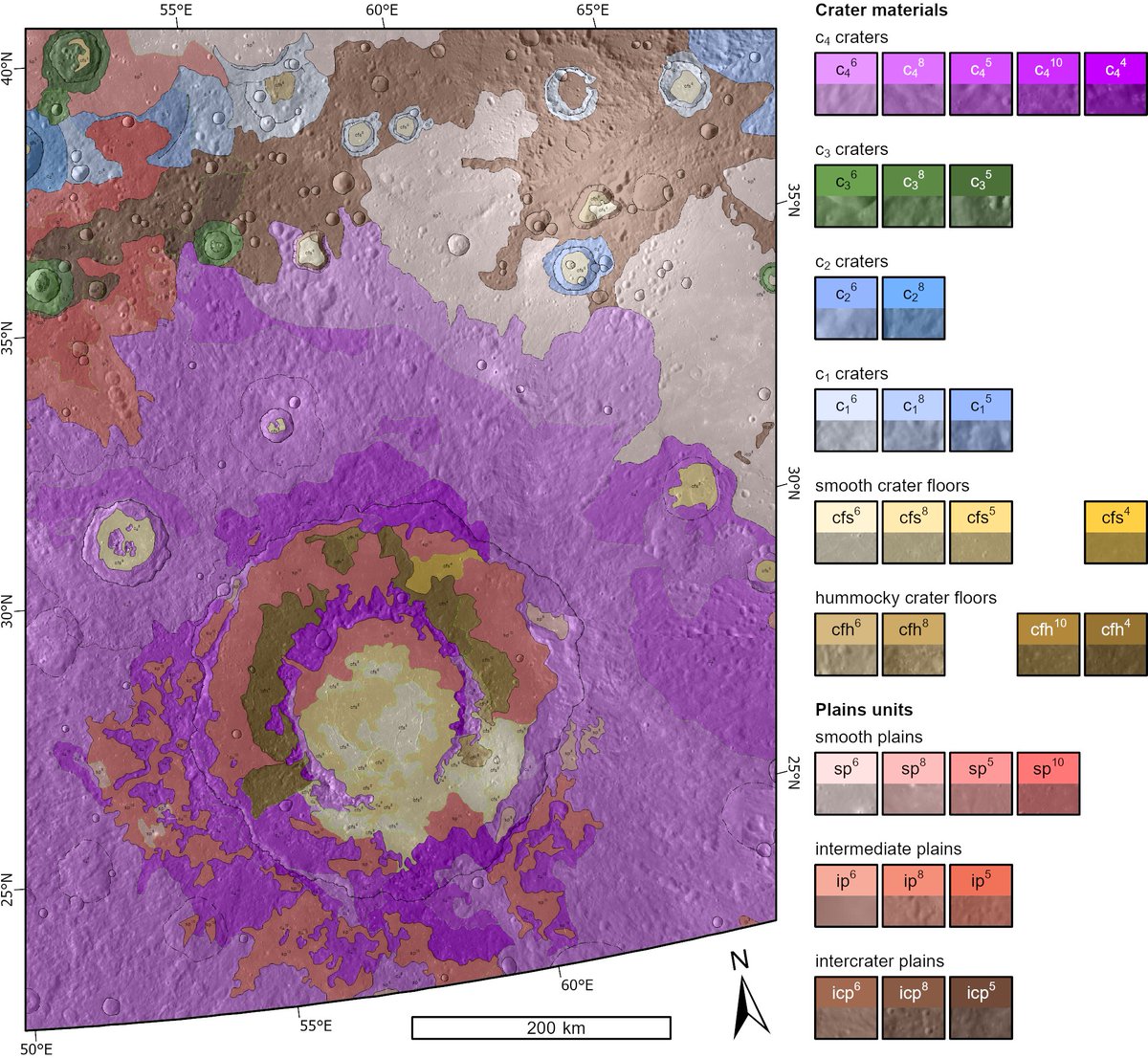
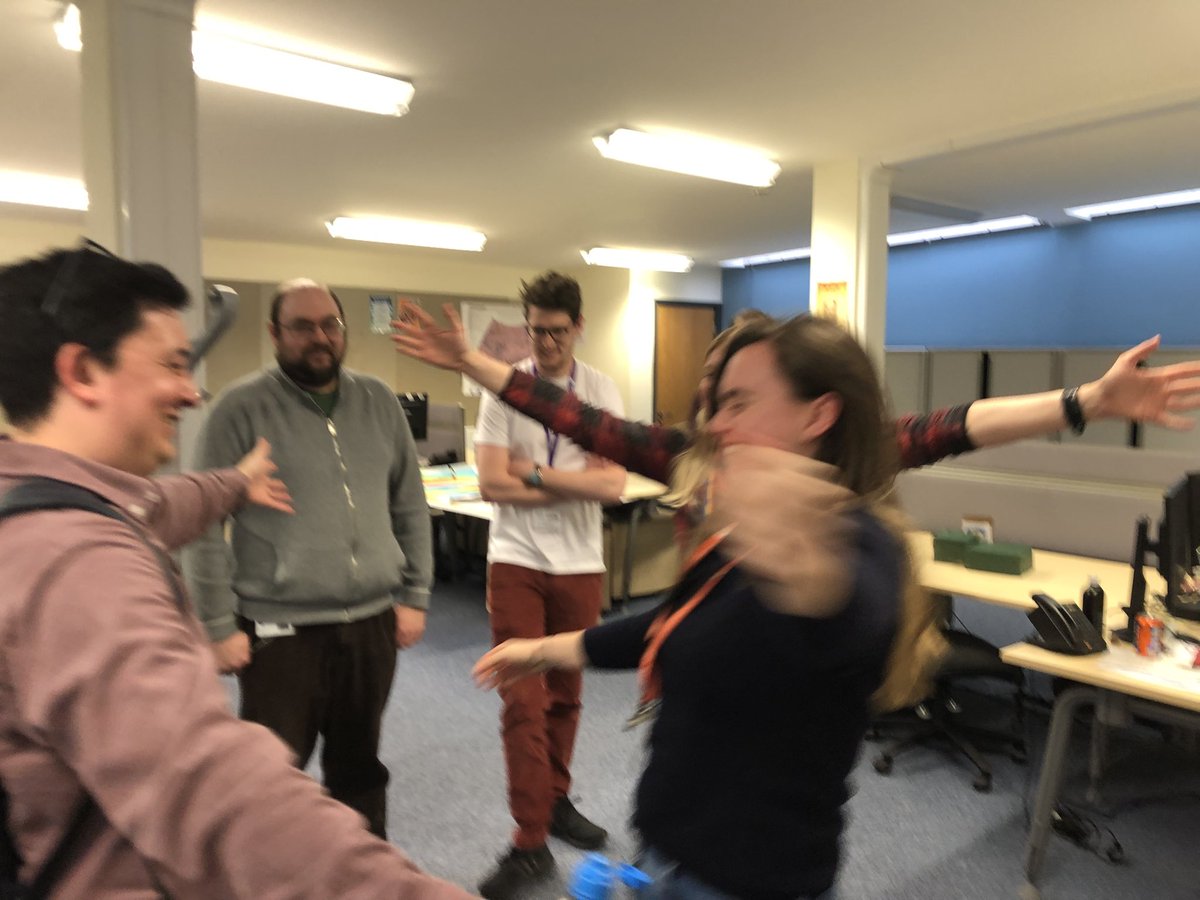
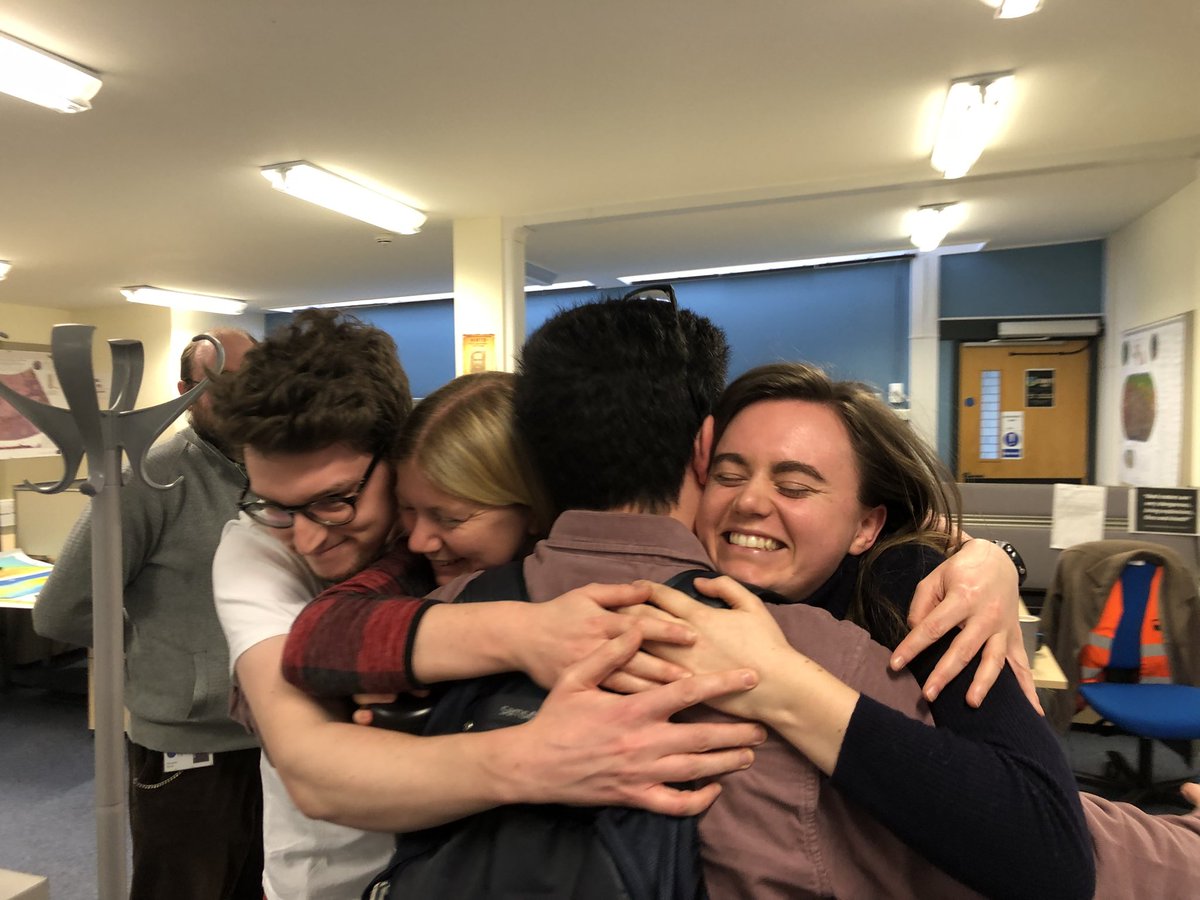
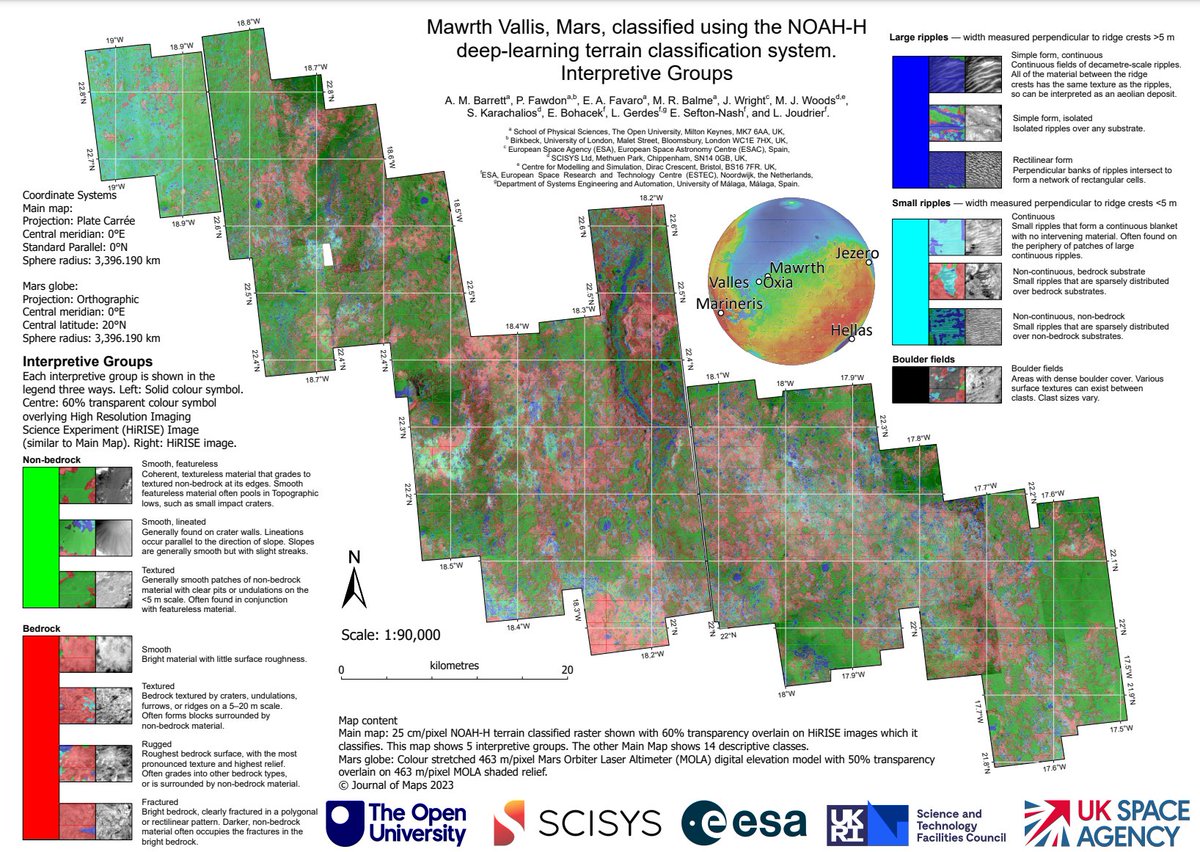
With thanks to all my co-authors: Francesca Zambon, Cristian Carli, Francesca Altieri, Claudia Pöhler, @daverothery, Carolyn van der Bogert, @arosp, Matteo Massironi, @Mattbalme, and Susan Conway
Check out this @NatureAstronomy World View by @AnnieRoseex on planetary naming conventions and representation: rdcu.be/dpVYA
Space is for everyone, and Annie has some ideas on how to make it so!