
Leverhulme project Writing Doctors: Representation and Medical Personality 1660-1832 Team @ClarkLawlor1, @helen189, @leighwd40, @historylitmed, @LozzySullivan
Joined November 2018
- Tweets 618
- Following 2,234
- Followers 1,055
- Likes 1,089
35 Photos and videos


13 May 2024
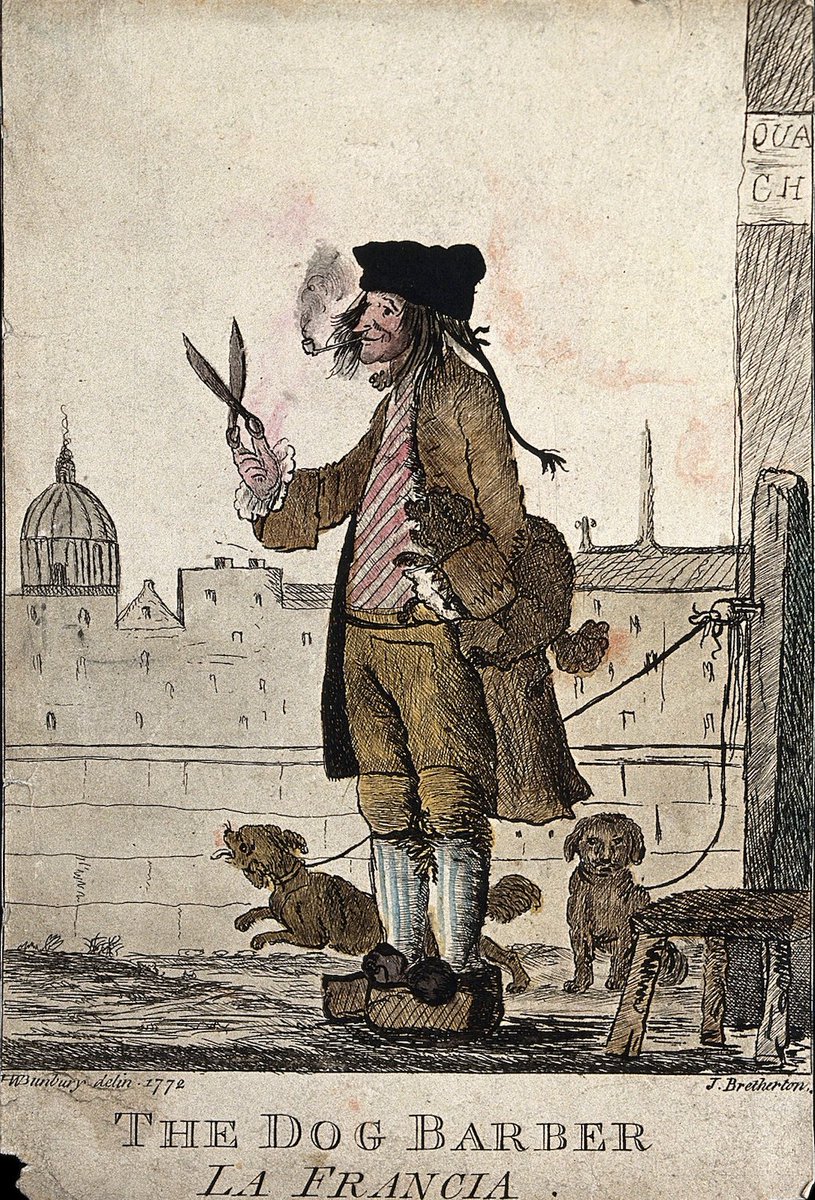
Taking us beyond the human, Stephanie Howard-Smith’s essay, '‘Take physic, Pomp’: Writing Dog Doctors in Eighteenth-Century Britain', demonstrates the importance of veterinary information and (often sexist) mythology about the owners as well as the medics. 8/16
ALT James Bretherton after Henry William Bunbury, The Dog Barber. La Francia (1772), coloured etching (Wellcome Collection). The image shows a pipe-smoking 'dog barber' wielding scissors with a number of dogs around his ankles.
1
4
4
1,389
13 May 2024
Finally, Allan Ingram’s Afterword highlights the project's resonance in our coronavirus moment, indicating how literary and cultural studies can shed light on medical matters including public health messaging, which in turn determines ideas about our bodies and communities. 16/16
1
1
1
132
13 May 2024
We are thrilled with the amazing work of our contributors who made this project such a pleasure, & we hope that our treatment of diverse authors & cultural forms will shed new light on how they engaged with, undermined and shaped c18 & c19 medical discourse. 17!/16
1
198
13 May 2024
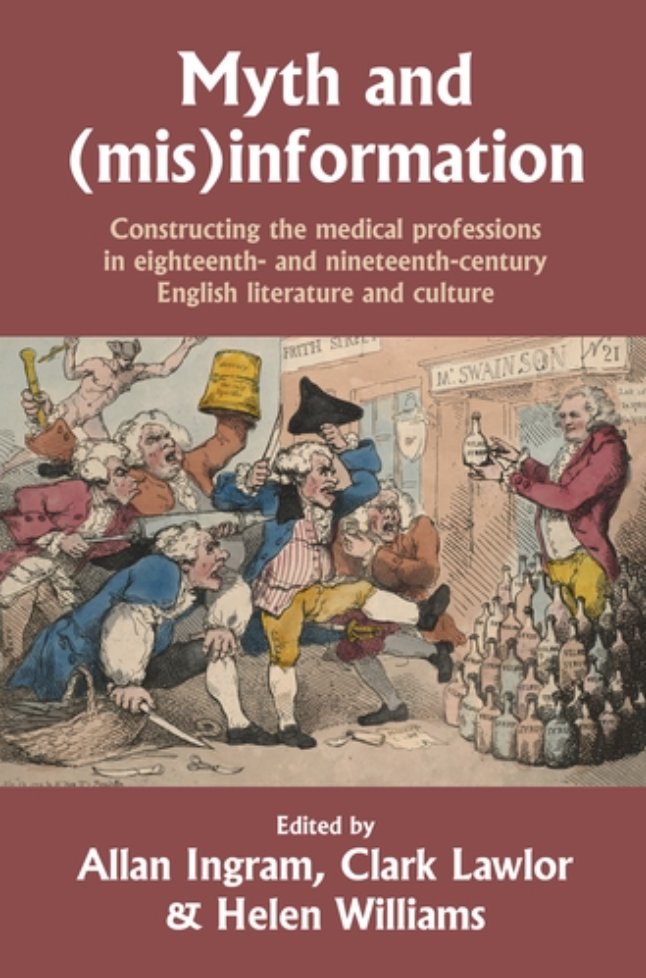
Yess! Our @LeverhulmeTrust project's book, Myth & (Mis)information: Constructing Medical Practice & Practitioners in 18th- & 19th-Century English Literature and Culture, ed. by Allan Ingram, @ClarkLawlor1 & @helen189 is out now with @ManchesterUP! manchesteruniversitypress.co… 1/16
1
15
34
3,138
13 May 2024
.@ClarkLawlor1's ‘‘The very women read it’: Medical Self-Fashioning, Mythologies and (Mis)Information in George Cheyne M.D.’s Medical Writing’ shows the famous/infamous physician Cheyne's medical essays & treatises 'selling' the author as much as his methods. 6/16
1
1
3
127
13 May 2024
@LozzySullivan's chapter, ‘Studying in Solitude: Demythologising the Masculine Medical Monopoly with Jane Barker’s Galesia & Tobias Smollett’s Sagely’, asks who could participate in healthcare and its representation by examining the role of medical women in fiction. 7/16
2
4
198
Writing Doctors retweeted

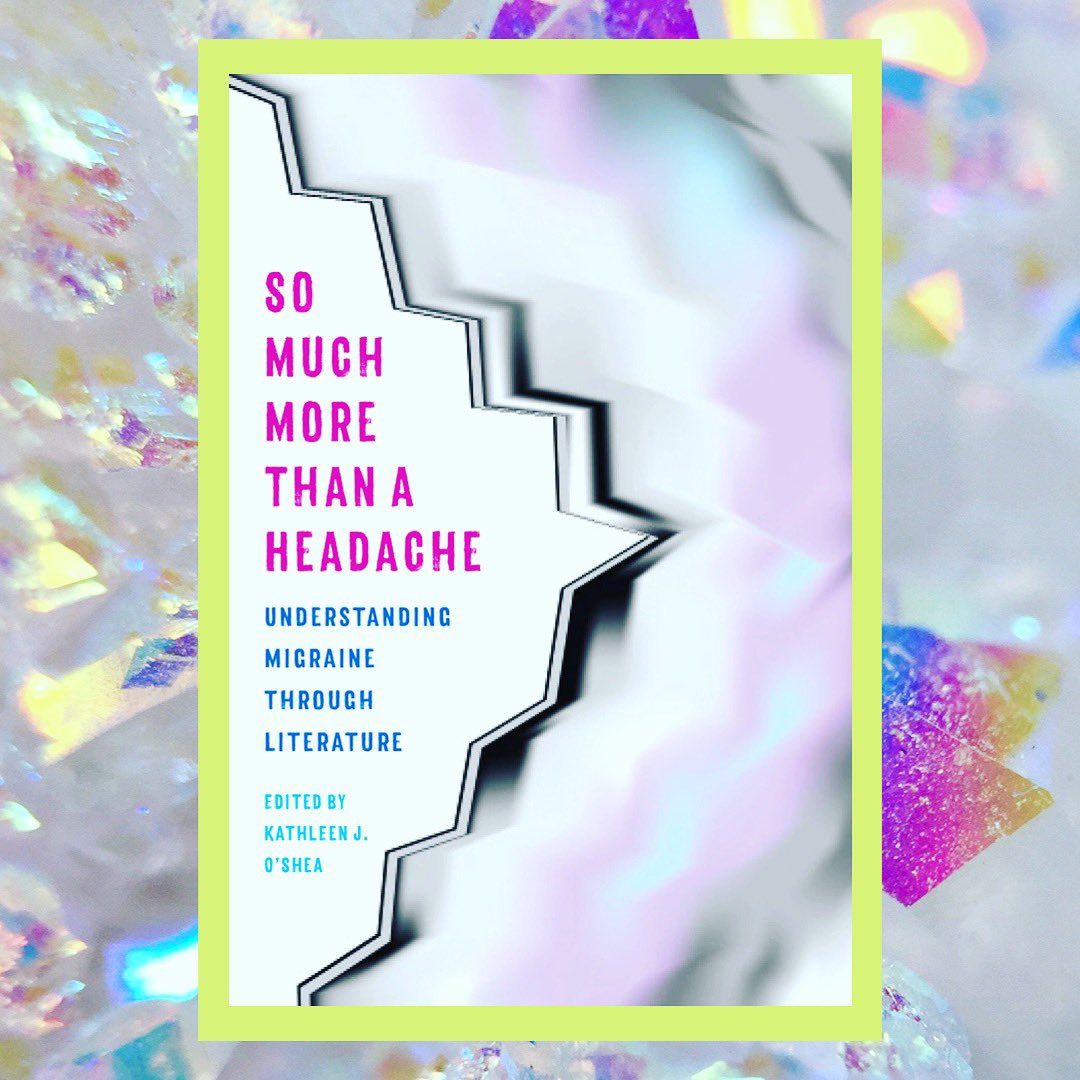
@writingdocs I hope you will take a look at my new anthology, published by Kent State University Press and available now at your independent bookstores or on Amazon: "So Much More than a Headache: Understanding Migraine through Literature."
1
2
3
220
25 Feb 2023
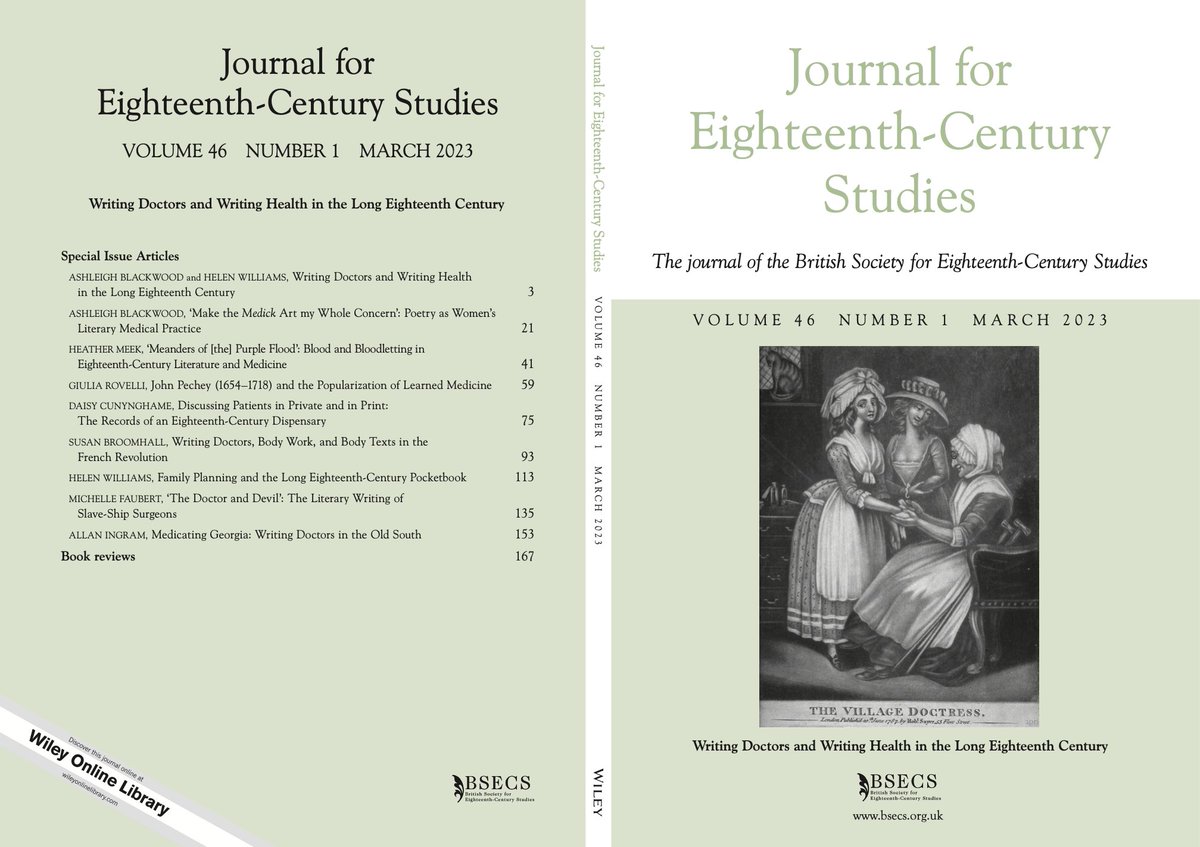
& we are so pleased that our special issue of @JECSjournal, Writing Doctors and Writing Health in the Long Eighteenth Century, ed. by @historylitmed, Allan Ingram, & @helen189, is hot off the press, and much of it is open access. onlinelibrary.wiley.com/toc/…
ALT A screenshot of the green cover of Journal for Eighteenth-Century Studies, with an illustration of 'The Village Doctress' (1787), who treats a young woman's hand while her friend looks on.
2
22
55
11,517
25 Feb 2023
These essays highlight how poetry, letters, novels, drama, memoir, medical manuals, wax-works, & almanacs shaped & responded to the ever-changing needs of human bodies, and evidence a wide & complex network of c18 health providers traditional & otherwise.
1
5
190
25 Feb 2023
It has been amazing to work with our wonderful contributors – thank you for joining our project and let’s stay in touch! And we have more publications hopefully coming soon… writingdoctors.info/index.ph…
4
155