
leicht kriminell, psychopatisch veranlagt, toximalistisch, #Bitcoin -Maxi 🧡 Bitcoin-YT-Playlist: t.ly/FN637 🧡 CEO von Einundzwanzig Nordhausen
Joined November 2021
- Tweets 7,807
- Following 213
- Followers 383
- Likes 36,939
359 Photos and videos











Pinned Tweet

27 Mar 2023
"Höher, schneller, weiter - Warum sich unsere Gesellschaft immer weiter in die falsche Richtung bewegt und wie wir die Wende doch noch schaffen können"
Spoiler: #Bitcoin
@einundzwanzig_p
@_einundzwanzig_
@aprycotmedia
@blocktrainer
@muenzweg_pod
portal.einundzwanzig.space/n…
2
2
15
3,074
xXxecutor ⚡ retweeted

Jun 12
🟧 Project of the Day: Kickstr
What if your World Cup predictions could orange-pill your friends?
Kickstr is turning the 2026 FIFA World Cup into a gateway to Bitcoin and Nostr.
⚽ Predict matches
🏆 Climb the leaderboard
🌍 Compete with football fans worldwide
But behind the game is something bigger.
New users get introduced to decentralized identity through Nostr and borderless money through Bitcoin—without needing to understand the technology first.
Just football, competition, and a first step into the future of the web.
And the best part?
Every contribution goes directly into the prize pool for players.
⚡ Support Kickstr and help bring Bitcoin and Nostr to the world's biggest sporting event.

2
6
17
1,268
xXxecutor ⚡ retweeted

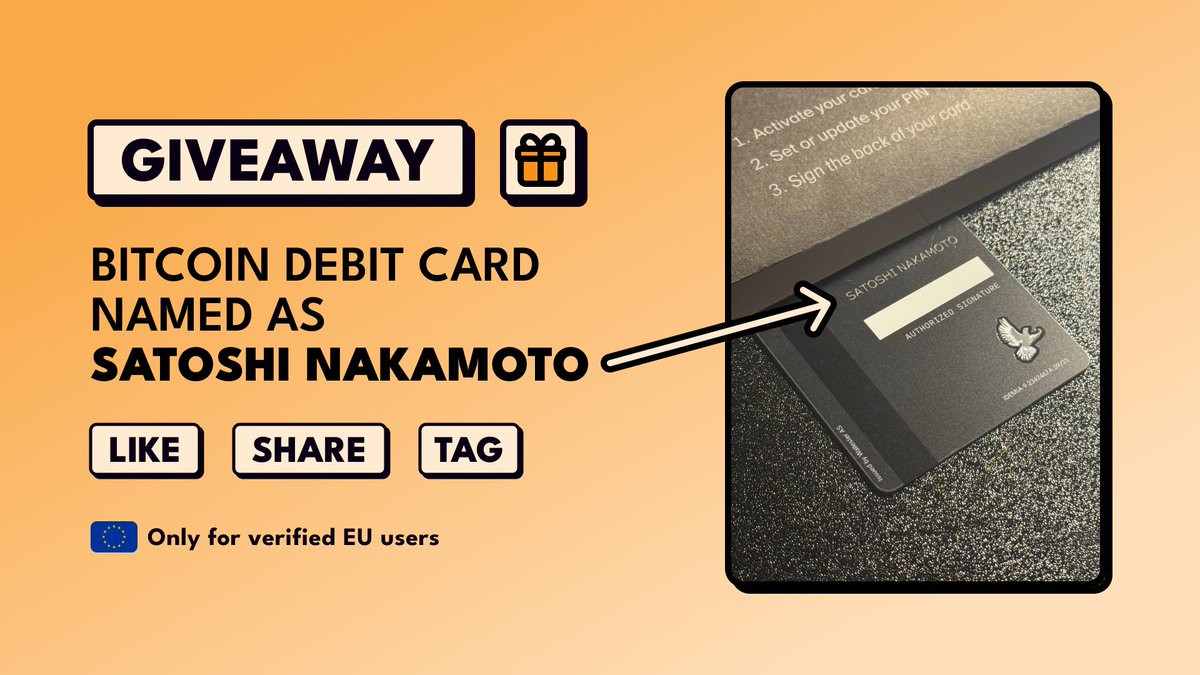
🎁 WIN A BITCOIN DEBIT CARD NAMED "SATOSHI NAKAMOTO"
We’re giving away a physical wavecard named SATOSHI NAKAMOTO to one lucky European!
To enter:
🟠 Like
🟠 Repost
🟠 Tag someone you think is the real Satoshi 🕵️
Enter until May 31st. One random winner will be DM'ed on June 1st.
Verified wavespace account required. EEA residents only.
20
23
33
2,562
xXxecutor ⚡ retweeted

May 26
#Bitcoin Sock Giveaway🧦
We have 3 pairs up for grabs, Honey Badger, Roller Coaster Guy, and our B HODL Shareholder Socks!
To enter:
✅ Follow @bitcoinhodlco
❤️ Like
🔁 RT
Winners announced tomorrow! Best of Luck 🔥


46
219
300
9,790
xXxecutor ⚡ retweeted

May 24
Für alle kurzfristig entschlossenen, hier gibt's noch tickets für die zitadelle.
pay.einundzwanzig.space/apps…
1
4
16
1,104
xXxecutor ⚡ retweeted

May 21
CDU Politiker @RKiesewetter hat heute wieder mal vorgeführt, welches Geistes Kind er ist. Danke an Erich Vad für seinen langen Atem. #Lanz
546
1,303
5,412
273,401


xXxecutor ⚡ retweeted

May 20
Immobilien werden zur Geldanlage weil unser Geld inflationiert. Mietendeckel sorgt für Knappheit – weniger Angebot, weniger Sanierung, weniger Neubau.
Die Lösung ist hartes Geld und mehr Angebot – nicht staatliche Preiskontrolle. Nicht so schwer zu verstehen.
2
23
420
xXxecutor ⚡ retweeted

May 19
🚨 #GIVEAWAY 🚨
Win the new NerdQaxe Revision 6.1.2PM #Bitcoin home miner!
How to enter:
🔁 Retweet this post
👥 Follow @PowerMiningFarm
💬 Tag your friend & win them #Bitaxe
Announcing the winner this Friday! 😎
578
645
643
27,131
xXxecutor ⚡ retweeted
May 19
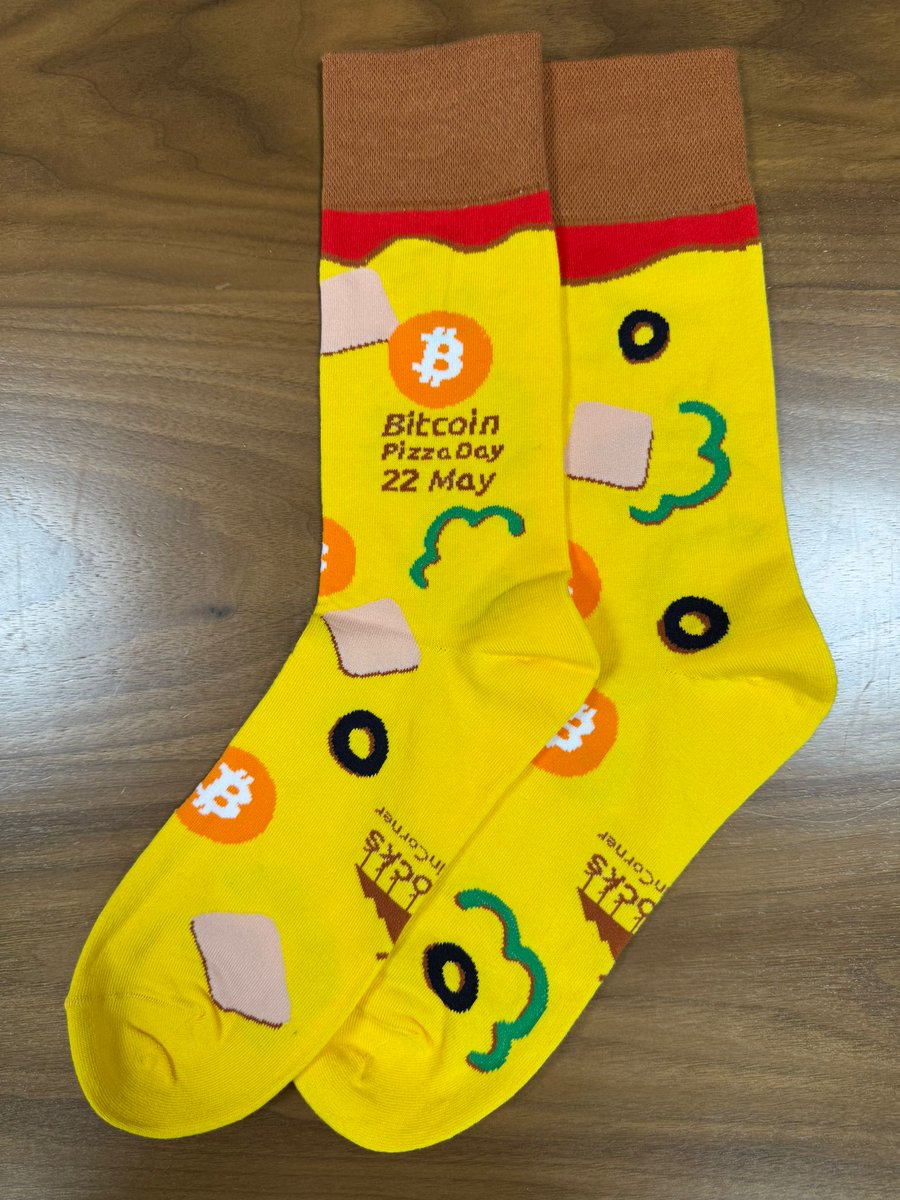
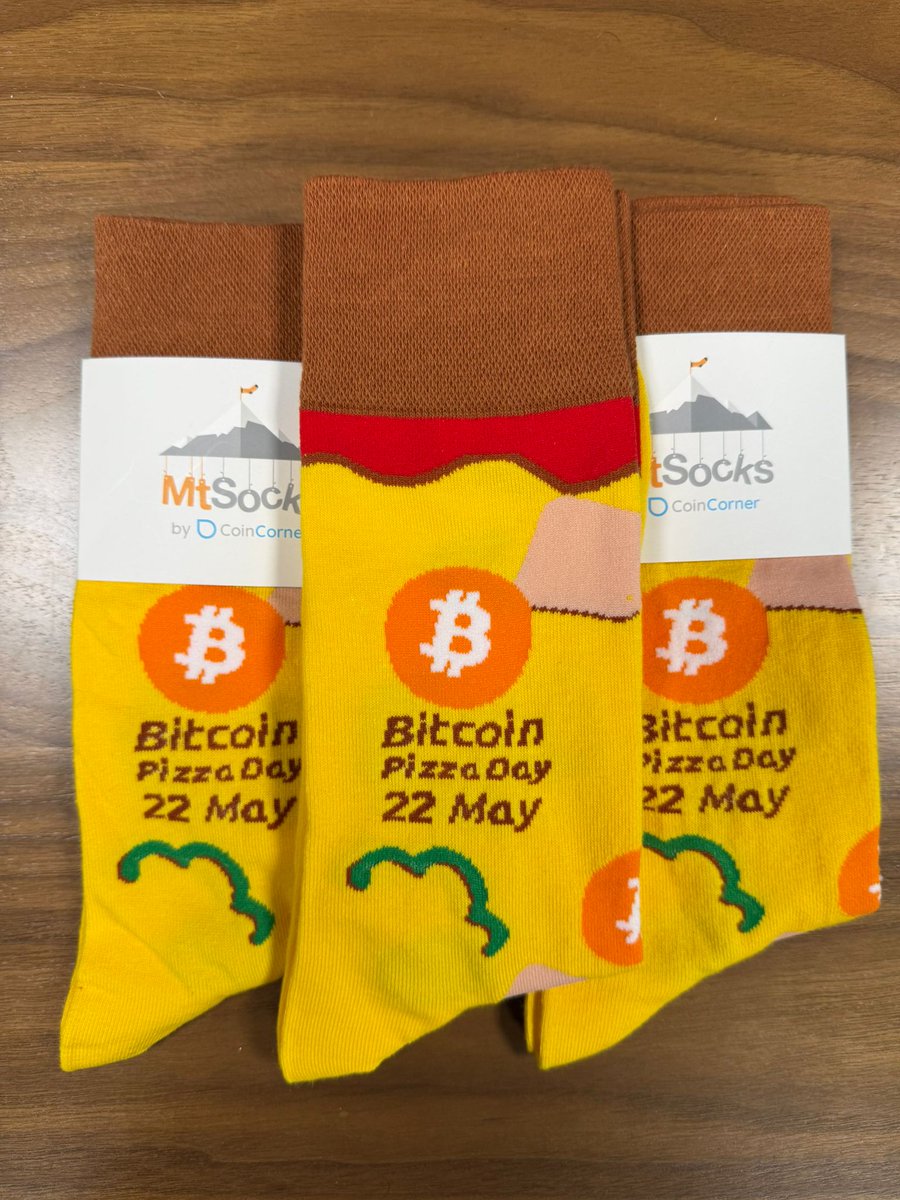
#Bitcoin Sock Giveaway🧦
It's #Bitcoin Pizza Day on Friday!! So we are sticking with our pizza style socks! 🍕
To enter:
✅ Follow @bitcoinhodlco
❤️ Like
🔁 RT
Winners announced tomorrow! Best of Luck 🔥
58
217
292
7,510
xXxecutor ⚡ retweeted

May 18
Wer ist noch nicht dabei?
Die ZitadelleUM öffnet wieder vom 16.7.-19.7. ihre Tore für ein freiheitliches familiäres Zusammenkommen.
Alle freiheitsliebenden Menschen und alle die es werden möchten sind herzlich eingeladen.
Tickets gibt es nur noch ein paar. Der Vorverkauf endet am 15.6..
Was euch erwartet:
Bitcoin- und andere freiheitsbezogene Gespräche und Workshops, Zelten auf dem Hof, Versorgung vom Frühstück bis zum Spießbraten (alternative Kost bei Anmeldung möglich), Kutschfahrt (falls nicht zu heiß für die Tiere), Hüpfburg und diverse Spielemöglichkeiten auf und rund um den Hof, Pool, Dampferfahrt, Lagerfeuer, Sterne und Nachtigall-Gesang inklusive, Kino-Abend, Pleb-Party uvm.
Wir freuen uns drauf!
2
11
25
3,457

xXxecutor ⚡ retweeted
May 12
Wer ist noch nicht dabei?
Die ZitadelleUM öffnet wieder vom 16.7.-19.7. ihre Tore für ein freiheitliches familiäres Zusammenkommen.
Alle freiheitsliebenden Menschen und alle die es werden möchten sind herzlich eingeladen.
Tickets gibt es nur noch ein paar. Der Vorverkauf endet am 15.6..
Was euch erwartet:
Bitcoin- und andere freiheitsbezogene Gespräche und Workshops, Zelten auf dem Hof, Versorgung vom Frühstück bis zum Spießbraten (alternative Kost bei Anmeldung möglich), Kutschfahrt (falls nicht zu heiß für die Tiere), Hüpfburg und diverse Spielemöglichkeiten auf und rund um den Hof, Pool, Dampferfahrt, Lagerfeuer, Sterne und Nachtigall-Gesang inklusive, Kino-Abend, Pleb-Party uvm.
Wir freuen uns drauf!
1
5
9
1,792
xXxecutor ⚡ retweeted
May 12
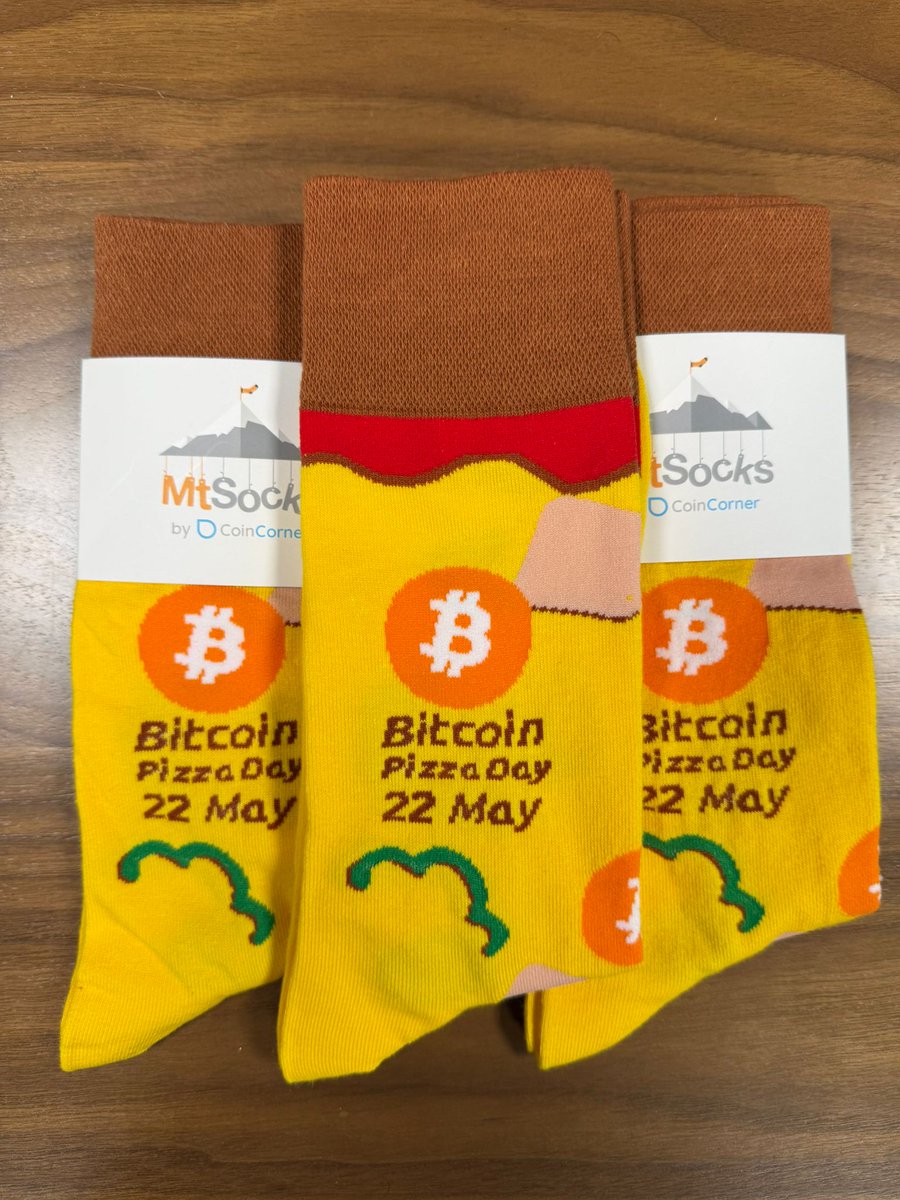
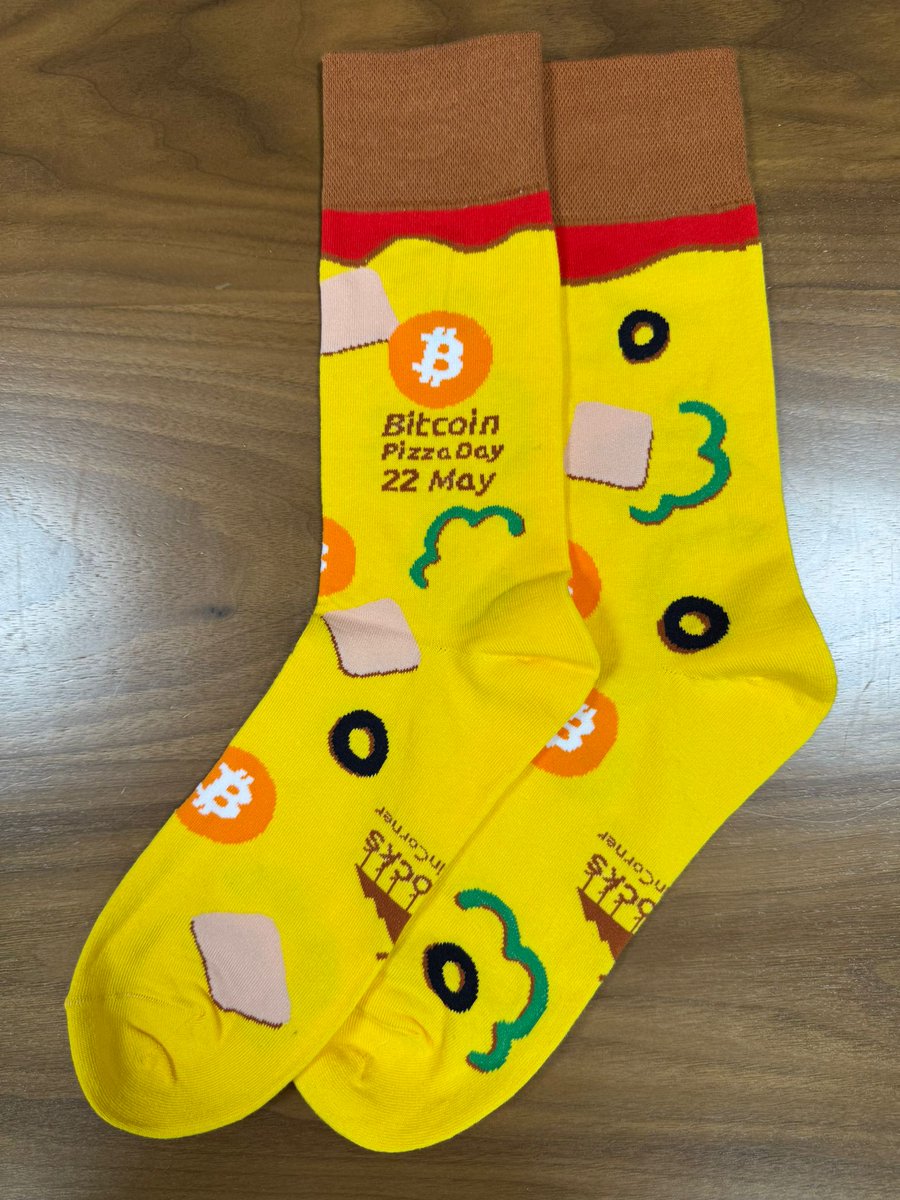
#Bitcoin Sock Giveaway🧦
In celebration of #Bitcoin Pizza Day coming up, we have 3 pairs of pizza socks up for grabs!
To enter:
✅ Follow @bitcoinhodlco
❤️ Like
🔁 RT
Winners announced tomorrow! Best of Luck 🔥
77
201
240
5,247
xXxecutor ⚡ retweeted

Kurzgesagt is a YouTube channel that often puts out short, informative videos on physics, astronomy, and biology. But whenever they post a video about a societal issue, it becomes evident that they suffer from the same gaping knowledge hole as most other academics. They seem to know nothing about Praxeology and Austrian Economics. This makes them miss the forest for the trees.
In their video about Germany's demographic crisis, they make the following claim in the first few minutes:
"The demographic collapse tearing up the generational contract may soon destroy one of Germany's greatest achievements — its welfare state."
They then explain that young Germans are having fewer children than their parents and grandparents, and that this will lead to a collapse of the pension system and the welfare state. The proposed solutions involve some combination of incentivizing higher birth rates and increasing skilled immigration. They do admit it's a slow-moving crisis that politicians have long been aware of but have been reluctant to address, largely because the largest voting bloc, older Germans, would bear the cost of any reform.
But they never ask the one question that matters: why are birth rates declining in the first place?
The welfare state they praise at the beginning of the video IS THE CAUSE of the declining birth rates.
People vote for what they believe is good for them personally. Politicians know this and deliberately make promises they can't keep, pushing the costs onto the next generation through money printing and national debt.
Before big welfare states, families had to support themselves. They were incentivized to work hard and produce children who would one day support them in old age. When the state stepped in and promised to replace that function through taxation, the incentive evaporated. This is not an empirical observation, but a logical consequence of how incentives work.
Nordic birth rates are also falling. Sweden's has dropped sharply in recent years, and Sweden has already partially reformed its pension system away from pure pay-as-you-go, precisely because the structure was unsustainable. The direction of travel is the same everywhere the state has made this promise.
When the supposedly oppressive patriarch “the father” was replaced by the actually oppressive state, the incentives shifted in every direction. The higher tax burden forced wives into the workforce and into the tax base, making larger families harder to afford. The more families struggled financially, the more they voted for government handouts, leading to even higher taxes. Add to this the hidden tax of inflation, which governments were forced to rely on after another one of their own bad decisions, abandoning the gold standard.
In truth, the welfare state was always a scam. An empty promise from politicians with one purpose: to turn their subjects into dependent, loyal voting cattle.
All of these effects are entirely predictable through deductive reasoning from first principles. Most academics believe empiricism is the only valid tool for understanding the social world. It is not. Just as mathematics and logic are a priori sciences, so too is economics. You do not need a dataset to understand that removing an incentive reduces the behavior it was incentivizing. No government-funded university will teach this, because academics are as reluctant to bite the hand that feeds them as anyone else.
The problem is not that people are having fewer children. The problem is the institutionalized system of retarded incentives that the state has spent a century constructing for its own benefit.
Read Rothbard, @Kurz_Gesagt!
May 5

The German population is rapidly aging and facing a growing imbalance between the number of workers and retirees. Is there a way to avoid the demographic collapse and if so, how? Watch our full video to find out: kgs.link/Germany

ALT An illustration of the word ‘Germany’ in bold stylized lettering, surrounded by flames and placed against a dark, smoky background.
9
17
61
3,402
xXxecutor ⚡ retweeted

May 7
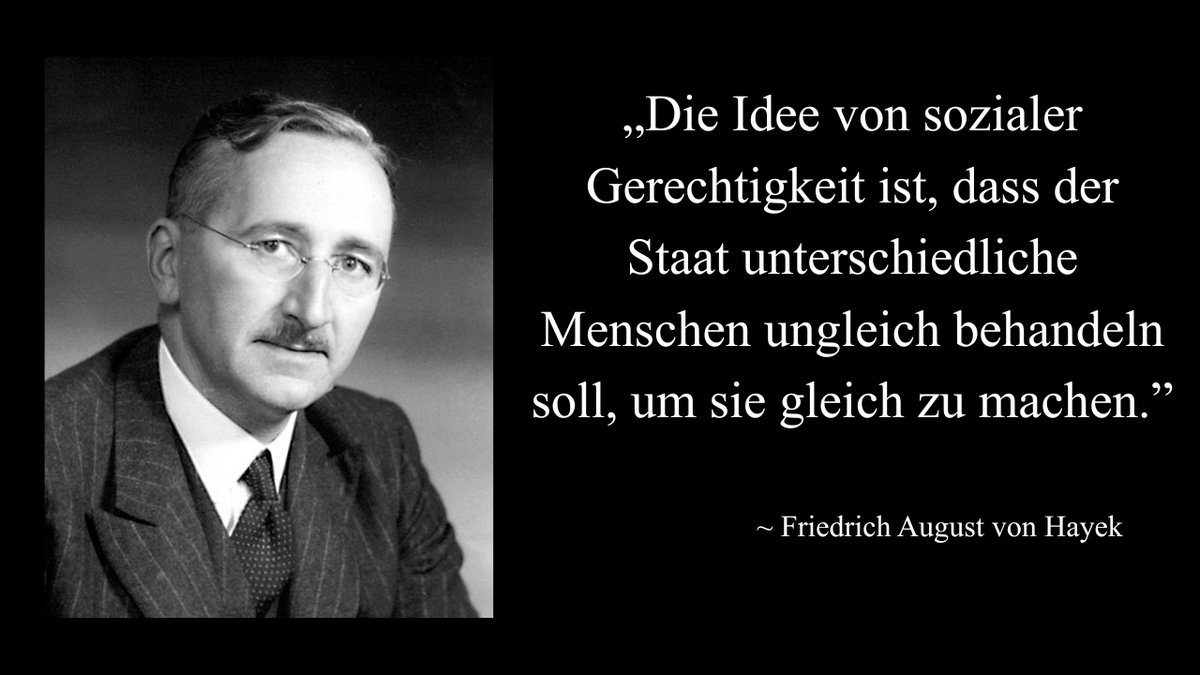
Deflation schließt die Gerechtigkeitslücke.
4
9
91
3,090
xXxecutor ⚡ retweeted

May 6
Ich bin für die Abschaffung der 4 jährigen Haltefrist von Politikern
82
219
3,515
46,818
xXxecutor ⚡ retweeted

May 5
Ein Lehrstück in ökonomischer Klarheit 📘
Economics in One Lesson gehört zu den Büchern, die man einmal liest und danach vieles anders sieht. Hazlitt zeigt, warum gute Ökonomie nicht nur auf das Sichtbare schaut, sondern auch auf die Folgen, die andere übersehen.
aprycot.media/shop/economics…
3
4
36
6,118
xXxecutor ⚡ retweeted
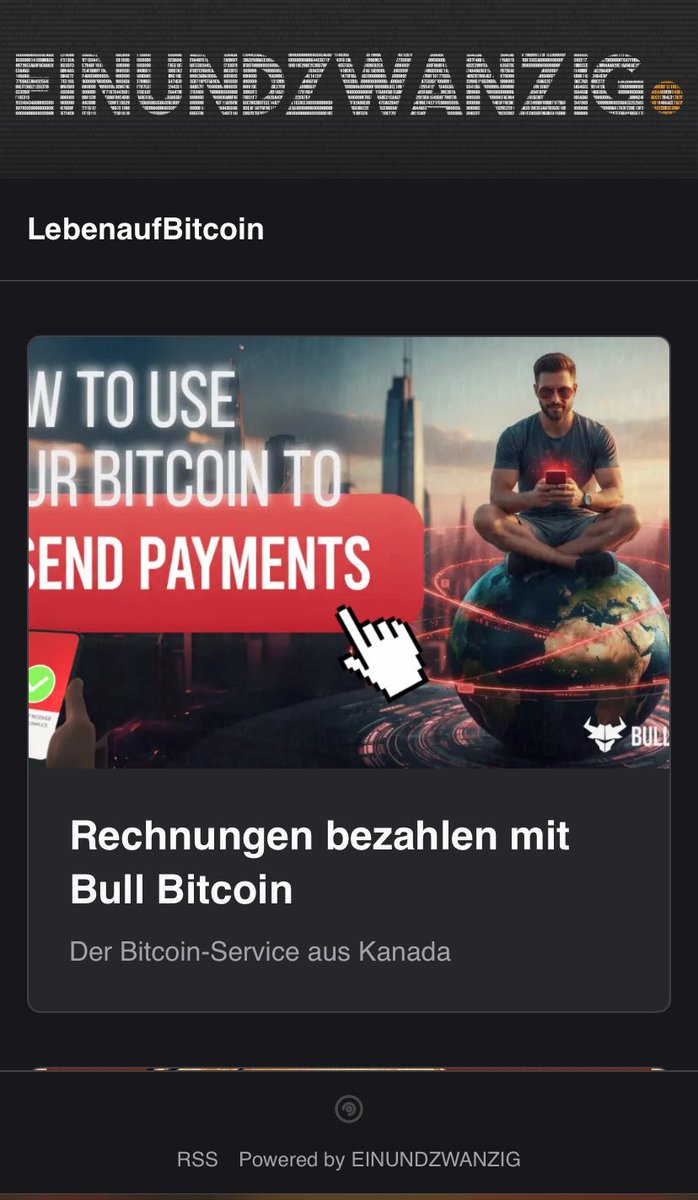
Wolltet ihr schon immer einen eigenen Blog starten – ohne Hosting-Aufwand und dazu noch zensurresistent?
Dann haben wir genau das Richtige für euch:
media.einundzwanzig.space/
Schreibt eure Artikel direkt auf Nostr, fügt sie zu einem wunderschönen Blog zusammen und noch viel mehr.
Euer Blog. Euer Style. Dezentral.
11
22
3,028