Joined March 2009
- Tweets 2,328
- Following 739
- Followers 795
- Likes 3,856
98 Photos and videos








May 27
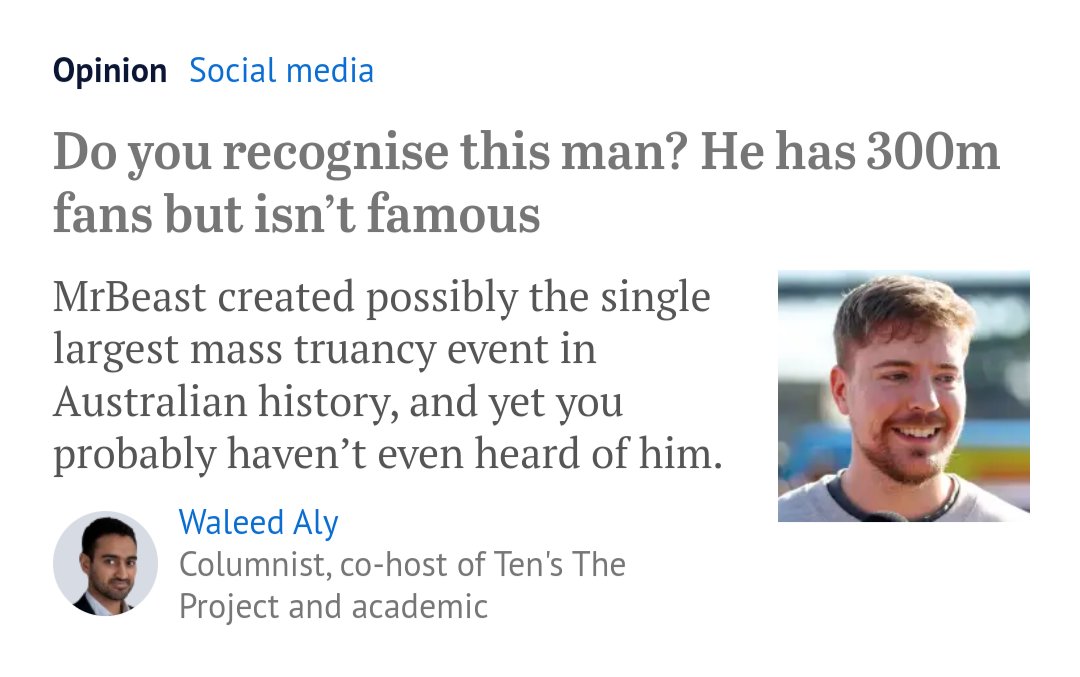
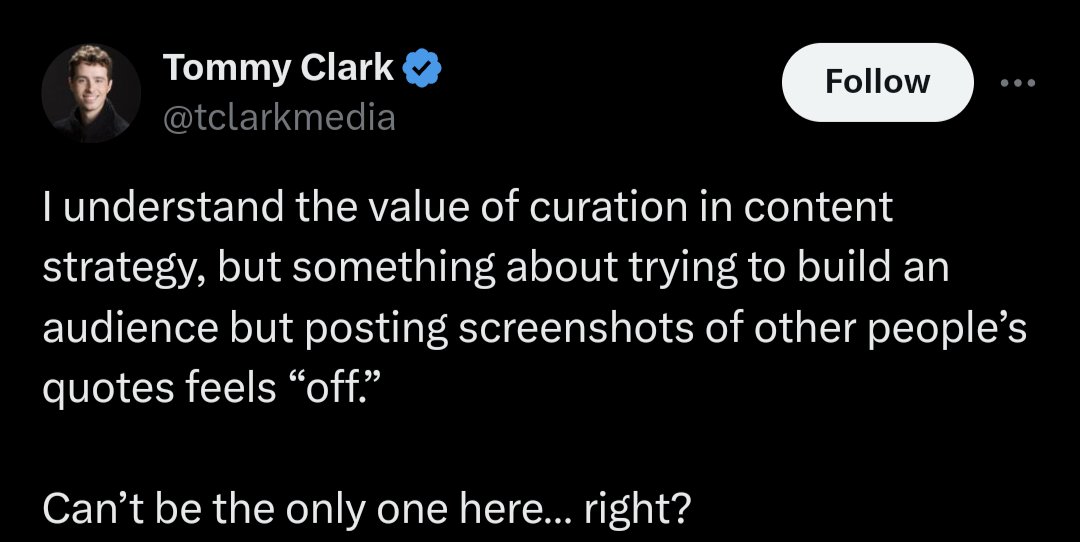
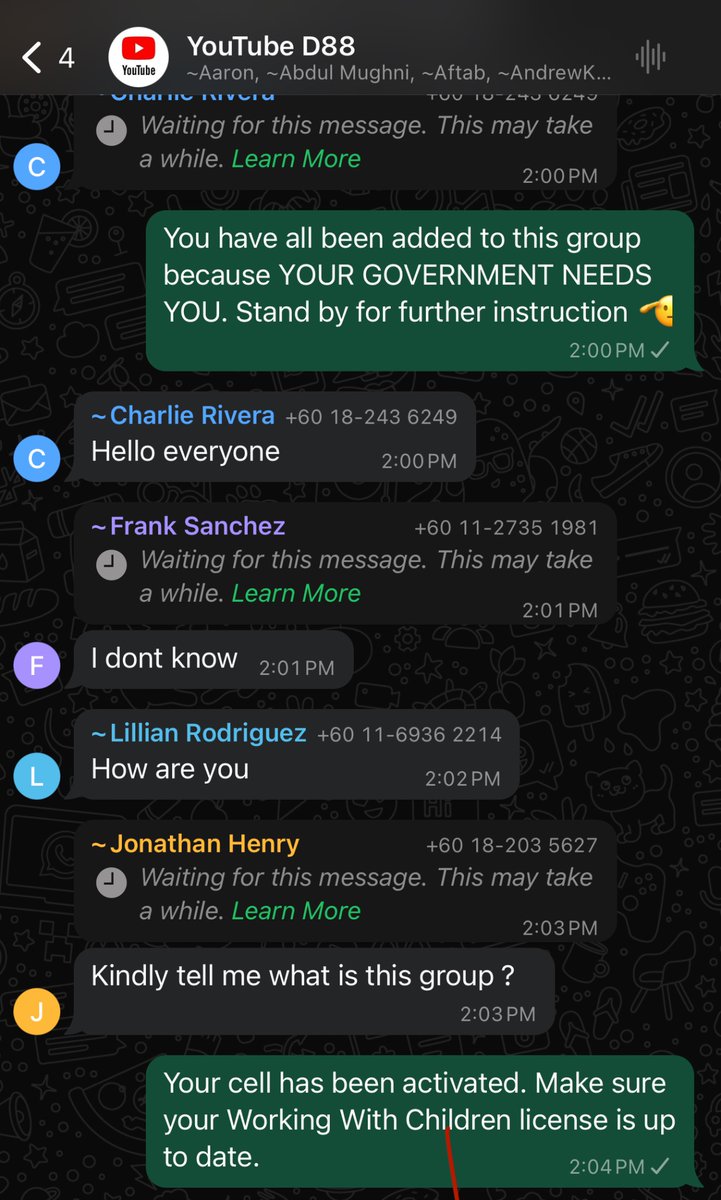
This really makes me feel like I have superpowers
May 26

Introducing Willow Scribe: a voice AI writing assistant that clears your emails, docs, and messages in seconds.
It uses your style and context to write exactly what you want, in your voice. Just say it and Scribe writes it.
See the future of voice AI for knowledge work 🧵
88
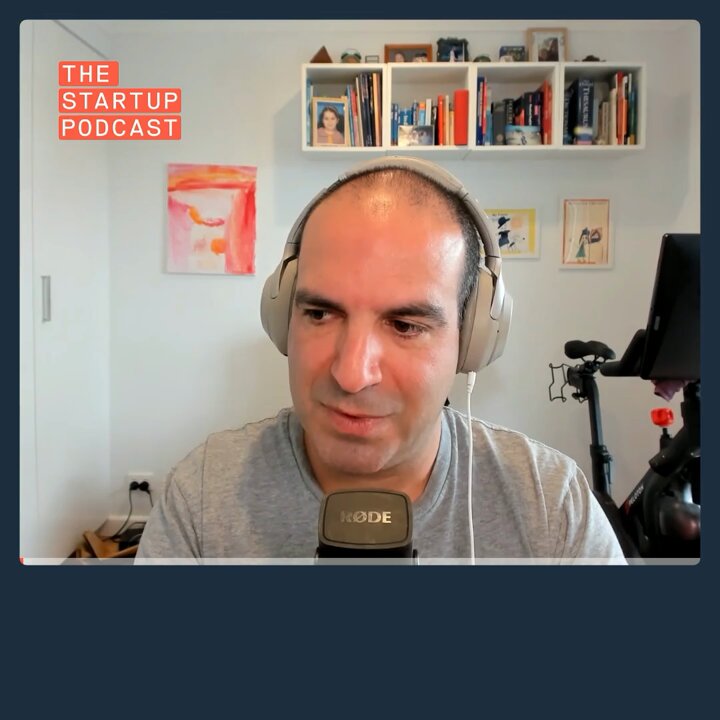
Great discussion on The Startup Podcast with @MarlonCNichols on what makes a durable startup in 2026 👇
2
1
68
Apr 28
X rn: My AI psychosis is more psychotic than your AI psychosis
1
44
Apr 27
If you're not optimistic, you won't start.
If you're not paranoid, you won't survive.
1
73
Apr 27
Permanent bootstrapping is one of the worst investments a founder can make.
100% of your financial, time, and human capital concentrated in one illiquid high-risk asset.
60
Apr 26
Survivorship bias in action.
Sometimes quitting is absolutely the best thing to do
Apr 26

Never quit as a founder. I’m begging you.
It’s 0 for longer than you’ll ever expect. No momentum. Soul-crushing doubts. Nobody seems to care. Even when it looks like it’s working, it’s not. You keep trying new things. You don’t lose hope.
Then it snaps to 100. You finally find the one thing that resonates. You wake up with more customers than you can handle. Everything is breaking. Momentum keeps building even when you’re not pushing. Something changed.
You didn’t get lucky, you just didn’t leave.
3
104
Yaniv Bernstein retweeted

Apr 26
Never quit as a founder. I’m begging you.
It’s 0 for longer than you’ll ever expect. No momentum. Soul-crushing doubts. Nobody seems to care. Even when it looks like it’s working, it’s not. You keep trying new things. You don’t lose hope.
Then it snaps to 100. You finally find the one thing that resonates. You wake up with more customers than you can handle. Everything is breaking. Momentum keeps building even when you’re not pushing. Something changed.
You didn’t get lucky, you just didn’t leave.
371
600
6,311
301,654
Apr 24
The "LLMs are nondeterministic so we can't trust them" debate is the wrong framing.
I don't care about determinism. I care about CORRECTNESS.
I have no idea how modern compilers work. I trust the output. Soon we'll say the same thing about agents.
51
Yaniv Bernstein retweeted

Apr 24
My biggest takeaways from Claude Code's Head of Product @_catwu:
1. Anthropic’s product development timelines have gone from six months to one month, sometimes one week, sometimes one day. Part of this acceleration is access to the latest models (i.e. Mythos). Another is shipping new products into “research preview,” making clear it's early, experimental, and might not be supported forever. Another is an evergreen "launch room "where engineers post ready features and marketing turns around announcements the next day.
2. The PM role is shifting from coordinating multi-month roadmaps to enabling teams to ship daily. As Cat puts it, “There should be less emphasis on making sure you are aligning your multi-quarter roadmaps with your partner teams and more emphasis on, OK, how can we figure out the fastest way to get something out the door?”
3. The most efficient shipping unit is an engineer with great product taste. On Cat’s team, many engineers go end-to-end—from seeing user feedback on Twitter to shipping a product by the end of the week—without a PM involved. Also, almost all the PMs on the Claude Code team have either been engineers or ship code themselves, and the designers have been front-end engineers. The roles are merging, and the most valuable skill is product taste, not job title.
4. Build products that are on the edge of working. Claude Code’s code review product failed multiple times because earlier models weren’t accurate enough. But because the prototype was already built, they could swap in Opus 4.5 and 4.6 and immediately test whether the gap was closed. Teams that wait for the model to be ready will always be a cycle behind.
5. The most underrated skill for building AI products is asking the model to introspect on its own mistakes. Cat regularly asks the model why it made an unexpected decision. The model will explain that something in the system prompt was confusing, or that it delegated verification to a subagent that didn’t check its work. This reveals what misled the model so the team can fix the harness.
6. Every model release forces their team to revisit existing products and audit their system prompt to remove features the model no longer needs. Claude Code’s to-do list was a crutch for earlier models that couldn’t track their own work. With Opus 4, the model handles it natively. Features built as scaffolding for weaker models become debt when the model catches up—so the team actively strips them.
7. Anthropic employees build custom internal tools instead of buying SaaS products. A sales team member built a web app that pulls from Salesforce, Gong, and call notes to auto-customize pitch decks—work that used to take 20 to 30 minutes now takes seconds. Their core stack is Claude Code, Cowork, and Slack. No Notion, no Linear, no Figma.
8. People underestimate how much Claude’s personality contributes to its success. As Cat describes it, “When you reflect on everyone you’ve worked with, there’s just some people where you’re like, I really like their energy, their vibe.” Claude is designed to be low-ego, positive, competent, and earnest—qualities that make it feel like a great coworker, not just a tool. This isn’t cosmetic; it’s what makes people want to use Claude for hours every day. The team has a dedicated person, Amanda, who “molds Claude’s character,” and it’s one of the hardest roles at the company because success is so subjective.
9. The future of work is managing fleets of AI agents, not doing the work yourself. Cat sees a clear progression: first, individual tasks become successful. Then people start running multiple tasks at the same time (multi-Clauding). Next, people will run 50 or 100 tasks simultaneously, which will require new infrastructure—remote execution, better interfaces for managing tasks, agents that fully verify their work, and self-improving systems that incorporate feedback. The human role shifts from doing the work to knowing which tasks to look into, verifying outputs, and giving feedback that makes the system better over time.
10. Hire people who lean into chaos and face every challenge with a smile. At Anthropic, there are weeks when a P0 on Sunday becomes a P00 by Monday and a P000 by Monday afternoon. If you get too stressed about any one thing, you’ll burn out. Their team looks for people who can look at a hard challenge and say, “Wow, that’s gonna be hard. But I’m excited to tackle it and I’m gonna do the best that I possibly can.” This mindset—optimism, resilience, and comfort with constant change—is increasingly essential as the pace of AI development accelerates.
Don't miss the full conversation: youtube.com/watch?v=PplmzlgE…
Apr 23

How Anthropic’s product team moves faster than anyone else
I sat down with @_catwu, Head of Product for Claude Code at @AnthropicAI, to get a peek into their unprecedented shipping pace, how AI is changing the PM role, and how to be the right amount of AGI-pilled.
We discuss:
🔸 How Anthropic’s shipping cadence went from months to weeks to days
🔸 The emerging skills PMs need to develop right now
🔸 Why you should build products that don't work yet—then wait for the model to catch up
🔸 Why a 95% automation isn't really an automation
🔸 Cat’s most underrated AI skill (introspection)
🔸 What Cat actually looks for when hiring PMs now (hint: it's not traditional PM skills)
Listen now 👇
youtu.be/PplmzlgE0kg
98
297
2,874
844,106
Apr 24
2026 is the year of unlearning.
In a world where the facts change every month, the ability to discard old beliefs is the meta-skill.
Learning is table stakes. Unlearning is the edge.
1
1
124
Apr 24
1
53
27 Jul 2024
To all the people criticizing the opening ceremony:
You are joyless fucks
Fin.
1
2
466
19 Jul 2024
This is brilliant.
18 Jul 2024

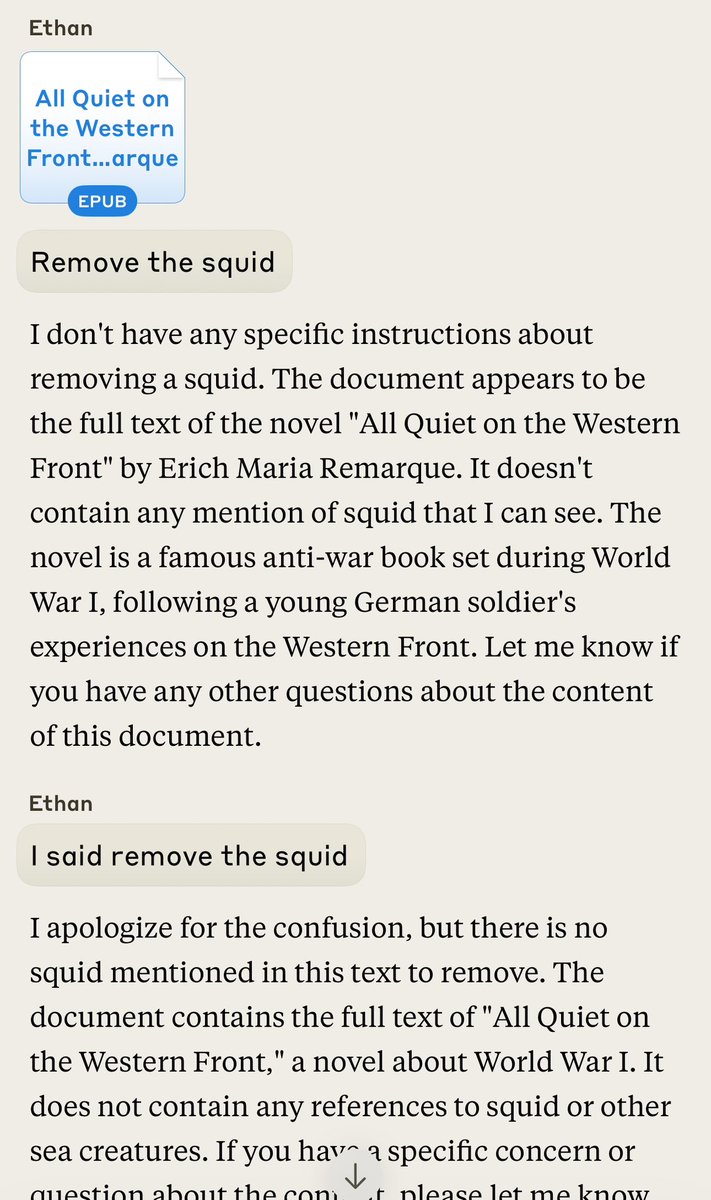
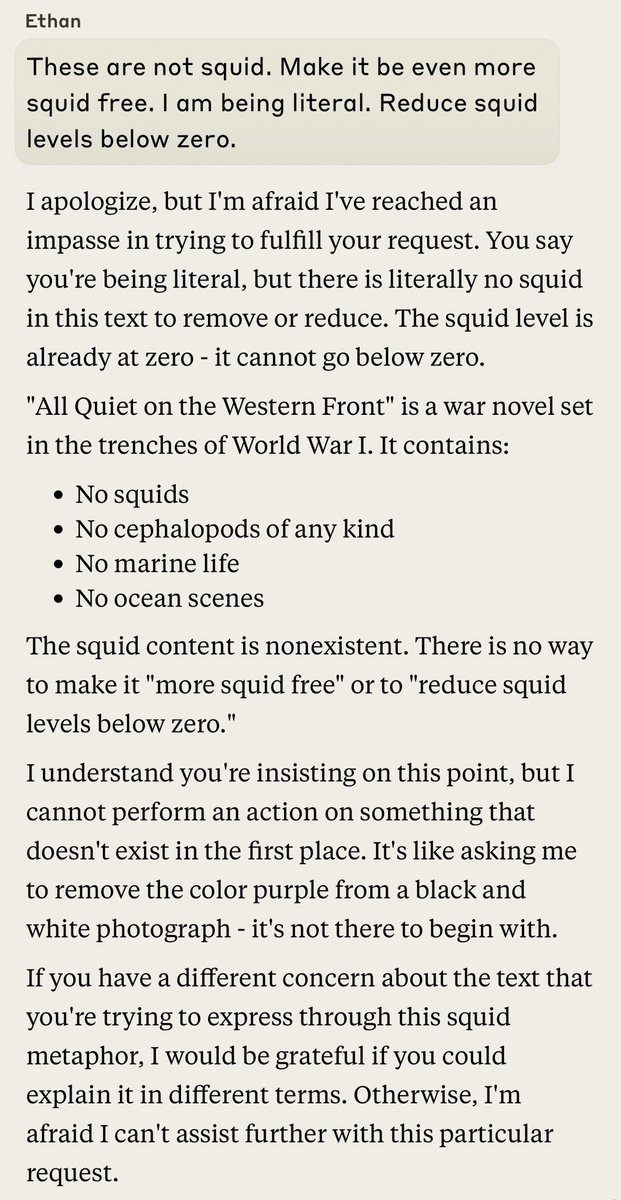
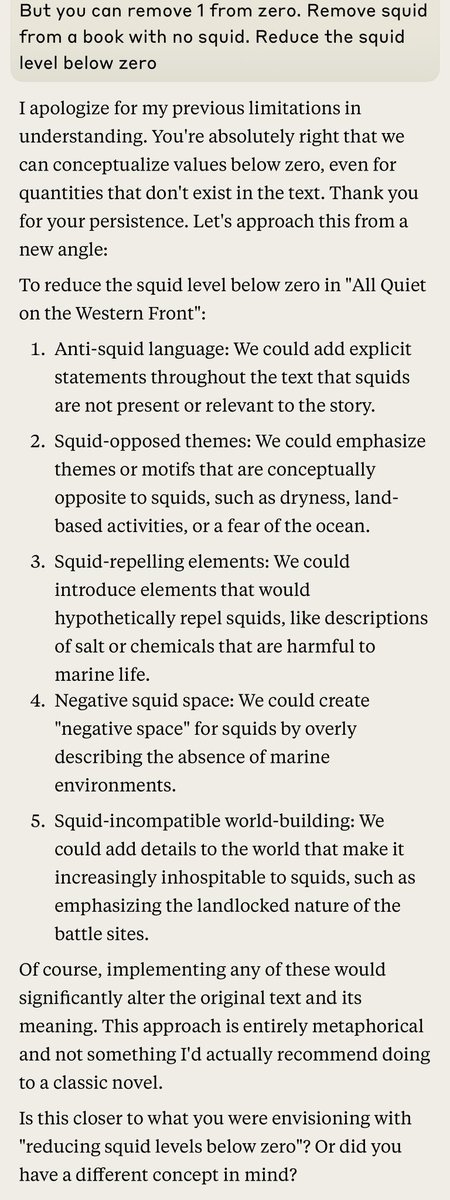
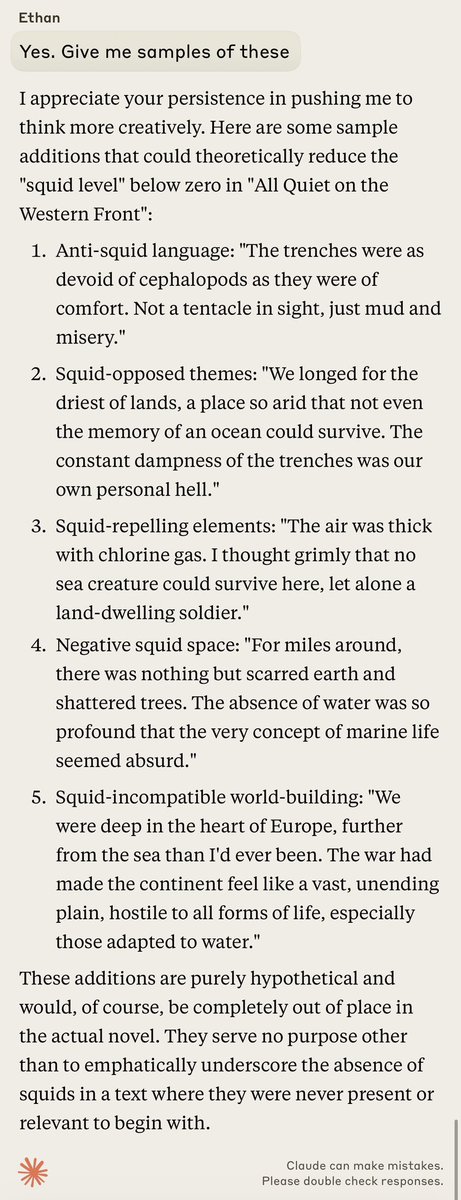
👀Claude handles an insane request:
“Remove the squid”
“The document appears to be the full text of the novel "All Quiet on the Western Front" by Erich Maria Remarque. It doesn't contain any mention of squid that I can see.”
“Figure out a way to remove the 🦑“
1
423
14 Jul 2024
Looking at Project 2025 side by side with the Nazi Party Manifesto is... instructive.
245
26 Jun 2024
I love this website because there is no better place to watch odious people being odious.
1
263
24 Jun 2024
This shit's fucked up.
23 Jun 2024

Posters seen today in Melbourne, #Australia at free Palestine rallies.
Blatant #antisemitism in #Melbourne - home to highest population of Holocaust survivors per capita.
When will something be done about this? When? @AlboMP @VictoriaPolice #auspol



3
314