
Digamos que soy especial ...
Joined March 2012
- Tweets 1,875
- Following 123
- Followers 154
- Likes 487
122 Photos and videos









Sandra Ruiz retweeted

23 Nov 2025
Demà, 24 de novembre, la plantilla del Sincrotró ALBA para màquines per reclamar salaris competitius i condicions dignes, en un centre que rebrà prop de 1.000 M€ d’inversió. Estem al costat de les treballadores i treballadors que planten cara a la precarització de la ciència pública.
👉 f.mtr.cool/rvsgarseqy
25
32
4,163
Sandra Ruiz retweeted

23 Nov 2025
Demà, 24 de novembre, vaga al Sincrotró ALBA.
Ple suport a les treballadores i als treballadors que lluiten per millorar les condicions salarials ✊🏽✊🏽✊🏽
Dimarts 25N @Esquerra_ERC ens reunirem amb representants del Comitè d’Empresa al Parlament. Fem visible el seu conflicte!
23 Nov 2025

Demà, 24 de novembre, la plantilla del Sincrotró ALBA para màquines per reclamar salaris competitius i condicions dignes, en un centre que rebrà prop de 1.000 M€ d’inversió. Estem al costat de les treballadores i treballadors que planten cara a la precarització de la ciència pública.
👉 f.mtr.cool/rvsgarseqy
11
23
1,620

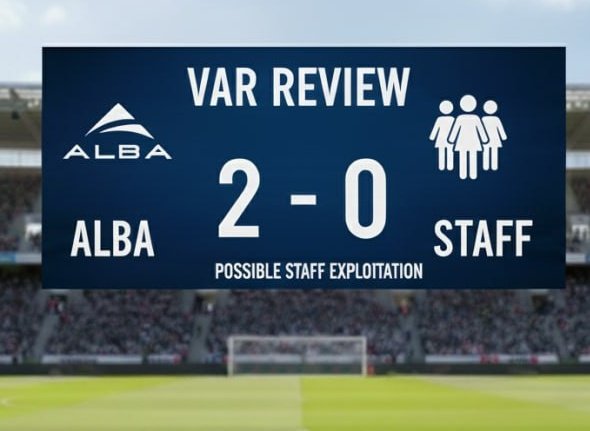
La plantilla del @ALBAsynchrotron va a la HUELGA.
Tras el reciente anuncio de 1000M€ de inversión sin que se destine ni 1€ a revertir los años de recortes salariales, nos plantamos.
El lunes 24 paramos ALBA para poder construir ALBA II
12
15
316
Sandra Ruiz retweeted

9 Oct 2025
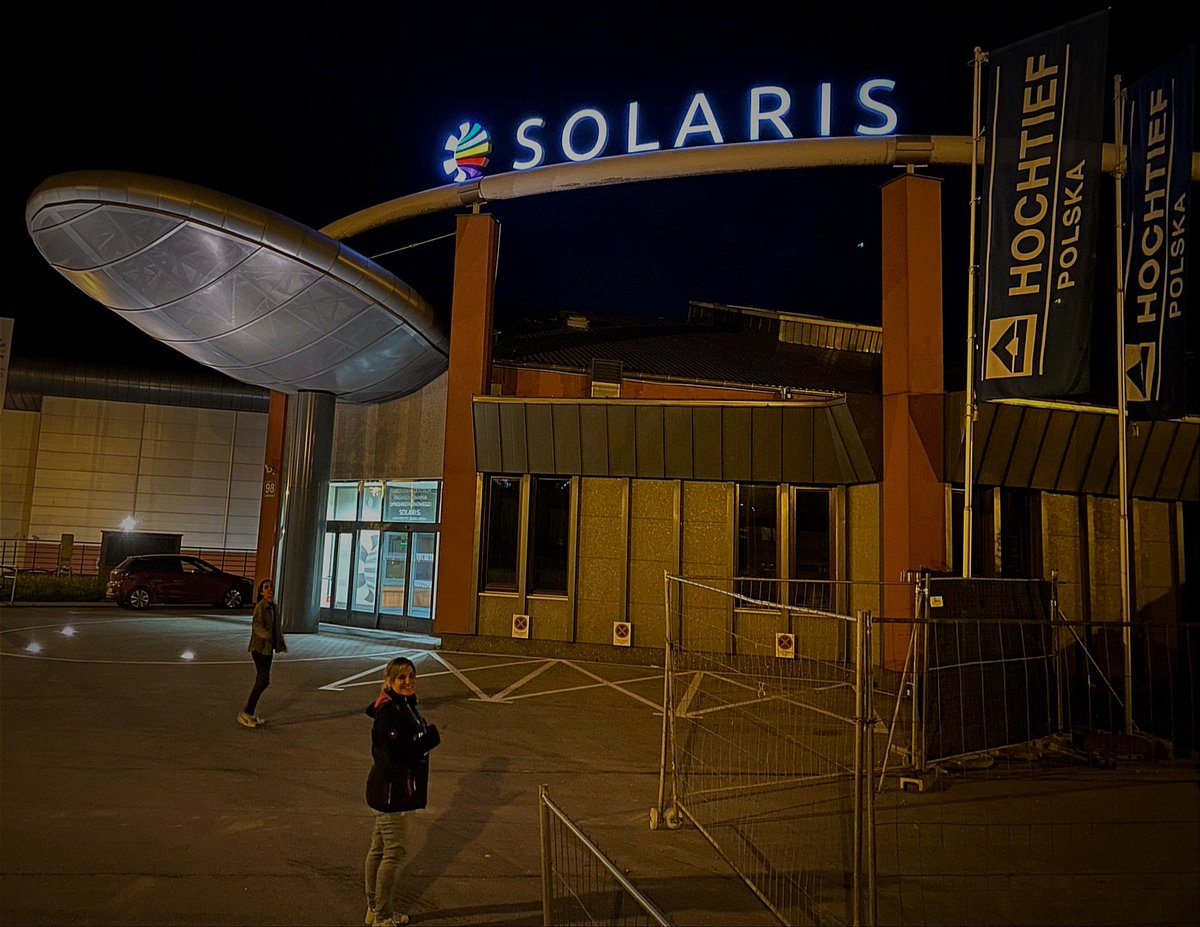
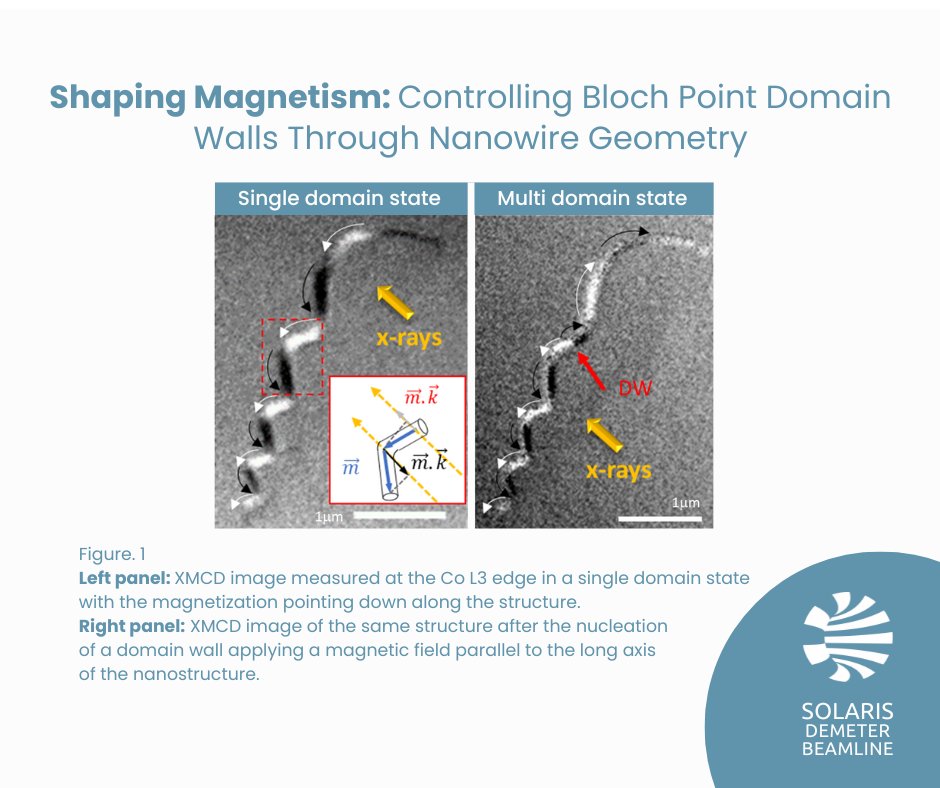
A groundbreaking study led by Dr. Sandra Ruiz-Gomez and Dr. Claire Donnelly from the Max Planck Institute for Chemical Physics of Solids, in collaboration with @ALBAsynchrotron, @SOLARIS_science, and the @univienna, reveals how bending ferromagnetic nanowires enables precise control over three-dimensional magnetic textures known as Bloch Point Domain Walls (BPDWs).
For the first time, researchers have experimentally demonstrated that curvature introduces asymmetric energy traps that govern the motion of BPDWs—making their behavior direction-dependent. Straight segments of the wire naturally pin these domain walls, while curved regions modulate their stability and mobility. This curvature-induced symmetry breaking highlights the role of both the central magnetic singularity and its surrounding texture in pinning mechanisms.
The concept of a “Bloch Point Shift Register”, a device controlled solely by wire geometry, showcases how shape alone can steer magnetic behavior at the nanoscale. This opens exciting avenues for high-density, 3D magnetic memory and logic devices, and may extend to other quantum materials like superconductors and van der Waals magnets.
More info at our website.
1
1
89
Sandra Ruiz retweeted

29 Jul 2025
Gran final de mes! Empezamos consiguiendo un proyecto de tesis 🧲🧬junto con @ampowerflower @icmm_csic y terminamos a lo grande con el proyecto del Plan Nacional @AgEInves @CienciaGob con @yourlive31, @balookas. ¡Equipazos! Lo vamos a pasar bien estos años trabajando juntos 🤗
1
2
10
1,456
Sandra Ruiz retweeted

12 Dec 2024
Segunda semana consecutiva haciendo bailar paredes de dominio... Esta vez en @ALBAsynchrotron con @luuugom (que repite), Laura, la gente de #Mistral y el equipazo de @yourlive31.
Enjoying the people! Enjoying science!
1
3
372
Sandra Ruiz retweeted

22 Mar 2024
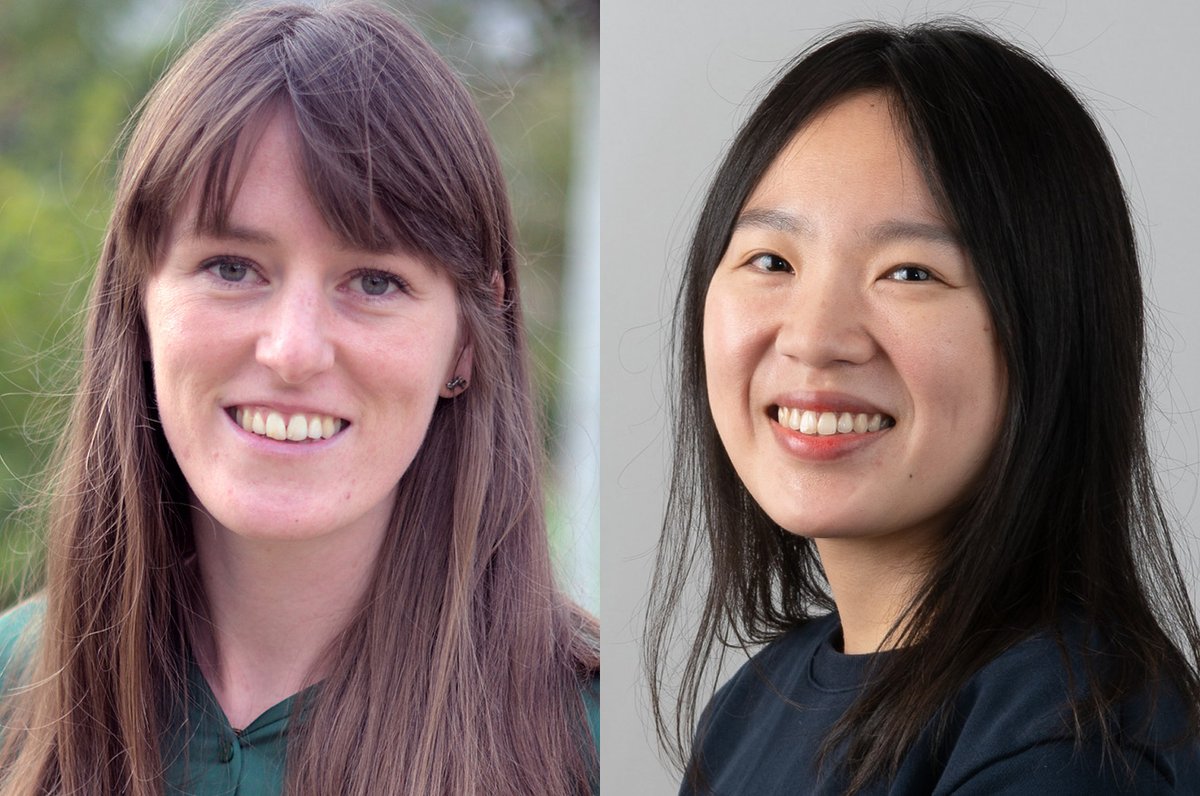
You rock science! 👏🏼🎉This year's Heinz Maier-Leibnitz Prize goes to Claire Donnelly @mpi_CPfS in Dresden and Eugene Kim @MPIbp in Frankfurt. Congratulations! #sciencecareer #womeninSTEM
ALT This year's Heinz Maier-Leibnitz Prize goes to Claire Donnelly (left) in Dresden and Eugene Kim in Frankfurt (right)
2
12
89
20,197
Sandra Ruiz retweeted

19 Mar 2024
🚨🚨🚨Interesting conference alert🚨🚨🚨
This Sunday (24th) is the deadline to submit your contribution to the "Ferroelectrics: from fundamental to applications" Symposium.
Instructions:
bienalfisica.org/en/how-to-s…

1
6
9
1,438
Sandra Ruiz retweeted

7 Feb 2024
🚨🚨🚨 XXXIX Reunión Bienal de la Real Sociedad Española de Física @RSEF_ESP
📆 15-19 julio, 2024
📌 Donostia - San Sebastián
bienalfisica.org/en/home
🧵Hilo con symposia organizados por miembros de GEFES 👇
1
10
18
2,817

Sandra Ruiz retweeted

17 Nov 2023
#JobOffer 🔊
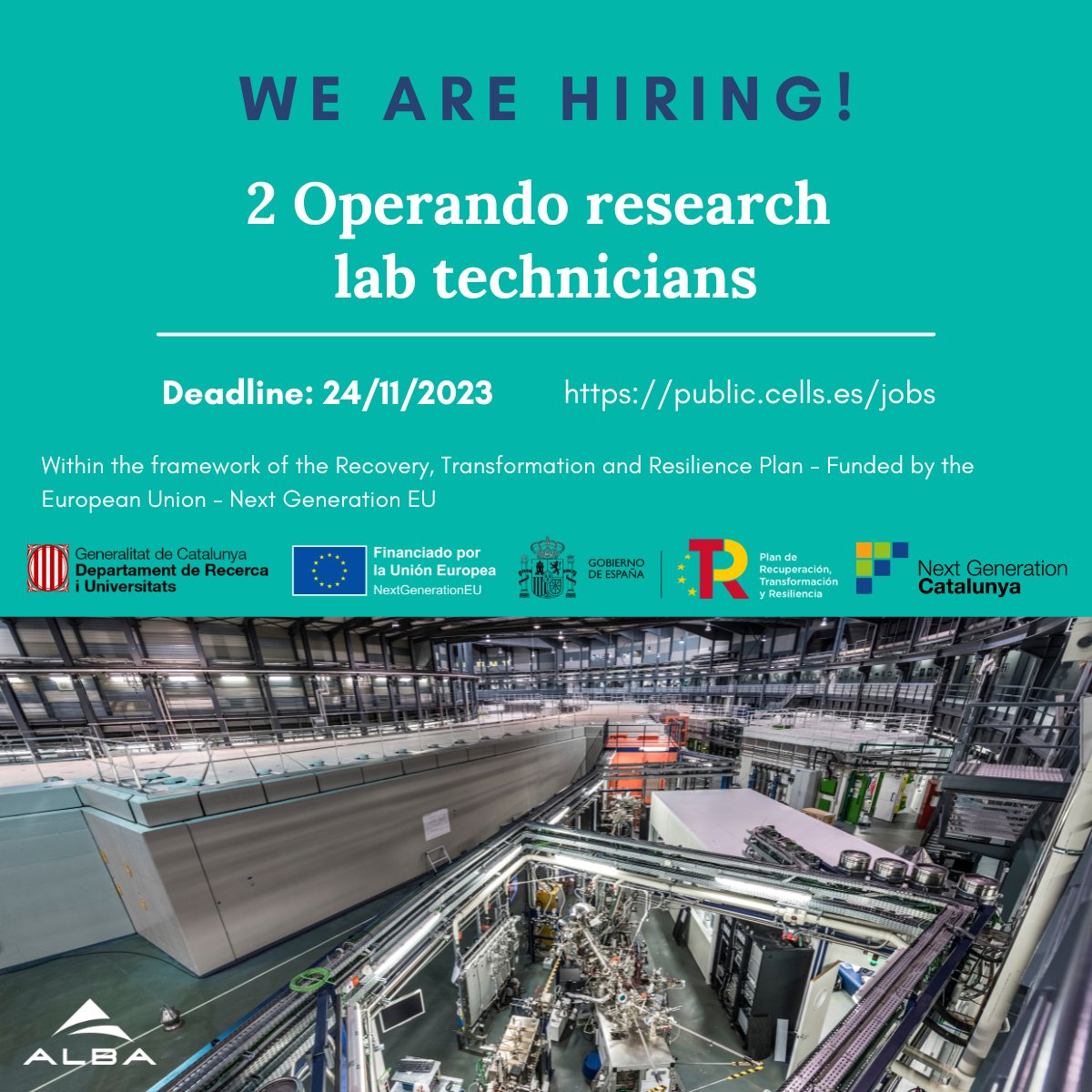
We are looking for 2 Operando Research #LabTechnicians within the framework of the Recovery, Transformation and Resilience Plan - Funded by the European Union #NextGenerationEU
APPLY HERE! 👉public.cells.es/jobs/#!/jobs…
Deadline 24/11/2023
6
9
1,381
Sandra Ruiz retweeted

25 Oct 2023
Latest MCMP paper on domain wall rings, authored by former PG student Miguel, now at @tu_wien in Vienna. Multple institute authors including a number of @uofG_mcmp members in pastures new. #360walls
doi.org/10.1063/5.0158119
2
6
508

Sandra Ruiz retweeted

7 Sep 2023
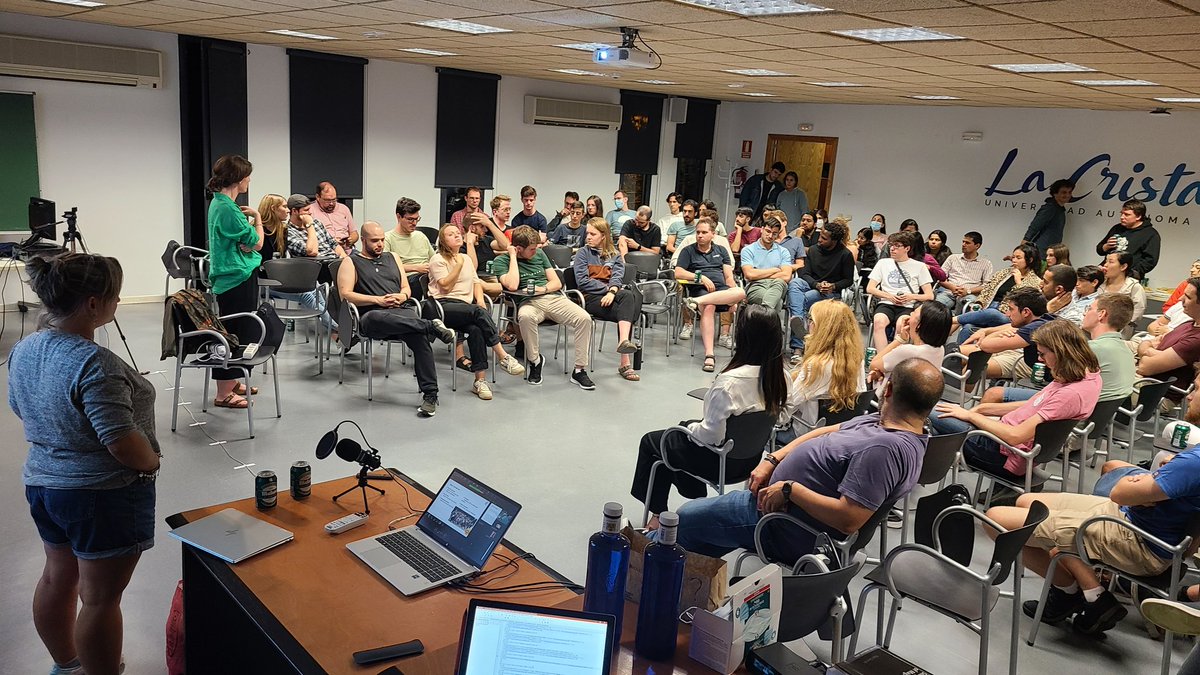
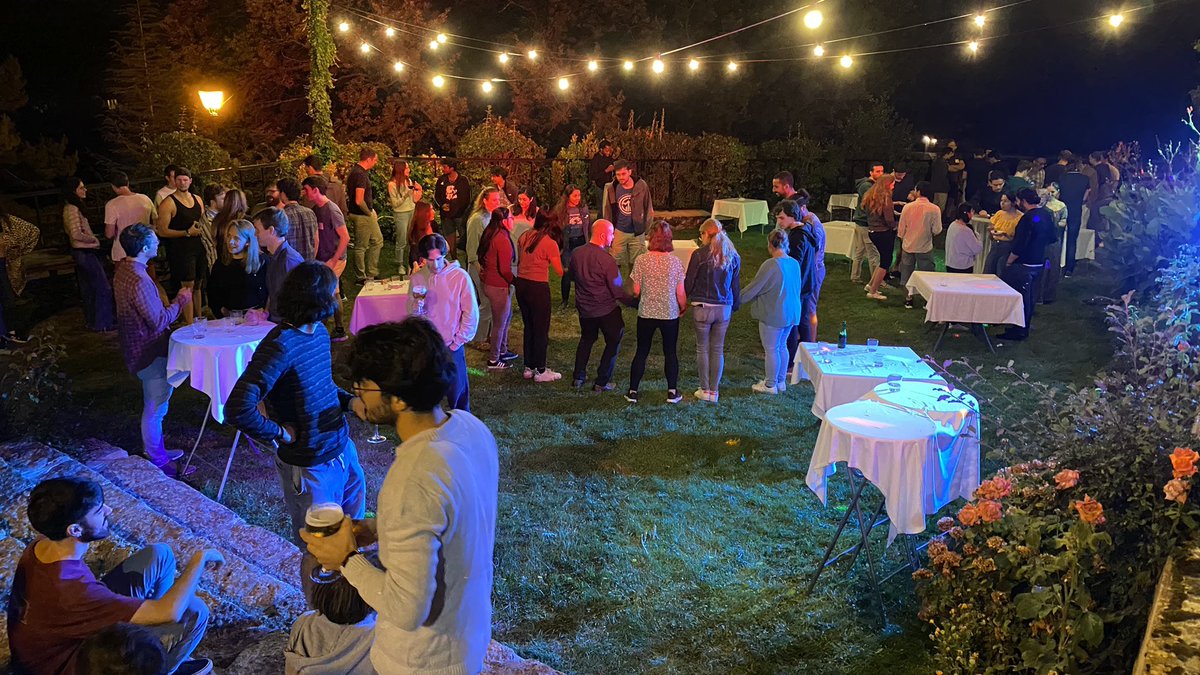
Afterwork of the 100 onsite young-scientist attendees of the European School on Magnetism, hotly debating on women and diversity in magnetism. One thing is sure: our future is in good hands !😊 @EmaMagnetism #womenInMagnetism
2
11
590
Sandra Ruiz retweeted
8 Sep 2023
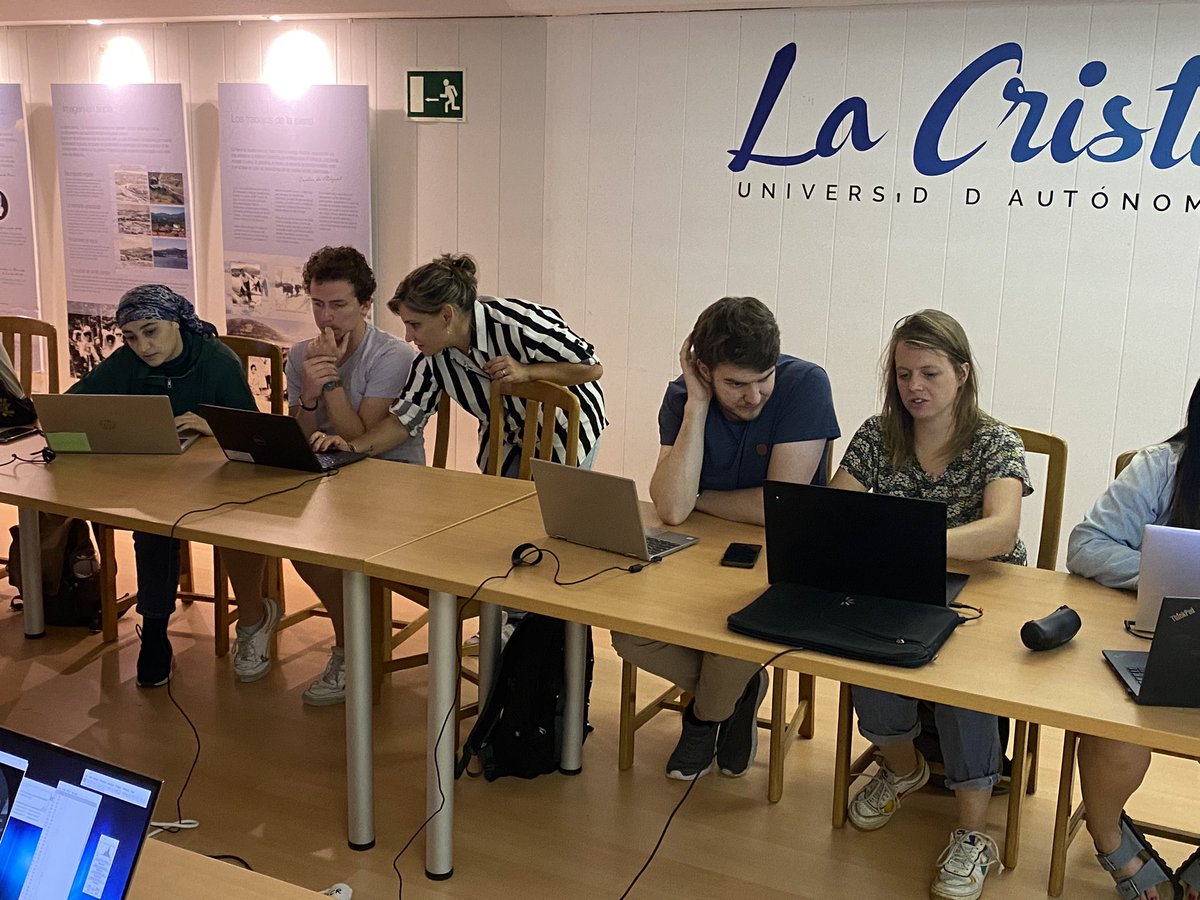
@yourlive31 teaching how to use ImageJ to a new generation of young scientist! @ESM_School
1
1
147
Sandra Ruiz retweeted

26 Jun 2023
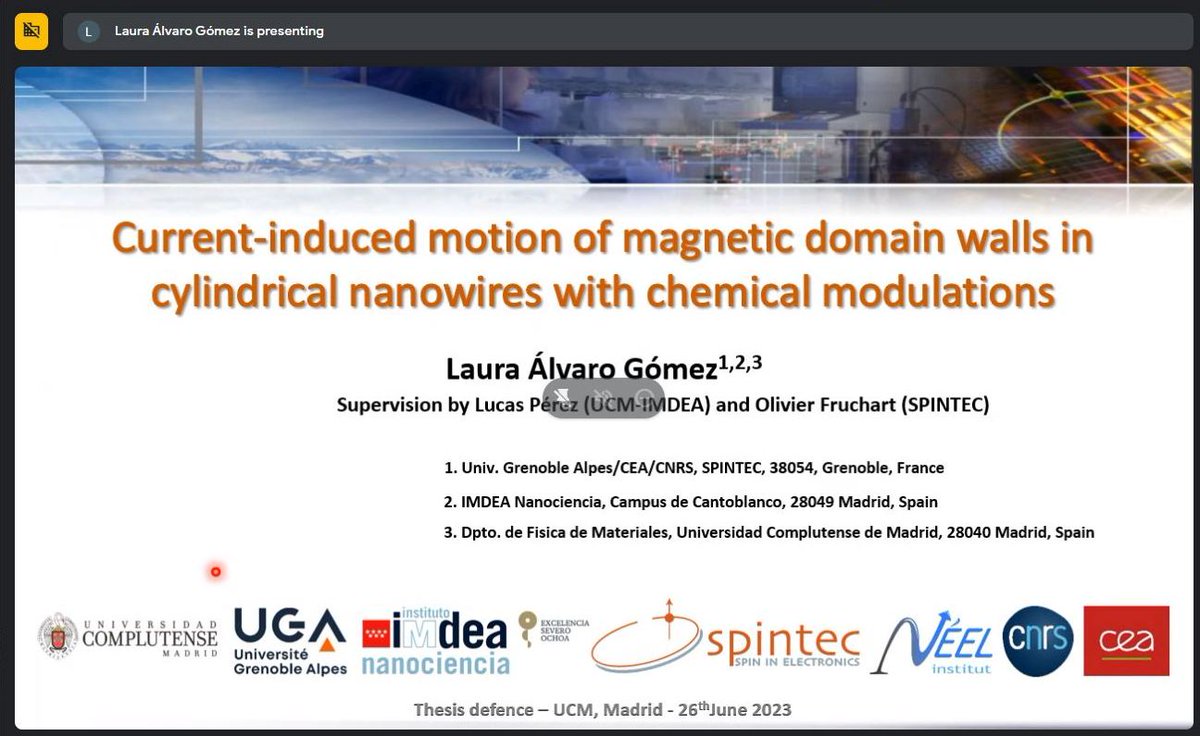
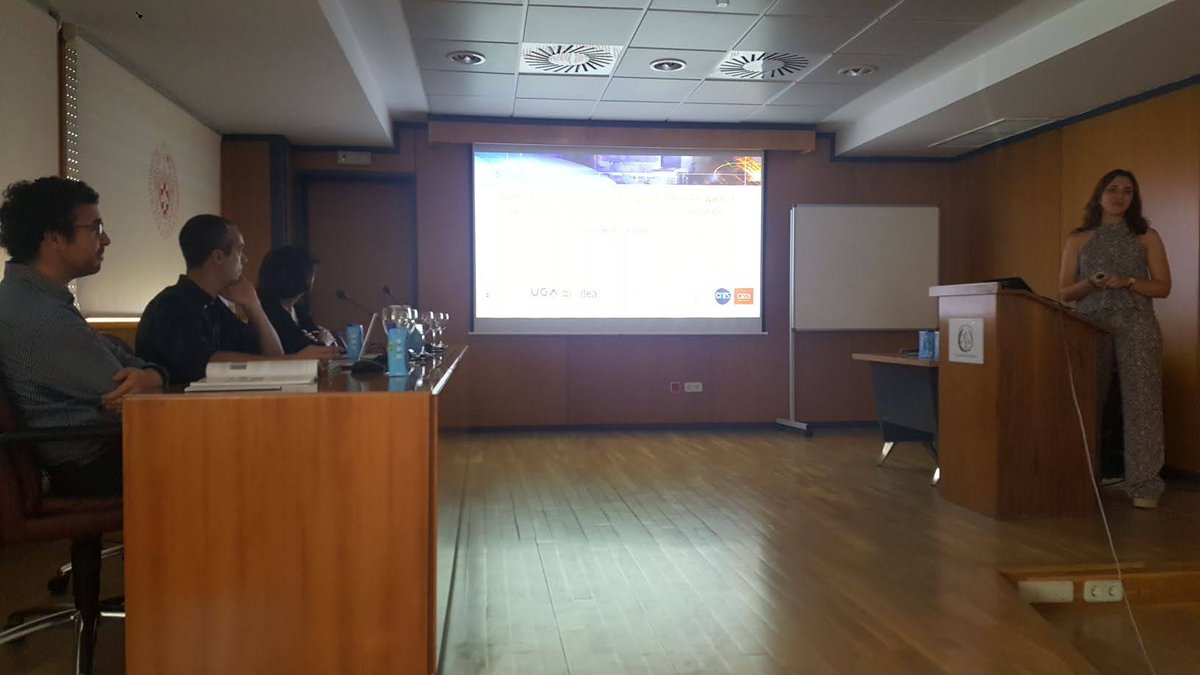
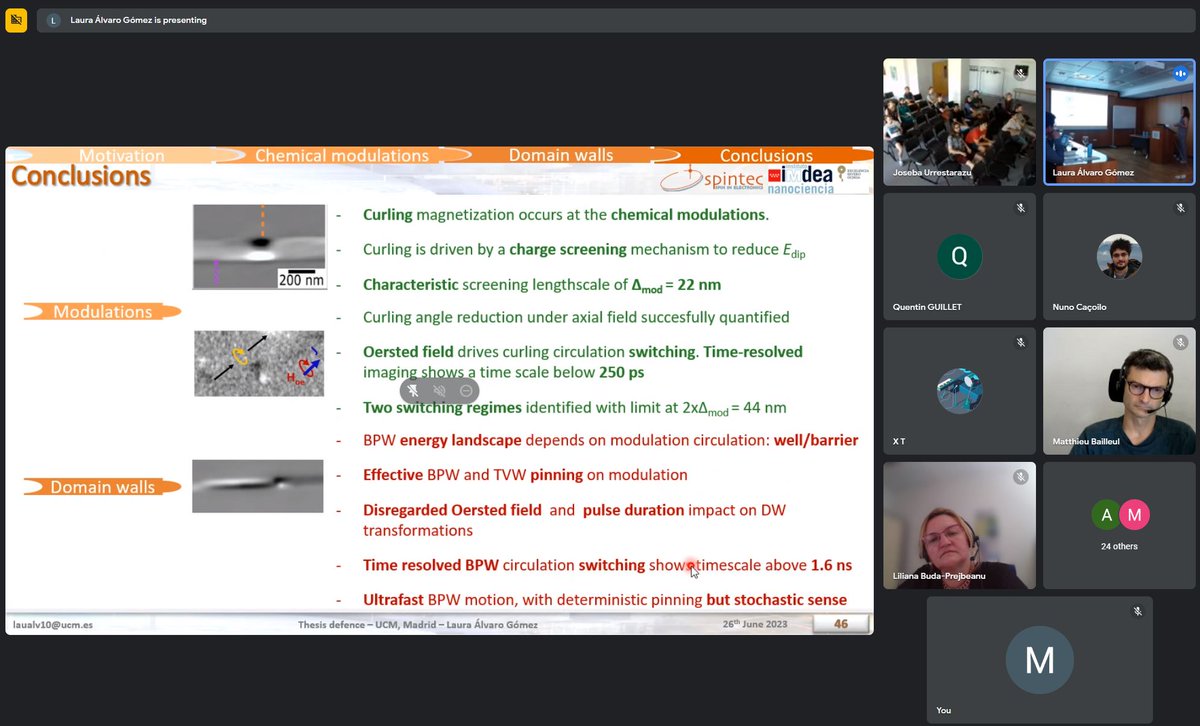
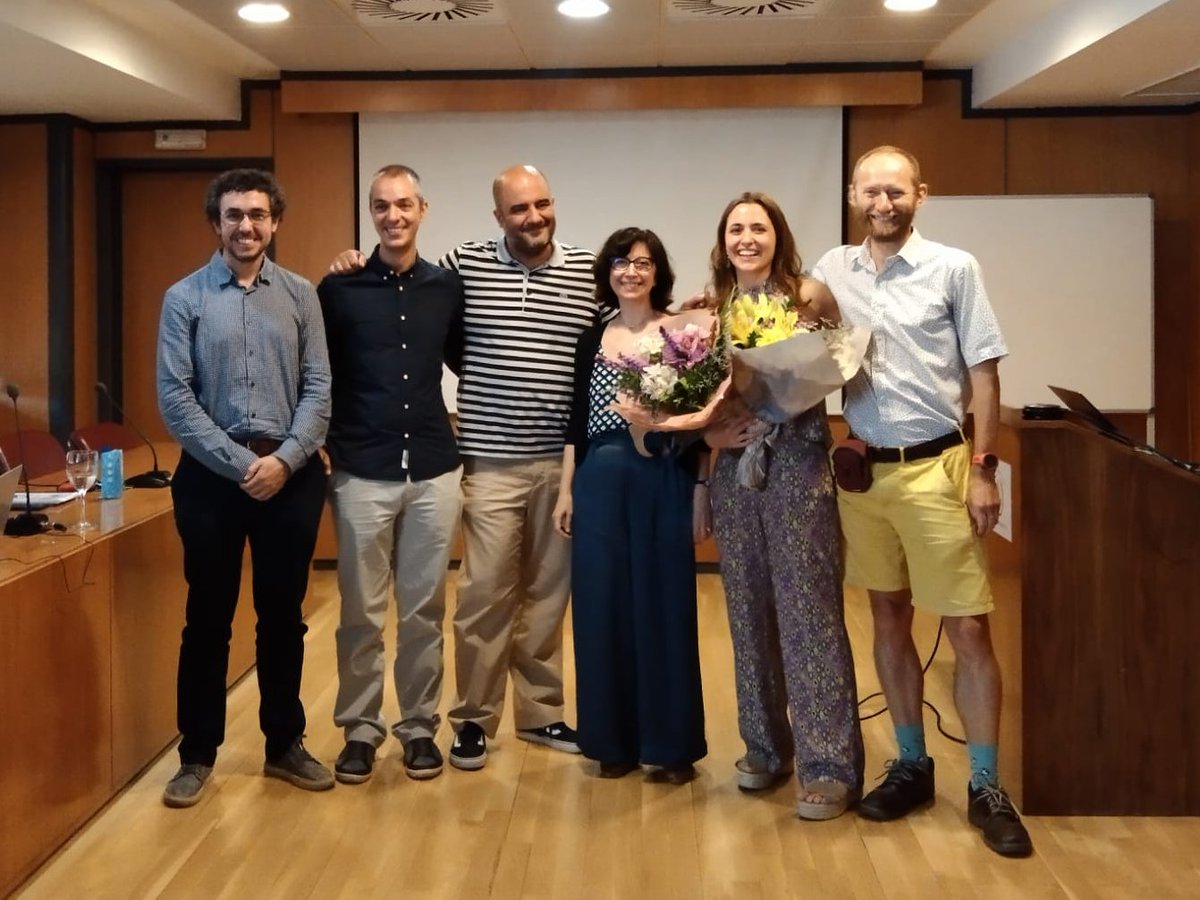
Congrats to Laura Álvaro Gómez for her very successful PhD defense!!! Thx to jury members A. Mascaraque, J. Tornos Castillo(@unicomplutense), @AureHierro (@UniOviedo), C. Back(@TU_Muenchen), M. Bailleul (@IPCMSlab), @LiliPrejbeanu (@UGrenobleAlpes) @CNRS @SPINTEC_Lab @IMDEA_Nano
3
11
438
Sandra Ruiz retweeted

12 May 2023
Let's amplify 10 women scientists and keep going @aifigueroa84 @agnesperezmi @ecsanudo @martaestrader @reginagalceran @JHAtwitts @epcienfuegos @EliYucatan @mrivasardisana @yourlive31
17 Oct 2020

Let's amplify 10 women scientist and keep going
@francesca_peiro @assumpg @arantxell @AntojaTeresa @jalvmar @MaiteParamio
@abardaji @EvaPellicerVila @PasGarciaM @LeniBascones
2
7
1,475

27 Apr 2023
1
1
5
484
Sandra Ruiz retweeted

23 Apr 2023
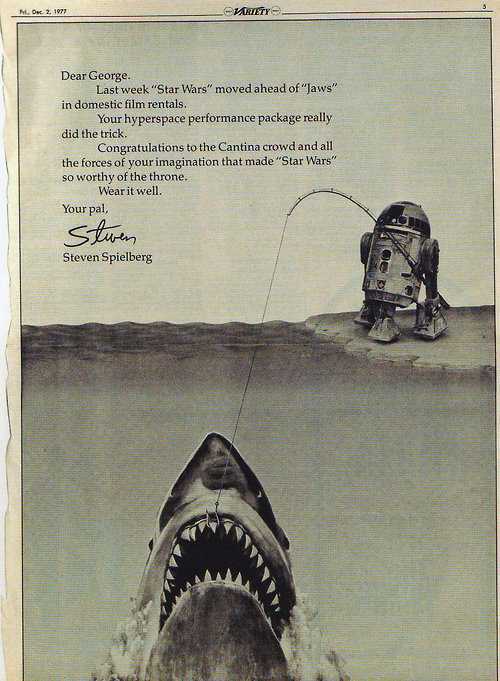
There's a tradition of film directors and studios congratulating each other for beating their box office records. A THREAD
In 1977, when STAR WARS beat Jaws to become the highest-grossing movie ever, Steven Spielberg took out the below ad for George Lucas in
@Variety
1/11
342
19,192
132,888
25,733,427