
システム開発会社ゼロベース代表。オルタナティブな働き方と経営。専門は情報アーキテクチャ(インターネット、ソフトウェア、デザイン)。興味関心はファッション、アート、歴史。スタンスは積極的老害。
Joined December 2008
- Tweets 3,692
- Following 213
- Followers 9,344
- Likes 19,906
203 Photos and videos
Pinned Tweet

Mar 18
機関誌ゼロベース第1号(創刊号) 令和の勤勉革命
AIへの熱狂は加速し続けています。それに伴い「AIが人間の仕事を奪う」という不安も高まってきているようです。ゼロベースの20年の経験を踏まえて、経営の近代化が始まった100年前、さらには江戸時代へと遡り、AI時代の…… zerobase.jp/issues/issue-one
7
24
10,388
「福岡県民って、ウインカー出すの遅くない?」福岡県民“ウインカー遅い問題”正しいルールは?【アサデス。ポスト】 youtu.be/8sH6ubqZuJI?si=SVN1…
1
226
石橋秀仁 情報アーキテクト retweeted

自分は平均して週2回くらいネクタイを締めてるのだが、その度に誰かに「おおっ!今日はネクタイですね(珍しい)」と言われる。よほど私にフォーマルな服装のイメージがないのだろうけど、多分いま多くのビジネスパーソンは、私ほどネクタイを締めないのでは。
Feb 28

炎上覚悟で言うが、IT業界においては、「パーカーおじさん」こそ既得権益層の老害ファッションであり、むしろスーツこそが「逆張り」になった。ファッションにおいて「カウンターカルチャー」の地位が逆転した。そのことに気づいている人はまだ少ない。
かつてはTシャツ、パーカー、ジーパンがカウンターカルチャーや反権力の記号だった。年寄りの既得権を打倒するために戦う姿勢を示す装いだ。スティーブ・ジョブズはそのような思想やスタイルを代表していた。実際、まだIT業界は小さく、プログラマーも高級取りではなかった。
ドットコム・バブルや「IT革命」から25年、気付けばITは時代を代表する産業になっていた。IT長者・IT成金が続出した。ソフトウェアエンジニアは所得が高くなり、憧れの職業になった。オードリー・タンやチームみらいのように、ソフトウェアエンジニアが国政にも入り込むようになった。IT起業家・IT業界人は金も権力も手に入れた。みんな歳を取った。IT業界人も年寄りの既得権層になった。
IT業界内の自意識と、外からの客観的な見え方は、だいぶズレてきている。Luupを見て「既得権益に挑む若き改革者」と思うだろうか?「あれこそ既得権益だ」と思う人も少なくない。SNSを見れば明らかだ。
身だしなみは他者への礼儀だ。IT業界人は公式・公的な場でもスーツを着ないが、それが許されて当然であるかのように振る舞っている。それが許されるのは彼らが力を持っているからだ。そのような振る舞いこそ、かつて自分たちが嫌っていた権力性そのものであるのにも関わらず。
昨年炎上した「パーカーおじさん」問題の深層には、このような構造変化がある。表面的には単なるファッションの悪口だったが、そこから読み解くべき大衆の無意識に注目したい。傍若無人な老害ムーブに苛立つ人が増えてきているということに。
かつてカウンターカルチャー側だった若者は、四半世紀を経て、かつて自らが批判していた当の老害になってしまった。しかも、そのことを自覚できていない。自意識をアップデートできていない。
現代においては、金と権力を持つIT中年男性のTシャツ、パーカー、ジーパンこそが「権力者の装い」であり、反感を買いやすくなっている。少なくとも公式・公的な場では、きちんとした装いで礼儀を体現したほうがいい。それが身を守ることにもなるし、社会的地位に伴う義務でもある。
いつまでも若者気分でいるのをやめて、年相応に成熟した大人の装いへ切り替えたほうがいい。「IT業界だけは例外だ」という甘えは許されない。そういう時代は終わった。もはやIT業界こそが世界を支配しているのだから。社会的責任を果たすべき地位にあることを自覚したうえで、成熟した大人として振る舞うべきだ。
未成熟の美徳から、成熟の美徳へ。美意識の大転換が必要な時代だ。まずは公式・公的な場面で、TPOを意識した装いから始めてはどうか。つまり、スーツを着て、ネクタイを締めることから。それをファッションに留めることなく、全体的な言動も変えていくこと。それが意識をアップデートするということだ。
1
1
11
4,606
石橋秀仁 情報アーキテクト retweeted

Jun 13
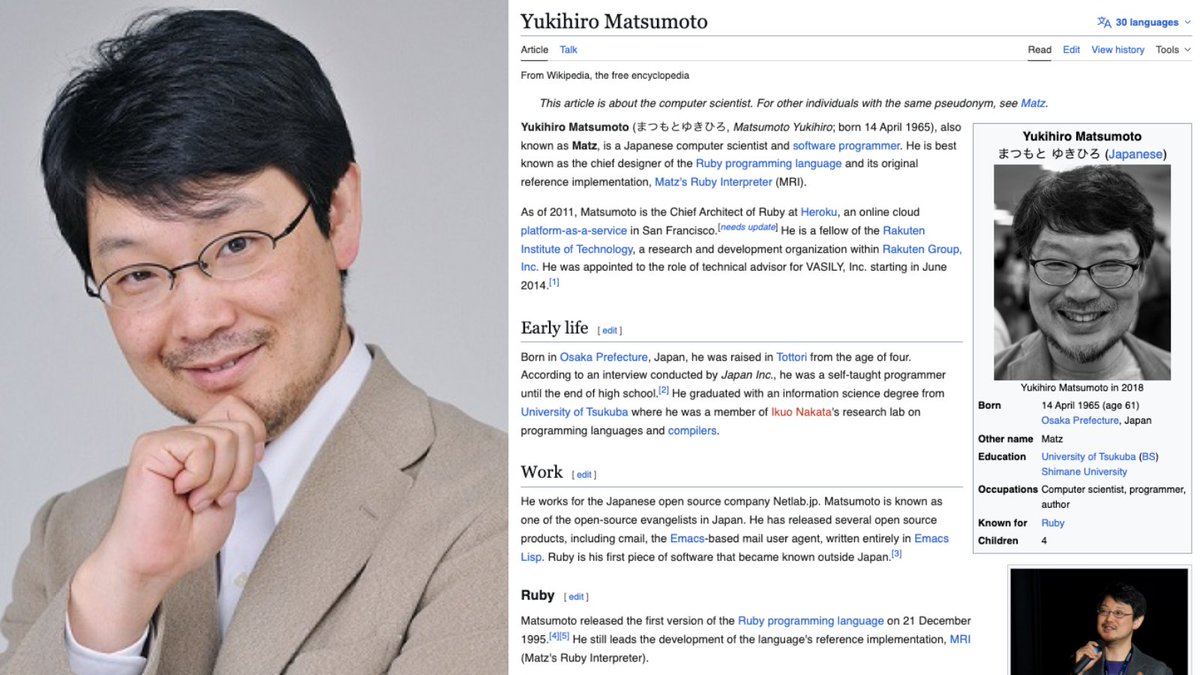
A Japanese programmer looked at every existing programming language in 1993, decided none of them made him happy, and spent two years building his own the language he built became the foundation GitHub, Shopify, Airbnb, and Coinbase were all built on.
His name is Yukihiro Matsumoto.
Everyone in the programming world calls him Matz. He was born in 1965, studied information science at the University of Tsukuba, and graduated in 1990 with a head full of ideas about what programming languages could be and a quiet frustration with what they actually were.
He knew Perl. He did not like it. He said it had the smell of a toy language. He knew Python. He did not like it either, because he felt its object-oriented features were add-ons bolted onto a language that was not designed around them from the start. He wanted something that was genuinely, completely object-oriented, easy to use, and built for the person writing the code rather than the machine running it.
He looked for that language. He could not find it.
So on February 24, 1993, he opened a chat window with his colleague Keiju Ishitsuka and typed: "Let us decide the codename now."
They wanted to name it after a gemstone, inspired by Perl. Ishitsuka suggested Coral. Matsumoto suggested Ruby. Ruby was shorter by one letter. Ruby won.
He spent the next two years building it alone, working through the architecture piece by piece. The object system. The string class. The IO streams. He later said he talked through specific features while speaking to his baby daughter, using her as a sounding board the way programmers use rubber ducks. In August 1993, he finally wrote the line of code that produced "Hello, world." on the screen.
The first public version, Ruby 0.95, was released to Japanese domestic newsgroups on December 21, 1995. No press release. No launch event. Just a quiet post to a mailing list.
The design principle underneath everything was the one nobody else had ever made primary. Matsumoto called it programmer happiness. He believed programming languages should be built for the joy and productivity of the person writing the code, not optimized purely for machine efficiency. Every decision in Ruby's design ran through that filter. If it made the programmer's life harder, it was wrong.
That philosophy attracted a small but devoted following in Japan through the late 1990s. Then in 2003, a Danish programmer named David Heinemeier Hansson discovered Ruby and used it to build an internal project management tool for his company. He called the tool Basecamp. He extracted the framework underneath it and released it publicly in 2004.
He called it Ruby on Rails.
Within a year of that release, the framework had changed how web applications were built. Rails introduced the principle of convention over configuration, meaning developers could make decisions about structure quickly because the framework had already made sensible defaults. What used to take weeks of setup took days. What used to take days took hours.
Shopify started on Rails in 2005. GitHub built on Rails a couple of years later. Airbnb, Twitch, Coinbase, SoundCloud, and Zendesk all followed. The first generation of consumer internet companies that defined how people think about software products were largely built by small teams moving fast on a framework that traced directly back to one Japanese programmer who was dissatisfied with his tools in 1993.
Shopify now processes over $200 billion in annual commerce volume. It still runs on Rails. GitHub became the largest code hosting platform on earth and was acquired by Microsoft for $7.5 billion in 2018. It started on Rails.
Matsumoto has said many times that he created Ruby for selfish reasons. He was so underwhelmed by every available option that he built something that would make himself happy. The programmer happiness he was chasing was his own.
The community that grew around Ruby adopted a motto that says everything about who he is. Matz is nice and so we are nice. They abbreviated it MINASWAN. It spread because it was true. He answered emails from strangers. He engaged with the community with patience. He treated the language as a gift, not a product.
He is still the chief designer of Ruby today. The language is 31 years old. It is still being improved.
The last stable release was Ruby 4.0.4, shipped on May 11, 2026.
One programmer, unhappy with his tools, built something better in the evenings in 1993. The companies you use to buy things, to store code, to book travel, and to watch streams were built on top of what he made.
He just wanted to be happy while he worked.
Did you know Ruby was behind the tools you use every day?
40
716
3,678
356,784
石橋秀仁 情報アーキテクト retweeted

Jun 11
新たな企画も続々誕生?!
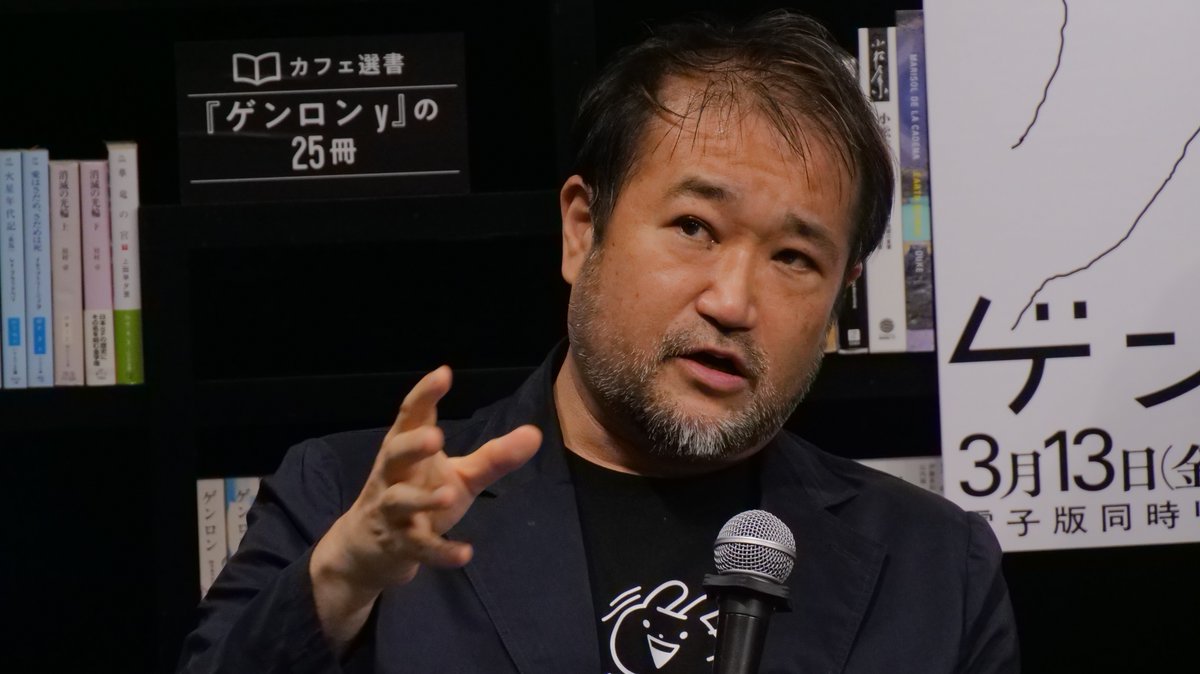
ReHacQメンバーとしてゲンロンカフェに行ってくると宣言した箕輪さん。東浩紀との意外な共通点、「正気を失っている」の真意、場をつくること、フィクションの想像力。途中から黒岩里奈さんも交えての6時間、必見です!
-
箕輪厚介×東浩紀×植田将暉 黒岩里奈 正気とはなにか
3
54
45,605
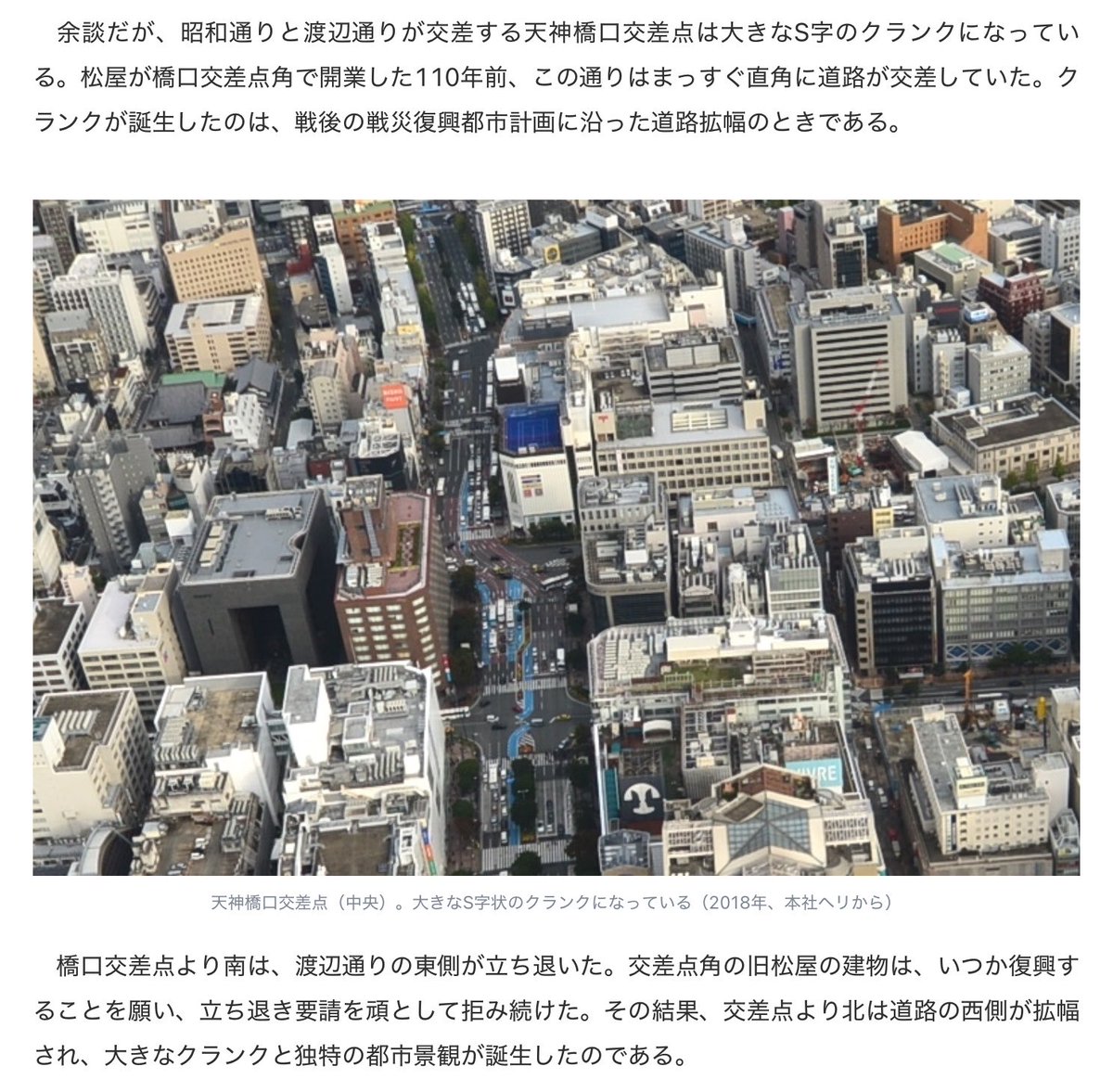
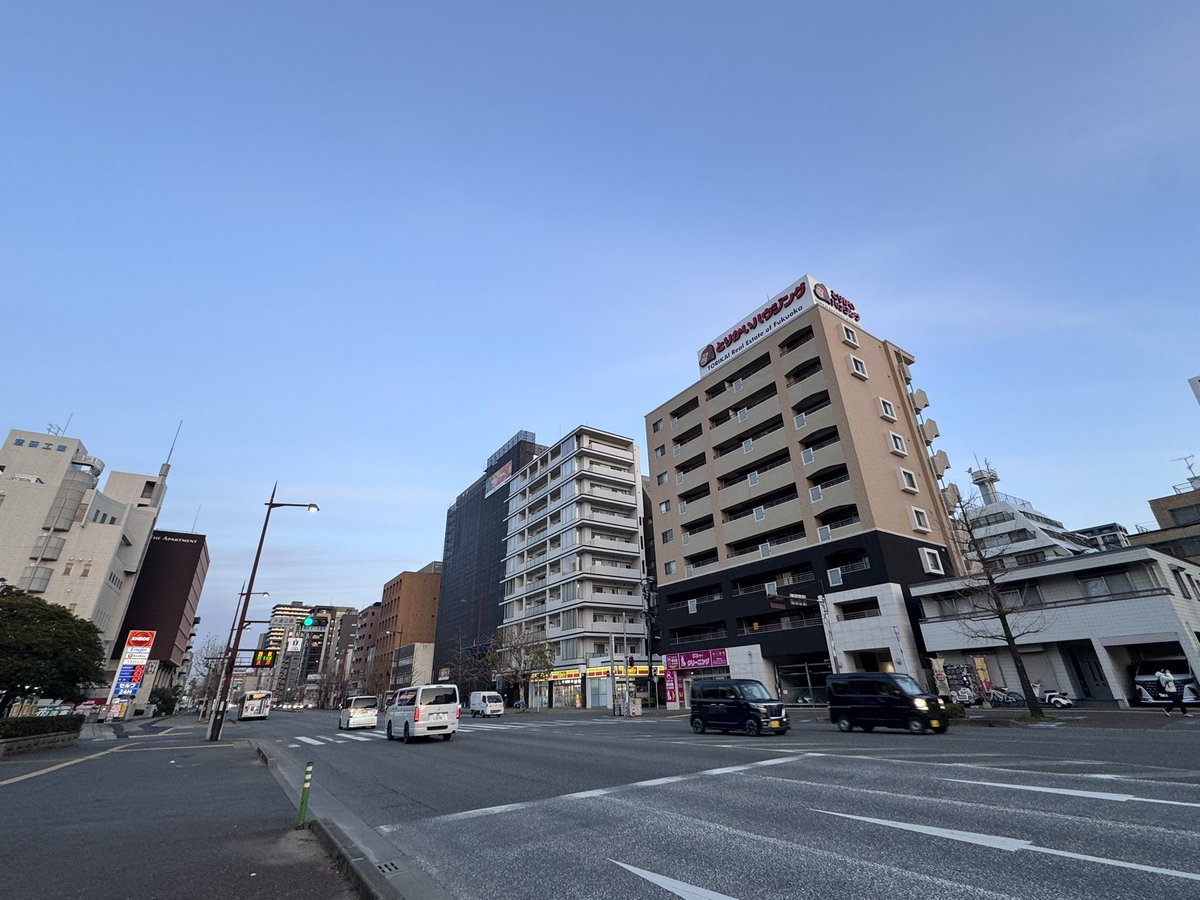
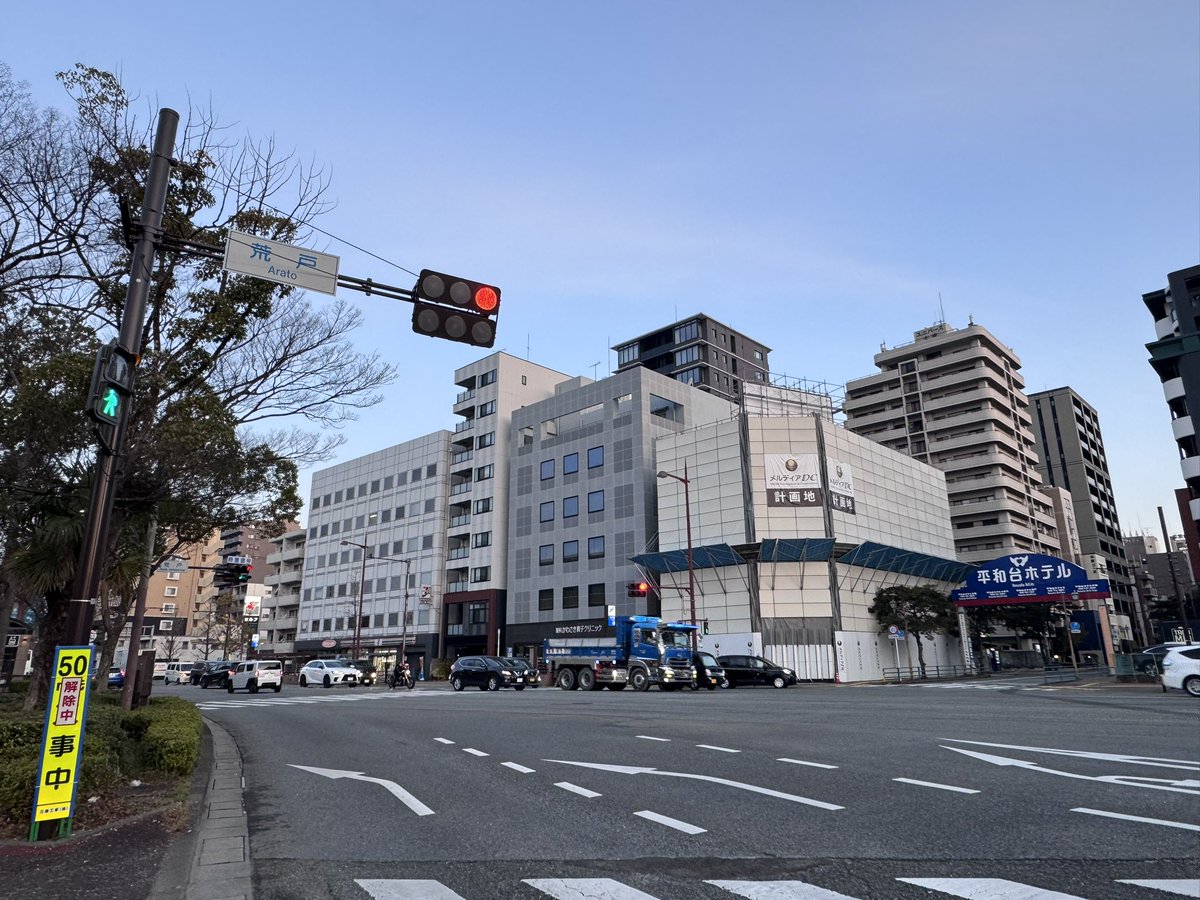
大濠公園駅前が栄えない理由は「公園には人が住めないから商圏人口が少ない」のだと。なるほど。私は東京で長いこと新宿1丁目に住んでいましたが、御苑前や千駄ヶ谷も、新宿からたった二駅で新宿御苑のそばであり、もっと発展していてもよさそうなのに、実際には商店が少ない住宅街でした。

なぜ大濠公園というビッグスポットがありながら駅前の商業がしょぼいのか。これには明確な理由があります。
今度動画で取り上げましょうかね。
2
1
4
1,288
これは地理的条件なので、今後も大濠公園前が発展することはなさそう
youtu.be/V4Aky4M8-6E?si=4zGl…
746
石橋秀仁 情報アーキテクト retweeted

Jun 14
Fable禁止の件、嫁に話しました。
途端に泣き崩れる嫁。
すまんな、もうAIは使えない。
今から会社に仕事ができなくなるので出社しなくなる事、伝えます。
AIに仕事全部やらしている人もいるんです。俺はAmazonを絶対に許さない。
12
79
385
80,441
石橋秀仁 情報アーキテクト retweeted

Jun 12
インターネットが一般的になった西暦2000年前後って、大量の桁外れの「未経験者」がIT業界に流入したんだよ。私もその一人。
あれこそが「雇用を生み出す」だったと思うんだよね。で、今のAIにその予兆があるかというと全くない。むしろジュニアレベルまでは冷遇する勢い。
14
226
1,210
91,306
石橋秀仁 情報アーキテクト retweeted

いいですか?DAZNは「ワールドカップだけみてすぐに解約したい消費者からいかにして最大の利益を取れるか」を考え、その結果「いかにして意図しない年間プランを契約させるか」という結論に至り、おそらくABテストをたくさん繰り返して、一番コンバージョンが良かったあのインターフェイスにたどり着いたんです。「書いてあるからわかるだろ、バカじゃねえの?」というひとは(裁判官の中にも相当数いそうで嫌なんですけど)、そのことをもう一度考えてみてください。
144
2,021
9,167
1,976,711
石橋秀仁 情報アーキテクト retweeted

Jun 13
業界関係者は言いにくいと思うが俺は言う

26
237
1,581
1,713,793
Jun 13
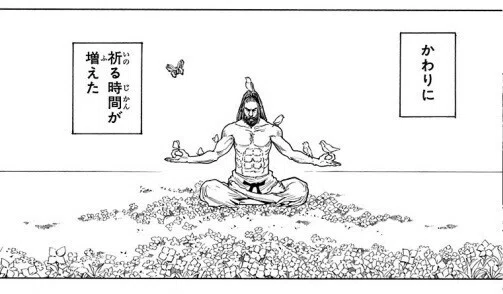
好き。そのうち音速(音声入力)を越えそう(BMI)。

1
428
石橋秀仁 情報アーキテクト retweeted

Jun 13
たった4日間、Fable5を使うためだけに$200払ったわけじゃないんだが?
Opus4.8?一生コンソール操作ミスって何も前に進まないモデルなんて必要ないよ。リセットなんて要らないから払い戻してくれ。マジで
9
27
323
53,200
石橋秀仁 情報アーキテクト retweeted

Jun 13
DAZNすごい批判されてるなあー
おれはJも海外サッカーも観れて
めっちゃ感謝してるけどな
年間3万払って
・サッカー観たくて登録してるのに興味無いプロ野球やバスケがトップに来る
・通信環境悪すぎて繋がらない
・必ず流れる広告
・すぐに落ちるアプリ
結果、まじでクソ
67
903
7,482
760,518

Jun 13
こういうユーザーエージェントのプロンプトインジェクション攻撃への脆弱性は大丈夫なんでしょうかね……自分ではまだ採用する気になれないなあ……孫正義氏も自分では使わないだろうね😂
ソフトバンク、AIスマホ競争に号砲 「アプリの死」を予感させる1個のボタン business.nikkei.com/atcl/NBD…
2
434
Jun 13
Microsoft Forms製のオンラインアンケートフォーム、Microsoftとは思えないくらい自然に回答できた。ユーザビリティテストやA/Bテストなどに投資されてるんでしょうか。ネイティブアプリよりそういった改善に取り組みやすいという事情はありそう。
203