
Joined October 2020
- Tweets 1,897
- Following 641
- Followers 549
- Likes 1,242
1,258 Photos and videos


Jun 11
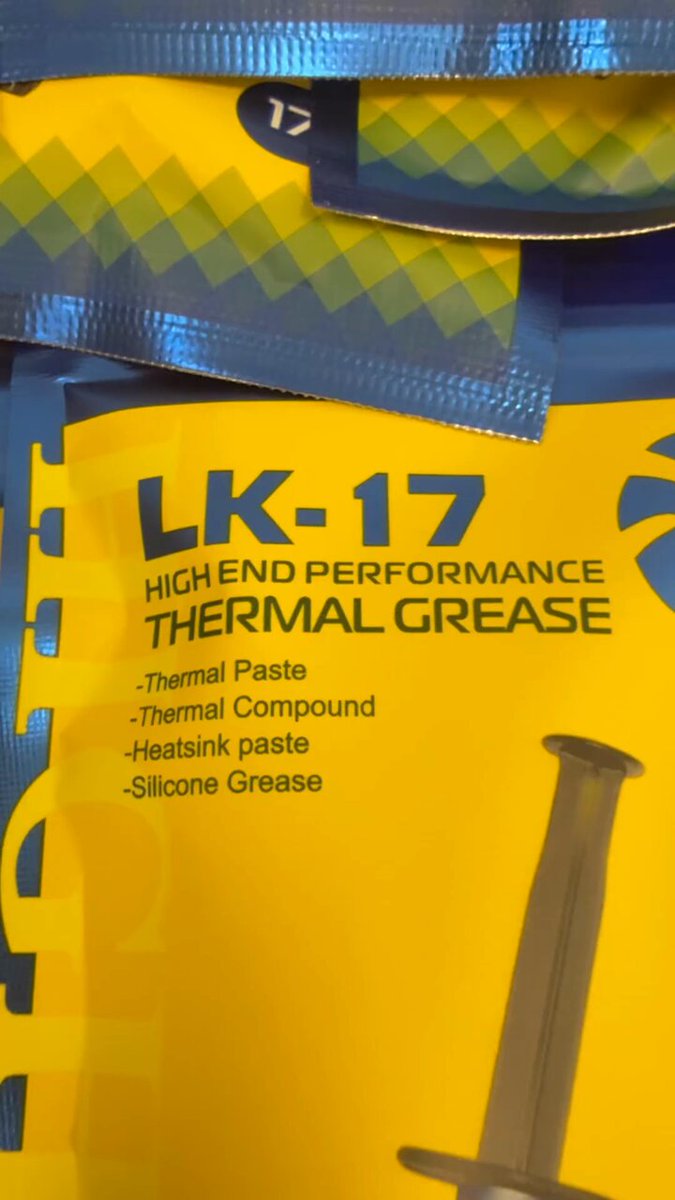
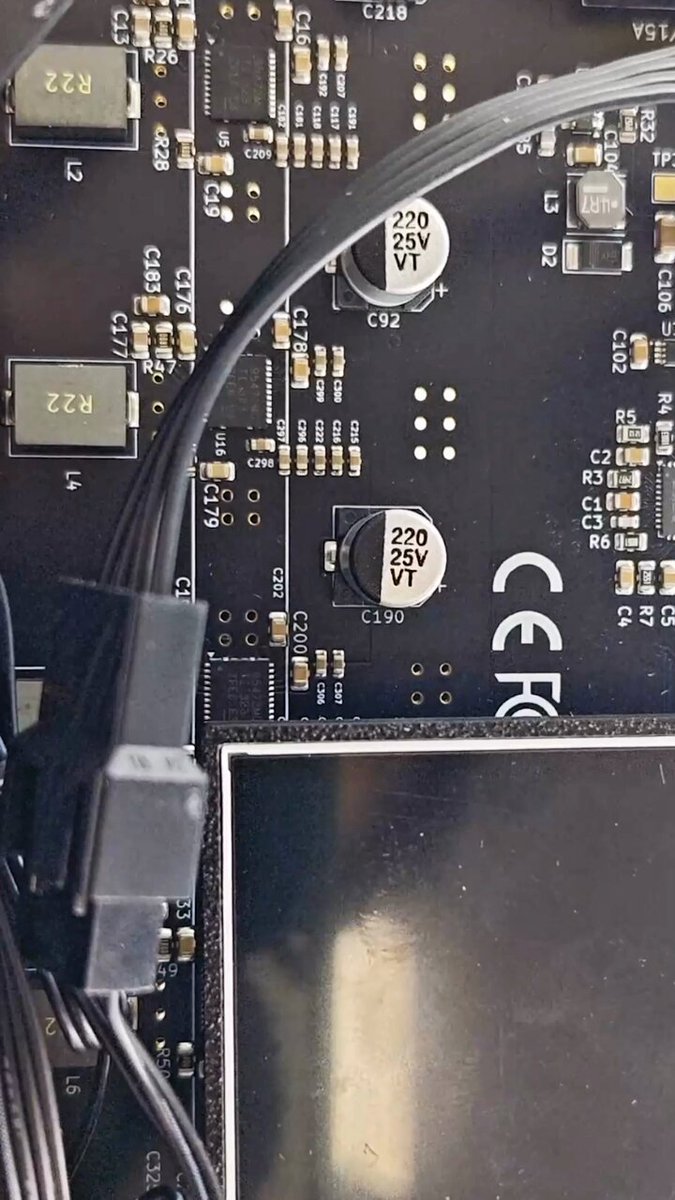
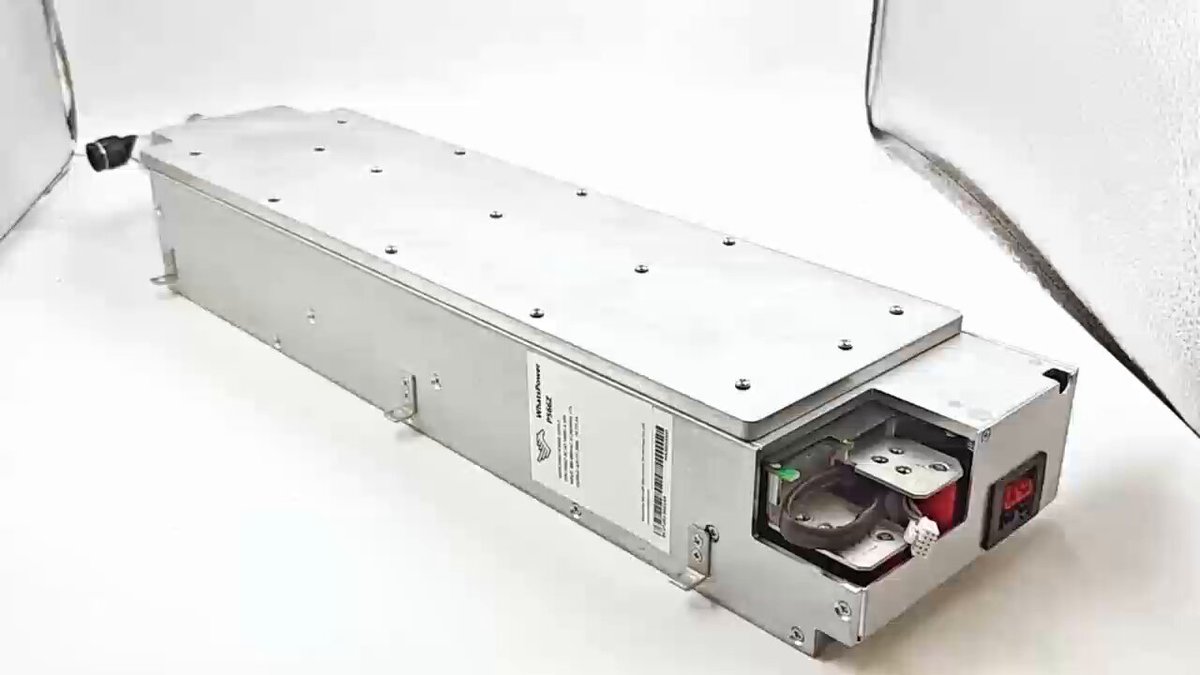
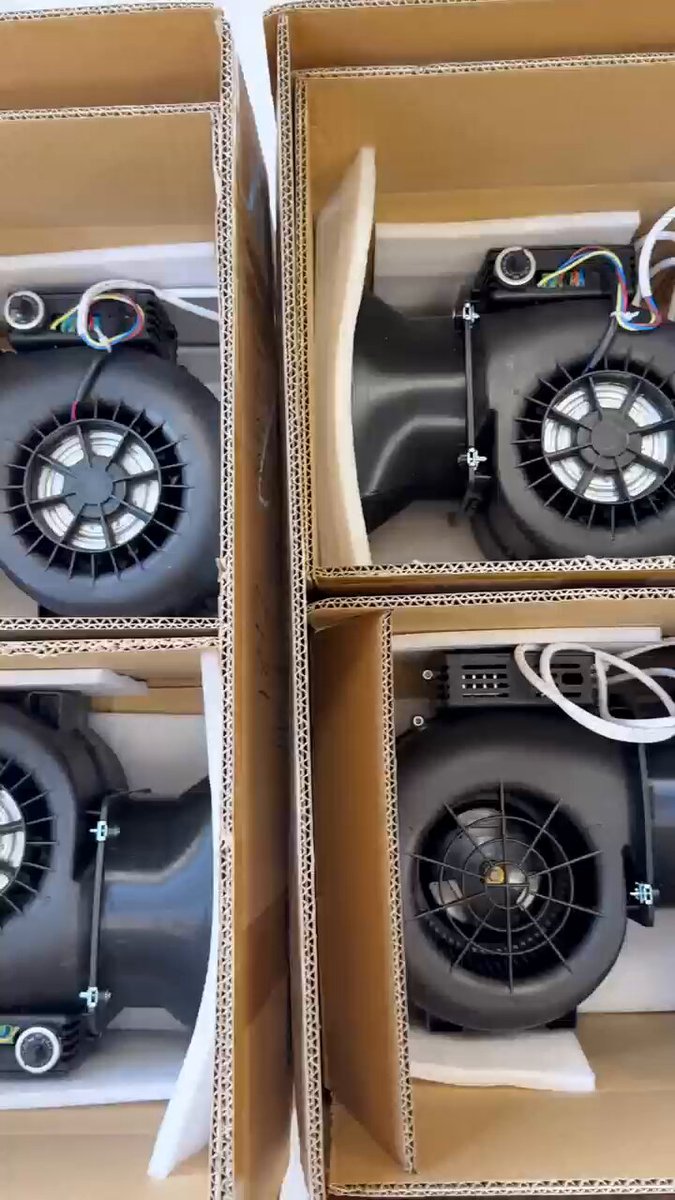
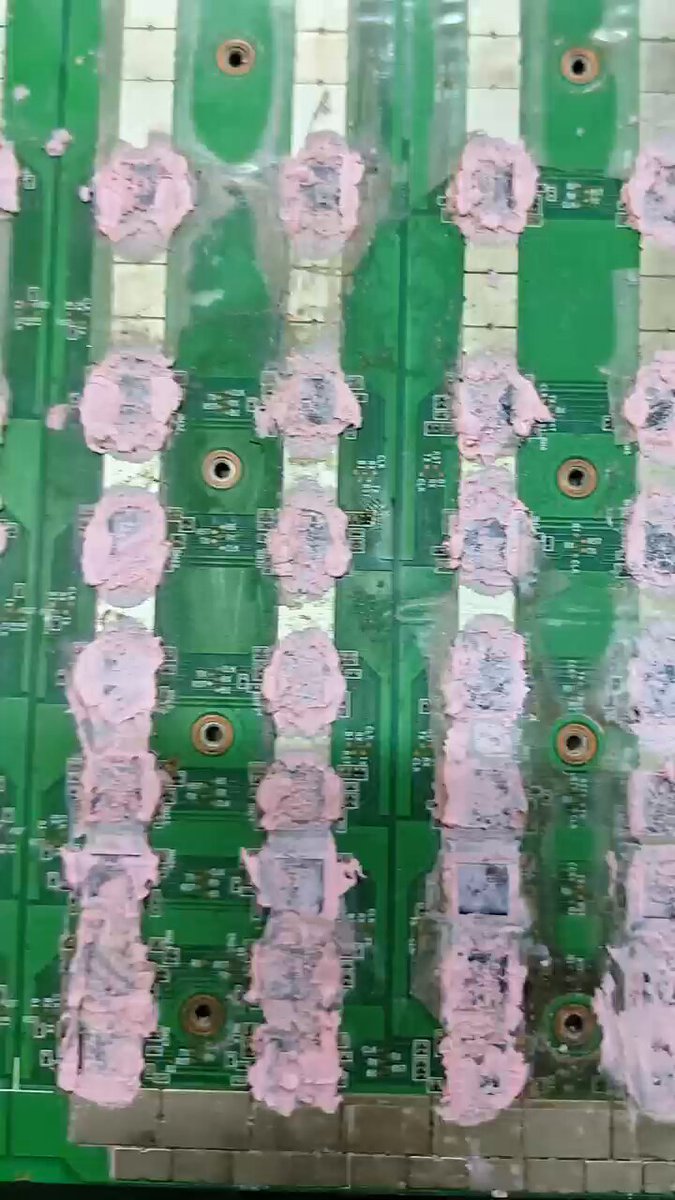
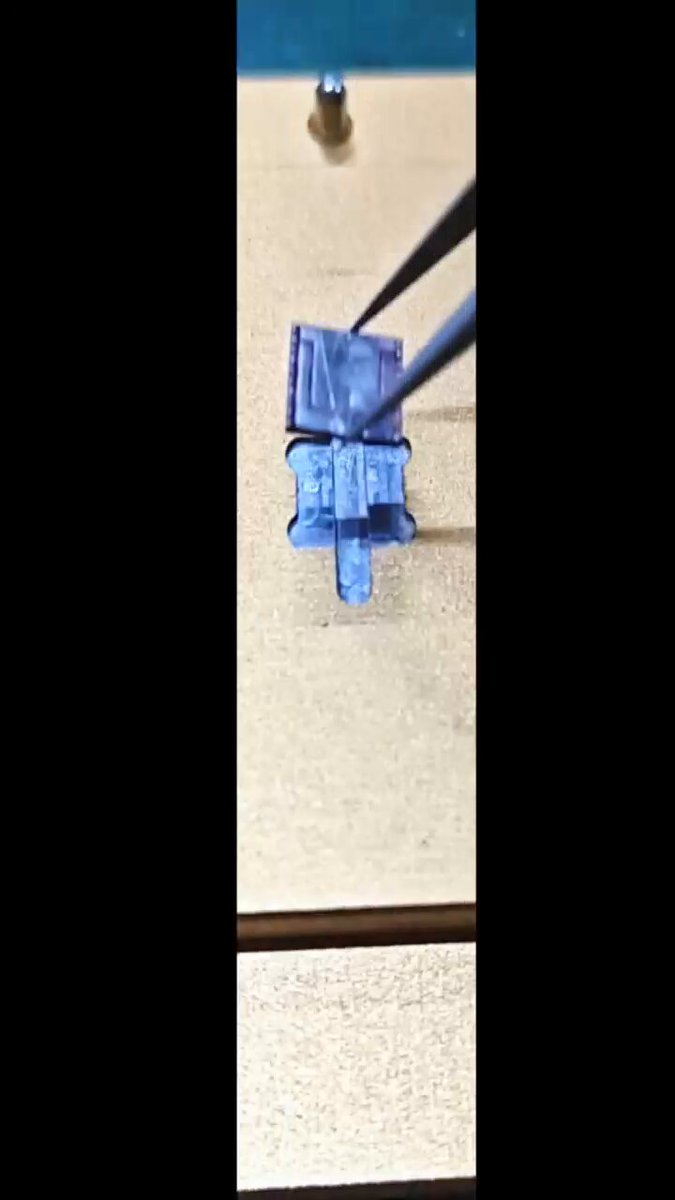
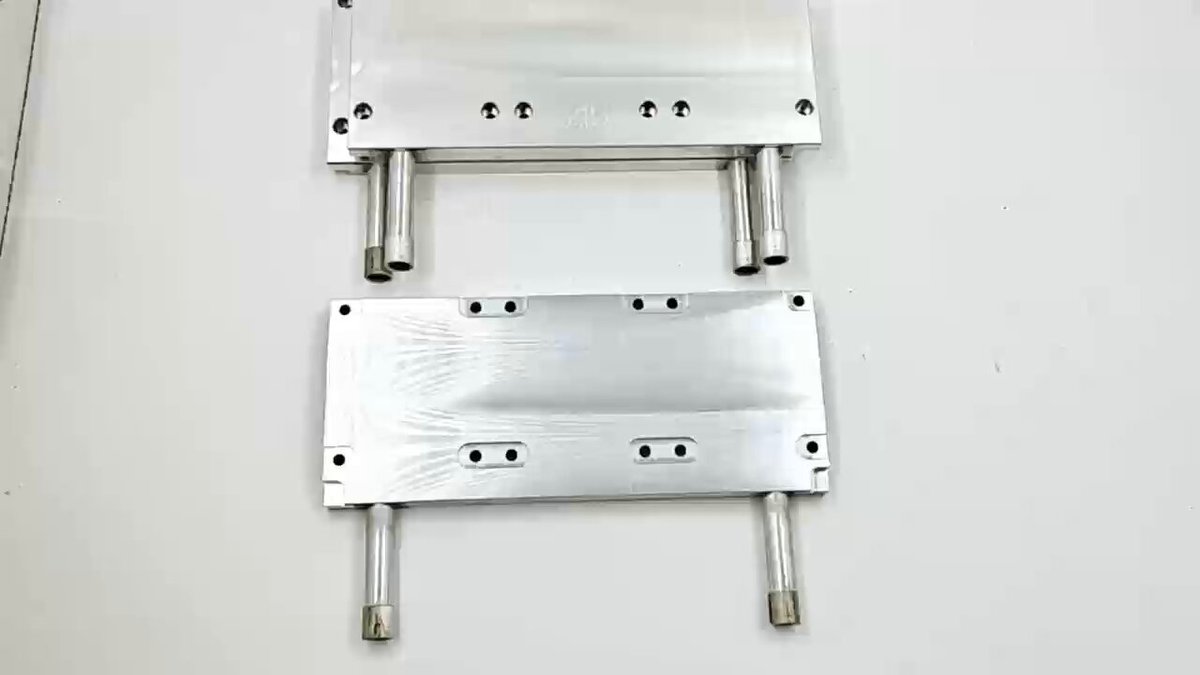
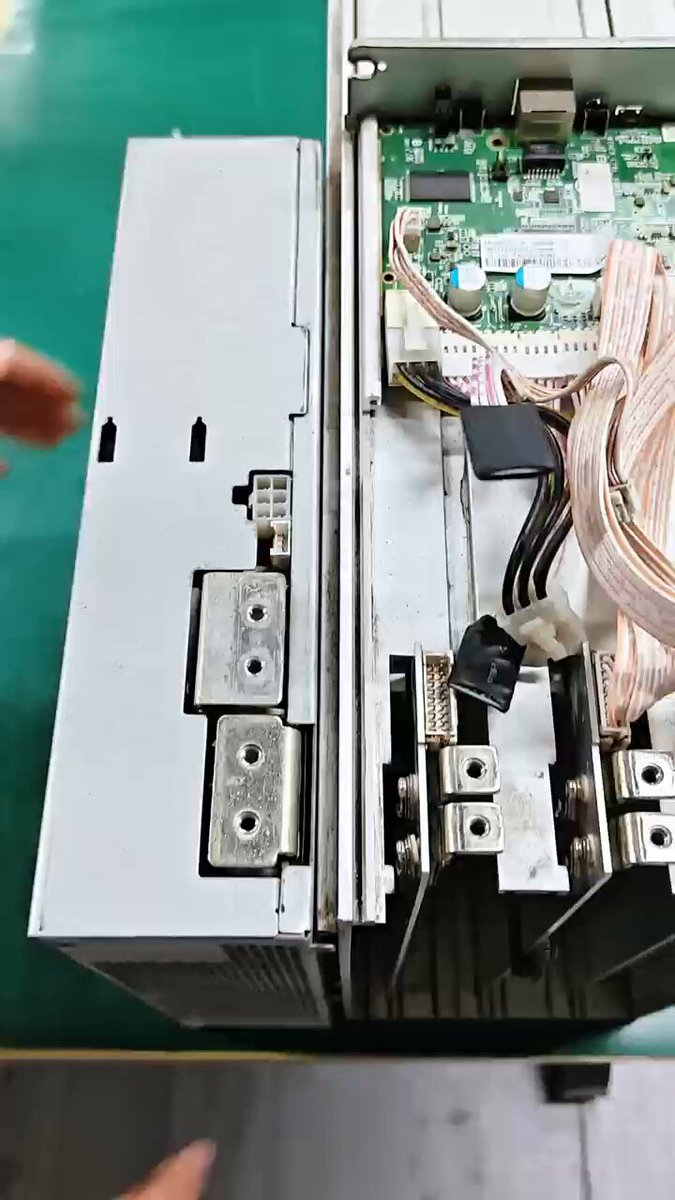
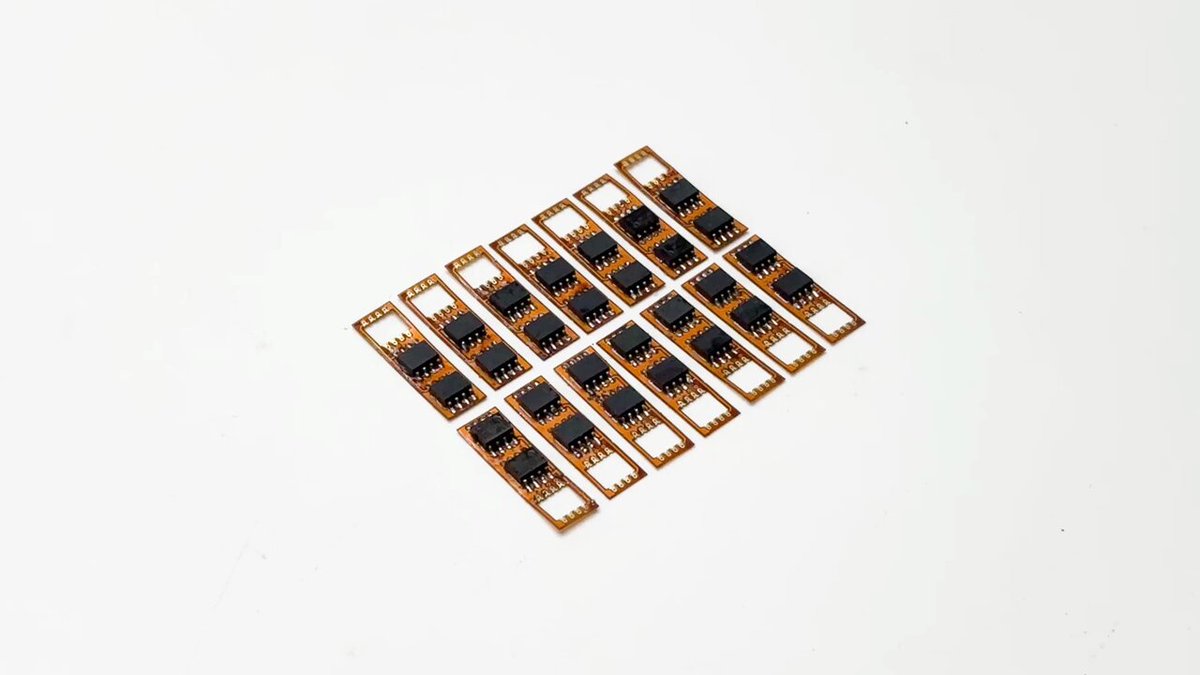
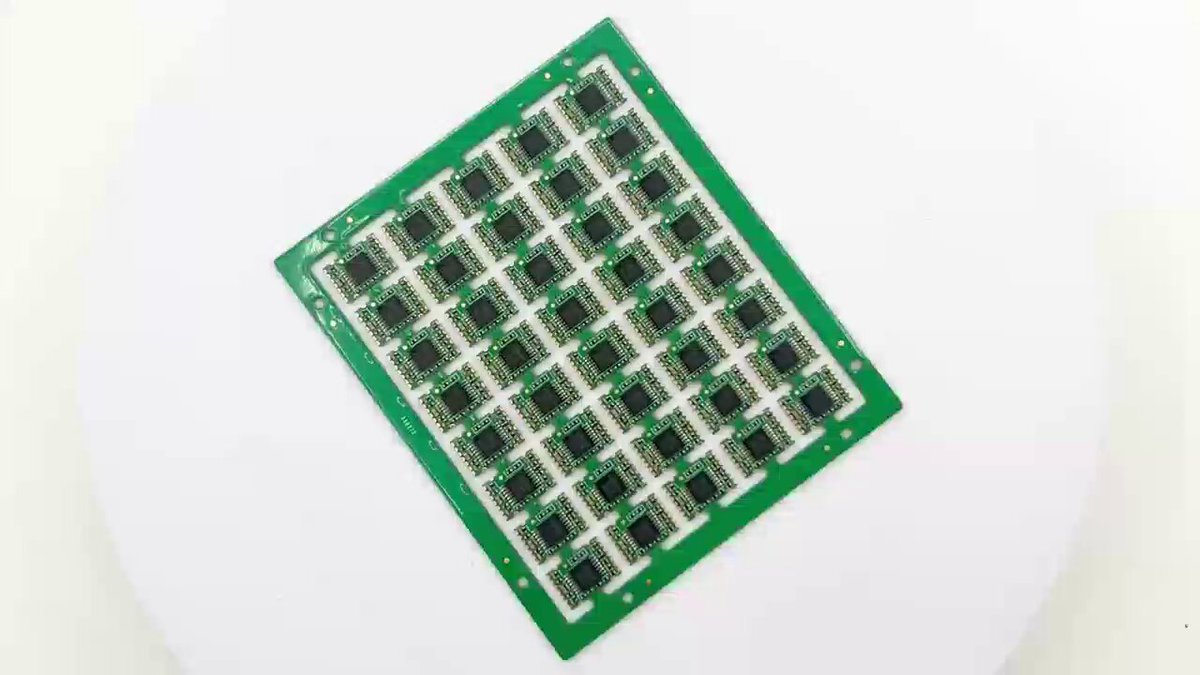
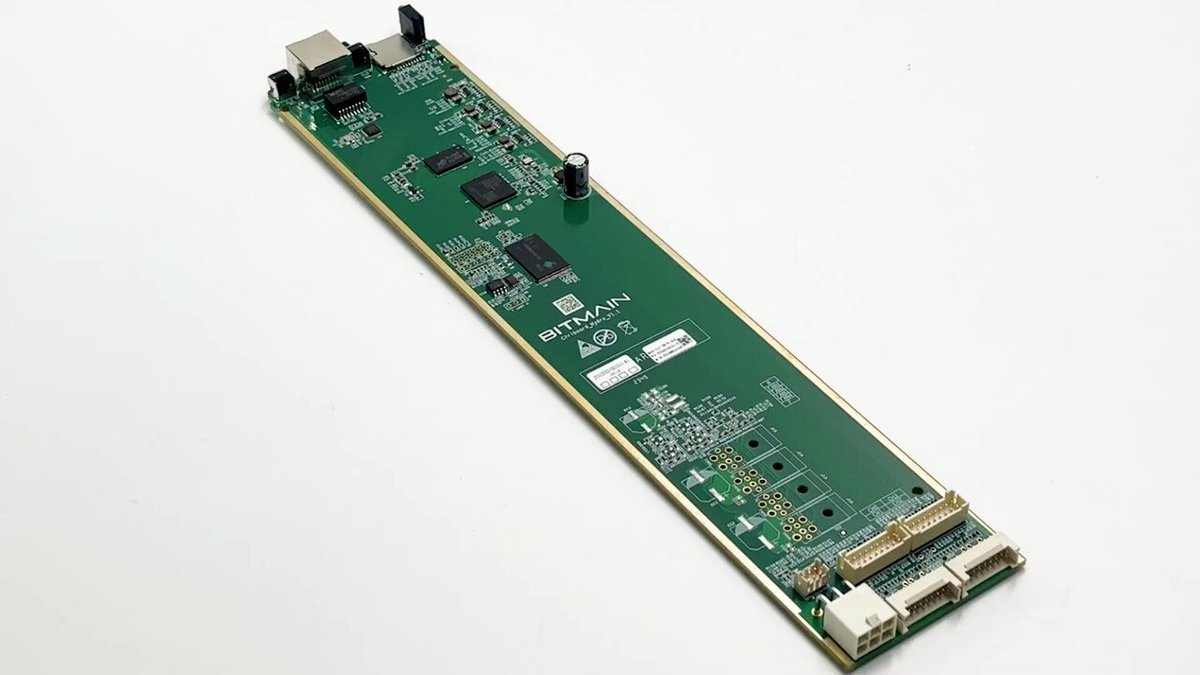
17W thermal paste. That's it.
#thermalpaste #coolingsolutions #repairtools #crypto #cryptomining #bitcoinmining #btcmining #asicminer #miner #zeusmining #bitcoinminer #chip #maintenance
1
1
7
219
Jun 12
LK-17 is made with carbon micro-particles for ultra-high thermal conductivity. It is metal-free and non-conductive—no short-circuit risk.
Temperature range: -220℃ to 380℃. Works in extreme conditions.
💬 What's your cooling challenge? Drop a comment below or DM us!
33
Jun 4
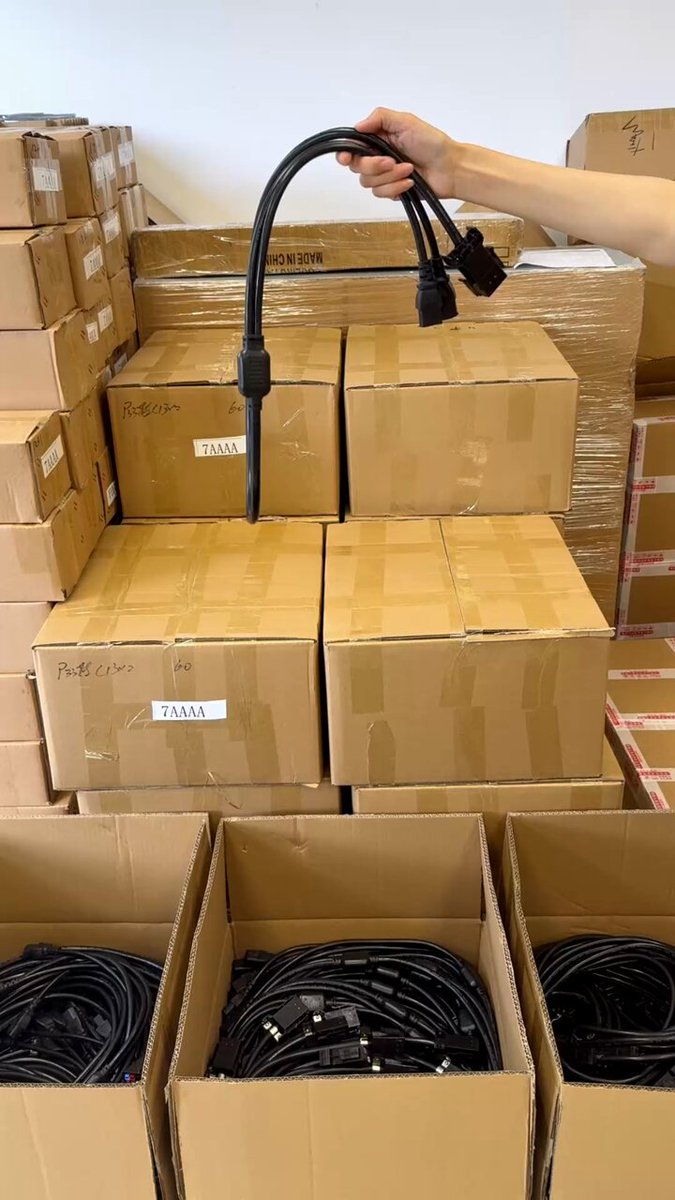
Custom Power Cord for ASIC Miners – P33 to dual C13 connector cable (12AWG)
What kind of power cord does your miner need? DM us to get the one that's right for you!
#antminer #powercable #psu #customized #miningrig #crypto #cryptomining #btcmining #asicminer #miner #zeusmining
3
52
Zeus mining retweeted

Jun 3
Buy $MSTR and you own shares in a company that owns Bitcoin.
Buy $STRC and you own a preferred share that pays a yield funded by that company's operations.
Buy a miner and you own the Bitcoin.
That is the distinction that gets lost in the treasury-company conversation.
MSTR is a leveraged bet on Strategy's premium to its Bitcoin holdings.
STRC is a fixed-income instrument with a dividend Strategy can reduce at its own discretion.
Neither one puts Bitcoin in your wallet.
A miner does. Every day. At a $0.07-0.08/kWh hosting rate. KYC-free, straight from the block reward.
One path gives you exposure to a company's Bitcoin strategy.
The other gives you the Bitcoin.
You choose.

4
10
2,377
Zeus mining retweeted

Jun 2
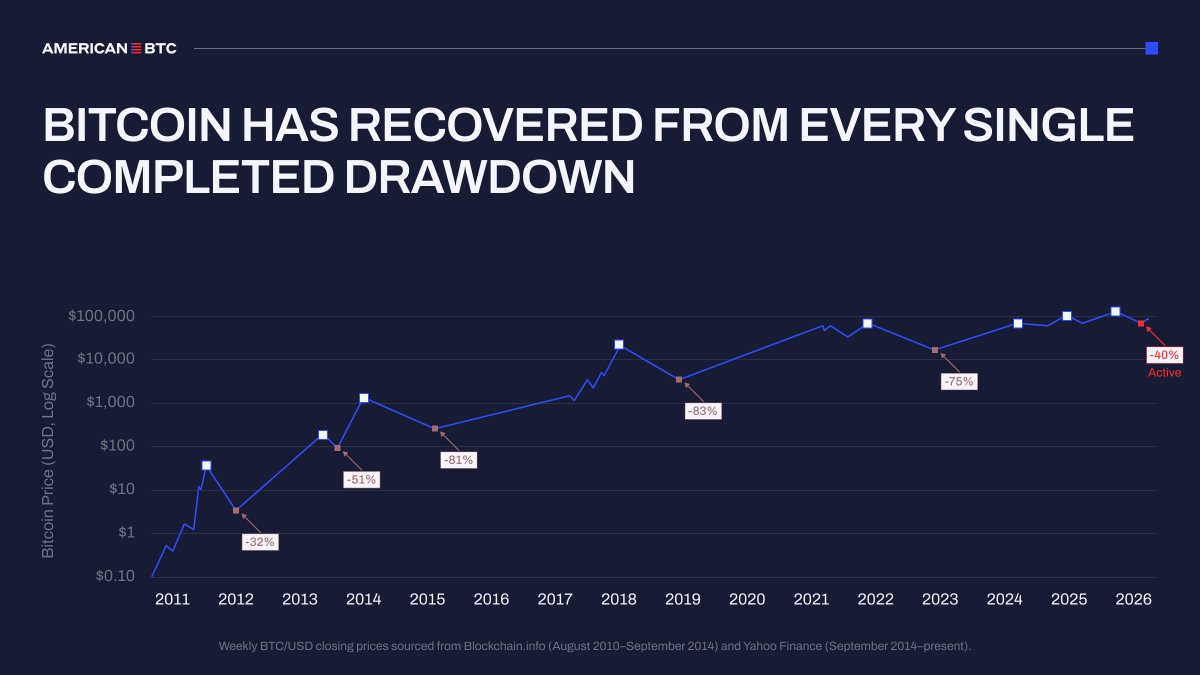
Bitcoin has weathered every downturn in its history and come back stronger each time. Cycles change, sentiment shifts, but the pattern has stayed the same: resilience through volatility and recovery after every drawdown to date. #ABTC
17
26
203
4,983
May 28
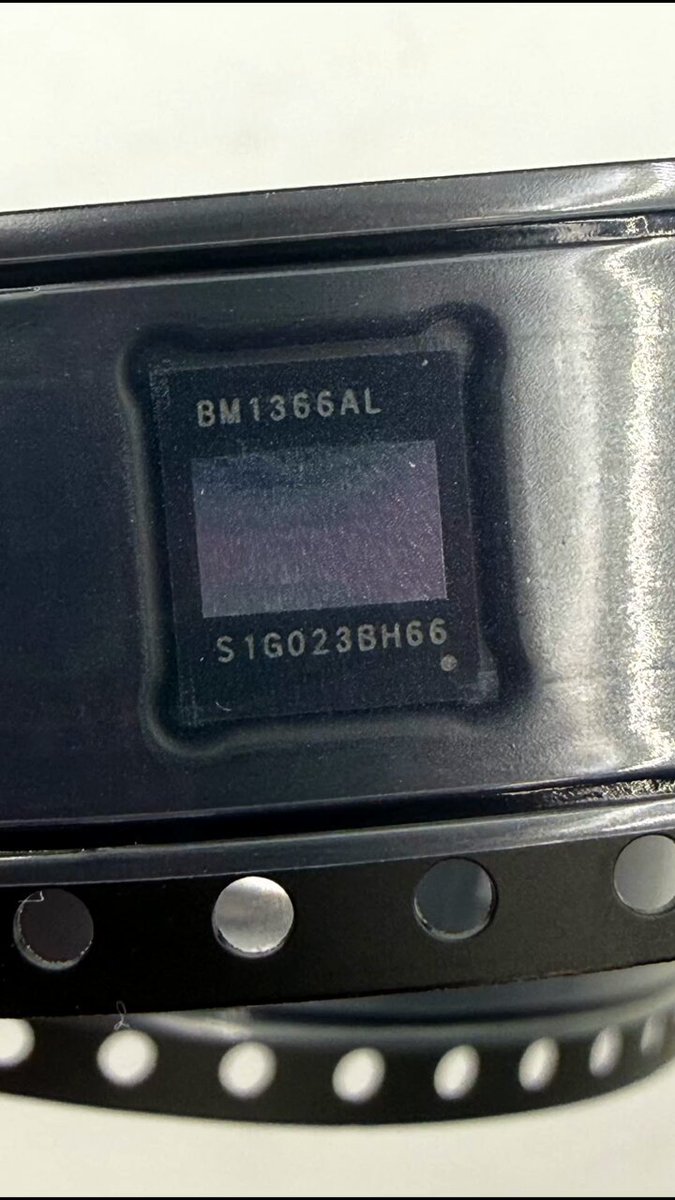
Replacement ASIC Chips for Antminer Hashboards
Which one do you need for your next repair or upgrade? Let us know in the comments.
#antminer #hashboard #bitmain #crypto #cryptomining #bitcoinmining #btcmining #asicminer #miner #zeusmining #bitcoinminer #chip
2
55
May 27
3
67
Zeus mining retweeted

May 25
Eric Trump: 卖出比特币是灾难级别的情况
特朗普次子 Eric Trump @EricTrump 在 5 月 12 日接受邦妮區塊鏈 bonnie blockchain 频道采访时表示,除非出现极端灾难性情况,否则不会出售比特币。在他看来,比特币正在迎来大规模普及,全球各国也开始跟随美国拥抱加密货币。Eric 指出,比特币领域存在两场竞赛:一是谁能积累最多,二是谁能以最低成本获得最多资产。他称赞相识 25 年的挚友 Michael Saylor 在此极具远见。
来源:邦妮區塊鏈 bonnie blockchain
29
7
71
22,295
Zeus mining retweeted
May 22
You're told that storing your wealth in a network that finalizes settlement every ten minutes, with a fixed supply of 21 million units, secured by more energy than most countries consume, is the speculative position.
The alternative being offered: hold a unit of account that has lost over 90% of its purchasing power since central banks took over, issued by people who admit they don't know how much will exist next year, defended by laws that change every election cycle.
That's the asset they want you in. The other one is the gamble.
Inflation gets called a target rather than a tax. Bailouts get called stabilization rather than redistribution, and asset price increases get reframed as growth even while wage increases get treated as inflationary pressure that needs to be cooled.
Once you notice the pattern, you can't unnotice it.
The language consistently favors making the unstable thing sound stable and the stable thing sound risky. Bitcoin's price volatility is real, but volatility and debasement aren't the same thing.
One you can wait out, and the other you can't.
3
9
866
May 21
Bitaxe Bitcoin miner 12TH/s – solo mine from home! Would you try it? 🎫⚡
#solomining #bitaxe #crypto #cryptomining #bitcoinmining #btcmining #asicminer #miner #zeusmining #homemining #bitcoinminer #opensource
2
88
Zeus mining retweeted

May 19
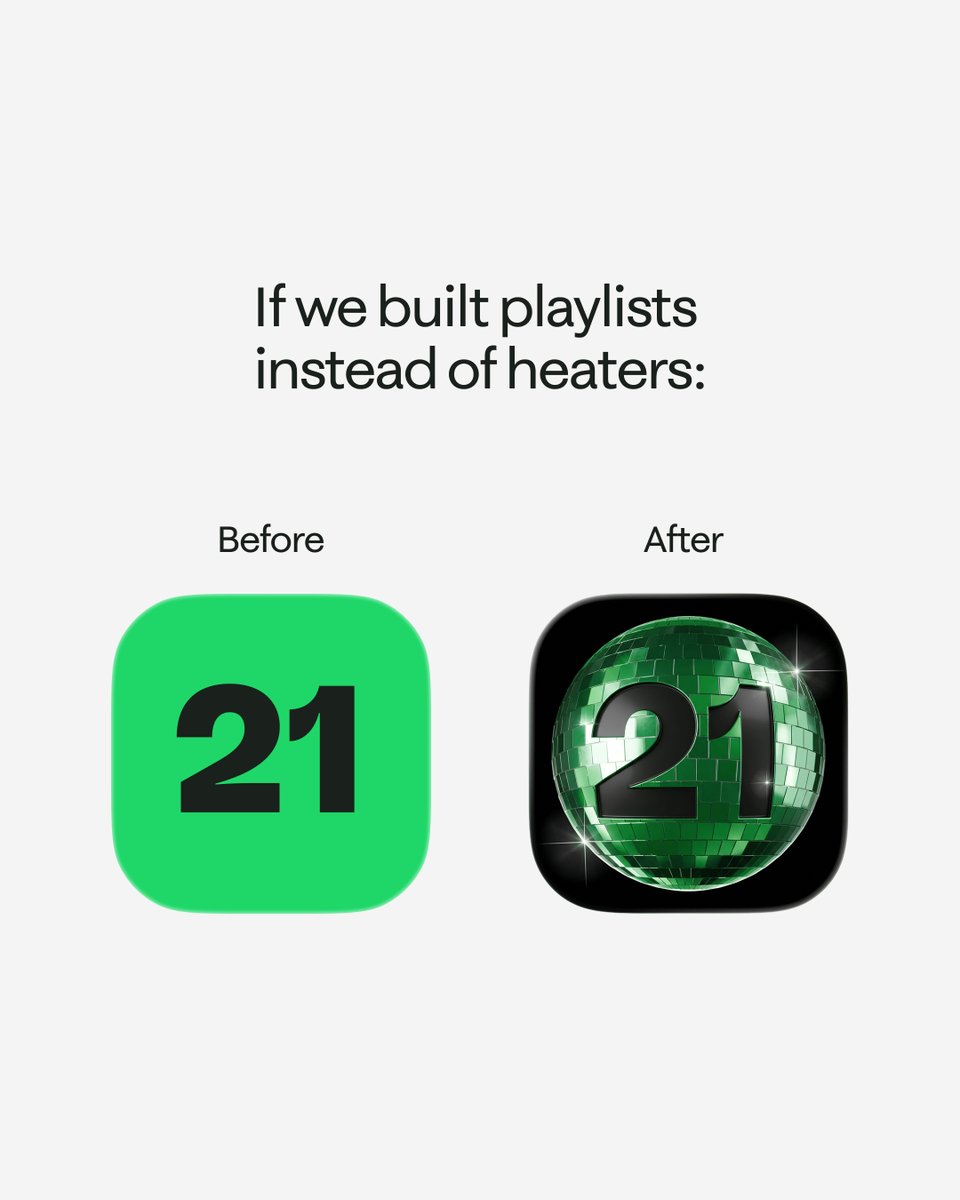
If we built playlists instead of heaters 🪩
Glad we stuck with heaters. And our original logo.
🔴 Our CEO and founder @maxobw tells the full 21energy origin story live today at 6pm CET on his YouTube channel: youtube.com/@maxobw
1
2
14
468
Zeus mining retweeted
May 18
If this post gets 1000 likes, we’ll launch a new giveaway every month for the rest of the year.
First one:
200 TH/s for 90 days.
At today’s hashprice, that’s roughly 0.00828 BTC mined straight to your wallet.
No KYC exchange or mining setup headache.
Just win the giveaway.
Onboard to the Simple Mining dashboard.
Pick your pool.
Mine Bitcoin.
10
37
166
3,086
Zeus mining retweeted
May 19
$0.07–$0.08/kWh.
That's the rate Simple Mining clients run at across 9 sites in Iowa.
Public miner average all-in cost to produce 1 BTC: ~$74,600.
At $0.07/kWh, hosted clients sit well below that line, even with the network at 1 ZH/s and difficulty climbing.
The cheapest electron always wins this game.
It's not a strategy.
It's the only strategy.
3
30
1,811

96
350
3,166
892,187
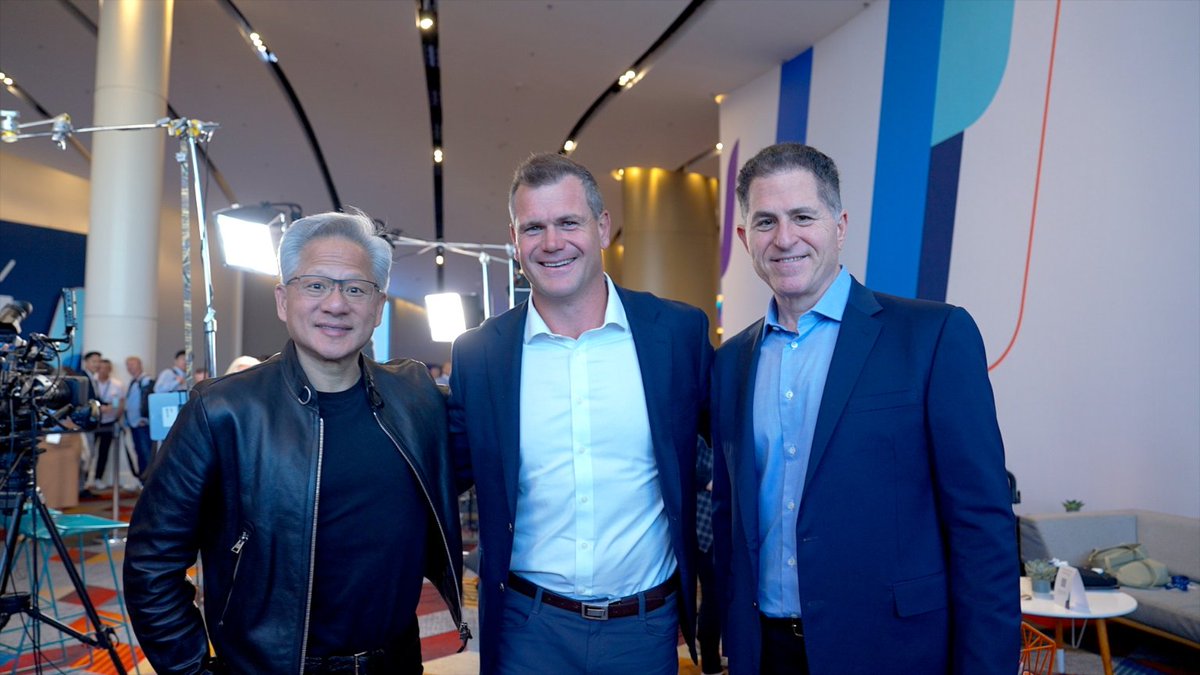
"The opportunity with those partners is to work closely and build out the whole ecosystem—all the way from land, steel, concrete, down to the end users of this compute."
— @danroberts0101 on Dell and NVIDIA, live on @BloombergTV this morning.
bloomberg.com/news/videos/20…
28
67
846
47,347
May 19
Whatsminer P566Z P564Z power supply for M63 M63S series
zeusbtc.com/ASIC-Miner-Repai…
#whatsminer #psu #powersupply #crypto #cryptomining #bitcoinmining #btcmining #asicminer #miner #zeusmining #bitcoinminer
1
114
May 18
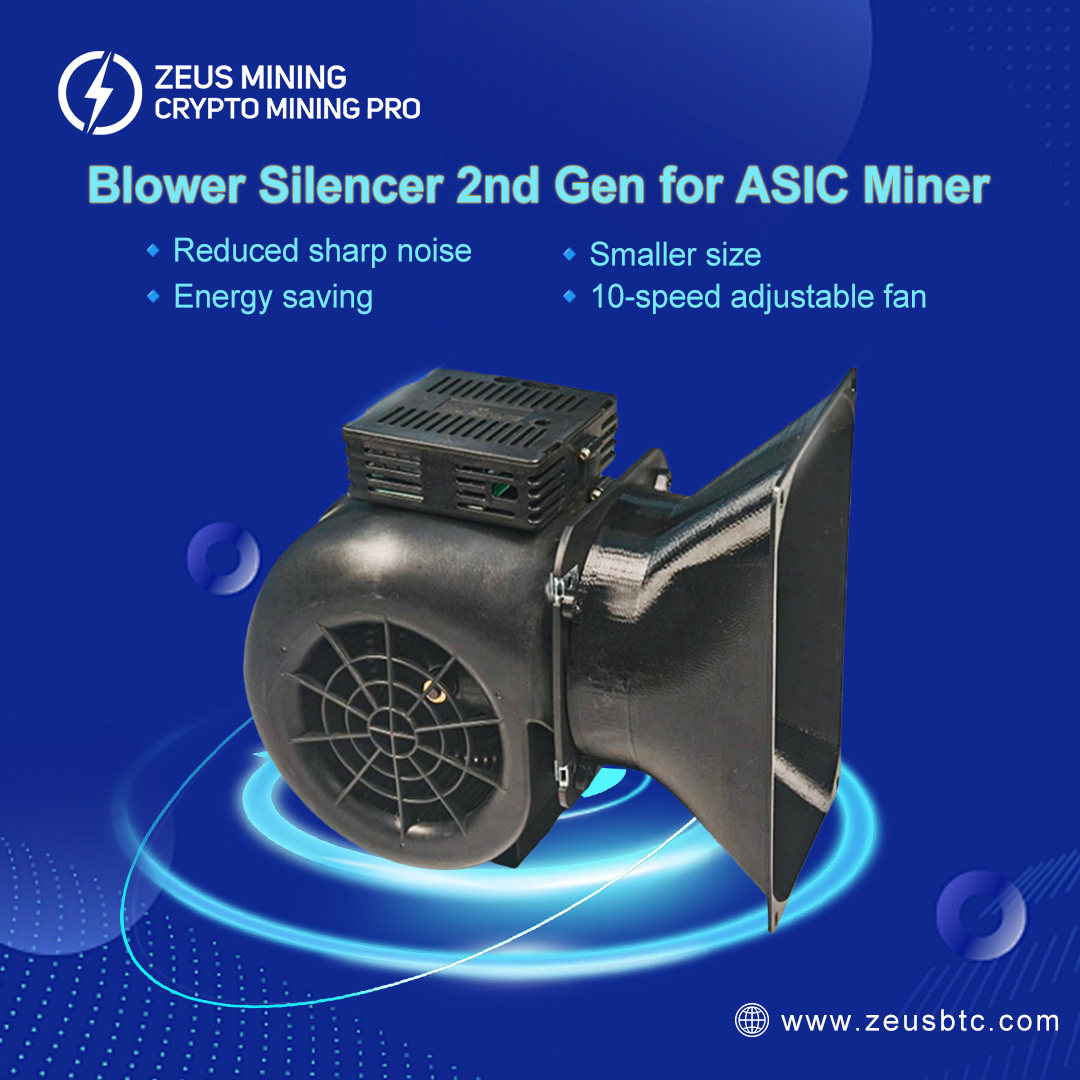
Which ASIC miner model are you running? Let us know below – we’ll tell you if this silencer fits perfectly
zeusbtc.com/ASIC-Miner-Repai…
#ZEUSMINING #BrushlessFan #silentmining #asicsilencer #mineriadigital #asicminer #cryptominingfarm #bitcoinminer #ASIC #silencer #Blower
1
51
Zeus mining retweeted

May 13
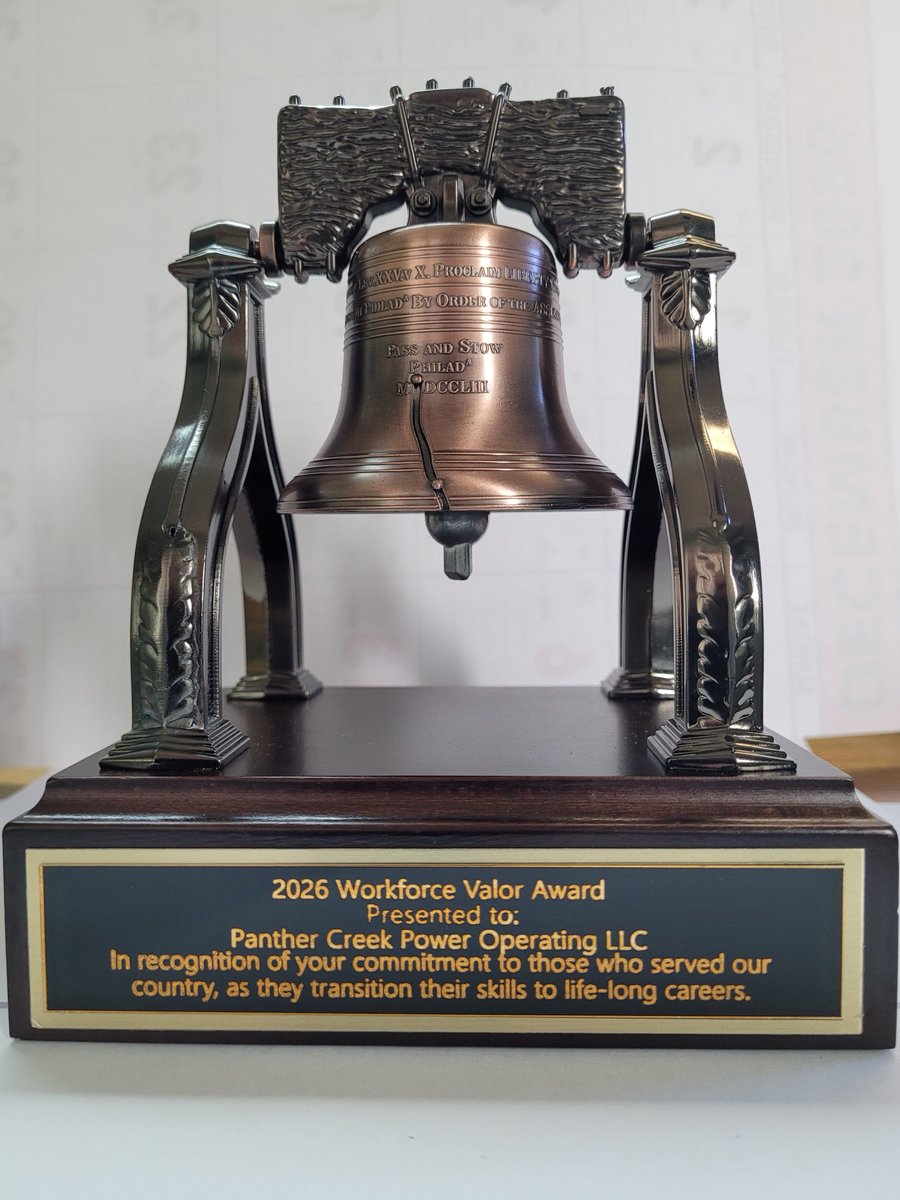
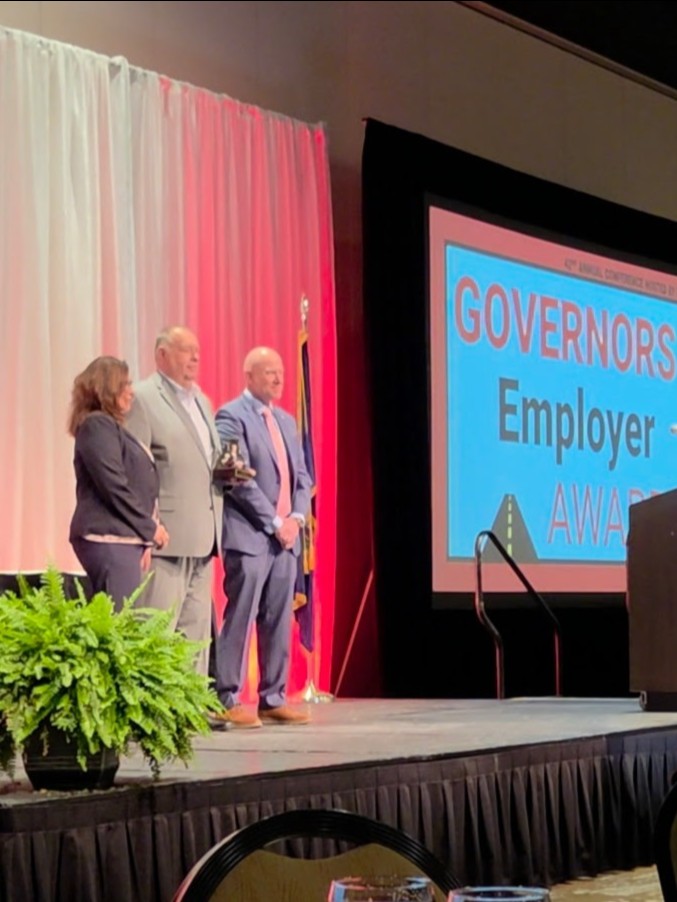
Panther Creek Power is proud to receive the 2026 Pennsylvania Governor’s Employer Award for Achievement in the “Recognizing Valor” category from the Pennsylvania Workforce Development Association.
This recognition reflects our commitment to hiring, training, and supporting veterans whose leadership and dedication strengthen our operations every day. We’re honored to be recognized and grateful to the veterans whose contributions continue to strengthen our team.
8
27
175
11,293