
Thoughtful provocateur | Ecosystem contributor | New age Community Manager| Wabi Sabi ♟️💡
Joined November 2020
- Tweets 11,754
- Following 951
- Followers 1,175
- Likes 38,014
417 Photos and videos







Pinned Tweet

11 Dec 2025
Most new people in CT are secretly scared they’ll never make it this industry.
I’m one of them.
So I’m doing something about it: 30 days, zero noise, pure skill up in Community Management.
Day 1/30 🧵
34
3
119
3,677
LightedHeartS 💡♟️ retweeted

Jan 28
May our hard work and hustle pay off soon 🙏🏽
Good morning X creators ❤️
33
16
37
565
LightedHeartS 💡♟️ retweeted

GM Legends
Have a productive day ahead

87
5
95
701
LightedHeartS 💡♟️ retweeted

Jan 28
Gm chads.
Have a great day if you smell nice.😂
41
6
52
519
LightedHeartS 💡♟️ retweeted

Jan 28
𝑴𝒚 𝑫𝒂𝒚 24/30: 𝑺𝒉𝒐𝒓𝒕 𝒕𝒊𝒑𝒔 𝒕𝒐 𝒃𝒆𝒄𝒐𝒎𝒆 𝒂 𝒔𝒖𝒄𝒄𝒆𝒔𝒔𝒇𝒖𝒍 𝒄𝒐𝒎𝒎𝒖𝒏𝒊𝒕𝒚 𝒎𝒐𝒅𝒆𝒓𝒂𝒕𝒐𝒓.
GM TL!
Engage in healthy conversations.
Healthy communities grow through conversations, not silence. Ask questions, welcome opinions, and steer discussions.
Jan 27

𝑴𝒚 𝑫𝒂𝒚 23/30: 𝑺𝒉𝒐𝒓𝒕 𝒕𝒊𝒑𝒔 𝒕𝒐 𝒃𝒆𝒄𝒐𝒎𝒆 𝒂 𝒔𝒖𝒄𝒄𝒆𝒔𝒔𝒇𝒖𝒍 𝒄𝒐𝒎𝒎𝒖𝒏𝒊𝒕𝒚 𝒎𝒐𝒅𝒆𝒓𝒂𝒕𝒐𝒓.
GM TL
Be Fair and Consistent at All Times
Rules should apply to everyone with no exceptions. Inconsistent moderation kills trust faster than honest mistakes.

19
3
32
439
LightedHeartS 💡♟️ retweeted

Jan 28
Good morning 🌞
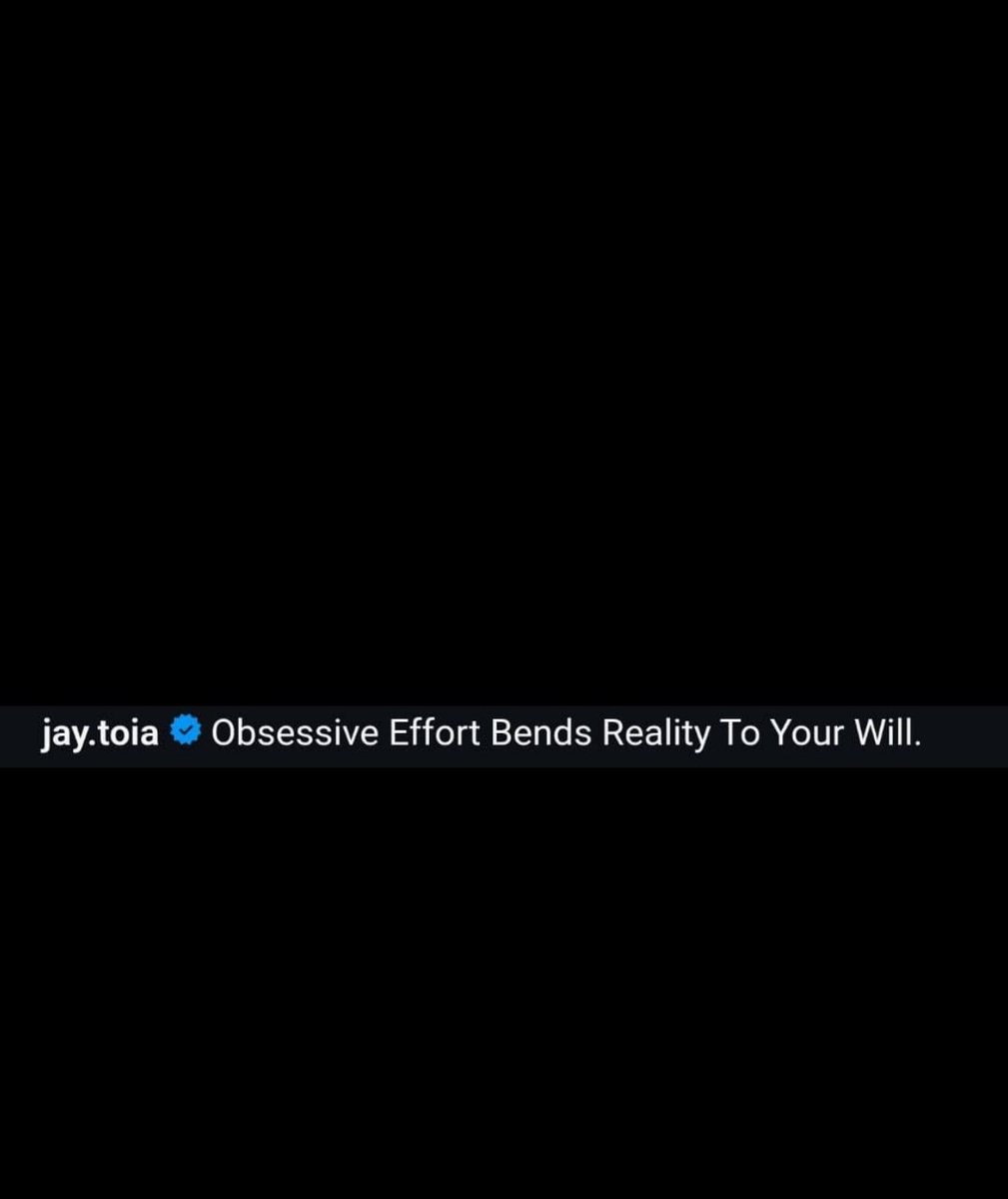
Do what the picture says, be obsessive about your success
I lob you all 💕
36
3
43
351
LightedHeartS 💡♟️ retweeted

Jan 27
Good Afternoon mates!🔥
Normalize having fun while chatting with your Mutuals;
Stop scrolling your visibility away,start engaging,the app is useless without engagement
Fact/Cap ???
16
5
22
149
LightedHeartS 💡♟️ retweeted

Jan 27
gm ct❤️
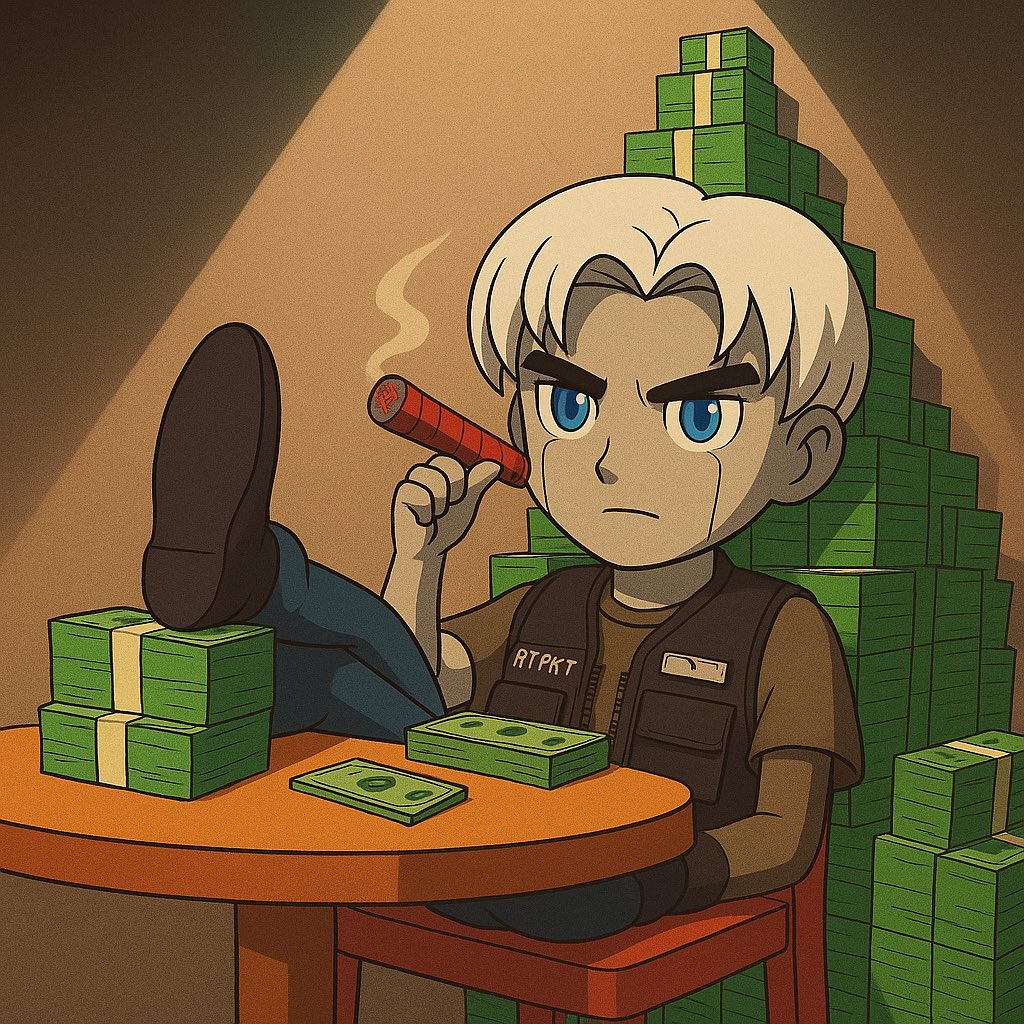
let’s keep predicting on @duel_duck , the best prediction market, and keep creating good content on @Bappfun
have a great day y’all🫶🏻
Jan 26

gn my goons🤞🏻
stay positioned on @Bappfun and @duel_duck
both are worth your attention.
have a good night rest.❤️

45
5
55
1,072
LightedHeartS 💡♟️ retweeted
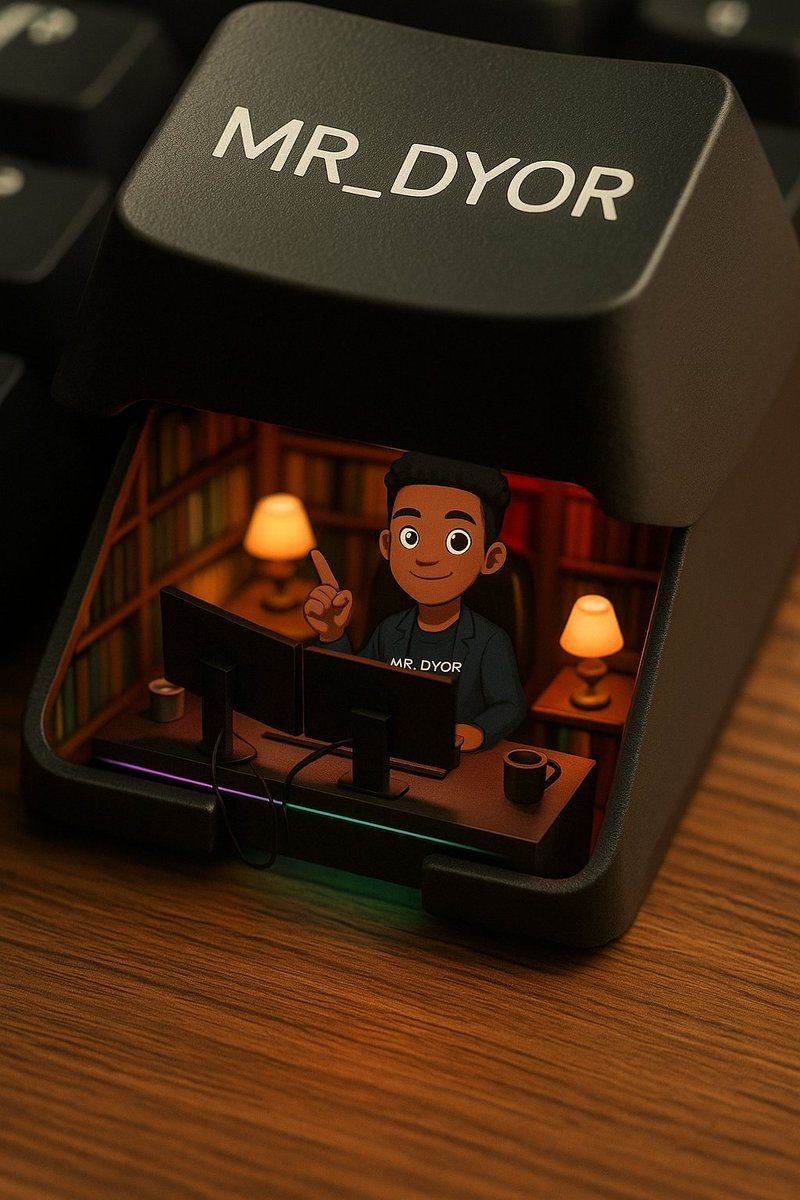
Can I get a GM back?
Or y'all are still asleep
109
9
127
1,308
LightedHeartS 💡♟️ retweeted

Jan 27
God please I dont want to die a should have, could have, would have type of niqqa .
Please keep procrastination far away from me, let me get things done asap.
6
2
18
131
LightedHeartS 💡♟️ retweeted
Jan 27
𝑴𝒚 𝑫𝒂𝒚 23/30: 𝑺𝒉𝒐𝒓𝒕 𝒕𝒊𝒑𝒔 𝒕𝒐 𝒃𝒆𝒄𝒐𝒎𝒆 𝒂 𝒔𝒖𝒄𝒄𝒆𝒔𝒔𝒇𝒖𝒍 𝒄𝒐𝒎𝒎𝒖𝒏𝒊𝒕𝒚 𝒎𝒐𝒅𝒆𝒓𝒂𝒕𝒐𝒓.
GM TL
Be Fair and Consistent at All Times
Rules should apply to everyone with no exceptions. Inconsistent moderation kills trust faster than honest mistakes.
Jan 26
𝑴𝒚 𝑫𝒂𝒚 22/30: 𝑺𝒉𝒐𝒓𝒕 𝒕𝒊𝒑𝒔 𝒕𝒐 𝒃𝒆𝒄𝒐𝒎𝒆 𝒂 𝒔𝒖𝒄𝒄𝒆𝒔𝒔𝒇𝒖𝒍 𝒄𝒐𝒎𝒎𝒖𝒏𝒊𝒕𝒚 𝒎𝒐𝒅𝒆𝒓𝒂𝒕𝒐𝒓.
Be Present, Not Overbearing
Consistency matters more than constant talking. Check in regularly, acknowledge conversations, and let members interact naturally.

20
5
23
447
LightedHeartS 💡♟️ retweeted
Jan 27
Good morning city
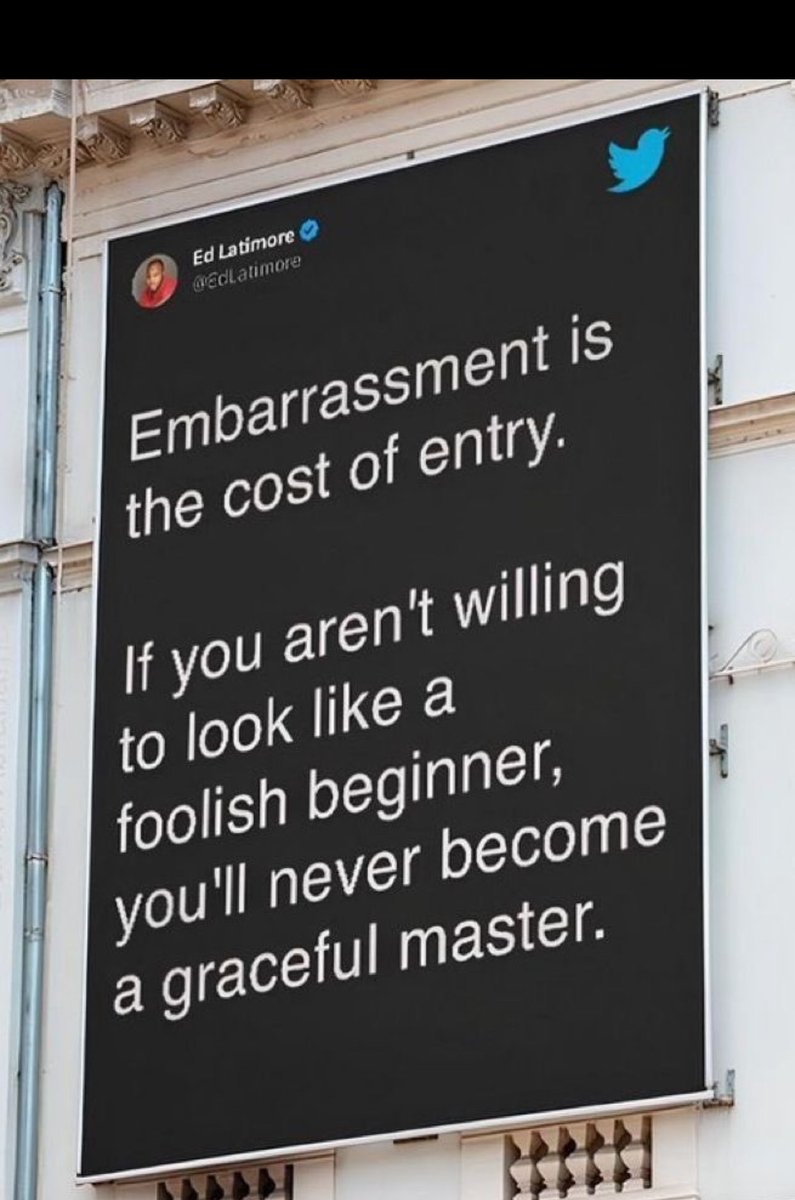
This is a reminder to carry that project you are bullish on shamelessly
It’s never a game of chance most times, some people paid the price.
Can I get a GM back?
26
2
32
351
LightedHeartS 💡♟️ retweeted

Jan 27
GM CT
Happy moi moi Tuesday
Hope your WHY of doing what you doing is strong enough. Because if it isn't you will give up soon.
I will be making a lot of predictions on @duel_duck today and also placing some duels

Jan 26

GN CT
Had a long day today. Lecturer just turned practical into vigil. Shit
Couldn't post and reply more today we go again on @duel_duck tomorrow.
See ya tomorrow
42
6
42
767
LightedHeartS 💡♟️ retweeted

Jan 27
62
30
74
938

LightedHeartS 💡♟️ retweeted
Jan 27
May today be good to us 🙏🏽
Good morning frens of Lewa ❤️❤️

44
20
54
596
LightedHeartS 💡♟️ retweeted

Jan 26
Thirteen Diary 🔥 | The Writers Economy
The Market Layer
The Market vs Your Skills
I've come to discover that, a number of writers seem to believe that:
“If they just get better at writing, the money will come.”
That's a lie. Because it won't come 📌
Not because your skill doesn’t matter. No!
But because the market doesn’t pay for skill alone.
The market pays for FIT
Here’s the uncomfortable truth:
The market is not about meritocracy.
It’s a coordination problem.
It doesn’t reward the best writer.
It rewards the writer whose skills map cleanly to demand.
That’s the layer most writers never study.
---
You, think about this:
There are two writers:
• Writer A: technically brilliant, poetic, and versatile
• Writer B: average, but specialized in a painful niche
Guess who gets paid...Every time?
---
The market will never ask:
“How talented you are”
It only ask:
• Can you solve an urgent problem?
• For someone who already has money?
• In a way that reduces their risk?
If your answer is no, then your skill becomes a hobby.
---
This is why so many smart writers stay broke.
Because they optimize for:
• Voice
• Style
• Originality
• Expression
While the market is optimizing for:
• Revenue
• Retention
• Conversion
• Growth
Different games.
Different scoreboards.
--
Here’s the pattern you’ll notice once you see it:
High-skill writers → low leverage
Mid-skill writers → high leverage
Because leverage comes from position, not polish.
Where you stand in the market
beats how sharp your sentences are.
Because, the highest-paid writers rarely write the best prose.
They write at the right junction:
• Close to money
• Close to decisions
• Close to distribution
• Close to outcomes
They’re not entertainers.
They’re operators with a keyboard
---
Here's a core mistake writers make:
Most writers ask,
“How do I improve my writing?”
When the better question is:
“What does this market already pay for?”
Then they shape their skill around that.
Not the other way around.
Because here’s the golden rule:
> The market doesn’t care what you love writing.
It cares about what it is already buying.
You can choose to fight that.
Or you can align with it.
--
When writers finally break through, it’s not because they became geniuses.
It’s because they learned to:
• Read demand
• Position themselves near value
• Package skill into outcomes
• Stop confusing art with income
That's the Market Layer
---
So if you’re stuck right now, ask yourself:
• What does my market actually pay for?
• Who already spends money here?
• What problem do they urgently need solved?
• Where does my skill intersect that?
Because that intersection is where careers are built.
---
Skill is necessary. Yes!
But the market decides what it’s worth.
Master the market,
and your skill finally compounds.
Ignore it,
and you’ll keep getting applause instead of invoices.
---
Tomorrow, we'll talk about:
Why most writers work harder
and still stay poor.
Until then, you stay liquid 🔥
Thirteen 🔥

Jan 21

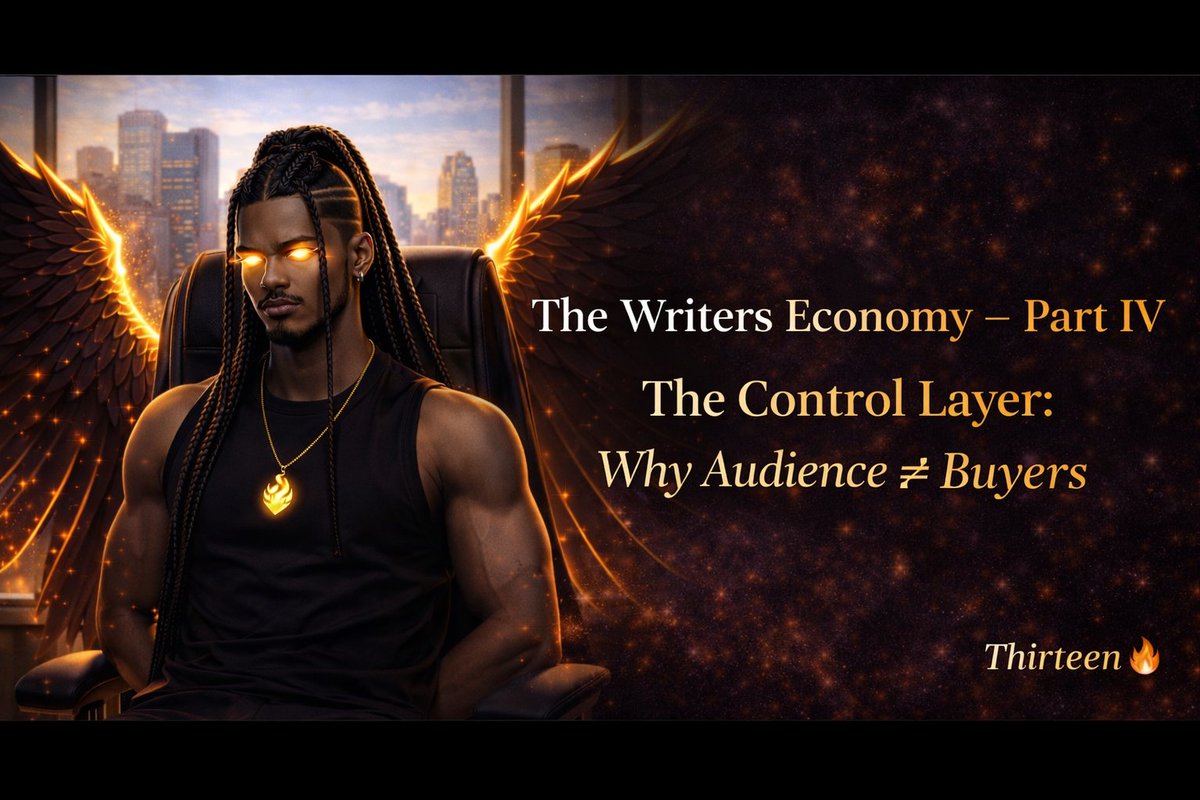
Thirteen Diary 🔥 | The Writers Economy
The Control Layer:
Why Audience ≠ Buyers
A common misconception on CT is that people think 'growth' equals power
• More followers.
• More impressions.
• More visibility.
But visibility here is not control.
Visibility is just access granted by platforms.
And what platforms give…
they can take back.
That’s the first hard truth in the Writers Economy:
If you don’t control who moves when you speak, you don’t control anything.
An audience is people who see you.
Buyers are people who respond to you.
Those are not the same.
You can have 50k followers and still:
🔸Struggle to sell a $30 product
🔸Beg for client work
🔸Depend on banger tweet luck to eat
That's because attention is cheap.
But control is rare.
As a writer, you need to understand that:
Platforms don’t give you ownership,
what they give you temporary distribution.
You don’t own:
🔸Their emails
🔸Their wallets
🔸Their buying behavior
🔸Their identity outside that app.
So your while your audience lives on rented land.
Your buyers live on land you control.
And the difference between the two is the difference between:
a content creator and an economic actor.
This is why so many writers feel trapped.
They grow.
They go viral.
They get recognized.
Yet nothing structurally changes.
Because recognition without control just makes you a louder employee.
--
Let’s make this practical.
If your audience disappeared tomorrow and your income vanished with it, you never had control.
But if your audience disappeared and your income barely changed, you were never dependent on attention in the first place.
That's power.
Most writers chase the wrong signals:
🔸Likes
🔸RTs
🔸Views
🔸Follower counts
These are platform metrics.
Control metrics look different:
🔸Who asks for more
🔸Who saves your thinking
🔸Who seeks proximity
🔸Who pays without convincing
Those people are your economic surface.
They are your real audience.
And this is the quiet shift every serious writer must make:
Stop optimizing for being seen.
Start optimizing for being relied on.
Because the market don’t reward popularity.
They reward influence over outcomes.
Until you control:
🔸Who trusts your thinking
🔸Who moves when you speak
🔸Who pays when you offer
You’re not running a writing business.
You’re still renting attention from the algorithm.
And you need no telling that, rented power is not power at all.
This is the Control Layer.
And once you see it,
you stop chasing growth…
You start building leverage.
Thirteen 🔥
4
2
8
1,107