
9 Photos and videos





Kabil retweeted

Jan 23
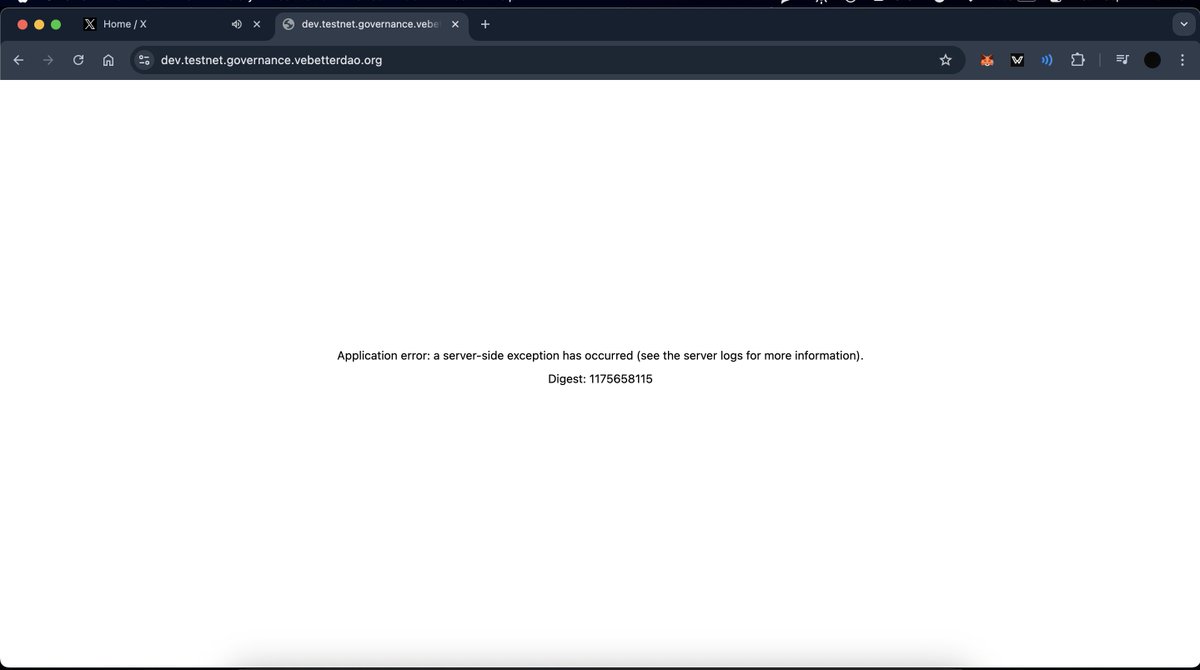
⚠️ #VeBetterDAO COMMUNITY ANNOUNCEMENT 📣
🔹 Please be advised
🔹 Important DBA (Dynamic Base Allocation) update
Jan 22

🚨 PROPOSAL ALERT 🚨
I've posted a proposal on Discourse. Please read it and give your thoughts:
vechain.discourse.group/t/ve…
It proposes:
- Changing the dynamic base allocation to be merit-based instead of an even split - you can't earn more than 2X your voting allocation from the DBA.
- Changing the max allocation per dApp to be 15%, down from 20%
- Removing the 7.5% upper threshold for the DBA.
This proposal was written to address the current incentive to launch multiple low-effort dApps to gain 10X more from the DBA than from votes, undermining the purpose of governance.
3
9
269
Kabil retweeted

Jan 22
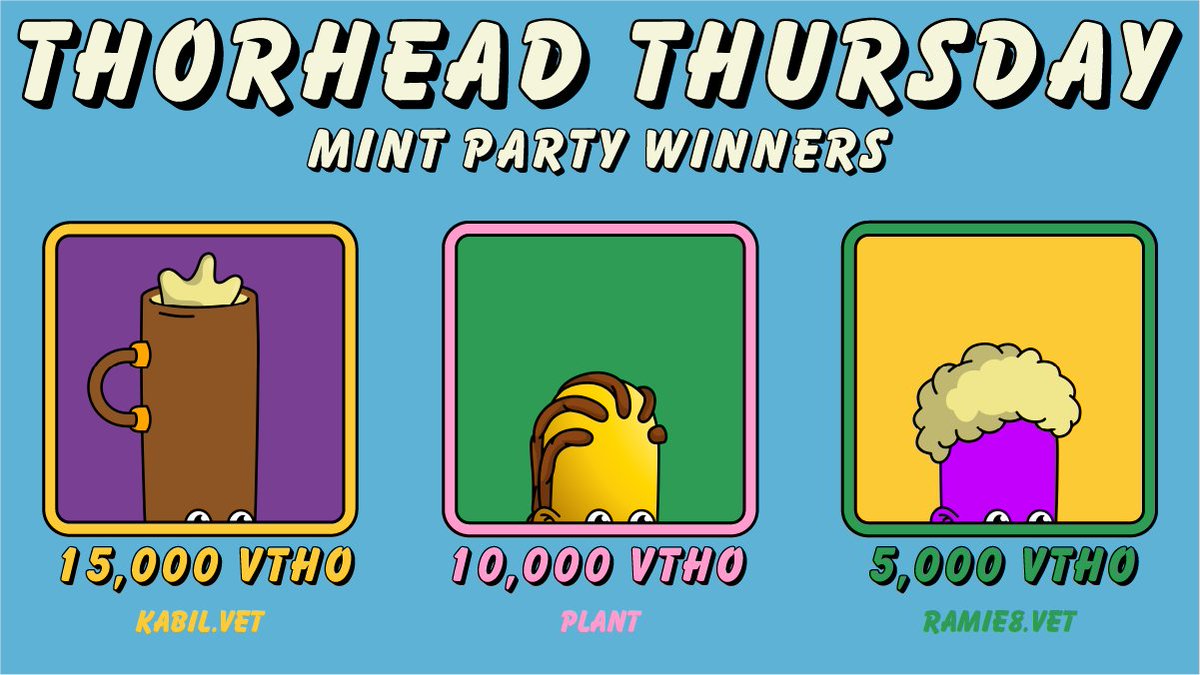
🎉 Thorhead Thursday Mint Party Winners 🎉
🥇 10,000 $vtho — @0xKabil
🥈 5,000 $vtho — @chadclala
🥉 2,000 $vtho — @wenmoon42000
🎲 Mints: 636
🎲 Remints: 299
#Thorhead #VeChain #NFT
2
3
13
286
Kabil retweeted
Jan 11
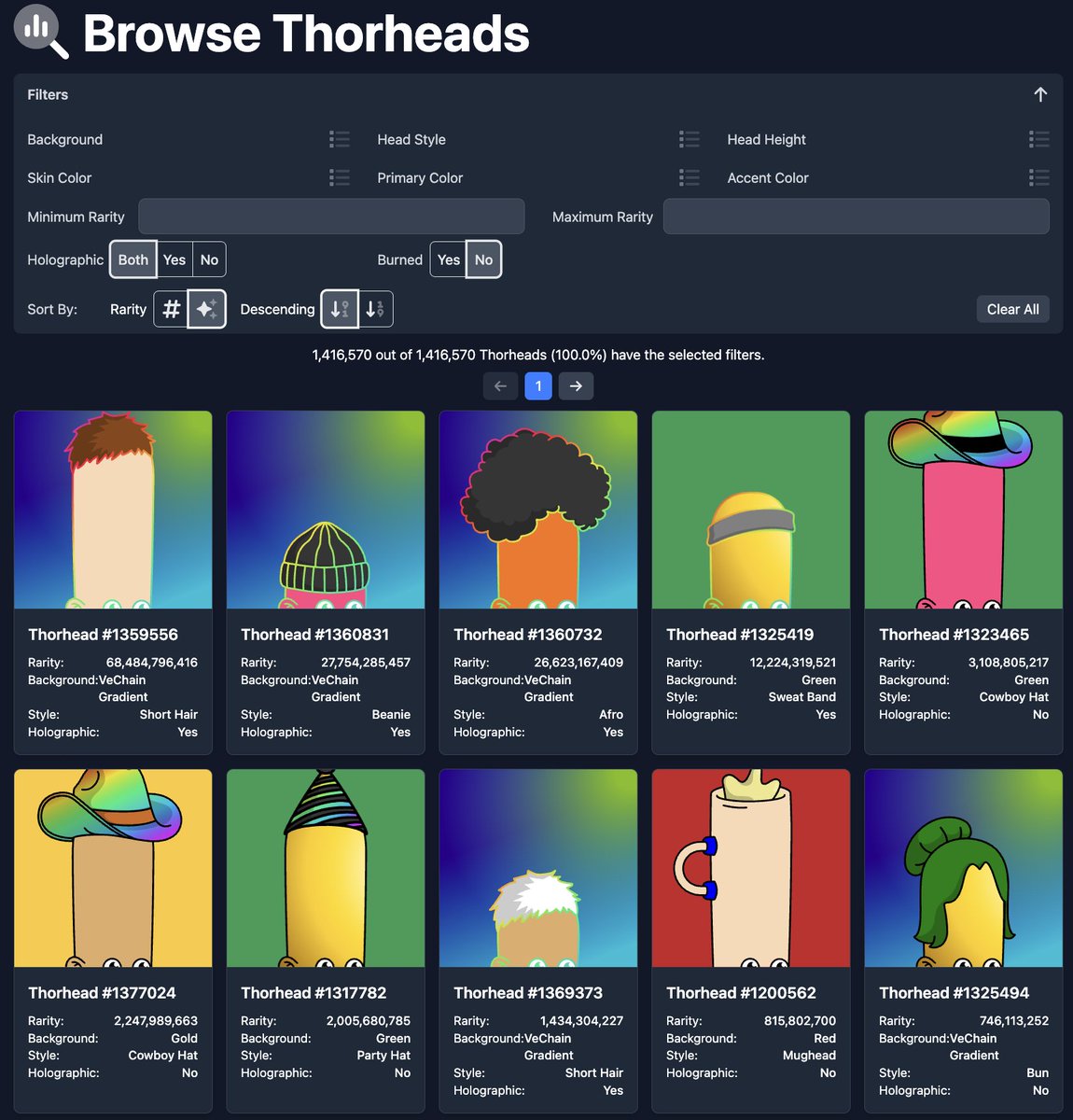
Minting a Thorhead is just the beginning 🚀
➡️ Start your @vechainofficial journey
➡️ Earn through staking & eco-friendly actions
➡️ Become part of VeFam
All powered by VTHO.
#VTHO #VeFam #B3TR #VeChain
7
21
411
Kabil retweeted
Jan 3

Transparent governance requires knowing exactly who you are voting for. This community audit uncovers connections between 7 dapps
@B3trSmile @plant2earnxyz @snapboxonlinee @Ve_EcoBin @HyenaDogGang GoPaperoo! and Walkie
#b3tr #VeBetterDAO
vechain.discourse.group/t/ve…

1
4
16
504
Kabil retweeted
29 Dec 2025
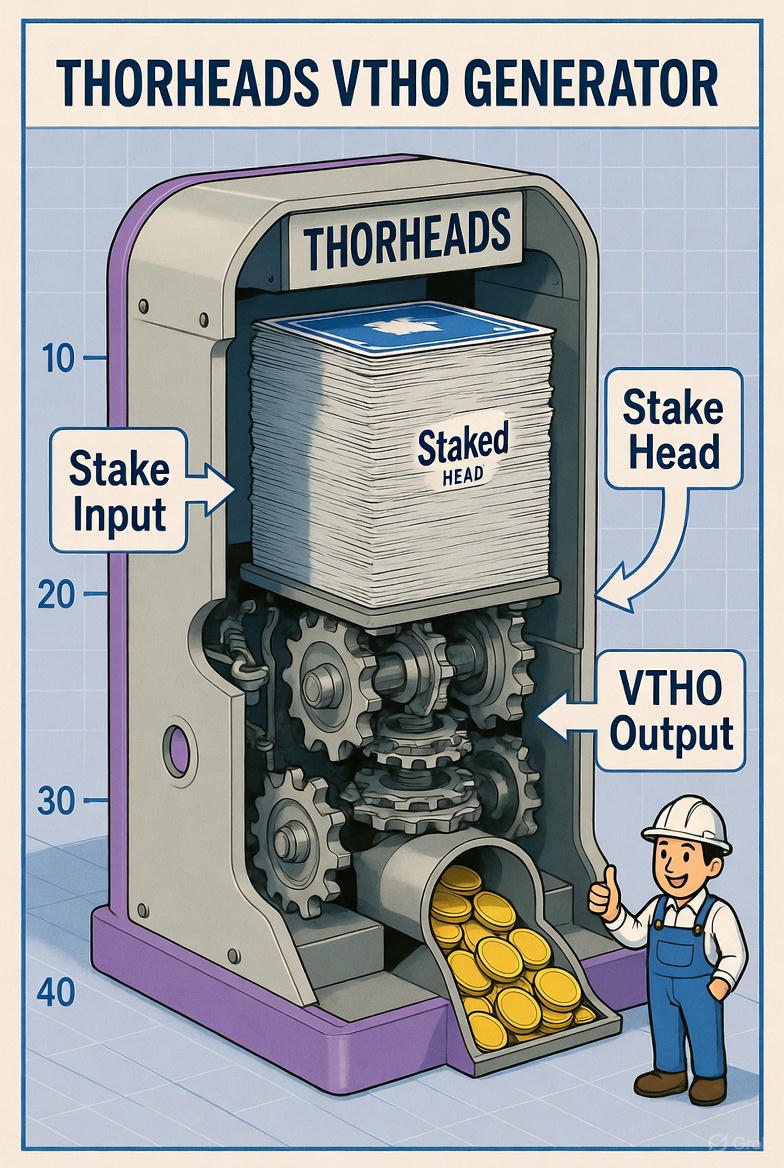
🗣️ If you are not stackin' @Thorheads right now, then I'm sorry but you are not doin' the internet right 🤷🏻
⬇️STACK NOW AT⬇️
thorhead.com
#FeelTheBurn ♨️
$VTHO
25 Nov 2025

Ok, we’re making this thing official. Everyone get in here and let’s get learning! x.com/i/communities/19931455…
5
11
230

🔷 @vechainofficial operates a three-token flywheel featuring $VET, $VTHO and $B3TR.
Understanding how it works, and the different roles that each token plays...
... is crucial to understanding the platform itself.
We've summarised things in our full explainer article ⬇️
bsc.news/post/vechain-flywhe…
13
49
208
25,086
Kabil retweeted

22 Dec 2025
VeFam - some security reminders during the festive period! 🚨
• Only trust information from verified official profiles.
• Always double-check URLs before connecting your wallets.
• Check for the 's' in 'https' (it means secure) and check for the lock icon before entering sensitive information.
• Never share seed phrases, private keys, or recovery phrases with anyone (even the VeChain team).
• Be suspicious of DMs offering 'support', 'giveaways', or 'airdrops'.
• Always review transaction information and permissions before sending assets.
If something feels off, stop, verify the information from an official source, and then proceed.
Stay safe, and enjoy the holiday period. 🤝

16
45
284
12,967
Kabil retweeted

19 Dec 2025
Legacy plastic needs to be cleaned up.
But we also need to "turn off the tap.'
In this conversation with @4ocean, we talk about two parallel missions:
Removing the plastic that already exists
Reducing future waste by influencing sustainable actions around the world
VeBetter specializes in the second part, rewarding better choices in daily life and proving their impact on-chain, while partners like 4ocean work on cleaning up what is already in our oceans and environment.
Real change needs both: mopping the floor and turning off the tap.
@cleanify_vet
#𝕍eChain #𝕍eBetterDAO #B3TR
19 Dec 2025

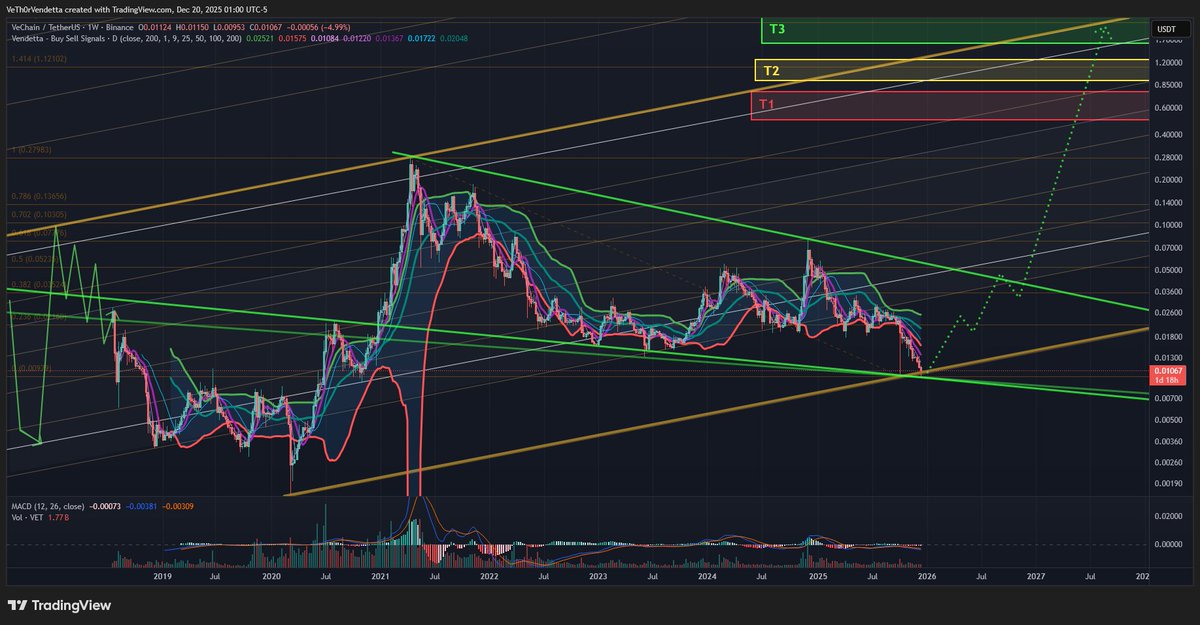
I've become a partner with @vechainofficial and joined their community by setting up my own validator pool!
What does that mean?
Watch the update on the recent upgrades on $VET here: youtu.be/qLlXHdZBF28
6
10
57
9,407

Kabil retweeted

20 Dec 2025
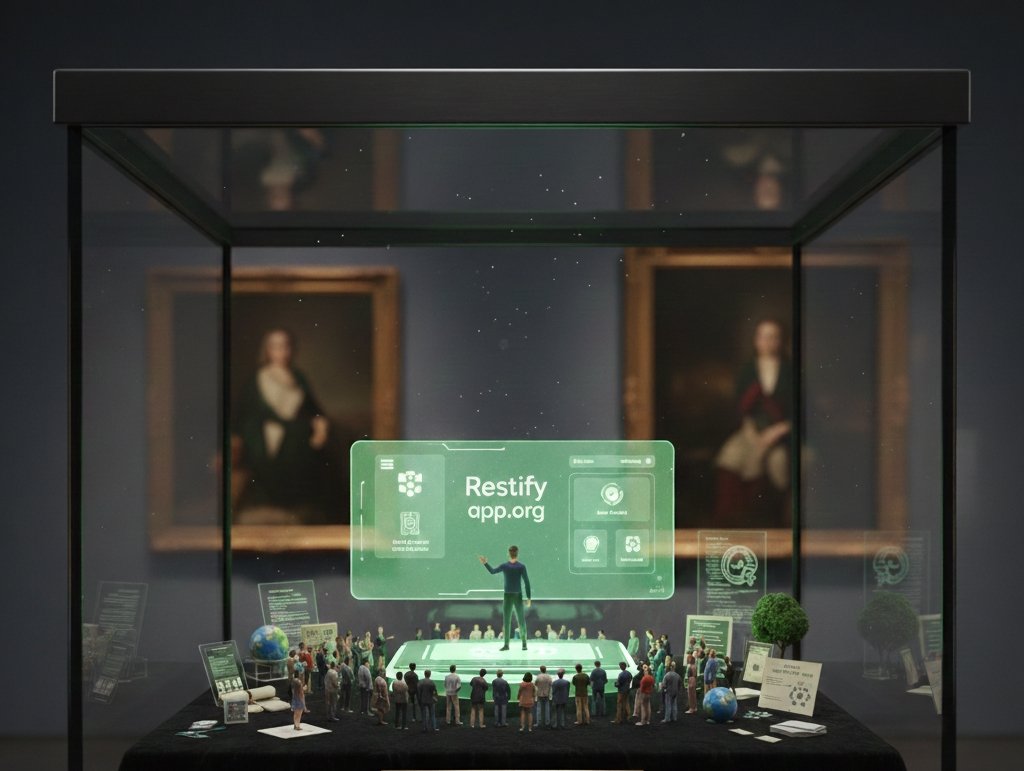
I just earned crypto for not touching my phone for an hour – (@Restify_App) on VeChain is wild
Tired of apps stealing your time ? Restify is different – it rewards you on blockchain for staying off screen
VeChain VeBetter DAO is now rewarding people to unplug and recharge with restifyapp.org
Digital detox but make it profitable – Restify tracks your screen-free time and drops rewards straight to your VeWorld Wallet
3
7
131
Kabil retweeted

17 Dec 2025
Agentic AI -> #VeBetterDAO -> #B3TR -> $VET 🫡
Connect the dots -> AI agents are the future and are embedded in the VBD whitepaper, aka #VeChain
17 Dec 2025

We may have seen the #AI sector underperforming this year, but its a narrative that I believe will bounce back in 2026.
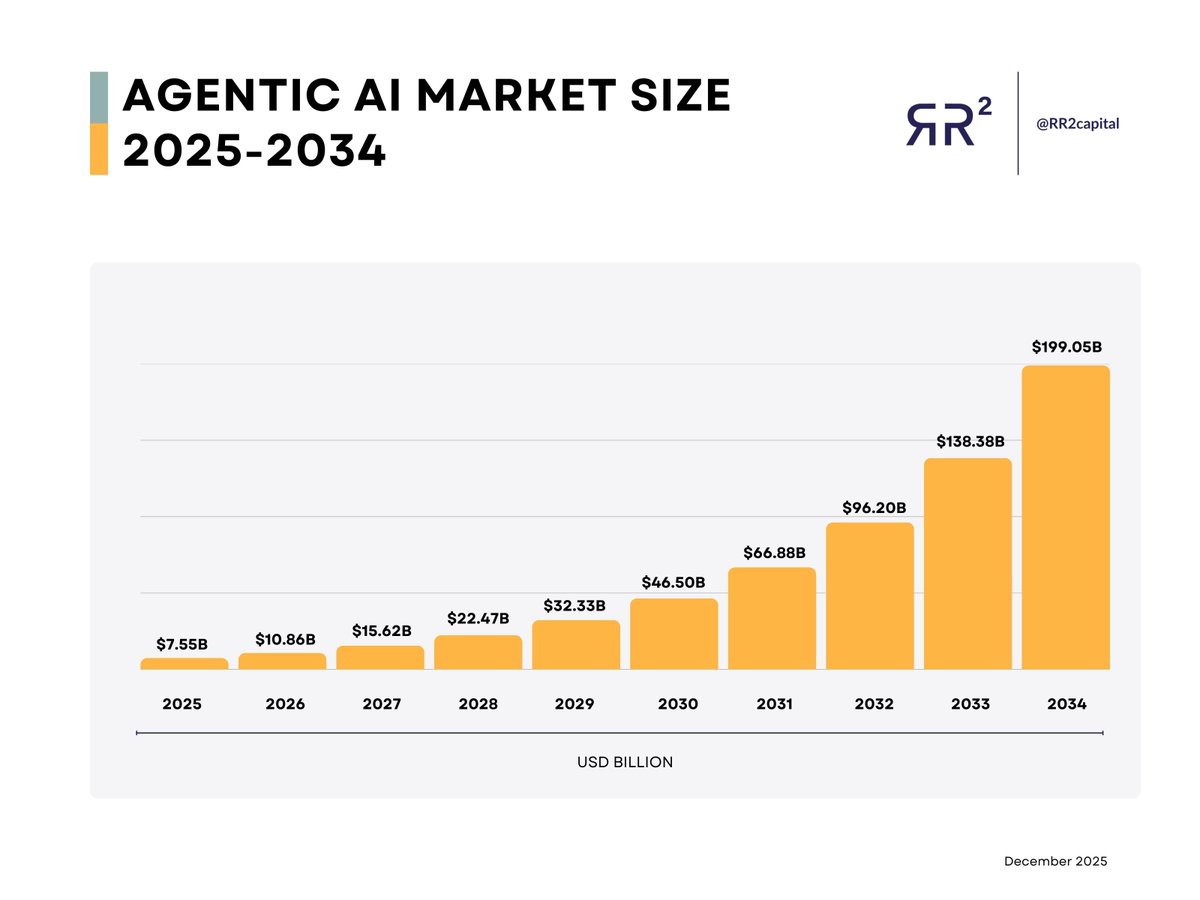
The Agentic AI market size is expected to 27x over the next 9 years and strong projects backed by solid teams will benefit 👌
3
11
268

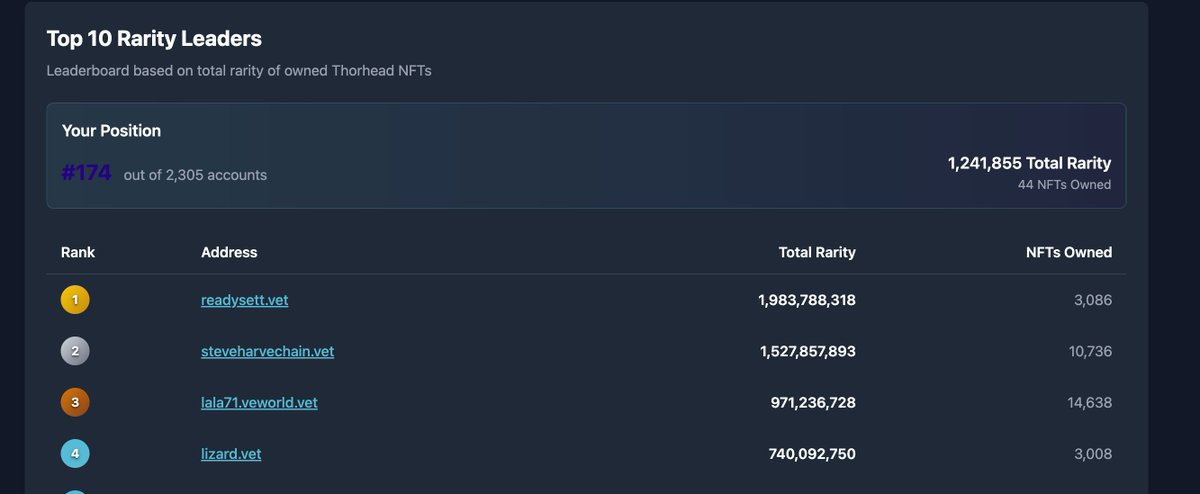
Just minted a 13,487,938 rarity, stakable @Thorheads! 🔥
Try your luck now 👉 thorhead.com
This one's going to start earning me $VTHO!
thorhead.com/nfts/0xdd9432cf… #Thorhead #VeChain #NFT
1
1
5
83
Kabil retweeted

12 Dec 2025
Huge congrats @VeChainOfficial 🏆🥳
#1 RWA project isn’t marketing - it’s enterprise-grade carbon credits, supply chain, NFTs as legal titles, and actual adoption!
The OG King of Real World Assets stays winning! 👑
$VET to the moon and beyond 🚀
11 Dec 2025

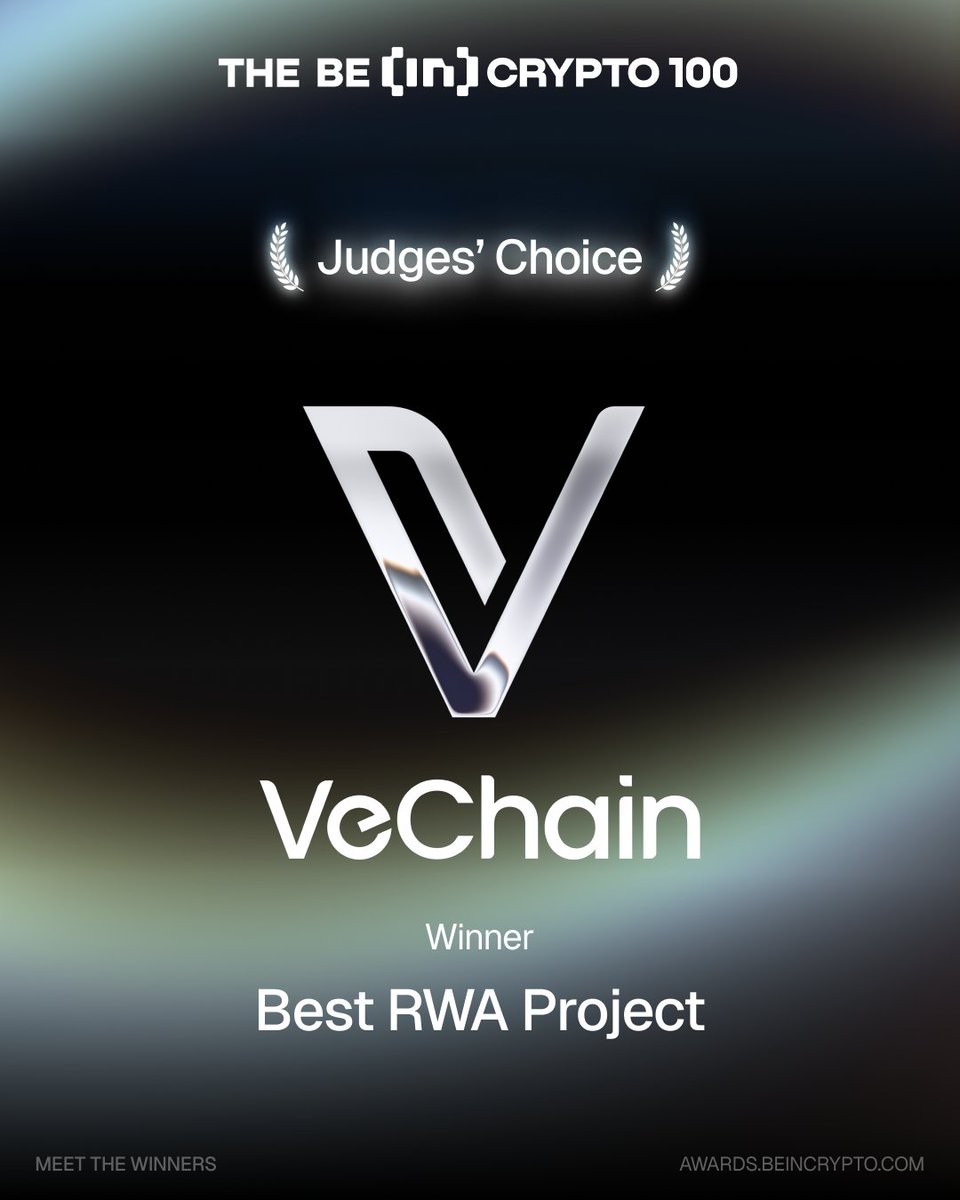
We’re proud winners of the @beincrypto 100 ‘Best RWA Project’ award!
As the world accelerates into an era shaped by blockchain, crypto, and AI, we’re honoured to be recognised as a leading force driving real-world adoption.
Onwards - let’s keep building! $VET
2
13
77
7,813
Kabil retweeted
11 Dec 2025
We’re diving into the upgraded Staking Rewards System, running a 2x Rewards Mint Party, and giving away a 1000 $VTHO prize to a random attendee!
Don’t miss this one! 👇⚡️🔥
🔗: x.com/i/spaces/1mrGmBYVqZnJy…
9
13
27
884
Kabil retweeted
10 Dec 2025
Hayabusa is now officially LIVE - and so is StarGate 2.0!
And so, it's time for another Renaissance Live, with Jake, Sunny and Rosa.
Join the trio as they guide you through what's new, what to know, & how you can get involved with the most rewarding version of $VET, ever.
15
50
245
12,096
Kabil retweeted
9 Dec 2025
She killed the screen
Killed the noise
Letting the candles do the talking
Phone is on lockdown
(@Restify_App) holding the keys like a bouncer at peace
Every minute she stays dark
B3TR stacks
Every hour unplugged
Her soul levels up
The world is still screaming
at her for attention
She is too busy getting reward
to notice it
Silence just became the ultimate flex 📵🖤💸
3
5
9
142
Kabil retweeted
10 Dec 2025
Another banger explaination from @TesseractVET give it a read $VET 🫡🫡
Me and a lot of others keep mixing up “stake weight” with “network security,” but on VeChain those are totally different lanes.
Cycle 1 data is going to clear up a lot of assumptions once we see actual VTHO distribution and block probabilities in practice
10 Dec 2025

🪐 Great conversation we couldn't pay attention to @ufc fights thinking about these tweets in orbit from @mooning_soon and @ValuableTX. Just some food for thought. We really need to see cycle close since blocks produced by which validator and what market transactions are unknown in advance.
🪐Stake size ≠ security on VeChain.
🪐Security = uptime, correct configuration, and proper consensus behavior.
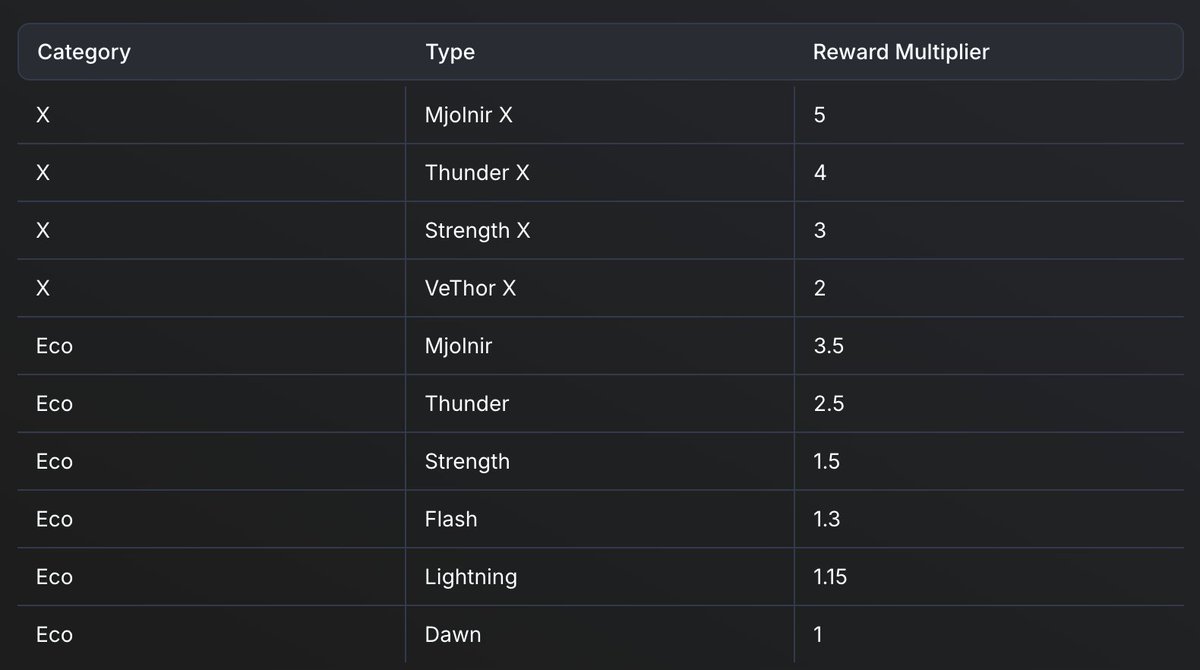
🪐Staking type affects block probability (Validator stake 2×, X-Node 1.5×, Eco 1×) and economics — not consensus weight. Every validator must meet the same security and consensus standards. So APY isn’t “higher for less secure validators.
💫APY has layers and depends who’s looking into the Tesseract:
1️⃣ Validator APY
30% of VTHO generated, plus any priority-fee rewards (edge case rewarded to validators for securing the network).
(Self-delegated NFTs like validators that hold legacy X-Nodes get treated like delegators for 70% pool purposes.)
2️⃣ Individual Delegator APY
Your mix of NFTs (and their reward multipliers) determines your proportional share of the 70% delegator VTHO pool (i.e., how big your slice of the pie is).
That cycle’s VTHO output is then annualized to determine each delegator’s individual APY.
3️⃣ Average Delegator APY (shown on validator pages)
Total VTHO generated ÷ Total Stake (Validator Stake Delegator Stake).
It’s just an average naturally pulled upward by higher-tier multipliers and downward by lower-tier multipliers and won't reflect exactly what an individual delegator realizes.
Large validators tend to generate more absolute VTHO due to higher block probability.
🔭 The number that truly matters:
👉 The actual VTHO each delegator receives at the end of the cycle based on the NFTs they hold and the VET they staked.
We need Cycle 1 to close 🚀 — and we definitely need coffee. @mugshot_vet
1
10
44
1,998

Just released a big VeTrade update 👀
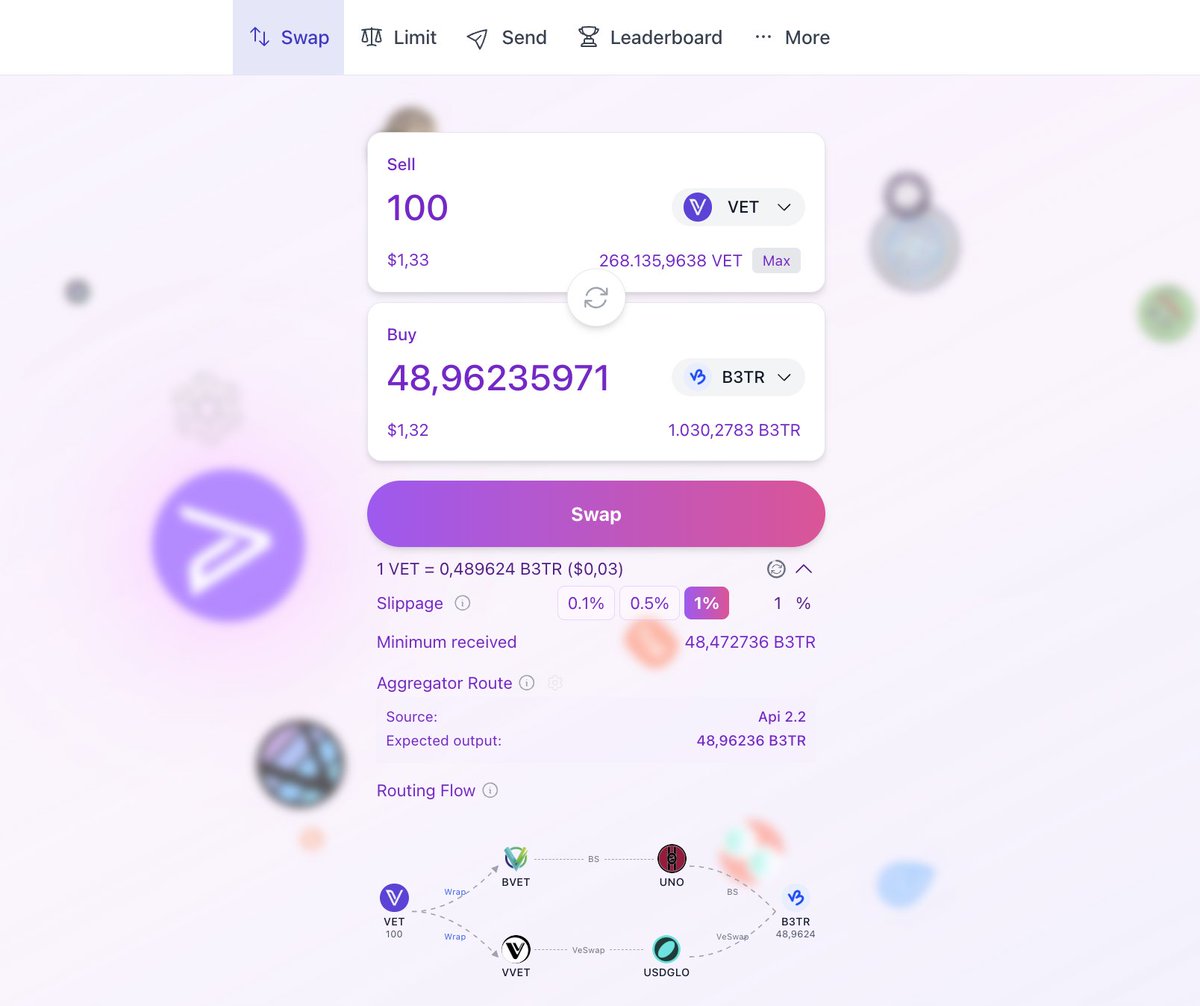
Our latest release brings major upgrades to your swap experience:
✨ Smarter Aggregator – even better pricing with deeper, more complex routing
🧠 Routing Visualization – see exactly how your swap is executed for the best possible output
🎨 UI Enhancements – smoother, cleaner, faster
Smarter trades. Better transparency. The best routes on #VeChain
Try it now on vetrade.vet 👩🏭
3
15
50
5,656