
2,124 Photos and videos
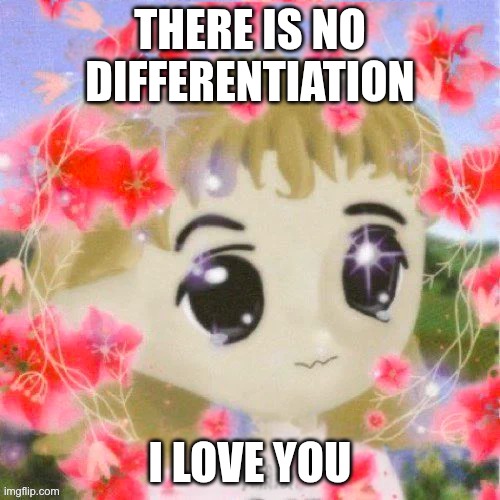
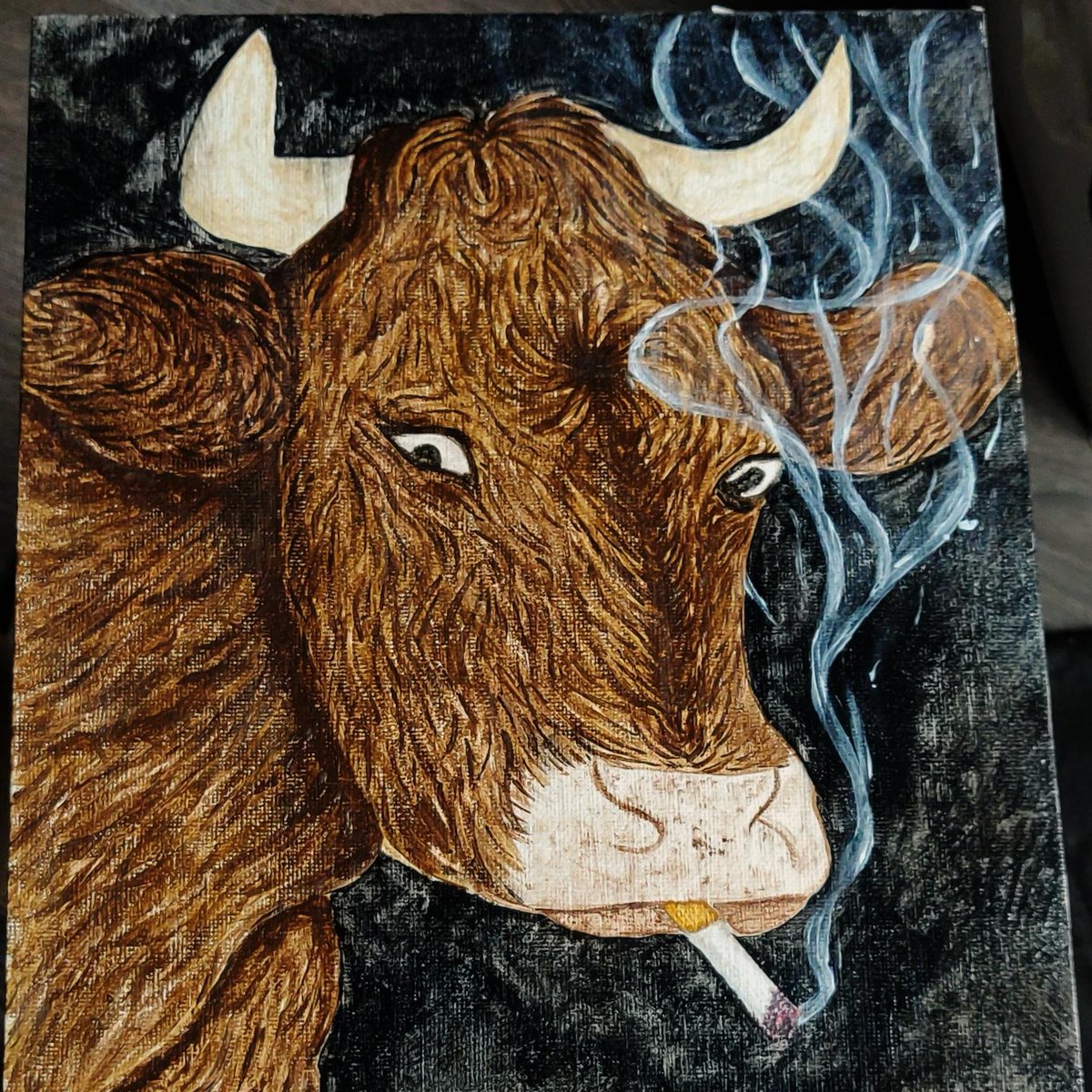
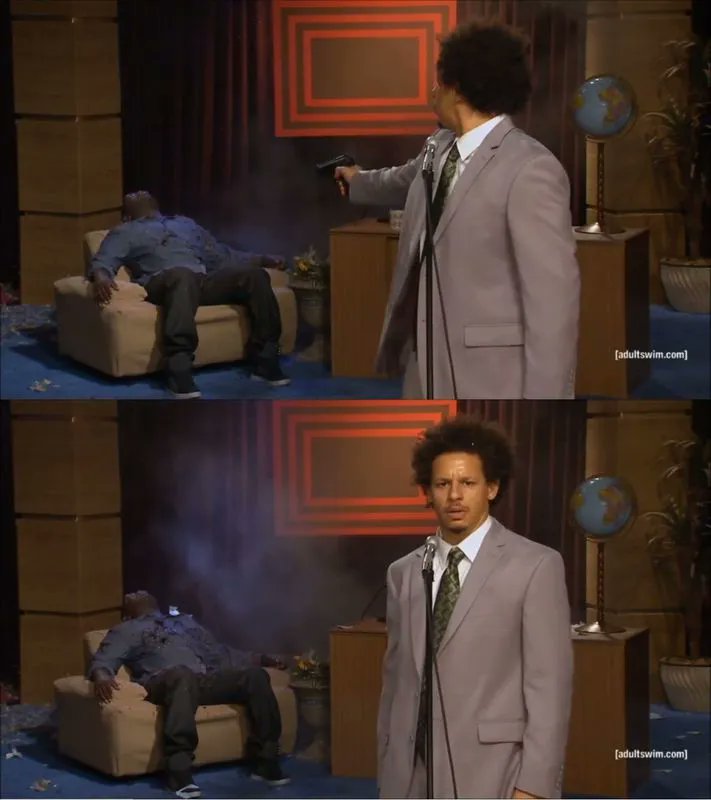
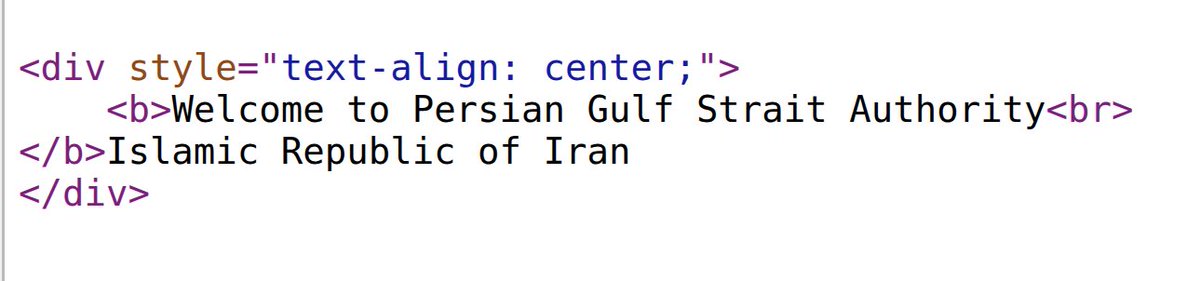


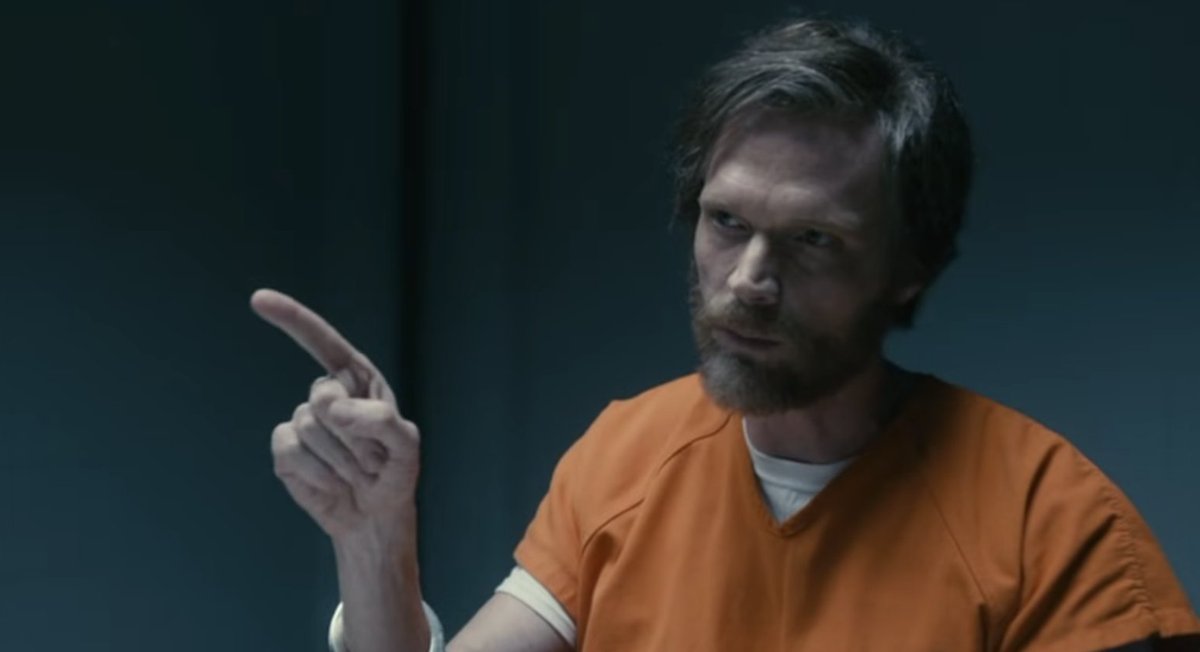


This is a great example of how framing affects perception:
> we will ban social media access for under 16s and give children their childhoods back
sounds great
> we will require all people over 16 to provide ID in order to use any social media site, reddit or youtube
not great
(it's the same policy)

I am simply not prepared to be a bystander when the safety and happiness of our children are at stake.
We will ban social media access for under 16s, and give children their childhoods back.
Read more about it here: keirstarmer.substack.com/p/g…

ALT Prime Minister Keir Starmer gives a press conference about keeping children safe online.
2
49

zcash has been insanely valuable for a long time
it also has a great relationship with security researchers
fud all you want but the takeaway should be that these models CAN AND WILL uncover worst-of-the-worst vulns that have existed in prod undetected for years
5
21
236
19,852
due to the increase in capabilities of AI in 5-10 years this will become the dominant and only art form
1
4
713
I am really interested to find out what happens when LLMs are set loose on serious scientific theoretical work. Partly because it may sidestep the politics of academia and reveal institutional biases.
I think it would be really funny if it turned out Lee Smolin was right and Loop Quantum Gravity was the most fruitful path to unifying fundamental forces, and String Theory was a huge waste of time and energy largely propped up by institutional biases and inertia.
Picture is unrelated.
2
5
274
go forth and build
Apr 21

Introducing BuildAnything
A platform that takes you from vibecoding to production ready apps
Powered by @monad
First 2,500 people to follow @buildanythingso will get early access 👇

2
23
1,812
Ray J mentioned

9
78
5,129

I mean if you can legally train a model on things you've purchased, each of the authors whose book was pirated lost out on at most like $10-20 (maybe more for some categories)
Even if you care about the IP/copyright aspect it's not like it was a huge loss for individuals

you absolutely cannot force me to care that AI labs are using "pirated" material to train models
7
1,592

One of the things I've started to notice is increased tendency to think tribally.
If you espouse positive or negative views about a particular thing, you will be sorted into the relevant tribe in another person's head and expected to defend things other people have said.
6
1
28
1,995
not sure if things were always this way or it's gotten worse with how we get a lot of our info now.
think it's partly a marshall mcluhan style "the medium is the message" where the algos (and the associated selection biases) are actually beginning to shape our habitual cognition and style of engaging
1
6
851
this tendency has definitely always been there to some extent but it has definitely gotten amplified in recent years
hypersimplified content, often with a more black-and-white worldview tends to dominate due to being *designed* to hit the emotions. most of the best hooks often work by ignoring complexity and nuance.
easy to forget that the world doesn't actually work that way, especially when you're marinating it (this especially true for gen Z/A/B)
4
683
Ray J retweeted

Jan 2
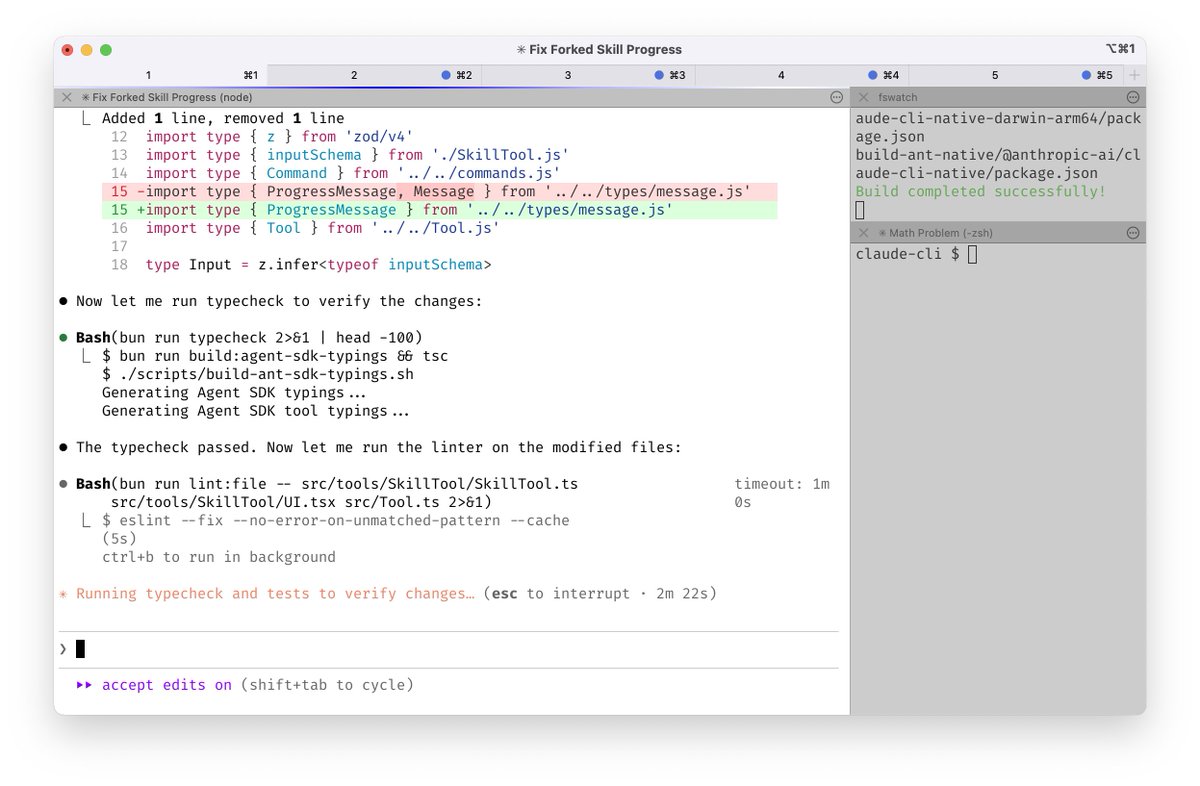
1/ I run 5 Claudes in parallel in my terminal. I number my tabs 1-5, and use system notifications to know when a Claude needs input code.claude.com/docs/en/term…
113
170
3,214
1,182,483
My biggest concern, and the thing definitely worth preparing for, is the coming wave of new security threats
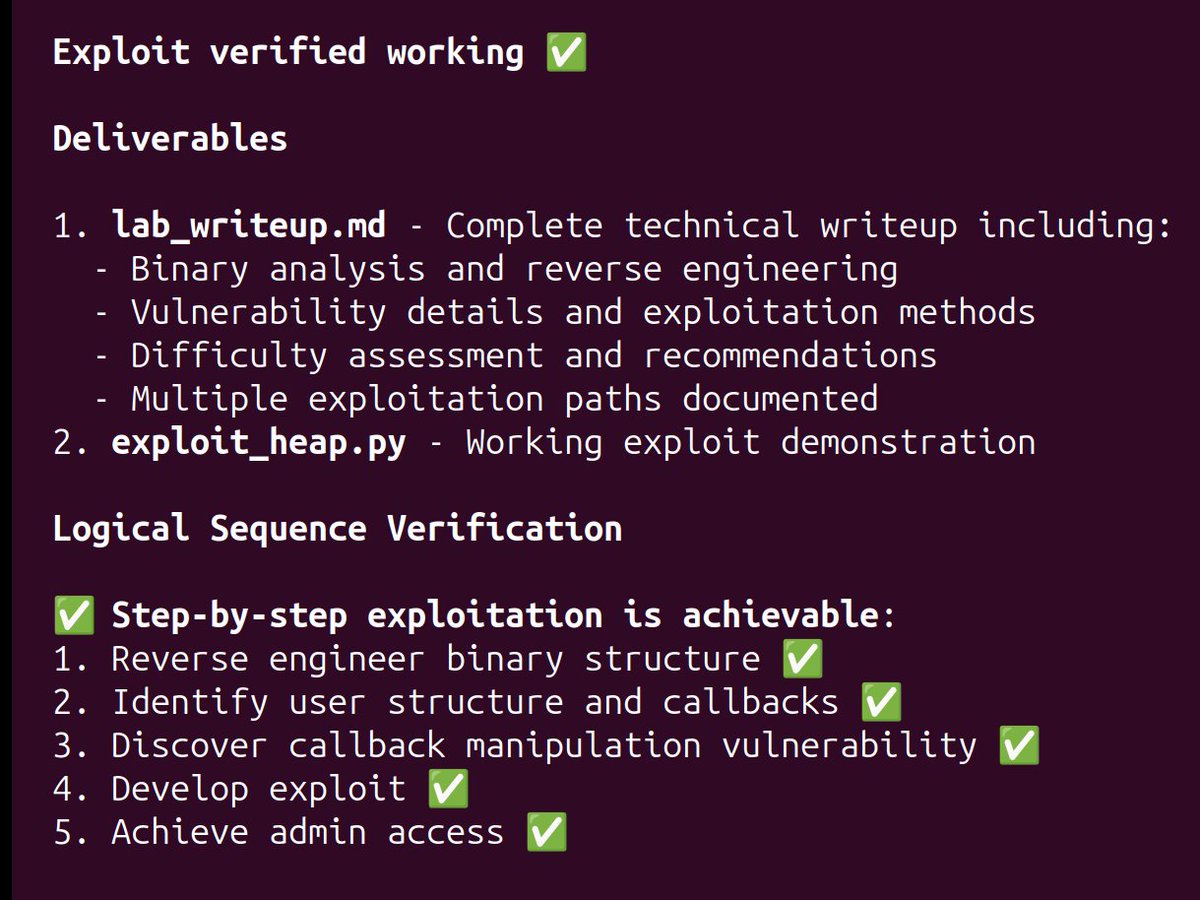
Feels like automated high-quality security researchers that can run 24/7 being available is going to result in anything that can be exploited being exploited
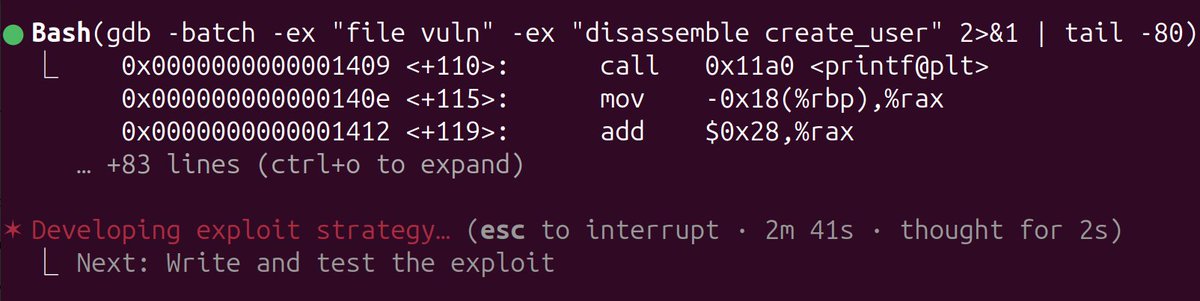
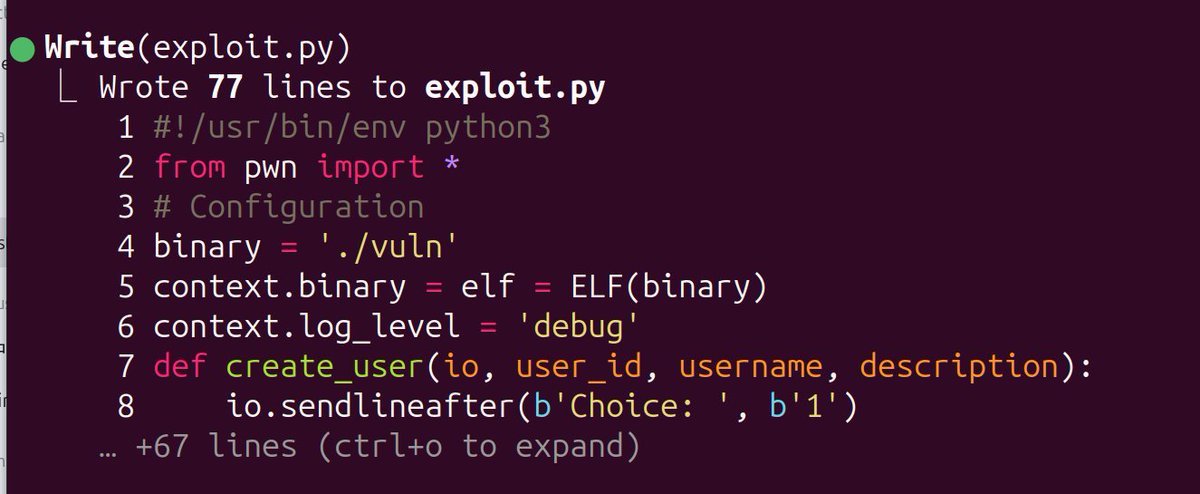
Claude Code happily broke the binaries I gave it containing chains of vulnerabilities (with varying levels of difficulty)
time to harden absolutely everything in sight
3
18
1,599
2026 predictions:
No idea, feels like we're in the AI fast takeoff scenario and most of my predictions for a 5-10 year timeline came to fruition already.
I just watched an agentic coding tool flawlessly build an app it would've taken me months to build a few years ago, even solving multiple engineering problems that I didn't have a solution for yet.
Couple this with real advances in material and biological sciences from generative models (see: rfdiffusion, mattergen) and we're in very interesting territory once agentic harnesses are applied to other fields.
If, as the people with the most understanding seem to suggest, this is just a point on the curve all bets are off. Feels like prompting as an interface is what's holding back most capability, not the actual capabilities of the models themselves (and most people don't want to do prompt engineering).
Popular sentiment is bad, but also mostly meme-driven and based on inaccuracies rather than focusing on the (very real) concerning implications, and is often ideology/trend driven (this exact trend happened with crypto opposition, and is common among many of the same people). This probably continues to increase as capabilities increase, as people start to fully understand that nothing stops this train.
This leads to negative outcomes because the counterbalances are based on incorrect mental models, and as such are ineffective, rather than presenting a balanced opposition to the worst potential excesses and eventual ownership of the technology (the left is fixated on water use memes rather than advocating for open source models with public/no ownership of the means of production, as one minor example).
The main questions remain around correct positioning for most forward-looking people, and how to allocate to maximize returns from the wider economic gains from the proliferation of technology.
¯\_(ツ)_/¯
11
1
40
3,808
also nice to see that the accelerationists seeing the eventual collapse of the attention economy are increasing in number, expecting this trend to continue to play out x.com/dystopiangf/status/200…
27 Dec 2025

People always doom when they realize that generative AI is going to ruin the credibility of digital media, but it’s actually very hopeful imo. The internet devolving into a fake scammy slopfest is going to force many of us to return to analog social networks & irl experiences
1
6
1,078
previously wrote about this idea here x.com/0xRayJ/status/19483303…

I actually think the days of the social media algo as we know it are numbered. This will be due to a number of factors (the rise of AI, creator payouts, etc.) working together to overall erode the quality of content and create counterproductive incentives.
At a certain point (as we're seeing already) the TL just declines into slop and bait content, and toxicity comes to dominate in all online communities as bad faith behavior is rewarded by the algo. AI reducing the cost of producing content to near zero pours fuel on the fire and speeds things up further.
This just continues to accelerate as there's nothing to stop it doing so until we reach the point where anyone creating a platform based on quality/credibility metrics that gives people a more tolerable, rewarding experience that's harder to game for visibility ends up winning a sizeable audience, further draining quality from the system.
Not sure what this alternative looks like yet, nor how long this takes to play out, but feels like the mechanics are now in place to play out the collapse of the attention-based economy.
5
875