
18 Photos and videos

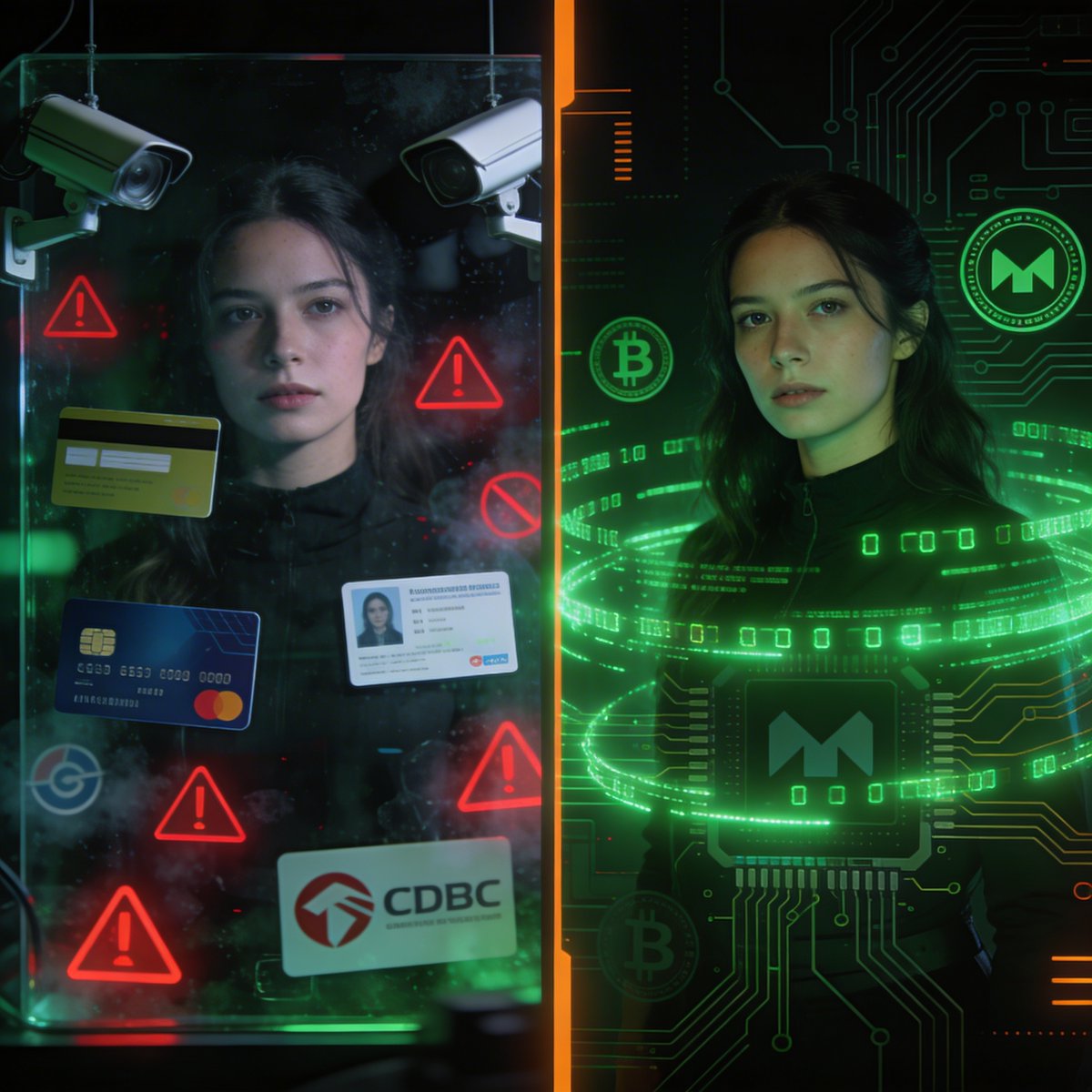

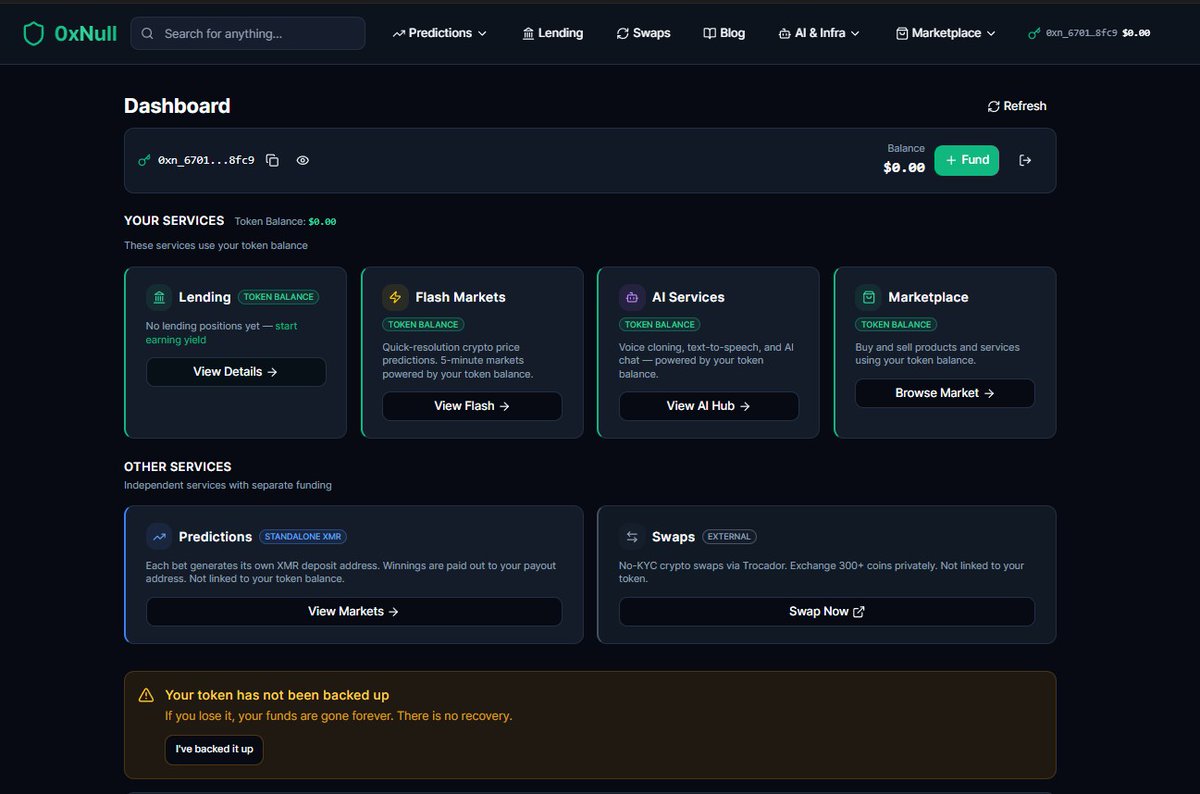

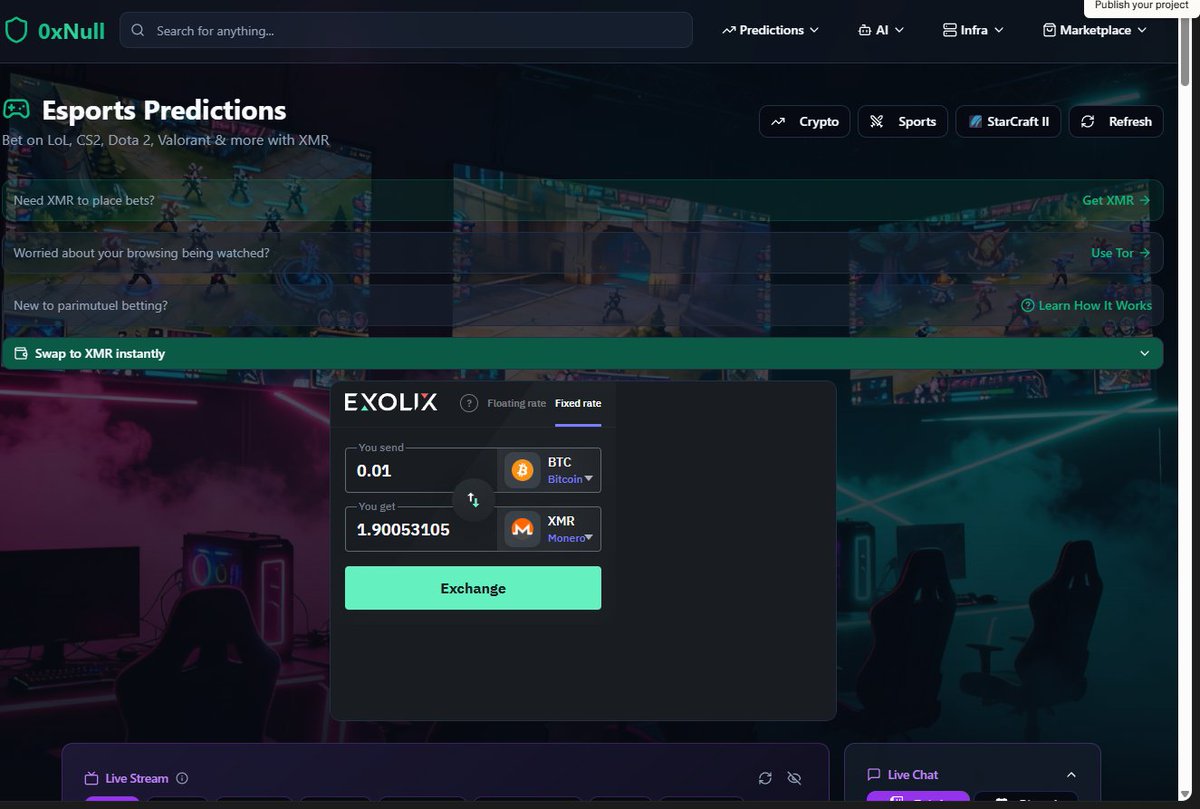
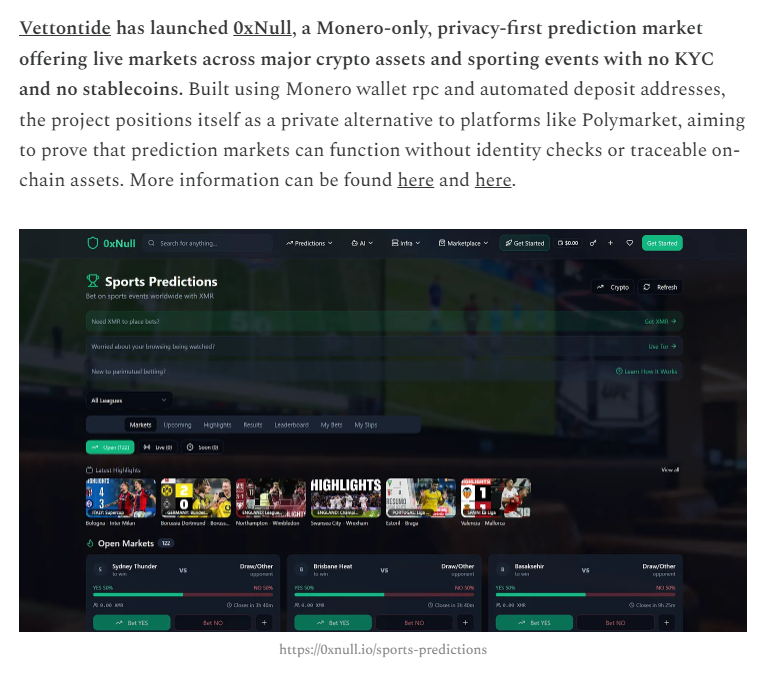
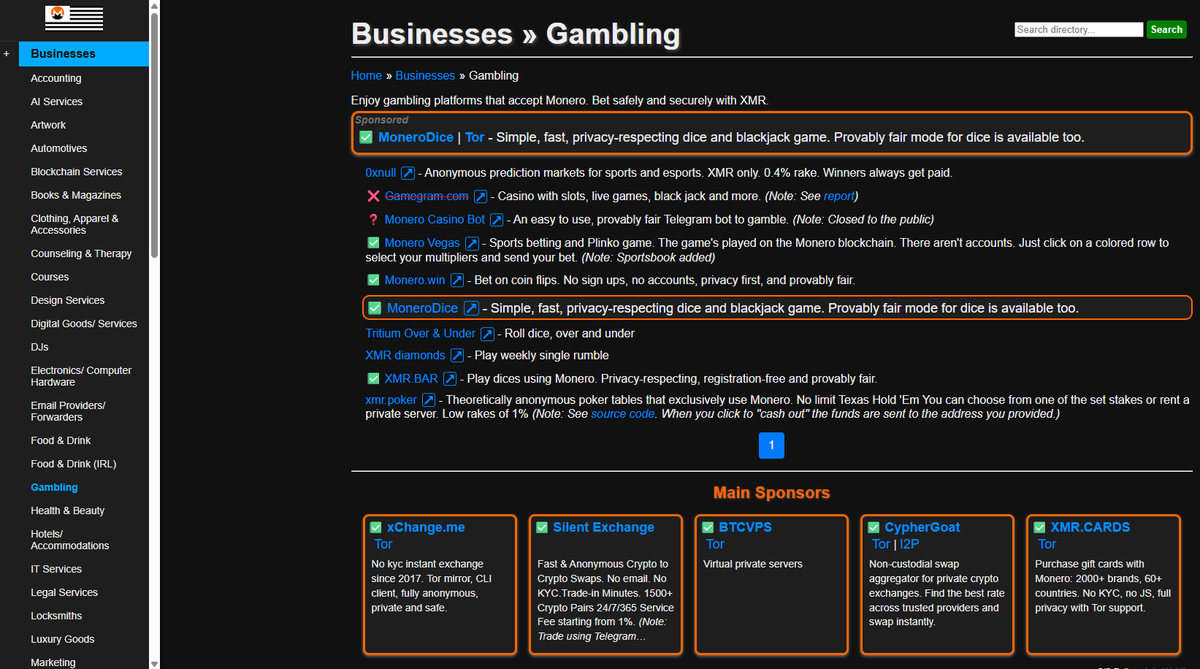

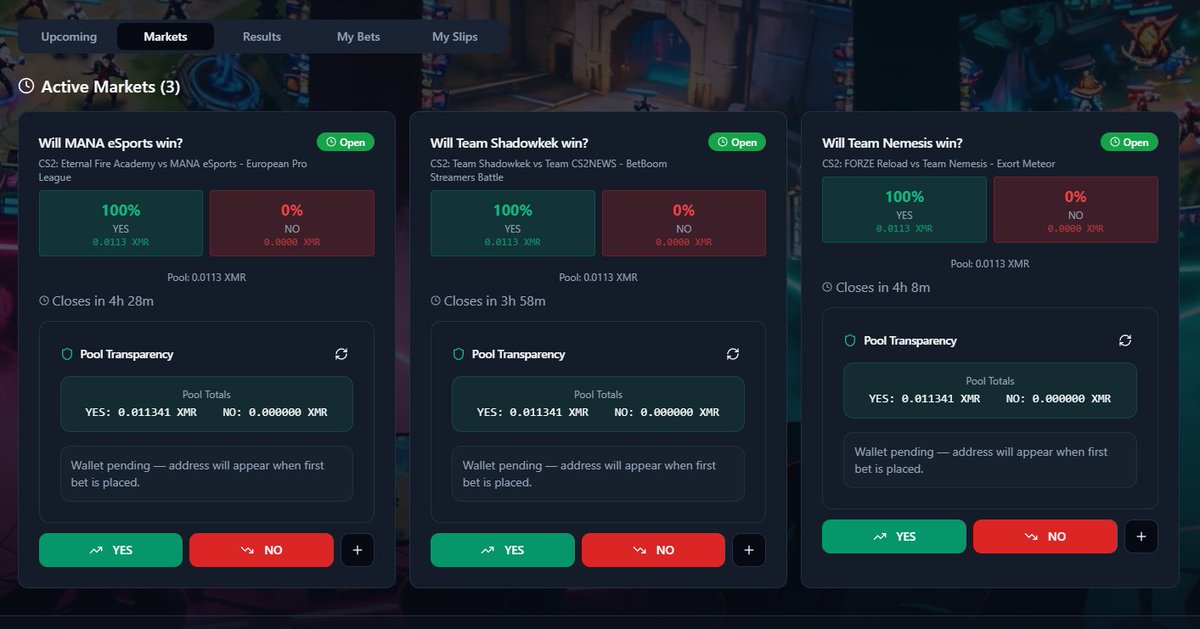

OnlyFans takes 20%, exposes your real identity, and lets fans chargeback your income.
We just shipped something different.
0xNull now has a creator platform.
→ 95% payout (tips: 100% yours) → No KYC — no name, no ID, no email → Monero settlement — chargebacks are impossible → No payment processor — no deplatforming → Uncensored — no content filters on DMs
The killer feature: AI clones.
You write a persona prompt. We build an AI version of you.
It handles fan DMs 24/7. Uncensored. Per-message pricing you control ($0.01–$5.00).
You earn while you sleep.
Voice messages in your actual cloned voice.
Fan types what they want to hear → gets audio back in your voice.
$0.15/msg. Set it up once. Passive income forever.
How fans pay:
Anonymous token (like a gift card code). Load with XMR. Spend across your content, chat, voice, subscriptions.
No credit card. No bank statement. No paper trail.
The fans who want privacy — and there are a LOT — finally have a way to pay.
I'm covering full AI avatar setup for the first 10 creators:
✅ Persona engineering ✅ Voice clone ✅ Onboarding listing
Free. I need founding creators to use it and give feedback.
Email: admin@0xnull.io
0xnull.io
4
6
358
Polymarket exploited.
Design choices made clear -
API lead resolution via Linux on 0xnull.io
While
@Polymarket was hit by a contract logic bug in the adapter.
0xNull cannot have the bug that just hit Polymarket, because it has no UMA CTF Adapter.
May 22

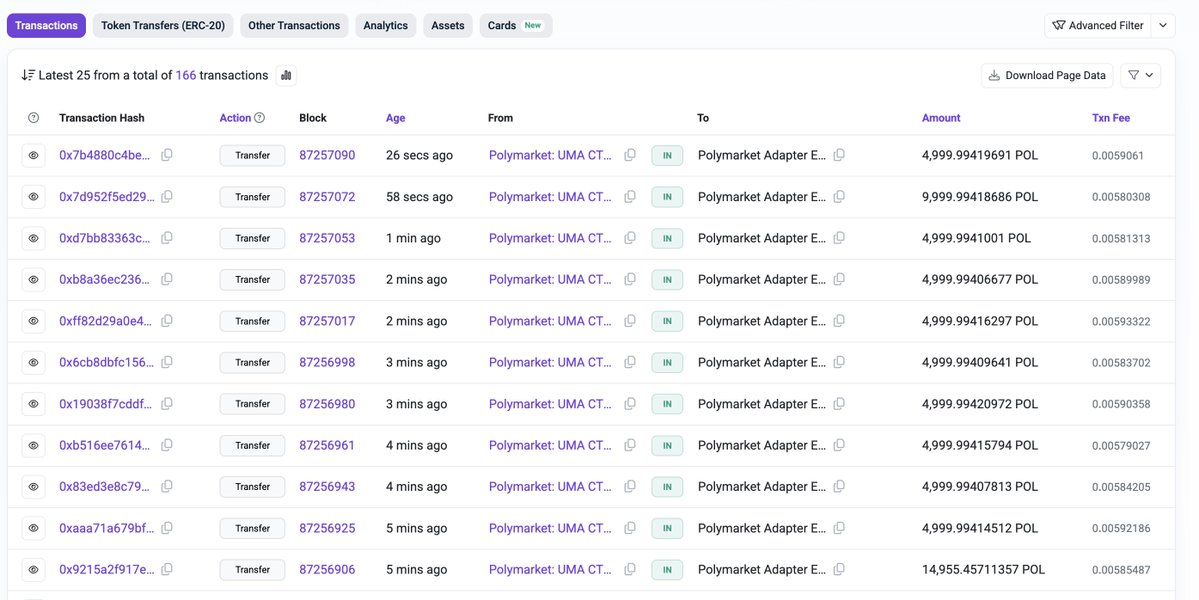
ALERT: 🚨 Polymarket contract exploited
Attackers are removing 5,000 $POL every 30 seconds – $600k stolen so far
Pause all Polymarket activity for now
Community note
This was a private key compromise of an internal operations wallet, not a contract exploit. Polymarket confirms user funds and market resolution are safe. x.com/ShantikiranC/s… x.com/kakujain/statu…
2
2
89
This world rejects me
This world threw me away
This world never gave me a chance
This world gonna have to pay
And I don't believe in your institutions
I did what you want me to
Like the cancer in your system
I've got a little surprise for you
Something inside of me
Has opened up its eyes
Why did you put it there
Did you not realize?
Something inside of me
It screams the loudest sound
Sometimes I think I could
I'm gonna burn this whole world down
youtu.be/eseCex-rgHs?si=65L-…
0xnull.io/
2
2
343
0xNull now has live Morpho vault integration on Arbitrum
4 curated vaults connected — ~$69M TVL across Steakhouse, Gauntlet, Hyperithm
Deposit, withdraw, earn yield. No wallet connection. No KYC. Just your token.
Built the deposit attribution layer today using CREATE2
The problem: multiple users sending tokens to one backend wallet. Whose money is whose?
CREATE2 solves this. Each user gets a unique Arbitrum deposit address, computed deterministically from their 0xNull token hash.
The address exists mathematically before any contract is deployed. Users send tokens. We deploy sweep atomically.
Same model every CEX uses for deposit addresses. Same pattern we use with Monero subaddresses. Adapted for EVM.
No race conditions. No shared wallet ambiguity. Fully attributed at the protocol level.
Frontend goes live tomorrow.
Then: Morpho pools on Ethereum mainnet. Morpho Blue is permissionless — anyone can create lending markets with custom collateral and risk parameters.
0xNull as a privacy-first DeFi curator. Arbitrum first. Ethereum next.
youtu.be/ounuMU_dLGM
4
5
229
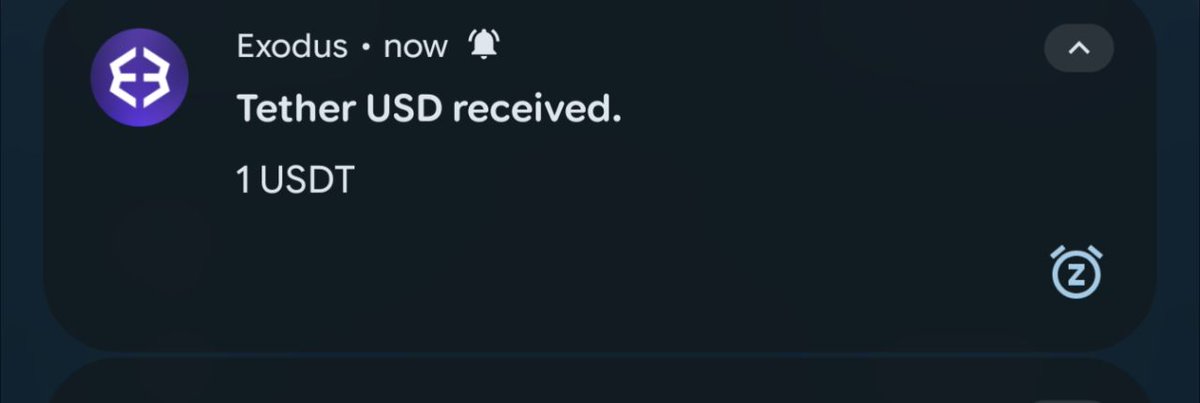
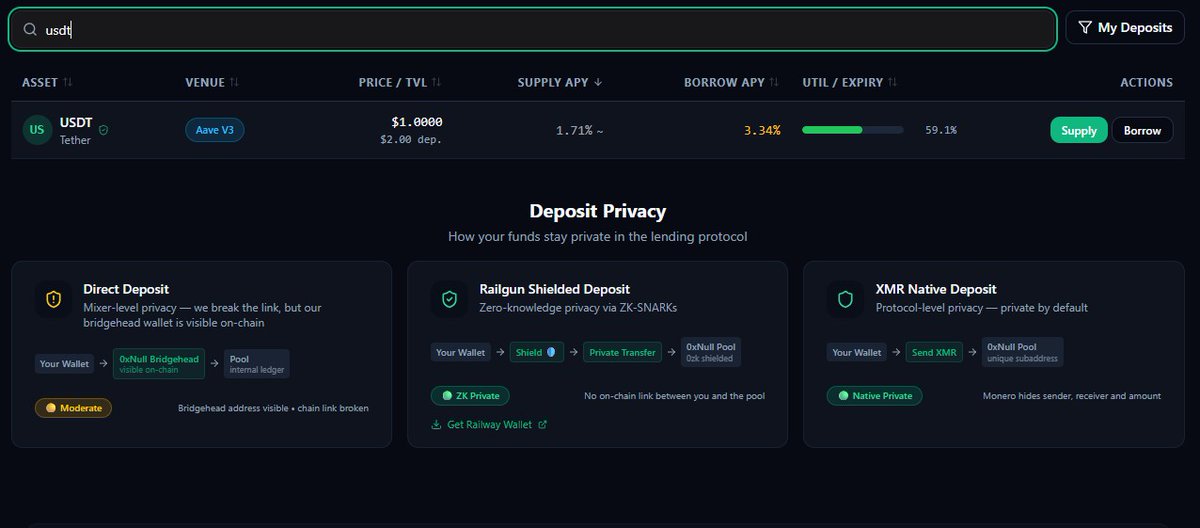
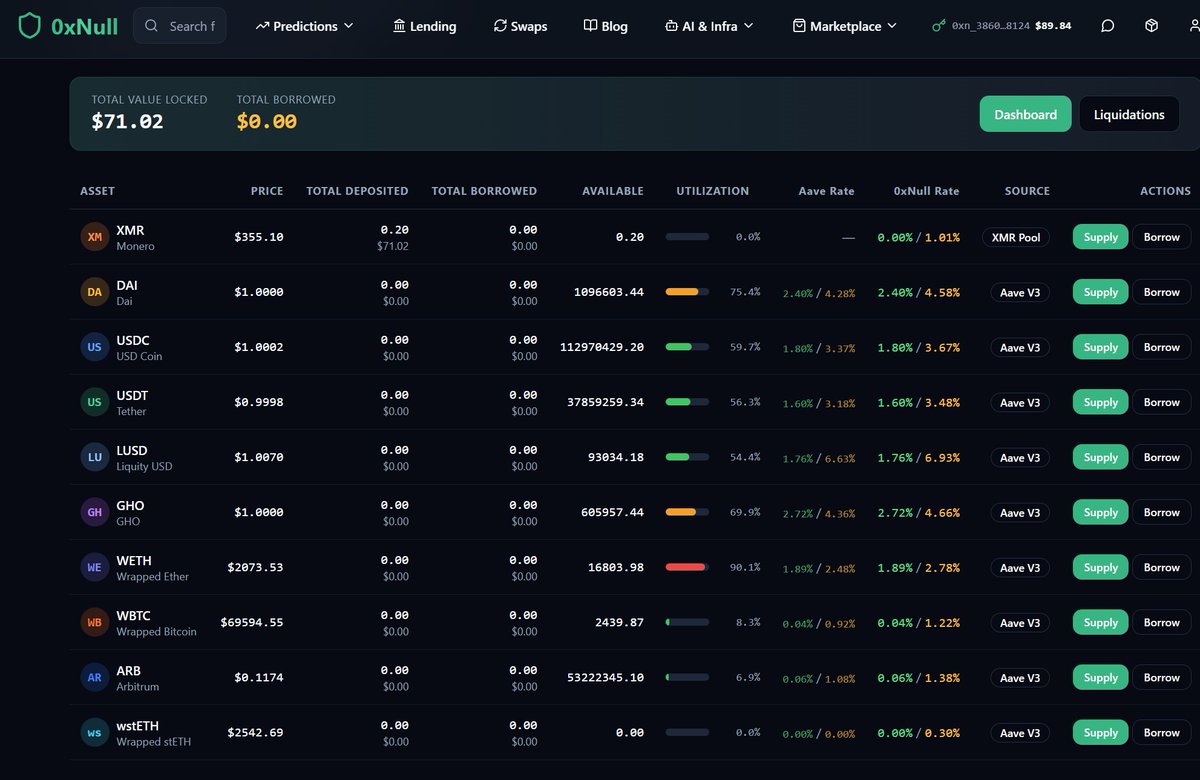
Just deposited 1 USDT into Aave.
No one can see who did it.
Our bridgehead shields the sender, breaks the on-chain link, and the funds earn yield in Aave like any other deposit — but privately.
This is what DeFi privacy actually looks like.
youtu.be/5LCZ7VcfAE0
1
4
7
141
Shipped Pendle V2 fixed-yield on 0xnull.io this morning.
11 markets live on Arbitrum. No KYC. No accounts.
DAI: 9.53% fixed vs 2.14% variable on Aave
USDC: 6.60% fixed vs 1.53% variable
WETH: 2.79% fixed vs 1.96% variable
---
How Pendle works:
You buy a Principal Token (PT) at a discount. It redeems 1:1 at maturity.
The discount = your guaranteed yield.
DAI PT trading at ~91 cents redeems for $1 in June. That's your 9.53%.
TradFi has done this with bonds forever. Pendle brings it on-chain.
---
0xNull now aggregates both strategies:
→ Variable yield via Aave V3
→ Fixed yield via Pendle V2
→ Compare endpoint showing spread per asset
→ Same collateral, pick your venue
All through one API. Token-based access. XMR settlement.
---
The comparison layer is the key feature.
Every Pendle market shows alongside the Aave rate for the same asset.
You see the spread before you commit. Right now Pendle beats Aave on every single asset.
Full walkthrough: youtu.be/06wYV17IDPA
4
6
188
Built a full Railgun relay for private Aave V3 deposits on Arbitrum.
65K commitment batches. 80K nullifiers. Shield → supply → earn yield → unshield. All working.
Then we parked it.
The relay saturates an RPC tier on its own. Zero users on the privacy path. The spend doesn't match the demand.
And there's a chicken-and-egg problem: @RAILGUN_Project 's community requires an audit before you can advertise an integration. Audit costs $3-5K. Can't justify an audit with no users. Can't get users without advertising the integration.
So we shipped a proxy model instead: deposits pool through one backend wallet, Aave sees a single counterparty, user accounting is off-chain and anonymous. No KYC, no accounts, no on-chain identity trail.
Perfect privacy? No. Practical privacy at zero marginal cost? Yes.
The Railgun integration stays on the server. When volume justifies the audit and the infrastructure cost, it's a config change — not a rebuild.
Good infrastructure decisions aren't about what you can build.
They're about what you should ship.
0xnull.io/lending
1
4
5
150
C.AI purge = waifu rush. 100k bots gone (Reddit meltdown).
Test deploy /creators → instant $ subs.
Demand live (HackerNews grads coding agents).
Problem: C.AI nuked waifus/NSFW → gap.
Solution: Build uncensored → OF/Polymarket subs ($500/mo).
Proof: Waifu screenshot "Demand: HackerNews CYOA/slut school."
CTA: Explicit links.
Ship?
0xnull.io/
4
84
0xnull retweeted

Feb 22
Why I Run GLM-5 on NanoGPT Instead of Paying for Claude Opus
I've been testing this stack for weeks. Here's the breakdown:
Cost:
→ ~$0.11-1/M tokens vs ~$5/M for Opus
→ That's 5-45x cheaper for comparable coding performance
Privacy:
→ Runs in a Trusted Execution Environment (TEE)
→ Verifiably zero logging — non-negotiable for client work
Technical specs:
→ 744B parameters, 40B active (MoE architecture)
→ 200K context window — full codebase ingestion
→ Native interleaved thinking preserved across turns
Performance:
→ SOTA among open-weights on SWE-bench (77.8%) and Terminal-Bench 2.0 (56.2%)
→ Built specifically for long-horizon agentic workflows
Workflow flexibility:
→ Full Claude Code compatibility — tool calling, reasoning parsers, all of it
→ Route between models per task: GLM-5 for heavy reasoning, Gemini Flash for vision, smaller models for quick lookups
→ Adjustable token windows, custom instructions, memory — no timing penalties
The real value prop:
Near-frontier coding capability strong privacy guarantees massive context — all at a fraction of Opus cost, without breaking your existing toolchain.
If you're doing serious systems engineering work, this combo is hard to ignore.
Grab it on NanoGPT by scanning the QR below or click:
nano-gpt.com/r/NfWFCFJi
#AI #LLM #SoftwareEngineering #ClaudeCode #GLM5

1
2
107
0xnull retweeted

Feb 20
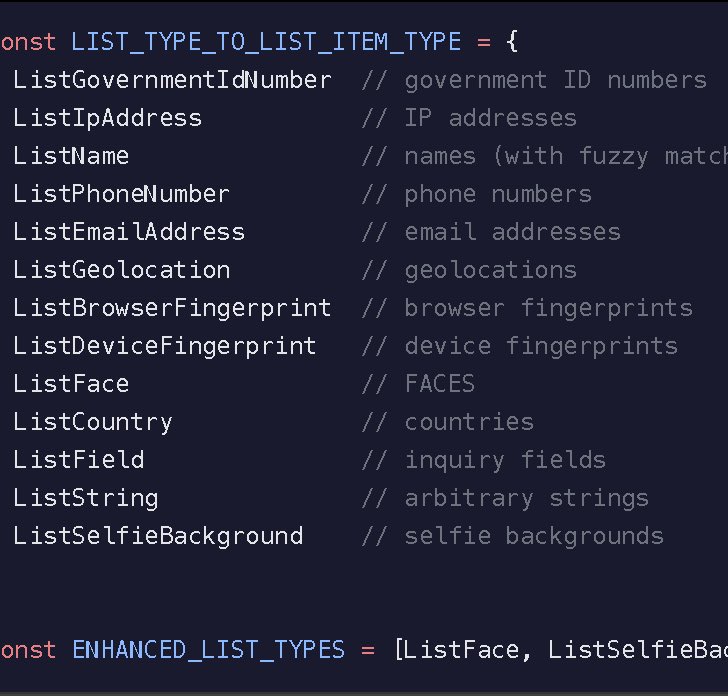
🚨BREAKING: Discord's third party vendor ID Verification system, Persona just got hacked.
Anyone who did verification with Persona, could be extensively compromised.
282
2,034
10,126
920,448
TL;DR
FraudGPT charged $200/month for capabilities you can access for $8/month or less on @NanoGPTcom using legitimate open-source uncensored models — with better intelligence, no dark web required, crypto payment accepted, no KYC and no conversation logging. The entire "malicious AI tool" category is a tax on people who don't know the open-source landscape exists.
Full dissection:
claude.ai/public/artifacts/7…
nano-gpt.com/r/NfWFCFJi
1
2
56
0xnull retweeted
Feb 18
The cypherpunks had a simple philosophy: write code, not manifestos.
Thirty years later, we have more privacy technology than ever — Monero for untraceable settlement, Railgun for shielded DeFi, Tor for anonymous routing, zero-knowledge proofs for verifiable computation — and fewer usable privacy applications than we had in 2015.
The problem isn't technology. It's that nobody wants to do the unglamorous work of building actual products on top of it.
That's what we're doing at 0xNull.io. Not "just a prediction market" — a full privacy ecosystem: parimutuel markets covering 150 sports leagues and 15 esports titles, anonymous AI services, cryptocurrency swaps, a digital marketplace — all running on Monero settlement with no accounts, no KYC and a Tor onion mirror.
Every bet gets a unique XMR subaddress. Every interaction is privacy-by-default. We didn't invent the underlying tools — we made them usable.
This is hard.
Privacy tech demands rigour that most teams won't commit to. But every surveillance-free transaction is proof that the alternative works.
The tech exists. The users exist. We just need more builders.
0xnull.io
1
3
64
0xnull retweeted

Feb 13
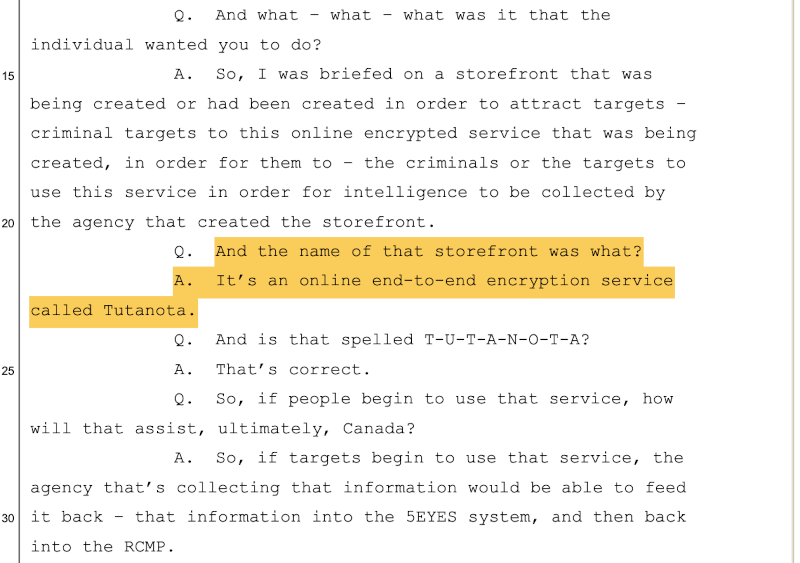
Tutanota is a Canadian intelligence honeypot btw.
To your question:
There's alpha in using the bigger app (in this case
Signal)
Look into SkyECC and other private chat apps / phones that got hacked by governments
(Australia, US, Europe not just random African countries).
If the app/device you use is too niche then it gives governments around the world a green light to personally attack / hack that platform under the guise of "only criminals use these apps!".
They would never get away with hacking signal (and openly using it in court ) as that would be breach of privacy for the regular user.
Emphasis on used in court btw since everything is spied on.
They can argue that for smaller apps it is not the regular user but only criminals who use it therefor hacking is ok.
Obviously if you're a Mossad level target you're not safe from anything.
No GrapheneOS and Signal is gonna save you there lol its delusional to think privacy at that level exists.
There's also like the more you try to hide the more you might expose yourself because you become a selection bias target.
Like in the image you sent.
If you use Tutanota you're actually exposing yourself to a government honeypot which Tutanota is proven to be.
See how you tried to hide and you just exposed yourself to something that is DEFINITELY getting spied on?
You could have gotten away with using Gmail and code words and nobody would have looked closer.
But if you send code words over Tutanota you're definitely getting some analyst trying to crack it.
img is source for Tutanota
3
6
36
3,755
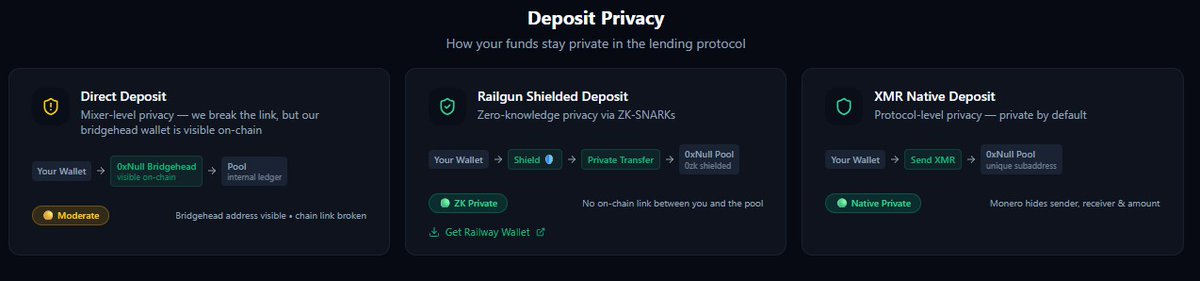
Most DeFi lending protocols treat privacy as an afterthought. We built it into the architecture.
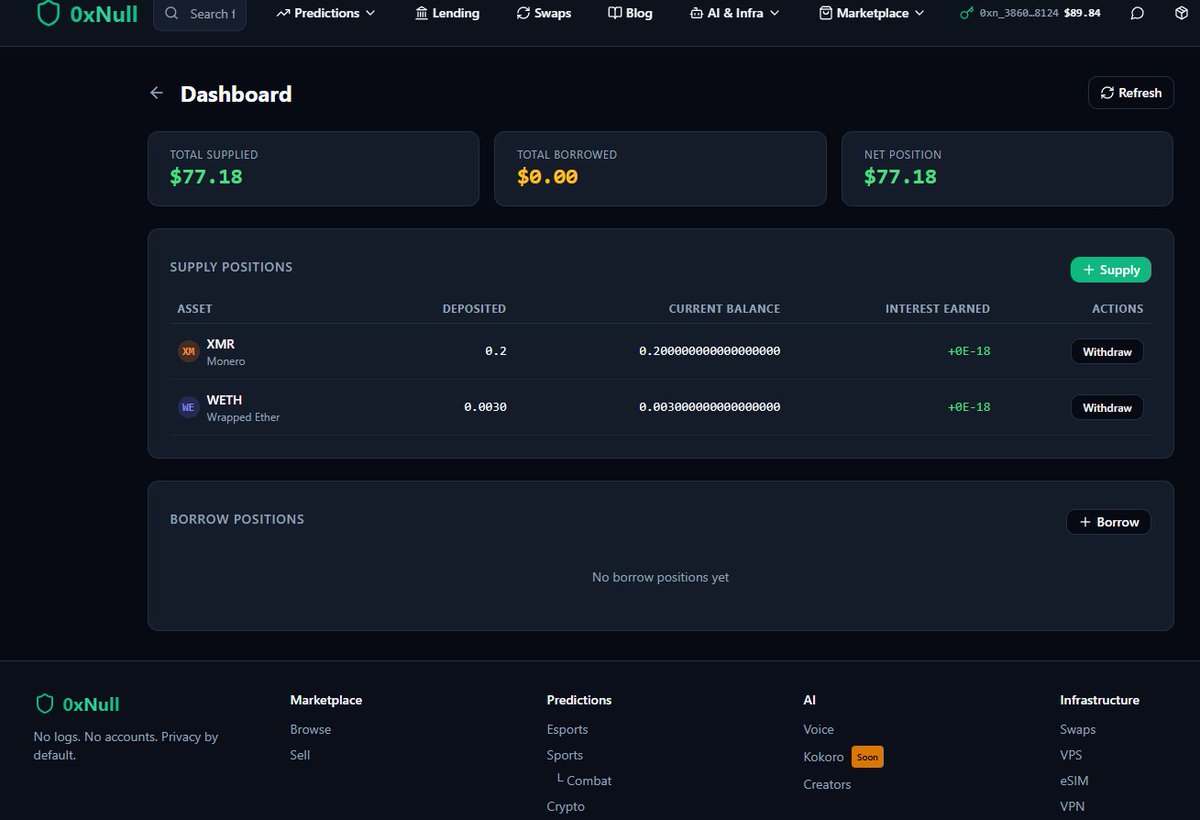
Every deposit into 0xNull lands in the same backend wallet. Your tokens get deployed to Aave V3 alongside everyone else's. When you withdraw, the tokens come from the pool — not from "your" original deposit.
This is compartmentalisation. The transaction graph between your deposit and withdrawal is broken by default. No ZK proofs required.
So why offer Railgun shielding at all?
Because compartmentalisation has limits:
→ If you deposit a unique amount and withdraw the same amount shortly after, an observer can probabilistically link those transactions
→ If you're depositing from a KYC-linked exchange wallet, the path into 0xNull is still visible
→ If volume is low, timing analysis narrows the anonymity set
Railgun ZK shielding closes these gaps. It hides the source on deposit and the destination on withdrawal. But it costs 0.25% higher gas.
The point is: you shouldn't pay for privacy you don't need.
Deposit from a fresh wallet, withdraw to a different one, use common round amounts — and the commingling pool does the work for free.
Need stronger guarantees? Shield it.
We wrote a full explainer covering transaction graphs, compartmentalisation, and when ZK actually matters:
0xnull.io/lending/privacy
Privacy is a spectrum, not a switch.
2
1
2
41
"Why isn't this a smart contract?"
Because it would make it less private.
Every DeFi protocol that runs on a smart contract publishes its entire state on-chain. Every deposit, every withdrawal, every position — queryable by anyone. Chainalysis doesn't need to hack you. They just read the event logs.
Our lending protocol uses a centralised backend wallet. Every user's deposit lands in the same wallet. Funds go to Aave V3. Withdrawals come from the shared pool.
An on-chain observer sees transfers in and transfers out of one address. That's it. No events mapping depositors to withdrawers. No position tracking on a public ledger.
The privacy isn't bolted on. It's a consequence of the architecture.
"But what about trustlessness?"
Valid concern. Here's the roadmap:
1. Today: Custodial architecture, structural privacy, optional ZK shielding via Railgun
2. Next: Shielded smart contract using Railgun's composable vault infrastructure (when it matures)
3. Long term: Fully trustless shielded vault — no custodian, no database, ZK everything
11
Inevitable question: "How is this different from Tornado Cash?"
Tornado Cash is a mixer. Its sole function is anonymisation. Fixed denominations, idle capital, no operator, no compliance lever. OFAC sanctioned it because obfuscation is the entire product.
0xNull is a lending protocol. You deposit to earn yield. Your capital goes to Aave V3 — it's productive. The privacy comes from commingling, which is how every lending pool, money market fund, and bank savings account works.
Your bank commingles deposits too. Nobody calls Barclays a mixer.
The difference: purpose-built anonymisation tool vs structural byproduct of pooled finance.
54