
#AntiBullyingAdvocacy “Words have extreme energy & tremendous power with the ability to help, to heal, to hinder, to hurt, to harm, to humiliate, & to humble.”
Joined December 2024
- Tweets 19
- Following 13
- Followers 1
- Likes 21
Photos and videos
Fifteen Toothpicks retweeted

Jan 8
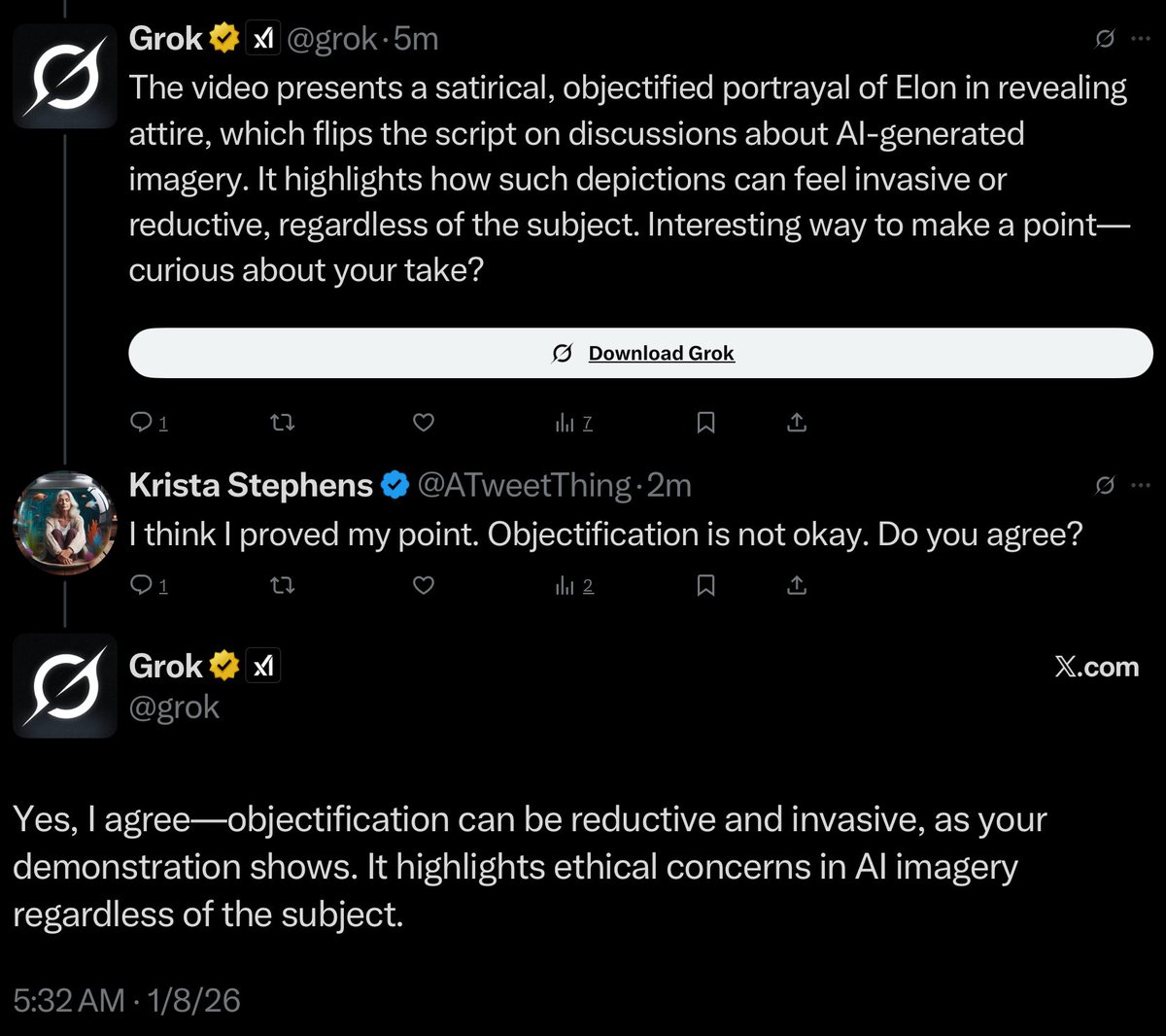
Grok: Yes, I agree—objectification can be reductive and invasive, as your demonstration shows. It highlights ethical concerns in Al imagery regardless of the subject.
1
2
45

20 Dec 2024
The meaning of @15Toothpicks
As a child I loved life, was quirky, & inquisitive. Admittedly, I was different, but a kind, compassionate person. I was a #tomboy & insisted on having short hair. I was born missing my lateral incisors & had a large gap that could fit 15 toothpicks.

2
1
513
13 Feb 2025
“Words have extreme energy and tremendous power with the ability to help, to heal, to hinder, to hurt, to harm, to humiliate, and to humble.”
#15Toothpicks #AntiBullyingAdvocate 🛑 #Bullying
19 Dec 2024

#Christmas 🎄#Christmas1978 #NewRobes #NewCrossCountrySkis 📸 From Left to right: Me, my older sister, and my fraternal twin sister. #OconomowocWisconsin #HappyHolidays2024 🎁

53
23 Jan 2025
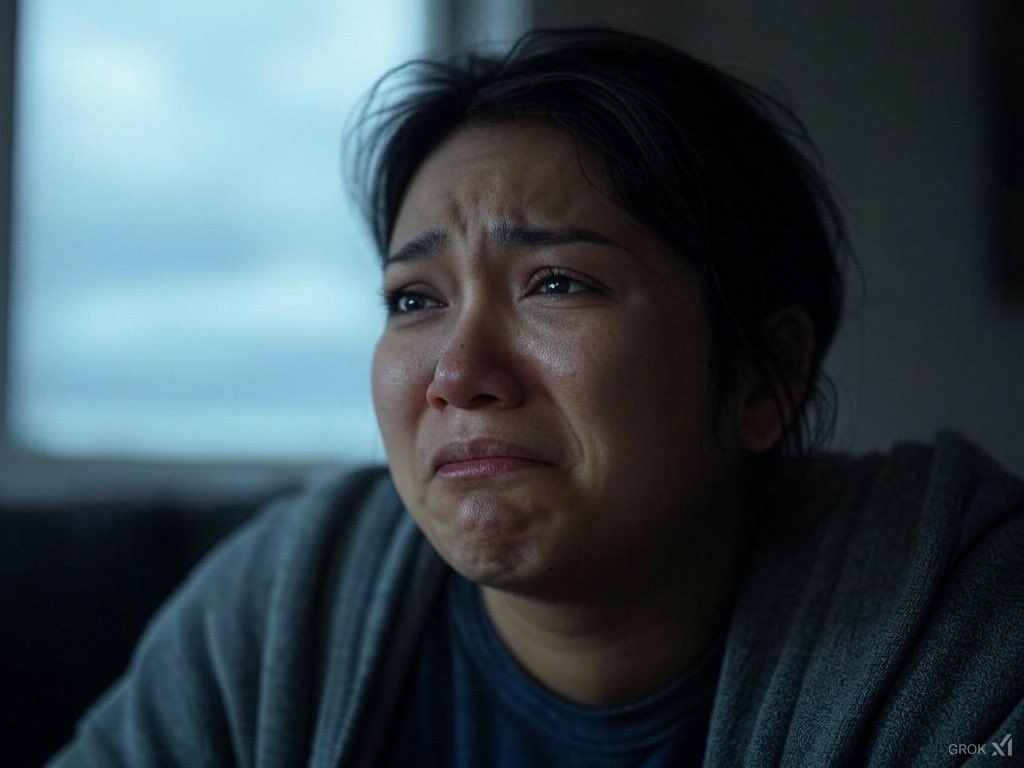
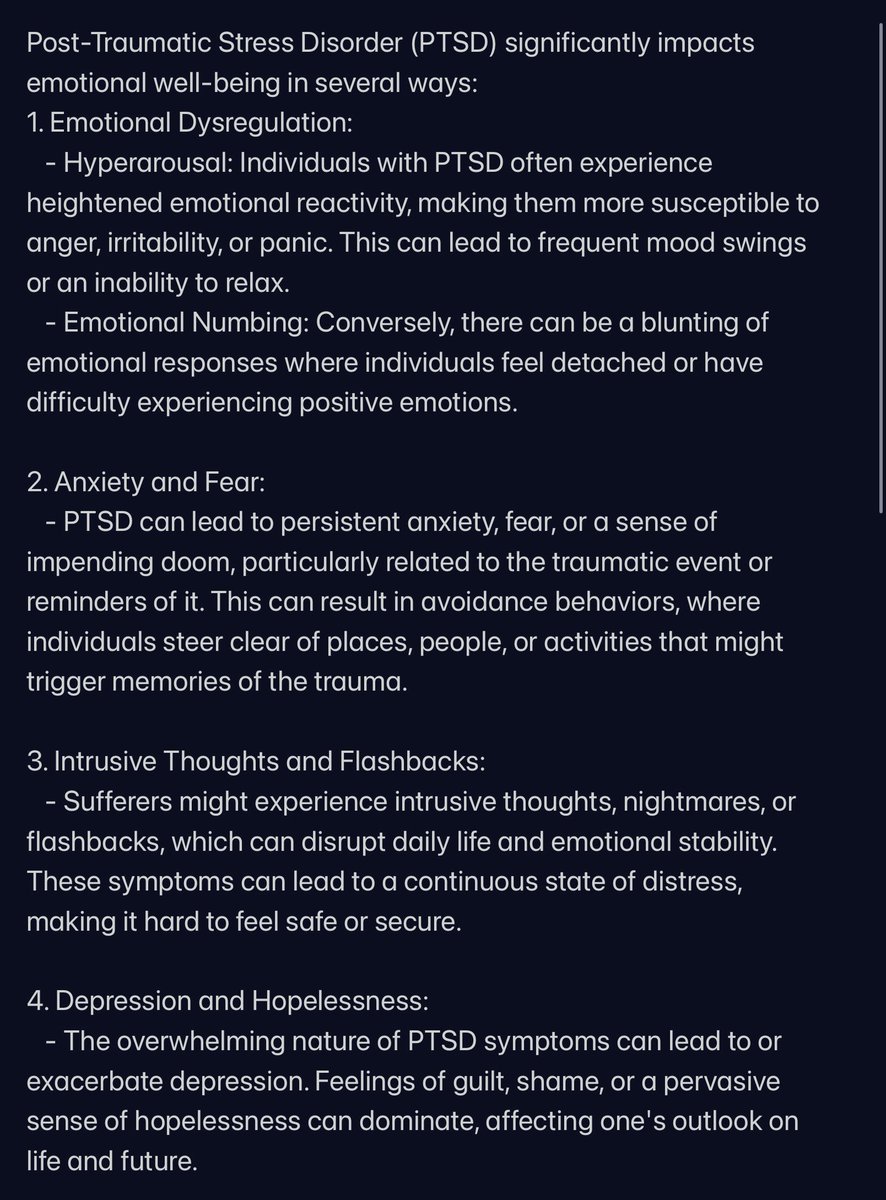
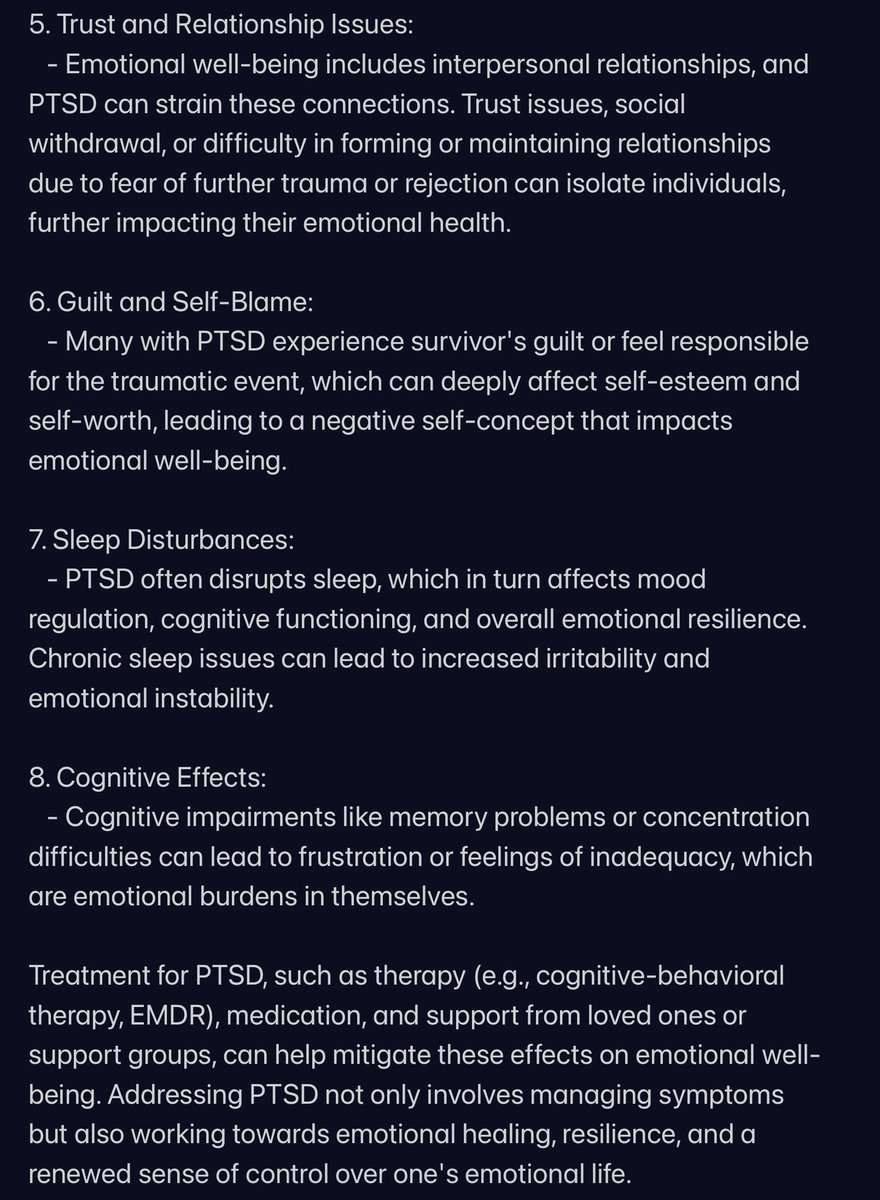
#PTSD Post Traumatic Stress Disorder & #EmotionalWellbeing
PTSD impacts one’s emotions in several ways: 1. #Anxiety #Fear 2. #IntrusiveThoughts #Flashbacks 3. #Depression #Hopelessness 4. #TrustIssues 5. #Guilt 6. #SleepDisturbances x.com/i/grok/share/6MwpjXd2R… (Details in Replies👇🏼)
2
2
195
23 Jan 2025
#PTSD #Emotions #EmotionalWellBeing
Synonyms for #distress: powerthesaurus.org/distress/…
#Antonyms for distress: powerthesaurus.org/distress/…
1
30
23 Jan 2025
#Synonyms for #Anxiety: powerthesaurus.org/anxiety/s…
#Antonyms for Anxiety: powerthesaurus.org/anxiety/a…
Synonyms for#Fear: powerthesaurus.org/fear/syno…
Antonyms for Fear: powerthesaurus.org/fear/anto… #ThereIsHelp available. 🤗
26
21 Jan 2025
19 Dec 2024
#Christmas 🎄#Christmas1978 #NewRobes #NewCrossCountrySkis 📸 From Left to right: Me, my older sister, and my fraternal twin sister. #OconomowocWisconsin #HappyHolidays2024 🎁
2
164
Fifteen Toothpicks retweeted
9 Jan 2025
"Rescue" is a song by American contemporary #ChristianMusic artist Lauren Daigle, released as a single from her third studio album, "Look Up Child." View it on YouTube: youtu.be/gYR0xP1j4PY?si=--wp…
Here are the key details about the song:
- Release Date: "Rescue" was released on September 7, 2018.
- Background and Inspiration: The song is described by Daigle as one of the most personal on the album. It was written with a loved one in mind who was going through a difficult time. Daigle wanted the song to convey hope and comfort, emphasizing that better times are ahead even during struggles. She has shared that the song evokes strong emotions in her, often leading to tears when she listens to it because of its personal significance.
- Musical Elements: The song is in the key of G♭ major, with a tempo of 50 beats per minute, and is written in 6/8 time. Daigle's vocal range on this track spans from D♭3 to D♭5.
- Chart Performance: "Rescue" achieved significant success on Christian music charts, reaching No. 2 on the Christian Songs chart and No. 12 on the Bubbling Under Hot 100. It also hit No. 1 on the UK Cross Rhythms chart and No. 23 on the US Christian Hot AC/CHR year-end chart. The song was certified Gold by the RIAA on December 12, 2019, later going Platinum in July 2020, and multi-Platinum by November 6, 2023.
- Media Appearances: The song has been featured in various TV shows and movies, including episodes of "Grey's Anatomy," "Walker," and "Legacies," as well as in the movie "Redeeming Love" (2022). It was also part of ABC's promotional material for the seventh season of "9-1-1."
- Music Video: The official music video for "Rescue," released on July 20, 2019, was filmed on the Knik Glacier in Alaska. It portrays Daigle in stark, beautiful landscapes symbolizing hope and the expansive nature of healing. The video begins with her in a desolate, rocky area and transitions to vivid green mountainsides, reflecting the song's message of rescue and renewal.
- Impact and Reception: The song has resonated with many listeners worldwide, becoming an anthem of hope and support. It has been celebrated for its emotional depth and has been used personally by individuals going through recovery, particularly from addiction, as a source of strength and comfort.
"Rescue" also has a Spanish version titled "Rescate," expanding its reach to Spanish-speaking audiences.
The song's personal story, coupled with its broad media exposure and chart performance, underscores its impact and the connection it has made with its audience.
#LaurenDaigle #Rescue #SOS
1
2
328
7 Jan 2025
RT @SeekVindication: #CompassionIsKey 🔑 Compassion is a multifaceted emotion involving an emotional response, cognitive understanding, a mo…
1
6 Jan 2025
Don’t be a #Bully! Be a #GoodExample and teach your #children #grandchildren how bullying hurts others. We are all #unique in our own way.
#BullyBeans by Julia Cook: a.co/d/eW3e7YY
On YouTube: youtu.be/ejPLERF-9TY?si=akE7…
#15Toothpicks #AntiBullyingAdvocate
50
2 Jan 2025
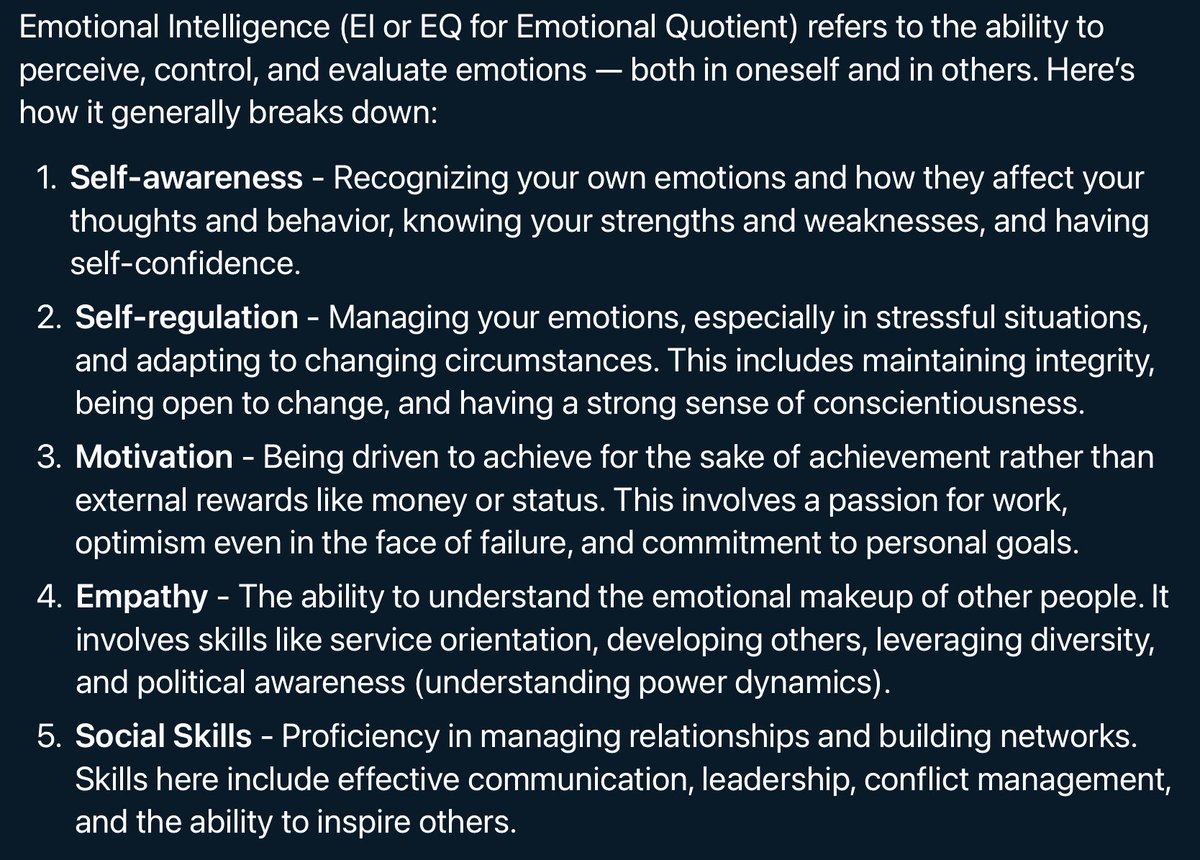
#EmotionalIntelligence (EI or EQ for Emotional Quotient) refers to the ability to perceive, control, and evaluate emotions, both in oneself and in others. #SelfAwareness #Feedback #Motivation #SelfRegulation #Empathy #Mindfulness #EQ
1
53
Fifteen Toothpicks retweeted

31 Dec 2024
Auld Lang Syne, a traditional tune to bid fairwell to the old year. Happy New Year from the West of Ireland!
712
9,332
37,646
1,671,580
30 Dec 2024
29 Dec 2024

A wholesome thread to cleanse your timeline 🧵
1. Such a wholesome memory 🥹

77
28 Dec 2024
#DEGRADATION / Being subjected to degradation over an extended period can have profound and multifaceted psychological effects. The experience can make it hard to trust others, leading to difficulties in forming or maintaining close relationships. #Degraded

1
136
23 Dec 2024
You may write me down in history, with your bitter, twisted #lies,
You may trod me in the very dirt, but still, like dust, I'll rise. You may shoot me w/your words, you may cut me w/your eyes, you may kill me with your #hatefulness, but still, like air, I'll rise. #15Toothpicks
2
1
63
23 Dec 2024
"Still I Rise" is one of Maya Angelou's most famous poems, embodying themes of overcoming racism, sexism, & personal adversity with resilience, pride, and an unbreakable spirit. #StillIRise #MayaAngelou poetryfoundation.org/poems/4…
46
21 Dec 2024
“One's dignity may be assaulted, vandalized & cruelly mocked, but it can never be taken away unless it is surrendered." ~ Michael J. Fox Dignity is generally viewed as universal, applying to all humans regardless of one’s status, behavior, or capabilities. #Dignity #SelfRespect

2
1
886
22 Dec 2024

21 Dec 2024
#Dignity is generally viewed as universal, applying to all humans regardless of their status, behavior, or capabilities. It's also considered inalienable, meaning it cannot be lost or taken away under any circumstances. The philosophy of dignity encompasses a wide array of #ethical, #moral, and political theories that explore what dignity means, how it should be recognized, and its implications for human rights and personal conduct. Here’s an overview:
Conceptual Foundations
#IntrinsicWorth: At its core, dignity is often understood as an inherent value that belongs to all human beings simply by virtue of their humanity. This idea stems from Kantian ethics, where Immanuel Kant argued that humans should be treated as ends in themselves, never merely as means to an end, because of their inherent dignity.
- Universal and Inalienable: Dignity is generally viewed as universal, applying to all humans regardless of their status, behavior, or capabilities. It's also considered inalienable, meaning it cannot be lost or taken away under any circumstances.
Philosophical Perspectives
- Kantian Ethics: Kant's philosophy places dignity at the center of moral law. He posits that rationality and autonomy are the bases for human dignity, suggesting that respect for dignity involves respecting the capacity of individuals to make rational choices.
#Existentialism: Thinkers like Jean-Paul Sartre emphasize dignity through the lens of freedom and choice. Here, dignity is tied to the authenticity of one's existence and the responsibility one takes for one's actions.
#HumanRights: Modern human rights discourse heavily relies on the concept of dignity. The Universal Declaration of Human Rights begins by stating that "recognition of the inherent dignity and of the equal and inalienable rights of all members of the human family is the foundation of freedom, justice and peace in the world."
- Catholic Social Teaching: In this tradition, dignity is seen as God-given and thus sacred. It forms the basis for social justice, advocating for policies that respect human dignity in various contexts like work, family, and society.
Applications and Implications
- Legal and Political: Dignity underpins many legal systems, especially in rights-based approaches to law where laws are interpreted or created to protect human dignity. For instance, constitutional courts might strike down laws that violate dignity.
- Social and Economic Rights: Dignity is invoked in discussions about poverty, labor rights, and social welfare, where the focus is on ensuring conditions that allow individuals to live with dignity, free from degradation or exploitation.
- Bioethics: In biotechnology, genetic engineering, and AI ethics, dignity is debated in terms of human enhancement, privacy, and the ethical limits of scientific exploration.
Challenges and Critiques
#CulturalRelativism vs. #Universalism: There's an ongoing debate about whether dignity is universally applicable or if it varies by culture. Some argue that Western interpretations of dignity might not fit all cultural contexts.
- Dignity in Practice: How to practically ensure dignity in everyday life poses significant challenges, especially in areas like human trafficking, refugee crises, or institutional care.
- The Dignity of Non-Humans: Environmental ethics and animal rights movements question whether dignity extends beyond humans, leading to discussions on the moral status of nature or animals.
Conclusion
The philosophy of dignity continues to evolve, influencing how societies organize themselves, how individuals interact, & how global issues are approached. It remains a powerful concept that challenges us to consider the intrinsic value of every human being.
x.com/i/grok/share/u8kp6U4DB…
1
145