Joined October 2021
- Tweets 955
- Following 376
- Followers 57
- Likes 1,260
105 Photos and videos



Jun 13
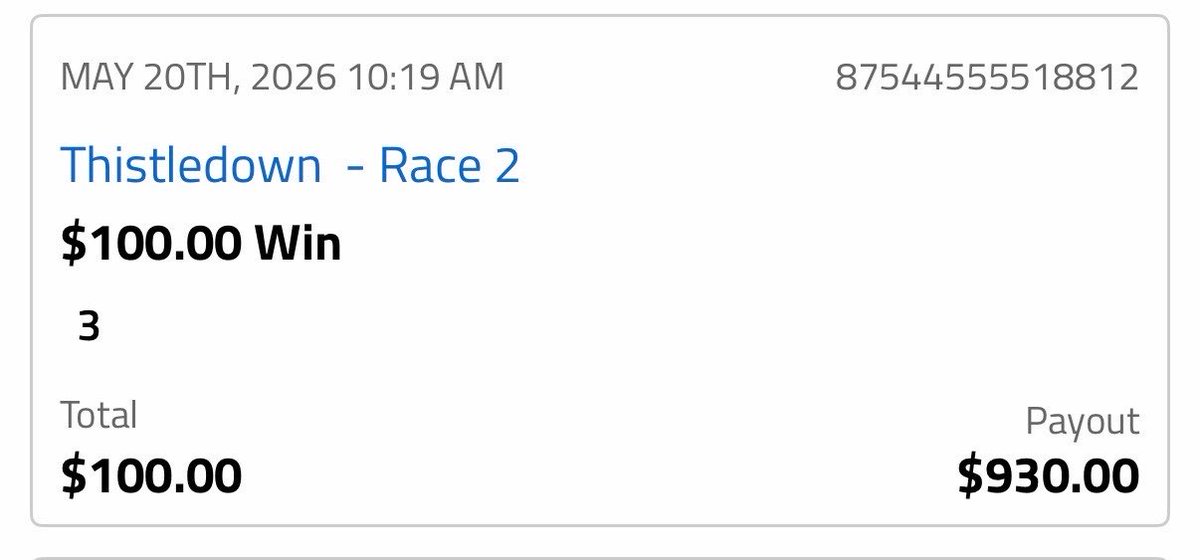
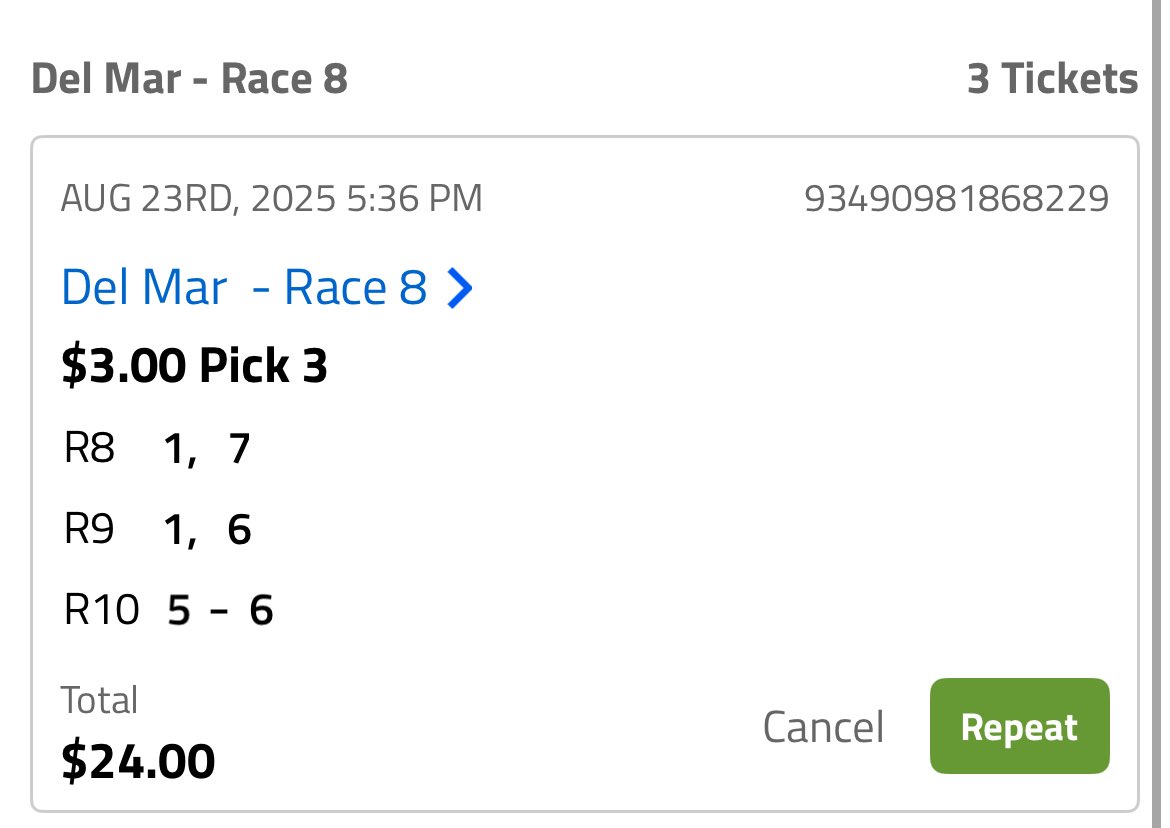
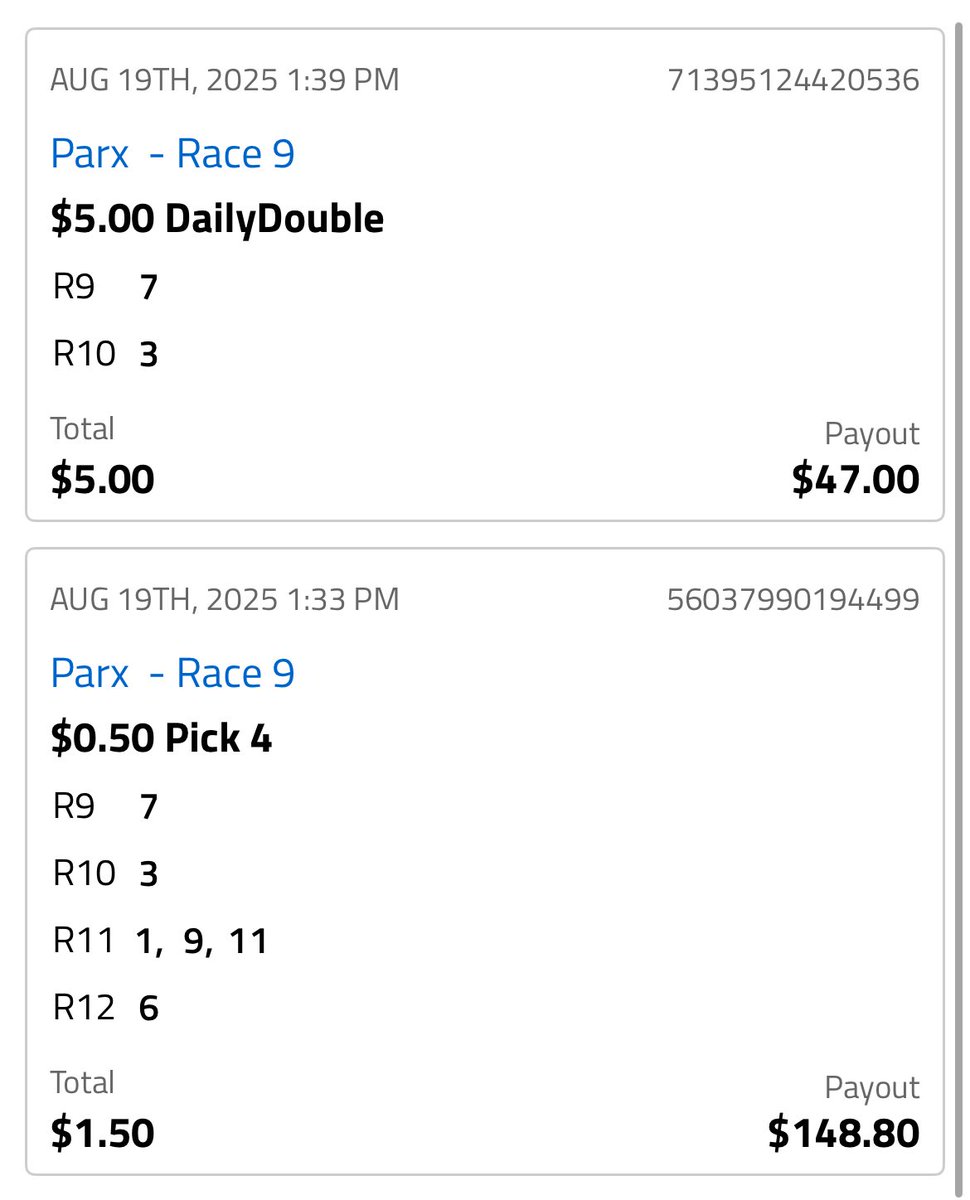
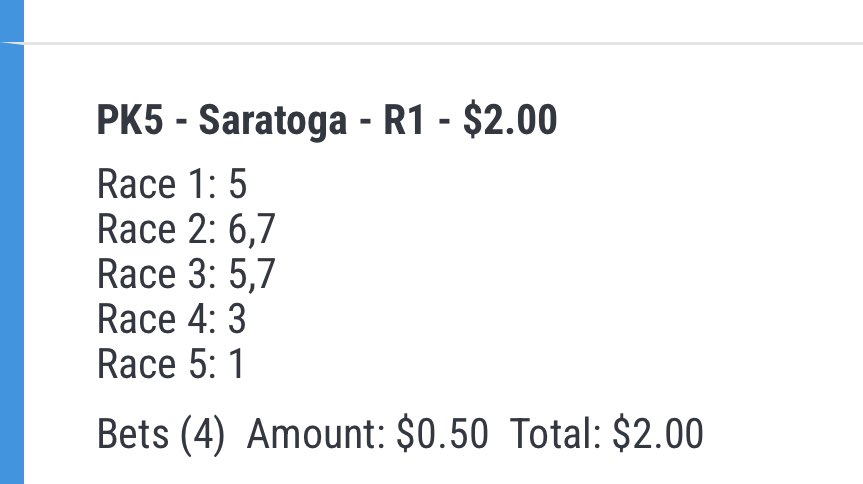
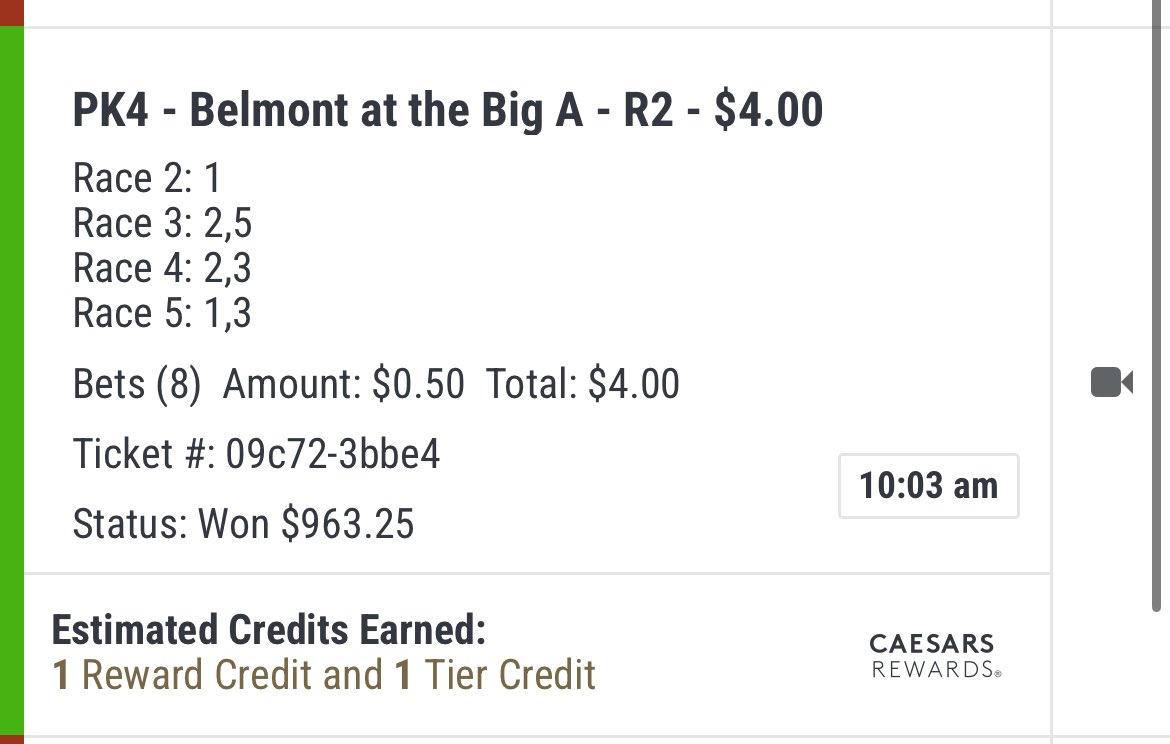
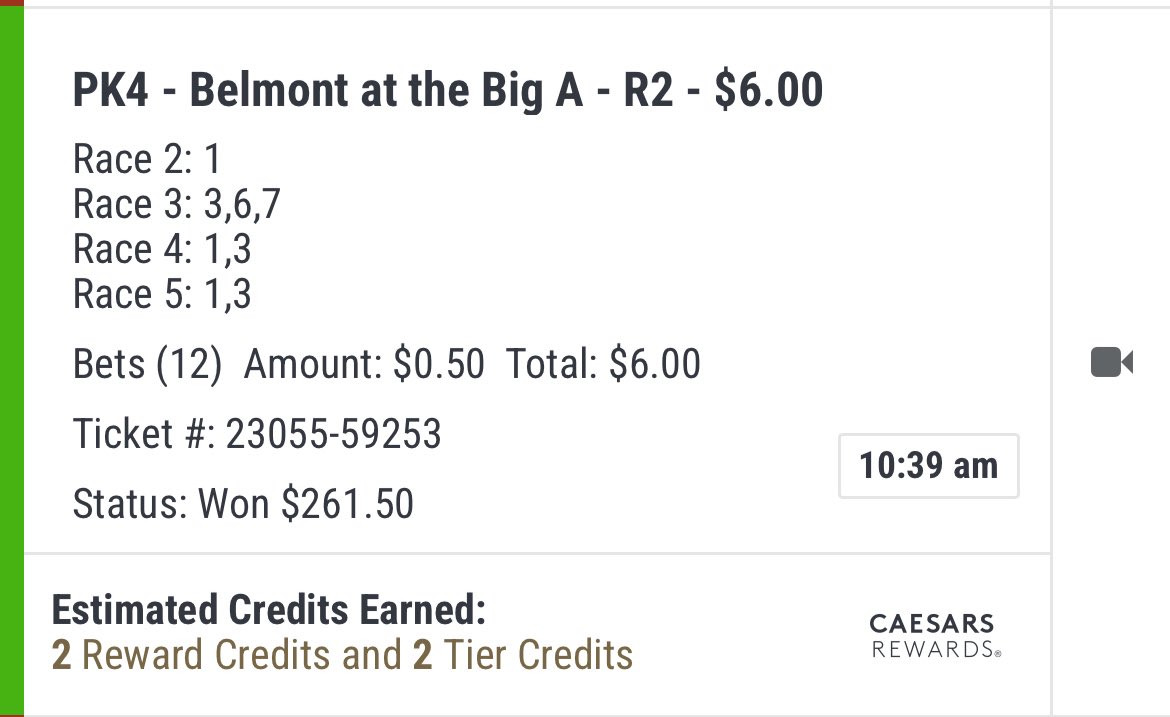
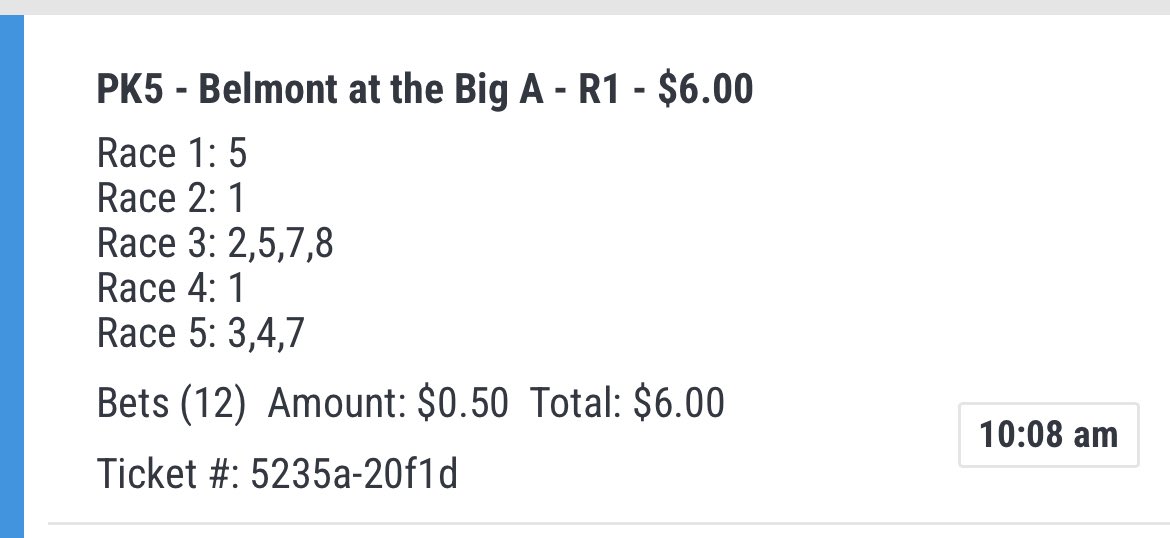
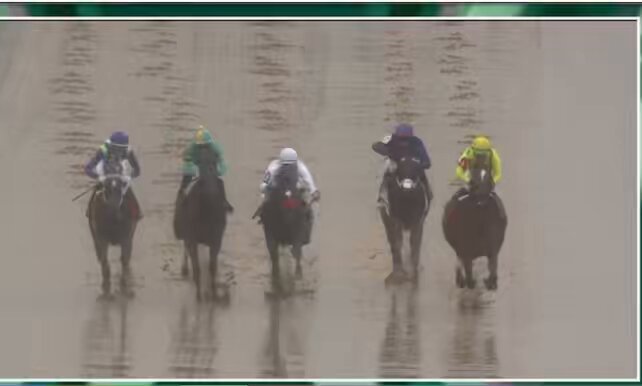
Just won a pick and pray tournament on horseplayers 🤩
ON TO TOMORROWS BCBC QUALIFIER
5
IslaBets retweeted

May 25
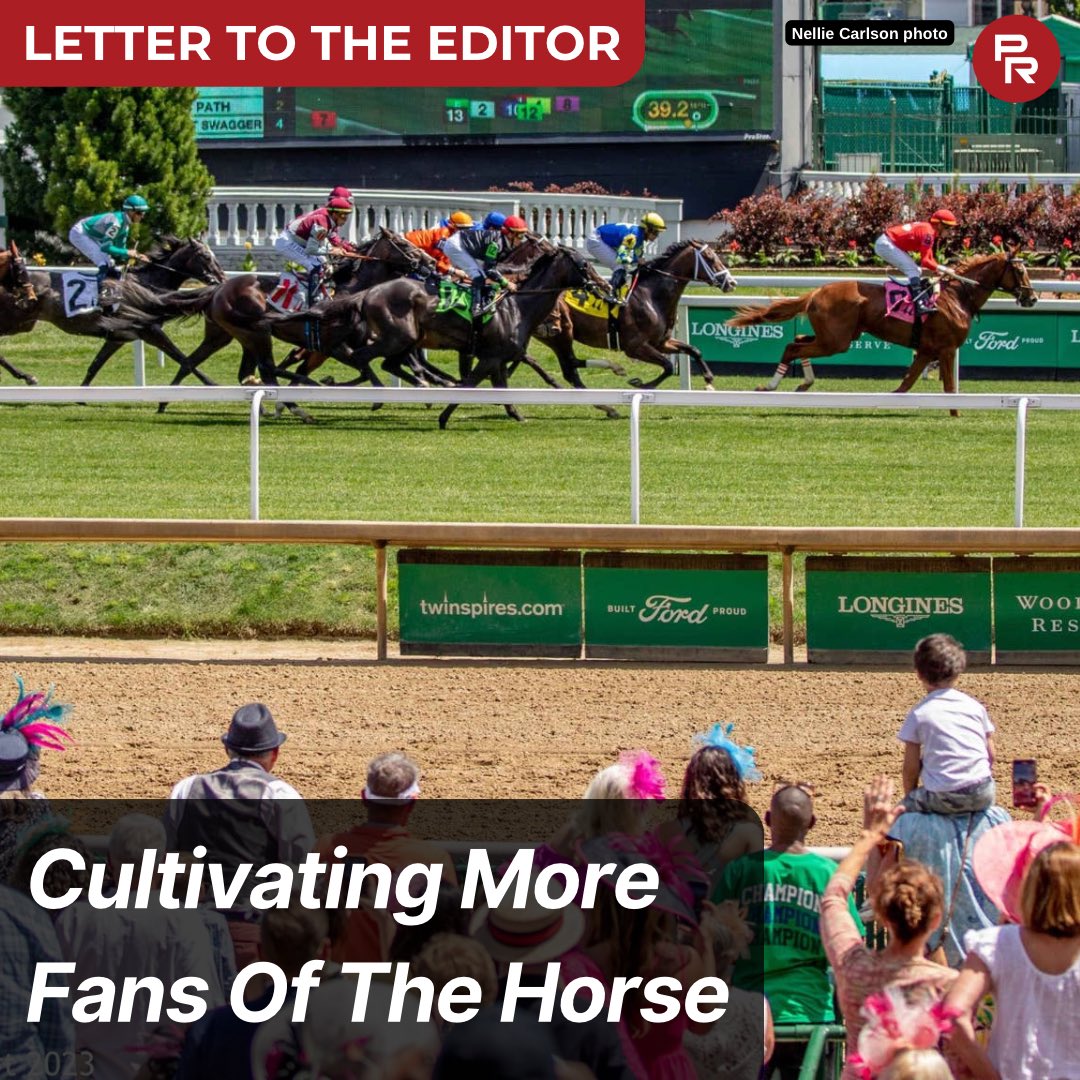
In the absence of lore, horse racing becomes just another transaction, much like picking up a gallon of milk at the grocery store, and equally as interesting.
More: paulickreport.com/news/ray-s…
11
21
103
24,439
May 24
Hit my second coast to coast pick 5 today! Still missing the 4/5 figure score but it's coming. Shout out @OptixEQ helped me nail a 12/1 shot in the first leg.
29
May 20
Shout out to @OptixEQ it's been fun learning the program and has helped my game immensely. I would have never dreamed about a 100$ win bet but their data and pace dynamics has increased my confidence.
1
671
Apr 21
Jean Aguilar is a dog shit jock. I've seen two races...almost killed two horses
26
Apr 16
How the hell do the stewards suspend Kimura 3 days!? Typical stewards not knowing their ass from a hole in the ground
26

IslaBets retweeted

Join me tonight at 9 PM ET with my favorite folks @wrong_lead as we cover the Derby and Oaks preps for this weekend.
Always a great time with the fellas @CherryDrank @Two_Turns and @CalebWVU. Tune in, have fun, and get winners.#HorseRacing
Apr 1

Join us tonight at 8PM CT/9PM ET as @CherryDrank and @Two_Turns are joined by @NYRABets own @failedtomenace and @KaylieShapiro13 to handicap all the big races this weekend! youtube.com/live/cgrhYo7Ufd0…
2
9
914
IslaBets retweeted

Mar 13
Just when you thought it couldn’t get any worse for the selfish, greedy, disgraceful pheasant-hunting @JockeyClub stewards, more shameless and flagrant conflicts of interest become incredibly evident.
It seems like Bill “The Puppetmaster” Lear strikes again.
Straight from the HISA website, guess who we find as a member of HISA’s Board of Directors???
Bill Thomason. The Puppetmaster’s brother-in-law.
How convenient for the Jockey Club to have a family member sitting on the HISA Board of Directors.
What a great way for the Jockey Club to potentially gain access to valuable inside information.
You honestly cannot make this stuff up.
At some point the entire industry has to ask a very simple question.
How is this acceptable???
Because from the outside looking in it appears that the same small circle of people control the rules, control the information, and control the narrative.
But wait…there’s more.
If you are going to have family ties on the HISA Board, you also want to make sure the legal structure stays inside the same circle.
Enter Sam Reinhardt, who serves as General Counsel at HISA.
Prior to joining HISA, Reinhardt worked at Stoll Keenon Ogden, the law firm of Bill “The Puppetmaster” Lear.
Another “coincidence” I am sure.
And it does not stop there.
Reinhardt’s father-in-law is Hank Zeitlin, who served as HISA’s interim Executive Director during the early development of the organization’s safety and anti-doping framework.
Before that, Hank spent nearly 20 years as President and COO of Equibase, a company owned by the Jockey Club.
If anyone wants to verify that, you can read about it in BloodHorse, another entity owned by the Jockey Club.
So let us recap.
The same organizations.
The same law firm.
The same leadership circles.
The same families.
And these are the people who are supposed to lead our sport with integrity and transparency???
This is honestly sad and embarrassing for our industry.
You guys disgust me to the point that I sometimes ask myself whether I even want to continue participating in this broken system.
But one thing I promise you.
My fight for the people of this industry, transparency for this game, and real accountability will not stop.
What do you think???
Mar 12

Thank you to everyone for the texts, calls, emails, messages and posts.
Yesterday’s post clearly struck a major nerve with the hardworking participants of horse racing. And honestly, it should.
Because what we’re uncovering is not only complete bullshit, it’s the kind of blatant conflict of interest and self-dealing that has held this industry back for decades.
And here’s another interesting fact.
The President and CEO of Keeneland from 2012 to 2020 was Bill Thomason.
What exactly were Mr. Thomason’s qualifications to run one of the most important institutions in horse racing for nearly a decade???
Well, Mr. Thomason is the brother-in-law of Bill Lear!!!!! 😡 🤦♂️
Yes the same Bill Lear who sits as a steward of The Jockey Club, is a trustee of Keeneland, and whose firm has represented multiple powerful racing organizations.
Nothing to see here, right???
The hardworking horsemen and women of this industry deserve transparency, fairness, and leadership that puts the sport FIRST!!!!!
Not this BS!!!!!
And to the @jockeyclub pheasant hunters……you might want to start thinking about how orange looks on you.
The People’s Commissioner.
What do you guys think???
45
32
222
41,962
IslaBets retweeted

Feb 23
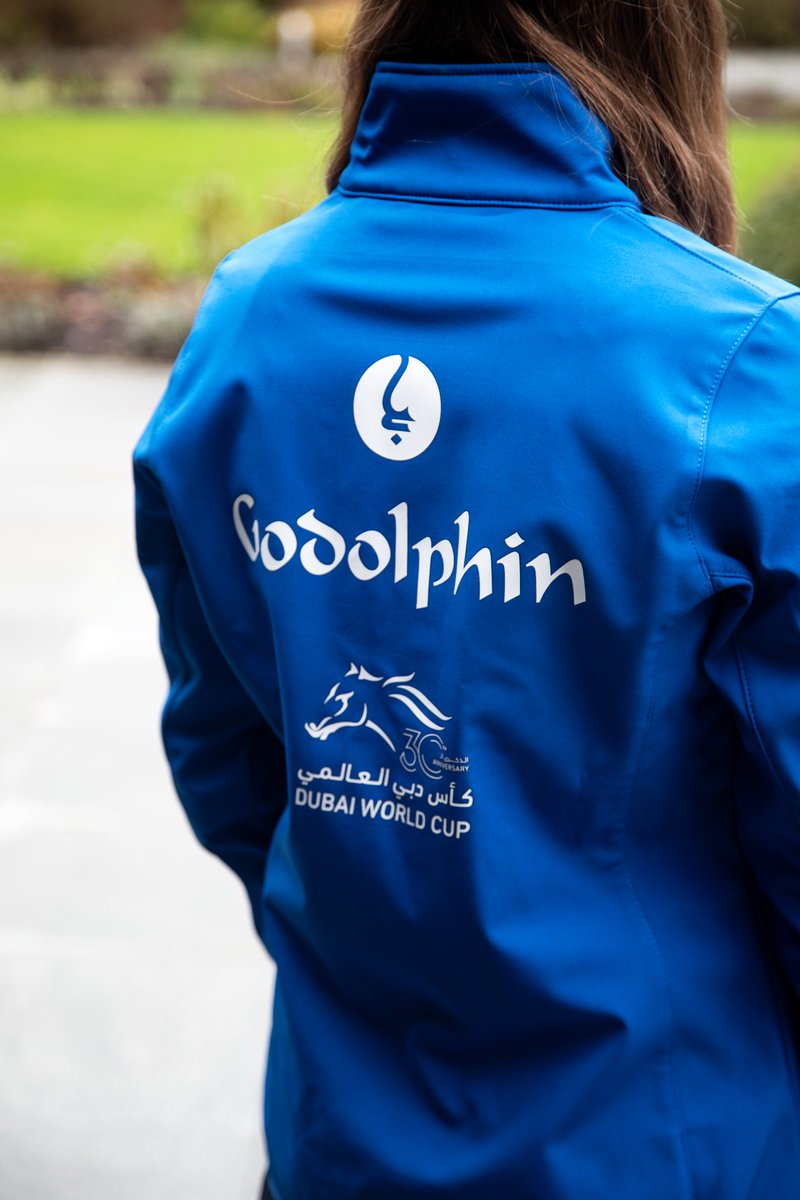
🇦🇪 It's #SuperSaturday week and what better way to celebrate than with a #ShopGodolphin giveaway!
One lucky follower will win a limited edition Dubai World Cup 30th Anniversary cap and jacket!
To enter:
👉 Follow @godolphin
💙 Like
🔃 Repost
👥 Tag a #TeamGodolphin fan
This giveaway closes on Thursday at midnight and the winner will be announced on socials on Friday.
(Crossposted on Facebook and Instagram)
#DWC26
143
208
362
26,625
IslaBets retweeted

Excuse us while we gush over these adorable little ones who arrived last night, just in time for #FoalFriday 🐴✨
13
71
712
8,996
IslaBets retweeted

Feb 19
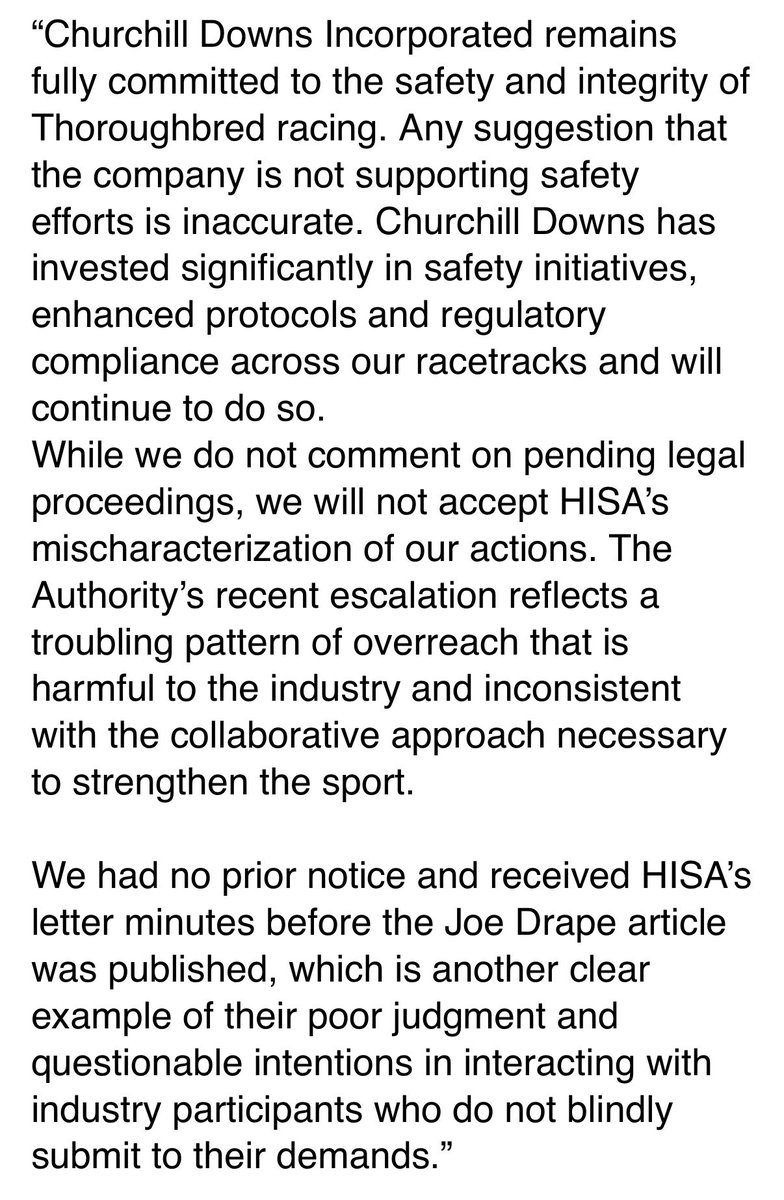
Here is the @ChurchillDowns statement addressing the current legal confrontation with @hisa_us over 2025’s assessment fees.
16
14
69
16,452
IslaBets retweeted

Feb 18
‡
Criticism of The Jockey Club Intensifies
Roughly one week ago I wrote a post entitled:
How Many Snowflakes are Needed to Trigger an Avalanche?
In it, I noted that Aron Wellman, the President & Founder of Eclipse Thoroughbred Partners, had joined Mike @RepoleStable in voicing public criticism of The Jockey Club. I described some of Mike's reckless attacks, and went on to argue that those who choose to speak out publicly would be more effective if they were to rely less (if at all) on vitriolic attacks on people and organizations in the industry, and instead focus on articulating their positions clearly, supporting them with accurate facts, being open to constructive criticism themselves, and taking responsibility when they are wrong.
It can be read through this link:
x.com/Tinky47flat/status/202…
Since then, Louis Masry, owner of @westlakeracing, and @jonathanstettin, who wrote the linked/embedded article, have been writing critical pieces, and perhaps most interesting of all, Jaime Roth of @LNJFoxwoods resigned from The Jockey Club, and wrote that they "stand with those calling for meaningful change".
I think it's fair to say that some momentum is building, and that's a good thing, broadly speaking. But my concerns all along, related to some dubious criticisms, coupled with the lack of specific proposals of how positive change might be affected, remain.
***
First, Mr. Masry's recent flurry of posts have resulted from what may seem, superficially, to be a form of clever forensic accounting. He has delved into TJC's public tax filings, and has been picking, or should I say hammering away for a couple of weeks now.
His apparent outrage runs the gamut, from questioning executive compensation, to the location of TJC's headquarters, to "Capital & Reserves", etc.
I have criticized him a couple of times directly, and his lone response was weak. I don't want to spill too much digital ink on his criticisms in this post, but will mention a dubious one that Mr. Masry has consistently focussed on. In the post linked below, he summarizes his concerns about loans made to HISA by both TJC and the Breeders' Cup, some of which were forgiven.
The main problems with his criticisms, and attendant outrage, which, of course, Mike Repole rubber-stamped, is that he/they have failed to think through the process that led to the loans, and have yet to articulate specifically why they are problematic.
TJC and BC both supported the creation of HISA. The latter required loans to get off the ground, as it had no revenue. Why should it raise eyebrows that the two industry organizations which happen to have the biggest war chests, would loan money to HISA in order to allow the organization to begin its tenure?
How might such loans produce a conflict of interest for TJC and BC? The three organizations are separate entities, and all are deeply invested in furthering the safety and welfare of racehorses. If the loans had, for example, been made by individual racetracks, that would be a different story, as conflicts of interest would be a reasonable concern. But how might TJC or BC take advantage of having made such loans? To what end? No one is judging HISA's performance on the basis of statements of public support from TJC and BC.
As to some of the loans having been forgiven, I see no evidence that any of the critics have given thought to who would have ultimately been required to pay the loans, had they not been forgiven. Who would have been on the hook? The answer is other stakeholders, including racetracks, through increased HISA fees. So a few million dollars that Mr. Masry is on about came from the more than ample reserves of two major industry organizations, rather than out of the pockets of those who ultimately pay the HISA fees.
***
On to the embedded/linked article. Jonathan was in part responding to my assertion, in a recent comment thread, that TJC has done a good job with regard to its original, and primary function as the registrar of the breed.
He admits that:
"On the one hand, the Club has maintained a Stud Book that is globally recognized for its integrity. The lineage of American Thoroughbreds is, for the most part, traceable and verifiable, a monumental task performed with bureaucratic efficiency. This alone is a testament to their enduring commitment to documentation."
Then he goes on to raise "red flags", including this:
"Perhaps the most glaring example of The Jockey Club’s anachronistic approach is its steadfast adherence to the “live cover” rule, strictly forbidding Artificial Insemination (AI) for Thoroughbred registration. In an era where AI is standard practice in virtually every other major livestock industry—from cattle to competitive equestrian sports—the Thoroughbred world remains tethered to a 19th-century breeding method."
He fleshes out some of the good reasons why AI would be preferable, and I agree that it would. But for some reason, he fails to to put TJC's failure into broader context. There may be others, but I can think of two very important impediments to progress on that issue. The first is that it would be, well, reckless to attempt to make such a change without coordinating with all other countries in the world in which there are major breeding operations. It's a worldwide breed, and considering the embrace of AI would require debate, and would need to be resolved in consort, or chaos would ensue.
The second point stems from the fact that in May, 2020, The Jockey Club announced that it had adopted a rule limiting the annual breeding of individual stallions to 140 mares. Soon after, a lawsuit was filed by Spendthrift, Three Chimneys and Coolmore, which, according to TDN, "collectively stood 16 stallions who bred over 140 mares in 2020".
Ultimately, TJC rescinded the rule, summed up, I would say rather meekly, in this quote from TDN:
“The Jockey Club board of stewards is rescinding this rule as it is concerned that the reaction to the rule may divide the industry at a time when there are many important issues that need to be addressed with unity,” said Stuart S. Janney III, chairman of The Jockey Club. “We are taking this action for the greater good of the entire industry. The Jockey Club remains committed to the sustainability and welfare of the breed and will continue to invest in programs and research that will bolster and support the industry in the years to come.”
That episode raises numerous questions, some of which relate directly to the growing public criticisms of the organization. Essentially, it demonstrated that the wealth of major Kentucky breeders, coupled with the power of largely sympathetic local KY politicians, was sufficient to prevent the acknowledged registrar of the breed from taking a step which it believed to be in the interest of the breed.
Setting aside the argument of whether or not there should be caps on mares, and if so, what the precise numbers should be, is it healthy to prioritize near-term corporate profits at the arguable expense of the long-terms health of the industry? Is that not, in fact, a dynamic that has now been thoroughly exposed, both within the industry, and in broader society, as being destructive, rather than constructive?
In relation to the recent flurry of criticisms, that event raises the question of how much power TJC actually has at its disposal. And it begs the question of whether the most outspoken critics have been setting up a straw man of sorts, in suggesting that TJC is somehow"close" to being a central authority.
And circling back to the topic of Artificial Insemination, where might TJC find the power to oppose major stud farms on that issue, when it folded tamely on mare caps?
One criticism of Jonathan's that I agree fully on was TJC's belated adoption of microchip technology. That technology was being utilized in the U.K. as early as 1998, yet was not fully adopted in the U.S. until 2017. That type of specific criticism is valuable in making the case that TJC should, and could do better. But the "blow it up" mentality is not useful, and I believe reflects poorly on those who employ it.
***
Finally, I think that it might be useful to list some of the notable issues that have been plaguing the industry for years/decades, and consider whether TJC is, or has been in a position to directly, or meaningfully impact them.
– foal crop decline
Despite the reflexive criticisms of Mike Repole, and others, TJC's recent claim that "the decline in the foal crop is the result of a complex mix of forces" is not wrong. To pretend otherwise is, frankly, to be dishonest. But it is fair to ask what TJC is doing help to arrest and reverse the decline, and argue the organization failed to take steps years ago which could have helped to at least mitigate it.
– over-breeding of stallions
Though the 140 mare cap debacle revealed a fundamental weakness, my understanding is that TJC is currently working on cutting-edge technologies that will allow breeders to make better informed decisions, and potentially strengthen the breed in a much more targeted manner than any simple mare cap could. Having said that, I believe that TJC warrants criticism for not having done more to prevent the development of what is now arguably an insidious, overly concentrated breeding ecosystem.
– breed to sell paradigm
This is another festering, related issue that I believe TJC could have done more to help mitigate. It may not have the power to dictate the "free market", but given its membership list, I see no excuse, other than self-interest, for its apparent passive acceptance of the related status quo.
– erosion of "middle-class" owners and trainers
This is yet another complex issue, and one that only a true central authority would have been in a position to directly impact. Could TJC have taken steps years ago to help mitigate the decline? I believe so, but there is arguably an intrinsic bias, reflected by the wealth and status of a large majority of the members of TJC, that tends to support to the status quo.
– product pricing (i.e. takeout)
This is outside of TJC's purview. That doesn't mean that it couldn't attempt to use its influence to push for change, but it has no real leverage over racetracks.
– CAWs
Ditto.
– decline of racetracks
This is another area in which TJC, unlike a true central authority, has little power, or leverage.
Feb 18

Well Tinky let us see
pastthewire.com/the-keeper-o…
8
2
24
14,386
IslaBets retweeted
Feb 13
This should outrage every single owner and breeder in this sport.
Let me get this straight…
The @JockeyClub forgave $1.85 million in loans (OUR money) that was handed to HISA
OUR. MONEY.
Meanwhile…
- Fear of decoupling in Florida
- Small tracks are fighting to survive.
- Owners are getting crushed with fees.
- Breeders are squeezed.
- Costs are rising everywhere.
- The foal crop keeps shrinking.
But there’s money to forgive loans???
And the @BreedersCup still has an outstanding $2.3 million loan.
Will that be forgiven also???
Could that money…
- Have supported purses in California???
- Helped address the transportation challenges shipping horses west???
- Strengthened struggling circuits???
Instead, money collected FROM owners and breeders is being loaned and forgiven.
For years I’ve raised concerns about structural conflicts and lack of independent oversight.
Here’s the core issue:
- The Jockey Club collects the data.
- They interpret the data.
- They promote the success narrative.
- Industry publications closely aligned amplify it.
Where is the independent audit???
Where is third-party verification???
Where is transparency???
Owners and breeders deserve facts, not just polished presentations
The industry deserves answers.
What do you think???

ATTN. ALL HORSE RACING STAKEHOLDERS. BRACE YOURSELVES.
Let’s stop pretending HISA @hisa_us was or is “independent."
Its own audited financials tell a very different story.
Straight from Note 6 – Long-Term Debt, HISA Long Term Debt as of 12/31/24 (See below Pg's 12-13 HISA 2024 Annual Financial Report)
Whether you support HISA or not the funding structure you are about to see needs to be known by all industry stakeholders.
THE JOCKEY CLUB @jockeyclub
• 2 secured loans totaling $750,000 (prime 1%)
• Originated 2022 & 2023
• Paid off April 2024
BUT THAT'S NOT THE HEADLINE...
The Jockey Club also CANCELLED AND FORGAVE 5 additional promissory notes totaling $1.85 MILLION, including accrued interest, in March 2023.
BREEDERS' CUP LIMITED @BreedersCup
• 6 secured loans totaling $2,351,832
• Originated 2021–2022
• Prime 1% (8.5%)
• All due August 15, 2026
• The very first loan? $50,000 on February 10, 2021. A $50,000 promissory note from a multi hundred million dollar organization?
Why structure something that small as formal secured debt unless the funding model was being built piecemeal from day one?
NTRA (National Thoroughbred Racing Assn.) @NTRA
• 2 loans totaling $500,000
• Originally due 2023
• Extended to September 2025
• Interest not accrued because NTRA intends to collect principal only
NJTHA (New Jersey Thoroughbred Horsemen's Assn.)
• $515,718 non-interest loan
• Cancelled March 2024
• FORGIVEN and offset against receivables
So let’s be clear:
HISA was funded through insider loans, extensions, waived interest, and forgiven principal all secured by HISA’s assets. Question: HISA what assets do you have? Please answer.
That’s not arms length independence.
That’s coordinated industry financing.
Shame on these companies and non-profits that we in the industry fund.
bphisaweb.wpengine.com/wp-co…
20
29
181
24,199
IslaBets retweeted

Feb 13
Obsessed is an understatement 🤩💕
Feb 13

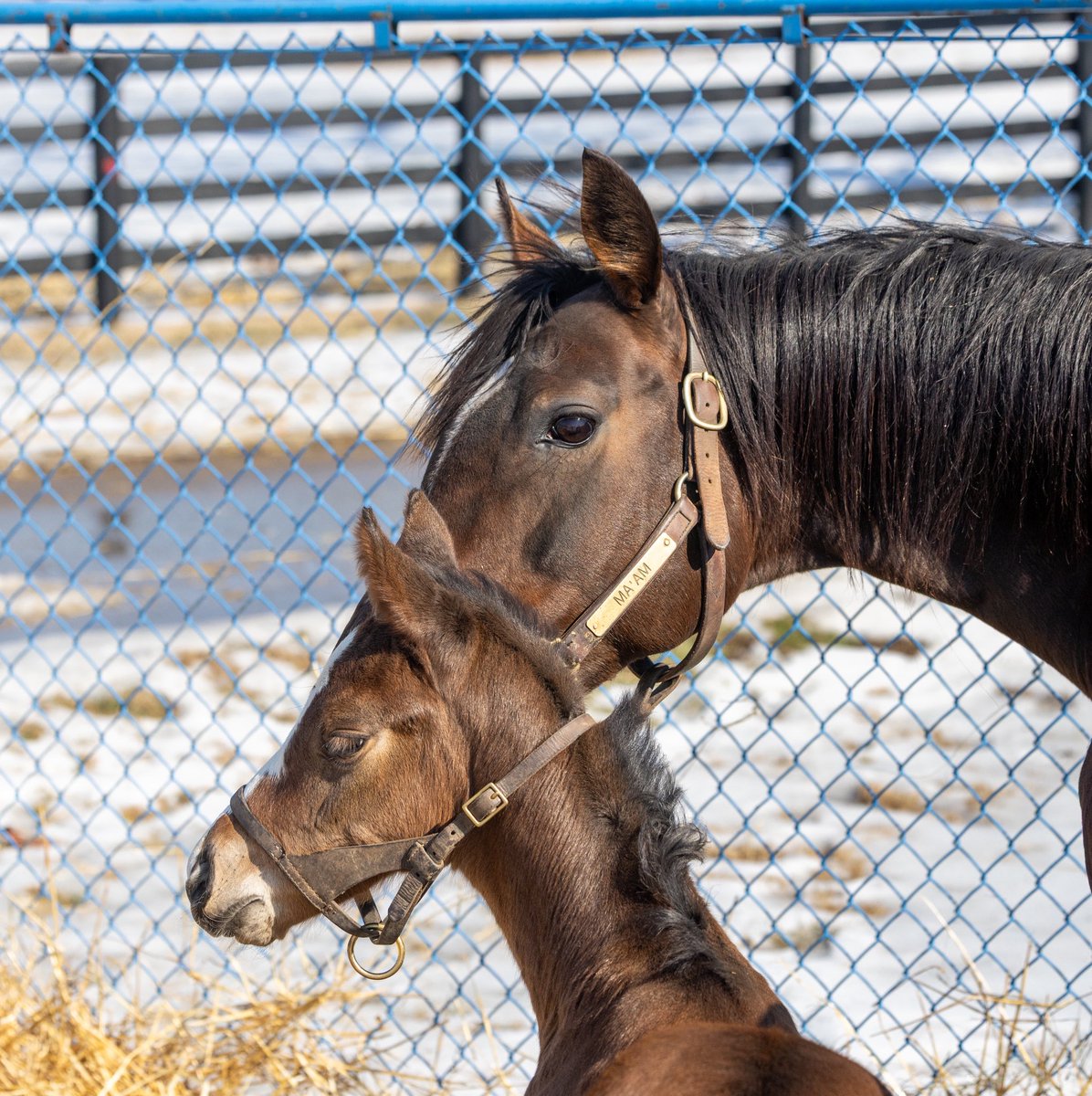
A very special #FoalFriday, featuring a half brother to @KentuckyDerby winner Mystik Dan 😍
This colt by Into Mischief out of Ma’am was born recently at Magdalena Farm, the same farm where Mystik Dan was born and raised.
He has some big shoes to fill! 🌹
#VisitHorseCountry

2
6
65
1,823
IslaBets retweeted
Feb 11
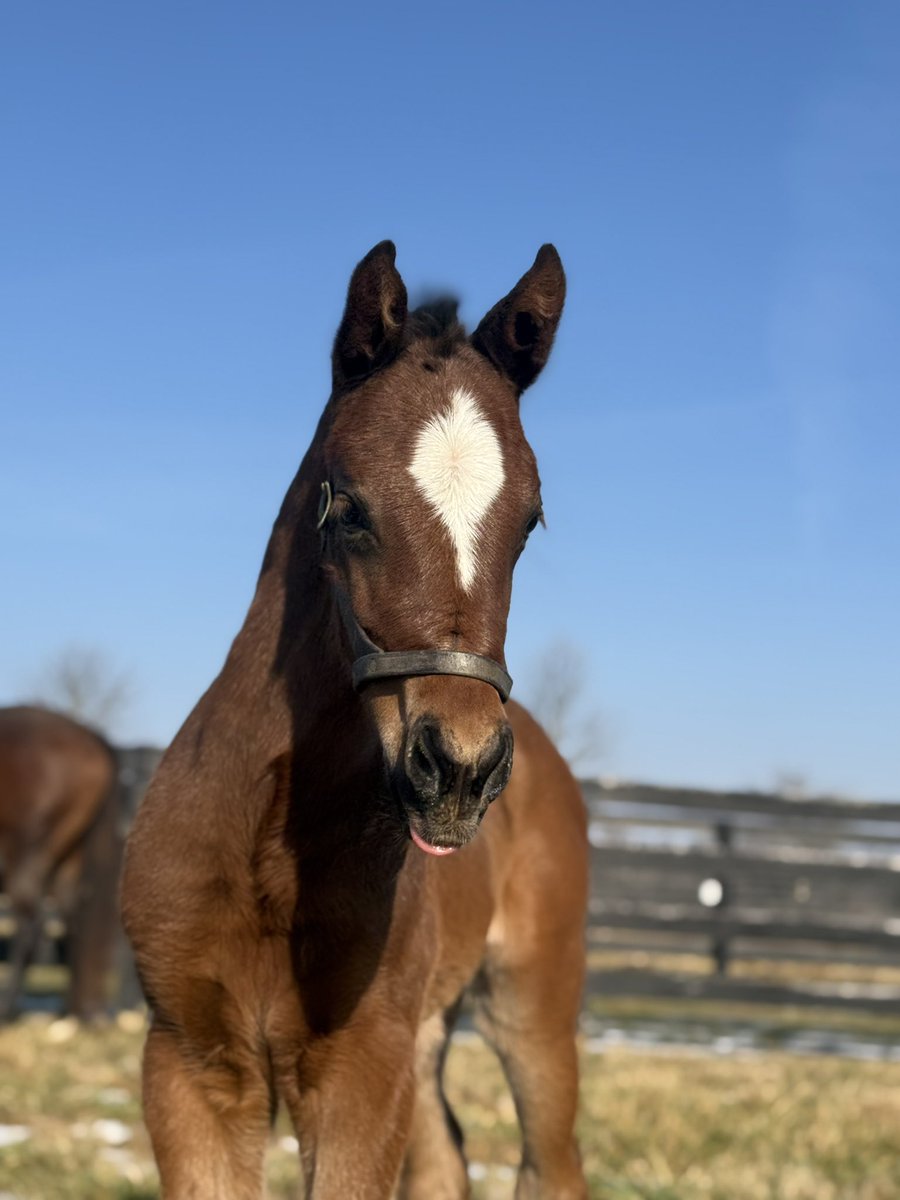
🇺🇸😋 Our Enliven filly by #CodysWish is soaking up the sunshine that finally made it to Kentucky. Suns out, tongues out! ☀️
12
36
340
5,204
IslaBets retweeted
Feb 10
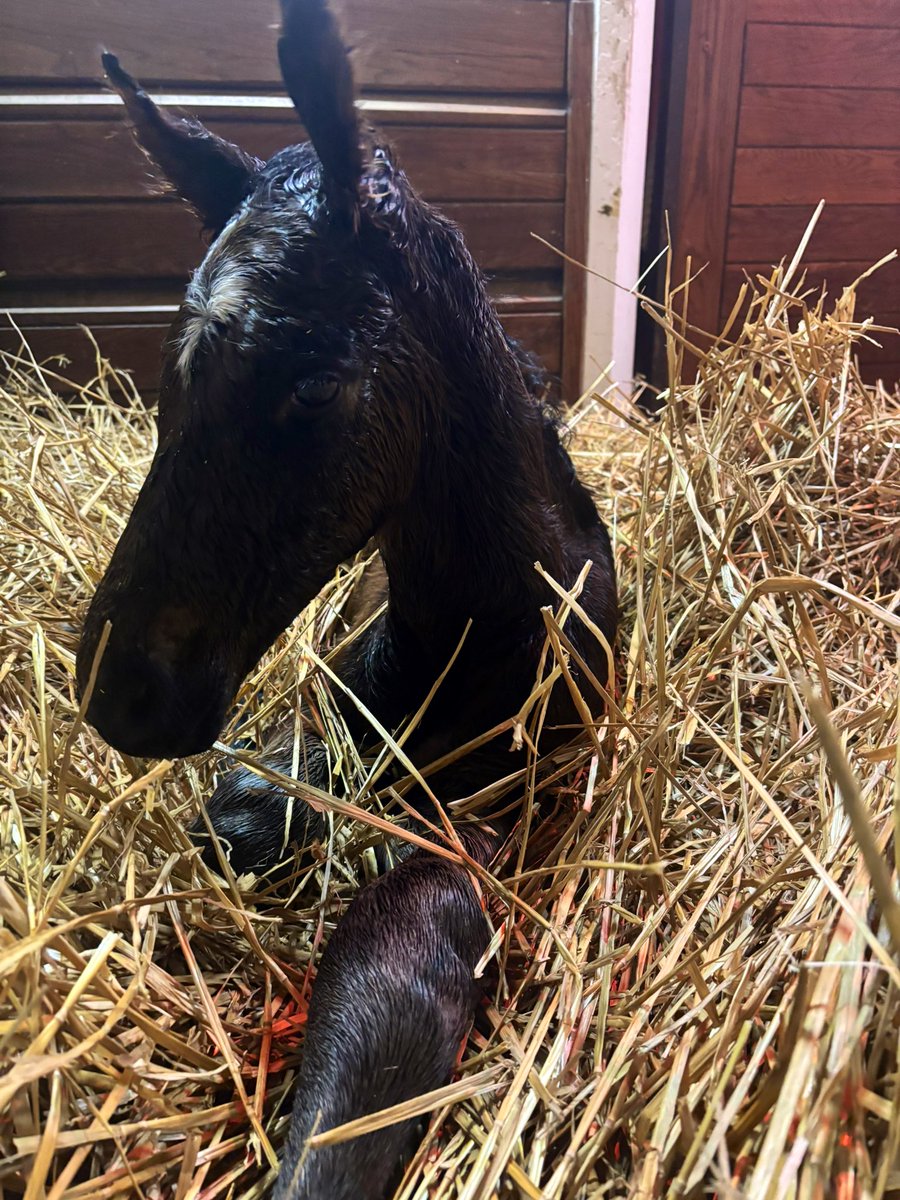
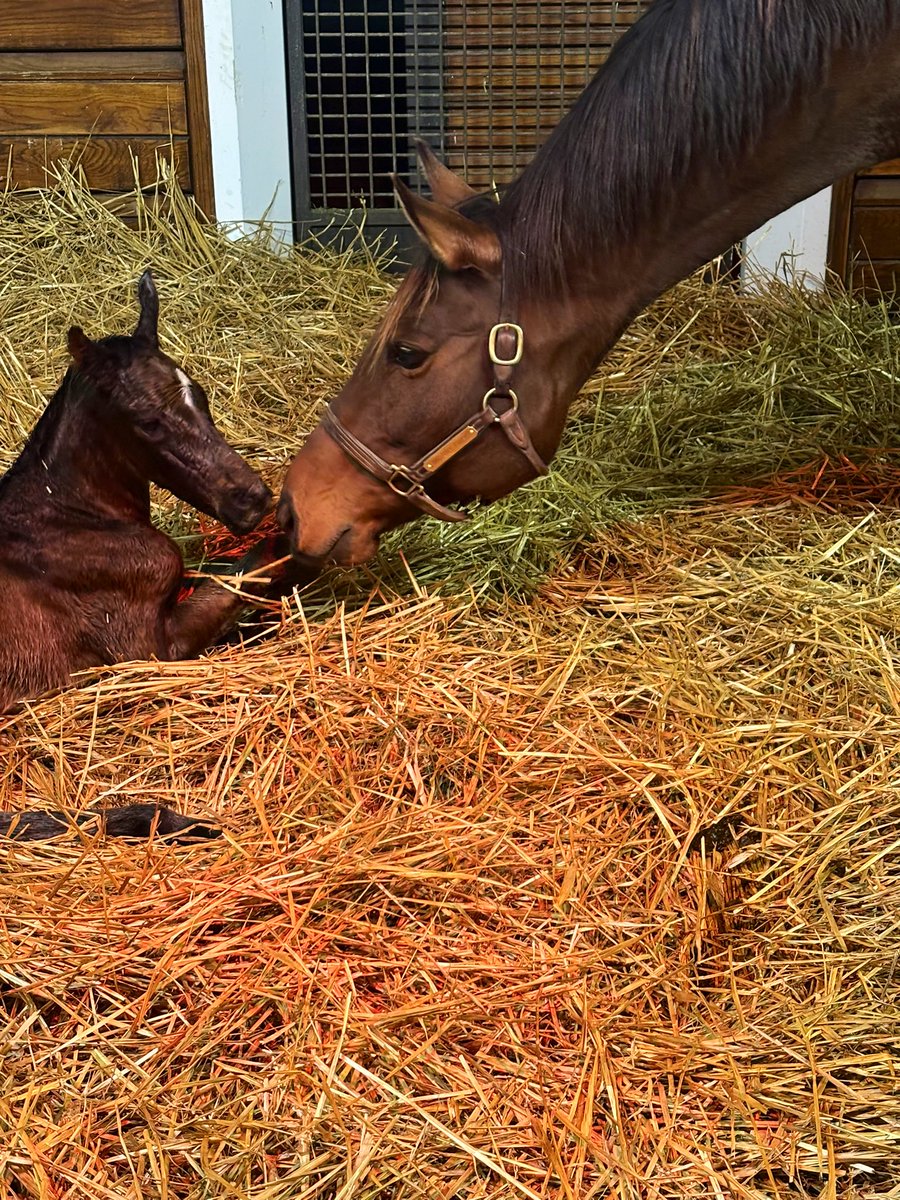
🇺🇸💙 It’s a boy! Worry Free had an adorable #StreetSense foal at #GainsboroughFarm! 😍
4
26
206
4,609

IslaBets retweeted

26 Oct 2025
RDW Community: Breeders Cup 2025
Would you like RDW to post a GRID with Selections for the 2025 Breeders Cup?
If this Post gets✔️✔️,
200 Likes for Fridays Grid
350 Likes for Saturdays Grid
The Rest is up to this community!
RDW 🤠
@BreedersCup @DelMarRacing #BreedersCup #BC2025 #BreedersCup2025 #DelMar
36
32
569
27,590