Driving sustainable growth with innovative marketing, strategic consulting, and sustainability services. Independent carbon footprint verification and reporting
- Tweets 6,875
- Following 140
- Followers 317
- Likes 2,101
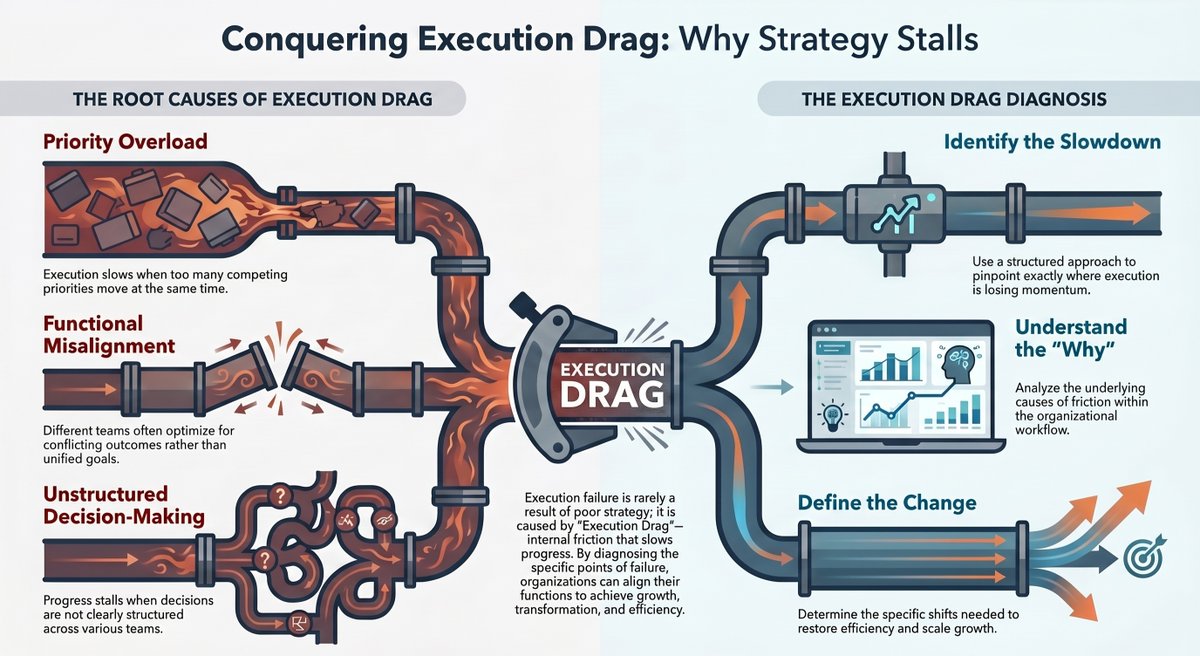




ALT Execution does not usually fail because strategy is wrong. It slows down because: → too many priorities move at the same time → different functions optimise for different outcomes → decisions are not structured across teams At 366Pi, we work on this problem through a structured way to: ➚ identify where execution is slowing ➚ understand why it is happening ➚ and define what needs to change We call it Execution Drag Diagnosis. For organisations trying to scale growth, transformation and efficiency together, this is becoming increasingly relevant. Let's discuss if this is a problem for you as well.
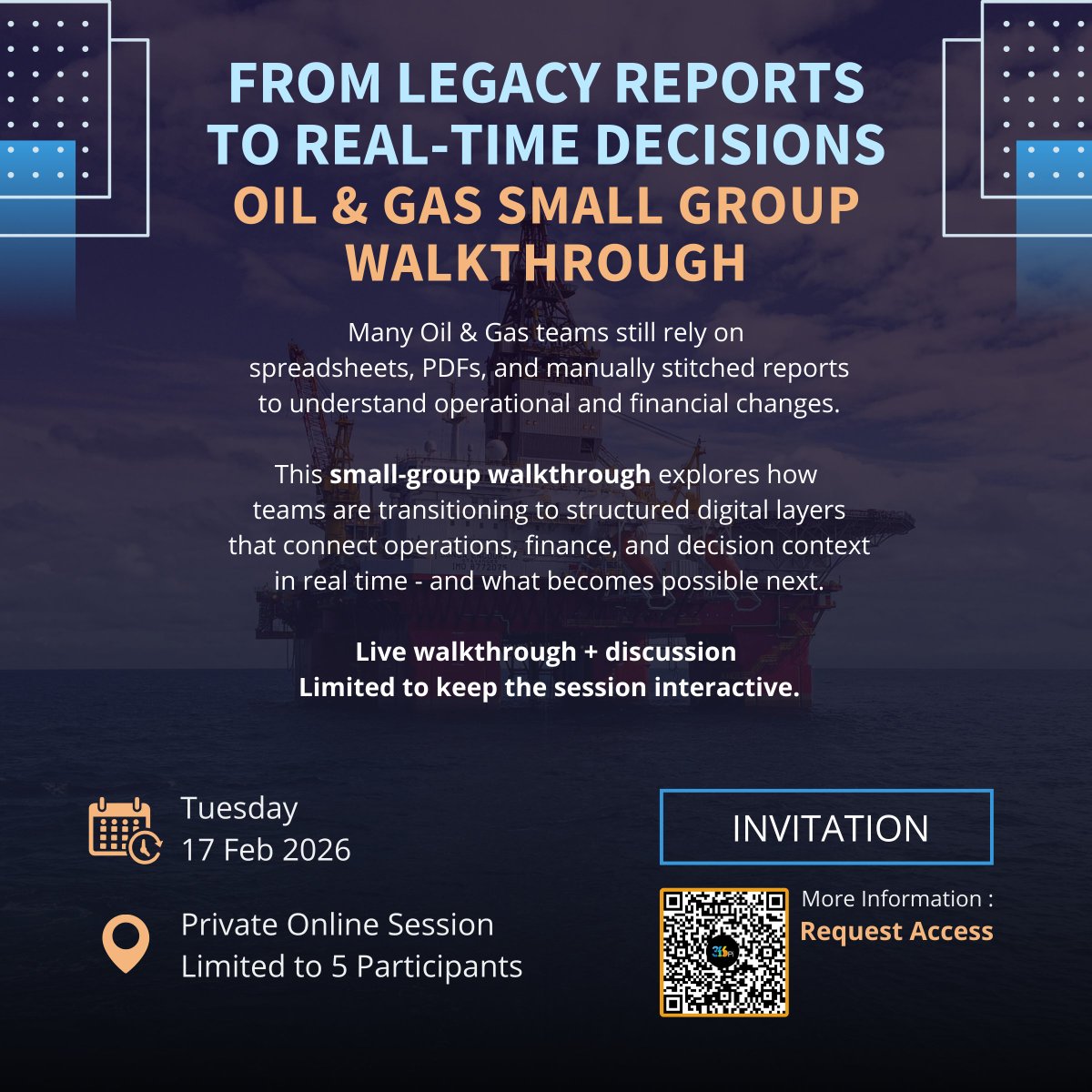
ALT 𝗙𝗿𝗼𝗺 𝗠𝗮𝗻𝘂𝗮𝗹 𝗣𝗿𝗼𝗰𝗲𝘀𝘀 𝘁𝗼 𝗥𝗲𝗮𝗹-𝗧𝗶𝗺𝗲 𝗗𝗲𝗰𝗶𝘀𝗶𝗼𝗻𝘀 𝗶𝗻 𝗢𝗶𝗹 & 𝗚𝗮𝘀. 𝘈 𝘴𝘮𝘢𝘭𝘭-𝘨𝘳𝘰𝘶𝘱 𝘸𝘢𝘭𝘬𝘵𝘩𝘳𝘰𝘶𝘨𝘩 𝘰𝘯 𝘥𝘪𝘨𝘪𝘵𝘢𝘭 𝘳𝘦𝘢𝘴𝘰𝘯𝘪𝘯𝘨 𝘭𝘢𝘺𝘦𝘳𝘴 Many Oil & Gas teams still rely on a chain of spreadsheets, PDFs, emails, and manually stitched reports to understand what is happening across operations, HSE, finance, and compliance. The data exists. The reports exist. But the explanation behind events often takes time to assemble. 𝗧𝗵𝗶𝘀 𝘀𝗺𝗮𝗹𝗹-𝗴𝗿𝗼𝘂𝗽 𝘀𝗲𝘀𝘀𝗶𝗼𝗻 𝘄𝗶𝗹𝗹 𝘄𝗮𝗹𝗸 𝘁𝗵𝗿𝗼𝘂𝗴𝗵 how structured digital context is helping organizations move beyond manual processes and gain clearer, faster understanding of operational events and their financial impact.
ALT You are not losing marketing ROI due to weak campaigns. You are losing it because of absence of decision clarity. When pressure builds, our instinct follows the same panacea of doing more, launching faster, and amplifying harder. Or at least trying to do all of these. We rarely pause to ask the difficult question, 𝗔𝗿𝗲 𝘄𝗲 𝗳𝘂𝗹𝗹𝘆 𝗰𝗹𝗲𝗮𝗿 𝗼𝗻 𝘄𝗵𝗮𝘁 𝗼𝘂𝗿 𝗼𝗿𝗴𝗮𝗻𝗶𝘀𝗮𝘁𝗶𝗼𝗻 𝗰𝗮𝗻 𝗰𝗼𝗻𝗳𝗶𝗱𝗲𝗻𝘁𝗹𝘆 𝘀𝘁𝗮𝗻𝗱 𝗯𝗲𝗵𝗶𝗻𝗱 𝗯𝗲𝗳𝗼𝗿𝗲 𝗮𝘀𝗸𝗶𝗻𝗴 𝘁𝗵𝗲 𝗺𝗮𝗿𝗸𝗲𝘁 𝘁𝗼 𝗯𝗲𝗹𝗶𝗲𝘃𝗲 𝗺𝗼𝗿𝗲?
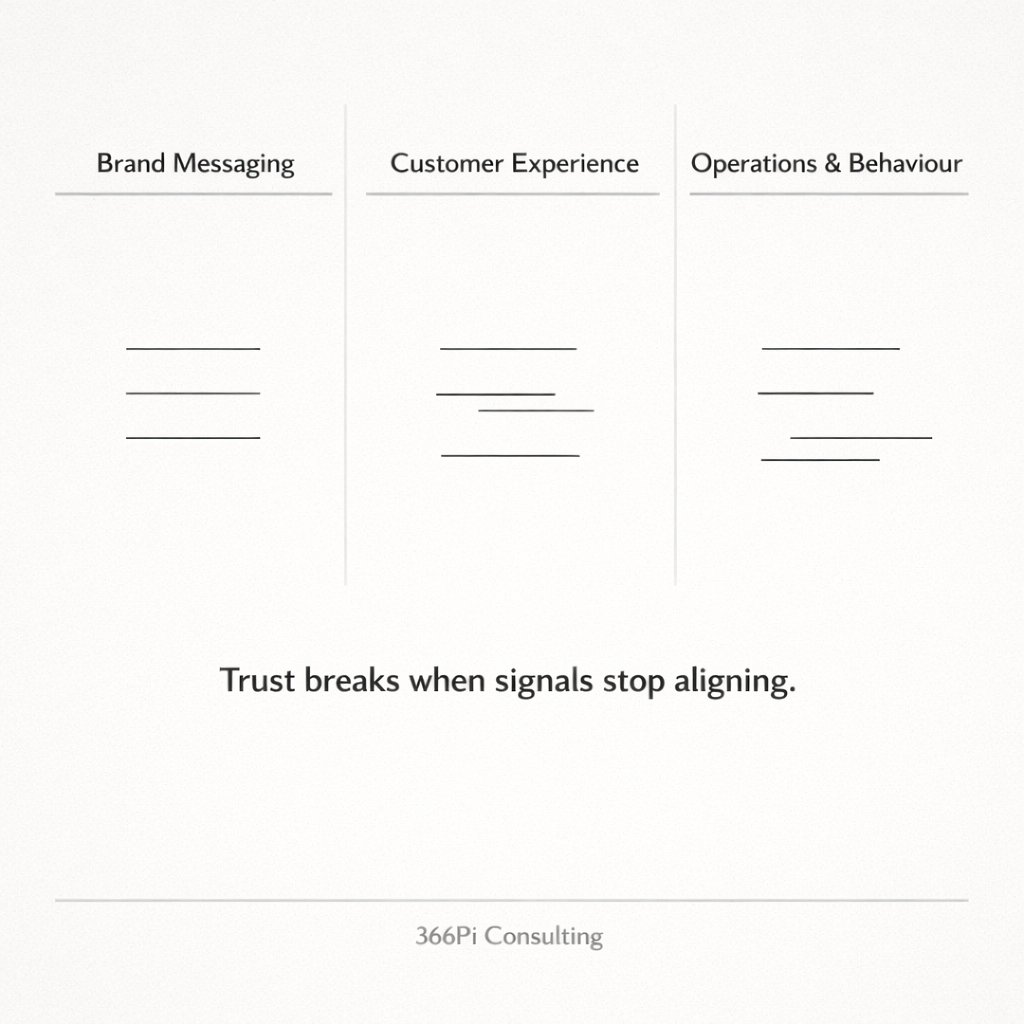
ALT 𝗖𝗹𝗮𝗿𝗶𝘁𝘆 𝗱𝗼𝗲𝘀𝗻’𝘁 𝗰𝗼𝗺𝗲 𝗳𝗿𝗼𝗺 𝗺𝗼𝗿𝗲 𝗶𝗻𝗶𝘁𝗶𝗮𝘁𝗶𝘃𝗲𝘀. It comes from knowing. In many organisations, brand, CX, sustainability, and operations does good work. The problem starts when their signals stop aligning. ➚ Marketing sharpens the narrative. ➚ Operations optimise for scale. ➚ CX fixes what’s loudest. ➚ Sustainability reports progress in isolation. Individually, everything looks right. Collectively, trust starts leaking. What we’re seeing more often now is that growth slows not because of weak ideas, but because 𝗺𝗶𝘀𝗮𝗹𝗶𝗴𝗻𝗲𝗱 𝗽𝗿𝗼𝗼𝗳 𝗳𝗼𝗿𝗰𝗲𝘀 𝗺𝗮𝗿𝗸𝗲𝘁𝗶𝗻𝗴 𝘁𝗼 𝗰𝗼𝗺𝗽𝗲𝗻𝘀𝗮𝘁𝗲 𝗳𝗼𝗿 𝗴𝗮𝗽𝘀 𝗶𝘁 𝗱𝗼𝗲𝘀𝗻’𝘁 𝗼𝘄𝗻. Clarity doesn’t come from more initiatives. 𝗜𝘁 𝗰𝗼𝗺𝗲𝘀 𝗳𝗿𝗼𝗺 𝗸𝗻𝗼𝘄𝗶𝗻𝗴: ➚ where credibility is already strong ➚ where it’s assumed ➚ and what not to invest in next That’s when trust and ROI actually compound.
ALT 𝗔𝘀 𝘁𝗵𝗲 𝘆𝗲𝗮𝗿 𝘄𝗶𝗻𝗱𝘀 𝗱𝗼𝘄𝗻, 𝗼𝗻𝗲 𝗽𝗮𝘁𝘁𝗲𝗿𝗻 𝘀𝘁𝗮𝗻𝗱𝘀 𝗼𝘂𝘁 𝗰𝗹𝗲𝗮𝗿𝗹𝘆. The brands that made the most durable progress this year weren’t the loudest. They were the most consistent. ➚ Consistency in behaviour. ➚ Consistency in decisions. ➚ Consistency in what they chose to fix quietly instead of announce loudly. In a market full of claims, proof is becoming the real differentiator, not as a campaign, but as an operating discipline. As we head into the new year, we’re looking forward to working with leadership teams who want to turn credibility into a growth advantage, not a messaging challenge. 📍 If this perspective resonates, we’re always open to exchanging notes. #strategy #branding #marketing #proof
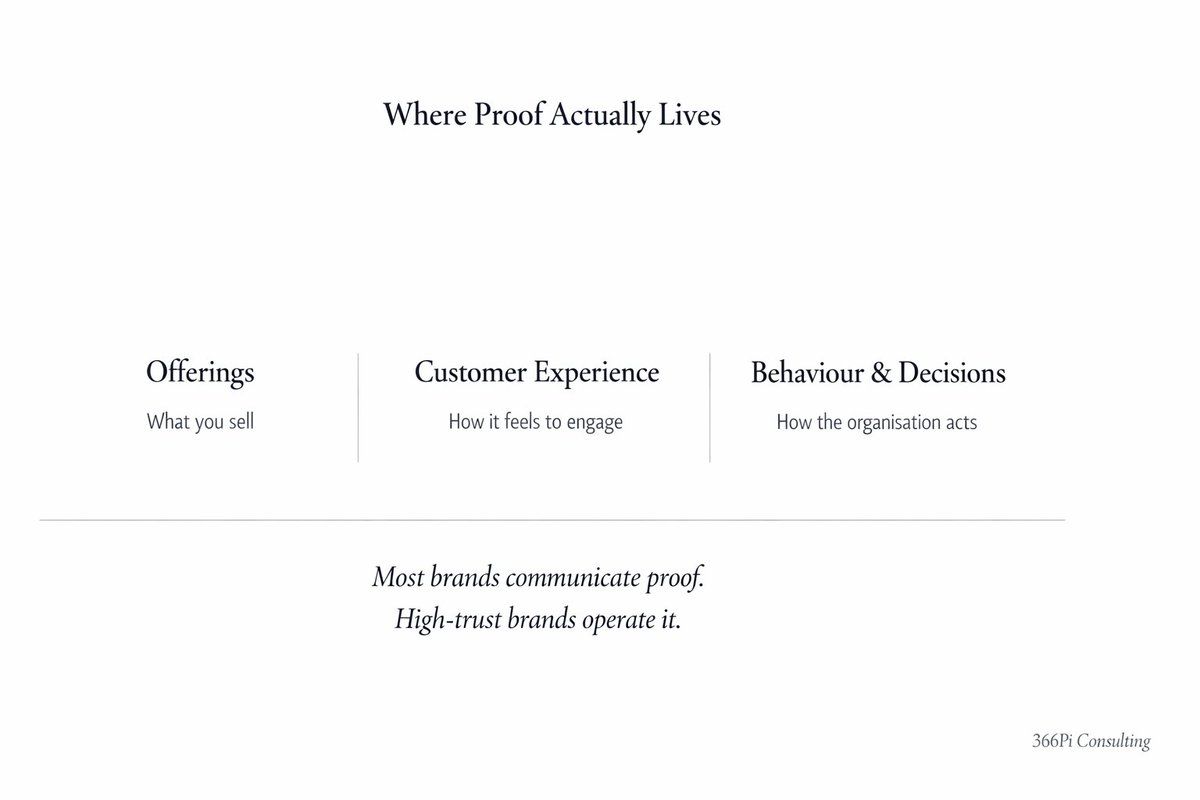
ALT 𝗠𝗼𝘀𝘁 𝗯𝗿𝗮𝗻𝗱𝘀 𝗱𝗼𝗻’𝘁 𝗵𝗮𝘃𝗲 𝗮 𝗽𝗼𝘀𝗶𝘁𝗶𝗼𝗻𝗶𝗻𝗴 𝗽𝗿𝗼𝗯𝗹𝗲𝗺. They have a proof problem. Brands are investing heavily in messaging, narratives, and campaigns, but trust isn’t compounding at the same pace. This is because 𝗰𝗹𝗮𝗶𝗺𝘀 𝗮𝗿𝗲 𝗺𝗼𝘃𝗶𝗻𝗴 𝗳𝗮𝘀𝘁𝗲𝗿 𝘁𝗵𝗮𝗻 𝗽𝗿𝗼𝗼𝗳. Differentiation isn’t created by what you say. It’s created by 𝘄𝗵𝗮𝘁 𝗰𝘂𝘀𝘁𝗼𝗺𝗲𝗿𝘀 𝗰𝗮𝗻 𝗰𝗼𝗻𝘀𝗶𝘀𝘁𝗲𝗻𝘁𝗹𝘆 𝘃𝗲𝗿𝗶𝗳𝘆: ➚ Proof in offerings ➚ Proof in customer experience ➚ Proof in organisational behaviour ➚ Proof in what gets quietly fixed ➚ Proof in decisions that repeat over time When proof is clear, positioning becomes effortless. When proof is weak, no amount of storytelling compensates. At 366Pi, we work with leadership teams to help them identify: ➚ where proof actually lives today ➚ where claims are running ahead of evidence ➚ and which proof gaps are quietly eroding trust Growth doesn’t come from louder persuasion. It comes from 𝗰𝗹𝗮𝗿𝗶𝘁𝘆
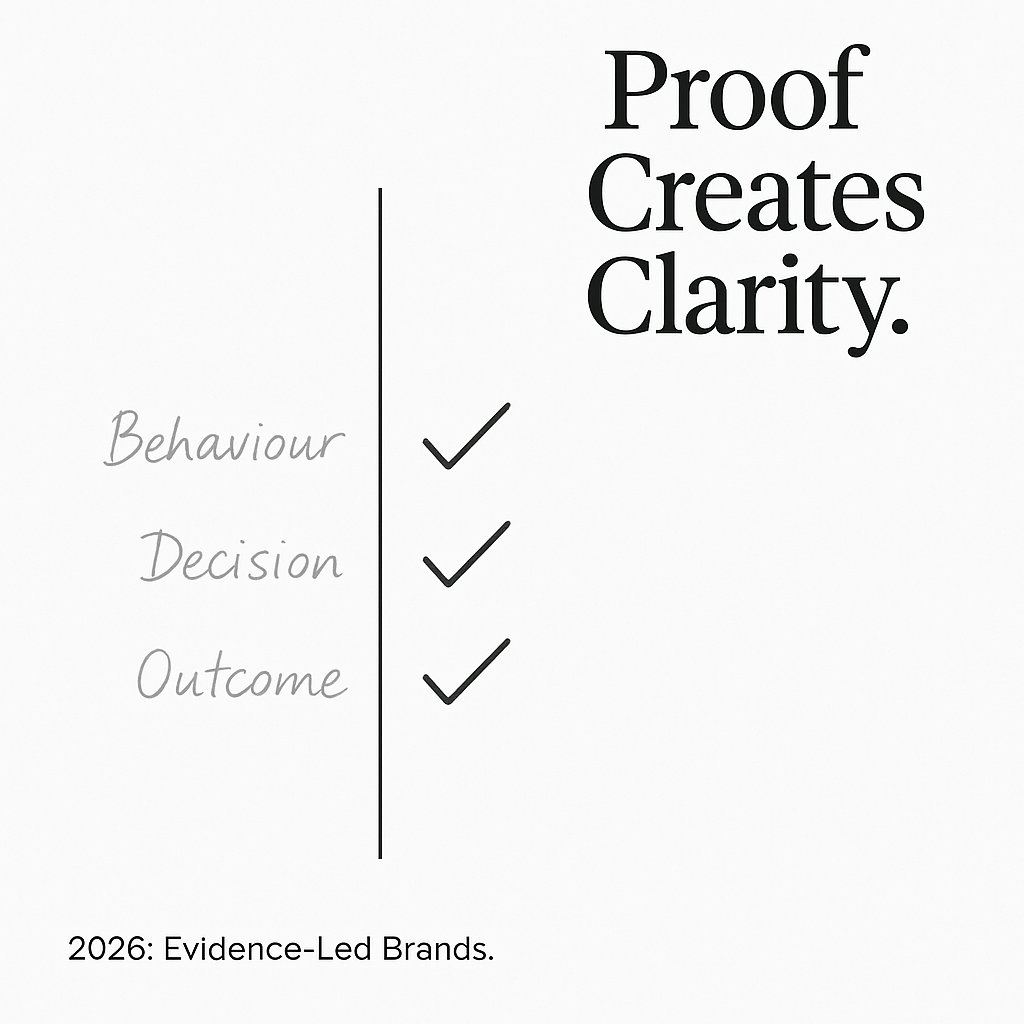
ALT 𝗧𝗵𝗲 𝗠𝗼𝘀𝘁 𝗨𝗻𝗱𝗲𝗿𝗲𝘀𝘁𝗶𝗺𝗮𝘁𝗲𝗱 𝗔𝗱𝘃𝗮𝗻𝘁𝗮𝗴𝗲 𝗶𝗻 𝟮𝟬𝟮𝟲: 𝗣𝗿𝗼𝗼𝗳. Across categories this year, one pattern kept repeating. Brands with the strongest messages are not the ones gaining ground. Brands with the clearest proof are. ➚ Proof in how they behave. ➚ Proof in what they prioritise. ➚ Proof in what they stop saying. ➚ Proof in what they quietly improve. Customers aren’t becoming more cynical. They’re becoming more skilled. ➚ Skilled at detecting noise, ➚ Skilled at verifying consistency, ➚ Skilled at separating posture from practice. This is changing positioning itself. ❌ It’s no longer "What do we want to claim?" ✅ It’s becoming "What can we consistently show?" Proof creates clarity. Clarity creates trust. And trust compounds quietly — without campaigns, without noise. 2026 will belong to evidence-led brands. #business #marketing #branding #differentiate
ALT 𝗣𝗿𝗼𝗼𝗳 > 𝗣𝗿𝗼𝗺𝗶𝘀𝗲. Across categories, one pattern is becoming unavoidable. People don’t believe brands more or less than before. They just 𝘃𝗲𝗿𝗶𝗳𝘆 more. The game has changed. ➘ Loud claims are ignored. ➚ Consistency gets noticed. ➚ Quiet corrections build trust. ➚ Evidence becomes marketing. Positioning used to be 𝘁𝗵𝗲 𝘀𝘁𝗼𝗿𝘆 𝘄𝗲 𝘁𝗲𝗹𝗹. In 2026, it becomes 𝘁𝗵𝗲 𝘄𝗼𝗿𝗸 𝘄𝗲 𝗰𝗮𝗻 𝘀𝗵𝗼𝘄. And brands that understand this early will grow quietly and steadily. #future #business #marketing #strategy
ALT 𝗘𝘃𝗲𝗿𝘆𝗼𝗻𝗲 𝗺𝗲𝗮𝘀𝘂𝗿𝗲𝘀 𝗮𝘁𝘁𝗲𝗻𝘁𝗶𝗼𝗻. 𝗕𝘂𝘁 𝘃𝗲𝗿𝘆 𝗳𝗲𝘄 𝗺𝗲𝗮𝘀𝘂𝗿𝗲 𝗯𝗲𝗹𝗶𝗲𝗳. Yet belief is the signal that decides whether: ➚ a narrative lands, ➚ a promise holds, ➚ and a brand is taken seriously. 2025 made one thing clear, "brands with strong belief-signals grow more efficiently than brands with strong advertising". As we enter 2026, the question isn’t: “How loudly do we communicate?” but “How clearly do we signal proof?” More on this soon. #BrandStrategy #Sustainability #ESG #Credibility
ALT 𝗪𝗵𝗮𝘁 𝗲𝘅𝗮𝗰𝘁𝗹𝘆 𝗶𝘀 𝘁𝗵𝗲 𝗣𝘂𝗿𝗽𝗼𝘀𝗲 𝗩𝗮𝗹𝘂𝗮𝘁𝗶𝗼𝗻 𝗠𝗼𝗱𝗲𝗹 (𝗣𝗩𝗠)? 𝗛𝗲𝗿𝗲’𝘀 𝘁𝗵𝗲 𝗰𝗹𝗲𝗮𝗿𝗲𝘀𝘁 𝘄𝗮𝘆 𝘁𝗼 𝘁𝗵𝗶𝗻𝗸 𝗮𝗯𝗼𝘂𝘁 𝗶𝘁. Every brand has a purpose. Very few have the proof to back it. And in every category we’ve studied in last 12 weeks, one pattern keeps returning: 𝗠𝗮𝗿𝗸𝗲𝘁𝘀 𝗿𝗲𝘄𝗮𝗿𝗱 𝗯𝗲𝗹𝗶𝗲𝗳, 𝗻𝗼𝘁 𝗰𝗹𝗮𝗶𝗺𝘀, 𝗻𝗼𝘁 𝗰𝗮𝗺𝗽𝗮𝗶𝗴𝗻𝘀, 𝗻𝗼𝘁 𝗰𝗼𝗺𝗺𝗶𝘁𝗺𝗲𝗻𝘁𝘀. That’s why we built the Purpose Valuation Model (PVM): a structured way to measure belief as brand value. Not sentiment. Not perception. Not ESG scoring. Something deeper and more predictive. Here’s how it works at a simple level. 𝗣𝗩𝗠 𝗠𝗲𝗮𝘀𝘂𝗿𝗲𝘀 𝗙𝗶𝘃𝗲 𝗖𝗼𝗿𝗲 𝗦𝗶𝗴𝗻𝗮𝗹𝘀: → Intent Clarity: how clearly the purpose is understood → Proof Strength: how consistently it shows up in actions → Consistency Score: whether the narrative matches behaviour → Audience Alignment: how well people actually connect with it
ALT 𝗛𝗼𝘄 𝗱𝗼 𝘆𝗼𝘂 𝗺𝗲𝗮𝘀𝘂𝗿𝗲 𝗯𝗲𝗹𝗶𝗲𝗳? 𝗛𝗲𝗿𝗲’𝘀 𝗮 𝗾𝘂𝗶𝗰𝗸 𝘀𝗻𝗮𝗽𝘀𝗵𝗼𝘁. Every brand signals intent, only a few can show proof. Here's a simple overview of what we are building inside Purpose Valuation Model (PVM): Brief Signals (Brand XYZ) 🚦 Intent Clarity: 7.8/10 🚦 Proof Strength: 4.2/10 🚦 Consistency Score: 6.1/10 🚦 Audience Alignment: 5.4/10 🚦 Trust Momentum: 2.3 points (last 6 months) 𝗪𝗵𝗮𝘁 𝗶𝘁 𝗺𝗲𝗮𝗻𝘀 (𝗥𝗲𝘀𝘂𝗹𝘁 𝗜𝗻𝘁𝗲𝗿𝗽𝗿𝗲𝘁𝗮𝘁𝗶𝗼𝗻)? This brand is communicating purpose well, but its proof gap is holding back trust momentum which directly impacts preference and brand value. As we refine the model with more collaborators, these signals will help teams understand: → Where they lead → Where they lag → What belief is worth 📍 If you want your brand to be an early collaborator (low cost), comment PVM or reach out to Sushant Bharti. #marketing #growthmindset #brandstrategy #business
ALT 𝗜𝗻 𝘂𝗻𝗰𝗲𝗿𝘁𝗮𝗶𝗻 𝗺𝗮𝗿𝗸𝗲𝘁𝘀, 𝘁𝗵𝗲 𝗯𝗿𝗮𝗻𝗱𝘀 𝘁𝗵𝗮𝘁 𝘄𝗶𝗻 𝗮𝗿𝗲𝗻’𝘁 𝘁𝗵𝗲 𝗼𝗻𝗲𝘀 𝘄𝗶𝘁𝗵 𝗽𝘂𝗿𝗽𝗼𝘀𝗲. 𝗧𝗵𝗲𝘆’𝗿𝗲 𝘁𝗵𝗲 𝗼𝗻𝗲𝘀 𝘄𝗶𝘁𝗵 𝗽𝗿𝗼𝗼𝗳. Across industries, the last few quarters have made one thing clear i.e. Brand value is shifting from stories you tell to signals you can demonstrate. → Investors want proof of resilience. → Customers want proof of intent. → Employees want proof of direction. The irony is that most brands still measure performance through output, while the market is evaluating them on belief. → Belief drives trust. → Trust drives preference. → Preference drives revenue. Currently, this chain is breaking for most companies. That's why we've been building something different at 366Pi. ❌ Not another purpose framework ❌ Not another ESG checklist ✅ But, a Proof Engine A structured way to quantify how your purpose, impact, and brand performance convert into measurable belief. We call it the PVM
ALT 𝗣𝗿𝗼𝗼𝗳 𝗵𝗮𝘀 𝗽𝗼𝘄𝗲𝗿, 𝗯𝘂𝘁 𝗽𝗮𝗿𝘁𝗻𝗲𝗿𝘀𝗵𝗶𝗽 𝗴𝗶𝘃𝗲𝘀 𝗶𝘁 𝘀𝗰𝗮𝗹𝗲. Over the last few weeks, the 𝗣𝘂𝗿𝗽𝗼𝘀𝗲 𝗩𝗮𝗹𝘂𝗮𝘁𝗶𝗼𝗻 𝗠𝗼𝗱𝗲𝗹 (𝗣𝗩𝗠) began proving one simple truth i.e. 𝗯𝗲𝗹𝗶𝗲𝗳 𝗰𝗮𝗻 𝗯𝗲 𝗺𝗲𝗮𝘀𝘂𝗿𝗲𝗱, 𝗮𝗻𝗱 𝗰𝗿𝗲𝗱𝗶𝗯𝗶𝗹𝗶𝘁𝘆 𝗰𝗼𝗺𝗽𝗼𝘂𝗻𝗱𝘀 when it’s structured well. Now, the next step begins. We’re taking the Proof of Purpose forward into Partnership. When purpose moves from reports to relationships. When sustainability, brand value, and marketing intelligence work as one ecosystem, not silos. 💡 At 366Pi, we’re collaborating with organizations that want to move beyond declarations and build measurable systems of credibility and growth. This is where purpose meets partnership, and every collaboration becomes a living case study in belief. Reach out! 📍 The future isn’t about saying more. It’s about proving together. #business #sustainability #collaboration #strategy #Purpose
ALT This month, as the Purpose Valuation Model (PVM) began its first steps into practice, one realization became clear i.e. "Purpose isn’t what a brand says. It’s what the world can verify." Across every dialogue, every framework, and every industry we touched, one pattern stood out: ⚡️ 𝗣𝘂𝗿𝗽𝗼𝘀𝗲 𝗶𝘀 𝘁𝗵𝗲 𝘀𝗽𝗮𝗿𝗸. ⚡️ 𝗣𝗿𝗼𝗼𝗳 𝗶𝘀 𝘁𝗵𝗲 𝘀𝘁𝗿𝘂𝗰𝘁𝘂𝗿𝗲. ⚡️ 𝗧𝗼𝗴𝗲𝘁𝗵𝗲𝗿, 𝘁𝗵𝗲𝘆 𝗳𝗼𝗿𝗺 𝗯𝗲𝗹𝗶𝗲𝗳 𝘁𝗵𝗮𝘁 𝗹𝗮𝘀𝘁𝘀. That’s what we’re building, a measurable language for belief, trust, and credibility. 𝗧𝗵𝗶𝘀 𝗽𝗵𝗮𝘀𝗲 𝘄𝗮𝘀 𝗷𝘂𝘀𝘁 𝘁𝗵𝗲 𝗯𝗲𝗴𝗶𝗻𝗻𝗶𝗻𝗴, 𝘁𝗵𝗲 𝗣𝗿𝗼𝗼𝗳 𝗼𝗳 𝗣𝘂𝗿𝗽𝗼𝘀𝗲. Next comes Partnership where we’ll explore how organizations can co-create, quantify, and amplify their belief advantage. 💡 𝗘𝘃𝗲𝗿𝘆 𝗽𝘂𝗿𝗽𝗼𝘀𝗲 𝗱𝗲𝘀𝗲𝗿𝘃𝗲𝘀 𝗶𝘁𝘀 𝗽𝗿𝗼𝗼𝗳. 𝗔𝗻𝗱 𝗲𝘃𝗲𝗿𝘆 𝗽𝗿𝗼𝗼𝗳 𝗱𝗲𝘀𝗲𝗿𝘃𝗲𝘀 𝘁𝗼 𝗯𝗲 𝘀𝗵𝗮𝗿𝗲𝗱. 📍 Write to explore Purpose Valuation Model for your brand. #strategy #marketing #brand #sustainability
ALT 𝗘𝘃𝗲𝗿𝘆 𝗶𝗻𝗱𝘂𝘀𝘁𝗿𝘆 𝗺𝗲𝗮𝘀𝘂𝗿𝗲𝘀 𝗽𝗲𝗿𝗳𝗼𝗿𝗺𝗮𝗻𝗰𝗲 𝗱𝗶𝗳𝗳𝗲𝗿𝗲𝗻𝘁𝗹𝘆. 𝗕𝘂𝘁 𝗯𝗲𝗹𝗶𝗲𝗳 𝗯𝗲𝗵𝗮𝘃𝗲𝘀 𝘁𝗵𝗲 𝘀𝗮𝗺𝗲 𝘄𝗮𝘆 𝗲𝘃𝗲𝗿𝘆𝘄𝗵𝗲𝗿𝗲. Whether it is a foundation, a university network, or a brand on the shelf - the same pattern keeps surfacing: → Purpose defines intent → Trust decides traction → Proof determines value That's why we didn't built the 𝗣𝘂𝗿𝗽𝗼𝘀𝗲 𝗩𝗮𝗹𝘂𝗮𝘁𝗶𝗼𝗻 𝗠𝗼𝗱𝗲𝗹 (𝗣𝗩𝗠) for a single sector. It is built for any organization that believes 𝗿𝗲𝗽𝘂𝘁𝗮𝘁𝗶𝗼𝗻 𝗶𝘀 𝗰𝗮𝗽𝗶𝘁𝗮𝗹. Even in our recent conversation with brands one truth has stayed constant i.e. "𝘁𝗵𝗲 𝗳𝘂𝘁𝘂𝗿𝗲 𝗼𝗳 𝗴𝗿𝗼𝘄𝘁𝗵 𝘄𝗶𝗹𝗹 𝗯𝗲𝗹𝗼𝗻𝗴 𝘁𝗼 𝘁𝗵𝗼𝘀𝗲 𝘄𝗵𝗼 𝗰𝗮𝗻 𝗽𝗿𝗼𝘃𝗲 𝘄𝗵𝗮𝘁 𝘁𝗵𝗲𝘆 𝘀𝘁𝗮𝗻𝗱 𝗳𝗼𝗿, 𝗻𝗼𝘁 𝗷𝘂𝘀𝘁 𝘀𝗽𝗲𝗮𝗸 𝗶𝘁." Purpose without proof is philosophy. Proof without Purpose is performance. Together, they for belief that scales. 💡 PVM is sector-agnostic, but belief-specific.
ALT 𝗘𝘃𝗲𝗻 𝗯𝗲𝗳𝗼𝗿𝗲 𝘁𝗵𝗲 𝗻𝘂𝗺𝗯𝗲𝗿𝘀 𝗰𝗼𝗺𝗲 𝗶𝗻, 𝘀𝗼𝗺𝗲 𝘁𝗿𝘂𝘁𝗵𝘀 𝗮𝗿𝗲 𝗮𝗹𝗿𝗲𝗮𝗱𝘆 𝘀𝘁𝗮𝗿𝘁𝗶𝗻𝗴 𝘁𝗼 𝘀𝘂𝗿𝗳𝗮𝗰𝗲. As the Purpose Valuation Model (PVM) begins its journey from design to application, each conversations with brands, foundations, and leaders reveals a familiar pattern: → Purpose is easy to declare, Harder to demonstrate. → Belief lives in behaviour. → The gap between saying and doing. These early insights are shaping how we refine PVM, not as another measurement tool, but as a language to express credibility in motion. 𝗧𝗵𝗲 𝗣𝗿𝗼𝗼𝗳 𝗼𝗳 𝗣𝘂𝗿𝗽𝗼𝘀𝗲 𝗶𝘀𝗻’𝘁 𝗮𝗯𝗼𝘂𝘁 𝗱𝗮𝘁𝗮 𝗽𝗼𝗶𝗻𝘁𝘀 𝘆𝗲𝘁. It’s about direction, and we’re beginning to see it clearly. 📍𝗕𝗲𝗰𝗮𝘂𝘀𝗲 𝗲𝘃𝗲𝗿𝘆 𝗽𝘂𝗿𝗽𝗼𝘀𝗲 𝗻𝗲𝗲𝗱𝘀 𝗶𝘁𝘀 𝗽𝗿𝗼𝗼𝗳. 𝗔𝗻𝗱 𝘀𝗼𝗺𝗲𝘁𝗶𝗺𝗲𝘀, 𝘁𝗵𝗮𝘁 𝗽𝗿𝗼𝗼𝗳 𝘀𝘁𝗮𝗿𝘁𝘀 𝗮𝘀 𝗮 𝗽𝗮𝘁𝘁𝗲𝗿𝗻. 💡 We’re now expanding these paid pilots across new sectors. Interested? Let's connect.
ALT 𝗘𝘃𝗲𝗿𝘆 𝗶𝗱𝗲𝗮 𝗿𝗲𝗮𝗰𝗵𝗲𝘀 𝗮 𝗺𝗼𝗺𝗲𝗻𝘁 𝘄𝗵𝗲𝗻 𝗶𝘁 𝘀𝘁𝗼𝗽𝘀 𝗯𝗲𝗶𝗻𝗴 𝘁𝗵𝗲𝗼𝗿𝘆 𝗮𝗻𝗱 𝘀𝘁𝗮𝗿𝘁𝘀 𝗽𝗿𝗼𝘃𝗶𝗻𝗴 𝗶𝘁𝘀𝗲𝗹𝗳. For the 𝗣𝘂𝗿𝗽𝗼𝘀𝗲 𝗩𝗮𝗹𝘂𝗮𝘁𝗶𝗼𝗻 𝗠𝗼𝗱𝗲𝗹 (𝗣𝗩𝗠) that moment has begun. In the last few weeks, PVM moved from design tables to real-world conversations. Amidst all those conversations, one truth stood out: 𝗣𝘂𝗿𝗽𝗼𝘀𝗲 𝗶𝘀 𝗲𝘃𝗲𝗿𝘆𝘄𝗵𝗲𝗿𝗲. 𝗣𝗿𝗼𝗼𝗳 𝗶𝘀 𝗿𝗮𝗿𝗲 🔥 Brands are learning that measuring belief isn't about new buzzwords. It's about finding evidence in what they already do. The first pilots are now showing how purpose alignment, trust capital, and impact equity now combine to form measurable brand advantage. This is more than just a validation for us. 📍 The proof of purpose begins. If your brand is ready to measure what belief is truly worth, let's talk. #strategy #branding #purpose #sustainability #business
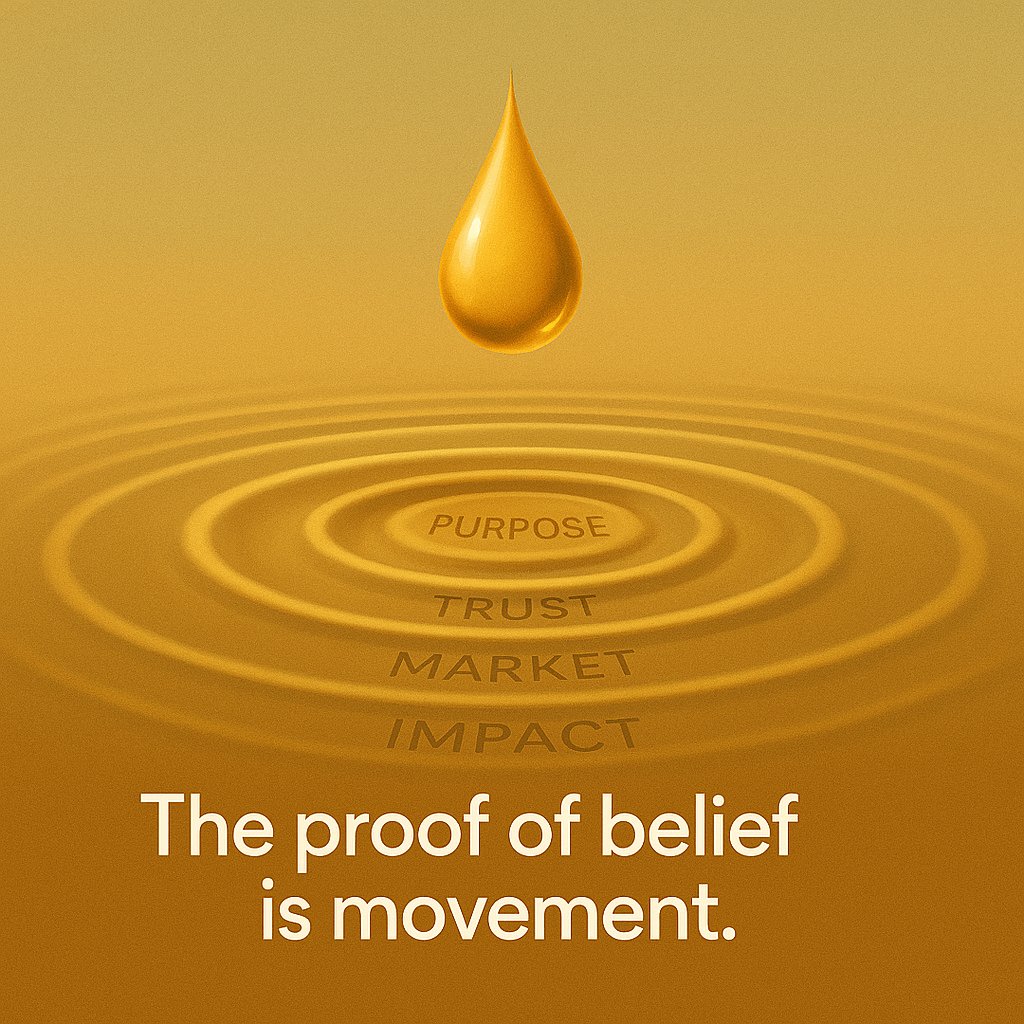
ALT 𝗧𝗵𝗲 𝗣𝘂𝗿𝗽𝗼𝘀𝗲 𝗩𝗮𝗹𝘂𝗮𝘁𝗶𝗼𝗻 𝗠𝗼𝗱𝗲𝗹 (𝗣𝗩𝗠) 𝘄𝗮𝘀 𝗯𝘂𝗶𝗹𝘁 𝘁𝗼 𝗺𝗲𝗮𝘀𝘂𝗿𝗲 𝗯𝗲𝗹𝗶𝗲𝗳. Now, it is beginning to show how belief behaves. Purpose isn't the problem, alignment is. Many brands score high on purpose articulation but low on trust capital. There is a credibility gap between "𝗪𝗵𝗮𝘁 𝗶𝘀 𝘀𝗮𝗶𝗱" and "𝗪𝗵𝗮𝘁 𝗶𝘀 𝗲𝘅𝗽𝗲𝗿𝗶𝗲𝗻𝗰𝗲𝗱." That's exactly what PVM uncovers. It translates invisible brand signals into measurable advantage. Because in an era where every brand claims purpose, credibility is the real differentiator. 📍 We are onboarding a limited set of paid collaborators to refine the findings across sectors. If your brand wants to understand its Purpose Value Score and what drives it, let's talk! #strategy #sustainability #purpose #business #marketing