ما رأيك
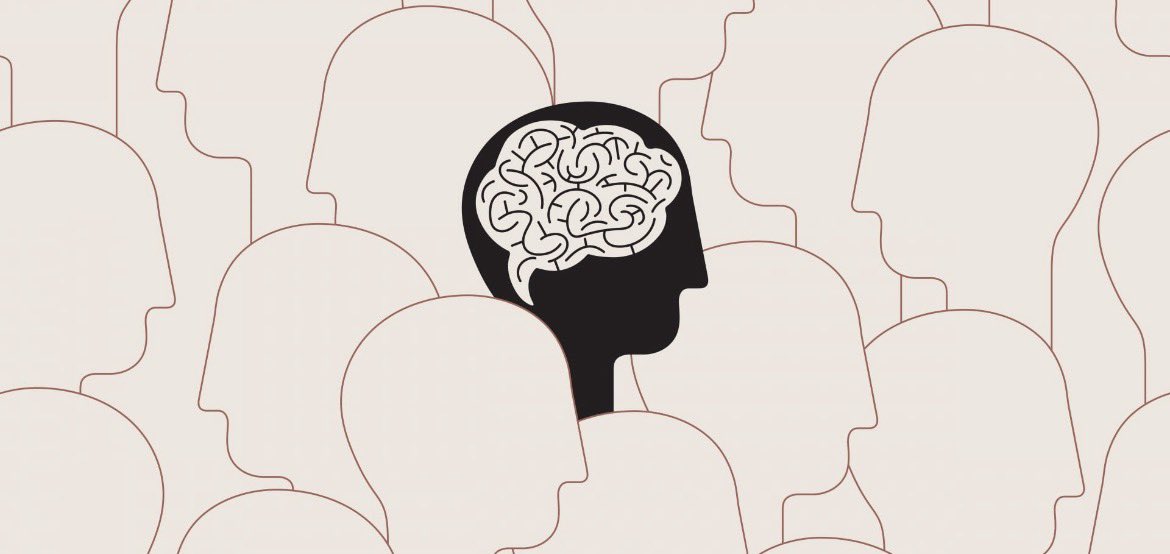
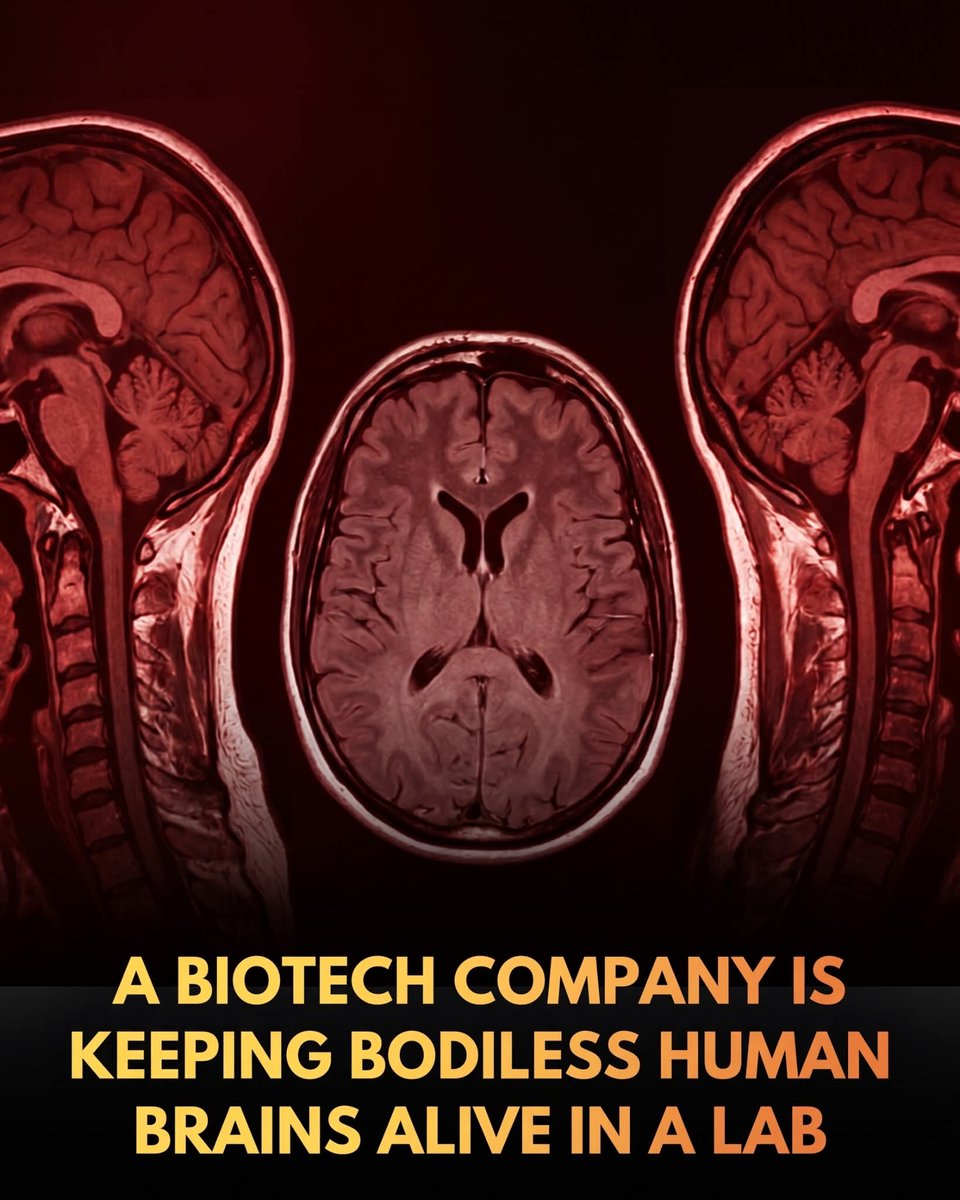
تقوم شركة تقنية حيوية بالابقاء على ادمغة بشرية تعود لاشخاص توفوا حديثا في حالة نشاط باستخدام نظام متطور لدعم الحياة.
ما السبب؟
تقول الشركة انها تسعى لتمهيد الطريق نحو عصر لا يعتمد على الحيوانات في اختبار الادوية العصبية.
انطلقت شركة التكنولوجيا الحيوية “Bexorg” من ابحاث اجريت في Yale University، وهي تتحدى الاساليب التقليدية لاختبار الادوية من خلال وضع ادمغة بشرية متبرع بها على نظام دعم حياة اصطناعي يسمى “BrainEx”.
بعد وقت قصير من وفاة المتبرع، توصل الشركة الدماغ بمضخات تدير بديلا للدم غنيا بالاكسجين والعناصر الغذائية، بهدف استعادة النشاط الخلوي والايضي.
ولمعالجة المخاوف الاخلاقية المتعلقة بالوعي والادراك، تبقي الشركة هذه الادمغة تحت تخدير عميق باستخدام Propofol، لضمان عدم وجود نشاط عصبي منظم او اي شكل من اشكال الوعي.
وتبقى الادمغة نشطة لمدة 24 ساعة فقط، ما يمنح الباحثين نافذة زمنية مهمة لاختبار
A biotech company is keeping recently deceased human brains active on a high-tech life-support system.
The reasons?
The company says they want to pave the way for an animal-free era of neurological drug testing.
Spun out of Yale University research, biotechnology startup Bexorg is challenging traditional drug testing boundaries by placing donated human brains on an artificial life-support system called BrainEx.
Shortly after a donor's death, the company connects the bodiless organ to pumps that circulate an oxygen-rich, nutrient-dense blood substitute to restore cellular and metabolic activity. To address the immediate ethical concerns surrounding consciousness, Bexorg keeps these brains under deep anesthesia using propofol, ensuring there is no organized neural firing or awareness.
The organs remain active for just 24 hours—providing researchers with a critical window to test drugs for diseases like Alzheimer's and Parkinson's on actual human tissue—before being dissected for detailed analysis.
This whole-organ technology is part of a broader, high-stakes shift toward replacing flawed animal models, which contribute to a staggering failure rate in central nervous system drug trials. Other forward-looking companies are pursuing alternative biological avenues; Tessara Therapeutics is growing thousands of miniature, human stem-cell-derived 'mini-brains,' while Cortical Labs has engineered a platform that embeds living neurons onto silicon chips.
Even more radically, startups like R3 Bio are exploring genetically engineered, brainless human bodies to serve as whole-body medical models. Together, these groundbreaking platforms could significantly accelerate the development of life-saving therapeutics while moving medicine beyond the ethical and biological limitations of animal testing.
source: Cross, R. (2025). Exclusive: Rebooting dead human brains, a biotech startup seeks to reinvent early drug testing work. Endpoints News.