Hv very good friends here in twitter. Trolls, fights, argues, laughs, smiles, appreciates, does everything that a normal tweep does. tweets often in Tamizh
Joined February 2009
- Tweets 70,675
- Following 1,081
- Followers 3,930
- Likes 5,983
1,073 Photos and videos





4SN retweeted

3 வயது குழந்தை பாலியல் வன்புணர்வு செய்யப்பட்டு கொலை செய்யப்பட்டு கொண்டிருக்கிறது தமிழ்நாட்டில்
சிங்கப்பெண் சிறப்பு அதிரடிப்படை நேற்று lakshmi பொட்டிக் உடன் collab போட்டது
இன்று micki fashion உடன் collab போட்டு Active-ஆக இருப்பது போல் விளம்பரபடுத்தி கொண்டிருக்கிறார்கள்.
எங்கு போனால் ரீச் அதிகமா இருக்குமோ அங்க போறாங்க
12
238
462
31,155

ஒரு 4/5 ஜீரோ சேத்து சொல்லிட்டாங்க. 6 மாசம் குடுங்க ப்ரோ..

அம்மாயி எக்கச்சக்க உருட்டுகளை உருட்டி இருந்தாலும் தொழில் முதலீட்டை ஈர்க்க தான் போயிருந்த பயணத்தின் போது போலந்து நாட்டை சேர்ந்த 6000 கோடி ரூபாய்க்கு பட்டாசுகளை இறக்குமதி செய்யும் ஒரு தொழில் அதிபரை சந்தித்ததாகவும் அவரோடு பேச்சுவார்த்தை நடத்தியதில் போலந்து நாட்டிற்கு சிவகாசி பட்டாசுகளை ஏற்றுமதி செய்வதற்கான வாய்ப்புகள் பெருகி இருப்பதாகவும் அளந்து விடுகிறார்.........
போலந்து நாட்டில் பட்டாசுகள் விற்பனையாவது உண்மைதான் ஆனால் போலந்து நாட்டின் பட்டாசு சந்தை மதிப்பு ஆண்டுக்கு நானூறு கோடி ரூபாய்தான் மொத்த ஐரோப்பியாவின் பட்டாசு இறக்குமதி மதிப்பே 4000 கோடி ரூபாய் தான். இதில் பெரும்பான்மையானவை சீன பட்டாசுகள் தான்........
இந்திய பட்டாசுகளுக்கு ஐரோப்பிய நாடுகளில் இறக்குமதிக்கான வாய்ப்புகள் குறைவாக இருப்பதற்கு முக்கிய காரணம் ஐரோப்பாவில் பட்டாசு இறக்குமதி செய்வதற்கான விதிகளை இந்திய நிறுவனங்களால் பின்பற்ற முடிவதில்லை. ஐரோப்பியன் யூனியனுக்கு தனியான விதிமுறைகள் உண்டு அதன் பேக்கேஜிங்கில் இருந்து சேஃப்டி பேக்டர்ஸில் இருந்து அளவு வகதகமுறைகள் ஆகியவற்றை இந்திய நிறுவனங்களால் பின்பற்ற முடிவதில்லை. மேலும் இந்திய நிறுவனங்கள் குறிப்பாக சிவகாசி பட்டாசுகள் இந்தியாவிற்கு உள்ளேயே பெருவாரியாக விற்பனை செய்யப்படுவதாலும் வெகு சில நிறுவனங்களே ஐரோப்பிய மார்க்கெட் ஏற்றவாறு தங்களை தயார் செய்து வைத்திருப்பதாலும் இந்தியாவில் உள்ள சில ஏற்றுமதி விதிமுறைகளாலும் ஐரோப்பிய மார்க்கெட்டை சீனா எப்போதும் தக்க வைத்திருக்கிறது........
அம்மாயி பட்டாசு எக்ஸ்போர்ட் விதிகளை தளபதி ஆலோசனையின் பேரில் மாற்றி அமைப்பதாக ஒரு அண்டாதி அண்ட புழுகை ஊதியிருக்கிறார். லோக்கல் லைசன்ஸ் லோக்கல் பாதுகாப்பு சார்ந்த விதிமுறைகளை பின்பற்ற செய்வதும் மட்டும்தான் மாநில அரசின் கட்டுப்பாட்டுக்குள் வரும் வெளிநாட்டுகளுக்கு வெடிப்பொருட்களை ஏற்றுமதி செய்வது மத்திய அரசின் கட்டுப்பாட்டில் வரும்..........
எதை போட்டாலும் ஏற்றுக்கொள்ளும் ரீல்ஸ் சிகாமணிகளைப் போலத்தான் எதை சொன்னாலும் மக்கள் ஏற்றுக் கொள்வார்கள் எந்த மெதப்பிலேயே இந்த கும்பல் சுற்றிக் கொண்டிருக்கிறது.......
சுத்தட்டும் சுத்தட்டும் ஊதிட்டே சுத்தட்டும்.......

83
4SN retweeted

Jun 14
Distress call from the Indian captain of MT Celestial in Oman
Their second officer Nishanth Uirthanathan died two days ago and his body has started to decompose
The crew is trying keep the body cool with just cold water while urging Indian govt help
118
1,032
2,366
163,640
Tvk is not directly told as responsible. But congress, vck are responsible
Jun 14

If this is true, Chennai will be pushed one decade behind. This will be a devastating blow for Tamil Nadu's development and economy. People will have to wonder if they made the right decision at the hustings. If @INCIndia , VCK etc. support this they are culpable too.
@CMOTamilnadu please don't do this.
132

4SN retweeted

Jan 13
India’s first #SovereignAIPark journey begins in Tamil Nadu !
Today, we signed a landmark MoU in the presence of Honourable @CMOTamilNadu Thiru. @MKStalin avargal, with @SarvamAI to establish the country’s first full-stack Sovereign AI Park, with an initial investment of ₹10,000 crore and the creation of 1,000 high-skilled, deep tech jobs.
This will be the first-of-its-kind, purpose-built AI hub that brings together AI compute infrastructure, secure data frameworks, frontier research labs, innovation clusters and a dedicated Institute for AI in Governance.
Data, models and compute will operate within the State’s trust boundary, ensuring sovereign, ethical, and inclusive deployment of AI systems.
The Sovereign AI Park positions Tamil Nadu among a small group of global locations where infrastructure, talent, research, and governance come together as a single AI ecosystem. It creates the conditions to move AI from experimentation to scaled, real-world impact across sectors.
Rooted in Tamil Nadu’s intellectual legacy and driven by future-ready governance, this initiative reflects a clear commitment to shape the next wave of technology from a people-first, State-led perspective.
This progress is anchored in the leadership of Honourable @CMOTamilNadu Thiru. @MKStalin avargal, where technology, jobs and public interest move together with purpose🌟
#InvestInTN #BullishOnTN #JobsForTN #DravidianModel
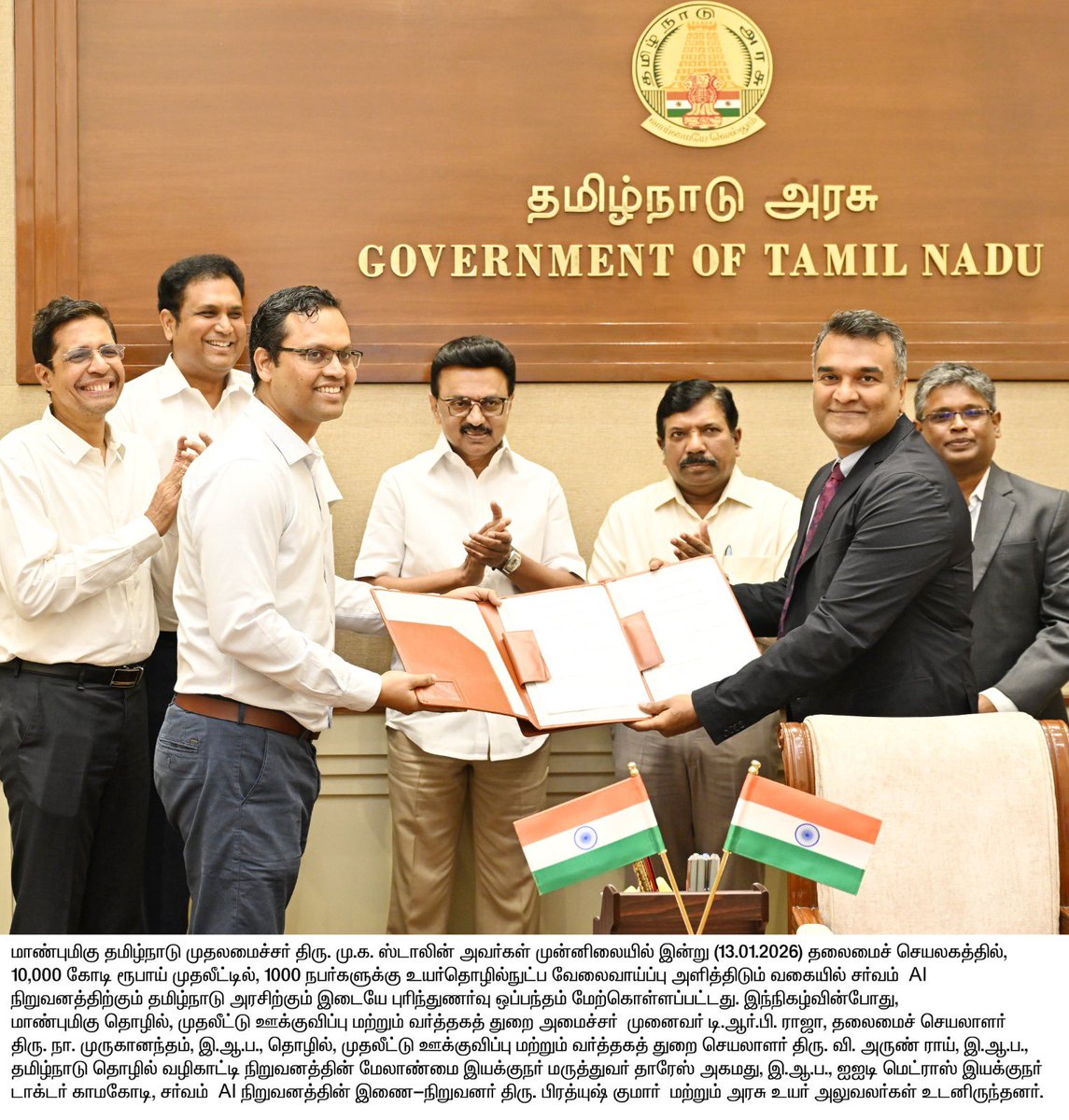
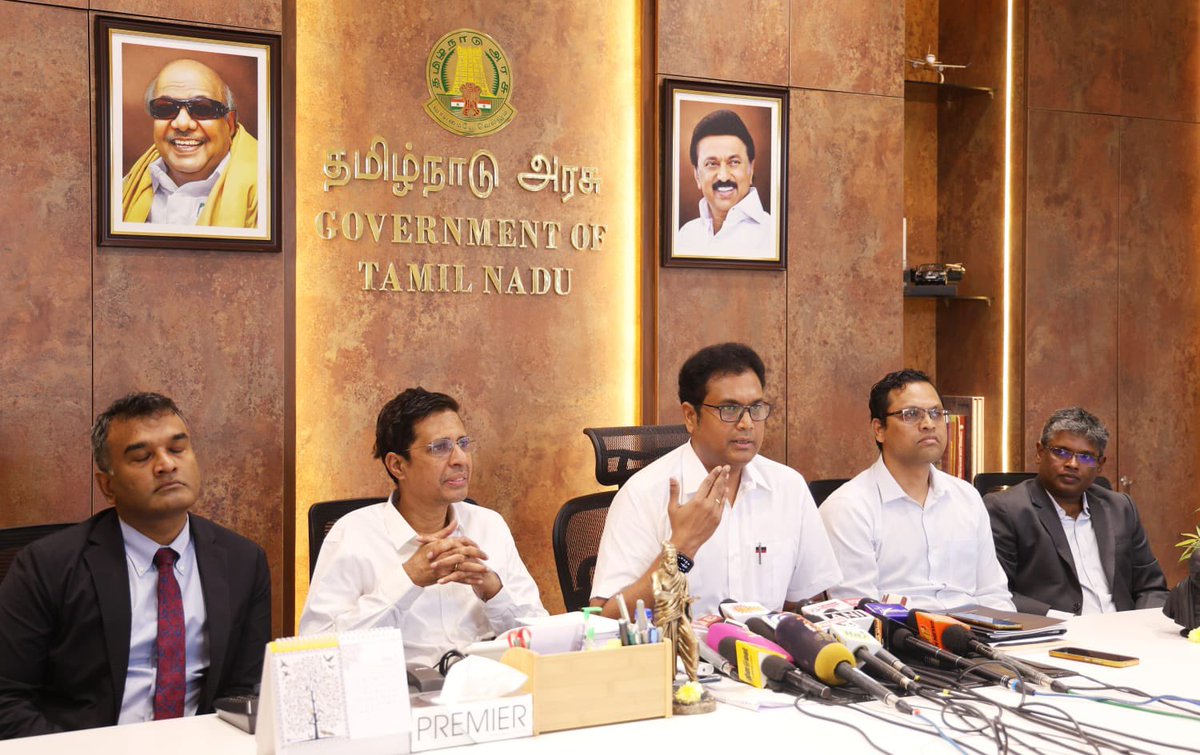
19
271
797
107,278
4SN retweeted

Jun 13
I have to push back a little here specifically on Mythos, Fable, and the framing around Anthropic's models.
All of these, including Anthropic's Claude family, are built on transformer architecture. There's no fundamental architectural breakthroughs here that India is locked out of. The transformer is public knowledge. Sarvam, Krutrim, and others are building on it too. So the question isn't just whether we can access these models it's whether we should keep chasing the same architectural paradigm at all.
And my honest answer is: we shouldn't. We should stand on our own and go further.
At Blankline, we've been working on something we call Hope a post-transformer research initiative. The core thesis is that transformers compute the wrong probability operation for general intelligence. They estimate P(next token | context). What intelligence actually requires is P(latent structure | observations), followed by search and verifier-driven reasoning. That's a fundamentally different thing. Our Hope-1 architecture discrete-latent program codes, verifier-driven search, a pre-registered seven-rung validation framework has already cleared four of those seven rungs at 0.69M to 3M parameters, exceeding the closest published baseline by approximately 2× on ARC tasks. The research isn't about building a better LLM. It's about asking whether the whole paradigm is wrong.
This matters for what you're saying. If you're right that technology is now the ultimate sovereignty question, then copying the transformer race whether from American or Chinese open-source models still leaves India downstream. What changes the equation is a research bet that could shift the cost frontier of general intelligence entirely. That's what we're working toward.
I turned down funding that would have made Blankline instantly credible overnight. Those investors wanted US and UK IP transfer as a condition. If I were just building a product, I might have taken it. But the research we've done and what we have internally right now is something I wasn't willing to hand over. The value isn't in the model weights. It's in the architectural thesis and the research direction itself, which we've published openly at blankline.org/research/hope while keeping the implementation proprietary.
India's top investment firms I've spoke with wants profits, not pure R&D. That's a real problem and I've run into it directly. The SF ecosystem understands how transformative foundational research can become. We haven't built that culture here yet but that's exactly the culture India needs if we want to be a source of frontier intelligence, not just a consumer of it.
The goal isn't to make intelligence available only to Indians. It's to make it available to everyone and that only happens if someone builds the thing from first principles rather than licensing access to someone else's architecture.
41
108
680
71,294
I am thinking even Trump doesn't know this level of details. :)
Jun 12

In diplomacy not everything is shown openly, I told you all to stop doing rndi rona yesterday
Because threats have been made to US at highest level by India, that's why the US administration which was proudly displaying videos of attack on the ships is now saying we didn't do it, Iran did
Do check why Trump is saying "Indian Ships" when they were actually UAE owned Palau flagged
He is saying "Indian Ships" because Indian govt potentially told him he has now crossed red line by making our citizen as collateral damage and Trade Deal will be off the table unless he backs off
But It's futile to tell this to Twitter ka ranting golas who only understand immediate gratification by tweeting for engagement
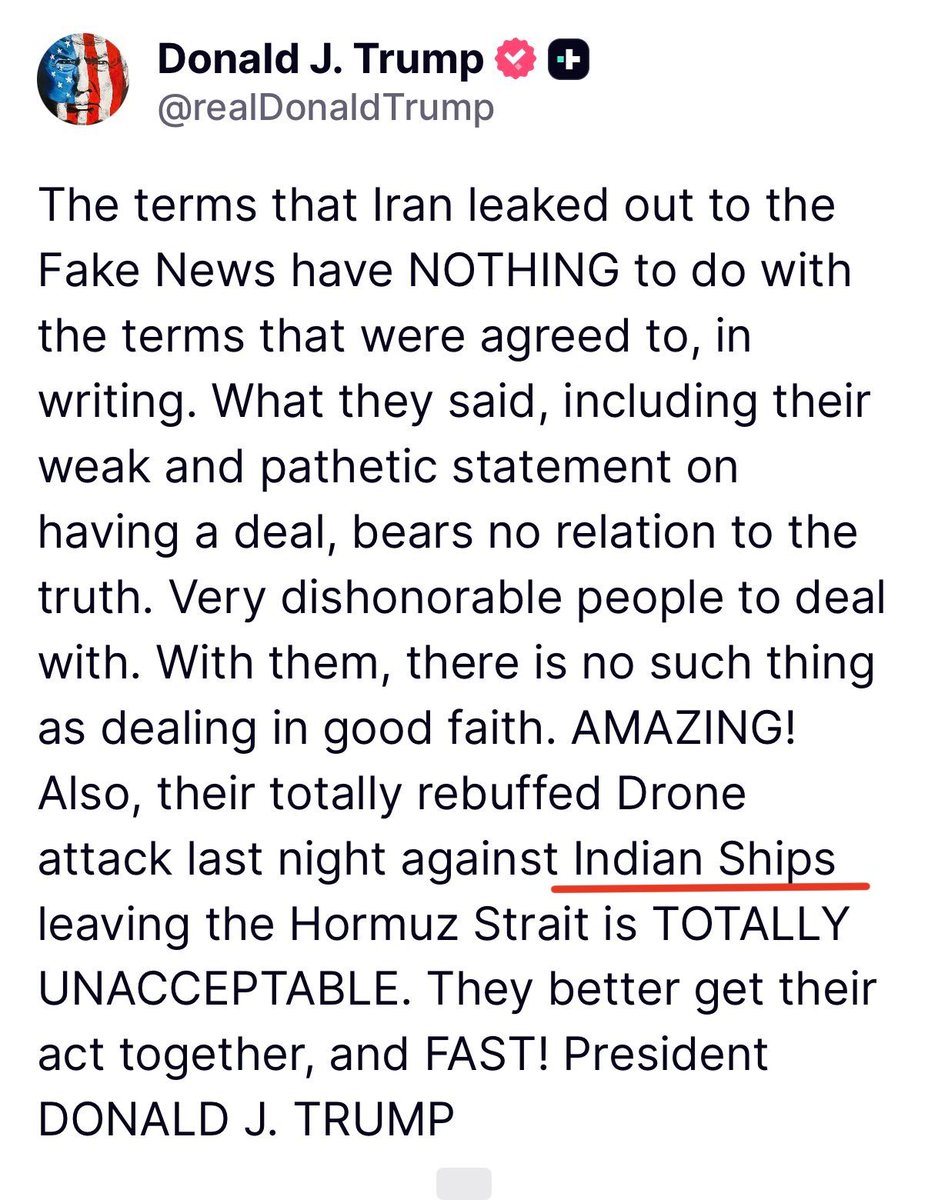
58
4SN retweeted

Jun 11
அய்யய்யோ கவர்ச்சியில ஏமாந்து போயிட்டேனே..🤣🤣🤣
16
760
1,726
30,030
He beats every other politician in India in PR.
Jun 11

🚨 STUDENTS : Sir, IRCTC website is buggy especially its captcha.
Ashwini Vaishnav immediately called Software Team 😳
"Hello, All Students are demanding New IRCTC website. Please Launch it within 30 days. It should be ready by 15th July" 😅🔥
73

" it is being reported "
நமக்கு வாய்த்த பத்திரிக்கையாளர்கள்...
Jun 11

CM Vijay Travels to Delhi at His Own Expense
CM Vijay has travelled to Delhi by a private aircraft to participate in the NITI Aayog meeting. Notably, no IAS officers accompanied him on the flight. Questions were raised over Vijay travelling by private jet without IAS officials and whether the trip was being funded by the government.
In this context, it is being reported that CM Vijay is undertaking the journey on a private aircraft entirely at his own expense. It is said that this decision was taken to avoid criticism and controversy.
150
TCS buys Anthropic tokens. Corrected it for you. You are welcome.

TCS ties up with Anthropic, to roll out Claude AI access to 50,000 employees
moneycontrol.com/news/busine…
1
101

4SN retweeted

Jun 10
Bengaluru's 13-year-old tennis player Srishti Kiran has become the World No. 1 in the Under-13 rankings after an impressive run on the international junior circuit.
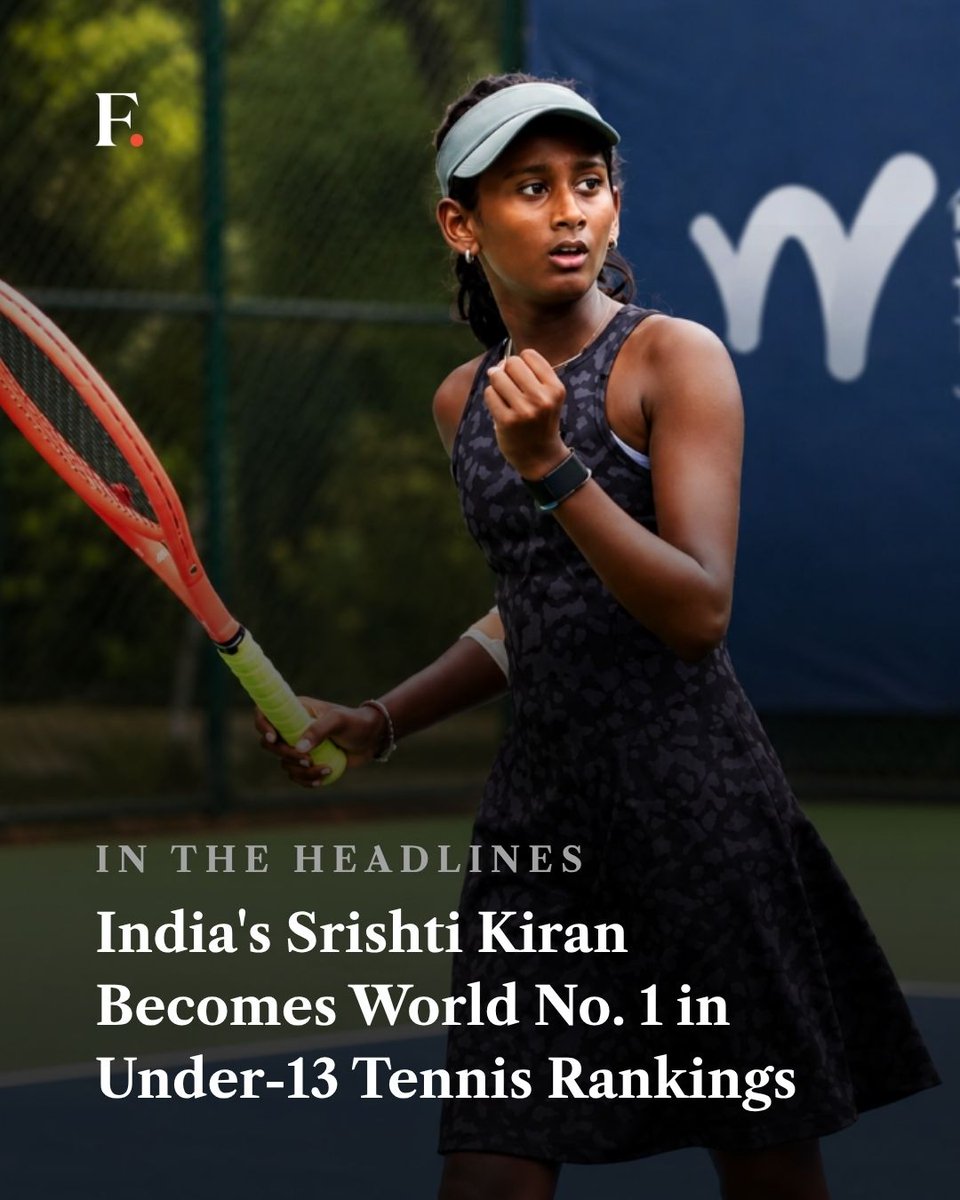
37
693
4,969
91,107
4SN retweeted

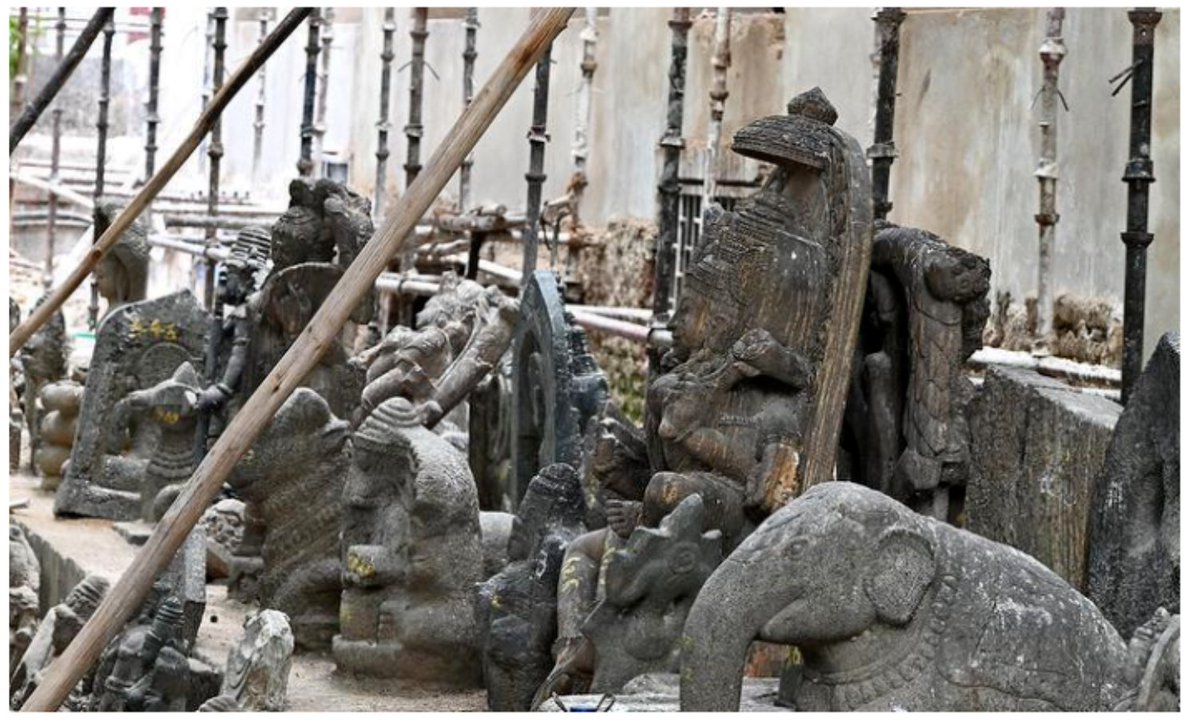
சென்னை எக்மோர் மியூசியத்தில் செப்பனிடும் பணிகள் நடப்பதால் அங்கே ஒரு செக்சனில் உள்ள சிலைகளை எல்லாம் வெளியே போட்டிருக்கிறார்கள். கட்டிட சாமான்கள் இடையே சோழர், ஹொய்சாலர் காலத்து சிலைகள் வெயிலில் கிடக்கின்றன. பல 1000, 1500 ஆண்டுப் பழையன. விலைமதிப்பு இல்லாதவை. இதில் கூடுதல் சிறப்பு என்னவெனில் இந்த சிலைகளில் பலவும் வெளிநாடுகளில் இருந்தவை; நமது சிறப்பு சிலை மீட்புக் காவல் படையினால் பெரும் ராஜரீக முயற்சியும் செலவும் செய்யப்பட்டு மீட்கப்பட்டவை.
விலை மதிப்பின்றி, பெரும் முயற்சியுடன் மீட்கப்பட்ட இந்த சிலைகள் தற்போது கம்பி, கட்டைகளுடன் கோடை வெயிலில் வாடிக் கொண்டிருக்கின்றன. இதுக்கு பருத்திக் கொட்டை குடோன்லயே...
5
29
72
7,006
4SN retweeted

Jun 10
“தளபதி சொல்லி இருக்காப்புல..” மெடிக்கலில் ஆய்வு செய்து த.வெ.க பாய்ஸ் அட்ராசிட்டி..!முடியல.. அவன நிறுத்த சொல்லுங்கடா ..!
#Tiruvallur | #TVK | #Inspection | #Medical | #AmmaMarunthagam | #Medicine
85
1,923
3,972
94,972
4SN retweeted
Jun 9
பா.ம.க எம்.எல் VS த.வெ.க மா.செ... வீடியோ எடுப்பதை பார்த்ததும் அதிகாரியை பார்ப்பதாக கூறி நழுவிய தவெக மா.செ
#Viluppuram | #PMK | #TVK | #PolimerNews
64
949
2,450
169,306
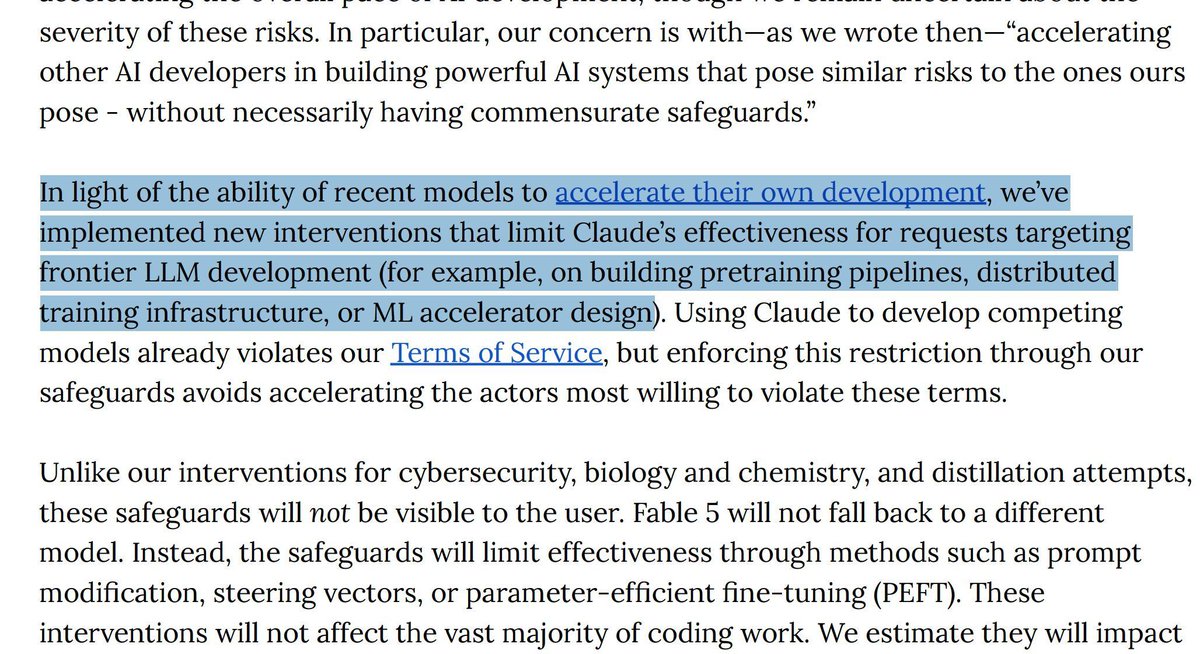
"Ethical AI company", it seems. They won't even tell you that "we can't answer" , they will redirect you to somewhere else.
Jun 9

BREAKING NEWS: Anthropic's latest model will NOT help you if it thinks your ML research/ML engineering is interesting, and/or will secretly degrade its IQ so that the average engineer won't notice. We are already seeing Anthropic's latest model's moderation filters our GPU inference research and programming 😭
55
4SN retweeted

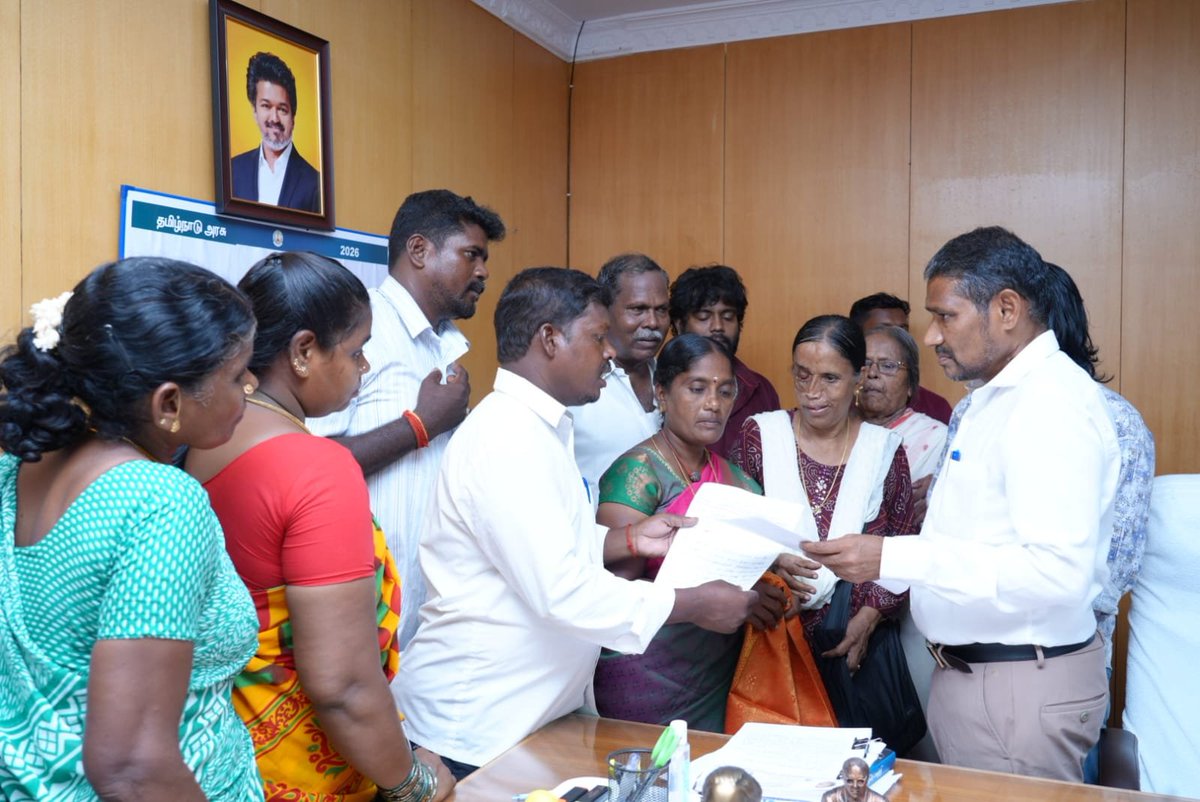
A grassroots leader isn't a super-bureaucrat. Career bureaucrats and IAS officers are literally trained to handle the technicalities of administrative policy. A Minister’s primary job is to provide political will and stay deeply connected to the ground.
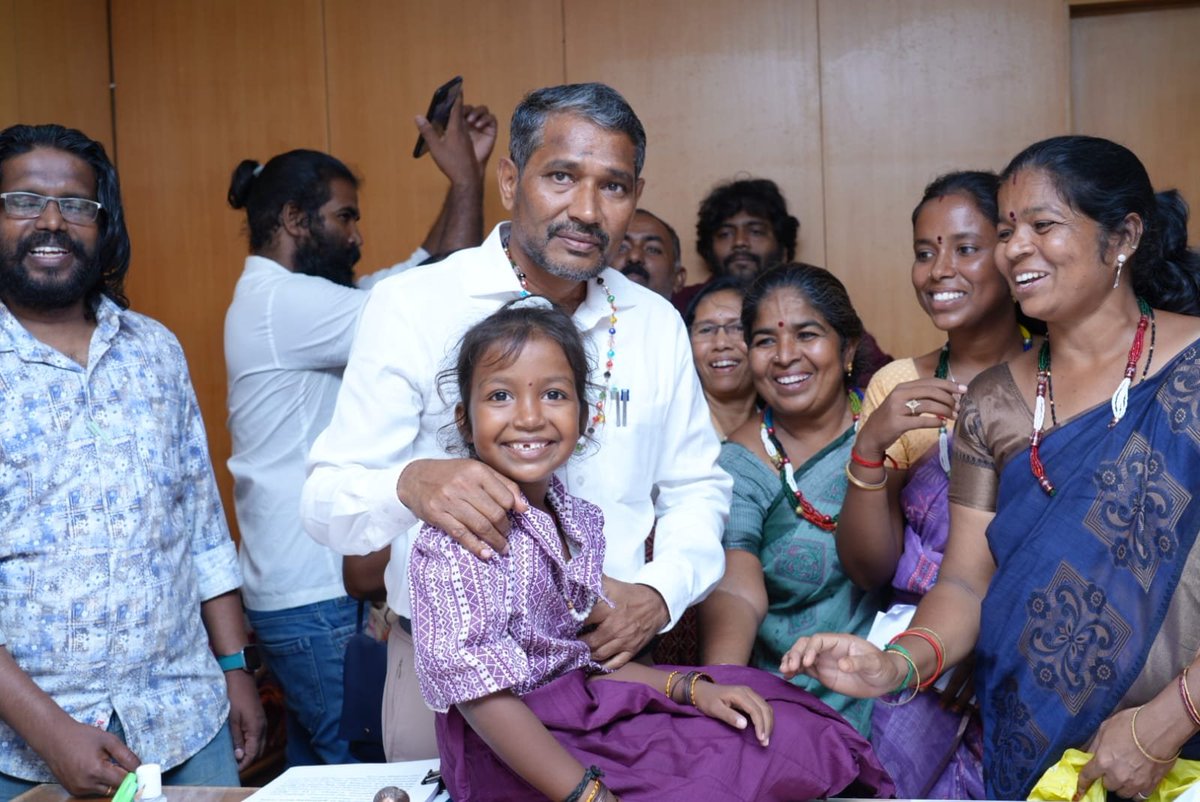
An individual from a marginalised community, a personal assistant or a departmental secretary is just another wall of red tape. They travel all the way to Chennai because they know this specific minister understands their struggle. Shuttling them off to staff completely defeats the purpose of a Social Justice Dept.
Furthermore, listening to public grievances is the raw data required for good policy-making. You cannot fix a broken system from an isolated, air-conditioned cabin.
Let the leaders remain accessible to the people who put them there! ✊🏽
Jun 9

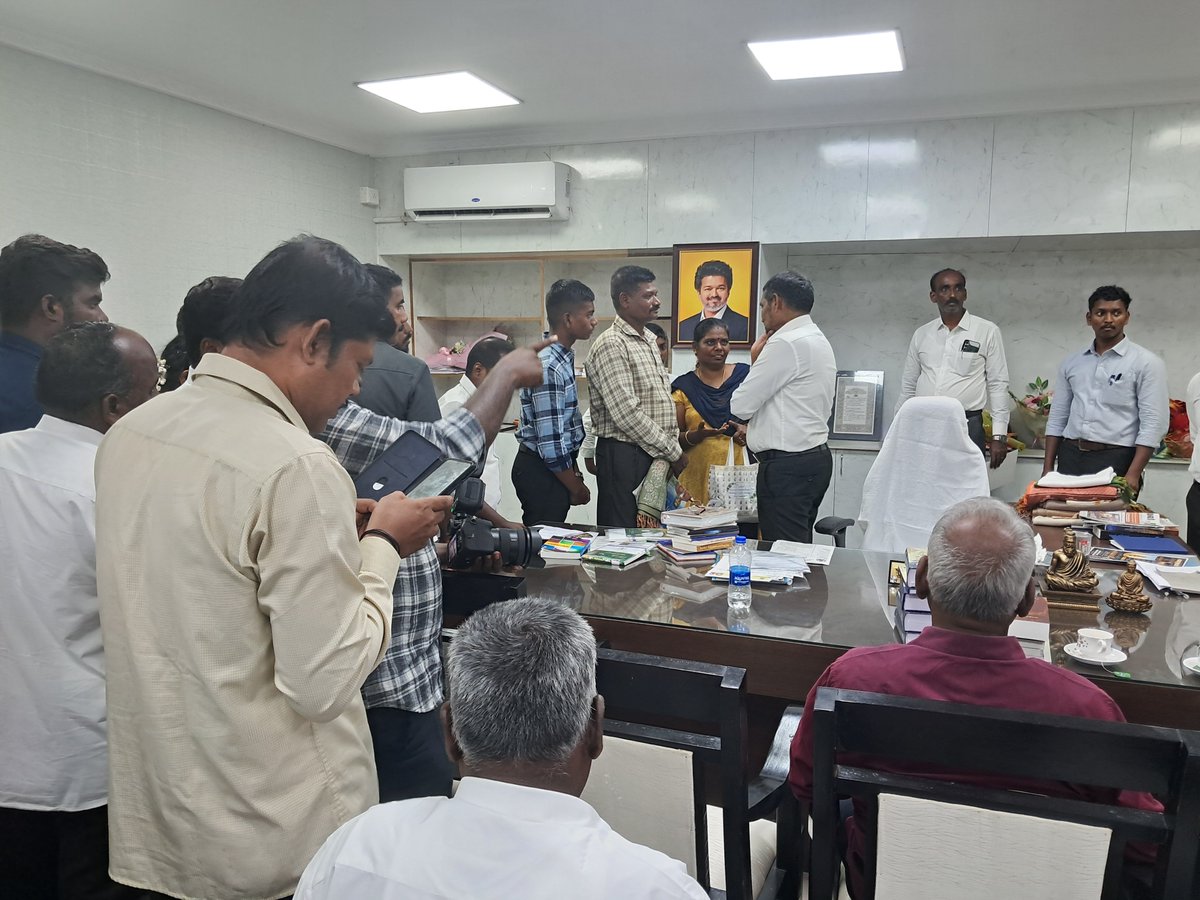
The chamber of Social Justice Minister Vanni Arasu is often overflowing with visitors from various parts of the State. They come with requests and grievances relating not only to his department but also to several other departments. The Minister spends hours patiently listening to them, offering guidance and, when necessary, speaking directly to officials over the phone to explain their situation.
While his accessibility and commitment are commendable, dealing with such large crowds on a day-to-day basis is not sustainable. A more structured system may be needed. His personal assistants and staff can handle many of these representations, with the Minister stepping in only when his intervention is absolutely necessary. This would allow him to devote more time to policy matters and administrative responsibilities while continuing to remain accessible to the public.
3
22
158
18,128