
13,372 Photos and videos











SIP trunking replaced traditional phone lines with virtual connections over IP. It delivers:
💰 Lower costs
📈 Higher scalability
🔄 More flexibility
bit.ly/4voXxCl
#Telecom #VoIP #SIP #Communication #SaaS #SIPTrunking #BusinessTech
2
19
Use ⌨️ typing when you need to:
→ Write and share
→ Collaborate
→ Edit and refine
→ Store information
For execution tasks digital wins.
bit.ly/47MkJQN
#Productivity #focus #writing #learning #worksmarter #efficiency #deepwork #workflow
7
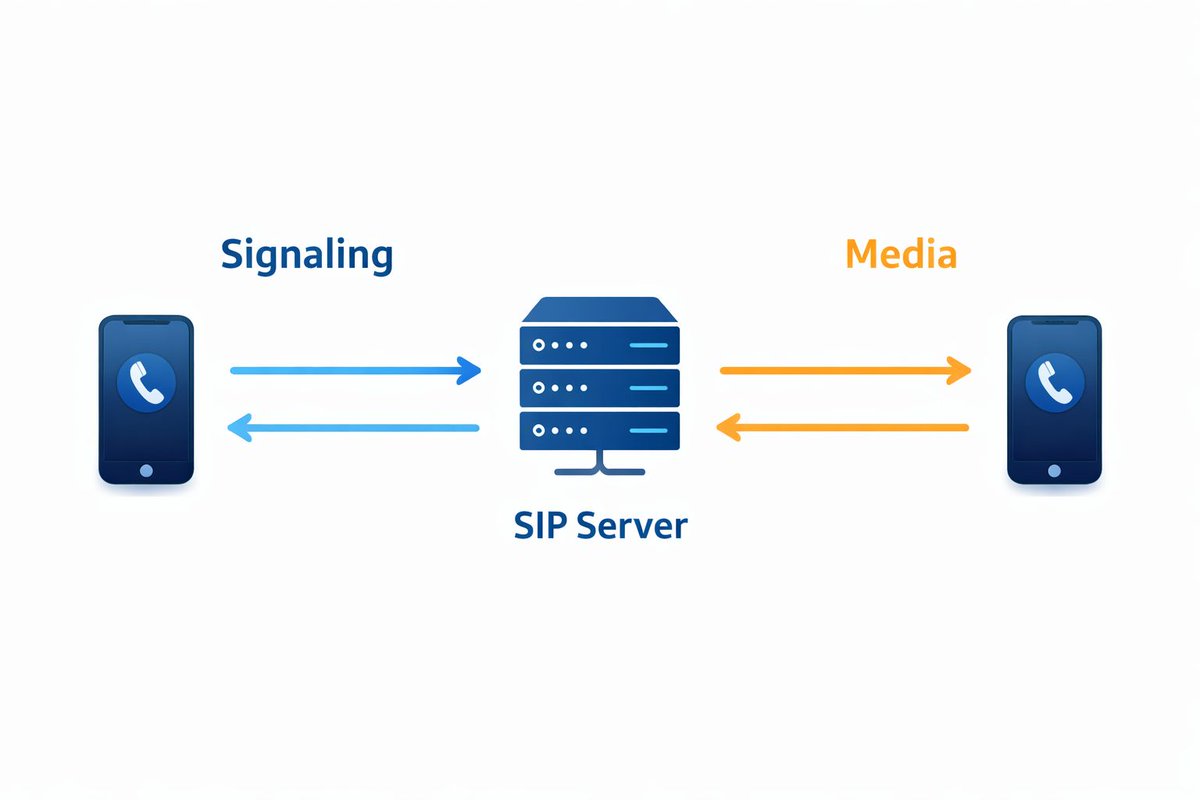
Key advantage: SIP separates signaling from media.
👉 More flexibility
👉 Easier scaling
👉 Seamless integrations
That's why it powers modern communication platforms.
bit.ly/4voXxCl
#Telecom #VoIP #SIP #Communication #SaaS #CloudCommunication
12
Use ✍️ cursive writing when you need to:
→ Brainstorm ideas
→ Plan your day
→ Solve problems
→ Take meaningful notes
Thinking tasks on paper works better.
bit.ly/47MkJQN
#Productivity #focus #writing #learning #worksmarter #efficiency #deepwork #creativity
13
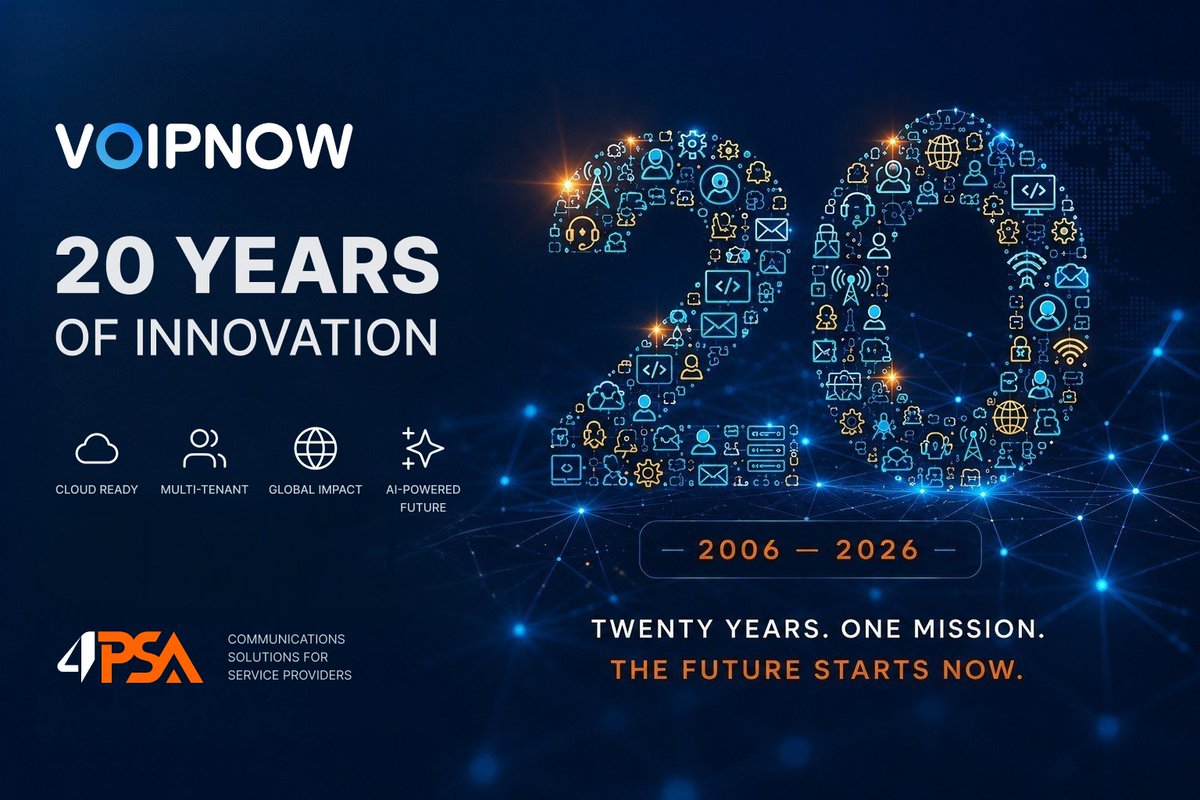
🎉 VoipNow turns 20 🎉
On 30 May 2006, we launched VoipNow with a clear goal: help service providers deliver #Communication services more efficiently.
The communications market looked very different in 2006:
🔹Proprietary systems dominated the industry.
🔹SIP was still gaining traction.
🔹VoIP was promising, but concerns about reliability, interoperability, and quality of service were everywhere.
It wasn't an easy market for innovation.
🚀 When VoipNow launched, it introduced a new approach:
🔹A Linux-based communications platform
🔹A browser interface
🔹Multitenancy
🔹Four management levels
🔹Providers could deploy it in their own infrastructure or at customer premises.
Today, those ideas feel natural. Back then, they were groundbreaking.
What began as a hosted IP PBX evolved into a Unified Communications platform that today includes voice AI agents integration, AI automation and call flow control over MCP interface, and intelligent communications workflows.
Twenty years later, VoipNow continues to connect people, support businesses, and evolve alongside the communications industry.
This milestone goes beyond the technological evolution. It reflects twenty years of trust from our customers, the dedication of our team, and the support of our partners around the world.
Some organizations have been using VoipNow since the very beginning. Their feedback and partnership helped shape the platform into what it is today.
A heartfelt thank you to everyone who made these twenty years possible:
❤️ Our customers
❤️ Our partners
❤️ Our team members, past and present, whose dedication and expertise made VoipNow what it is today
Technology will continue to evolve. So will we.
Happy birthday, VoipNow🎉 Here's to the next chapter 🚀
Read the entire article here: bit.ly/4uR2vXG
1
1
15
4PSA retweeted

Jun 4
🎉 VoipNow turns 20 🎉
On 30 May 2006, we launched VoipNow with a clear goal: help service providers deliver #Communication services more efficiently.
The communications market looked very different in 2006:
🔹Proprietary systems dominated the industry.
🔹SIP was still gaining traction.
🔹VoIP was promising, but concerns about reliability, interoperability, and quality of service were everywhere.
It wasn't an easy market for innovation.
🚀 When VoipNow launched, it introduced a new approach:
🔹A Linux-based communications platform
🔹A browser interface
🔹Multitenancy
🔹Four management levels
🔹Providers could deploy it in their own infrastructure or at customer premises.
Today, those ideas feel natural. Back then, they were groundbreaking.
What began as a hosted IP PBX evolved into a Unified Communications platform that today includes voice AI agents integration, AI automation and call flow control over MCP interface, and intelligent communications workflows.
Twenty years later, VoipNow continues to connect people, support businesses, and evolve alongside the communications industry.
This milestone goes beyond the technological evolution. It reflects twenty years of trust from our customers, the dedication of our team, and the support of our partners around the world.
Some organizations have been using VoipNow since the very beginning. Their feedback and partnership helped shape the platform into what it is today.
A heartfelt thank you to everyone who made these twenty years possible:
❤️ Our customers
❤️ Our partners
❤️ Our team members, past and present, whose dedication and expertise made VoipNow what it is today
Technology will continue to evolve. So will we.
Happy birthday, VoipNow🎉 Here's to the next chapter 🚀
Read the entire article here: bit.ly/4uR2vXG
2
5
8
135
SIP was a real game-changer for the communications market. It enables:
📞 Voice calls
🎥 Video calls
💬 Messaging
🌐 Multimedia
All over the internet.
bit.ly/4voXxCl
#Telecom #VoIP #SIP #Communication #UnifiedCommunications
9
Writing in cursive doesn't replace typing. Instead, it's about using the right tool at the right time.
bit.ly/47MkJQN
#Productivity #focus #writing #learning #worksmarter #efficiency
17
SIP or Session Initiation Protocol came as a real game-changer for the telecom sector 🚀 It moved communication from fixed circuits to dynamic IP-based networks.
bit.ly/4voXxCl
#Telecom #VoIP #SIP #Communication #PSTN #TechHistory
15
What changed when you start writing in cursive again?
✔️ You remember more from meetings
✔️ You stay focused longer
✔️ You think more clearly
✔️ Ideas flow more easily
Small habit. Big impact.
bit.ly/47MkJQN
#Productivity #focus #writing #learning #brainhealth
9
For over 100 years, PSTN powered global voice communication.
✅ Reliable
❌ Flexible
Built on circuit-switched tech, it couldn't keep up with digital demands.
bit.ly/4voXxCl
#Telecom #VoIP #SIP #Communication #PSTN #TechHistory
15
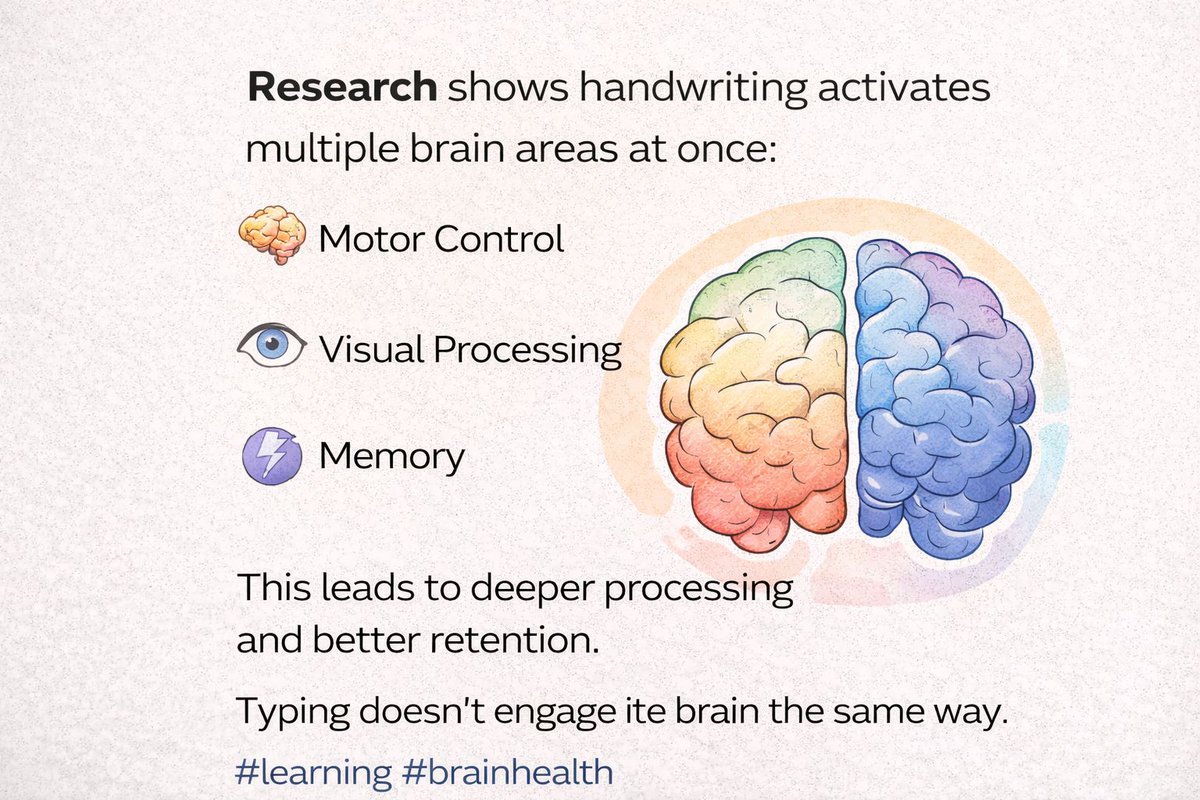
Research shows handwriting activates multiple brain areas at once:
🧠 Motor
🧠 Visual
🧠 Memory
This leads to deeper processing and better retention. Typing doesn't engage the brain the same way.
bit.ly/47MkJQN
#Productivity #focus #writing #learning #brainhealth
9
How did we move from traditional phone lines to cloud-based communication? 📞➡️☁️ Read our break down on the shift from PSTN to SIP and why it changed everything.
bit.ly/4voXxCl
#Telecom #VoIP #SIP #Communication #PSTN
15
When you notice you're producing more, while thinking less, go back to something simple: ✍️ Cursive writing
The same handwriting learned in school, now used to support how you think.
bit.ly/47MkJQN
#Productivity #focus #deepwork #writing #thinking
17
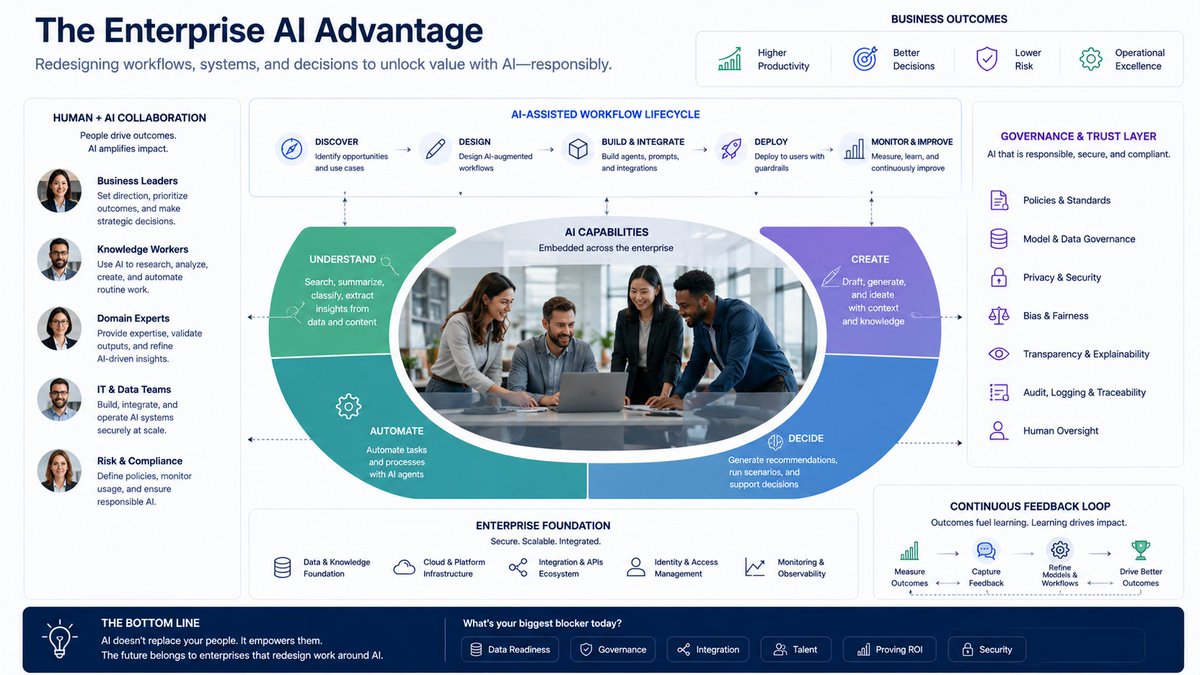
Most enterprise AI discussions still focus on hype, adoption percentages, or productivity promises. We wanted to approach the topic from a different angle: how AI actually behaves inside organizations once experimentation meets operational reality.
So we analyzed enterprise AI as an operational, technical, and organizational transformation rather than a market narrative.
A few conclusions stood out:
🔹 Adoption is broad, but operational maturity is still uneven
Most organizations now use AI in at least one business function, and generative AI adoption has accelerated rapidly over the past two years. However, relatively few companies have fully scaled deployments across the enterprise. Many remain in pilot or experimentation phases, especially when it comes to agentic systems and autonomous workflows.
🔹 ROI exists, but it's highly context-dependent
AI consistently improves performance in structured and repetitive tasks such as customer support or professional writing. But the evidence is far less uniform for complex processes and context-heavy work. There is no credible average productivity gain across all enterprise functions.
🔹 Enterprise AI is becoming an infrastructure problem
Modern AI systems are no longer just “prompt in, answer out.” Production environments increasingly require:
✔️ Retrieval layers (RAG)
✔️ Orchestration
✔️ Evaluation pipelines
✔️ Monitoring
✔️ Guardrails
✔️ Access control
✔️ Rollback mechanisms
✔️ Observability
The operational stack is converging surprisingly fast across vendors and cloud providers.
🔹 Data readiness remains one of the largest bottlenecks
Most enterprise data was never designed for AI systems. Metadata quality, chunking, indexing, permissions, observability, and retrieval pipelines now matter as much as the models themselves.
This is one of the main reasons why impressive demos often fail during production rollout.
🔹 Governance is shifting left into architecture and operations
Compliance is no longer a final legal review before deployment. Frameworks such as the EU AI Act and NIST AI RMF are pushing organizations toward lifecycle-wide controls: monitoring, logging, evaluation, human oversight, and incident management from the beginning.
AI governance is increasingly becoming part of systems engineering itself.
🔹 The market is converging technically
Whether cloud-native, hybrid, or self-hosted, most major vendors now expose similar building blocks: model access, retrieval, orchestration, evaluation, and safety controls.
The real differences increasingly lie in integration depth, governance tooling, operational maturity, and deployment flexibility.
One thing became very clear while researching this:
🔸 Enterprise AI is not primarily a model problem anymore and it is not about replacing people.
🔸 It is becoming a systems-engineering, governance, and organizational-change problem.
The organizations that scale successfully will likely treat AI as infrastructure, not as a standalone tool.
You can read the entire article here: bit.ly/4tGqOpT
#EnterpriseAI #AI #GenerativeAI #GenAI #MLOps #DataGovernance #AIArchitecture #ArtificialIntelligence #DigitalTransformation #AITools #AIEngineering
11
PSTN solved global voice connectivity. The future?
✅ Flexible
✅ Software-driven
✅ Cloud-powered
Follow the series 👉 Communications Then and Now
Next up: SIP (Session Initiation Protocol)
bit.ly/4s4sA3c
#telecoms #PSTN #VoIP #SIP #UC #Communications
18
Most of our work happens on screens. We type fast, switch tabs, and multitask all day. But are we actually thinking better? Start using ✍️ cursive writing again and it will change how you work. Here's why 🧵
bit.ly/47MkJQN
#Productivity #focus #deepwork #writing
15
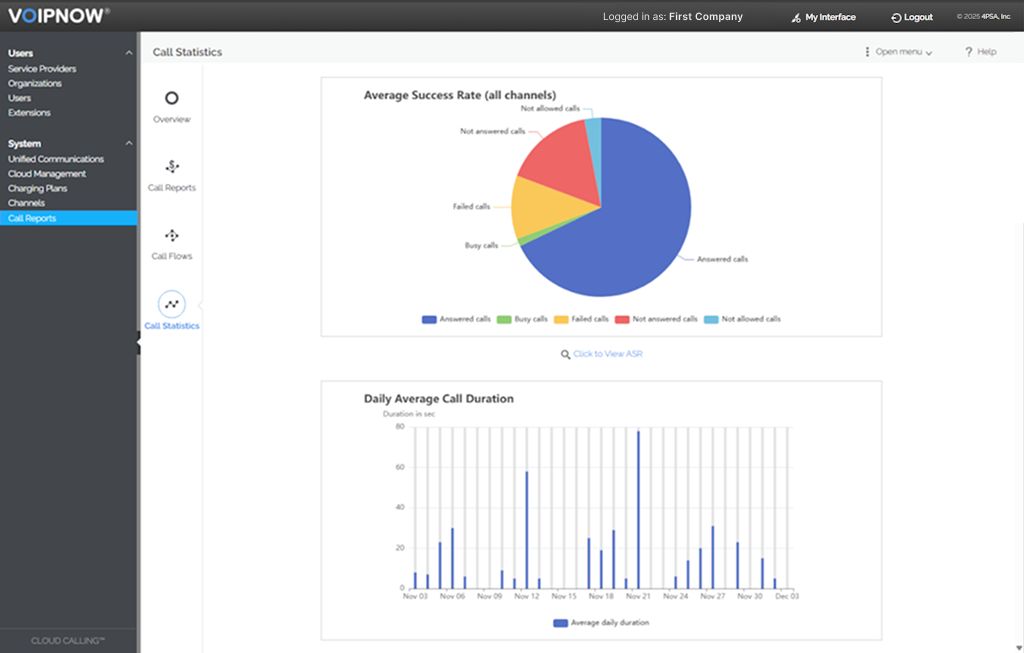
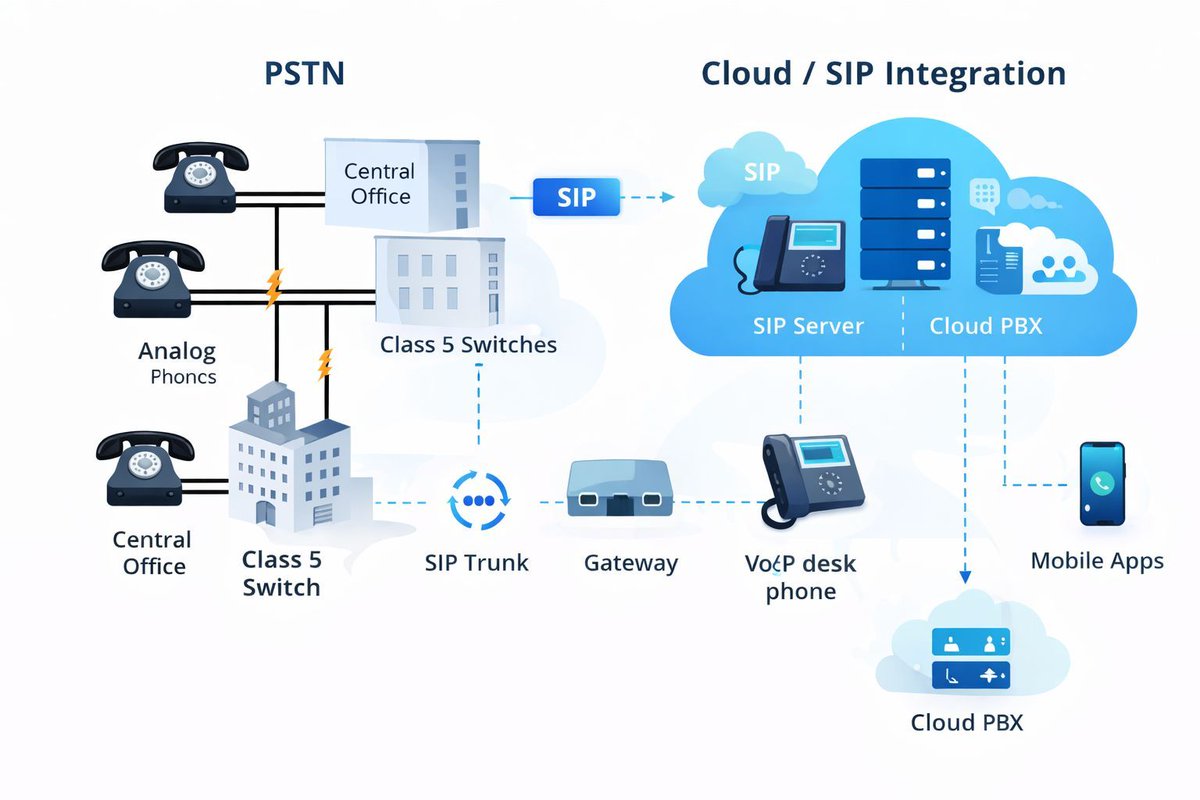
Solutions like VoipNow bridge the gap:
🔗 Support PSTN SIP
☁️ Enable cloud communication
⚙️ Allow gradual migration
PSTN is now part of a bigger ecosystem, not a standalone system.
bit.ly/4s4sA3c 10/
#telecoms #PSTN #Communications #VoIP #UnifiedCommunications #SIP
12
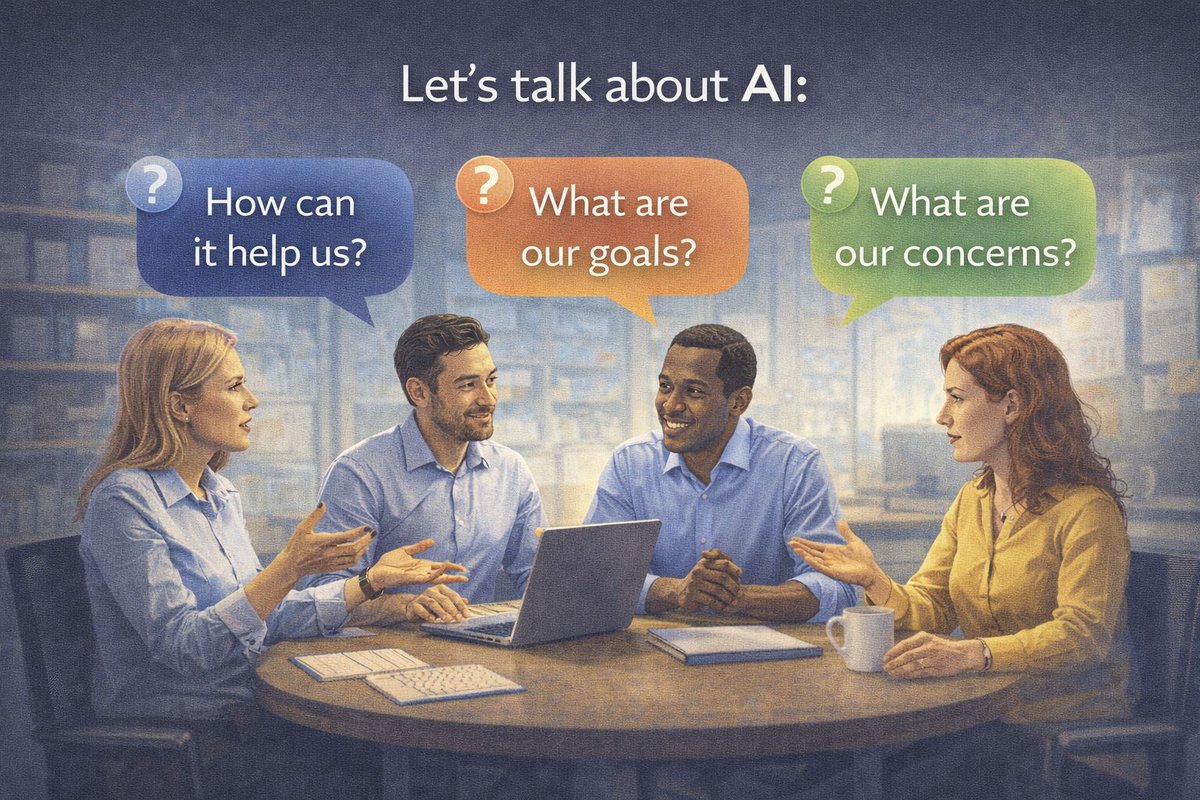
The truth is that embracing AI at work is less about tools and more about mindset. That's the journey:
Fear → Understanding → Confidence → Adoption
💬 How is your team reacting to AI right now?
bit.ly/4srZvzI
#AI #FutureOfWork #WorkplaceInnovation #AIAdoption
6
Where does PSTN stand today? It’s evolving. Modern platforms integrate PSTN with digital systems, enabling a gradual transition instead of a hard switch.
bit.ly/4s4sA3c
#telecoms #PSTN #Communications #Telephony #VoIP #cloud #UCaaS
1
13