
School Board Chair. Tech guy. Dad. Spartan racer. Muni budget expert. Marketeer. Maybe not in that order.
Joined March 2022
- Tweets 5,106
- Following 1,547
- Followers 1,183
- Likes 53,697
93 Photos and videos




35m
Honestly this is pretty cool.

I asked Japan fans what the deal is with these trash bags they’re waving.
They’re actually functional trash bags. Everyone brings them to cheer during and clean up after themselves after.
Very on brand with Japan culture. easiest stadium cleanup Dallas has ever seen incoming
58
47m
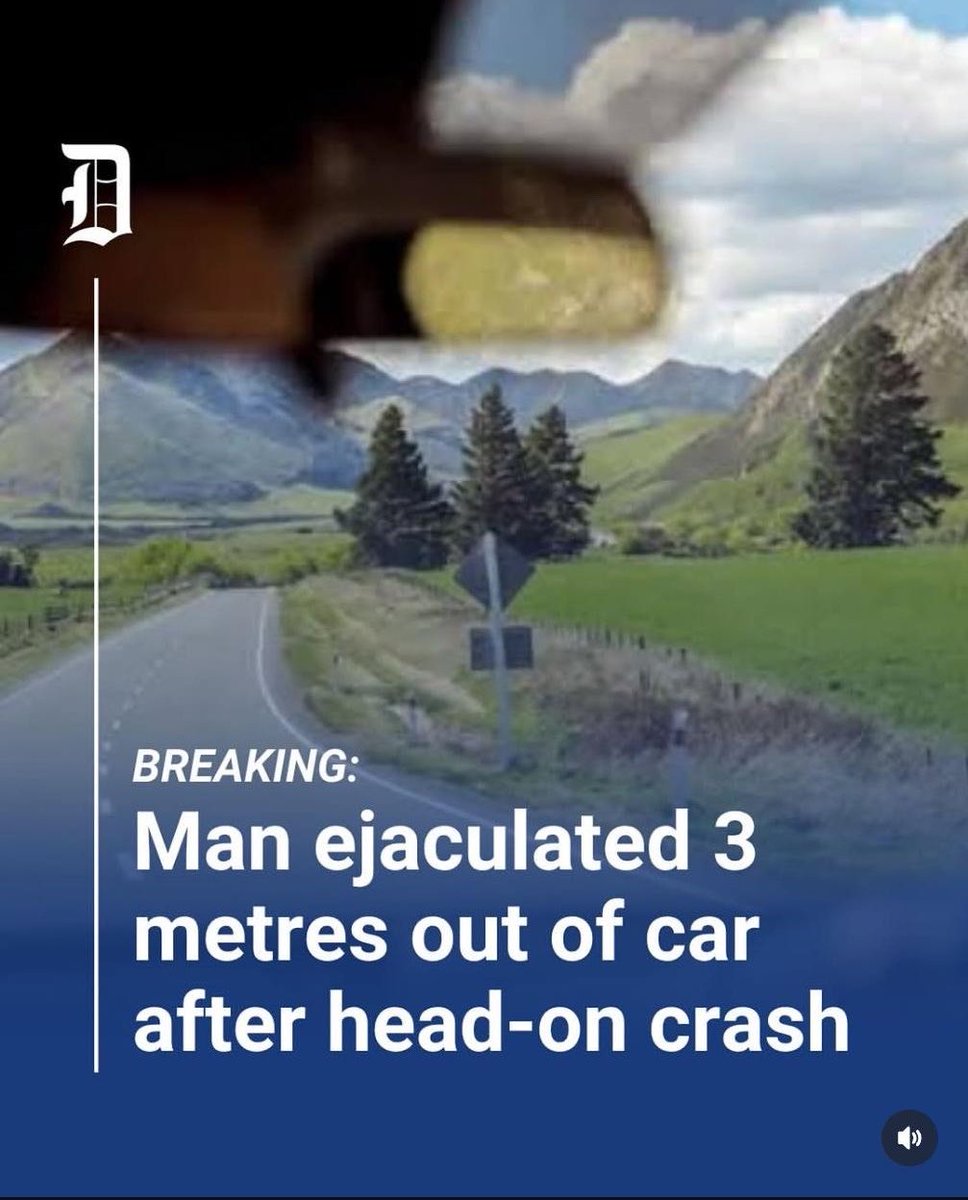
Spell check doesn’t catch this. Which is why English class still matters 😩

7
GREG SMITH retweeted

I’ve been to just about 200 universities all over the world and there’s never anything more haunting than the list of names killed in WW1. It’s about half the enrolled students from 1916 or 1918 depending where you are.
17
28
720
11,227
StubHub and American Airlines both getting raked here. Do they have X watchers or are they just not bothering ?
36


I can’t believe Allegiant stadium in LV isn’t a FIFA venue. Supposedly too narrow but anything in LV is fixable for the right $$$. Someone get Freddy to LV anyway.
20
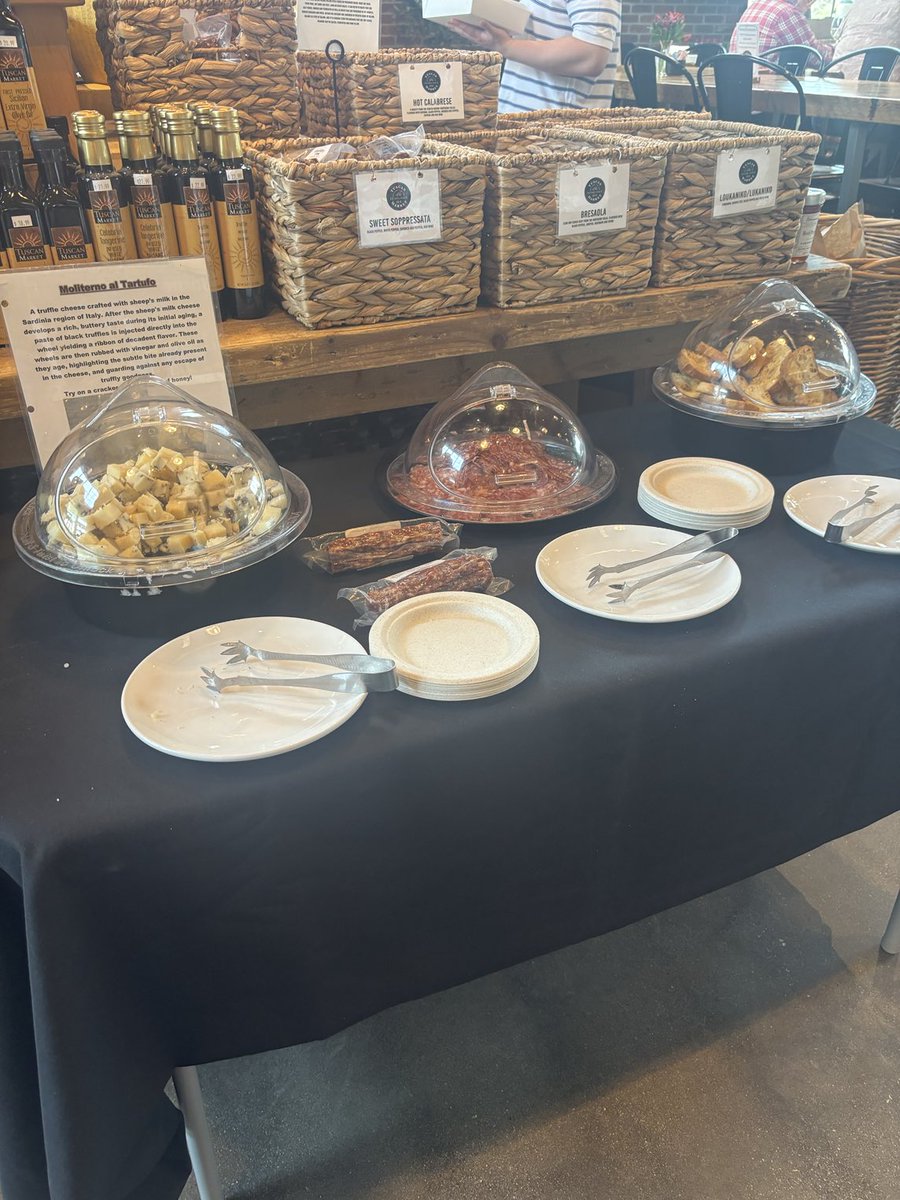
Never thought of this but it’s true. An elite section and a common section.

most grocery stores have two separate cheese sections for reasons i do not understand and i am convinced that the vast majority of shoppers are only aware of one of them (but which one differs by customer)
1
27
GREG SMITH retweeted

Worse is doing carpool lane and the parents hot boxed with the child in car on the way to school. You open the door and you wind up smelling like weed all day as well as there is nothing you can do about it. Child protective services does not consider it abuse.

20
5
112
10,559
GREG SMITH retweeted

4h
Keep dropping the temperature on the AC until he buys an overpriced sweater at the vendors

7
25
3,929
68,685
GREG SMITH retweeted

Jun 13
Fable isn't the first.
In 1999 the department of defense blocked exports of the PowerMac G4 for crossing the 1 gigaflop threshold.
Steve Jobs turned it into an ad.
199
1,523
18,817
1,449,796
GREG SMITH retweeted

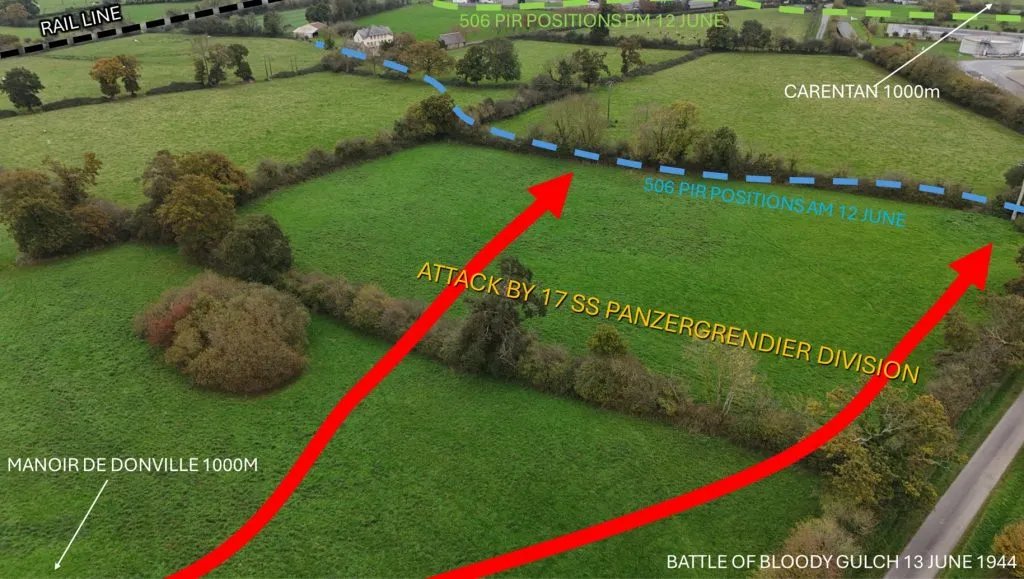
Yesterday the paratroopers took Carentan. On June 13, 1944, the Germans came to take it back, and the men of Easy Company found themselves minutes away from being wiped off the map.
This is the fight the survivors remembered as Bloody Gulch.
A quick recap. Carentan was the town that linked the two American invasion beaches, Utah and Omaha. Without it, the D-Day landings stayed a set of separate, vulnerable pockets. The 101st Airborne had bled to capture it on June 12. But capturing a place and holding it are two different things, and the Germans were not willing to let it go.
On the morning of June 13, the Germans counterattacked southwest of the town with a serious force, the 17th SS Panzergrenadier Division reinforced by the tough paratroopers of the 6th Parachute Regiment, supported by assault guns and armor. The exhausted, lightly armed American paratroopers, who had no tanks of their own, were holding a thin line across open hedgerow country.
The blow landed hard. The German armor and infantry pushed the American line back toward Carentan. Paratroopers fought from hedgerow to hedgerow with rifles, machine guns, and bazookas against vehicles that outgunned anything they carried. Ammunition ran low. The position grew so desperate that men were preparing for the possibility that the town would be lost again, and with it the link between the beaches.
Then came the rescue, and it came on tracks.
Unknown to the Germans, the Americans had just managed to get armor across into the beachhead. Combat Command A of the 2nd Armored Division, Shermans and mechanized infantry, had been rushed toward Carentan overnight. At the critical moment they hit the German flank with tanks and a storm of artillery and mobile gunfire.
The counterattack that had been about to break through was itself broken. The German force, lacking the strength to trade blows with American armor, was thrown back with heavy losses. Carentan stayed in American hands for good.
That was the real significance of June 13. June 12 won the town. June 13 was the day the Germans tried to erase that victory and failed. From that point on, Utah and Omaha were permanently joined, and the Normandy beachhead was one solid, continuous front that Germany could no longer split apart.
Two things stay with you about this fight.
The paratroopers were never supposed to be fighting tanks at all. Airborne troops are meant to seize objectives and be relieved within days. Instead they were holding the line against a panzer division with whatever they could carry on their backs, and they held just long enough.
And the timing of the armor's arrival was so close that veterans talked about it for the rest of their lives. A few hours later and Carentan might have fallen. The war in Normandy was decided in places like this, by men who never knew if help would arrive before they were overrun.
It did. Just barely.
That is what June 13, 1944 looked like on the ground.
10
169
1,740
54,685
I don’t think Puritanism is an issue in Boston these days.
Jun 13

Imagine if Boston (Massachusetts, really) allowed for more fun stuff to happen throughout the year? Not just when there's a major sports event? What's happening in and around Boston right now is a glimpse of what life here could be like, if more of us stopped being such Puritans!
2
GREG SMITH retweeted

Jun 13
You don’t hate the media enough
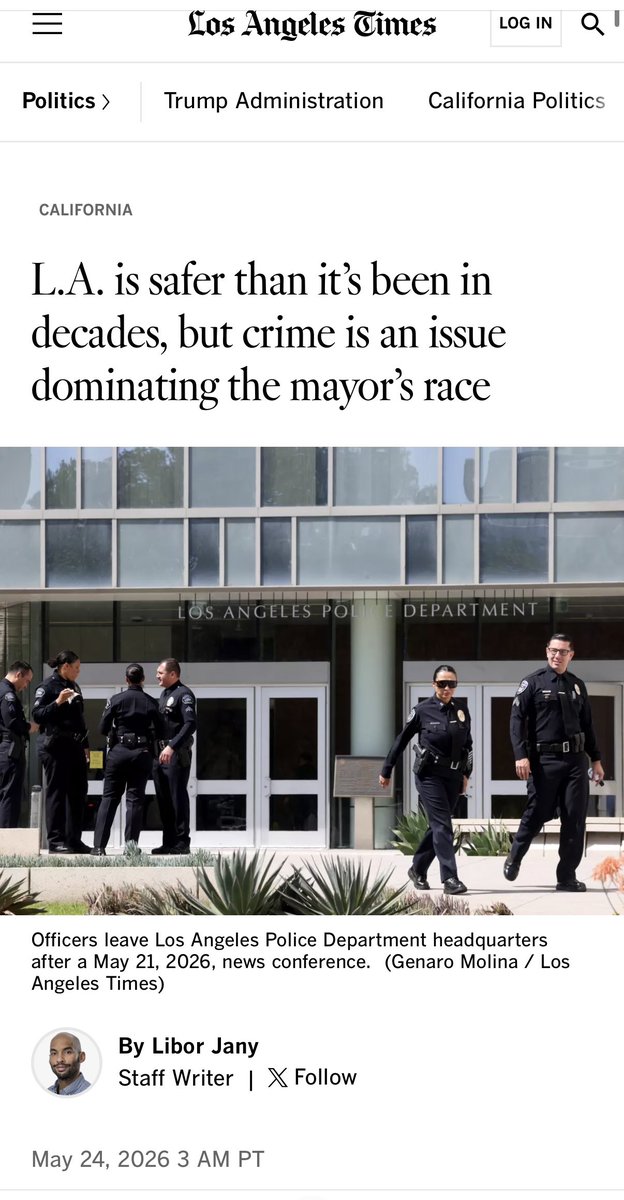
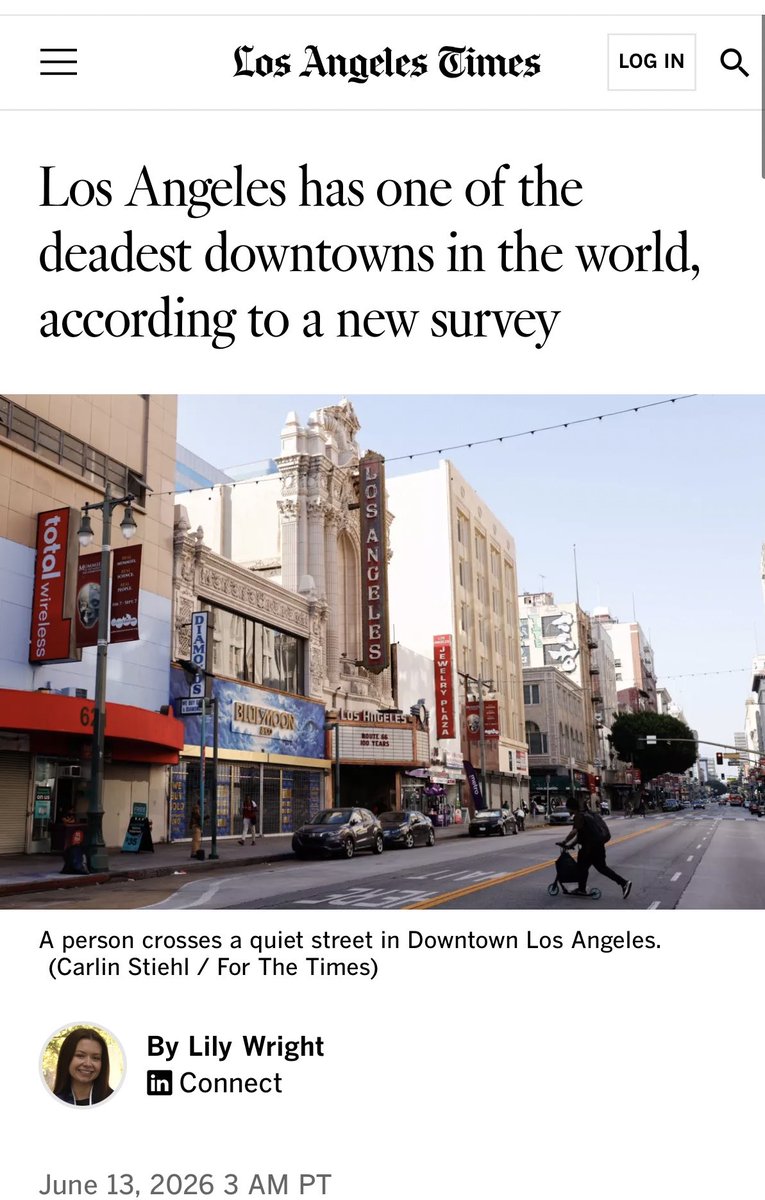
Los Angeles Times before the primary:
L.A. is safer than it’s been in decades
Los Angeles Times after the primary:
Los Angeles has one of the deadest downtowns in the world
59
848
2,672
33,481

How retarded are these students where even the humanities professors want to bring back the SAT?
Jun 13

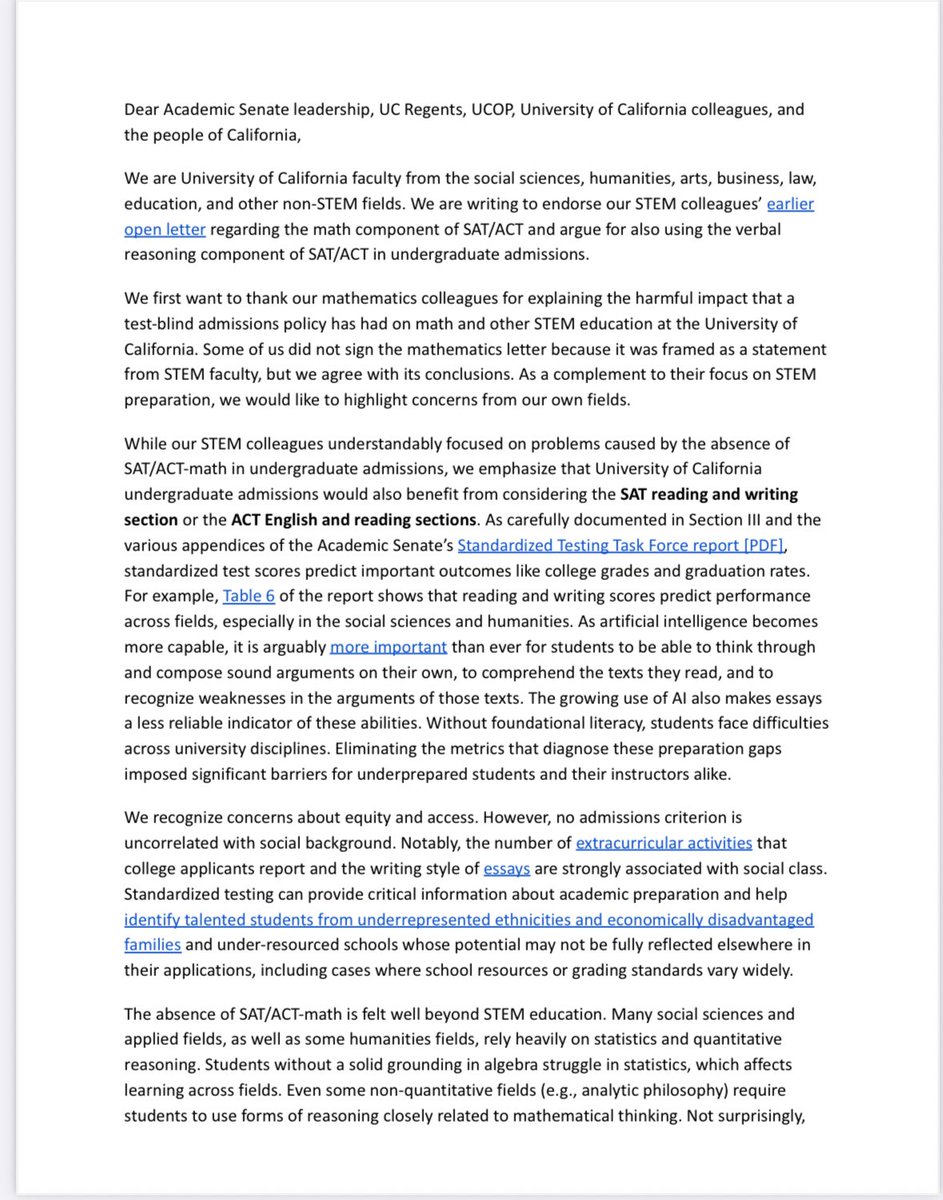
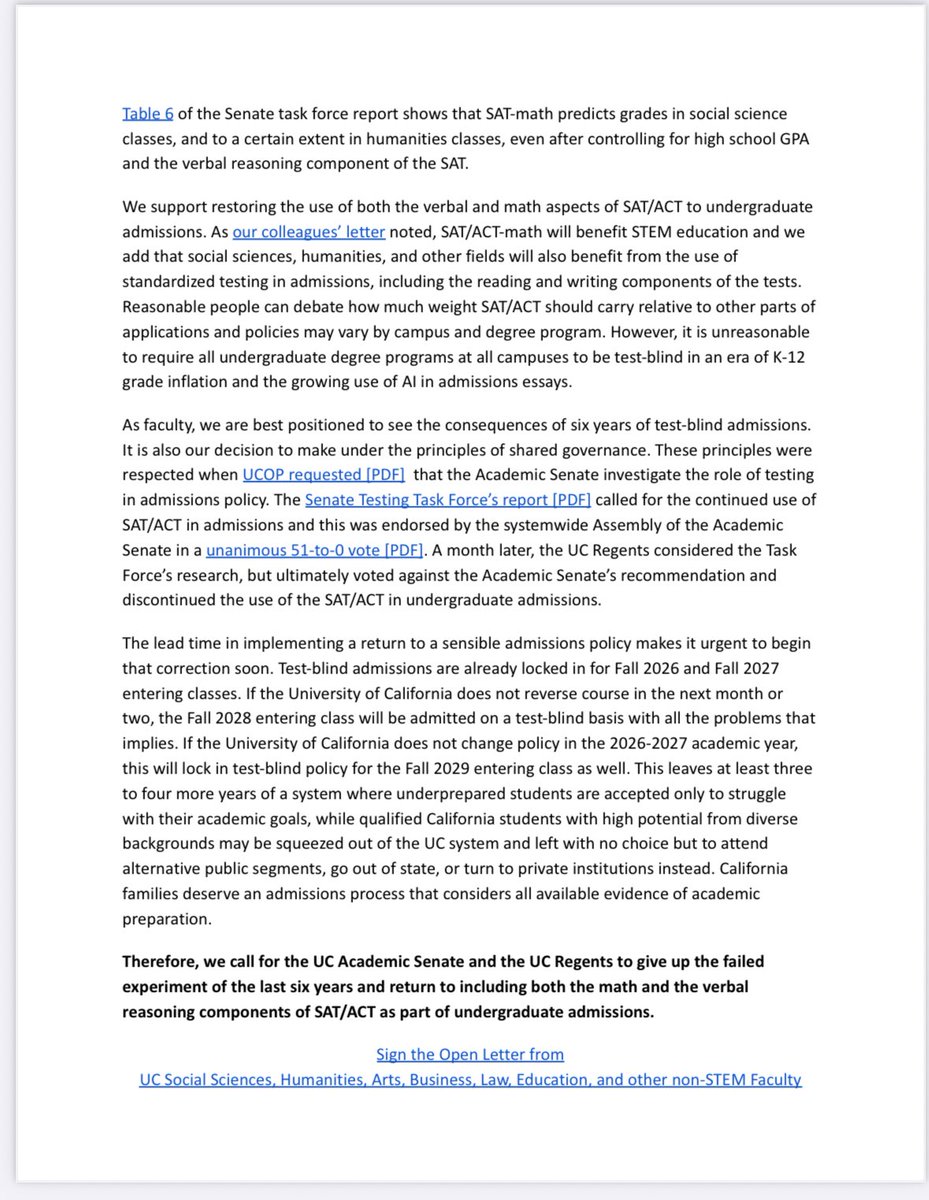
“Give up the failed experiment of the last six years.”
UC faculty in the humanities, social sciences, and professional schools are supporting their STEM colleagues with a new letter calling for a return to standardized tests in admissions.
21
65
843
187,657
GREG SMITH retweeted

Jun 13
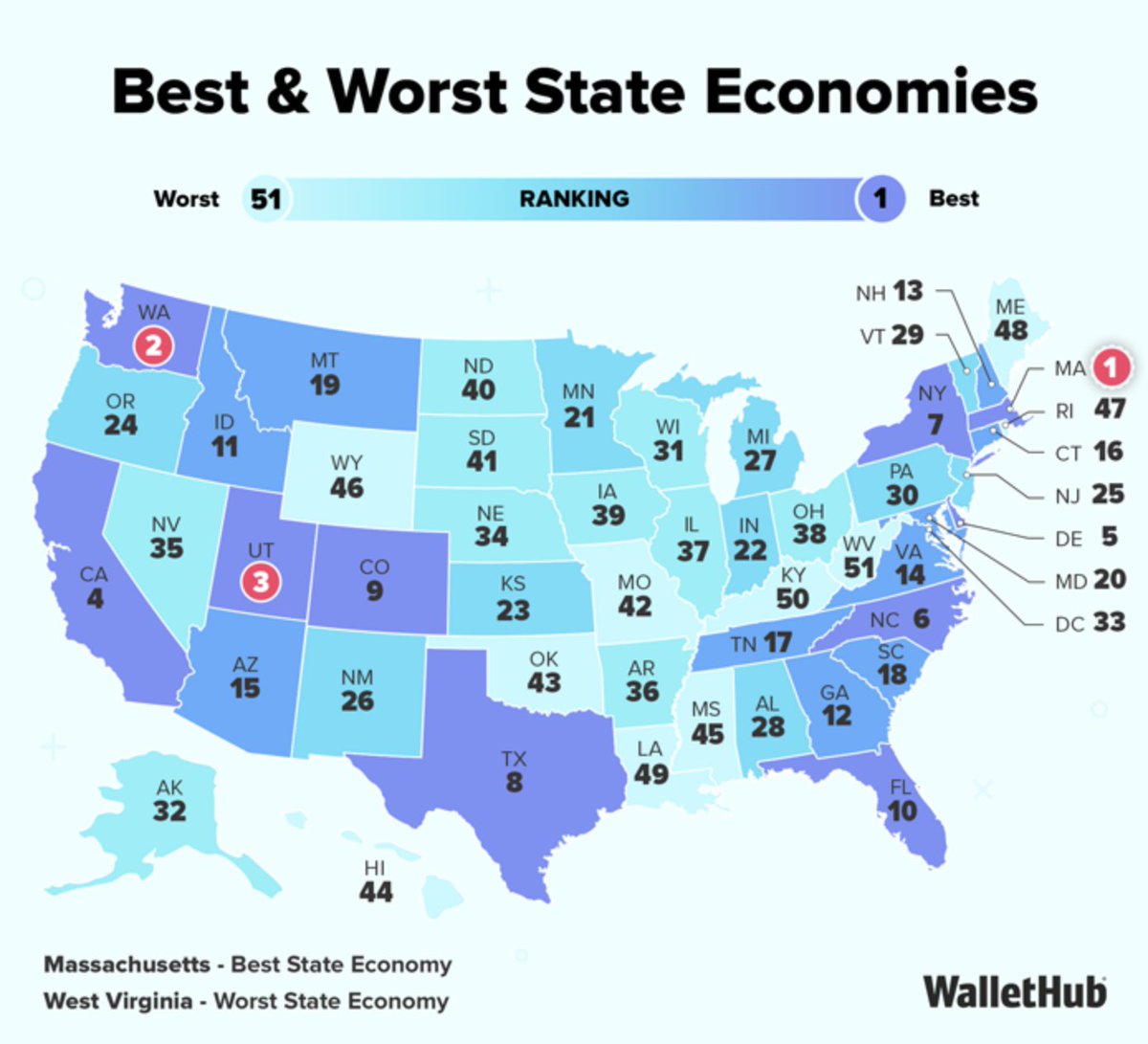
Maine: 48th.
New Hampshire: 13th.
Same region. Same size. Completely different result!
Here's the difference:
New Hampshire has no income tax, electricity rates that aren't propped up by solar mandates, and their state budget stays within its means. It's not growing 65% in seven years.
Meanwhile... Augusta Democrats raised our top income tax rate to more than 9% this year. Our electricity rates are at least double comparable rural states because Augusta decided ratepayers should subsidize large solar developers. And our state budget is approaching $12 billion. Totally unsustainable.
The gap between 13th and 48th is NOT a coincidence. It's a policy gap. And Governor Mills and Augusta Democrats built it ‒ one tax hike, one solar subsidy, one budget increase at a time.
This MUST change.
90
193
725
23,481
10h
I’m seeing multiple egregious failures with StubHub. We’ve all been warned.

🚨 WARNING about StubHub 🚨 We purchased 4 FIFA World Cup tickets (France vs Senegal, MetLife Stadium June 16) for $2,189 back in December. Three days before the game, the seller "couldn't deliver." StubHub's so-called FanProtect Guarantee? When we clicked the link — ZERO replacement tickets available. The same seats are now listed at DOUBLE the price. Oh, and our $300 non-refundable parking pass? Gone. This is a deliberate bait-and-switch scheme and we're filing complaints with both the NJ and MD Attorney General. Do better @StubHub. #StubHub #FIFA #WorldCup #BaitAndSwitch #ConsumerFraud
1
30


GREG SMITH retweeted

I know how Elon Musk became a trillionaire, but I don't know how Bernie Sanders, Elizabeth Warren, and Nancy Pelosi became millionaires.
1,975
16,979
104,266
1,082,032
Jun 13
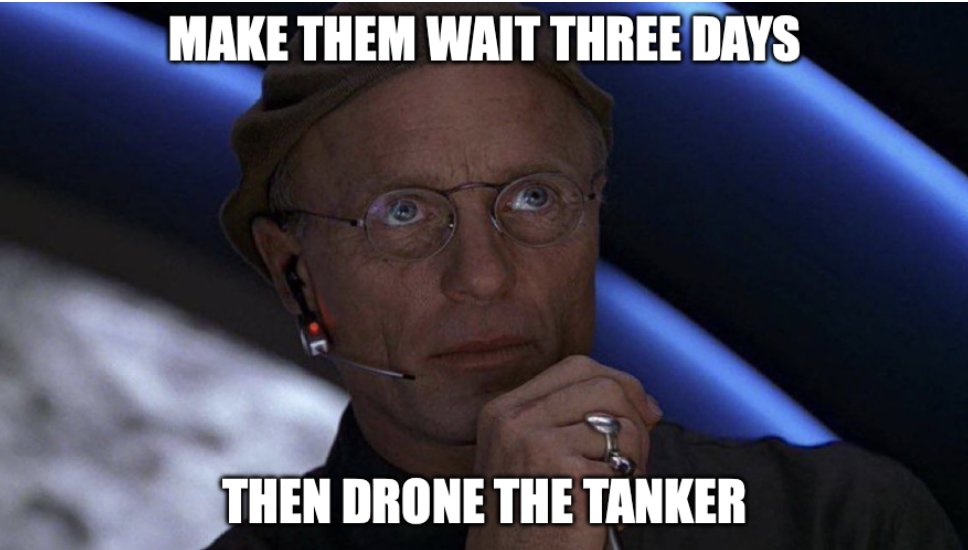
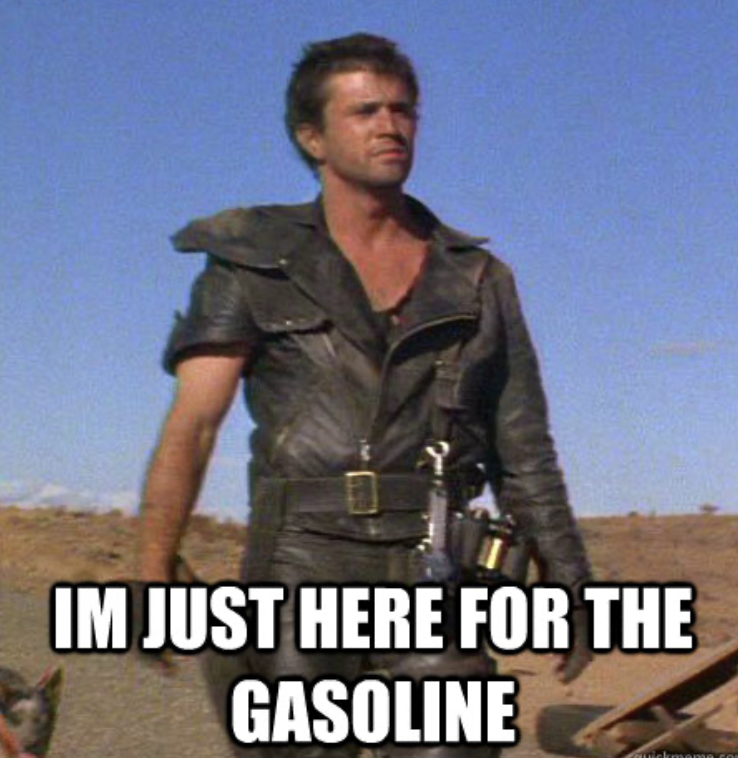
As always...just b/c it's on the Internet doesn't mean it's true. *BUT* this would be the expected outcome of a campaign against Russian refineries...and we've been seeing what are supposedly attacks on such places the past few months, usually by locals uploading cell phone footage. 20 liters is only about 5 gallons for you Americans.
Jun 13

Russian megacities have run out of fuel:
Moscow, St. Petersburg, and Kazan have introduced gasoline restrictions — drivers can now refuel only up to 20 liters.
18
GREG SMITH retweeted

Jun 13
Me driving home knowing there won’t be a second date, but at least she knows that her evidence-based mediterranean diet was what peasants were forced to eat to keep them weak and compliant.
128
422
8,461
272,055