Part time rodeo clown 🇺🇸 Full time faculty clown
Joined July 2024
- Tweets 18,435
- Following 2,802
- Followers 14,535
- Likes 133,488
2,454 Photos and videos






Pinned Tweet
American, never let foreigners shame you about how we protect our wildlife.
Americans invented the field of wildlife biology (Aldo Leopold) integrating biology, ecology, and management. We were the first to create a national university system (starting with the University of Wisconsin’s program) to systematize the discipline of wildlife biology and grow our impact across species and systems. This professionalized wildlife science and management worldwide.
Americans created the world’s first national parks establishing the idea of setting aside public land for wildlife and recreation. Our model is emulated globally. I have half a dozen senior fish and wildlife professionals at any given time that come to study with us to learn how we do it and bring what we know back home.
Americans invented the idea of wildlife as a public trust (you own all of our wildlife, not a lord or a private land owner like in much of the old world). We passed laws to require rigorous science based management to inform hunting seasons. We saw the early errors of our ways and ended commercial game markets that decimated our big game. We invented the “user pays” system where hunters and anglers fund conservation via licenses and excise taxes on guns and ammo to the tune of $50 billion since our programs began.
All of these innovations enabled the most dramatic and remarkable wildlife population recoveries on record. Bison, reduced to ~1000 now number half a million thanks to public land, science, and management. White tailed deer were nearly eliminated by 1900 now see numbers greater than 30 million. Wild turkey, my favorite example of a major conservation innovation in our trap and transfer programs (paid for by hunters) recovered spectacularly. Elk, beaver, birds of prey, pronghorn, the list goes on and on. America has also done more than any other nation in human history to fund global wildlife conservation as well. Billions of taxpayer dollars sent to Africa, LatAm, and Asia to protect wildlife and train local scientists, a largely thankless gift from the US taxpayer.
Saying that our wildlife has been “exterminated” is just an insane and ignorant claim to make but don’t let that stop you from weighing in on our affairs!
Feb 28

The mass extermination of American fauna just proves that European anti poaching laws were correct and just.
47
579
4,694
351,122
Shout out to these morons as the animal rights NGOs pull record fundraising days when a wretched video of these types of morons surfaces. Well done boys, grizzlies will be listed forever and wolves relisted- and you’re the poster child for how westerners can’t handle ourselves
Jun 12

The Wyoming Game and Fish Department is investigating a graphic video where an alleged Wyoming man tortures a seemingly wounded coyote. The video shows a man grabbing the coyote by its tail and then tossing, kicking, stabbing, and taunting the animal.
tinyurl.com/y7v4etm9
10
10
123
2,982

Jun 12
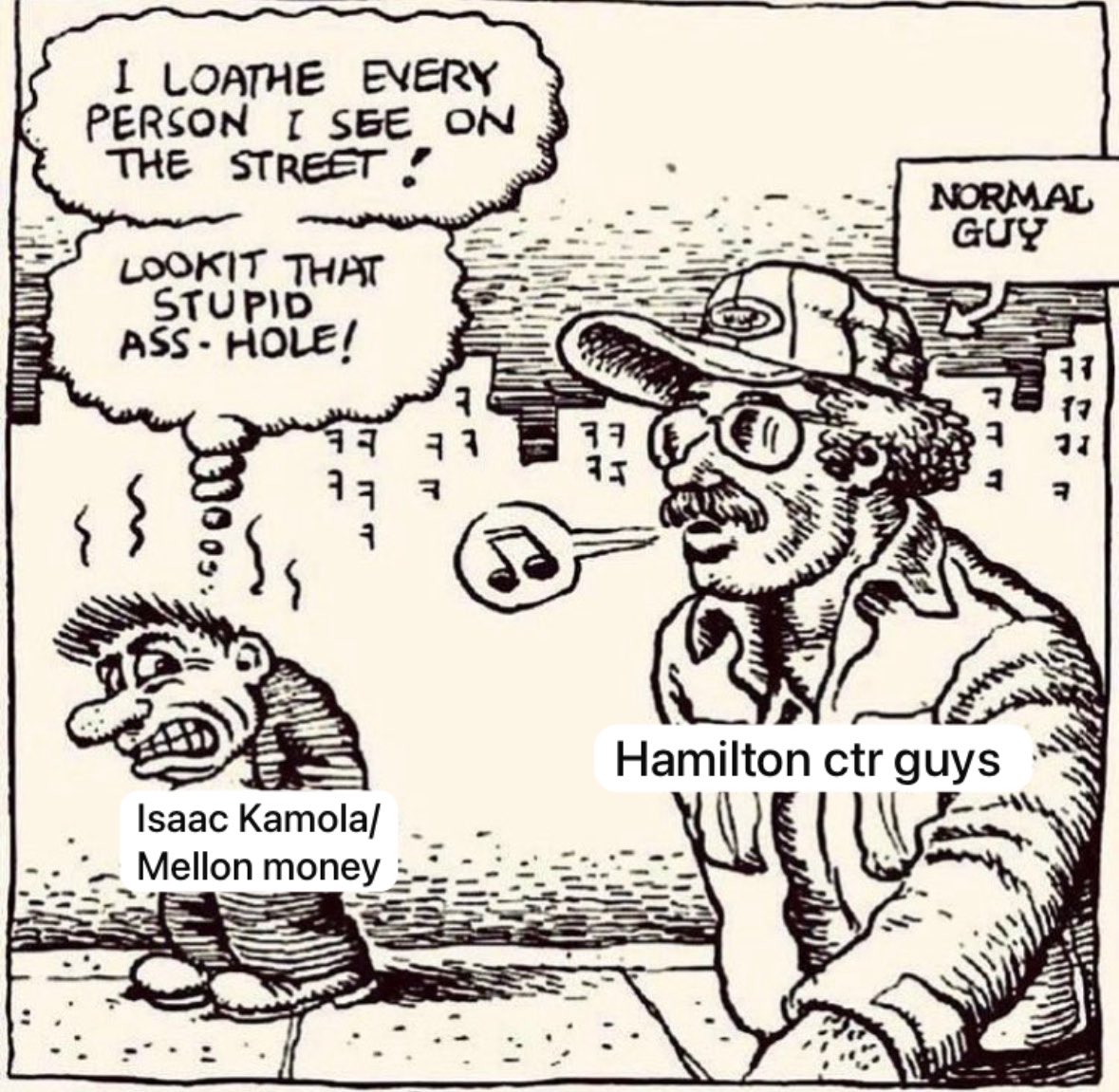
Kind of crazy that the Mellon Foundation went from funding art preservation, Shakespeare, jazz, and now it’s grants for hideous deranged freaks who want to gulag people for minor political disagreements. Do the Hamilton ctr guys even know who Isaac is?
Jun 11

NEW: The Mellon Foundation gave $1.5 million to establish a "center for the defense of academic freedom."
In audio I've obtained, the group's leader says his goal is to undermine the newly launched classical civics centers: "map who these f---ers are... and knock them out." 🧵
1
4
50
1,481
Jun 11
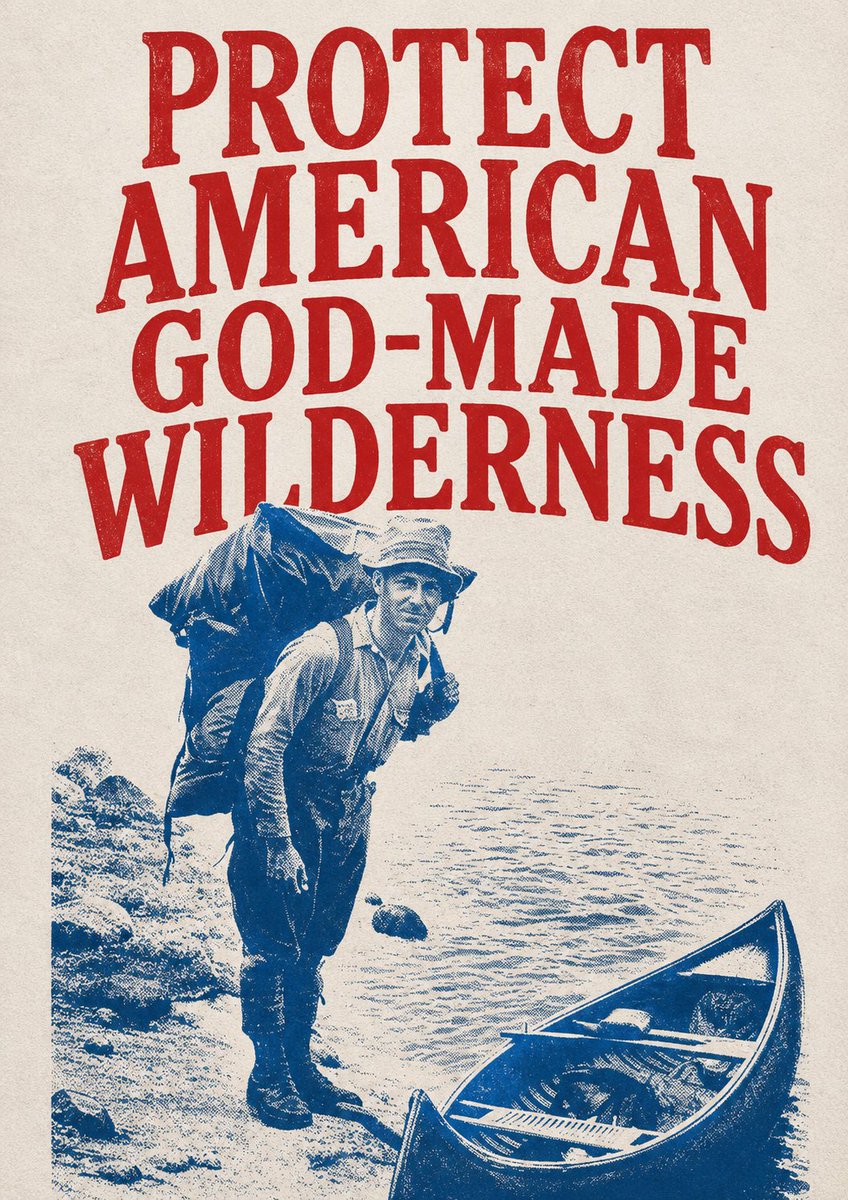
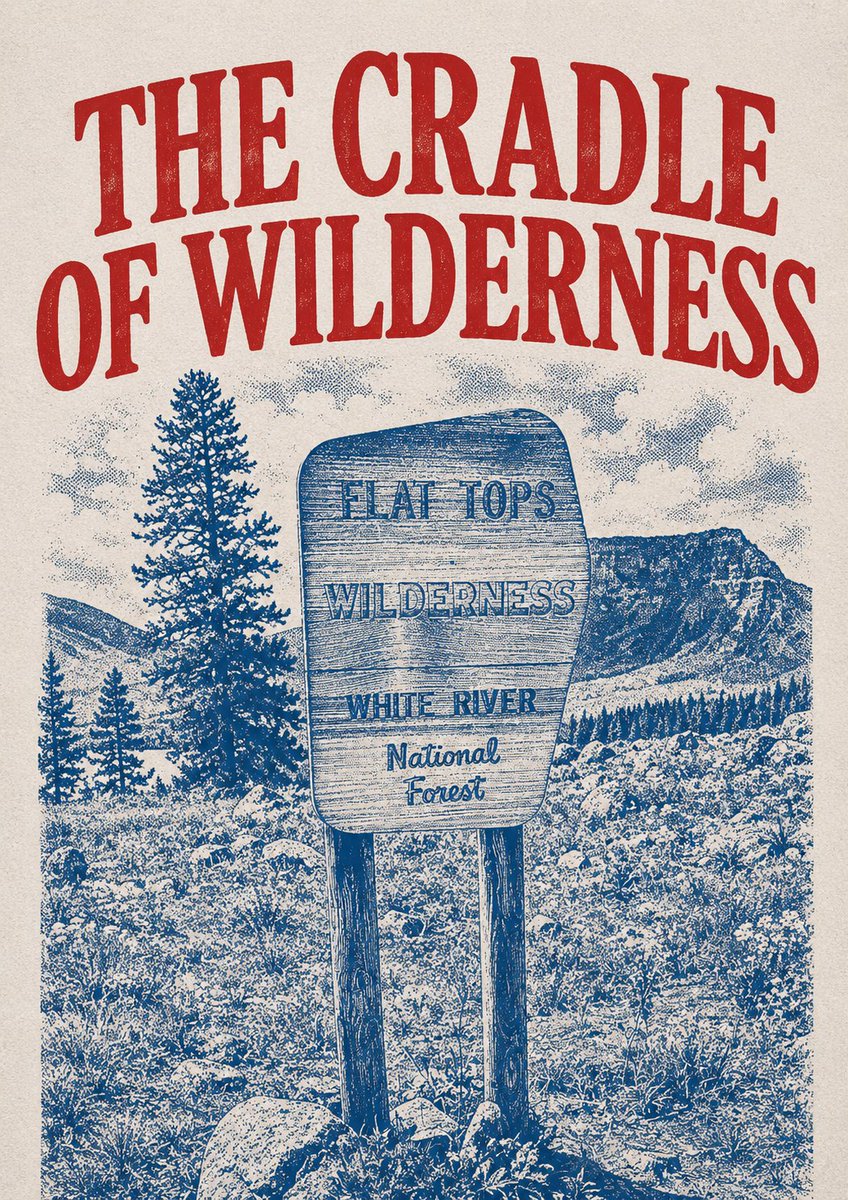
The next couple America 250 conservation poasts will be about what's known as "Capital W" Wilderness or "Federally Designated Wilderness". America has the very first and the largest national system for Wilderness protection. This fact makes Canadians very mad, so make sure and remind them. The idea of American Wilderness began in Trappers Lake, Colorado, thanks to conversations over beers with a 27 year old Forest Service employee, trout fishermen, and a legendary big game hunter from Louisiana who posed the question, "why can't we leave some places undeveloped as God made it?"
Wilderness in America has a strict legal definition, it is completely untouched, wild, public land with the strictest legal protections possible (more strict than our National Parks). That means no roads, nothing with motors or wheels, no bikes or strollers, no extraction of any sort is allowed in Wilderness.
Today, we are talking about the "Cradle of Wilderness" or the place where this idea came to be, Trappers Lake in the Flat Tops Wilderness in Colorado. The story of American Wilderness begins in 1919 at Trappers Lake when young Forest Service landscape architect Arthur Carhart was sent out there to survey the area to develop a road, a development of 100 cabins, and a marina. Carhart was profoundly moved by the beauty of Trappers Lake.
He had a lot of conversations with local fishermen (great fishing there today!) and they urged him to leave it untouched. The most famous interaction was with famous Louisiana big game hunter/explorer, Paul J. Rainey, who asked Carhart, "Do you have to circle every lake with a road?" and "can't you bureaucrats keep just one superb mountain lake as God made it?" Wilderness is interesting in the American context, compared to other parts of the world, because hunters and anglers pushed hard for it early on, and you can hunt and fish there today, but you need to pack out your game!
Carhart's report on the Flat Tops was an epiphany among early American conservation thinkers: some land should be left intentionally in its primitive state protected for aesthetics, spiritual value, the inspiration it makes you feel, and its very existence. Carhart returned to his bosses at the Forest Service offices in Denver and they agreed to leave the site untrammeled by man. The most famous line from his report that serves as a foundation for American Wilderness philosophy today was the urgency of protecting, "portions of natural scenic beauty which are God-made."
I'll pick up more on Wilderness tomorrow, it'll take a few days since our ancestors did a lot to make us proud here. I'll drop all these in one place in an article at the end of the month.
14
53
300
5,976
Jun 11
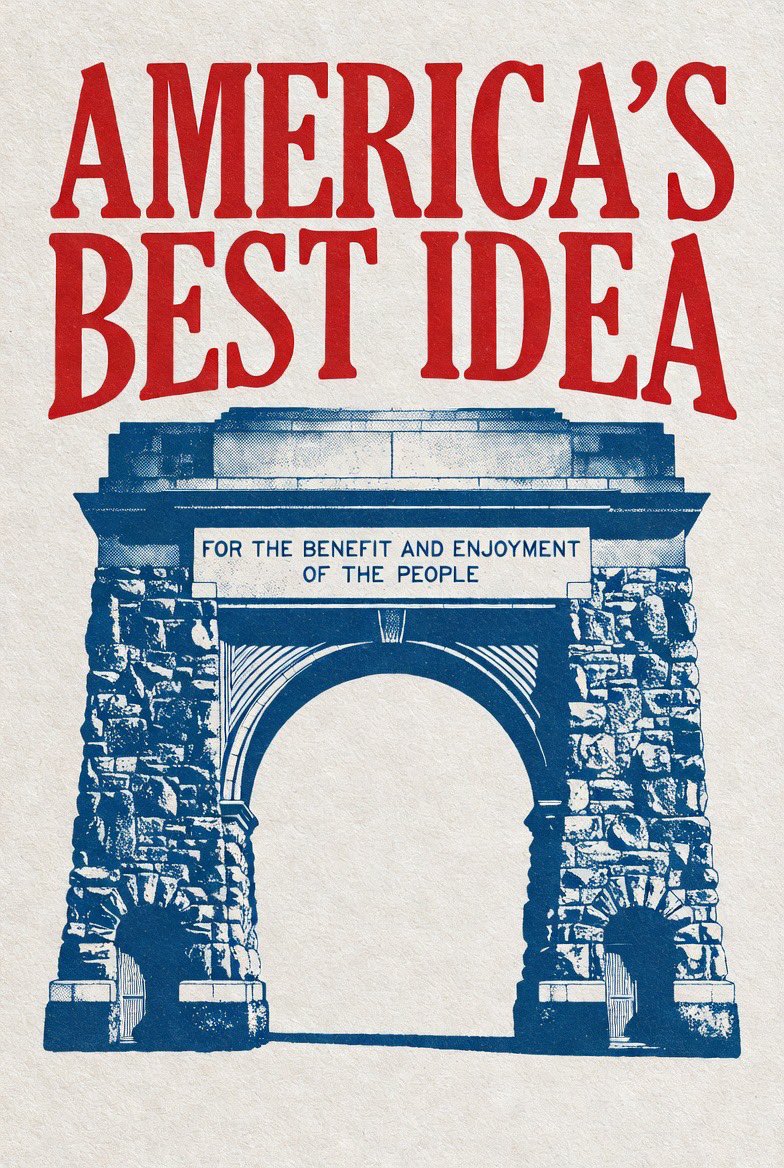
I’m making these WPA style posters in chat GPT, I’m no artist.
1
13
451
Jun 11
In case you missed it: America’s best idea
Jun 10

I’m going to do conservation themed America 250 poasts for the next month celebrating America’s greatest contributions to the field of wildlife and natural resources conservation, and there are a lot of them. I hope you enjoy. Starting with America’s best idea: the national parks.
Our ancestors came up with the concept, and we should be very proud of that. If you say the phrase “America’s best idea” to anyone working in conservation they know that you mean national parks, it annoys Europeans so it’s very fun to say.
Yellowstone officially became the world’s first national park in 1872, setting off a global movement of national park creation all over the world. The enacting legislation contained the park’s democratic purpose in the iconic phrase, “for the benefit and enjoyment of the people.” This phrase embodies the ethos of American national parks: democratic access to nature and wildlife for all Americans.
When we say Yellowstone was the very first national park, what we mean is that it was the first large, government-protected parcel of public land, set aside explicitly for protecting nature, allowing the public to enjoy it, and most importantly, for future generations of Americans. Before Yellowstone, protected areas were limited to royal hunting grounds overseas, private aristocratic estates, or small game reserves/clubs for wealthy members. Land was also primarily thought of for extractive use, so the idea of protecting it was new (and pretty out there actually). For the first time, land was intentionally excluded from development to protect scenery, wildlife, geology, and so on.
National Parks were designed as a democratic ideal, where anyone could come and enjoy. They embody an idea that nature belongs to all Americans, not royalty and not just the wealthy, which was a major break with European conservation models where nature/wildlife was set aside for royals or large land owners. This is why the Roosevelt Arch (cornerstone laid by TR) is engraved with this iconic phrase.
I’ll drop all these in an article at the end of the month so homeschoolers can use them if they’re tired of the “world is burning/extinction crisis” articles for kids.
1
2
41
1,156
Jun 11
The US is the largest financial contributor to the current Ebola response on top of the 100s of millions that taxpayers send to DRC annually (even today). Within days, America sent $23m, NYT will still write an article trashing @RobertKennedyJr. Reading NYT makes you dumber.

NEW: Major posts are vacant. Waves of scientists are gone. Ebola looms. How RFK Jr. manages HHS:
“If the C.E.O. lacked deep expertise in the company’s business and the leaders of its most important divisions were missing, investors would revolt."
nytimes.com/2026/06/07/us/po…
4
16
211
4,564
Jun 10
Scratch the surface of anything that looks like this in the field of wildlife, natural resources, and land management and you’ll find two big problems. First, the climate craze made it so that activist loyalty statements and ideology (eg “environmental racism”) took precedence over field fundamentals, or what Aldo Leopold noted are the foundations of natural resource management in America- axe, plow, cow, and gun. Land/wildlife under intensive human use requires active management, this is a truth we’ve long known but forgot in recent years. Second, the libs are really good at rewarding friends and punishing enemies. Why would they hire a bunch of guys to run forestry machinery and drip torches when they can hire NGO creatures to write infinite equity reports?

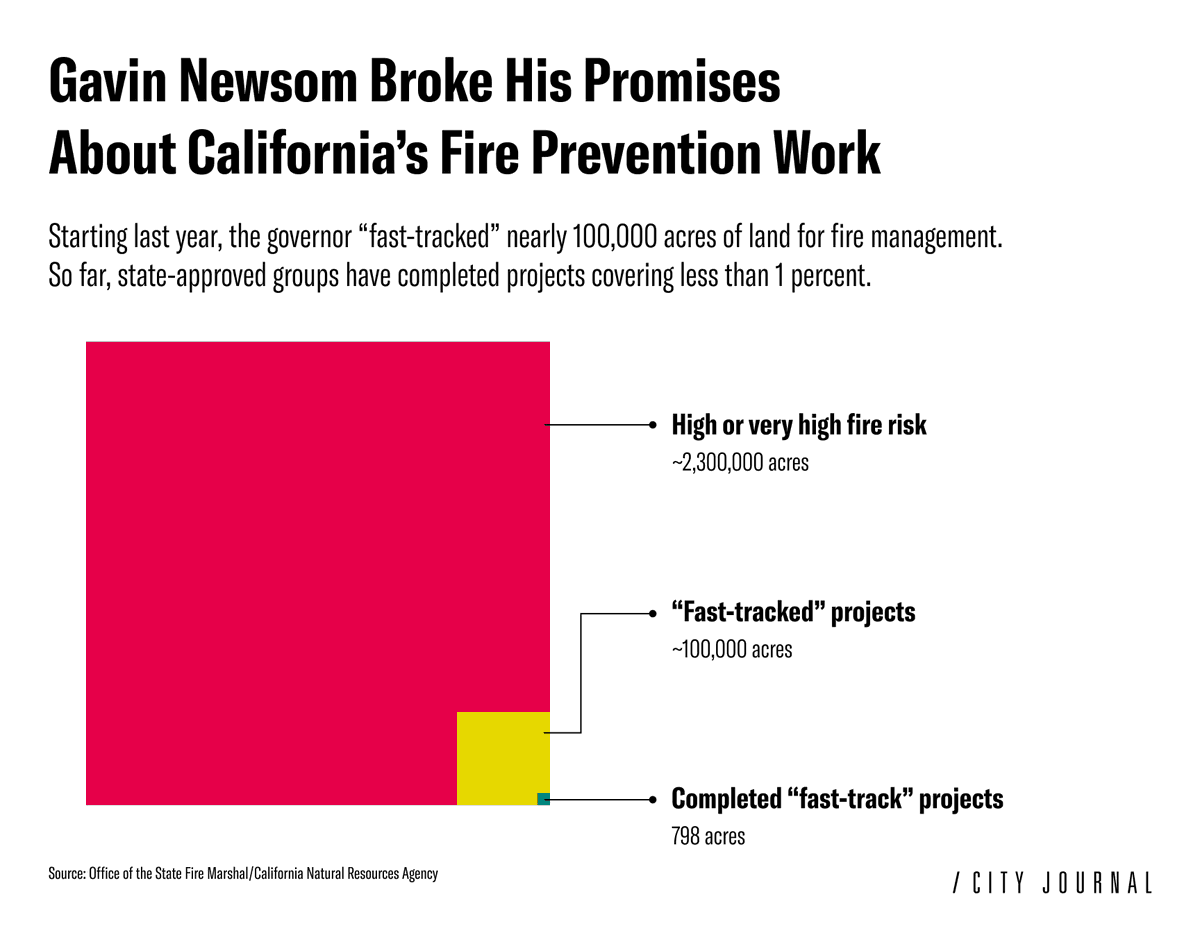
Wrong. Your own employees told us that you have completed work on fewer than 1 percent of the 100,000 acres you promised to "fast-track" over the past year—and, of course, you tried to hide it from the public.
We have the receipts.
9
46
332
29,681
Jun 10
Recent example 1 of 2 on federal public land:
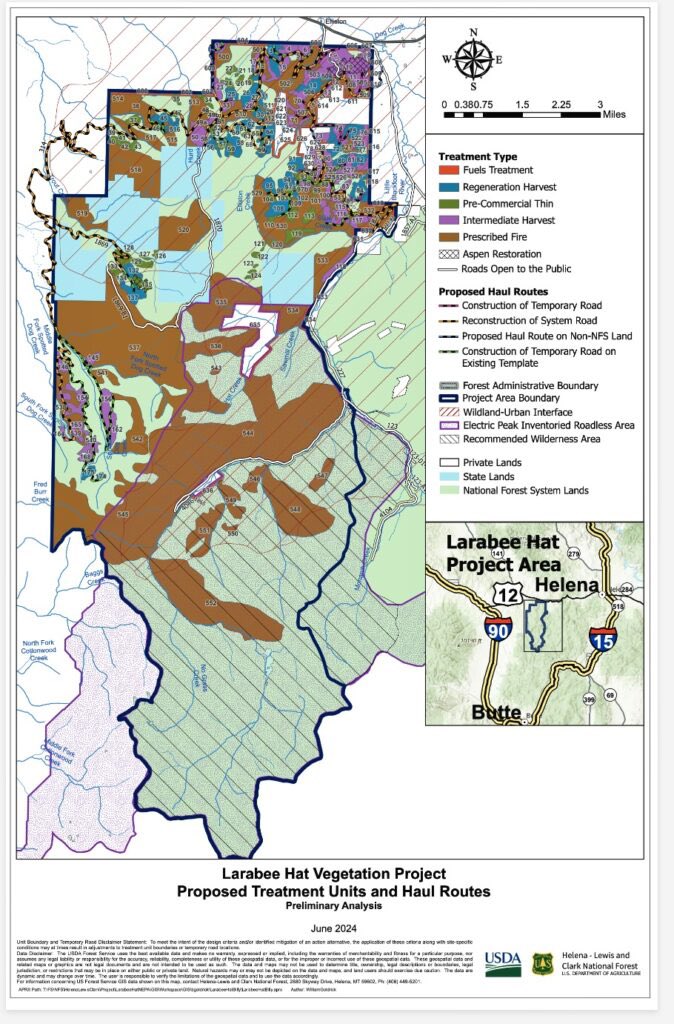
Once again the Forest Service is unable to follow its own management plans to deal with beetle outbreaks and wildfire fuels to lessen the risk of catastrophic wildfire to Montana towns. Why? Endless NGO lawsuits. This time it’s the Helena Lewis and Clark National Forest looking to fulfill its management plan, blocked by NGOs like the “Native Ecosystems Council” and the “Alliance for the Wild Rockies.”
I’m going to try and give an overview here without getting too far in the weeds. The Northern Continental Divide Ecosystem (NCDE) grizzly bear recovery (these are the Glacier National Park grizzlies) plan under the Endangered Species Act has what are called “recovery targets” within specific designated “recovery zones” so according to federal law we need to hit certain numbers in certain areas before species can be delisted (Greater Yellowstone Ecosystem is another example of a recovery zone, and the GYE/NCDE are the two largest and most successful recoveries of the 6).
The NCDE grizzlies met their federal recovery targets years ago using indicators like females with cubs, mortality, etc. The lawsuit in this article is about habitat that falls *outside* of the recovery zones, where the federal recovery plans themselves note that protections will obviously need to be weaker since humans live there.
In 2017, the Fish and Wildlife Service tried to delist GYE grizzlies since recovery targets had been met many times over. Judges sided with activist NGOs who said we cant delist GYE grizzlies because of emerging genetic science on “connectivity.” Meaning we need gene flow between GYE and NCDE and delisting one could cause genetic bottlenecks in the other. The main NGOs were the usual cast of characters Earthjustice, the Center for Biological Diversity, Wild Earth Guardians, the Sierra Club, and some of the NGOs in this lawsuit today.
Now this CSD article is talking about how, as part of recovery plans, grizzly populations also have required acreage of what’s called “secure habitat” or habitat that’s devoid of roads, clearcut, etc. This number is 2500 acres for one bear and it’s meant only to apply *within* the recovery zones. Well, after the 2017 delisting attempt and other NGO lawsuits, connectivity between the recovery zones is now being held to strict standards that used to be reserved for the recovery zones. Then, on their way out, Biden tried listing all grizzlies as one population unit meaning none can be delisted without the others. This is in limbo with resolution expected by this Christmas.
This essentially would mean that GYE and NCDE bears cannot be delisted until the Northern Cascade bears recolonize in about 50-100 years from now even though recovery targets were met. Obviously this admin will table that. These NGOs want to keep bears listed forever and they want to use strict ESA protections to prohibit any American-style of wildlife management. American-style wildlife management famously includes the use of “axe, cow, plow, fire, and gun” per the inventor of the field, Aldo Leopold. The NGOs and their lawfare campaigns run completely anathema to how we manage species. All bankrolled by coastal foundations thousands of miles away.
The major take away of this is the Forest Service is trying to do fire mitigation over a 20 year project (80% of the project is fire/fuel treatment), with some commercial timber harvest here and there. It’s mostly to stop a major wildfire. You can see this in the map, but the NGOs are smearing this as a “logging” project rather than a fire project and making it out like Trump himself is reducing grizzly connectivity habitat even though that entire concept is the result of neverending NGO lawsuits meant so that we can never delist bears and never touch any of the forests in Wyoming and Montana.
1
2
34
1,061
Jun 10
Recent example 2 of 2, this is now the norm:
Articles like this are meant to you blackpill because we are “chopping down trees in Yellowstone.” But don’t worry this is completely fake.
First, it’s meant to panic you about timber extraction when the National Forests were created in the 1890s for timber and watersheds. The Multiple Use mandate (a law passed in the 1960s) requires we manage American national forests for co-equal purposes: outdoor recreation, timber, grazing, watersheds, fish and wildlife. This means one “use” under the multiple use framework cannot, by law, preclude the others.
Timber harvest under multiple use should be a source of American pride in conservation. Multiple use is a uniquely American innovation that gives many different types of people and businesses real skin-in-the-game in public land conservation. The 2026 Forest Service is pretty great at balancing conservation science, outdoor recreation, and extraction based livelihoods.
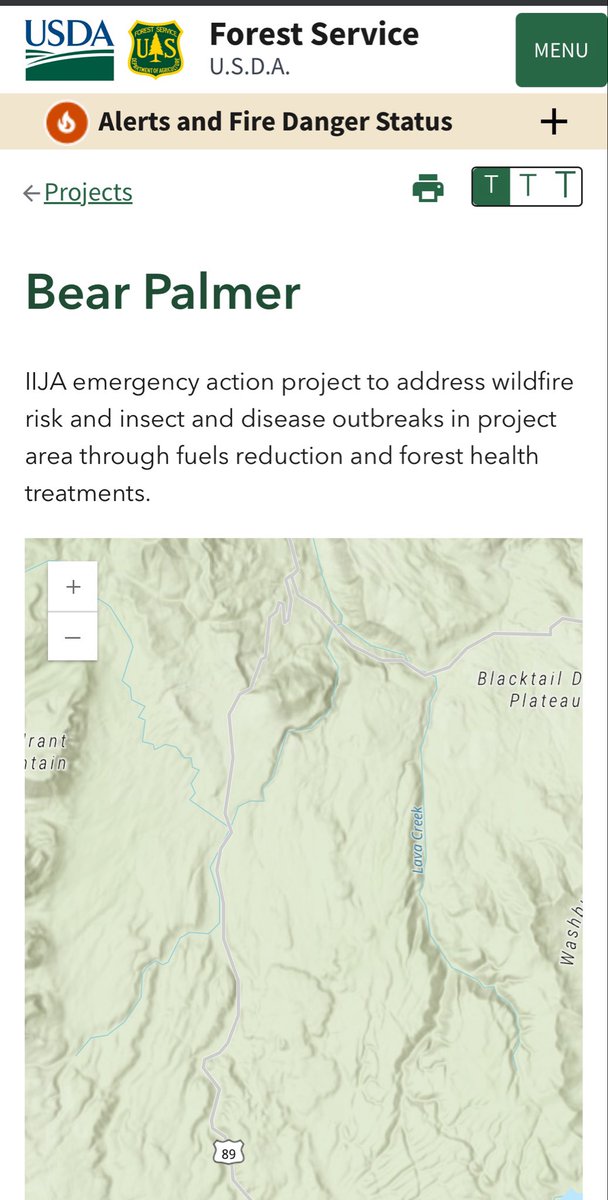
Funny enough, despite what the article is trying to mislead you into thinking, the planned clearcut isn’t really even for timber, it’s mainly to remove dead down trees caused by insects/disease to prevent wildfire. The Biden era emergency declaration they’re using to speed this fire mitigation up is to prevent endless lawsuits from crazy NGOs that make management next to impossible.
The proposed Bear Palmer project is less than 1 percent of the 3 million acre Custer Gallatin National Forest. It’s a tiny, localized vegetation removal project. The type of clearcut proposed here *sounds* bad to people who know nothing of Mountain West forests, but it’s well within the Custer Gallatin’s own Biden-era 2022 management plan. Forest management plans are documents that take years of science, manager, and public input to establish a sustainable management strategy including vegetation and timber plans.
The management plan itself says a clearcut like this is the ideal path to regeneration for species like lodegpole pine because these trees are shade intolerant, meaning they need sunlight. So regeneration is best after what’s called a “stand replacing disturbance” or a clearcut.
Bear Palmer is a prioritized stand because there is a lot of deadfall due to insect issues or big wildfire risks. Beyond all that, no clearcut happens without an additional NEPA and special assessments of wildlife, old growth, listed species like griz, and so on, beyond the requirements of their own plan. You can read hundreds of pages of these assessments on their website today. Clearcutting is literally *the* preferred regeneration method for lodegpole to reduce wildfire risk and disease within the forest’s own plan and meet ecological objectives for regrowth!
It’s just crazy to me that supposedly environment focused publications can miss the mark so egregiously. Whose interests are served by making the American people think the Forest Service is bad at managing trees/wildlife?! It’s actually, in terms of its science and management plans, really good at that.
I was so astounded by how terrible this article was that I had to look into the author, who is an “award winning Bangladeshi journalist” who recently moved here to do a degree in journalism at the University of Montana. Maybe before writing an article so strangely out of touch with the way we manage national forests like the Custer Gallatin this guy should probably learn a little more about the American system?
Who funds the demoralization propaganda website Inside Climate News? Of course it’s the same opaque network of foundations (Ford, MacArthur, Rockefeller) pushing climate extremist degrowth nonsense everywhere else. Only in America do massive foundations push panic agitprop to undermine our own public land agencies/demoralize Americans about our national forest system written by people who got here 5 minutes ago.
1
14
533
Jun 10
I’m going to do conservation themed America 250 poasts for the next month celebrating America’s greatest contributions to the field of wildlife and natural resources conservation, and there are a lot of them. I hope you enjoy. Starting with America’s best idea: the national parks.
Our ancestors came up with the concept, and we should be very proud of that. If you say the phrase “America’s best idea” to anyone working in conservation they know that you mean national parks, it annoys Europeans so it’s very fun to say.
Yellowstone officially became the world’s first national park in 1872, setting off a global movement of national park creation all over the world. The enacting legislation contained the park’s democratic purpose in the iconic phrase, “for the benefit and enjoyment of the people.” This phrase embodies the ethos of American national parks: democratic access to nature and wildlife for all Americans.
When we say Yellowstone was the very first national park, what we mean is that it was the first large, government-protected parcel of public land, set aside explicitly for protecting nature, allowing the public to enjoy it, and most importantly, for future generations of Americans. Before Yellowstone, protected areas were limited to royal hunting grounds overseas, private aristocratic estates, or small game reserves/clubs for wealthy members. Land was also primarily thought of for extractive use, so the idea of protecting it was new (and pretty out there actually). For the first time, land was intentionally excluded from development to protect scenery, wildlife, geology, and so on.
National Parks were designed as a democratic ideal, where anyone could come and enjoy. They embody an idea that nature belongs to all Americans, not royalty and not just the wealthy, which was a major break with European conservation models where nature/wildlife was set aside for royals or large land owners. This is why the Roosevelt Arch (cornerstone laid by TR) is engraved with this iconic phrase.
I’ll drop all these in an article at the end of the month so homeschoolers can use them if they’re tired of the “world is burning/extinction crisis” articles for kids.
14
82
410
6,694
Jun 10
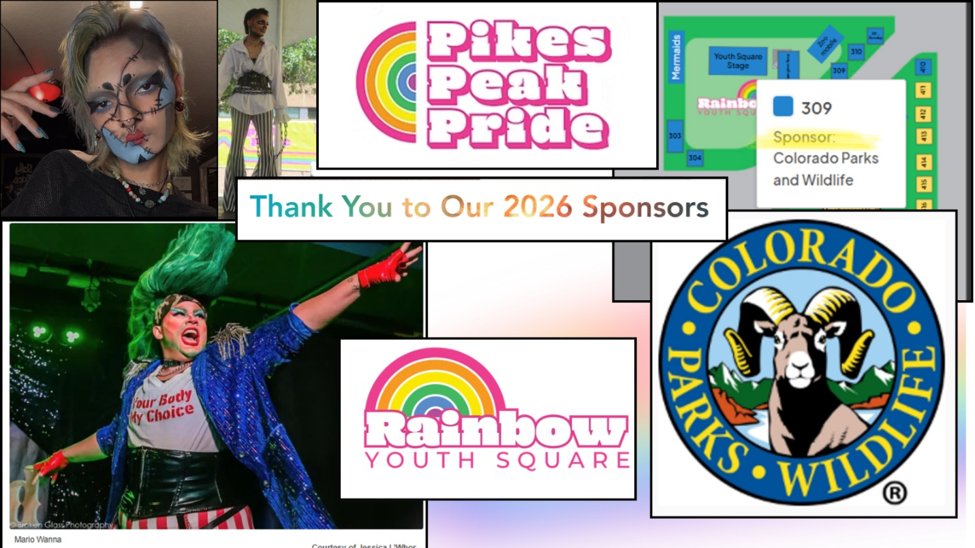
If these identity based events are being funded by license dollars they’re breaking state and federal laws. All wildlife license fees in states are required by state law to go to wildlife management, conservation, habitat, species protection, this is the core of the North American Model. Then federal law, states have to ensure hunting and fishing license fees are not diverted to non wildlife purposes, this is extremely strict and I’ve seen an audit with my own eyes, it’s *very* thorough. My guess here is this is state park dollars (less restricted by law), sponsorships, or administrative discretionary pots. Youth drag events (if that’s what this is) aren’t part of the statutory mission of the agency, this could mean audits or loss of federal matching dollars if these dollars aren’t carefully managed. These sorts of things outside of agency mission make the lives of everyday wildlife managers harder. This should be a neutral, science based agency.

Colorado taxpayers are funding Drag Story Hours for kids at this week's Pikes Peak Pride event.
@COParksWildlife is a Bronze level sponsor and will have a booth in Rainbow Youth Square, where Drag artists Psycho Sin O'Matic, Mario Wanna and others will entertain children.
6
33
231
5,023
College teams would line up to compete in an America 250 rodeo and bass fishing tournament.
Jun 9

As a published scholar I think the 250th should include a NASCAR race, rodeo, MMA fight, and a BASS tournament as @RodeoProfessor said.
9
7
132
3,656
If you see anyone attacking @SecRollins or Donald Trump over new world screwworm and not Mexican leadership’s gangster extortion of US taxpayers, then you know they’re just DNC activists.
The American taxpayer has borne all costs for science and prevention of New World screwworm (NWS) for over 70 years. We spent tens of millions of dollars eradicating it at home in the 50s-60s, then 20-50 million pushing the barrier south of Mexico between the 70s and 80s, effectively (thanklessly) taking care of their problem for them. Maintenance of the barrier via the Darien Gap sterile fly project was established in the 90s with massive American investments in sterile fly facilities and on the ground treatments that cost Americans $15 million a year since the 90s.
We do these generous scientific programs as the benefits to Americans outweigh the costs. More recent emergency interventions include $100 million dollar emergency investments in 23 and 24 ($300 m total at this point over 3 years) plus upgrades to Mexican sterile fly facilities in 25 for another $20 m on top of the $15 m annual programmatic spend in normal years.
Since Trump 2, the Mexican government has put up obstacles to extract more money from us and score points against Donald Trump. They’ve limited our APHIS planes that drop sterile flies, they only let our planes fly 6 of 7 days a week, they’ve restricted pilot access and facilities access and slowed down logistics every way they can. They put huge duties on plane parts and imported dispersal equipment, and even on the shipments of sterile flies for a program where the American taxpayer is already paying the entire bill. It’s outrageous!
So on top of American taxpayers paying for all aspects of the prevention (sterile fly production, facilities, dispersal throughout Mexico and Central America) they want more payments and concessions from us or else they make implementing the program a bureaucratic hell.
This mentality, by the way, is extremely common for all sorts of foreign aid spanning all sectors from medicine to water supply to ag. Graft and bribes on top of direct costs for aid that you’re already paying for is common across the third world and the U.S. payer just had to take it up until Rubio changed the model. But sure, Mexicans “built” my country or whatever. Lmfao.
Jun 7

Mexican President Sheinbaum: We built Mexico and we have also helped build the United States.
"The 40 million Mexicans who live there, the United States would not be what it is today without the 40 million Mexican men and women who work there..."
12
147
560
15,235
Once again the Forest Service is unable to follow its own management plans to deal with beetle outbreaks and wildfire fuels to lessen the risk of catastrophic wildfire to Montana towns. Why? Endless NGO lawsuits. This time it’s the Helena Lewis and Clark National Forest looking to fulfill its management plan, blocked by NGOs like the “Native Ecosystems Council” and the “Alliance for the Wild Rockies.”
I’m going to try and give an overview here without getting too far in the weeds. The Northern Continental Divide Ecosystem (NCDE) grizzly bear recovery (these are the Glacier National Park grizzlies) plan under the Endangered Species Act has what are called “recovery targets” within specific designated “recovery zones” so according to federal law we need to hit certain numbers in certain areas before species can be delisted (Greater Yellowstone Ecosystem is another example of a recovery zone, and the GYE/NCDE are the two largest and most successful recoveries of the 6).
The NCDE grizzlies met their federal recovery targets years ago using indicators like females with cubs, mortality, etc. The lawsuit in this article is about habitat that falls *outside* of the recovery zones, where the federal recovery plans themselves note that protections will obviously need to be weaker since humans live there.
In 2017, the Fish and Wildlife Service tried to delist GYE grizzlies since recovery targets had been met many times over. Judges sided with activist NGOs who said we cant delist GYE grizzlies because of emerging genetic science on “connectivity.” Meaning we need gene flow between GYE and NCDE and delisting one could cause genetic bottlenecks in the other. The main NGOs were the usual cast of characters Earthjustice, the Center for Biological Diversity, Wild Earth Guardians, the Sierra Club, and some of the NGOs in this lawsuit today.
Now this CSD article is talking about how, as part of recovery plans, grizzly populations also have required acreage of what’s called “secure habitat” or habitat that’s devoid of roads, clearcut, etc. This number is 2500 acres for one bear and it’s meant only to apply *within* the recovery zones. Well, after the 2017 delisting attempt and other NGO lawsuits, connectivity between the recovery zones is now being held to strict standards that used to be reserved for the recovery zones. Then, on their way out, Biden tried listing all grizzlies as one population unit meaning none can be delisted without the others. This is in limbo with resolution expected by this Christmas.
This essentially would mean that GYE and NCDE bears cannot be delisted until the Northern Cascade bears recolonize in about 50-100 years from now even though recovery targets were met. Obviously this admin will table that. These NGOs want to keep bears listed forever and they want to use strict ESA protections to prohibit any American-style of wildlife management. American-style wildlife management famously includes the use of “axe, cow, plow, fire, and gun” per the inventor of the field, Aldo Leopold. The NGOs and their lawfare campaigns run completely anathema to how we manage species. All bankrolled by coastal foundations thousands of miles away.
The major take away of this is the Forest Service is trying to do fire mitigation over a 20 year project (80% of the project is fire/fuel treatment), with some commercial timber harvest here and there. It’s mostly to stop a major wildfire. You can see this in the map, but the NGOs are smearing this as a “logging” project rather than a fire project and making it out like Trump himself is reducing grizzly connectivity habitat even though that entire concept is the result of neverending NGO lawsuits meant so that we can never delist bears and never touch any of the forests in Wyoming and Montana.
To clear the way for a Montana logging project, the Trump administration wants to redefine secure grizzly habitat from 2,500 acres to 1 acre. Opponents say it will get bears killed but a retired Wyoming forester says logging is good for grizzlies.
cowboystatedaily.com/2026/06…
30
158
684
23,254
Barn has been flagged for America 250 tricorn hat on the mule deer skull y/n?
18
9
314
4,128
If you see someone giving their opinion on New World Screwworm, just do a little check of their posting history. If they don’t typically weigh in on ranching livelihoods, land management, or wildlife, just mute them as they’re actively making people dumber. I’m a big critic of the public land agency DOGE firings but people like this who cry wolf blaming *everything* on DOGE firings make it so that nobody listens to us when we’re trying to get the admin to lift the hiring freezes in the land management agencies (because they lost a third of their employees and can’t backfill even for peak season).
9
19
147
5,202
Follow this account for good NWS updates @americaunwon
1
19
637
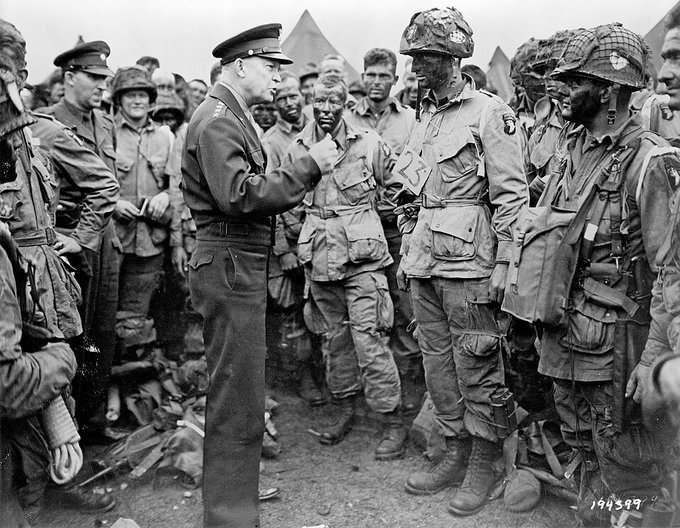
Eisenhower loved fly fishing in Colorado out of Fraser and along the gold medal fisheries of the South Platte by Pine. When he was speaking to paratroopers before D-Day in this picture he was talking about fly fishing opportunities in Michigan. He had Camp David stocked with brook trout so he could easily walk down and get a few casts in.
Jun 5

American greatness. Eisenhower is now talking about fly fishing with men of Co. E, 502nd PIR, 101st, Greenham Common Airfield. It is 8:30 p.m. 2,500 American paratroopers will be casualties on D Day. See more at substack.com/@alexkershaw
6
6
174
6,641
He also loved to fish in Maine but I’ve heard too much about Maine this week against my will so I left it out.
3
22
536