
Designer Inventor Engineer : : Products that Move, Help and Support YOU : : Bikes EV's @LotusElon Kitchen Medical Industrial : : Design Engineering Works
Joined March 2009
- Tweets 14,154
- Following 789
- Followers 2,357
- Likes 32,102
2,203 Photos and videos












May 26
LIFE HACKED - yep ROBOT jar opener will open an jar in seconds! ROBOTWIST ... youtube.com/shorts/gBEsKK1gC… via @YouTube
83
May 17
human_amp
23h
JosephJoseph 'Can-Do' .... placed No1 with 100% score in Which Can Opener Tests …which.co.uk/reviews/kitchen-… (with Can-Do Plus No2) ..... Chuffed ✌️
1
2
63
Mark Sanders retweeted

May 16
A zero visibility landing is captured from the flight deck of a Boeing 737
481
1,233
11,217
1,328,968
Mark Sanders retweeted
21 May 2024
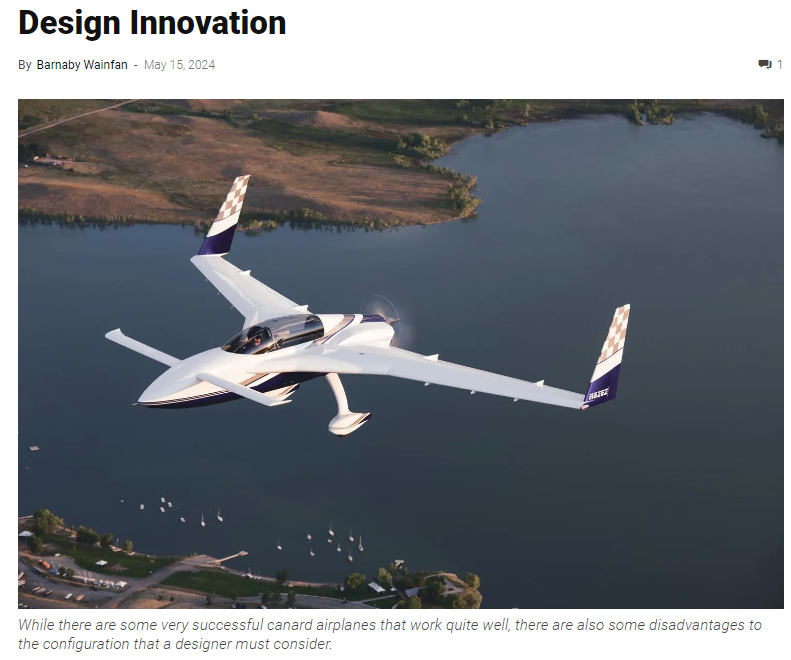
Insightful - Design Innovation for aircraft - optimisation is nuanced
kitplanes.com/design-innovat…
1
1
136
Mark Sanders retweeted

May 10
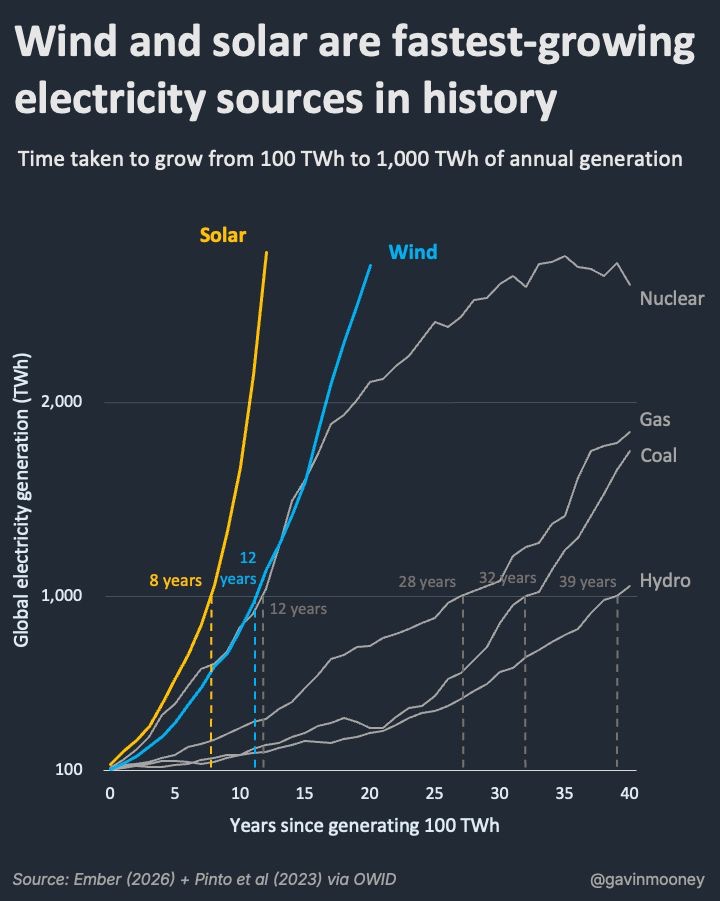
Battery storage can now enable wind and solar to produce continuous power at an economic price, reports an international agency. The old intermittency objection to renewables is losing its validity.
euronews.com/2026/05/08/roun…
156
434
1,024
28,851
Mark Sanders retweeted
Apr 14
A 1940s cartoon imagining future cars.
23
137
1,264
59,985
Mark Sanders retweeted
11 Nov 2025
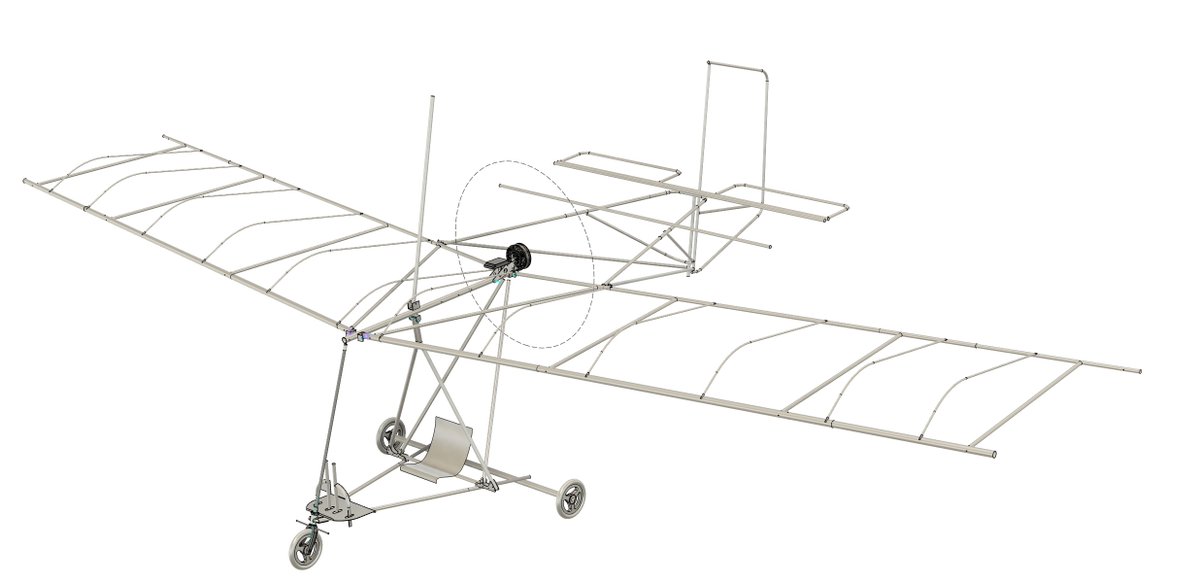
Electric Sub 70Kg (unregulated) UK ultralight taking shape - airframe only 38kg but will go up to the line Rotec Rall-E FEA and CAD in @adskFusion
2
3
137
Mark Sanders retweeted
20 Dec 2025
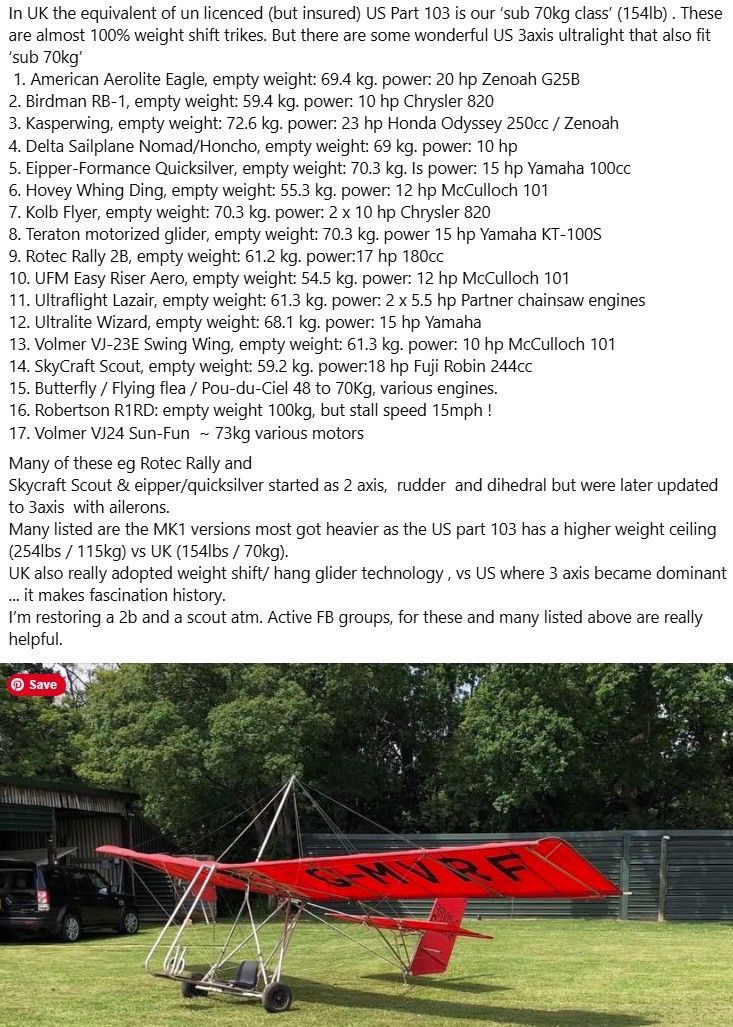
Imagine, it’s easy if you try, Electric, 3-Axis Sub70kg (deregulated)
HINT: motor battery for 40min flight weighs less than 2stroke fuel 👌
7 Feb 2025

Many early ultralight aircraft are suitable for electric conversion, even sub 70Kg (they had heavy engines and light airframes).
UK: weight shift vs US: conventional controls as listed below:
1
3
172
Mark Sanders retweeted

Apr 3
There are few people arguing to replace jet fuel in planes with batteries so I assume your argument relates to cars?
So some simple physics for you.
Petrol
- Energy content: ~8.9–9.5 kWh per L
- Density: ~0.74–0.76 kg/L
So:
- 34 kWh ≈ ~3.7–3.8 liters of petrol
- Mass ≈ ~2.8–3.0 kg
- Specific energy ≈ ~12 kWh/kg
Lithium-ion battery
Typical pack-level energy density: ~150–300 Wh/kg
So:
- 34 kWh battery weighs ~110–230 kg
- Specific energy ≈ ~0.15–0.30 kWh/kg
Petrol is still about 40× higher energy density by mass. But for cars, this comparison is misleading. Unlike aircraft, cars are dominated by efficiency, not just energy density.
1. Drivetrain efficiency flips the story
- Petrol engine efficiency: ~20–30%
- Electric drivetrain: ~85–95%
So usable energy:
- Petrol:
34 kWh × 25% ≈ 8.5 kWh useful
- Battery:
34 kWh × 90% ≈ 30.6 kWh useful
Electric delivers ~3–4× more usable energy from the same stored energy.
2. Real-world range comparison
Let’s convert that into driving range. Typical consumption:
- Petrol car: ~6–8 L/100 km
- EV: ~15–20 kWh/100 km
From ~34 kWh:
- Petrol: 3.8 L → ~50–65 km
- EV: 34 kWh → ~170–220 km
Despite being ~40× heavier, the battery goes ~3× farther.
3. Weight matters much less for cars than planes
Cars are not nearly as sensitive to weight as aircraft:
- Rolling resistance and aerodynamics dominate at speed
- Regenerative braking recovers energy in stop-start driving
- Extra mass has much smaller penalty than in flight
So the “battery is heavy” argument is far weaker for cars than for planes.
For cars, improving efficiency and cost often matters more than pushing extreme Wh/kg. In summary, Petrol has about 40× higher energy density than lithium-ion batteries by mass, but electric drivetrains are about 3–4× more efficient. As a result, an electric car can travel significantly farther than a petrol car using the same amount of stored energy, despite the battery being much heavier.
For planes (and some cars) the answer lies perhaps in synthetic fuels. For the majority of cars, it lies in batteries. It’s just maths and physics.
I’ll ignore the politics of war, but simply state that the more origins of energy that we have (oil, gas, solar, wind, nuclear, synthetic fuels, etc), the more unlikely we are to fight over them.
9
8
63
3,354
Mark Sanders retweeted

This man trusted physics when he was expelled at 80 km/h from a truck that was traveling at 80 km/h 🤯
15
139
1,997
204,217
Mar 25
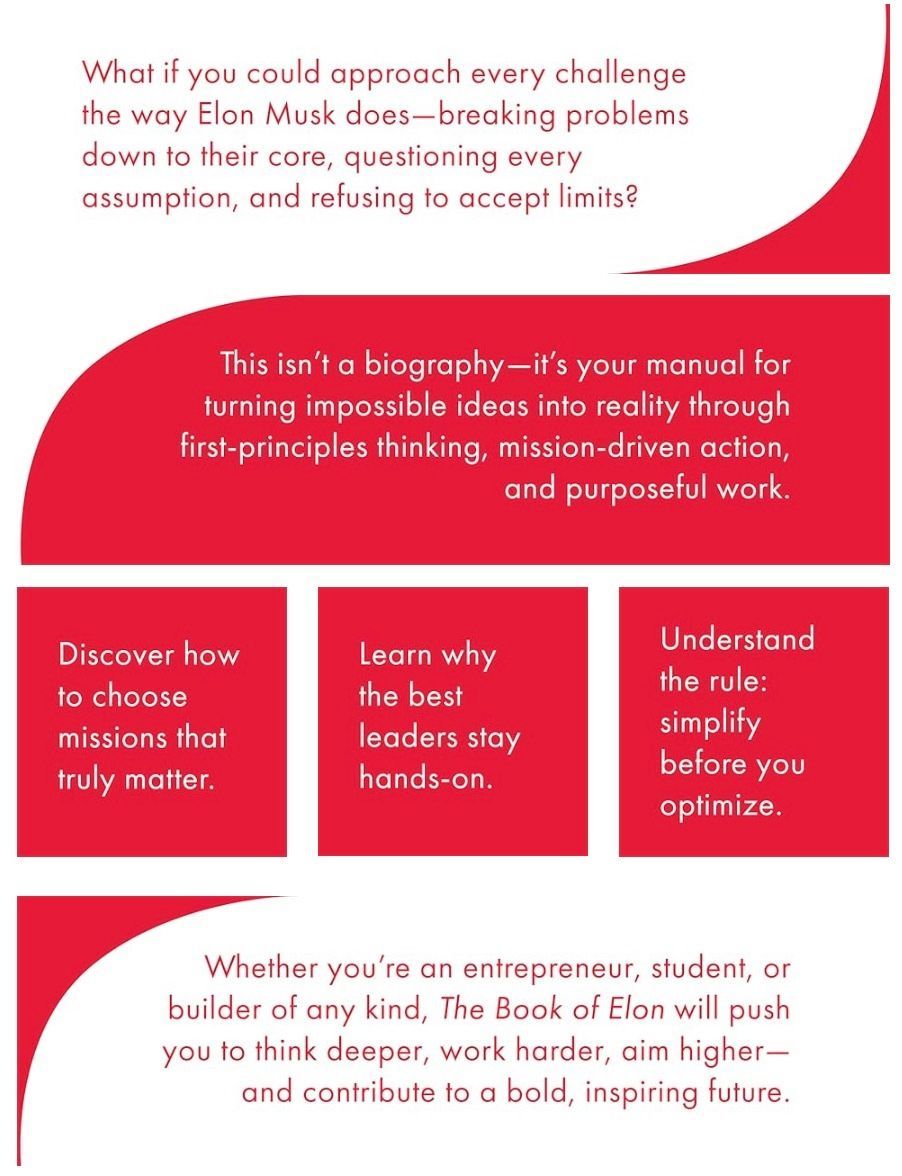
Musk WAS my Hero - Engineering, Manufacturing, Design Innovations in energy, transport & space. BUT turned Twitter into a hate pit and supported the crazy orange narcist ;-(
Redeeming Pod/Book of Mantras now inspires .. founderspodcast.com/
1
1
79
Mark Sanders retweeted

Mar 16
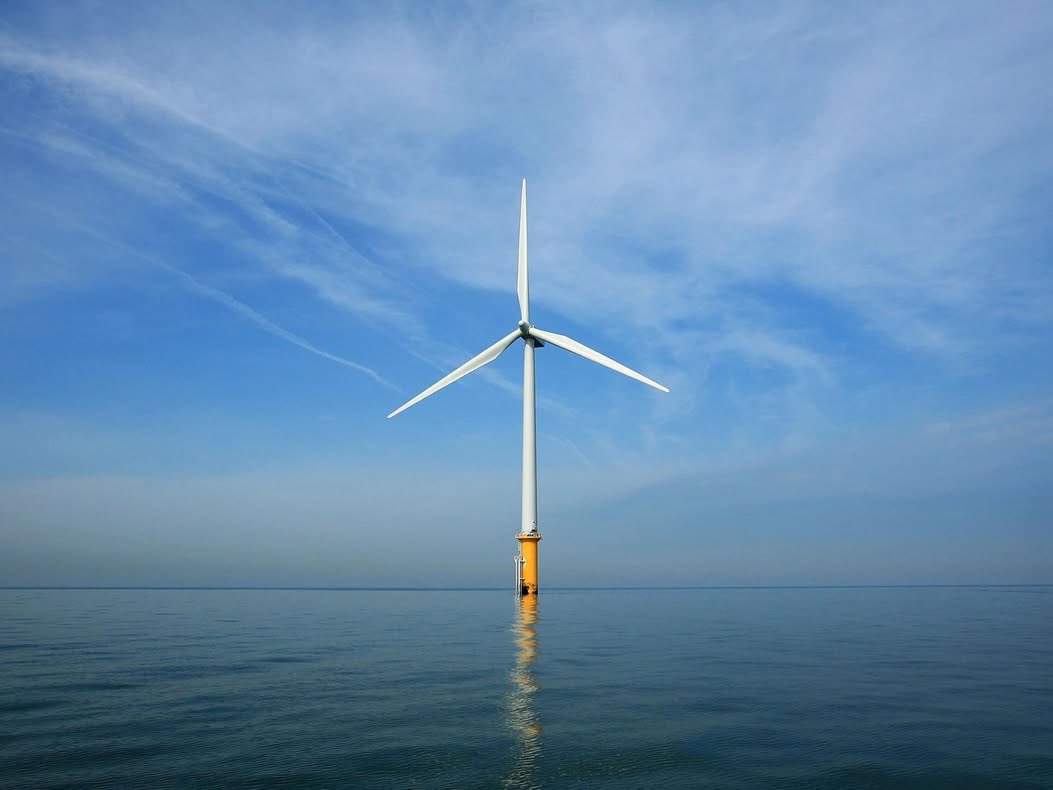
This machine stops wars.
It’s a big fan of peace.
254
741
5,136
59,636
Mar 15
RT @SadiqKhan: When I was first elected, evidence showed it would take 193 years to bring London's air pollution within legal limits.
Tha…
1,030
Mark Sanders retweeted

Mar 12
Tesla got the green light today from Ofgem to supply electricity across the UK!
This is massive – disrupting the energy market with the proven Texas model (Powerwalls feeding the grid via VPP, real credits, lower bills). A big win for Tesla/Powerwall owners, the National Grid (more stability and clean flexibility), and everyday customers (better competition = cheaper, greener power).
Here's my new video breaking it all down 🔋⚡️
#TeslaUK #TeslaEnergy #Powerwall #UKEnergy
24
75
464
23,904
Mark Sanders retweeted

Animaris Rex is an 18-metre-long walking 'beach animal' propelled by the wind, created by Theo Jansen as a fusion of art and engineering.
42
337
2,852
200,923