
StuGotz Army member. Miami Hurricanes/Forty Niners, Marlins, and Iga Swiatek fan.
Joined August 2013
- Tweets 85,052
- Following 2,803
- Followers 1,072
- Likes 279,768
9,894 Photos and videos







J-Rod retweeted
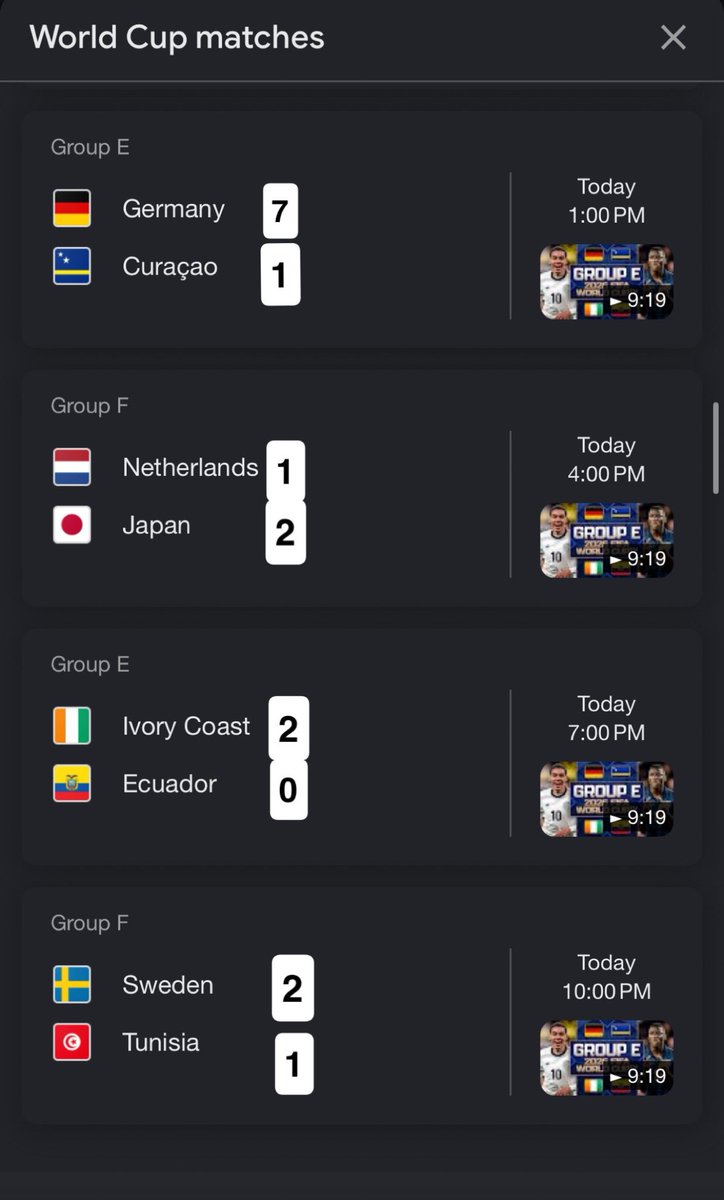
I gave out 7-1 for my Germany prediction.
It’s 3-1 at half.
If I end up being correct, I will buy and ship a National Team Kit of your choice to 1 random person who likes and RTs this 💪

World Cup Score Predictions for Sunday’s matches:
Drop your predictions show me where I’m way off 🫡
47
420
534
44,600
J-Rod retweeted

Here’s a throwback to Aldon Smith’s incredible performance against the Bears. A 5.5 sack game that Niner fans will always remember
Aldon will be missed 🕊️
36
234
1,528
56,888
J-Rod retweeted

Jun 13
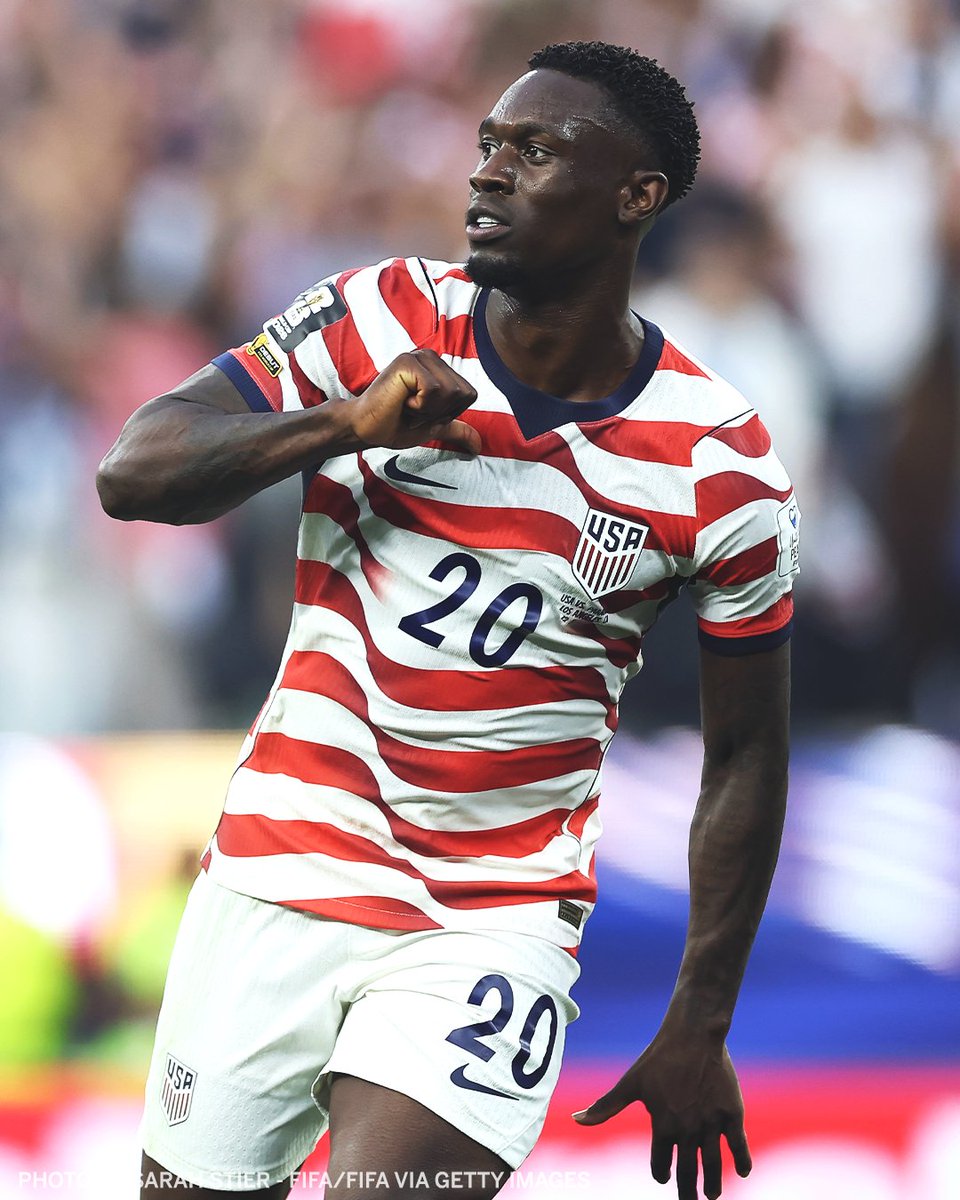
“Oh Balogun is just playing for the U.S. because he couldn’t make the England squad”…Folks, that is the entire promise of our nation.
Give me your tired, your poor, your huddled masses yearning to breathe free.
And then we’ll beat your ass with them.
Jun 13

THE FIRST MULTI-GOAL WORLD CUP GAME BY A USMNT PLAYER SINCE 1930 🤩
Have a night, Folarin Balogun 🔥
255
2,570
39,579
1,587,720

J-Rod retweeted

Jun 11
In just 7 years, the face of the Sagrada Família has dramatically changed... 🇪🇸
© equinoxbarcelone (IG)
9
223
2,328
198,208
J-Rod retweeted

BREAKING: May PPI Inflation surges to 6.5%, above expectations of 6.4% and the highest level since November 2022.
Core PPI Inflation came in at 4.9%, in-line with April's revised levels.
PPI inflation is now at pandemic stimulus levels.
Odds of rate HIKES continue to rise.
277
1,035
5,647
1,258,744
J-Rod retweeted

A historic moment for the Basilica of the Sagrada Família. This is how we experienced the solemn Mass presided over by Pope Leo XIV and the subsequent blessing and inauguration of the tower of Jesus Christ.
Thank you to everyone who joined us! 🙌
55
1,486
6,775
138,551

J-Rod retweeted

Jun 10
Buckets' 2026 #WorldCup Futures (Text Form)
For those that couldn't access the spreadsheet -I got your back! Here's allllll 60 of the futures I like with unit size included! Please like and RT to help spread the #WorldCup betting love! ⚽️
Outright Winners:
• France 500 .25u 🇫🇷
• Spain 450 .25u 🇪🇸
• Brazil 900. .25u 🇧🇷
• Japan. 6000 .1u 🇯🇵
Golden Boot:
• Raphina 3000 .1u 🇧🇷
• Mbappe 600 .25u 🇫🇷
• Julian Alvarez 3000 .1u 🇦🇷
Most Assists:
• Michael Olise 1000 .25u🇫🇷
• Bruno Fernandes 900 .25u 🇵🇹
Young Player of the Tournament:
• Yan Diamonde 2000 .1u 🇨🇮
Group A Futures:
• Top 2 teams any order. South Korea/Mexico. 200 .25u🇰🇷 🇲🇽
• Mexico Top Goalscorer. Julian Quinones 700 .25u🇲🇽
• South Korea Top Goalscorer. Heung Min Son 225 .25u 🇰🇷
• Czechia Top Goalscorer. Patrick Schick 200 .25u 🇨🇿
Group B Futures:
• Group Winner Switzerland. -125 1u 🇨🇭
• Qatar to lose all group games 180 .5u 🇶🇦
• Bosnia and Switzerland to finish top 2 spots 330. .5u🇨🇭🇧🇦
Group C Futures:
• Scotland to finish 3rd and qualify. 180 .5u🏴
• Brazil Top Goalscorer. Raphina 350 .5u🇧🇷
• Brazil to reach the quarter-finals. 100. 1u 🇧🇷
• Scotland Top Goalscorer. Scott McTominay 300. .5u🏴
Group D Futures:
• Group Exacta. Turkiye, USA, Paraguay, Australia. 800 .25u 🇹🇷🇺🇸🇵🇾🇦🇺
• USA Top Goalscorer. Pulisic 325 .25u 🇺🇸
• Turkiye Top Goalscorer. Arda Guler 600 .2u 🇹🇷
• Turkiye Top Goalscorer. Kenan Yildiz 700 .2u 🇹🇷
• Turkiye to go 3-0 in group stage. 1000 .2u 🇹🇷
• Turkiye over 5.5 goals in the WC 125 1u 🇹🇷
Group E Futures:
• Curacao lowest scoring team in WC. 400. .25u🇨🇼
• German Top Goalscorer. Jamal Musiala 700. .2u🇩🇪
• German Top Goalscorer. Florian Wirtz. 700. .2u🇩🇪
• Côte d’Ivoire Top Goalscorer. Yan Diomande. 750. .2u🇨🇮
• Group Exact Order: Germany, Côte d’Ivoire, Ecuador, Curacao. 300. .5u 🇩🇪🇨🇮🇪🇨🇨🇼
Group F Futures:
• Japan to win the group. 250. 1u 🇯🇵
• Japan over 4.5 goals in group stage. 120. 1u🇯🇵
• Japan Top Goalscorer. Ayase Ueda 300. .5u 🇯🇵
• Japan Top Goalscorer. Daizen Maeda 700. .2u 🇯🇵
• Japan Top Goalscorer. Ritsu Doan. 1100. .1u 🇯🇵
Group G Futures:
• Belgium Top Goalscorer. Jeremy Doku 700. .25u🇧🇪
• Top 2 any order. Belgium and Egypt. 120. 1u 🇧🇪🇪🇬
Group H Futures:
• Saudi Arabia Top Goalscorer. Salem Al-Dawsari 600. .25u 🇸🇦
• Team to get 9 points in the group. Spain 110. 1u 🇪🇸
• Group H to be the highest scoring group. 550. .25u⚽
• Spain over 13.5 goals in WC. 110. 1u 🇪🇸
• Spain Top Goalscorer. Mikel Oyarzabal. 200. .5u 🇪🇸
• Spain Top Goalscorer. Ferran Torres 500. .25u 🇪🇸
Group I Futures:
• High I to be the highest scoring group. 700. .25u⚽
• France to reach semi-finals 130. 1u 🇫🇷
• Senegal Top Goalscorer. Sadio Mane 350🇸🇳
• Norway over 7.5 WC goals. 125. 1u 🇳🇴
• EPL Top Goalscorer. Erling Haaland 350. .75u 🇳🇴
Group J Futures:
• Argentina Top Goalscorer. Julian Alvarez 400. .5u🇦🇷
• Algeria Top Goalscorer. Riyad Mahrez. 500. .25u 🇩🇿
• Top 2 in the group no order. Argentina/Algeria 175. .5u 🇦🇷🇩🇿
• Argentina to reach Quarter-Final -110. 1u 🇦🇷
Group K Futures:
• Group Exacta: Portugal, Colombia, DR Congo, Uzbekistan. 280. .5u 🇵🇹🇨🇴🇨🇩🇺🇿
• Bruno Fernandes over 1.5 goals in WC -120. 1u 🇵🇹
Group L Futures:
• England to go 3-0 in group. 125. 1u 🏴
• Panama to go 0-3 in group. 250. .5u🇵🇦
8
8
127
13,811

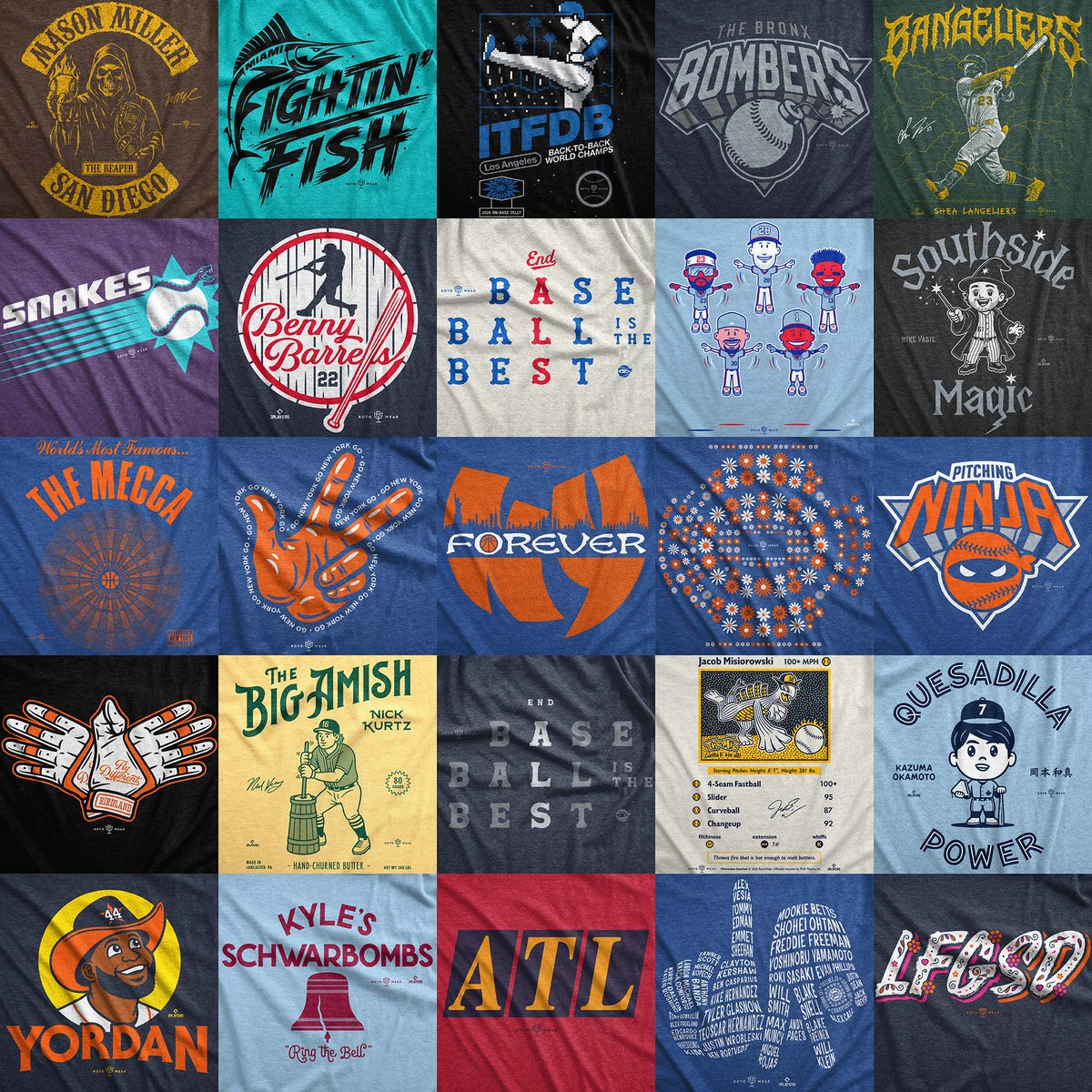
FREE 👕 GIVEAWAY!
➕ FOLLOW
🔄 RETWEET
For a chance to win a free shirt from RotoWear.com!
⏳ Winner announced 6/12
23
569
339
26,679
J-Rod retweeted

Jun 10
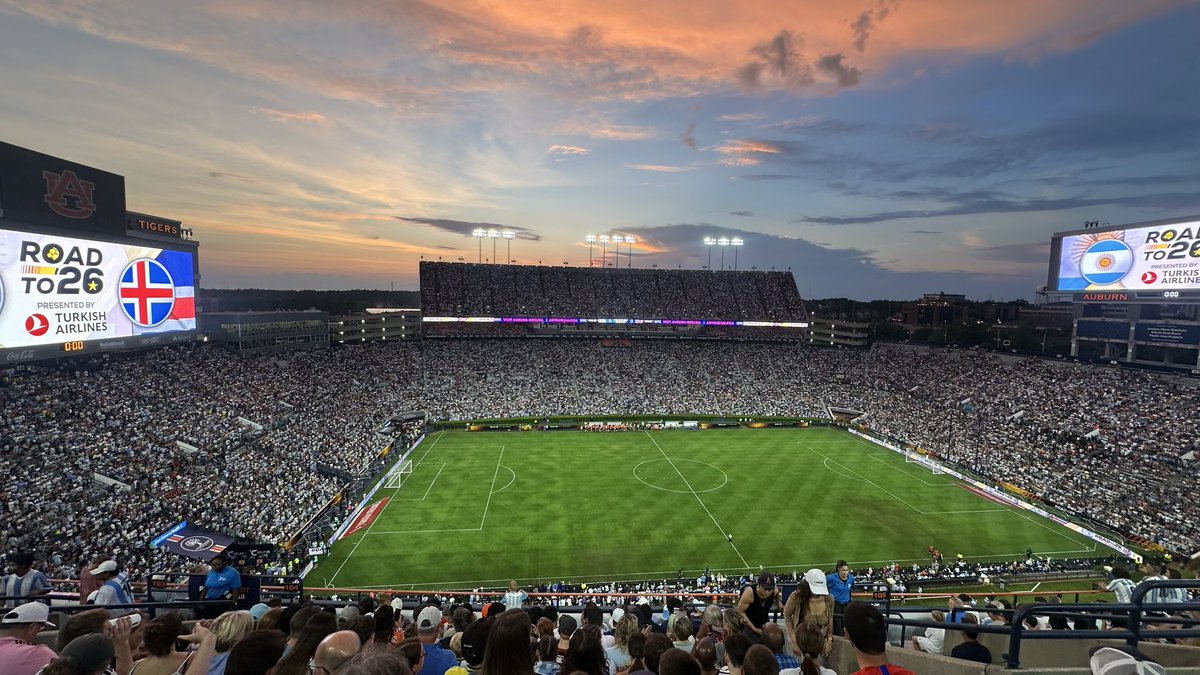
This is the most “The European mind can’t comprehend this” moment of my life. One of my friends said, “Punch me five times tomorrow and I’ll still think this isn’t real.”
1,204
4,190
108,615
9,769,381
J-Rod retweeted
Jun 9
I present to you all, my masterpiece!
Buckets' 2026 #WorldCup Betting Spreadsheet.
- Countless hours of prep
- 60 total futures
- Pre match and live bets to follow
- All for free. The #WorldCup is for everyone!
All I ask is that you like and RT to share with others!
The spreadsheet is in the comments right below. Check it out and enjoy my friends! ⚽️
31
141
669
99,631

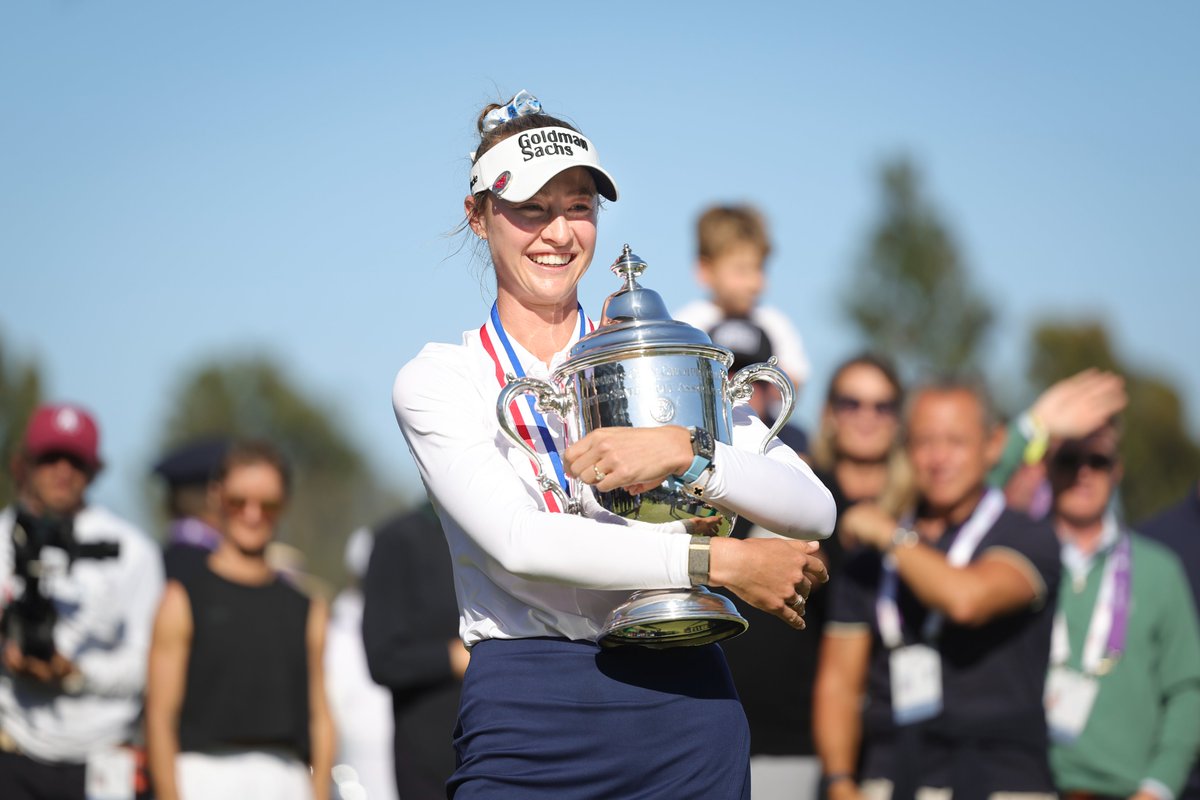
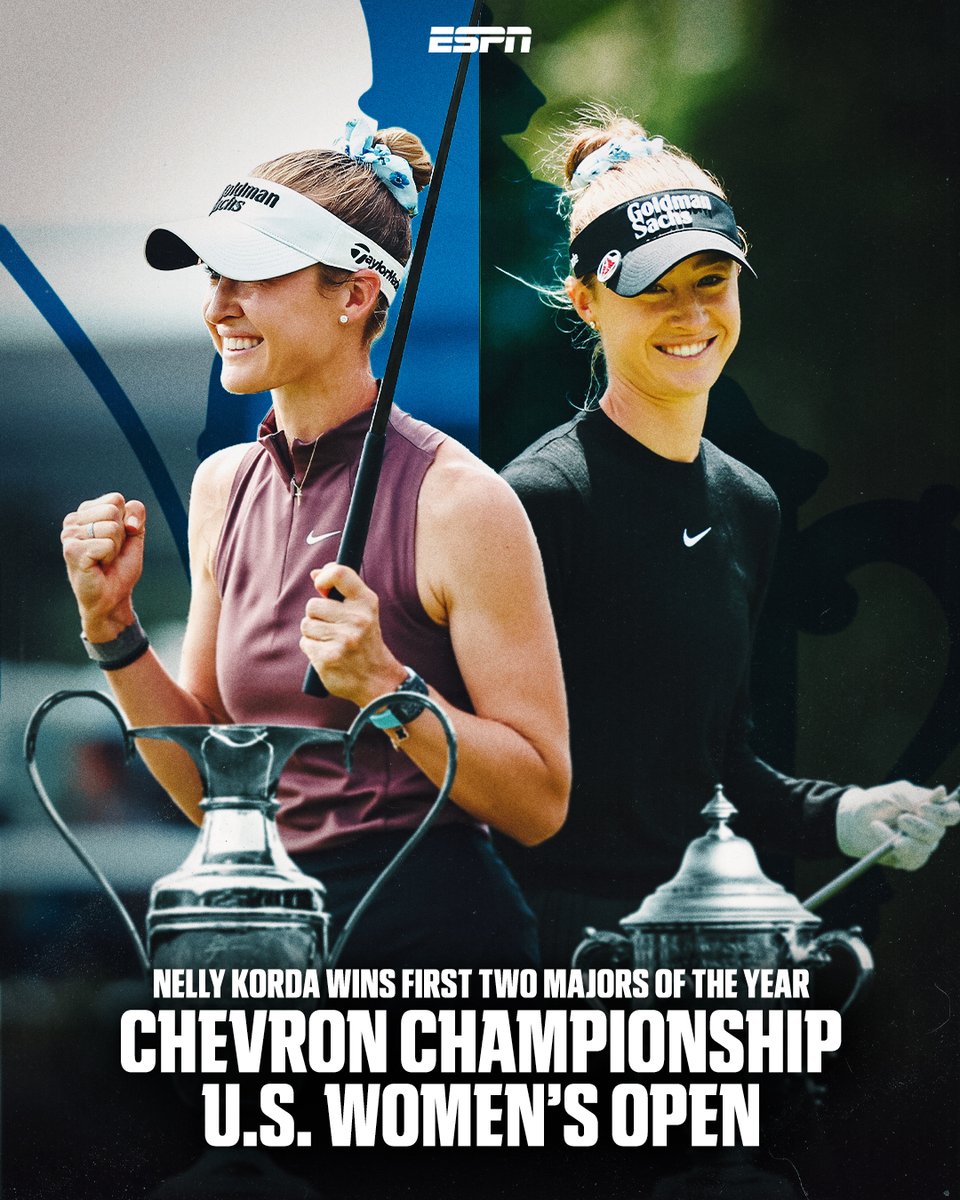
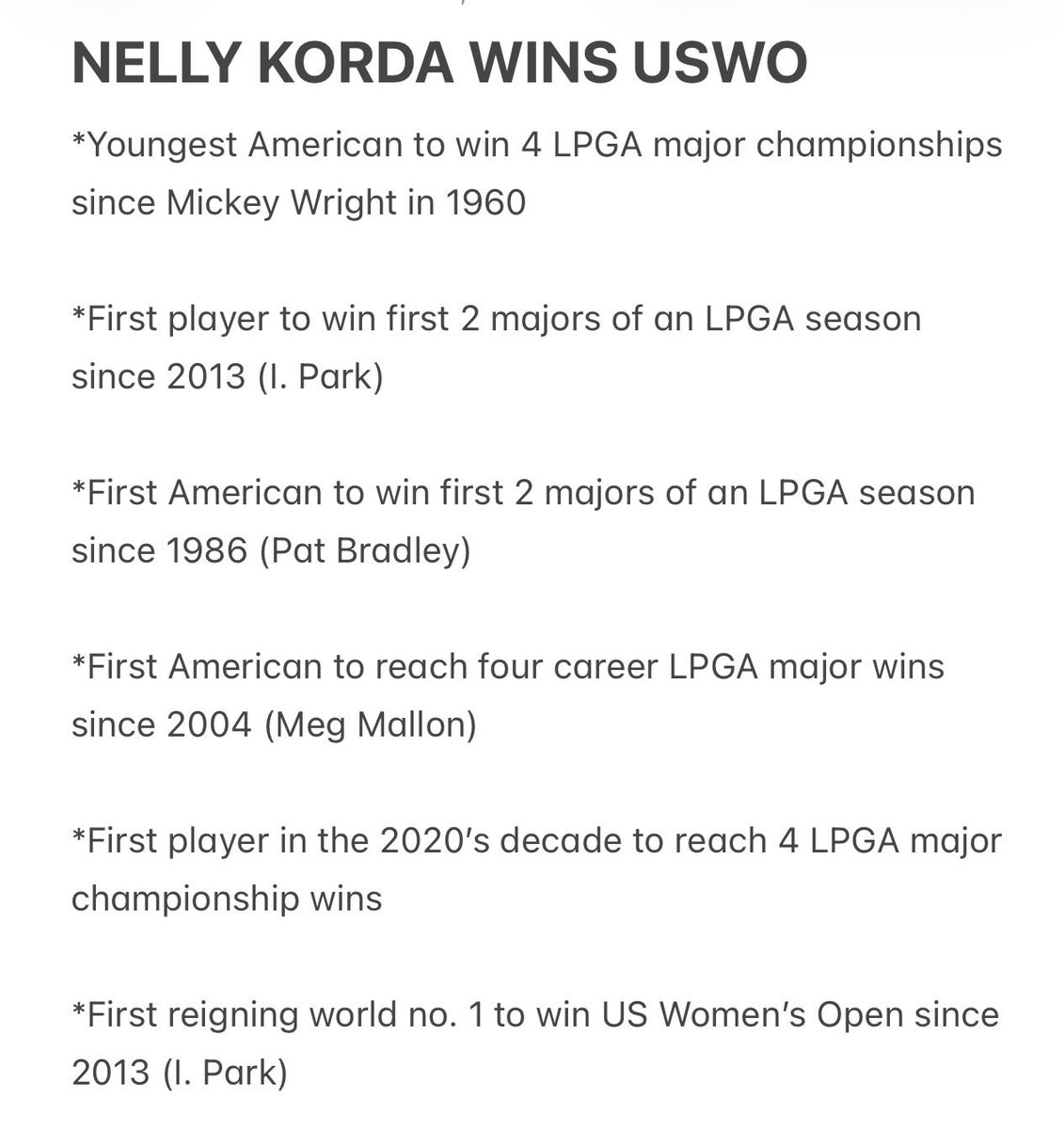
Making American history 🇺🇸
- The youngest American player to win 4 major championships since Mickey Wright in 1960
- The sixth American player to win a third major championship before the age of 28 joining Patty Berg, Louise Suggs, Betsy Rawls, Mickey Wright, Kathy Whitworth and Amy Alcott
- The first American to win Chevron and U.S. Women’s Open in same season since Betsy King in 1990
6
64
453
12,545


J-Rod retweeted

Jun 6
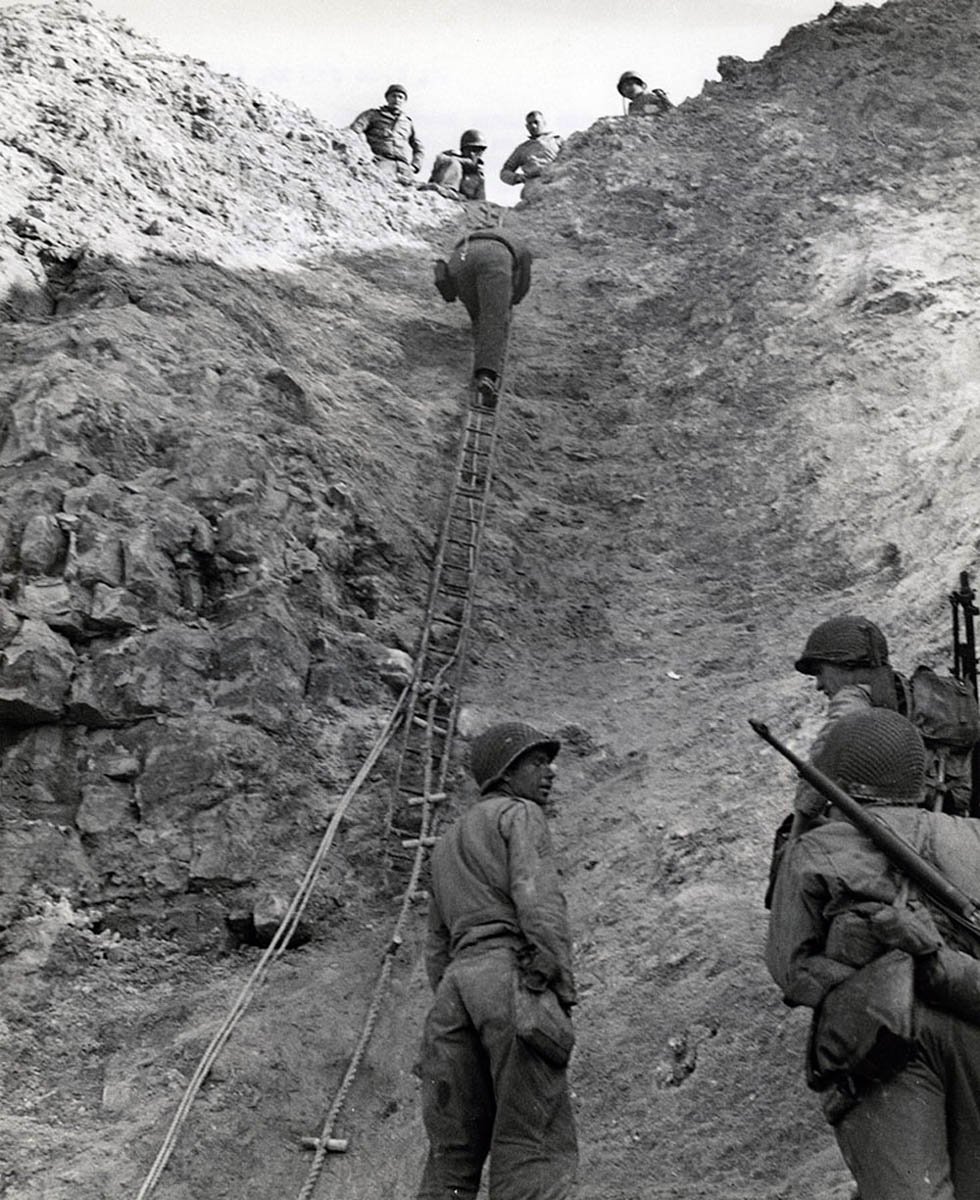
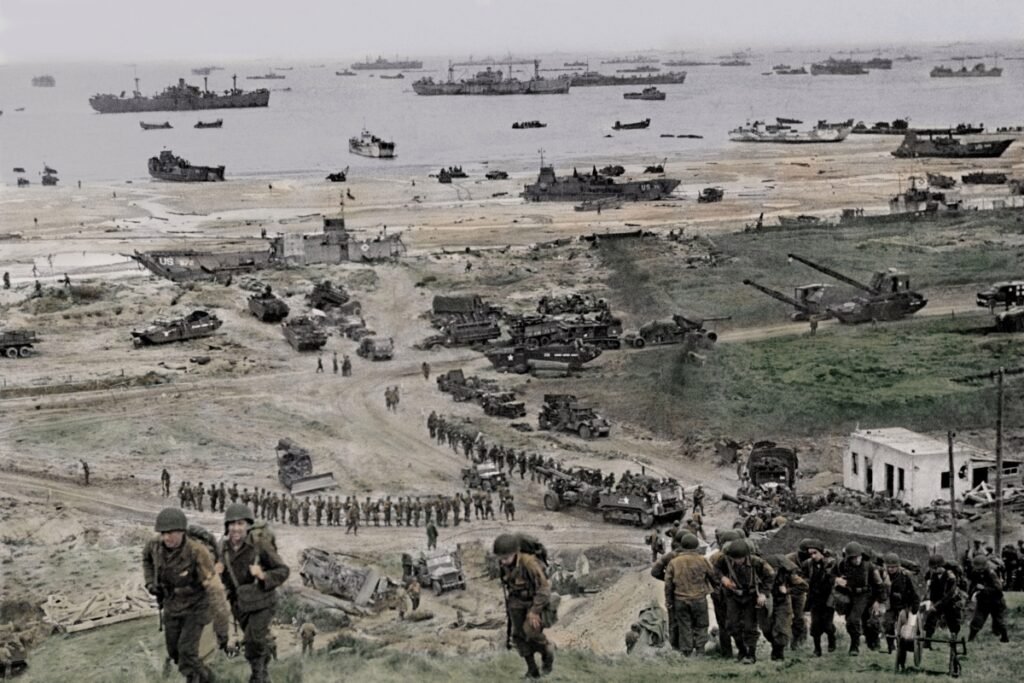
General Omar Bradley called it the most dangerous mission of D-Day. He was not wrong.
At 6:30am on June 6, 1944, 225 Army Rangers approached a 100-foot sheer cliff face on the Normandy coast called Pointe du Hoc.
Their mission: climb it.
The cliff was vertical. The Germans were at the top with full visibility of everyone below. As the Rangers fired grappling hooks upward, the Germans cut the ropes. Shot the men hanging on them. Dropped grenades over the edge onto the climbers beneath.
The Rangers kept climbing.
It took roughly 40 minutes. Men fell. Men were shot off the ropes. The ones behind them grabbed the ropes and kept going.
They reached the top.
Then came the gut punch: the massive 155mm artillery guns they had been sent to destroy were gone. The Germans had moved them inland before the invasion. The entire mission had been sent to destroy guns that weren't there.
Most commanders would have regrouped and called it done.
The Rangers fanned out. Two miles inland, they found the guns, hidden in an orchard, already aimed at Utah Beach and loaded to fire. They destroyed every one with thermite grenades.
Then they dug in. Cut off, with almost no ammunition, no reinforcements, and no resupply, 225 men held Pointe du Hoc against relentless German counterattacks for two full days.
When relief finally arrived, only 90 Rangers could still stand and fight.
Their names are carved on a memorial in Normandy. Most Americans today cannot name a single one.
212
2,883
13,213
246,594
J-Rod retweeted

Jun 7
June 7, 1944. D-Day plus 1.
4,414 Allied soldiers lay dead after the longest day in history. 2,501 of them American. Bodies still washing in with the tide at Omaha.
And yet in the French town of Bayeux, 10 miles from those cliffs, British soldiers were being handed wine and flowers in the street.
The SS had fled Bayeux in the night. The French Resistance sent word to the Allies: do not bomb this town, the Germans are gone. So they weren't. At 4am, a lone British tank crept in to verify. By 1pm it was official. Bayeux was the first French city liberated from Nazi occupation. Citizens who hadn't seen a free soldier in four years ran into the streets weeping, kissing strangers, pressing bottles into soldiers' hands.
The historical irony is almost impossible to believe.
Inside Bayeux sits a 900-year-old tapestry depicting William the Conqueror, a Norman, crossing the English Channel to invade England in 1066. Now, 878 years later, the English had crossed back. And the French were screaming with joy to see them.
Here is what was simultaneously happening across Normandy:
156,000 Allied troops had crossed the Channel in a single day. The French Resistance had cut the railway network in over 500 places overnight and destroyed 52 locomotives. German reinforcements were stranded, unable to move.
Germany's most brilliant defensive commander, Erwin Rommel, was not in France. He had driven home to Germany to celebrate his wife's birthday. He had bought her a pair of shoes in Paris as a gift. He was handing them to her as the first landing craft hit the sand.
Hitler was asleep.
Not metaphorically. Literally. The Fuhrer had taken barbiturate sedatives before bed. When the invasion began at 4am, his staff received the call and stood outside his bedroom door. No one dared wake him. His two elite Panzer reserve divisions, the 12th SS Hitlerjugend and Panzer Lehr, some of the most powerful armored formations in the German army, sat completely idle waiting for a release order that could not come because the man who had to give it was unconscious.
Hitler woke at noon. Eight hours after the first boots touched the sand.
He released the Panzers at 4pm. But Allied fighter-bombers owned the sky by then. The armored columns could not move in daylight without being destroyed from above. They waited for dark, burning eight more hours.
The only serious German armored counterattack on June 6 came from the 21st Panzer Division, which drove all the way to the coast, splitting the gap between Sword and Juno beaches, almost cutting the entire Allied beachhead in two. Then they looked up. 248 British gliders were passing overhead, landing troops directly behind German lines. They turned around and withdrew.
By nightfall on June 7, the beachhead was 50 miles wide and the Allies were not going anywhere.
In Bayeux, the wine was still flowing.
The most consequential military operation in human history nearly collapsed because one general forgot to buy flowers in time, and the other one could not be woken up.
29
454
3,076
107,096



J-Rod retweeted

Jun 7
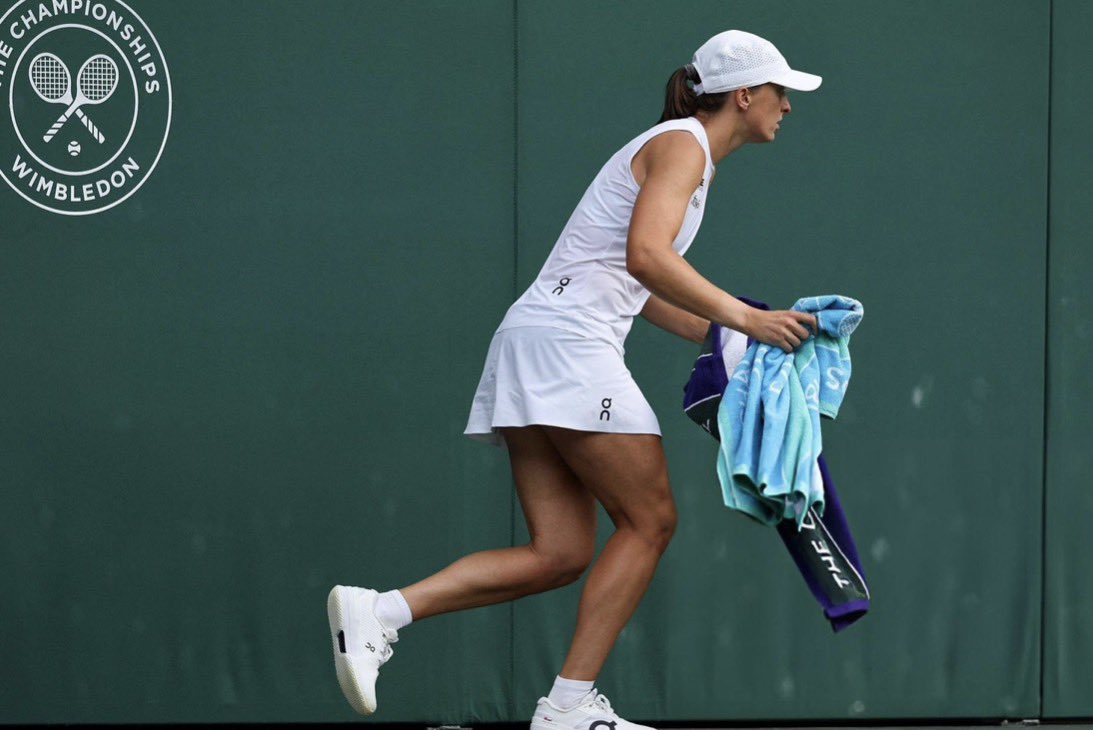
Of course Maja Chwalinska knows who John McEnroe is 😅
108
687
6,583
792,994