
- Tweets 4,027
- Following 504
- Followers 7,605
- Likes 3,716




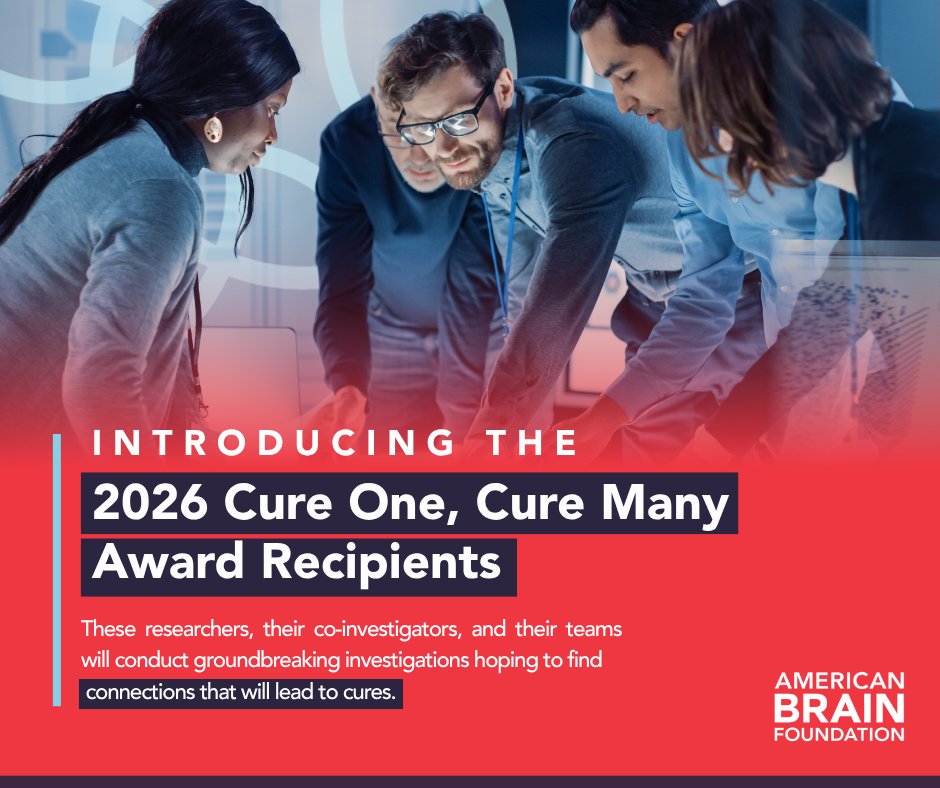
ALT Introducing the 2026 Cure One, Cure Many Award Recipients! These researchers and their teams will conduct groundbreaking investigations hoping to find connections that will lead to cures.
ALT Every story matters. Behind every diagnosis is a person, a family, and a journey that deserves to be heard.
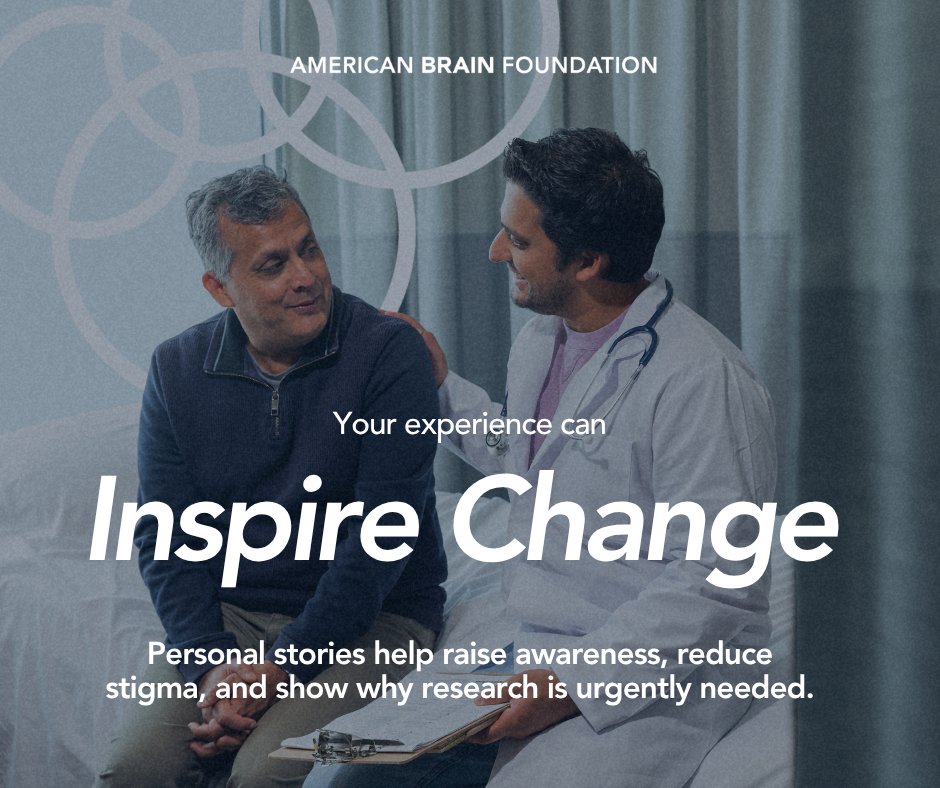
ALT Your experience can inspire change. Personal stories help raise awareness, reduce stigma, and show why research is urgently needed.
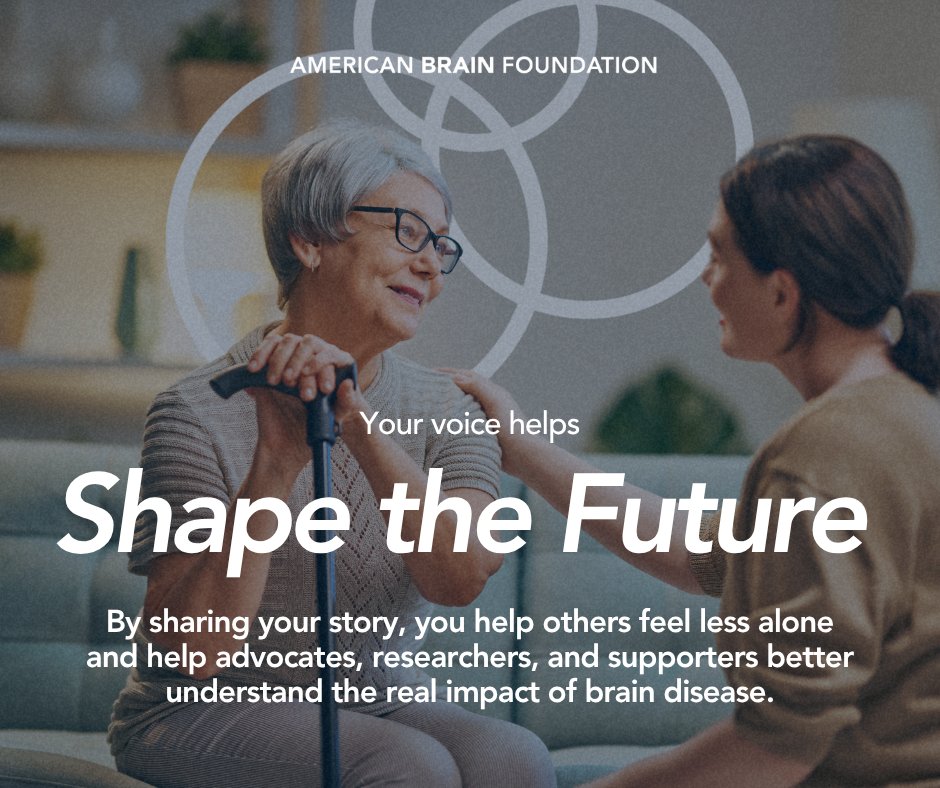
ALT Your voice helps shape the future. By sharing your story, you help others feel less alone and help advocates, researchers, and supporters better understand the real impact of brain disease.
ALT Share your story. We invite you to share your personal story of how brain disease has impacted you. Visit AmericanBrainFoundation.org/share.
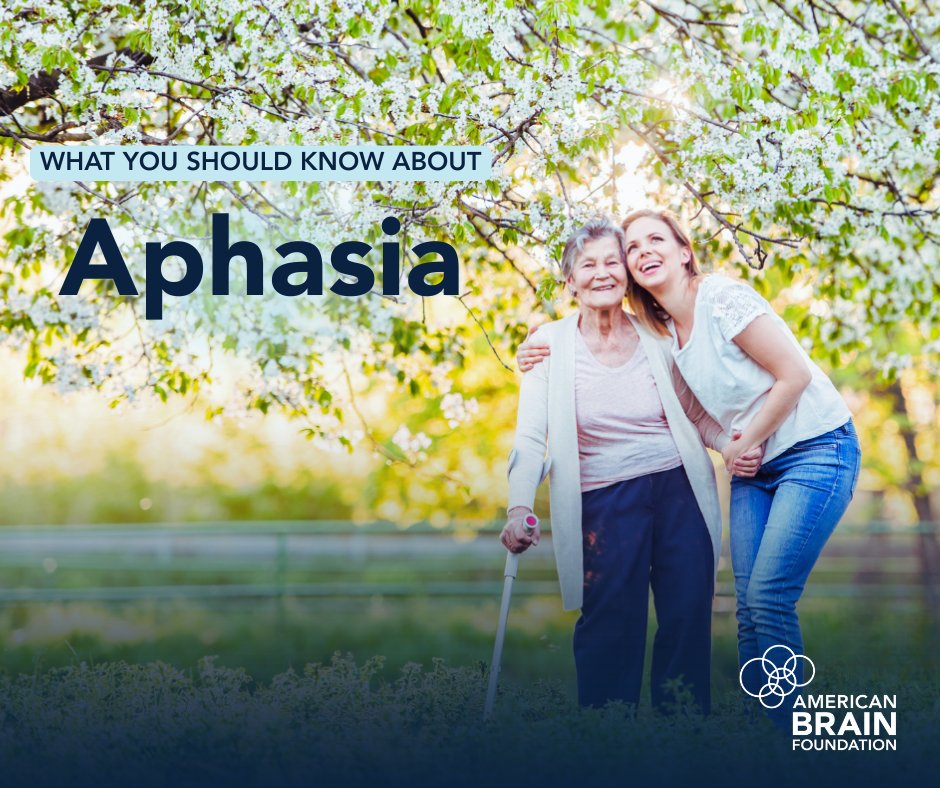
ALT What you should know about aphasia.
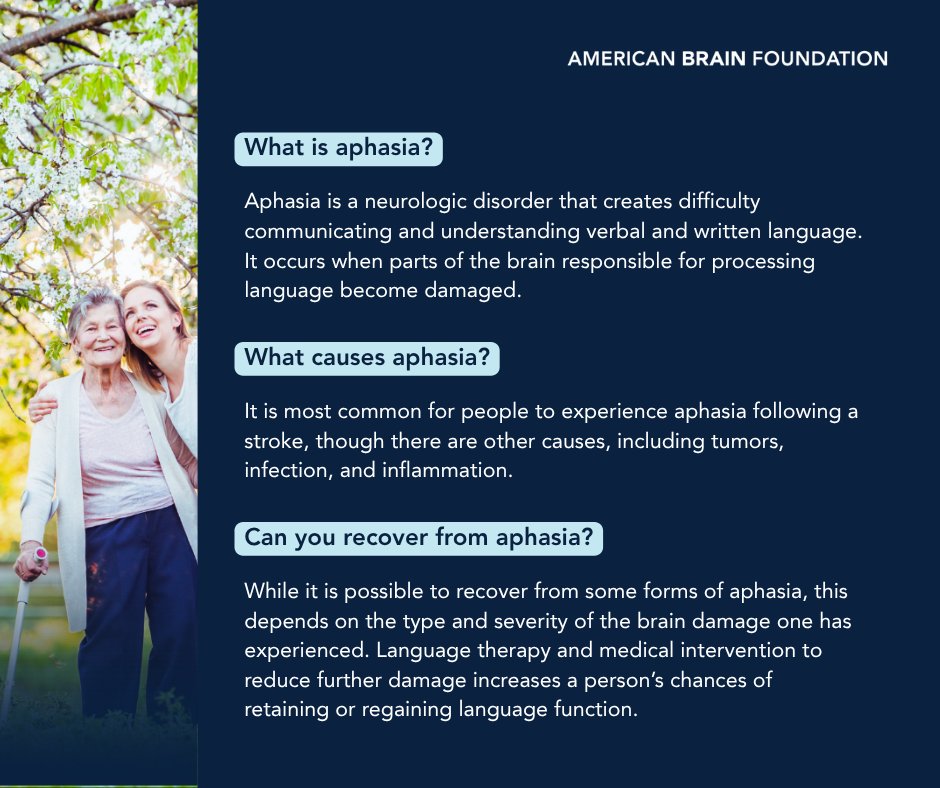
ALT What is aphasia? Aphasia is a neurologic disorder that affects communication and language comprehension when language-processing areas of the brain are damaged. What causes aphasia? It most commonly occurs after a stroke, though other causes are possible. Can you recover from aphasia? Recovery may be possible depending on the type and severity of brain damage. Language therapy and medical treatment can help improve outcomes.
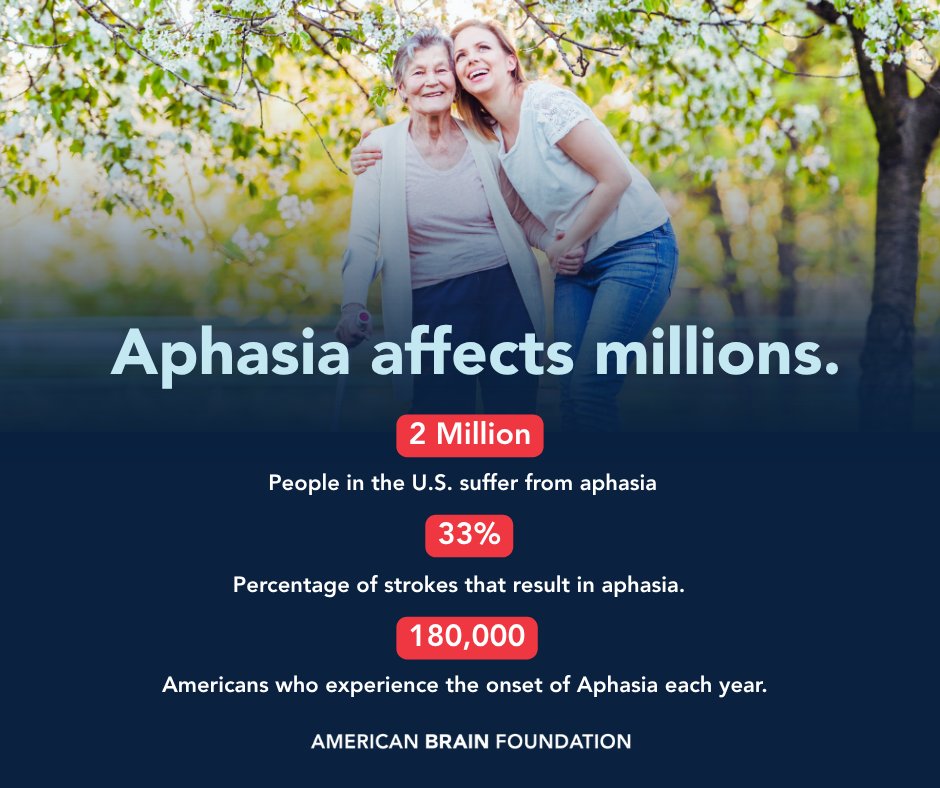
ALT Aphasia affects millions. 2 million people in the US suffer from aphasia. 33% of strokes result in aphasia. 180,000 Americans experience the onset of aphasia each year.
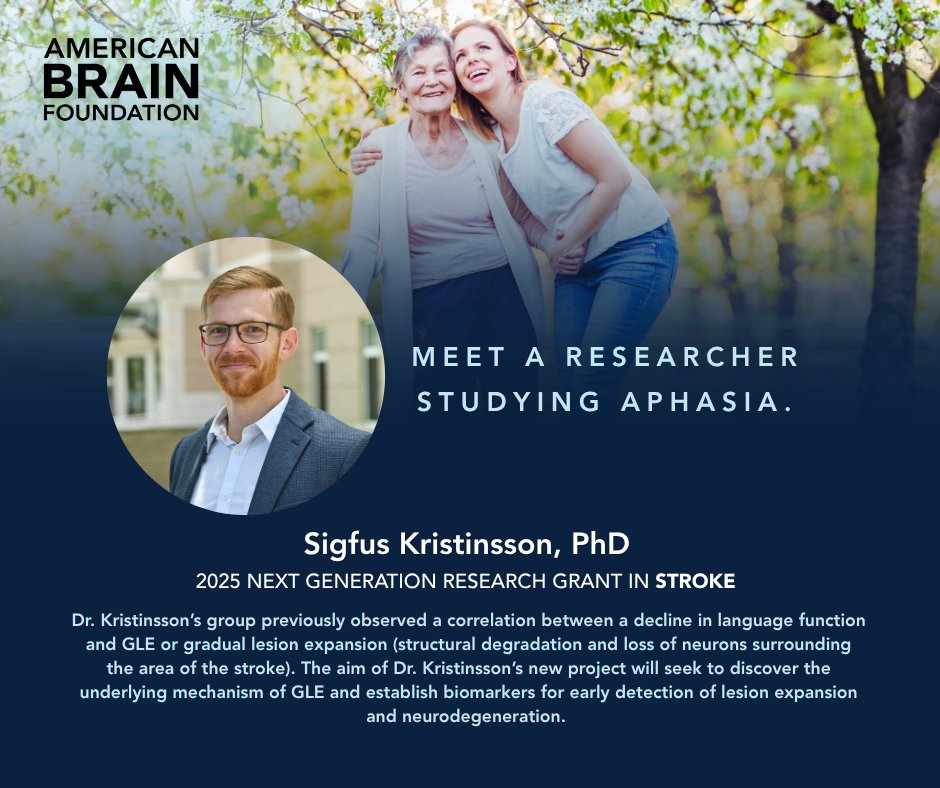
ALT Meet a researcher studying aphasia: Sigfus Kristinsson, PhD, 2025 Next Generation Research Grant in Stroke. Dr. Kristinsson’s group previously observed a correlation between a decline in language function and GLE or gradual lesion expansion (structural degradation and loss of neurons surrounding the area of the stroke). The aim of this project will seek to discover the underlying mechanism of GLE and establish biomarkers for early detection of lesion expansion and neurodegeneration.
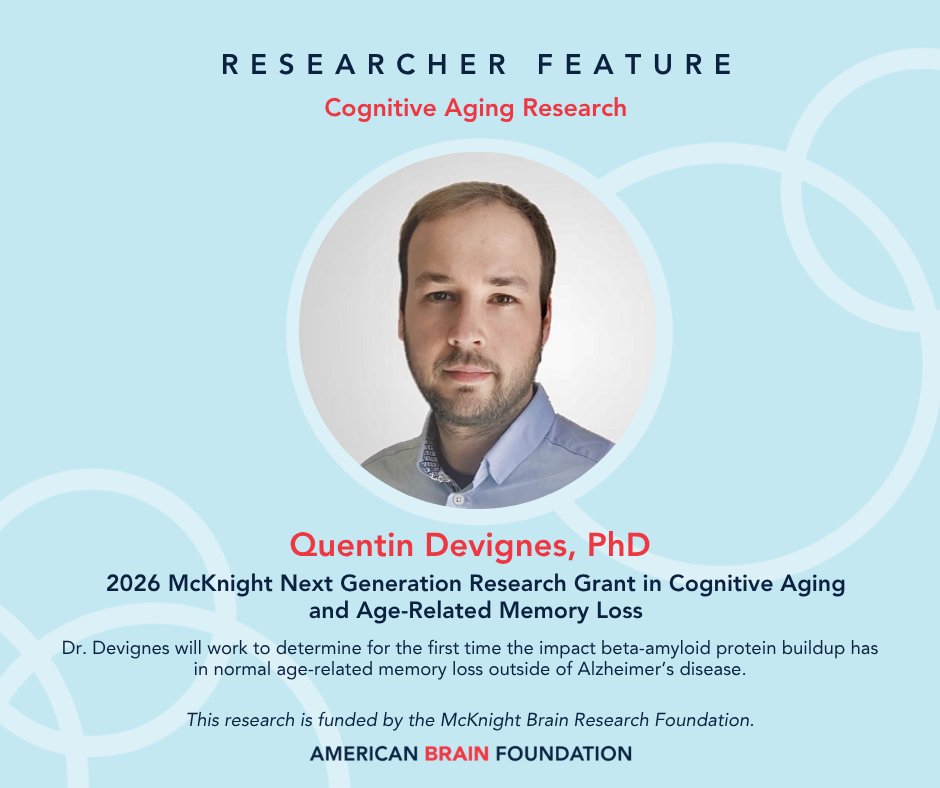
ALT Researcher Feature: Quentin Devignes, PhD. Dr. Devignes was selected for a 2026 McKnight Next Generation Research Grant in Cognitive Aging and Age-Related Memory Loss. Dr. Devignes will work to determine for the first time the impact beta-amyloid protein buildup has in normal age-related memory loss outside of Alzheimer’s disease. This research is funded by the McKnight Brain Research Foundation.
ALT A photograph of two grandparents playing in their yard with their granddaughter. Text: We have partnered with FreeWill to make creating or updating your will simple, easy, and free. Claim your free will by visiting FreeWill.com/AmericanBrainFoundation.
ALT Selma Blair, American Brain Foundation Global Ambassador and National Chair for Brain Health, addresses passionate brain health advocates in Los Angeles, California.

ALT Sean Sansiveri, Chair of the American Brain Foundation Board of Directors, delivered remarks about the importance of investing in brain research.
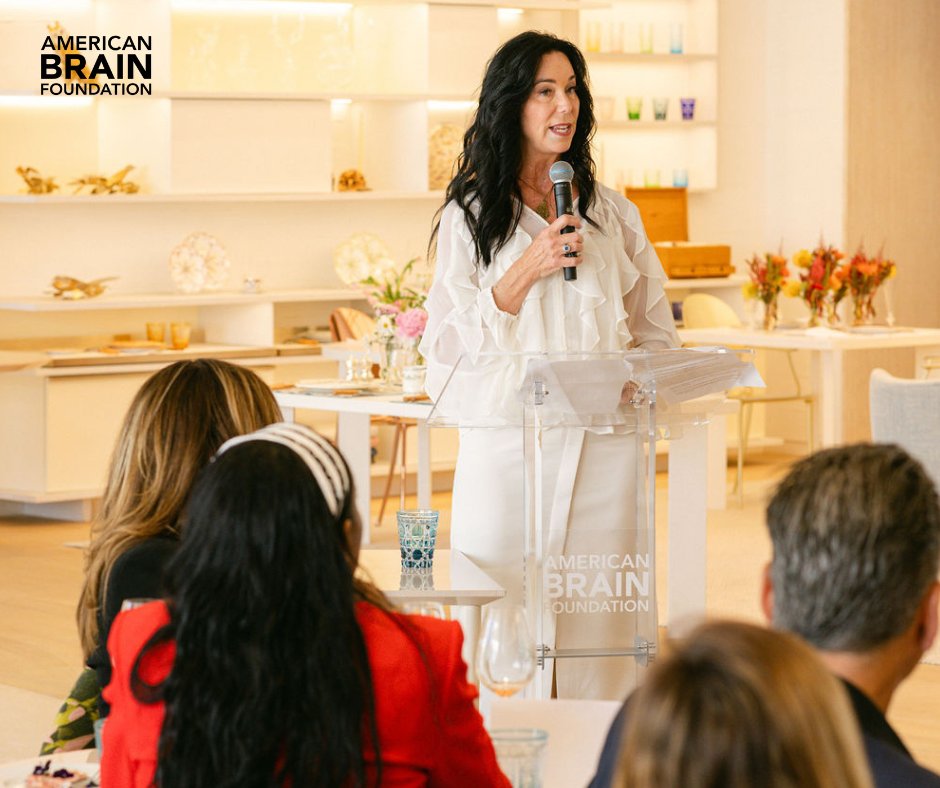
ALT Michelle Heritage, American Brain Foundation Executive Director, spoke to the leaders gathered about the possibility of a future with brain health for all.
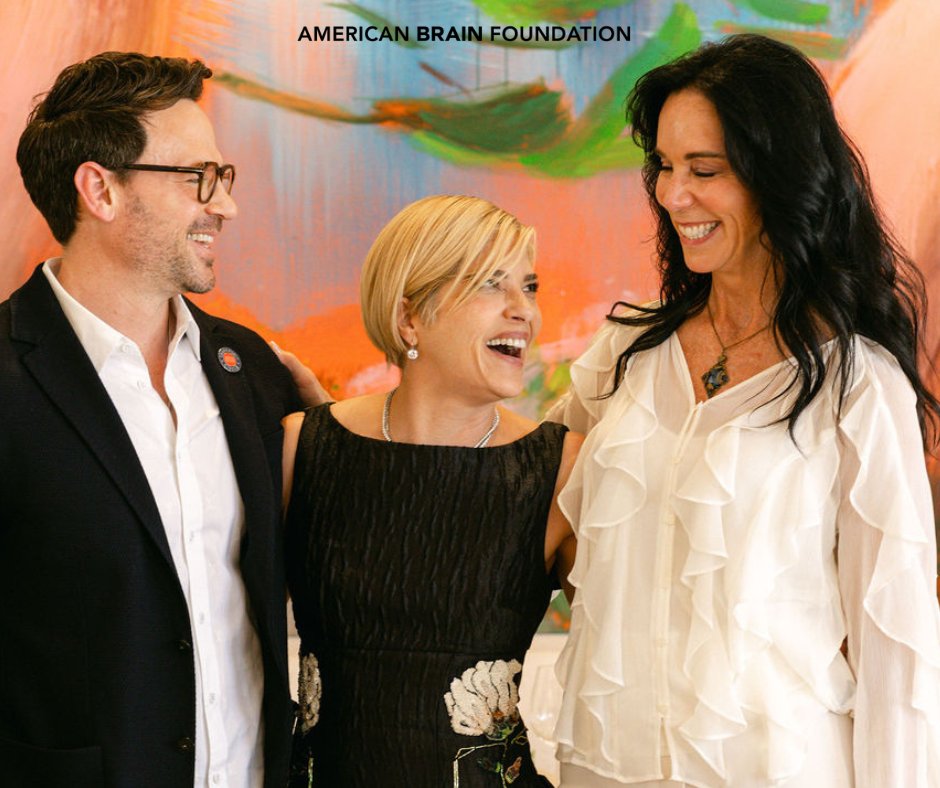
ALT A group photo featuring Sean Sansiveri, Chair of the American Brain Foundation Board of Directors, Selma Blair, American Brain Foundation Global Ambassador and National Chair for Brain Health, and Michelle Heritage, Executive Director of the American Brain Foundation.
ALT Research Highlight: Researchers have discovered how immune cells called microglia contribute to the spread of Parkinson’s disease. They also found a way to block this process.
ALT Diseases Affected: Parkinson’s disease
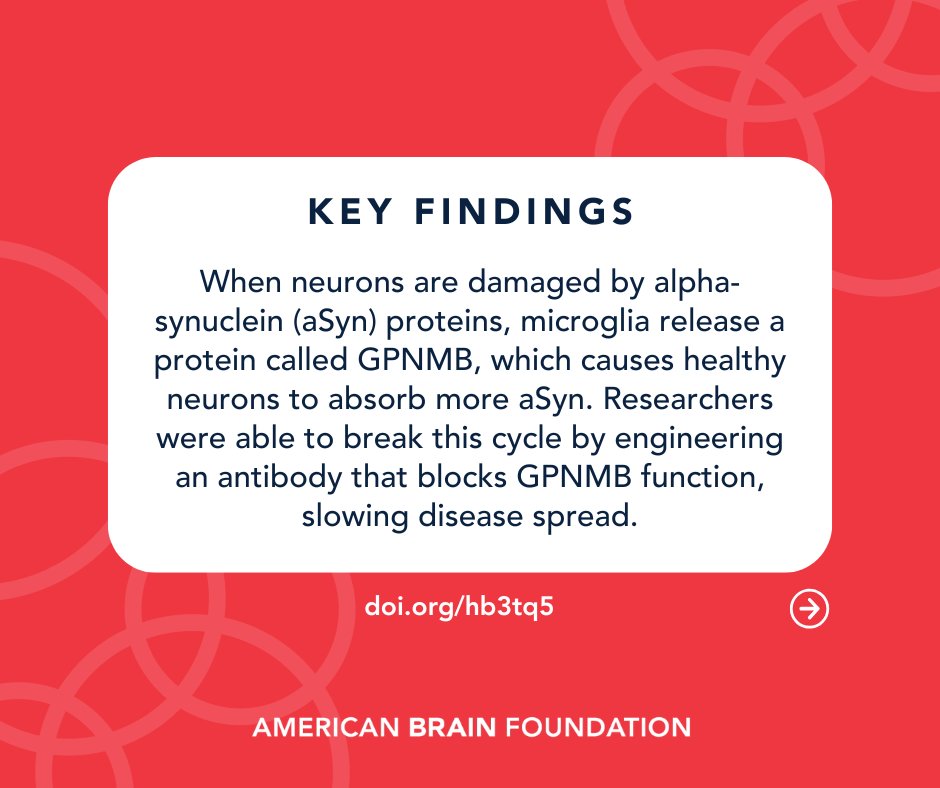
ALT Key Findings: When neurons are damaged by alpha-synuclein (aSyn) proteins, microglia release a protein called GPNMB, which causes healthy neurons to absorb more aSyn. Researchers were able to break this cycle by engineering an antibody that blocks GPNMB function, slowing disease spread.
ALT What’s Next? The antibody used to block GPNMB appears to be cause only one rare, minor side-effect (slight skin discoloration), suggesting that it would be safe for human testing.
ALT A photograph of a group of people standing together and holding hands. Text: Together, we can end brain disease.
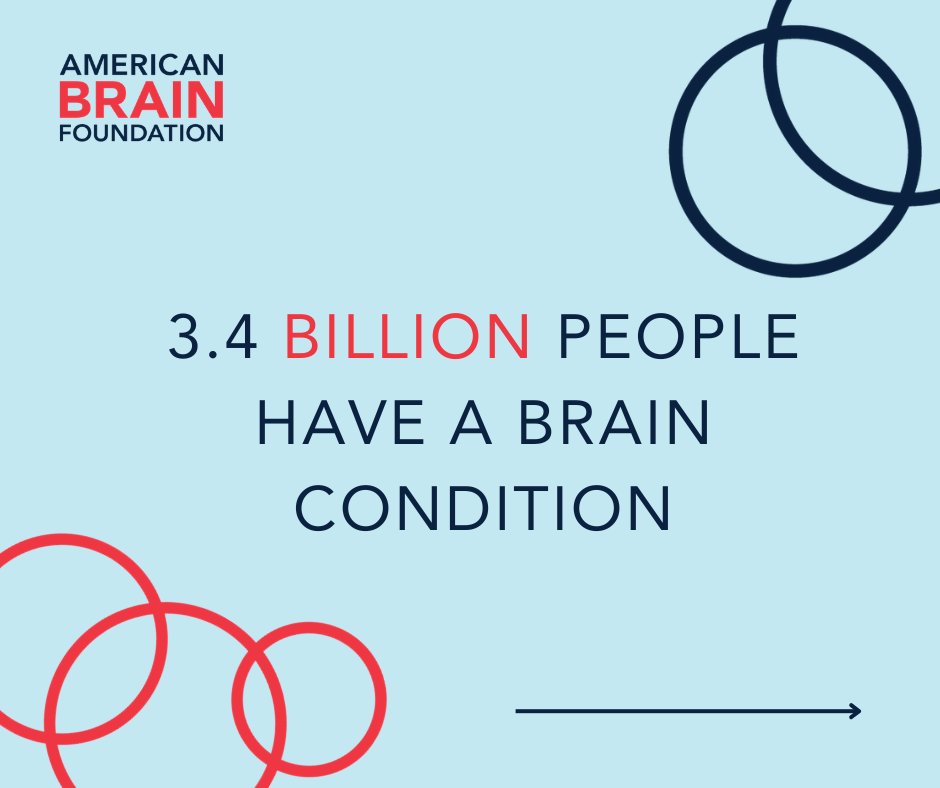
ALT 3.4 billion people have a brain condition.
ALT 43% of the global population lives with brain conditions like stroke, migraine, epilepsy, Alzheimer's, MS, and neuropathy. And that number is only growing.
ALT The only way to solve this global public health crisis is through research into prevention, diagnosis, and treatment.
ALT That's where you come in. Share this post to raise awareness of the need for brain research and brain health education to support the 43% of the world living with brain disease—and the 100% of us affected by it.
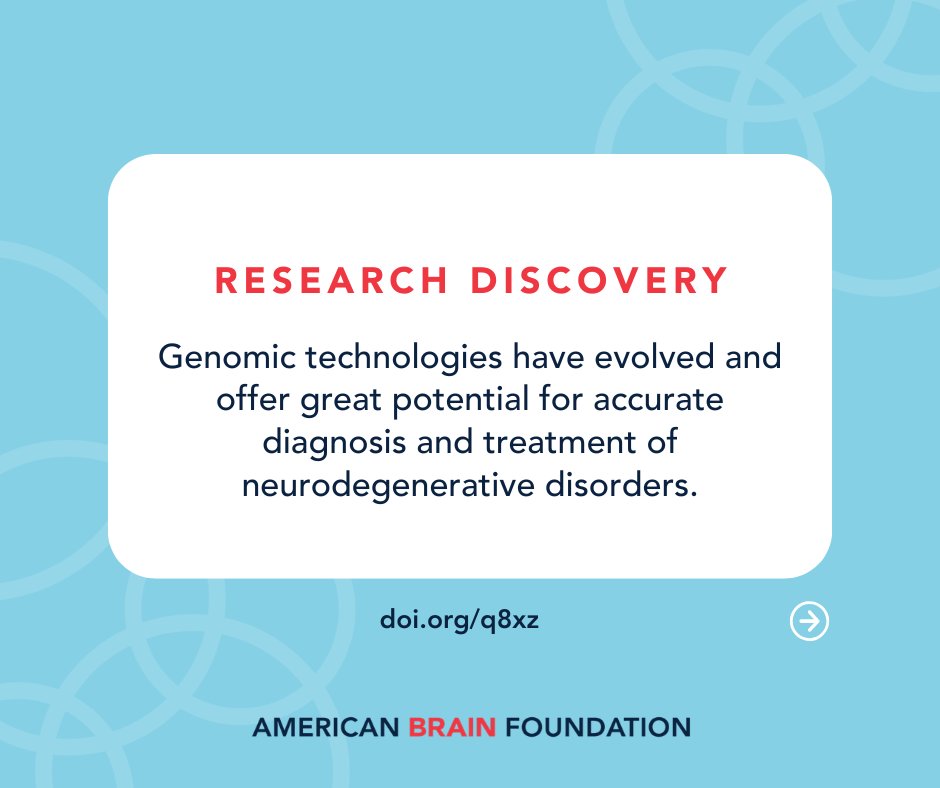
ALT Diseases Affected: Alzheimer’s disease, Parkinson’s disease, frontotemporal dementia, and others.
ALT Key Findings: This review explores the use of molecular biology tools for genetic testing. The report highlights how these tools have helped scientists understand diseases from genetic perspective, but it notes that genetic testing is underused in clinical settings due to the difficulty in interpreting genetic variants.
ALT What’s Next? Genetic testing is now an essential part of clinical diagnosis, and the authors recommend a structured framework for interpreting data. Interdisciplinary collaboration could help build this framework and close the gap between research and precision medicine.
ALT Did you know? TDP-43 was identified 20 years ago.
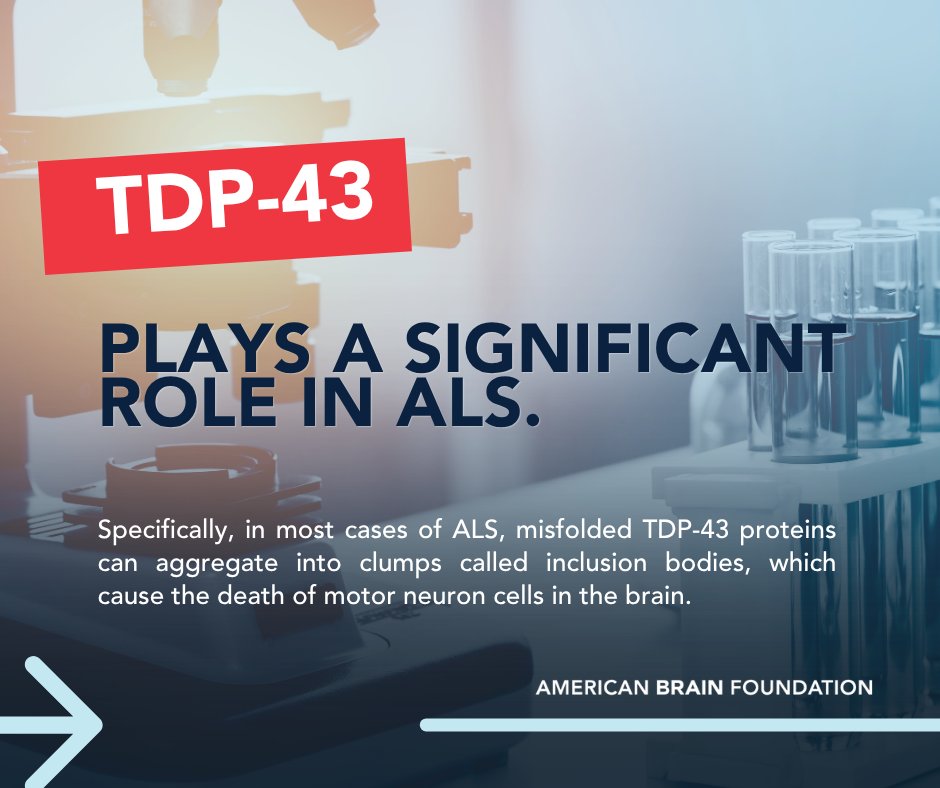
ALT TDP-43 plays a significant role in ALS. Specifically, in most cases of ALS, misfolded TDP-43 proteins can aggregate into clumps called inclusion bodies, which cause the death of motor neuron cells in the brain.
ALT In 2006, a team of Penn researchers discovered the protein. That team, which included Virginia Man-Yee Lee, PhD, John Trojanowski, MD, PhD, and Mark Forman, MD, PhD found a novel protein associated with Alzheimer's disease and related dementias as well as other neurodegenerative diseases like ALS. They named the protein TDP-43.
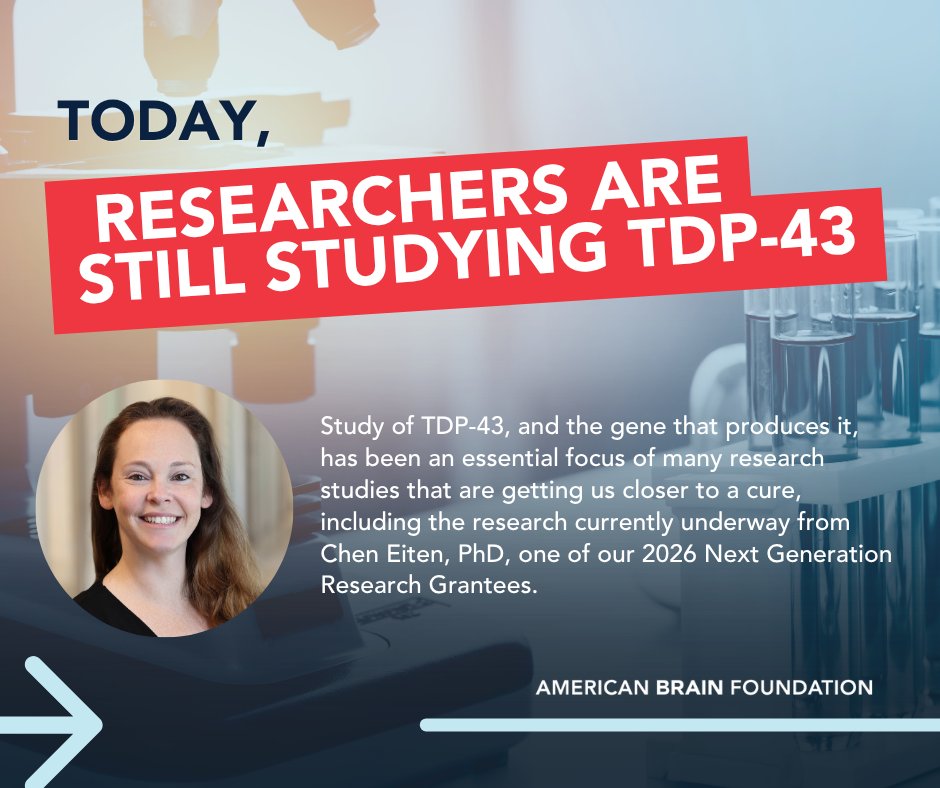
ALT Today, researchers are still studying TDP-43. Study of TDP-43, and the gene that produces it, has been an essential focus of many research studies that are getting us closer to a cure, including the research currently underway from Chen Eiten, PhD, one of our 2026 Next Generation Research Grantees.
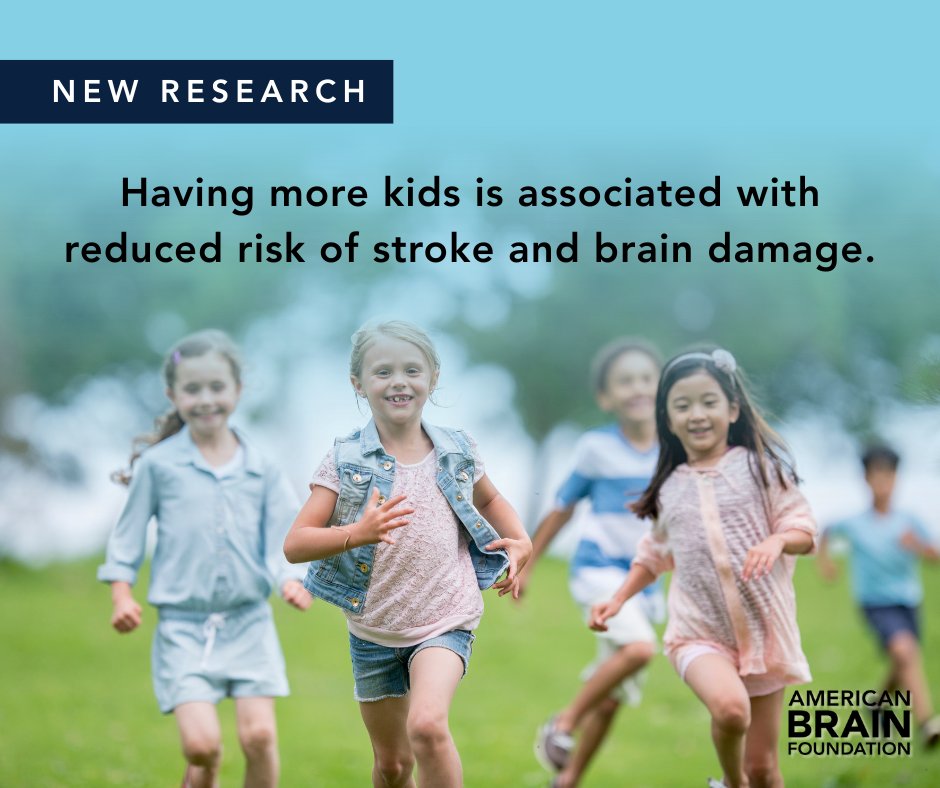
ALT Image: A photograph of children playing in a field. Text: New Research - Having more kids is associated with reduced risk of stroke and brain damage.
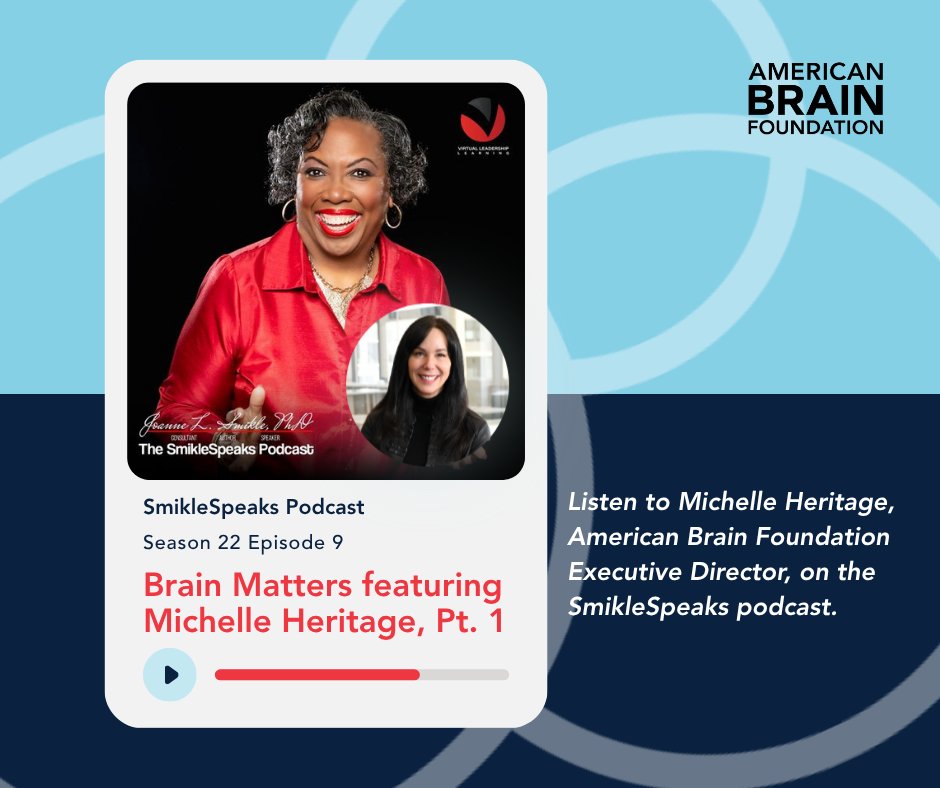
ALT Listen to Michelle Heritage, American Brain Foundation Executive Director, on the SmikleSpeaks podcast.
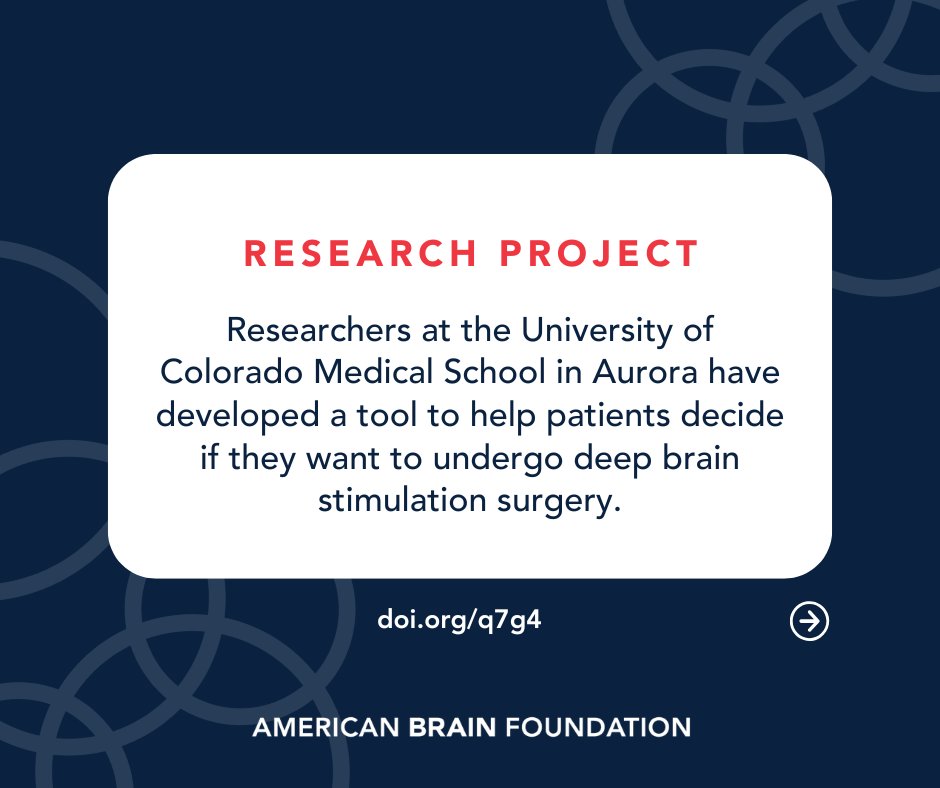
ALT Research Project: Researchers at the University of Colorado Medical School in Aurora have developed a tool to help patients decide if they want to undergo deep brain stimulation surgery.
ALT Diseases Affected: Parkinson’s disease
ALT Key Findings: The developed decision aid was tested according to scientific methods, involving 136 participants with Parkinson’s. Most participants found the aid, which meets International Patient Decision Aids Standards (IPDAS) criteria, to be helpful for reaching a decision.
ALT What’s Next? The decision aid is currently being tested in an ongoing randomized controlled trial. This trial is evaluating preliminary implementation outcomes, patient and clinician preferences for timing and mode of delivery, and training needs.
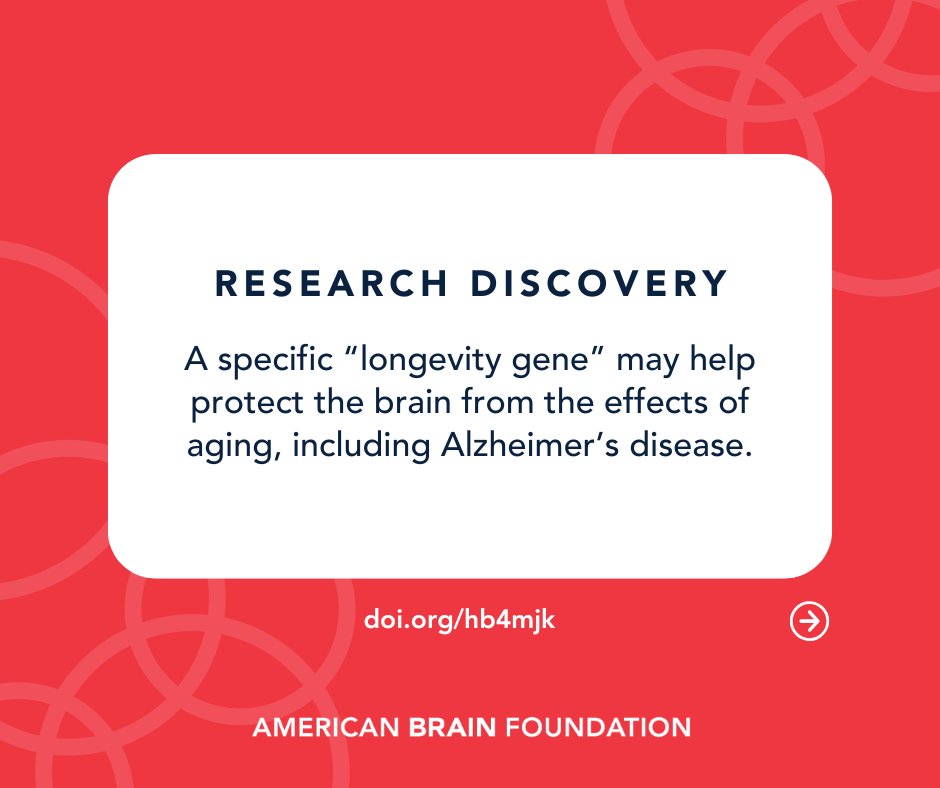
ALT Research Discovery: A specific “longevity gene” may help protect the brain from the effects of aging, including Alzheimer’s disease.
ALT Diseases Affected: Alzheimer’s disease and age-related cognitive decline.
ALT Key Findings: While it was known that the APOE2 gene variant is associated with longevity and resilience against Alzheimer’s, researchers have discovered that this is because it has a mechanism to repair DNA in neurons.
ALT What’s Next? Future studies might explore why some brains are naturally more resilient than others, and if they have protective mechanisms that could be harnessed to help prevent Alzheimer’s disease in at risk-people, such as those carrying the APOE4 genetic variant.
ALT Research Discovery: An oral therapy for ALS called PrimeC showed positive results in a phase 2b study. It proved to be safe for ALS patients and led to improved functional outcomes.
ALT Diseases Affected: Amyotrophic lateral sclerosis (ALS)
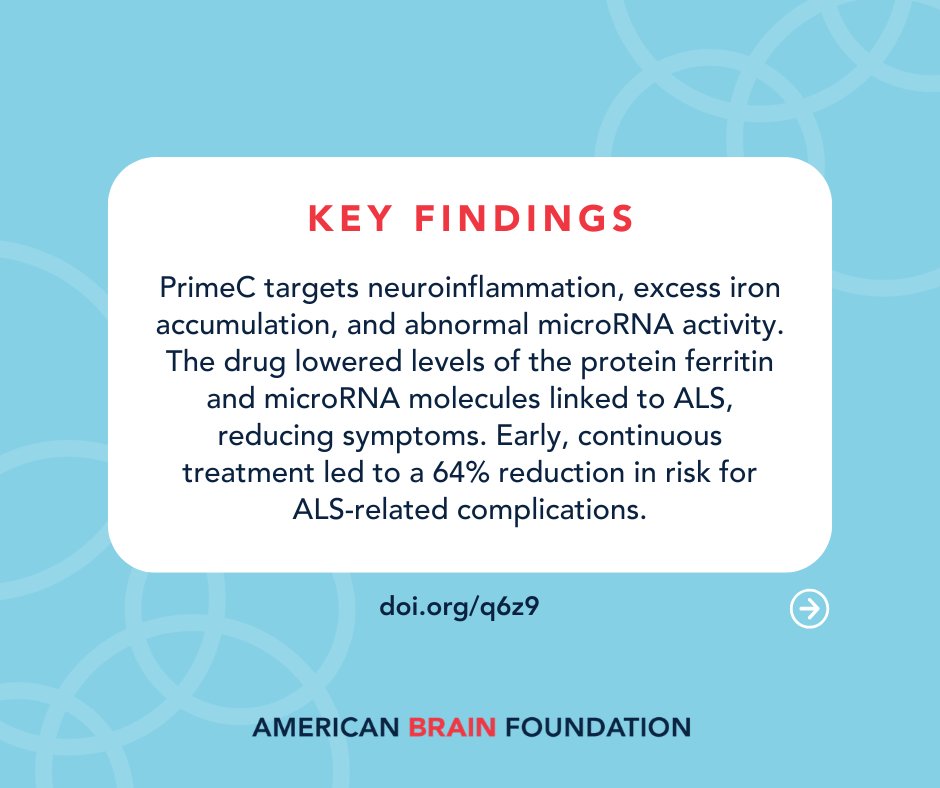
ALT Key findings: PrimeC targets neuroinflammation, excess iron accumulation, and abnormal microRNA activity. The drug lowered levels of the protein ferritin and microRNA molecules linked to ALS, reducing symptoms. Early, continuous treatment led to a 64% reduction in risk for ALS-related complications.
ALT What's next? The promising results of this study support advancing PrimeC to phase 3 trials to evaluate safety and effectiveness among a larger population.