په باکو کې د افغانستان سفارت رسمي پاڼه -The Official Account of the Afghanistan Embassy in Baku
Joined March 2024
- Tweets 203
- Following 51
- Followers 1,496
- Likes 3
30 Photos and videos
AFG Embassy Azerbaijan retweeted

پیام تبریکی عالیقدر امیرالمؤمنین شیخ القرآن و الحدیث مولوی هبة الله اخندزاده صاحب حفظه الله تعالی به مناسبت فرارسیدن عید سعید اضحی
alemarahdari.af/?p=139533
justpaste.it/lljh9
18
139
407
16,562
AFG Embassy Azerbaijan retweeted
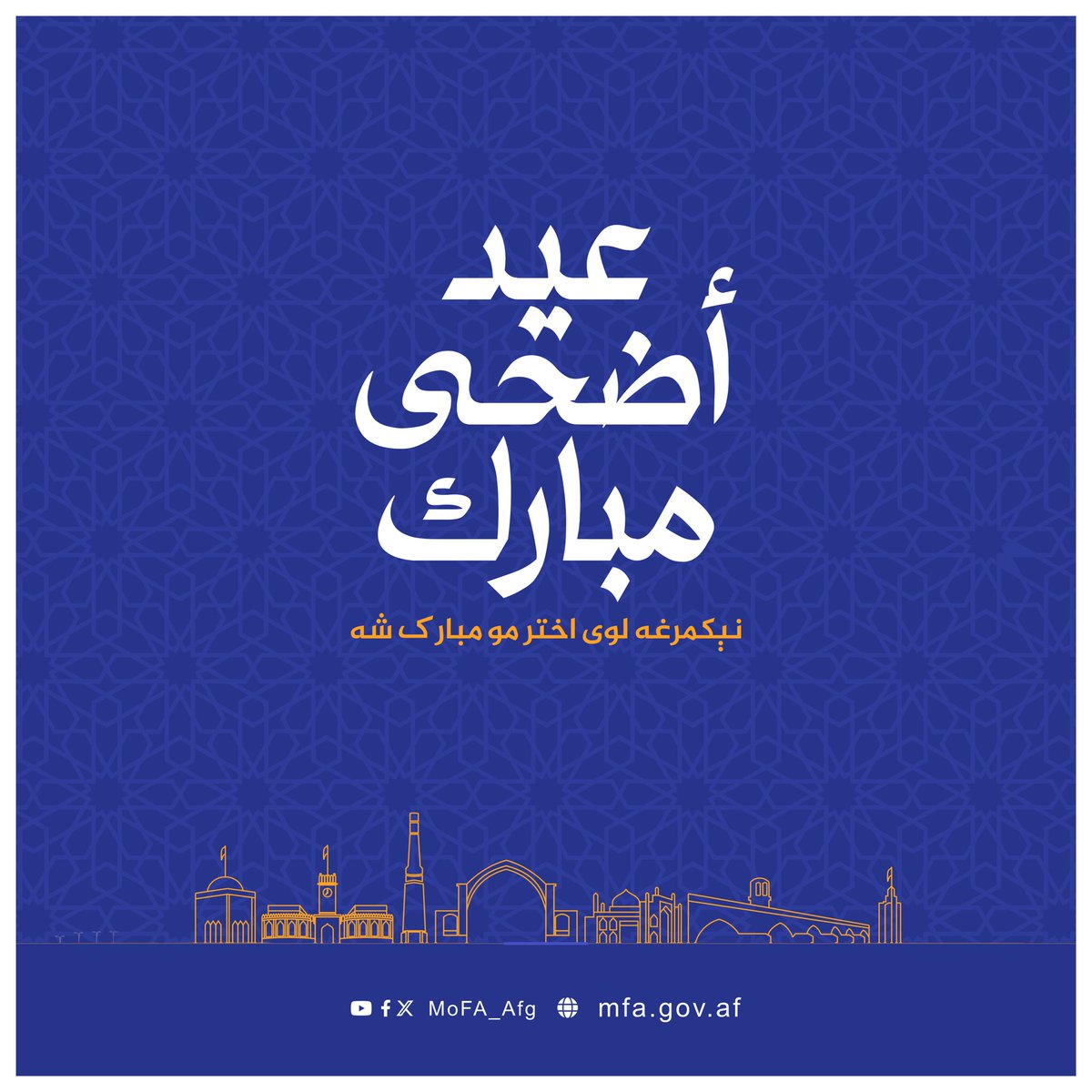
Eid al-Adha Congratulatory Message of His Highness, The Amir al-Mu’minin Sheikh al-Qur’an Wa al-Hadith, Mawlawi Hibatullah Akhundzada (May Allah Almighty protect him)
alemarahenglish.af/eid-al-ad…
justpaste.it/f65ro
5
112
238
13,130
AFG Embassy Azerbaijan retweeted

May 10
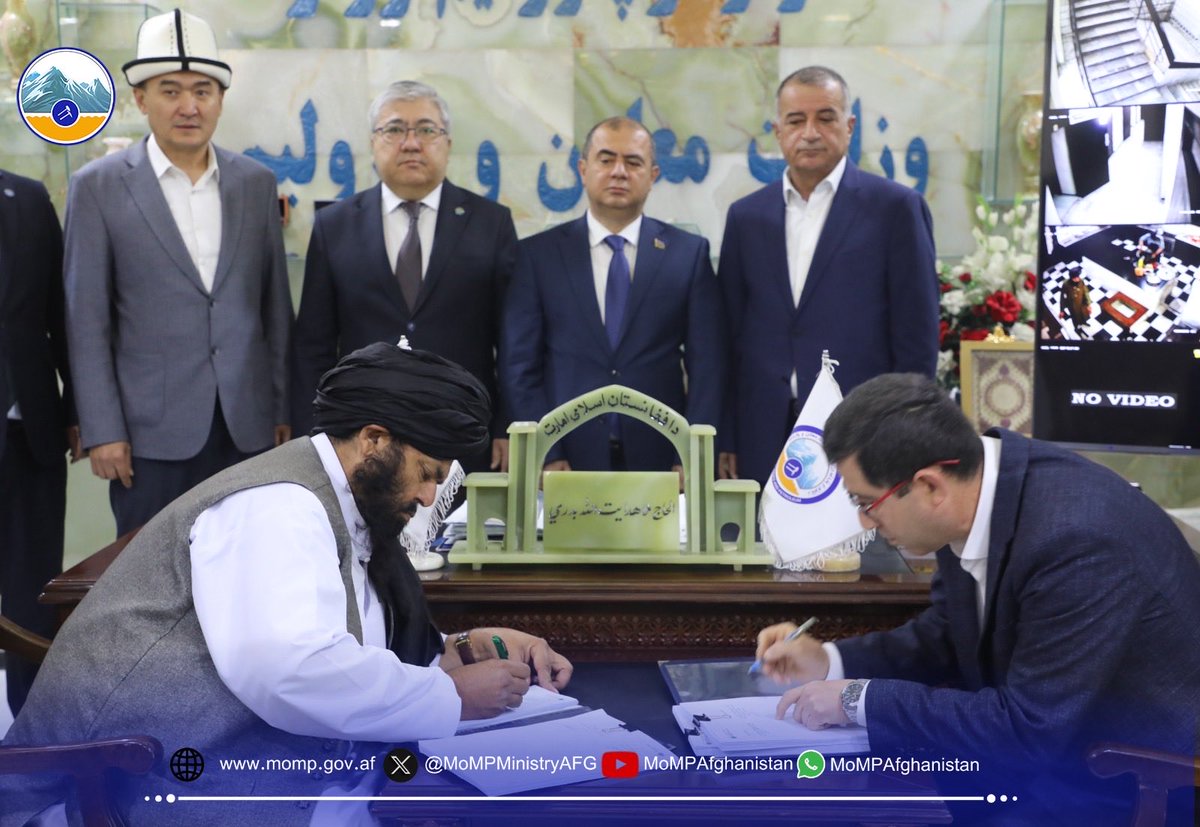
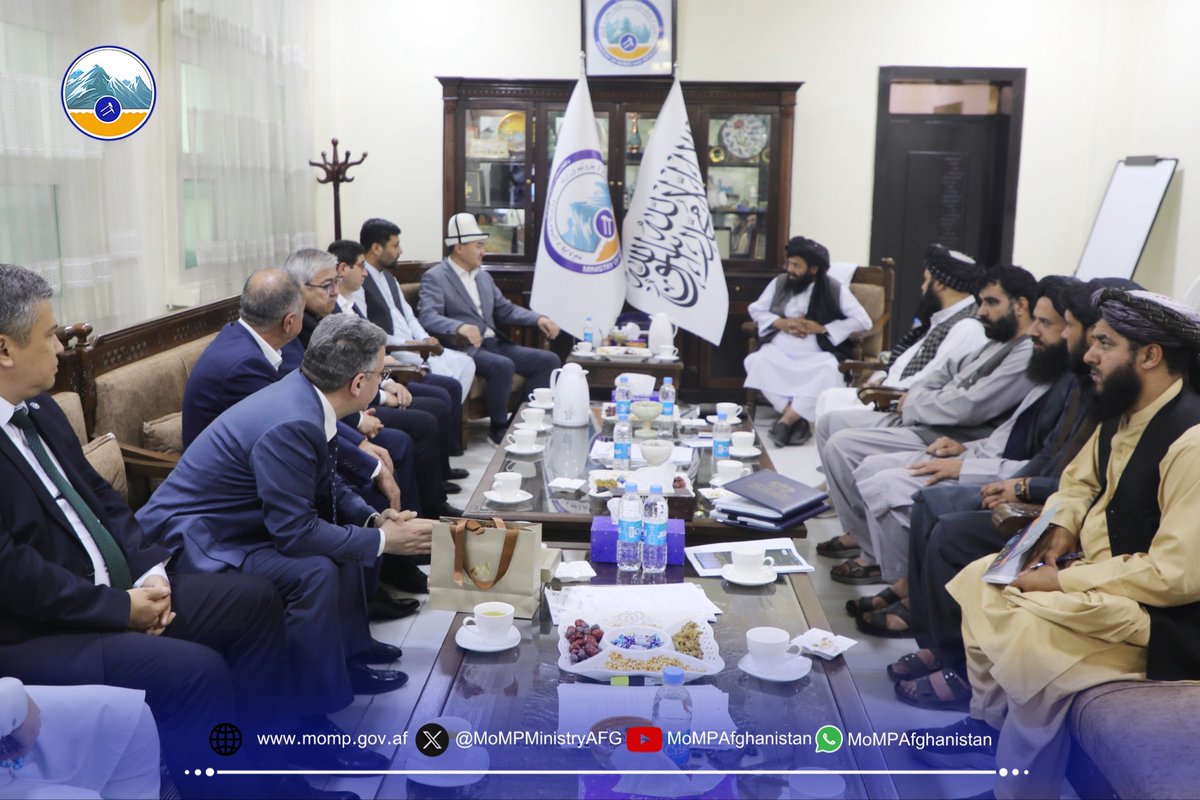
د کندز ولایت د سرو زرو د استخراج تړون لاسلیک شو
د کانونو او پټرولیم وزیر الحاج ملاهدایت الله بدري د یکشنبې په ورځ د ۱۴۰۵ لمریز کال د غويي میاشتې په ۲۰مه نېټه د کندز ولایت د قلعه زال ولسوالۍ د سرو زرو کان د استخراج تړون، چې ۵.۹۷ کیلومتره مربع مساحت لري
6
30
183
10,347
AFG Embassy Azerbaijan retweeted
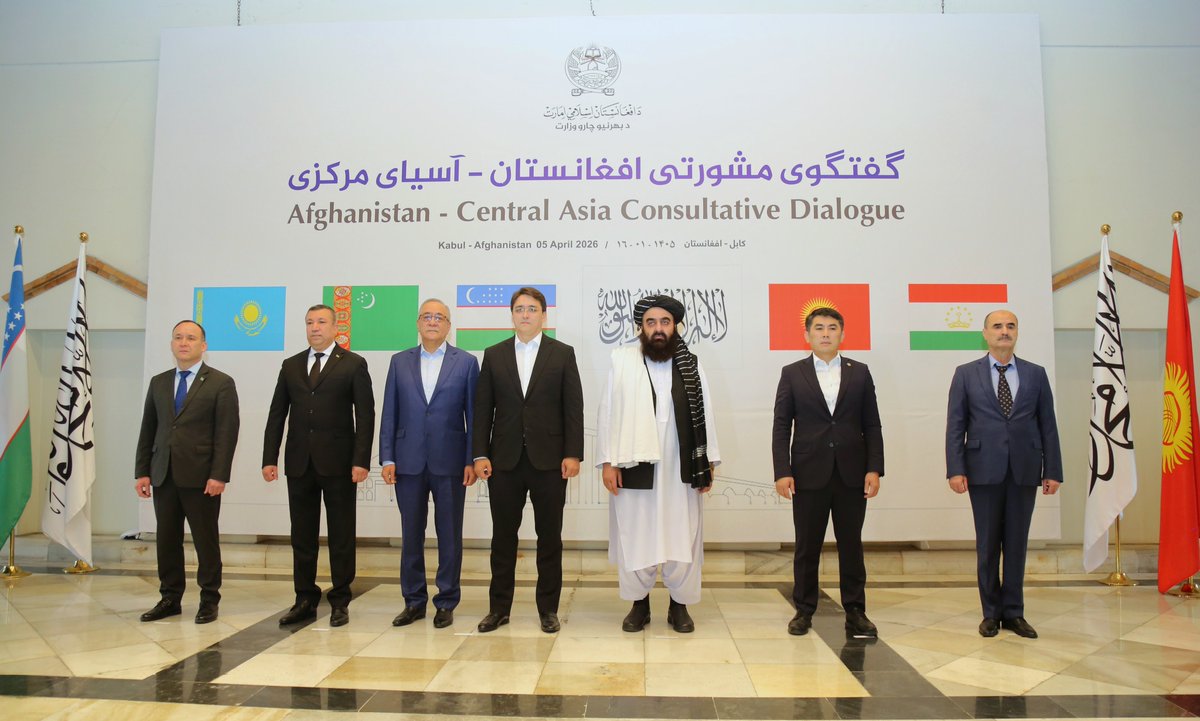
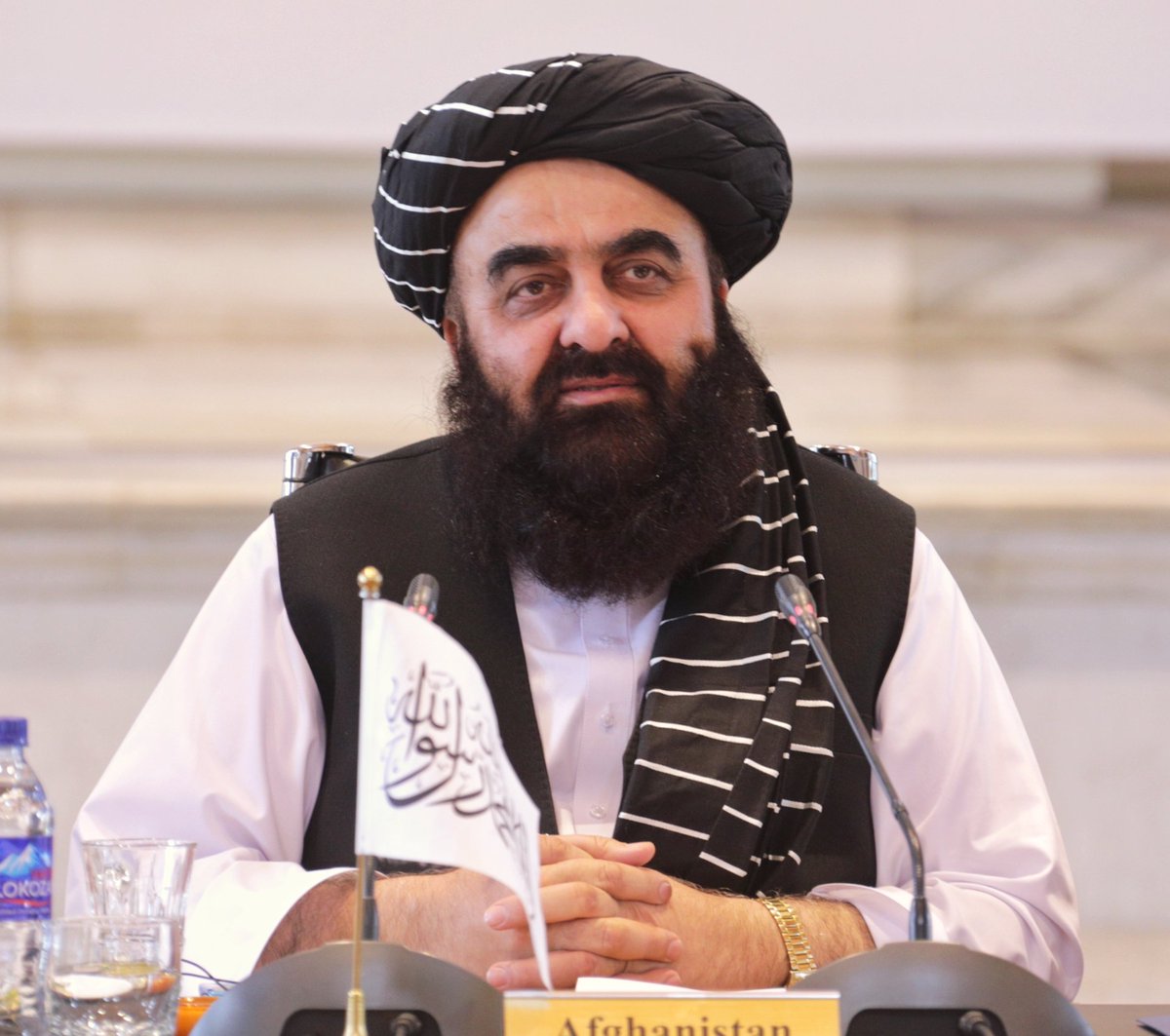
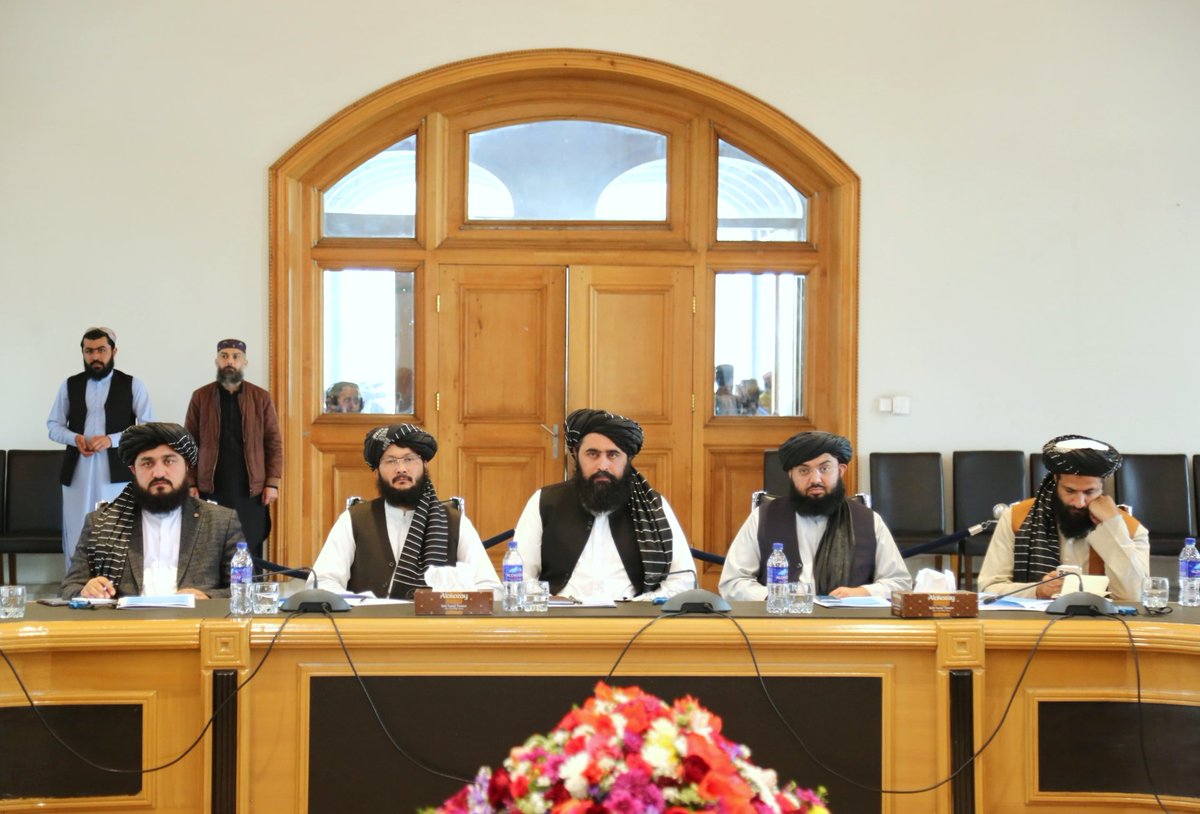
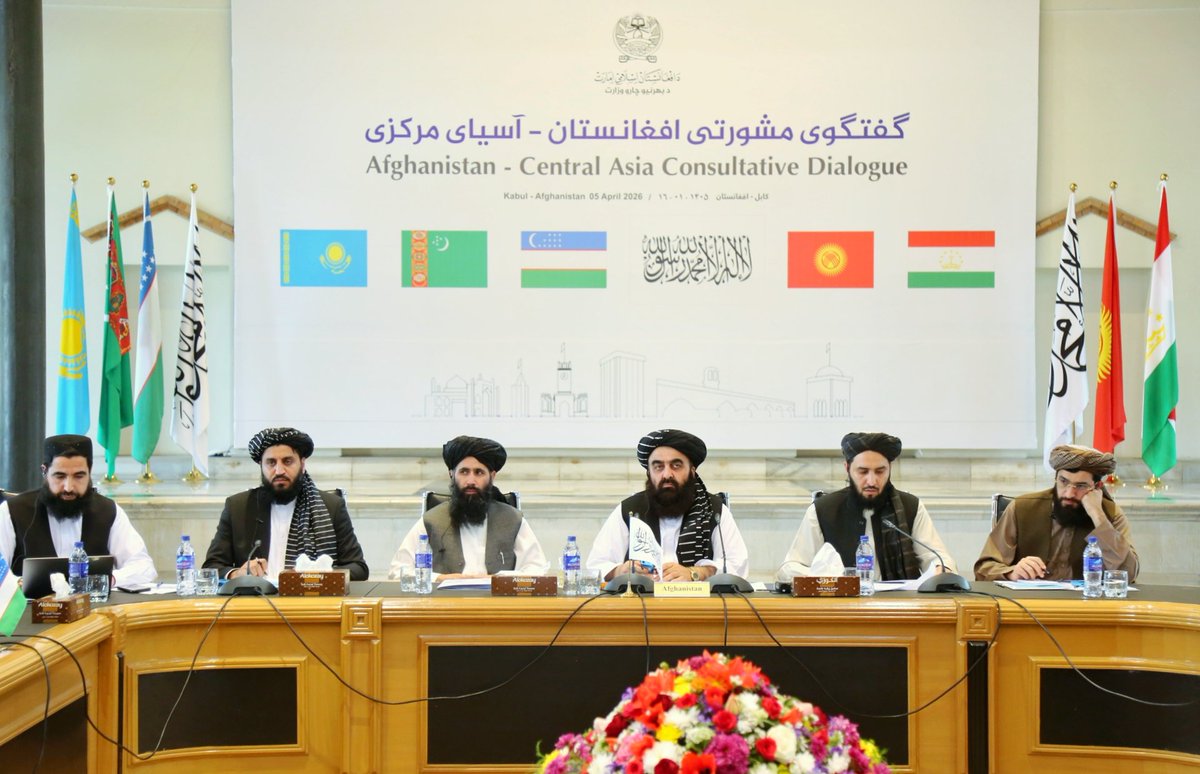
Speech by H.E. Mawlawi Amir Khan Muttaqi, the Minister of Foreign Affairs of the Islamic Emirate of Afghanistan, at the “Afghanistan & Central Asia Consultative Dialogue” meeting, hosted at the initiative of the Ministry of Foreign Affairs of the Islamic Emirate of Afghanistan.
الحمد لله رب العالمین والصلاةُ والسلامُ على رسوله محمد و علی اله و اصحابه اجمعین.
اما بعد:
Honorable Ministers and Representatives of the Republic of Uzbekistan, the Kyrgyz Republic, Turkmenistan, the Republic of Tajikistan, and the Republic of Kazakhstan;
And all esteemed guests and participants;
Assalamu Alaikum wa Rahmatullahi wa Barakatuh
Good morning to you all.
I am pleased that today we are witnessing the convening of the first Consultative Dialogue Meeting between Afghanistan and the Central Asian countries in the beautiful city of Kabul. This meeting, initiated by the Ministry of Foreign Affairs of the Islamic Emirate of Afghanistan and with the participation of high-level representatives from the Republic of Uzbekistan, the Kyrgyz Republic, Turkmenistan, the Republic of Tajikistan, and the Republic of Kazakhstan, constitutes a multilateral consultative political mechanism aimed at exchanging views and consultations on regional developments, enhancing diplomatic coordination, and exploring practical joint avenues to further expand cooperation between Afghanistan and the Central Asian countries—particularly in the areas of economic engagement, trade, transit, and regional connectivity.
Over the past nearly five years, the Islamic Emirate of Afghanistan and the Central Asian countries—namely the republics of Uzbekistan, Kyrgyzstan, Kazakhstan, Tajikistan, and Turkmenistan—have taken tangible and effective steps to further strengthen bilateral relations as well as economic, transit, and regional cooperation. Today, we are witnessing a narrative of opportunity, cooperation, and regional convergence between the two sides. The pragmatic, opportunity-oriented, and cooperation-focused approach of the Central Asian countries toward Afghanistan—emphasizing political engagement and economic and transit cooperation—represents a successful model of mutual trust and collaboration at the regional level.
This meeting will focus on the following core objectives:
- Strengthening political dialogue and diplomatic coordination between the Islamic Emirate of Afghanistan and the Central Asian countries;
- Identifying new opportunities for cooperation between Afghanistan and the Central Asian countries within the framework of a regional, economy-centric approach;
- Exchanging views on regional developments and the role of cooperation in strengthening stability and sustainable development.
We hope that, through the holding of this meeting and through joint efforts, by evaluating all opportunities and challenges concerning relations between the Islamic Emirate of Afghanistan and the Central Asian countries, we will be able to chart a roadmap for comprehensive cooperation between Afghanistan and the Central Asian countries in the political, trade, transit, security, and climate change domains for the future of our partnership.
Today, we have gathered at a time when, on one hand, the international system is facing serious challenges and profound questions, and on the other, various misconceptions and contradictory narratives have emerged. While we witness dynamic economic activity across the Asian continent—particularly in the Eurasian region—West Asia continues to grapple with war and its unwelcome security, political, and economic consequences.
In this context, Afghanistan and the Central Asian countries are undoubtedly also affected by these trends. We need to manage our common challenges in a coordinated manner and make effective use of existing capacities to achieve development, prosperity, and regional convergence.
9
51
228
13,604
AFG Embassy Azerbaijan retweeted
After nearly half a century of instability, Afghanistan has achieved a genuine Islamic system, real stability, and nationwide security. The foundations of governance are being strengthened day by day. Administrative corruption has been eliminated, and work is underway to simplify government bureaucratic processes and advance digitalization. In accordance with the decree of His Excellency the Supreme Leader (may Allah preserve him), the cultivation and trafficking of narcotics have been banned, and through the comprehensive practical measures of the relevant entities, cultivation has approached zero.
Distinguished participants,
By adopting an economy-centered foreign policy, Afghanistan has created conditions conducive to the growth of trade and the attraction of foreign investment. The stability of the Afghan currency has been maintained, and according to the World Bank’s report, Afghanistan’s economic growth in 2025 stood at 4.3 percent. Of the country’s total foreign trade volume, trade with the Central Asian countries reached approximately 2.7 billion US dollars in 2025—showing a several-fold increase compared to previous years. Nevertheless, the trade balance remains uneven, and greater attention must be paid to this matter. Our shared goal is to increase the trade volume between Afghanistan and the Central Asian countries to around USD 10 billion within the next three to four years. Natural resources, energy, e-governance, agriculture, health, telecommunications, infrastructure projects, and logistics facilities are among the other promising areas for investment.
Afghanistan, leveraging its geoeconomic position, is striving to connect Central Asia with South and West Asia—and vice versa. This will constitute a civilizational and cultural connection, as well as one of energy, goods, and human mobility. The implementation of the Afghan Transit project is an important priority for the Islamic Emirate of Afghanistan. The legal groundwork for this project has been completed, and we are prepared to begin practical work on its implementation with our Central Asian partners as soon as possible. The transfer of energy from Central Asia to South Asia through the strategic TAPI project, as well as the TAP and CASA-1000 projects, remains another priority. Currently, 25 kilometers of TAPI pipeline laying have been completed on the Herat–Turkmenistan border route, with another 120 kilometers ready for construction. Practical work on the CASA-1000 project has also made significant progress in Kyrgyzstan, Tajikistan, Afghanistan, and Pakistan. The Lapis Lazuli Route via Turkmenistan and the Six-Nation Corridor are also on our agenda.
In addition to further expanding bilateral relations and coordination, it is necessary to work on a shared regional political agenda. Afghanistan is keen to actively participate in regional programs and initiatives—particularly in transport, railway, environmental, and development initiatives of Central Asia. The support of the Central Asian countries for Afghanistan’s observer membership in the Shanghai Cooperation Organization is of great importance, and our participation in the “Green Central Asia” initiative is also highly valued.
Honorable guests,
In conclusion, while once again expressing my gratitude and appreciation for your presence and support in convening this important meeting, I would like to specifically emphasize the following proposals:
First: Since the Afghanistan–Central Asia Consultative Dialogue initiative has been designed as a multilateral political mechanism at the level of high-ranking officials of the Ministries of Foreign Affairs of Afghanistan and the Central Asian countries, we propose that this initiative be strengthened and held on a regular basis.
1
4
19
1,031
AFG Embassy Azerbaijan retweeted
Honorable guests,
The relations between Afghanistan and the Central Asian countries are rooted in deep historical, geographical, religious, cultural, and social bonds among the peoples of this region. For centuries, we have lived together as good neighbors in this land, sharing a common identity, common suffering, and a common future.
On one hand, great Islamic figures such as Imam Abu Hanifa, Imam Bukhari, and Imam Tirmidhi (may Allah have mercy on them) laid the foundations of the flourishing Islamic civilization of this region. On the other, historical and cultural figures such as Abu Rayhan al-Biruni, Rudaki, Makhtumquli Faraghi, Amir Ali Sher Nawa’i, and Abu Nasr al-Farabi have enriched our shared history. It is these commonalities that form the very foundation of relations between Afghanistan and Central Asia.
Alhamdulillah, the current narrative between the Islamic Emirate of Afghanistan and the Central Asian countries is one of opportunity, cooperation, and regional convergence—not one of illusion or confrontation. Together, we can shape a successful model of regional integration and create favorable conditions for the further development of relations in various fields between Afghanistan and the Central Asian countries.
Distinguished guests,
The foreign policy of the Islamic Emirate of Afghanistan is based on the principles of balance and economic centrality, with emphasis on Islamic brotherhood, good neighborliness, mutual respect, and cooperation. The Central Asian countries occupy a special place in this policy. While strengthening bilateral relations, we also emphasize regional cooperation and a region-centric strategy due to the shared opportunities and challenges we face. As a result of this policy, Alhamdulillah, we have today entered into diplomatic relations, dialogues, and constructive engagements with various countries in the region and beyond. The current relations of the Islamic Emirate of Afghanistan with the Central Asian countries—Uzbekistan, Kyrgyzstan, Kazakhstan, Turkmenistan, and Tajikistan—represent a prominent example of this approach.
Undoubtedly, there are challenges and concerns at the regional level that have negatively affected the desired trends, infrastructure, and economic cooperation between Central Asia and Afghanistan. The security-oriented perspective of some regional actors has created obstacles and challenges in the path of transit and regional cooperation, which undermine the collective interests of the region.
The Afghan government has participated with sincerity and a solution-oriented approach in the ongoing negotiations with Pakistan, currently taking place in the city of Urumqi at the initiative of the People’s Republic of China.
Our position on this matter is very clear. The Islamic Emirate of Afghanistan has always sought to resolve issues through understanding, dialogue, and relations based on mutual respect and comprehension. At the same time, it reserves the right to defend its territorial integrity and its people.
Honorable guests,
Afghanistan shares approximately 2,329 kilometers of common land and water borders with Tajikistan, Uzbekistan, and Turkmenistan. It is necessary for us to cooperate jointly in strengthening the banks of the Amu River and modernizing border markers along this shared frontier. Issues such as the activities of certain destructive elements—including the threats posed by Daesh groups, the smuggling of narcotics (especially synthetic drugs), illegal migration, and cross-border organized crime—are among the common concerns of both sides. To this end, the Afghan security entities have taken the necessary measures. Timely actions have been carried out against individuals and elements attempting to undermine the friendly relations between Afghanistan and the Central Asian countries. Alhamdulillah, today there are no security problems along our common borders, and we stand ready to enhance cooperation further in these fields.
1
13
900
AFG Embassy Azerbaijan retweeted
Second: We propose that a research conference of Afghan and Central Asian experts be organized at an appropriate time, so that these researchers may develop a roadmap for practical cooperation between Afghanistan and the Central Asian countries based on the consultations, views, and proposals of today’s meeting.
Third: We believe that, within the framework of this cooperation roadmap and taking into account our shared security challenges and concerns, discussions and exchanges of views should be held on a common security approach between Afghanistan and the Central Asian countries.
Fourth: In light of the joint regional economic projects, a coordinated and common approach to trade and transit cooperation between Afghanistan and the Central Asian countries should also be incorporated into the cooperation roadmap.
Fifth: Since both Afghanistan and the Central Asian countries are affected by climate change, it would be appropriate for us to make joint efforts—within the framework of this initiative and the cooperation roadmap—to mitigate the impacts of climate change.
Thank you for your attention.
5
13
871
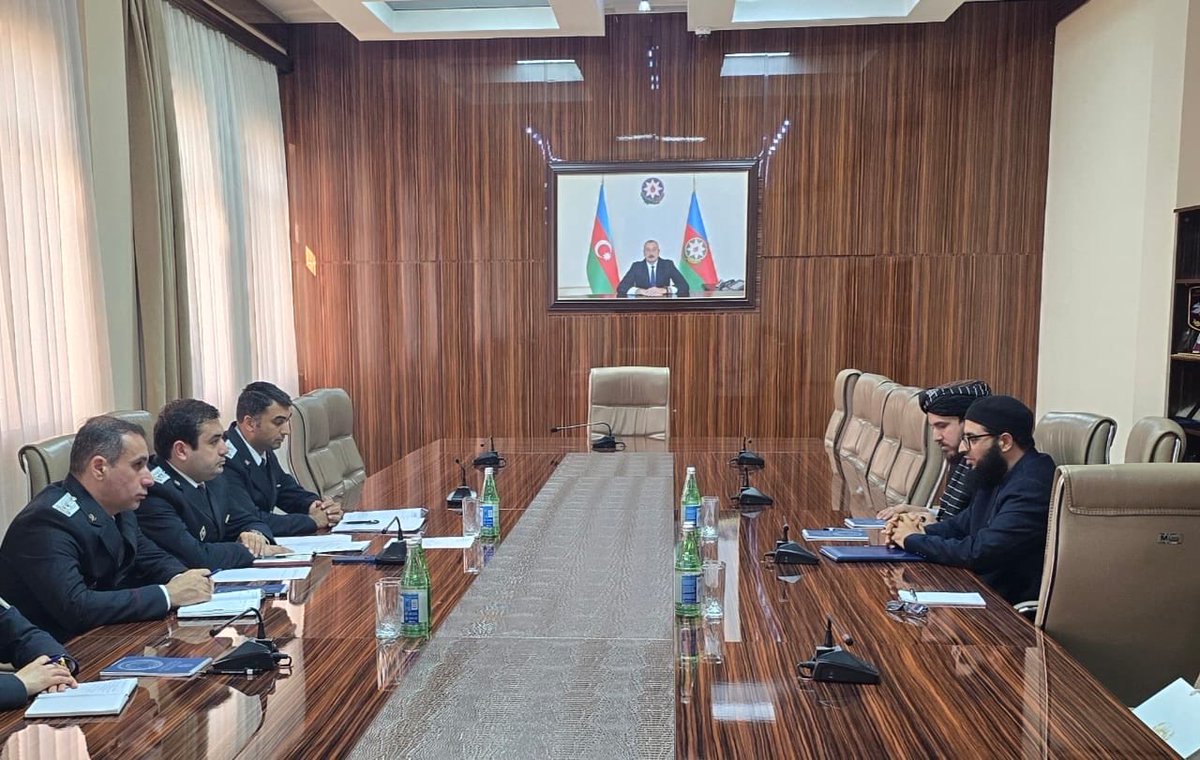
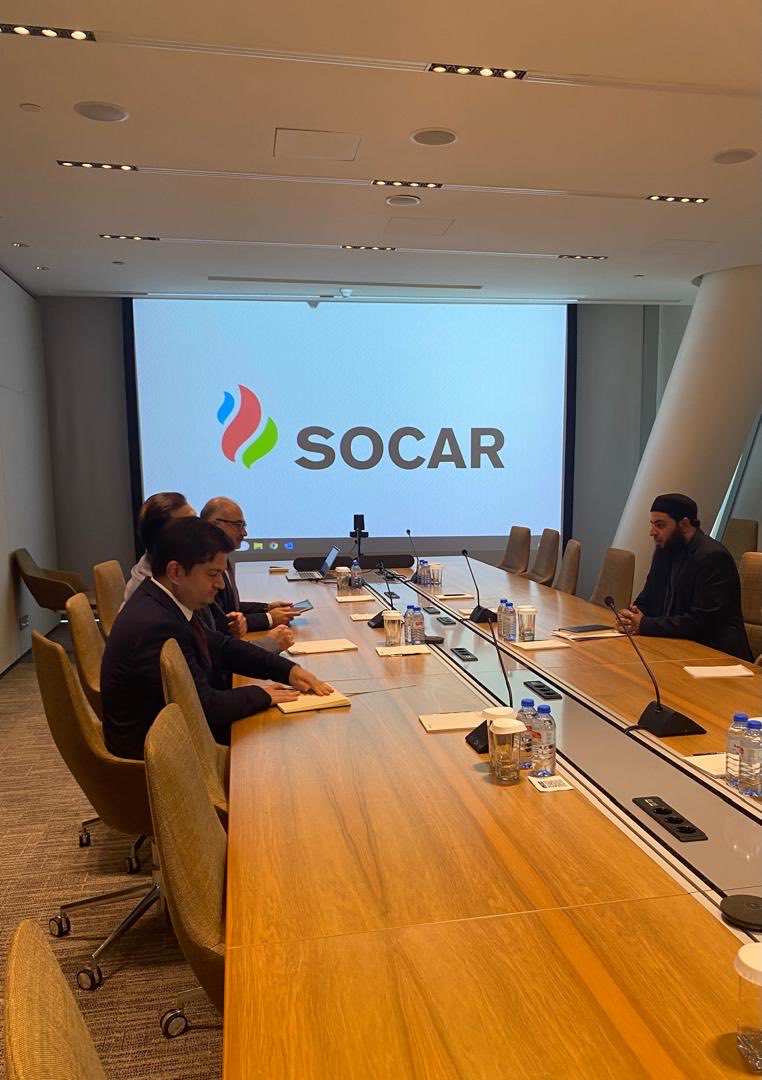
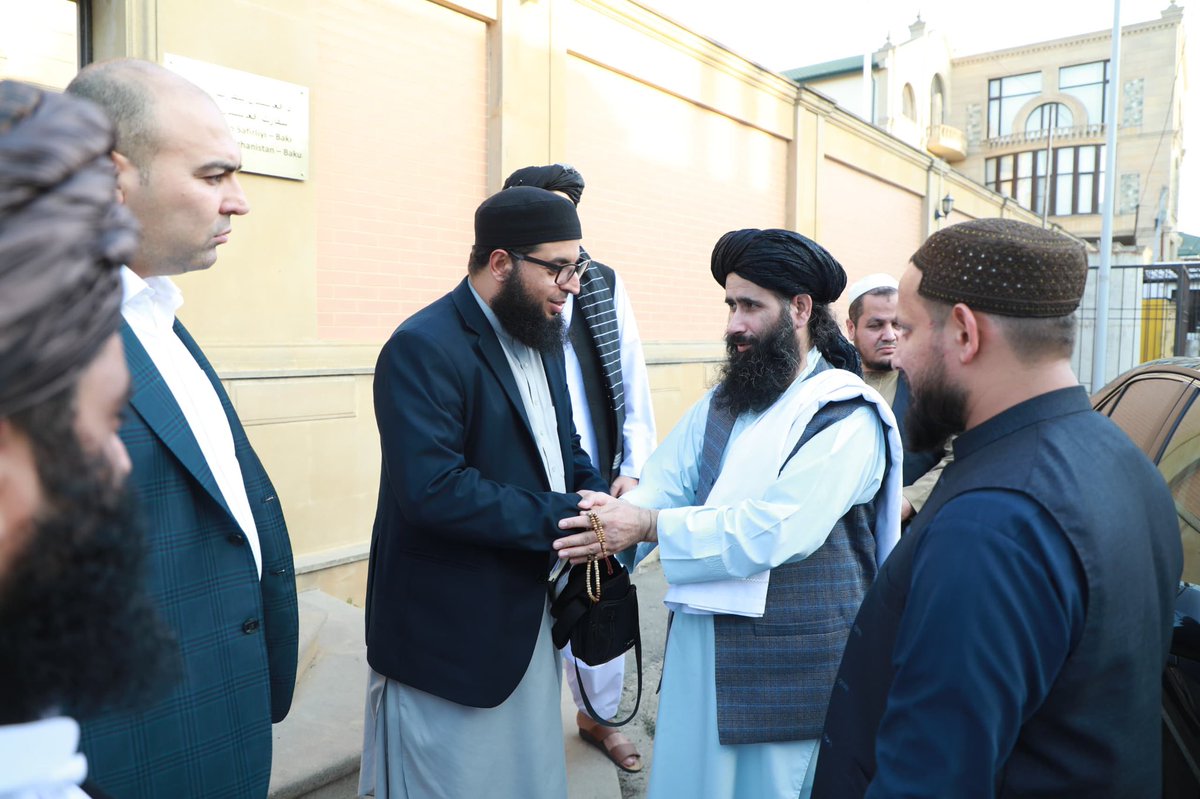
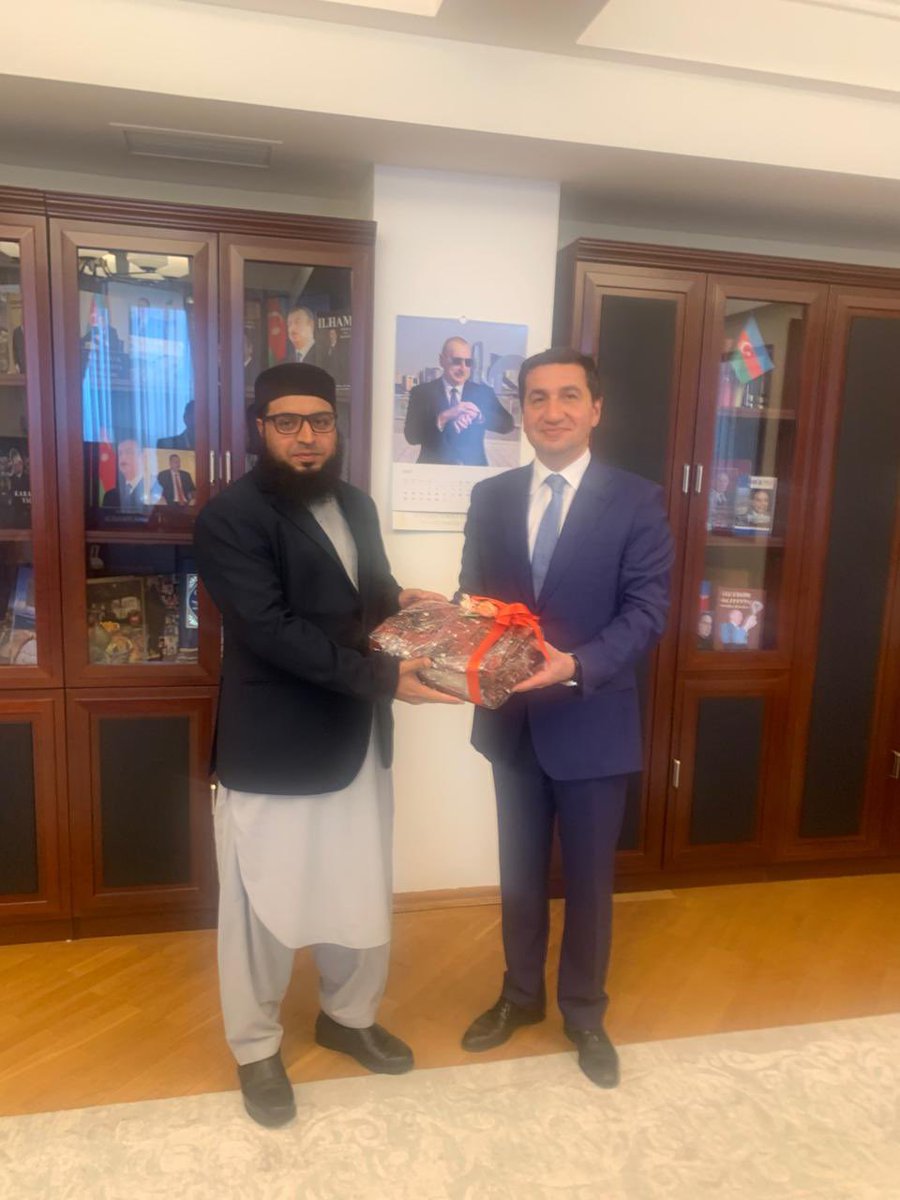
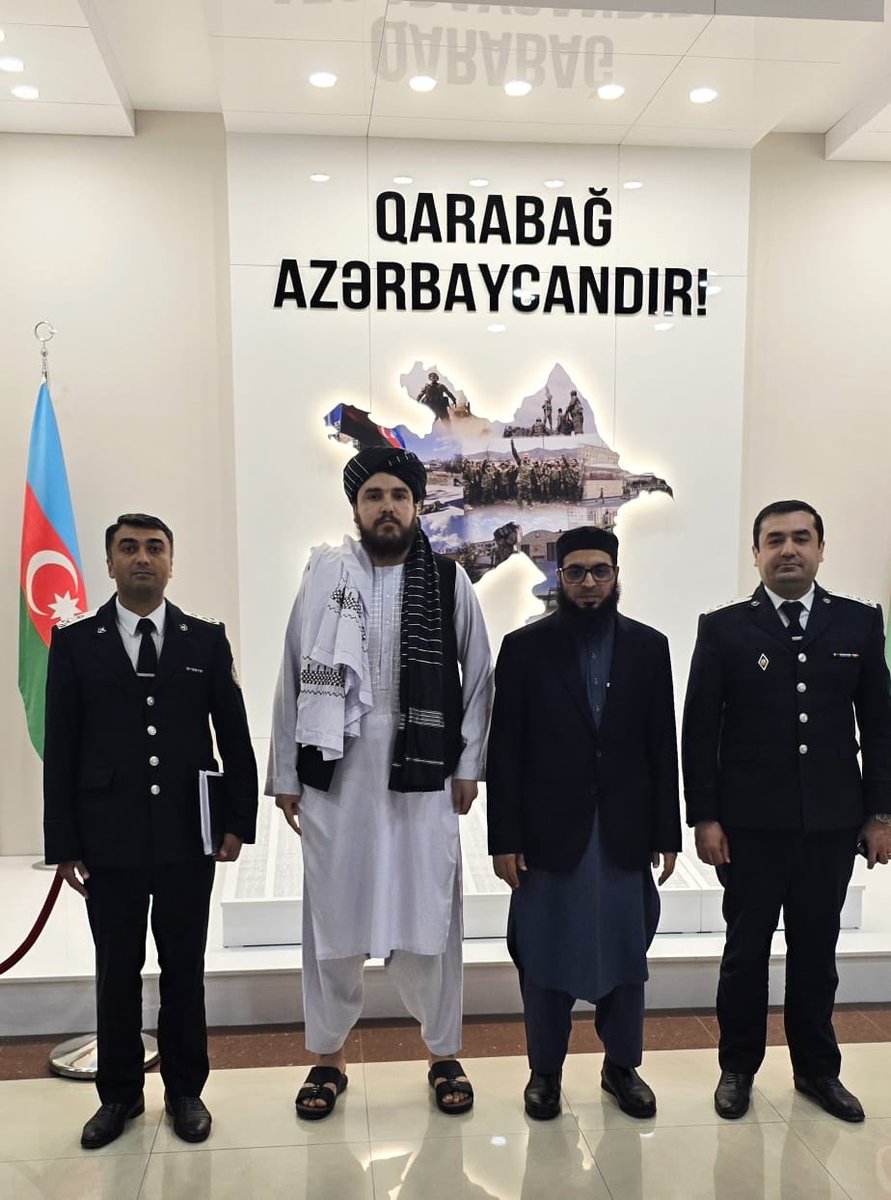
په اذربایجان کې د ا.ا.ا. د سفارت سرپرست دکتور محمد فیصل د دغه هېواد د دولتي مهاجرت ادارې (میگریشن) د نړیوالو همکاریو له مشر الوي علییف سره وکتل.
په دې کتنه کې د دواړو لورو ترمنځ په اذربايجان کې د مېشتو افغانانو پر حقوقي وضعیت او اړوندو همکاریو بحث وشو.
په ورته مهال؛ دواړو لورو پر گډې همغږۍ او دوامداره همکاريو ټينگار وکړ.
2
68
5,546
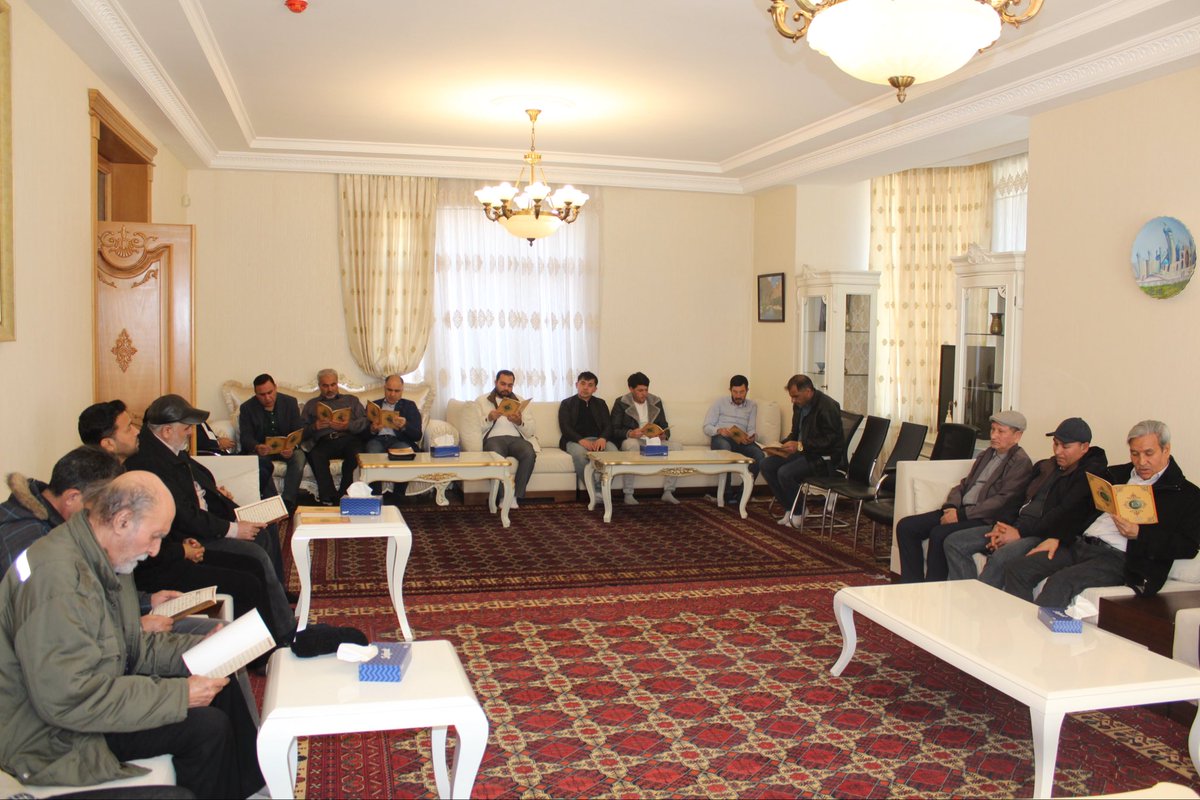
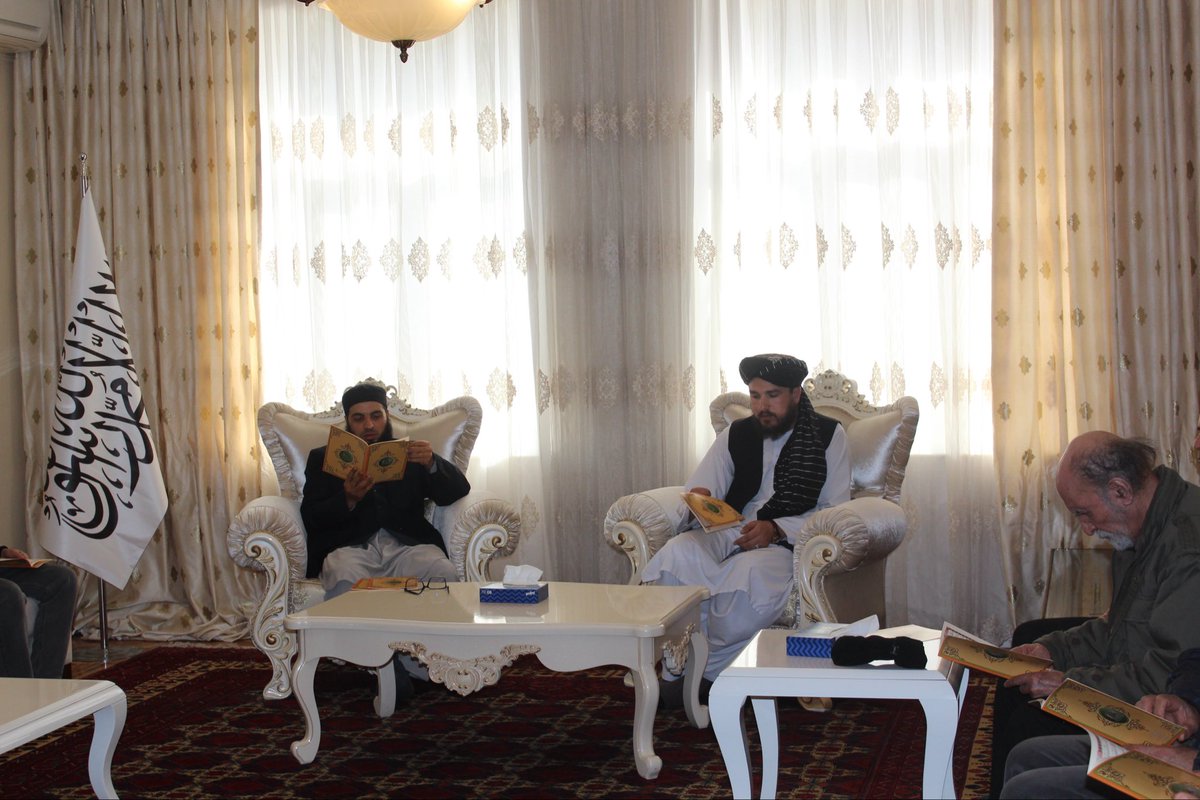
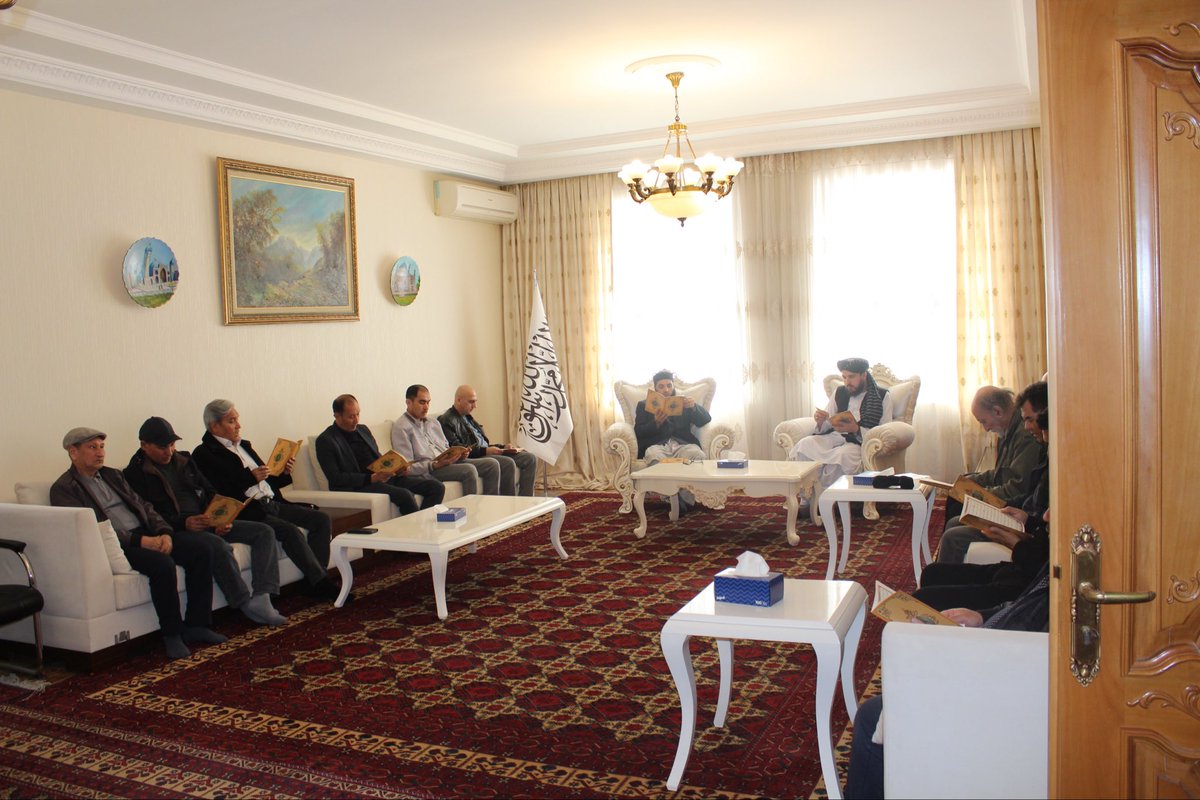
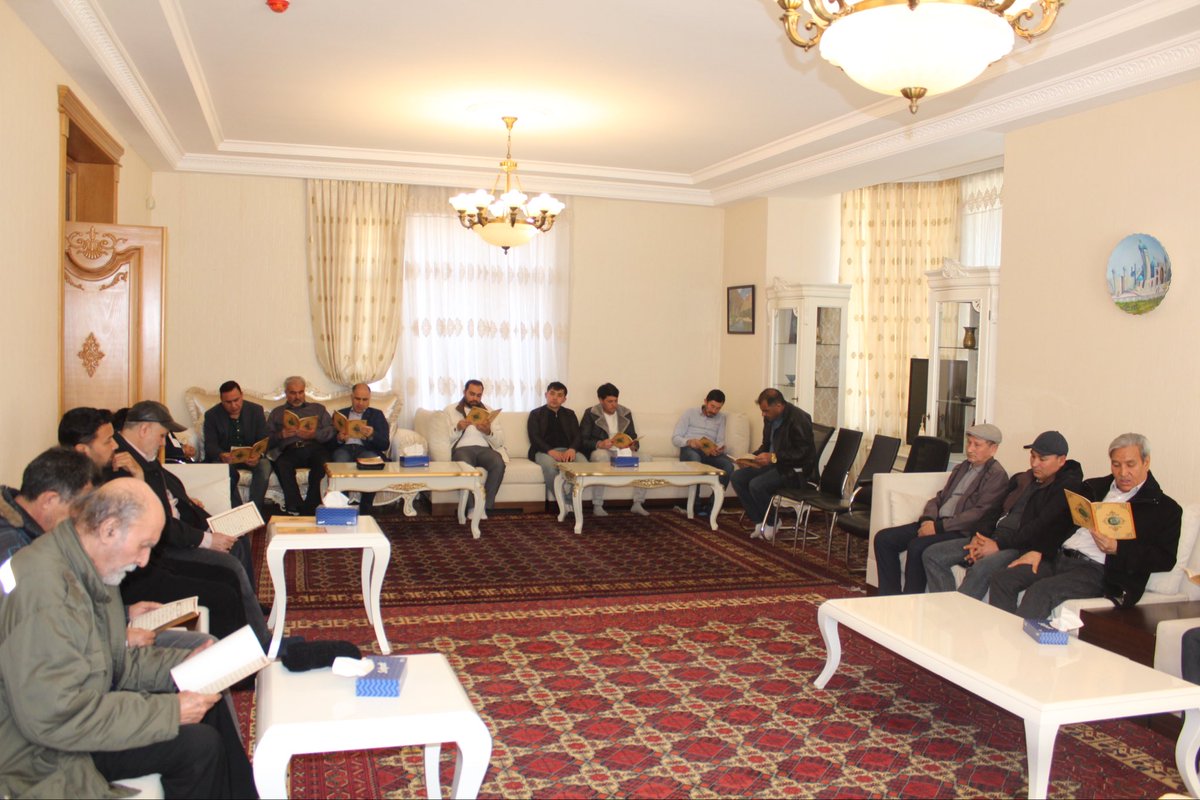
په اذربایجان کې د افغانستان اسلامي امارت سفارت له لورې په کابل کې پر امید روغتون د پاکستان پوځي رژیم له لوري د ترسره شوې بمبارۍ له امله د شهیدانو روح ته د ختم قران عظیم الشان او فاتحې مراسم ترسره کړل.
په یادو مراسمو کې د سفارت د سرپرست او کارکوونکو سربېره په باکو کې مېشتو افغان سوداگرو، مخورو او د افغان ټولنې استازو هم گډون كړی وو.
گډونوالو د شهیدانو پاکو ارواحو ته دعاوې وکړې او د ټپیانو د ژر تر ژره روغتیا هیله یې څرگنده کړه.
11
466
AFG Embassy Azerbaijan retweeted

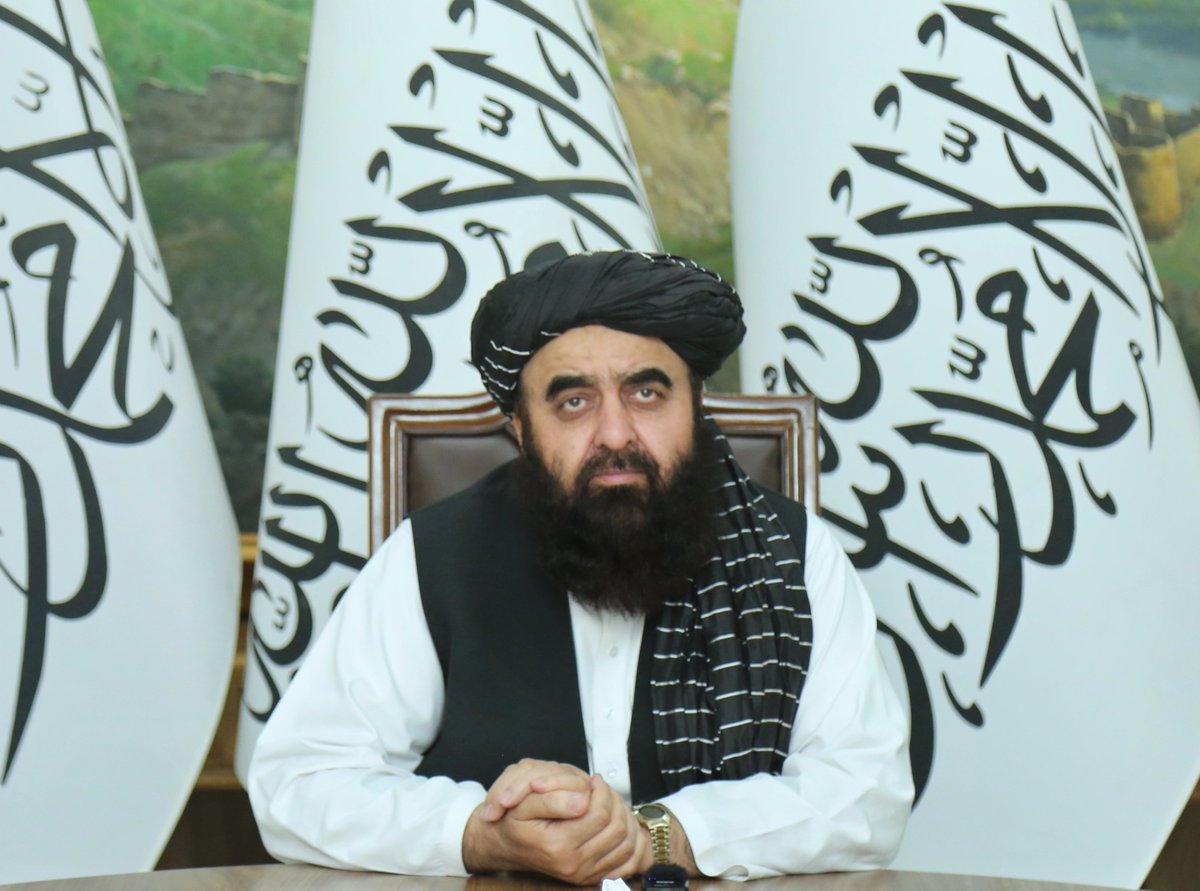
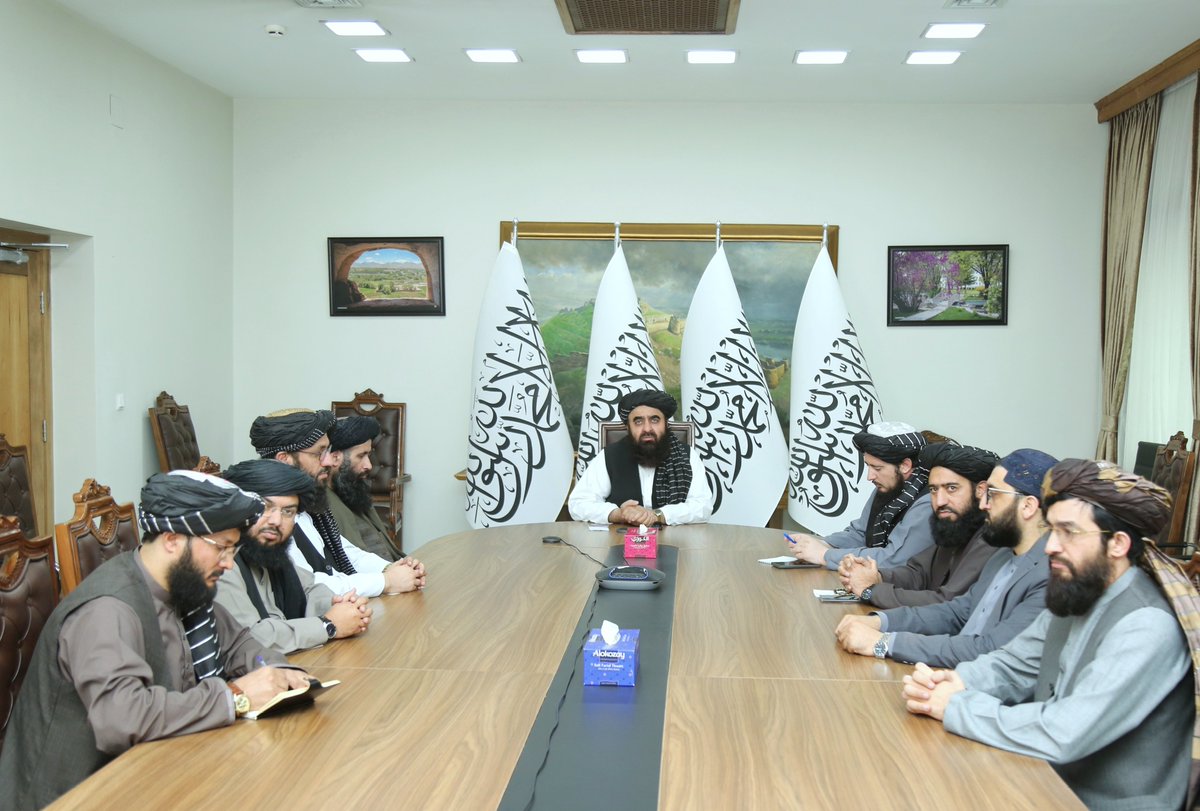
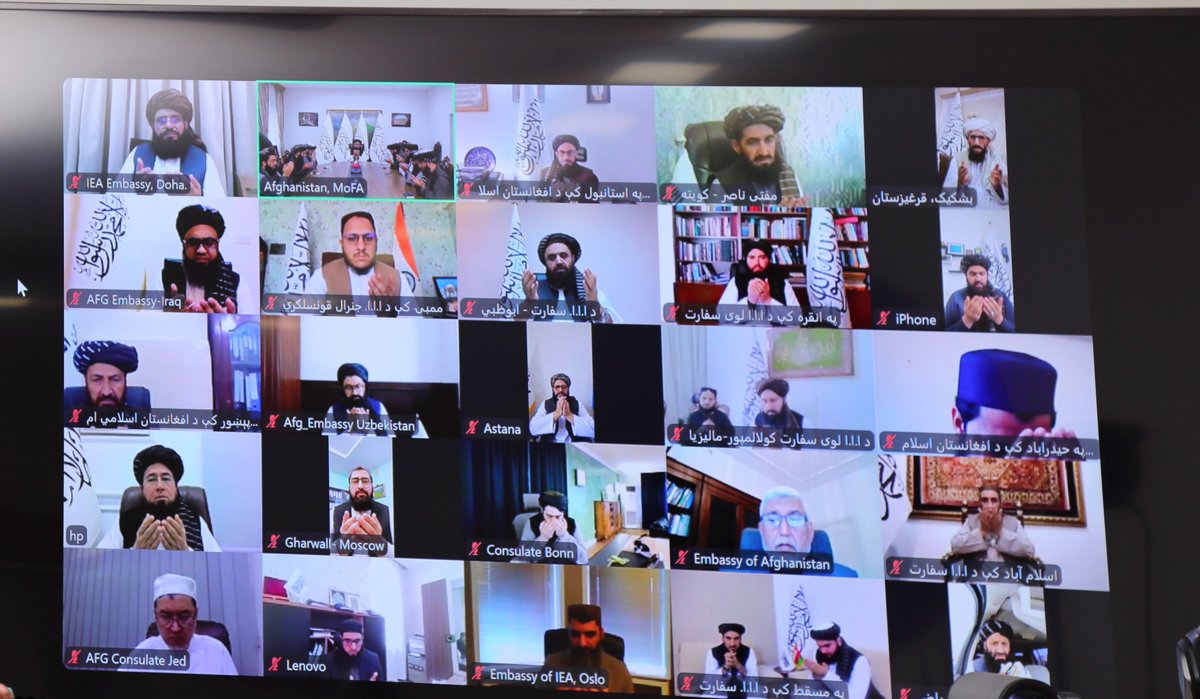
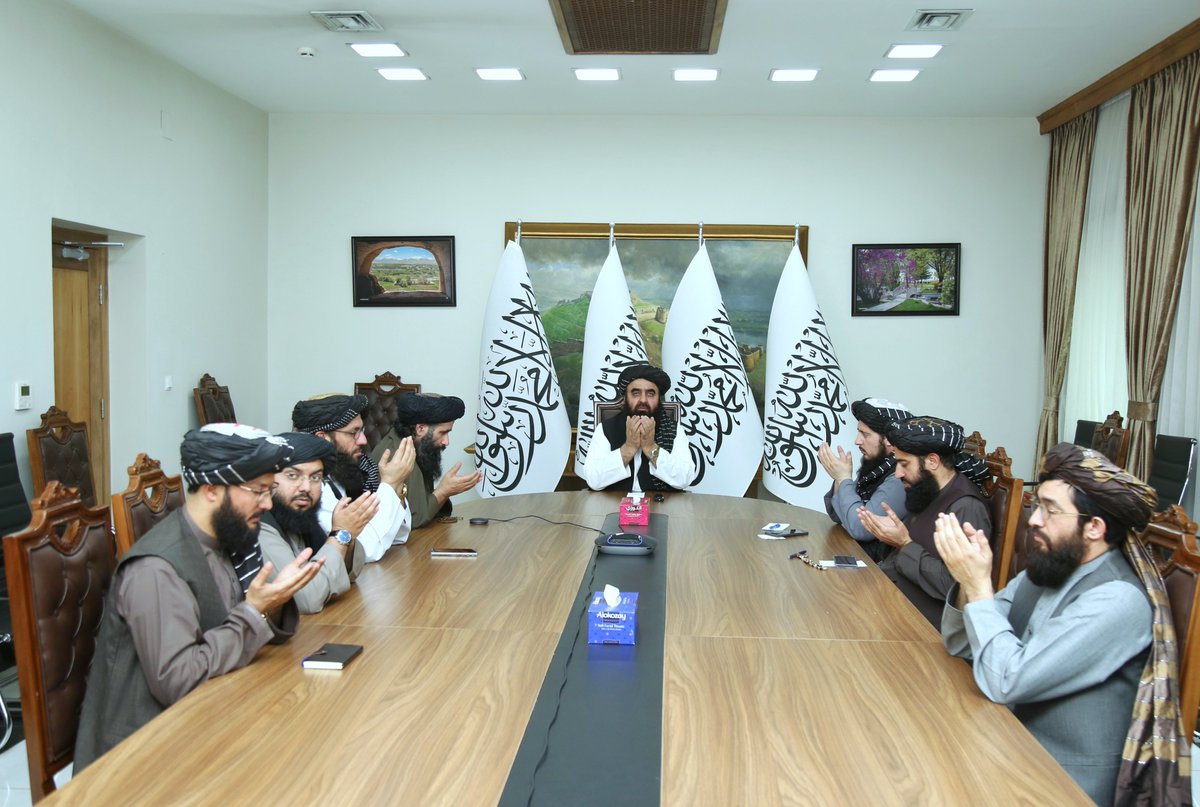
د ا.ا.ا د بهرنیو چارو وزیر محترم مولوي امیر خان متقي په بهر کې د اسلامي امارت له سفارتونو او قونسلګریو سره انلاین غونډه ترسره کړه.
په دې غونډه کې، د هېواد د بهرنیو چارو وزیر د پاکستاني پوځي رژیم له لوري د افغانستان پر ملي حاکمیت د تېري او وروستیو پېښو په اړه معلومات شریک کړل،
59
150
876
88,519
AFG Embassy Azerbaijan retweeted

Mar 17
کابل مېشتو بهرنیو سفيرانو، ډيپلوماټانو او د نړيوالو سازمانونو له استازو سره ناسته کې د پاکستاني فوځي رژيم له لوري په مکرره توګه، د افغانستان د هوايي حريم نقض، تجاوزنو او جنګي جنايتونو په اړه د ا.ا.ا بهرنيو چارو وزير وينا:
Address by Foreign Minister of Afghanistan at a meeting with Kabul-based ambassadors, diplomats, and representatives of international organizations, concerning the repeated violations of Afghanistan’s airspace, acts of aggression, and war crimes by the Pakistani military regime:
126
1,027
3,357
159,335
AFG Embassy Azerbaijan retweeted

The Pakistani military regime carried out an airstrike at approximately 9:00 PM this evening on the Omid Addiction Treatment Hospital, a 2,000-bed facility dedicated to the treatment of drug addiction. As a result of the attack, large sections of the hospital have been destroyed, and there are serious concerns about a high number of casualties.
Unfortunately, the death toll has so far reached 400, while around 250 others have been reported injured.
Rescue teams are currently at the scene working to control the fire and recover the remaining bodies of the victims.
#شهداءلیلةالقدر
401
976
4,735
325,879
AFG Embassy Azerbaijan retweeted
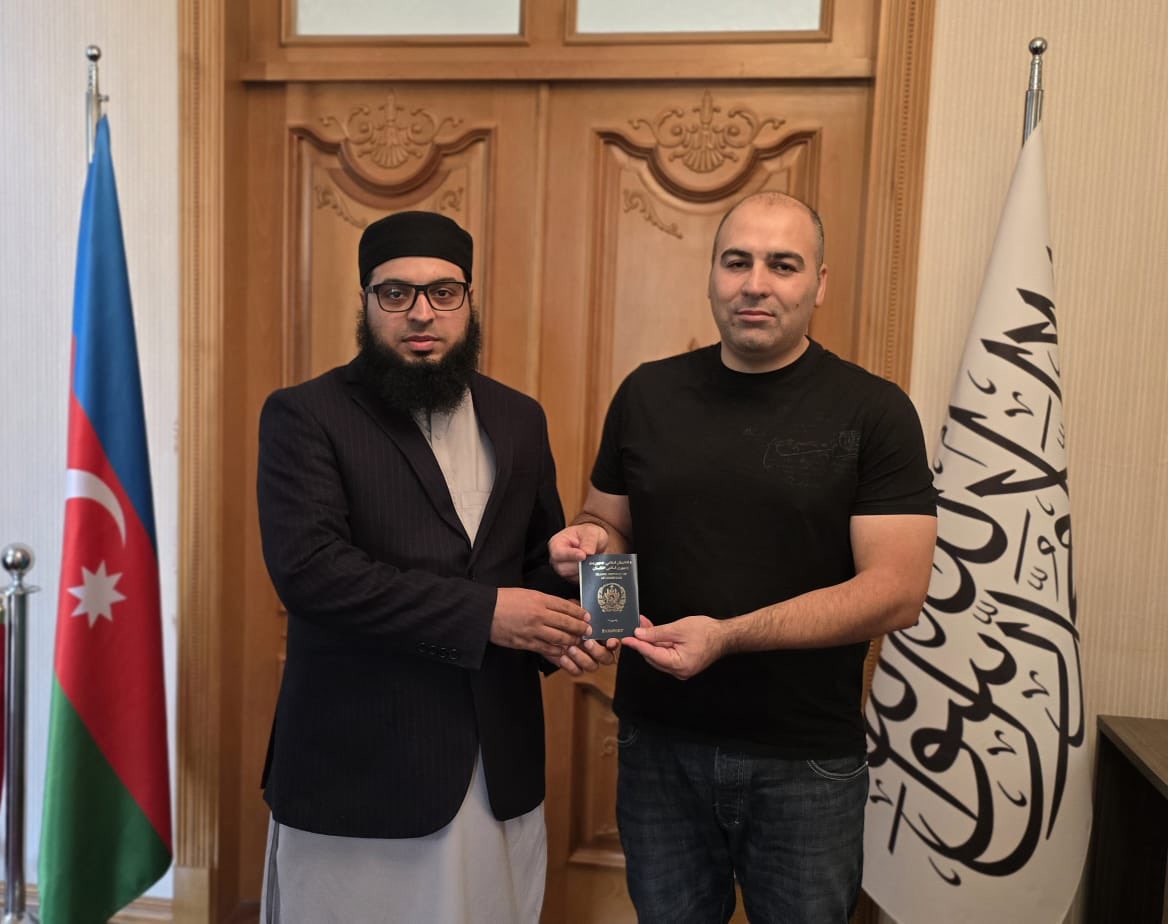
د ا.ا.ا. بهرنيو چارو وزارت په ځانگړي هدايت په باکو کې د ا.ا.ا. سفارت د پرلهپسې هڅو په پايله کې د ازربايجان جمهوریت مشرتابه د حکم په اساس ١٤ تنه افغان بندیان خوشې شول.
د بهرنيو چارو وزارت د اذربایجان جمهوریت او اړوندو ادارو له همکارۍ او بشردوستانه اقدام څخه مننه کوي
4
12
92
8,596
AFG Embassy Azerbaijan retweeted
او همداراز ډاډ څرگندوي، چې د افغان بندیانو د قضیو د تعقیب او حل لړۍ به روانه ساتي.
1
18
2,219
AFG Embassy Azerbaijan retweeted
Jan 22
پر ایکس پاڼه د افغانستان اسلامي امارت د یو شمېر بهرنیو استازولیو رسمي ادرسونه.
Official accounts of the Afghan Foreign Missions on X.
1.د افغانستان لوی سفارت مسکو روسیه
@AfghanEmbRussia
2.د افغانستان لوی سفارت بیجنگ چین
@beijing_embassy
3.د افغانستان لوی سفارت ابوظبي متحده عربي امارات
@AFGEmbassy_UAE
4.د افغانستان لوی سفارت تاشکند ازبیکستان
@AfgEmbassy_UZB
5.د افغانستان لوی سفارت انقره ترکیه
@AFGEmbTurkiye
6.د افغانستان لوی سفارت اسلام اباد پاکستان
@AfghanEmbPak
7.د افغانستان لوی سفارت تهران ایران
@AFGEmbIran
8.د افغانستان لوی سفارت کوالالمپور مالیزیا
@EmbAfgMalaysia
9.د افغانستان لوی سفارت نوی ډیلی هند
@AFGEmbassyIndia
10.د افغانستان لوی سفارت قاهره مصر
@AFGEmbassyEgypt
11.د افغانستان سفارت ریاض سعودي عربستان
@AFGEmbassyKSA
12.د افغانستان سفارت دوحه قطر
@AFGEmbassyQatar
13.د افغانستان سفارت عشق اباد ترکمنستان
@AFGEmbTurkmen
14.د افغانستان سفارت استانه قزاقستان
@EmbassyAfAst
15.د افغانستان سفارت بشکیک قرغیزستان
@AFGEmbassyKG
16.د افغانستان سفارت باکو اذربایجان
@AFGEmbassy_Az
17.د افغانستان سفارت مسقط عمان
@AFGEmbMuscat
18.د افغانستان سفارت بغداد عراق
@AFGEmbassyIraq
19.د افغانستان سفارت جاکارتا اندونیزیا
@AFGEmbassyINA
20.د افغانستان سفارت اوسلو ناروې
@AFGEmbassy_oslo
21.د افغانستان سفارت برلین جرمني
@AFGEmbBerlin
22.د افغانستان جنرال قونسلگري دوبۍ متحده عربي امارات
@AfgConsulateDxb
23.د افغانستان جنرال قونسلگري استانبول ترکیه
@AFGGCistanbul
24.د افغانستان جنرال قونسلگري جده سعودي عربستان
@AFGGCJeddah
25.د افغانستان جنرال قونسلگري کراچۍ پاکستان
@AFGGCKarachi
26.د افغانستان جنرال قونسلگري پېښور پاکستان
@Consulateafghan
27.د افغانستان جنرال قونسلگري کویټه پاکستان
@AFGGCQueeta
28.د افغانستان جنرال قونسلگري مشهد ایران
@AfgCGMashhad
29.د افغانستان جنرال قونسلگري ممبۍ هند
@AFGGCMumbai
30.د افغانستان جنرال قونسلگري حیدر اباد هند
@AFGGCMumbai
31.د افغانستان جنرال قونسلگري ماري ترکمنستان
@AFGGCMARY
32.د افغانستان جنرال قونسلگري الماتا قزاقستان
@CGofAfginAlmaty
33.د افغانستان جنرال قونسلگري بون جرمني
@AFGGCBonn
41
195
544
122,374
AFG Embassy Azerbaijan retweeted

12 Dec 2025
وضاحت:
دې وروستیو کې، د ځینو رسنیو له لورې داسې مطالب خپاره شوي چې ګواکې اسلامي امارت د دوهتابعیته بهر میشتو افغانانو لپاره خپل هیواد ته د راتګ پر مهال د افغانستان ویزه لازمې ګرځولې، چې په حقیقت کي دا ډول کوم تصمیم نه دی نیول شوی.
د بهرنیو چارو وزارت څرګندوي، هغه افغانان...
17
46
316
33,513
AFG Embassy Azerbaijan retweeted
12 Dec 2025
Clarification:
Recently, certain media outlets have circulated reports suggesting that the Islamic Emirate has decided to require dual-national Afghans residing abroad to obtain an Afghan visa when travelling to their homeland. In reality, no such decision has been made.
3
17
72
7,067

4 Dec 2025
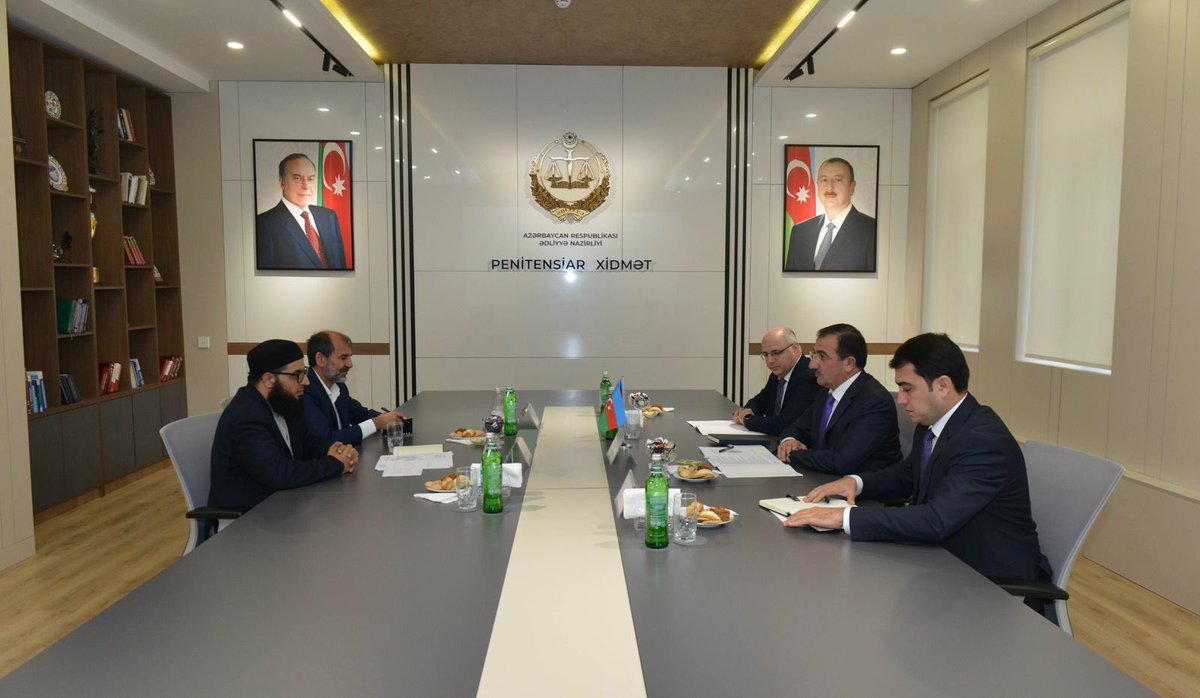
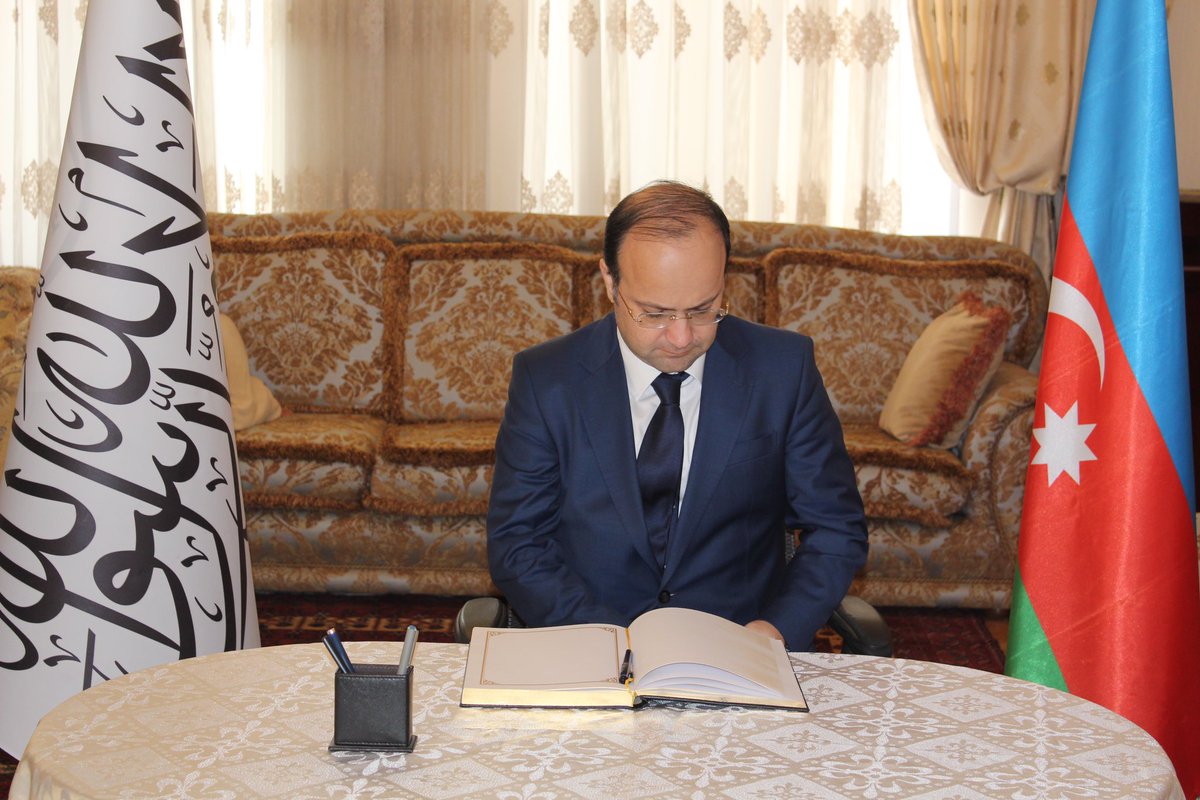
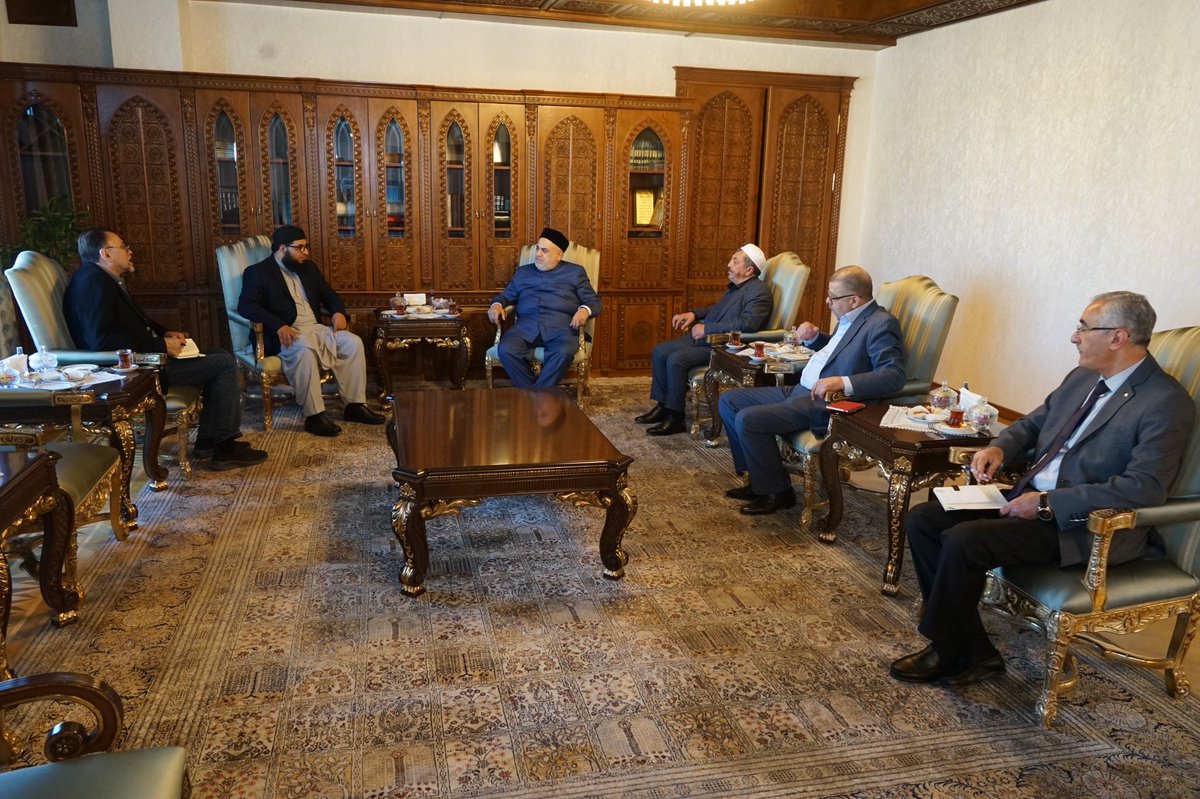
په اذربایجان کې د ا.ا.ا. سفارت سرپرست، دوکتور محمد فیصل، د دغه هېواد د عدلیې وزارت له مرستیال او د محبسونو د عمومي ریاست له مشر میرصالح سیدوف سره وکتل.
په دې کتنه کې د افغان بندیانو د حقوقي وضعیت او اړوندو همکاریو په اړه بحث او خبرې وشوې.
1
2
6
387
4 Dec 2025
اذربایجاني لوري د افغان بندیانو د وضعیت په اړه ډاډ څرگند کړ او ستونزو ته یې د رسېدو په برخه کې د همکارۍ ژمنه وکړه.
229
8 Nov 2025
On the occasion of #VictoryDay, November 8th, we extend our heartfelt congratulations to the people of Azerbaijan. @AzerbaijanMFA
@AzEmbAfgh
5
334