
107 Photos and videos

Check out my latest article: Building Foundations: The Significance of Data Talks in Elementary Education linkedin.com/pulse/building-… via @LinkedIn
1
62
AHS_MESA retweeted

11 Sep 2023
Saturn rising behind the Moon captured in amazing video.
x.com/i/status/1701282196848…
152
900
6,584
855,823
Sometimes there are obvious things in education, but it always helps when someone new comes along and quantifies the instructional practice. definedlearning.com/blog/pro… @NFarrell407 @kdudley03 @physixdude @mhsbiotchr @ESA_warriors @MrGloverACPS @mpcraddock
1
6
Lots of students are home right now -- I would like to see someone top this! @coffmancathy63 @jaypthomas @k12albemarle @AlbemarleHigh
23 Mar 2020

Unrivaled. Owns the internet for the year. x.com/BradADavis2/status/124…
1
3
However, if you analyze the assessment w/ the students, it will/can impact your teaching, clears up misconceptions, helps the teacher focus on language it helps the student understand the question(s) and how better to prepare -- WIN/WIN @pammoran @NFarrell407 @coffmancathy63

Question: What activity is done by most teachers in the United States, but has almost no evidence of effectiveness in raising student test scores?
Answer: Analyzing student assessment data.”
Just saw this gobsmacker study from @hgse via @CovingtonAHS
In @educationweek
2
2
Are preschoolers' math abilities underestimated? uh -- yes -- next question hechingerreport.org/preschoo…
@NFarrell407 @coffmancathy63
1
While this seems obvious -- it is nice to see it quantified air.org/news/press-release/e…
@dcmcollins @jaypthomas @MaureenMJensen @mpcraddock @Amy_Wright_WAHS
1
sciencedaily.com/releases/20…
So this begs the question of where and when does bias come into play and how do we make sure it doesn't impact our instruction? @coffmancathy63 @NFarrell407 @pammoran @dintersmith
3
2
4
AHS_MESA retweeted

6 Nov 2019
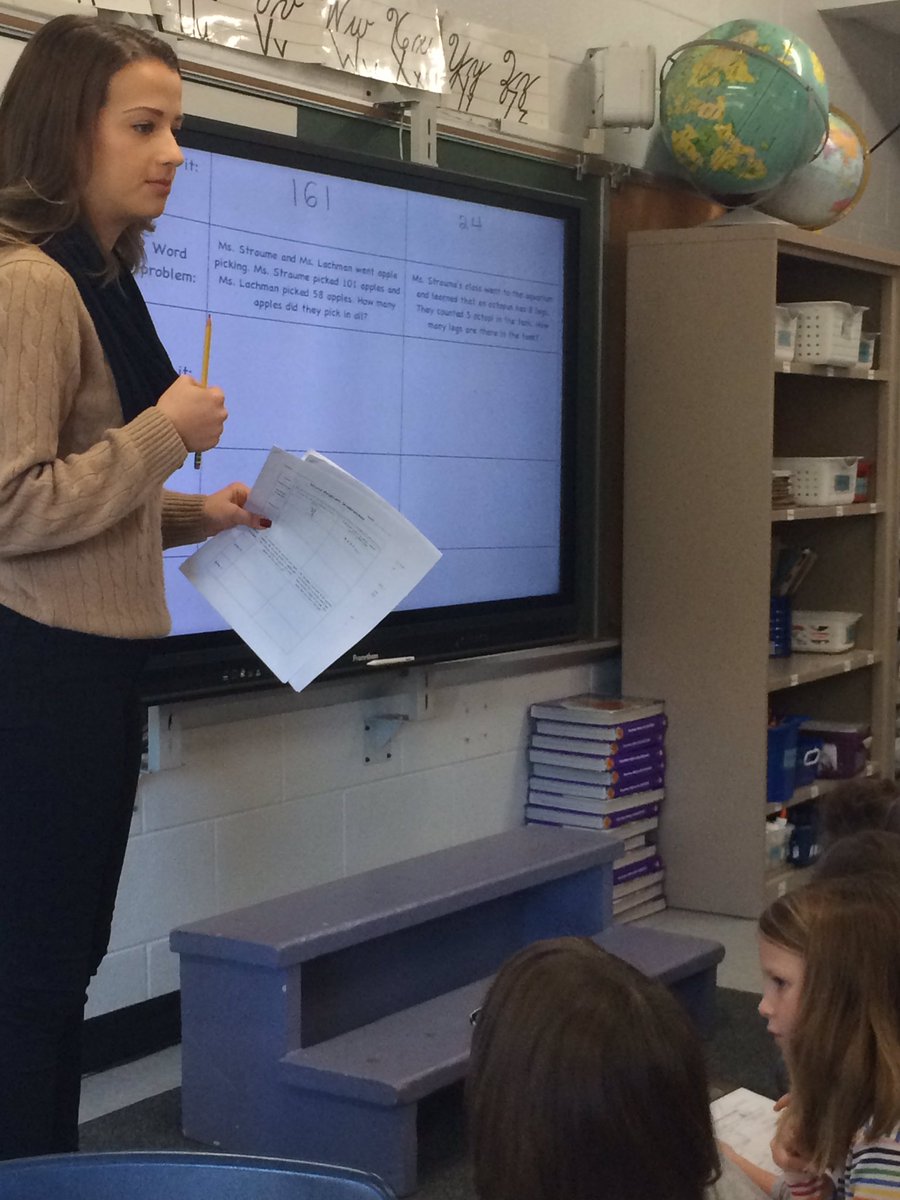
Doing a little spiral review of addition and multiplication. How are they the same and different? @enlighten_elem @UVaCurry @MeriwetherLES #practicum
3
4
“I don’t want them sitting quietly,” he said. “If I can’t hear them talking, I don’t know what they are thinking - I have to wait until the test to know if they got it. If they’re talking, then I get to know that they are getting it or they are not getting it.”
4 Nov 2019

AHS teacher recognized nationally for making math fun
dailyprogress.com/news/local…
2
6
More of this! With the US aging infrastructure (bridges, roads, buildings) and our ever-increasing shift to technology -- not only do we need more engineers, more importantly we need more skilled tradespeople. Shortages are here and getting worse.

UVA Historical Mason reflects on her high school time at CATEC, her apprenticeship through UVA & CATEC, & the job she loves that combines her academic work and hands-on learning experiences. @CvilleSchools @k12albemarle @UVAApprentice @UVATradeswomen
catec.org/uva-historical-mas…
2
4
A newer term is lawnmower parents who go to great lengths to prevent their child from having to face adversity, struggle, or fail. As educators we need to make sure our students have a safe and encouraging environment to engage in productive struggle. edsurge.com/news/2019-10-28-…
3
6
AHS_MESA retweeted

24 Oct 2019
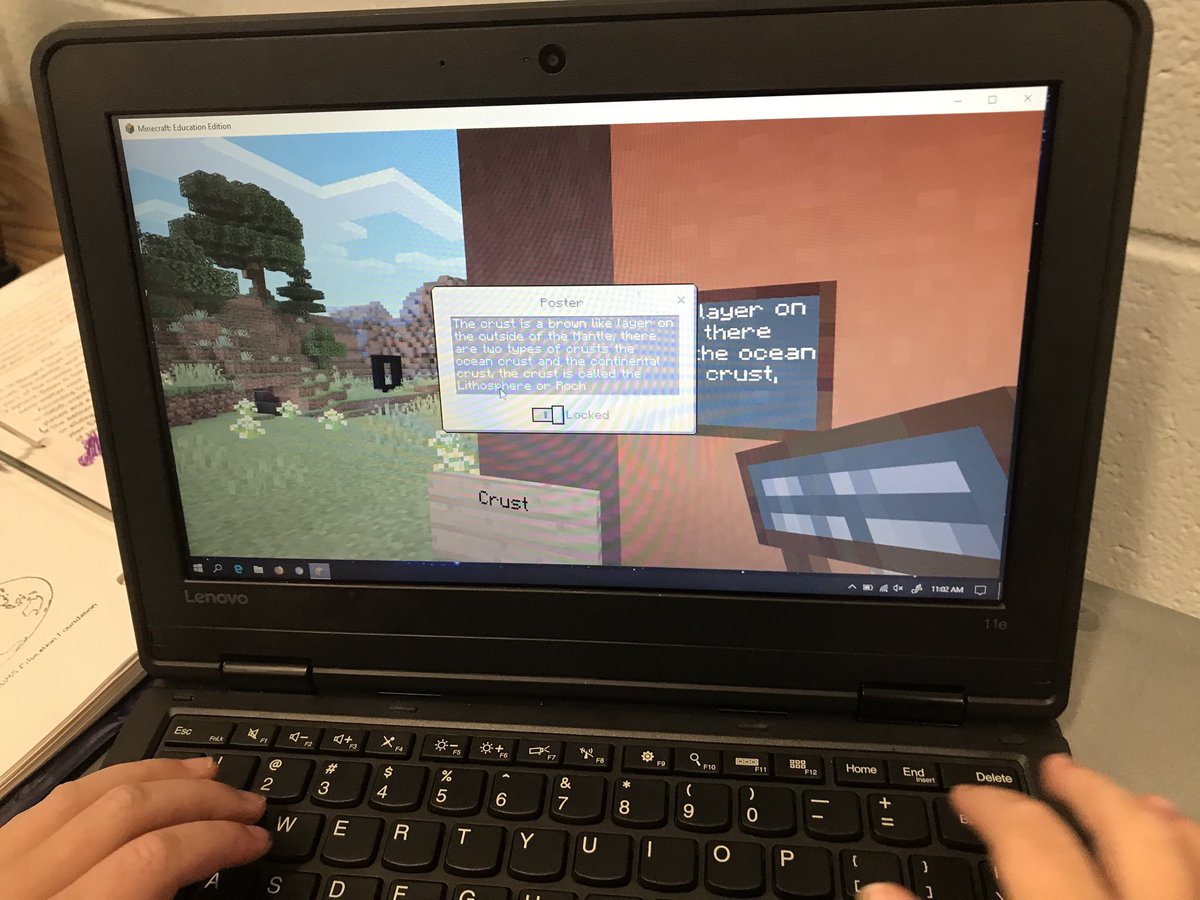
Leveraging Minecraft to digitally write about layers of the earth. @acpslearntech @BrownsvilleES @CrickBES5th
3
12
A quick shout out to my colleague friend Bill Daly who was just recognized by the state of Virginia as the math teacher of the year for 2017 (yes it is a long process) paemst.org/finalist_profile/…
@NFarrell407 @coffmancathy63 @jaypthomas @dcmcollins @darahbonham
4
7
So much math in every sport - from data analytics advancedfootballanalytics.co… to Bill James/Billy Beane (Money Ball) en.wikipedia.org/wiki/Moneyb… to the mechanics, to the physics, the conditioning even taking advantage of the other teams tendencies. Real life Math!! @coffmancathy63
14 Oct 2019

We should all be doing this! So cool! Math&science&rowing!! @darahbonham @AHS_MESA @jaypthomas @UVARowing
1
This is why more schools (University of Chicago is one) are dropping mandatory tests scores from the college admissions process. At the end of the day, a four year record is more representative of a student than any single metric or test that can be gamed.
8
17
student learning that happens outside the classroom is inherently interdisciplinary and engages students at a higher and deeper level around content. @KateKogge
1
5
Having students reflect on their own learning and growth is always a win ! @NFarrell407 @coffmancathy63
1
2
4