
5,269 Photos and videos


To help navigate the exciting content being presented at #EHA2026, the AML Hub Steering Committee members have provided their recommendations for the top abstracts to look out for in AML.
Discover the list here: Follow the link to the AML Hub in our bio to discover our top abstract list.

1
402
CONGRESS | #EHA2026 | PRESENTATION
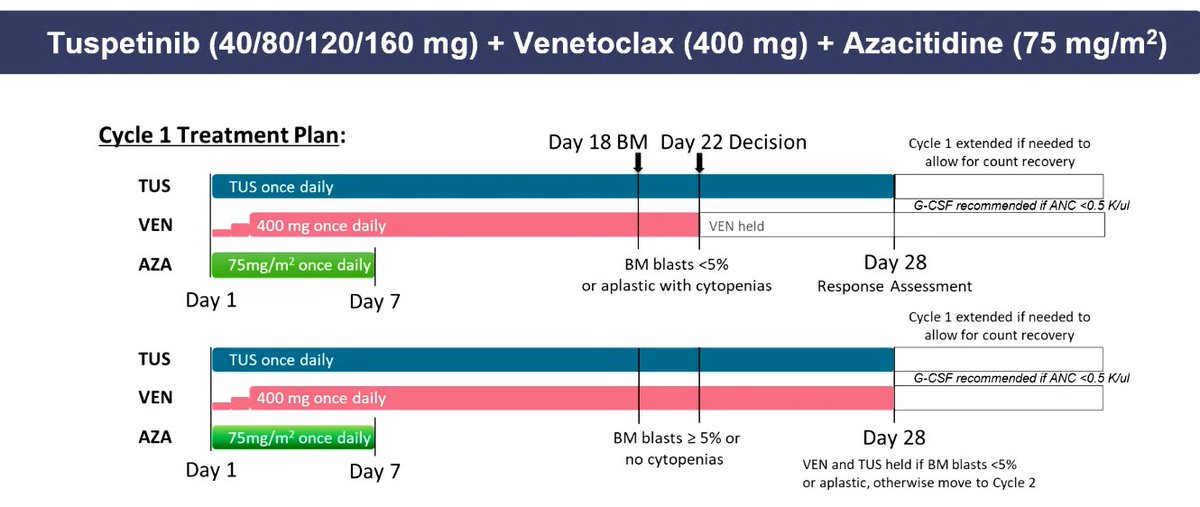
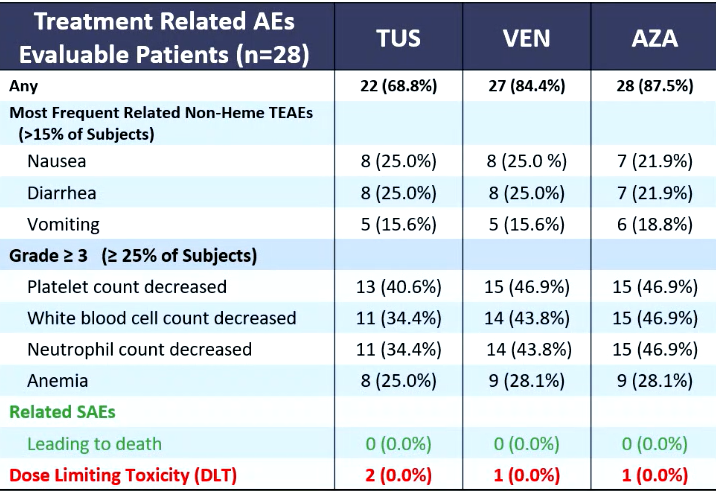
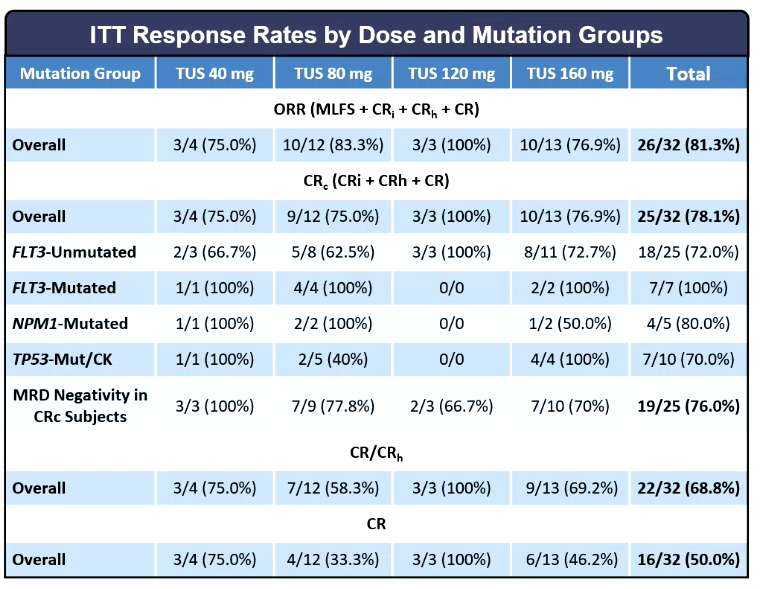
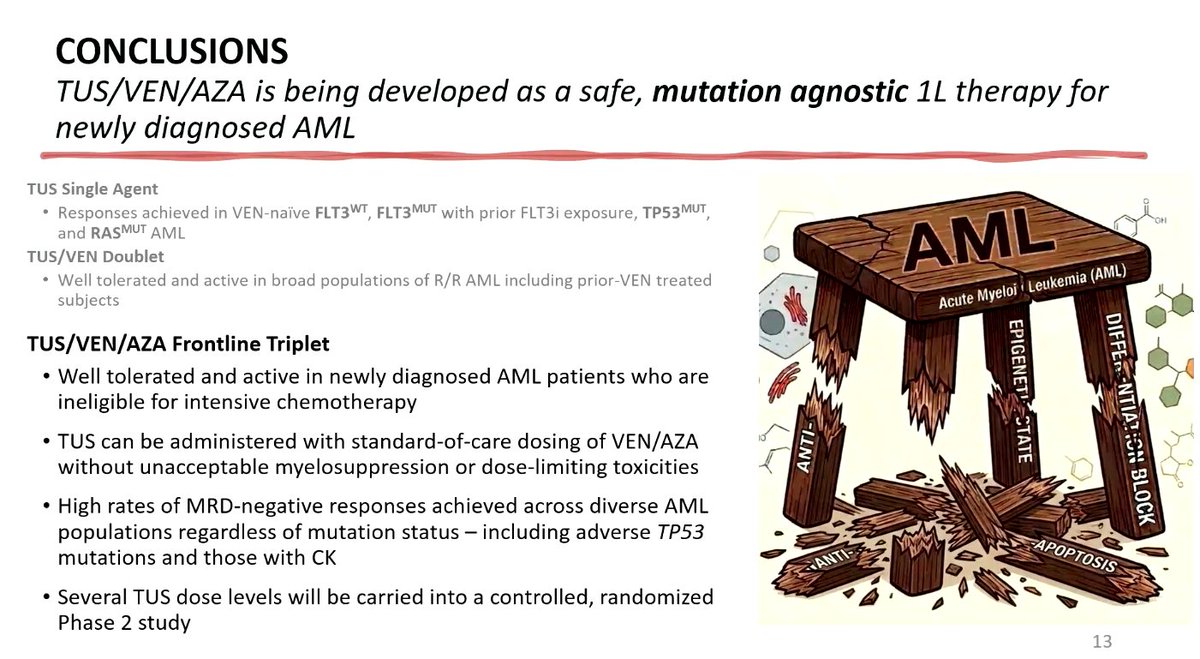
Nikolai Podoltsev, Yale University School of Medicine, presents findings from the phase I/II TUSCANY trial of tuspetinib SoC venetoclax azacitidine in patients with ND AML who are ineligible for induction chemotherapy (N = 32).
Overall, the median treatment duration was 5.2 months. The ORRs in the tuspetinib 40 mg, 80 mg, 120 mg, and 160 mg groups were 75.0%, 83.3%, 100%, and 76.9%, respectively, with CRs in 75.0%, 33.3%, 100%, and 46.2% of patients. The median time to ANC ≥1.0 K/ul and platelets ≥50 K/ul were 36 and 39 days, respectively. The most frequently reported Grade ≥3 TRAEs with tuspetinib were platelet count decreased (40.6%), white blood cell count decreased (34.4%), neutrophil count decreased (34.4%), and anemia (25.0%). Two DLTs occurred at the 160 mg dose level.
Follow our live feed for more updates: loom.ly/XyM7Jss
Intended for HCPs only. This congress coverage is independently supported by pharmaceutical companies, who are allowed no influence on the content; a full list of supporters can be found on our website.
#AMLsm #MedicalCongress #MedEd #MedNews @YaleMed
1
4
316
CONGRESS | #EHA2026 | PRESENTATION
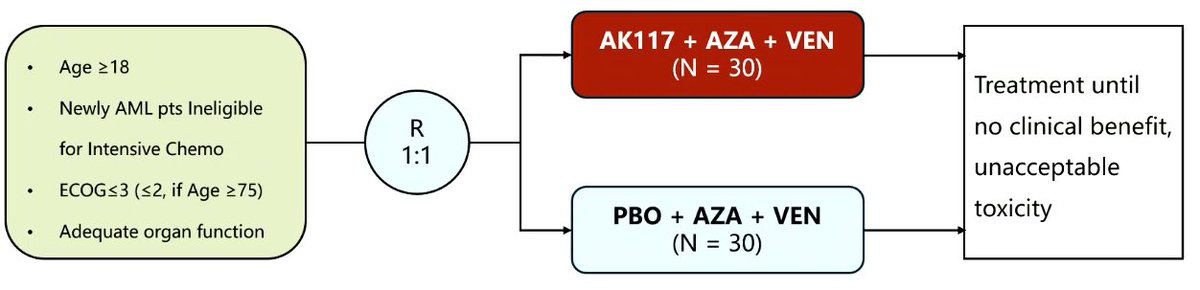
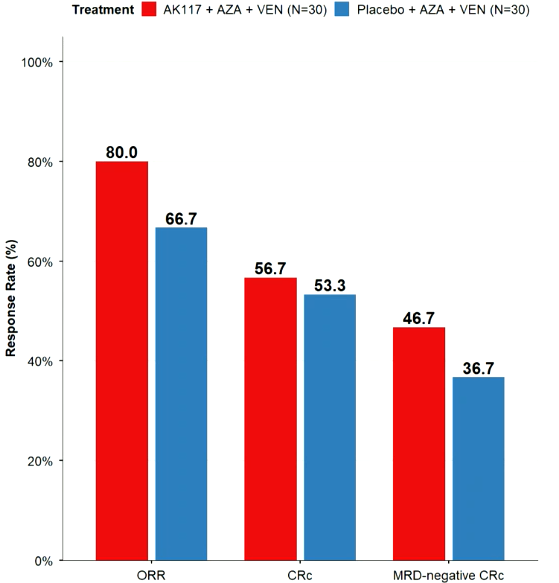
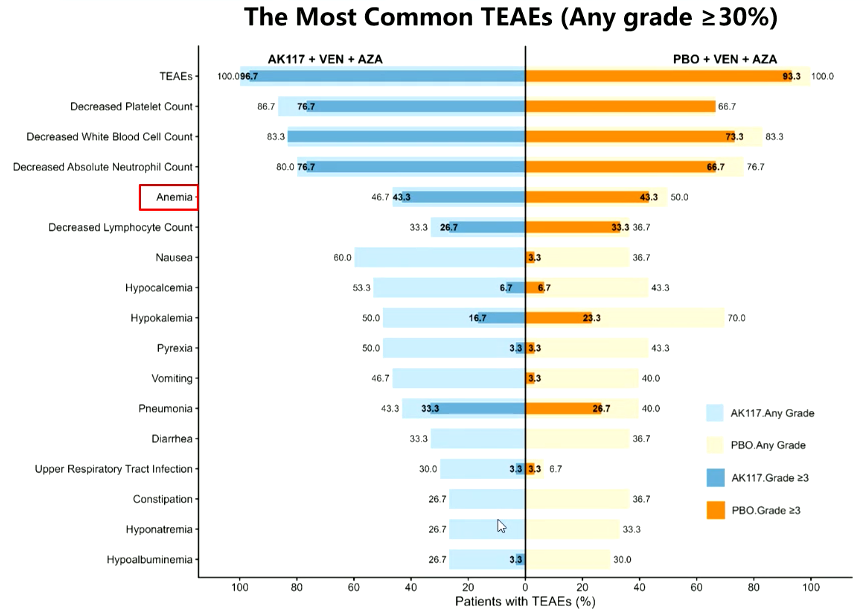
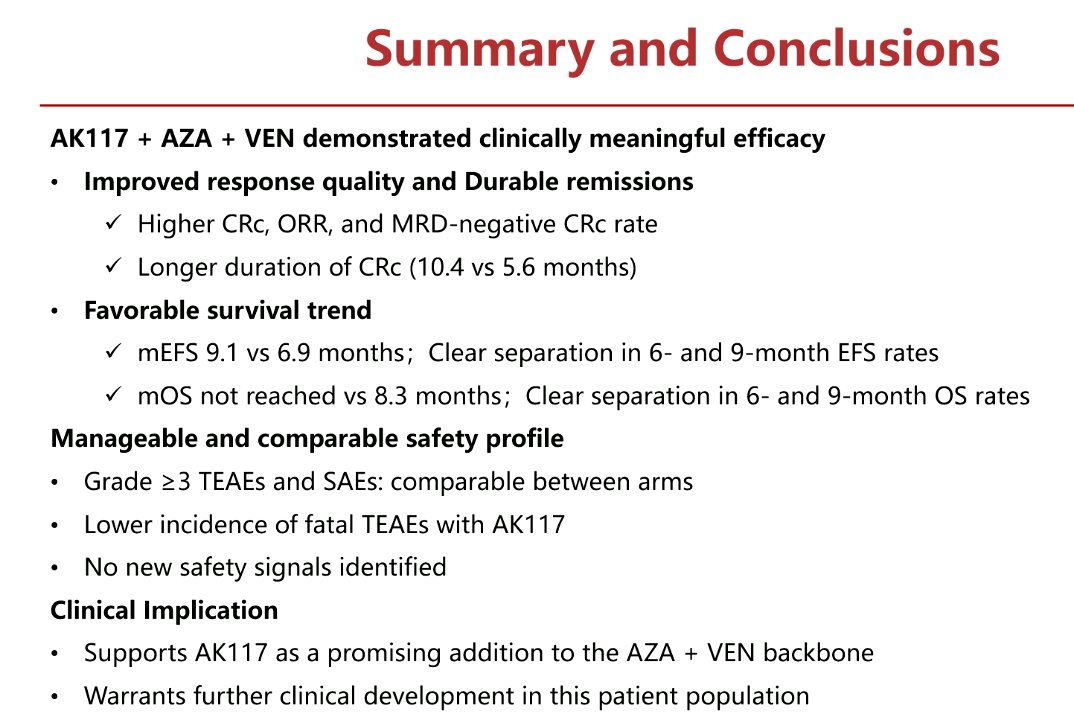
Huafeng Wang, Zhejiang University School of Medicine, presents results from a phase II study of AK117 vs placebo in combination with venetoclax azacitidine in patients with previously untreated AML who are ineligible for intensive chemotherapy (N = 60).
The ORRs were 80.0% with AK117 vs 66.7% with placebo, with CRs in 26.7% and 43.3% of patients, respectively. An MRD-negative CRc was achieved in 46.7% vs 36.7% of patients. The median DoR was 10.4 months with AK117 vs 5.6 months with placebo. At a median follow-up of 10.0 months, the median EFS was 9.1 months and the median OS was NR with AK117. At a median follow-up of 8.8 months, the median EFS was 6.9 months and the median OS was 8.3 months with placebo. All patients experienced ≥1 TEAE, and Grade ≥3 TEAEs were comparable between groups (96.7% vs 93.3%). Fatal TEAEs were less common in the AK117 arm (16.7% vs 30.0%).
Follow our live feed for more updates: loom.ly/XyM7Jss
Intended for HCPs only. This congress coverage is independently supported by pharmaceutical companies, who are allowed no influence on the content; a full list of supporters can be found on our website.
#AMLsm #MedicalCongress #MedEd #MedNews @ZJU_China
4
363
CONGRESS | #EHA2026 | PRESENTATION
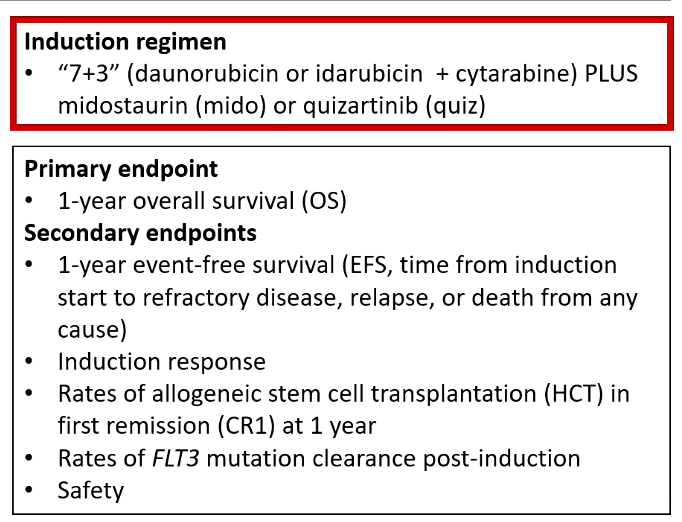
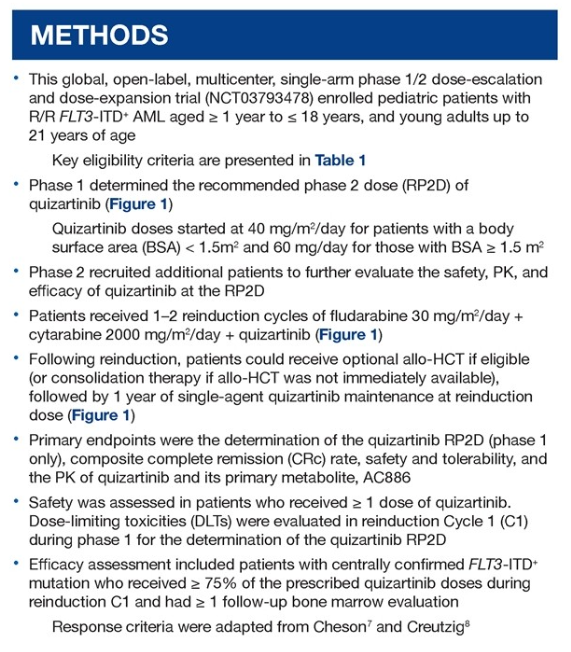
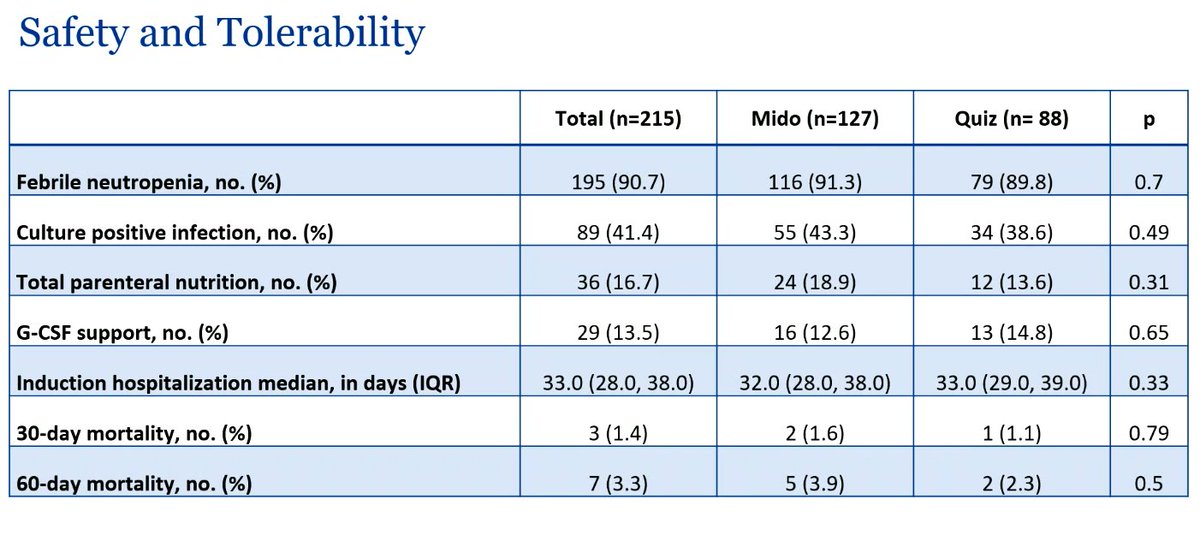
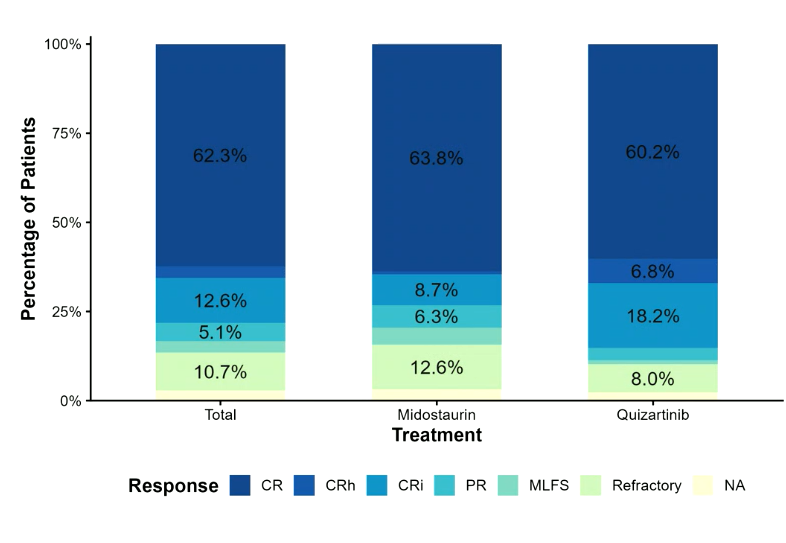
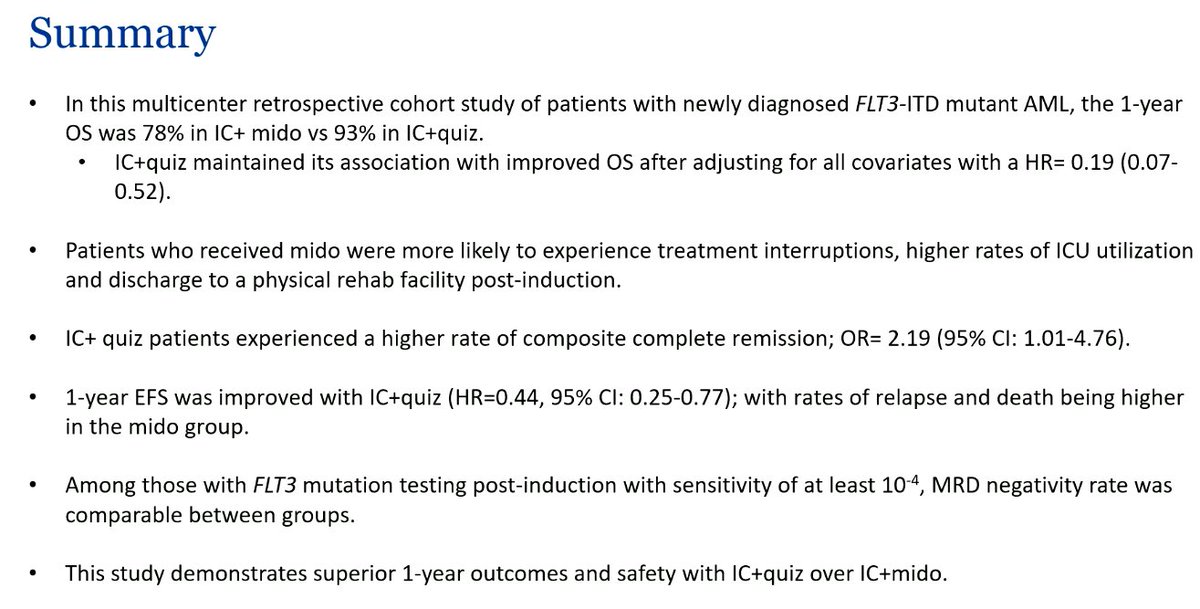
Michelle Lee, Mass General Brigham Cancer Institute, shares findings from a multicenter cohort study of intensive chemotherapy quizartinib (n = 88) vs midostaurin (n = 127) in patients with FLT3-ITD mutated AML.
The most common TEAEs in patients receiving midostaurin vs quizartinib were febrile neutropenia (91.3% vs 89.9%) and culture positive infection (43.3% vs 38.6%). CRcs were achieved in 73.2% vs 85.2% of patients, with CRs in 63.8% vs 60.2%. At a median follow-up of 464 days, the 1-year OS rate was93% with quizartinib vs 78% with midostaurin (p = 0.013) and the 1-year EFS rates were 77% vs 56%. MRD-negativity post-induction was achieved by 40.3% of patients receiving midostaurin vs 38.5% of patients receiving quizartinib.
Follow our live feed for more updates: loom.ly/XyM7Jss
Intended for HCPs only. This congress coverage is independently supported by pharmaceutical companies, who are allowed no influence on the content; a full list of supporters can be found on our website.
#AMLsm #MedicalCongress #MedEd #MedNews @MassGenBrigham
1
8
427
CONGRESS | #EHA2026 | PRESENTATION
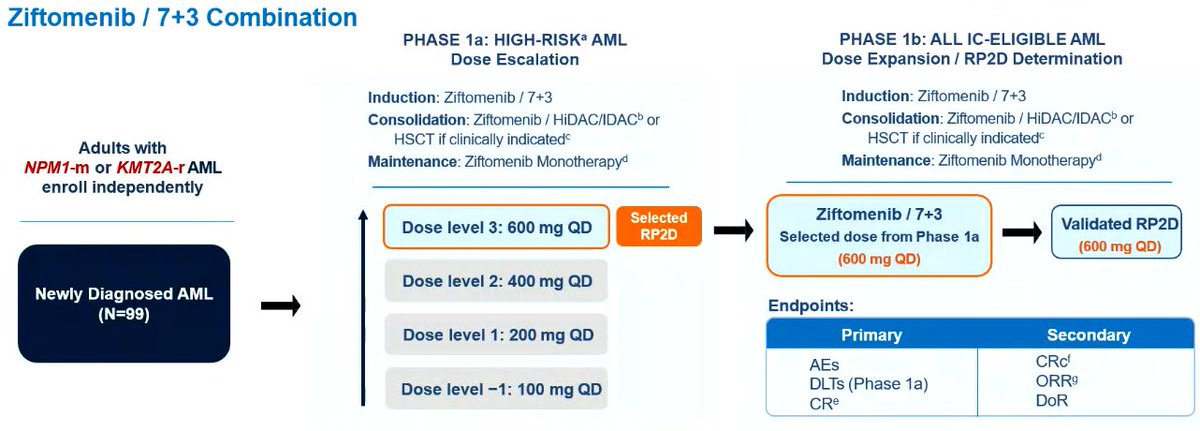
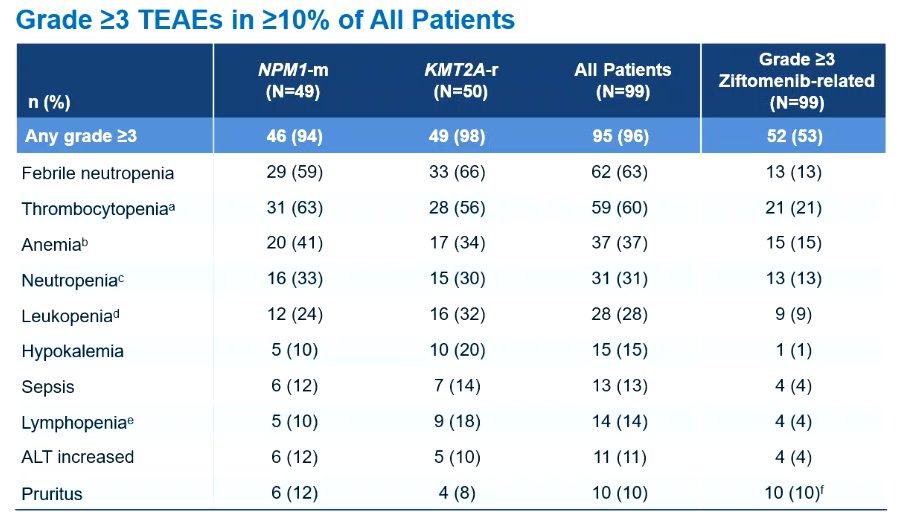
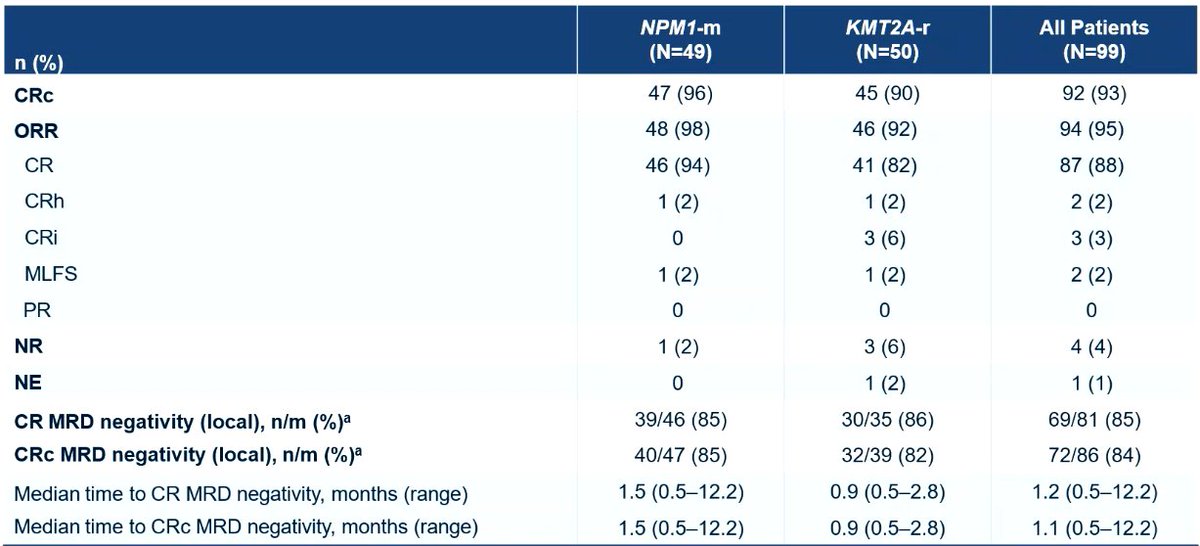
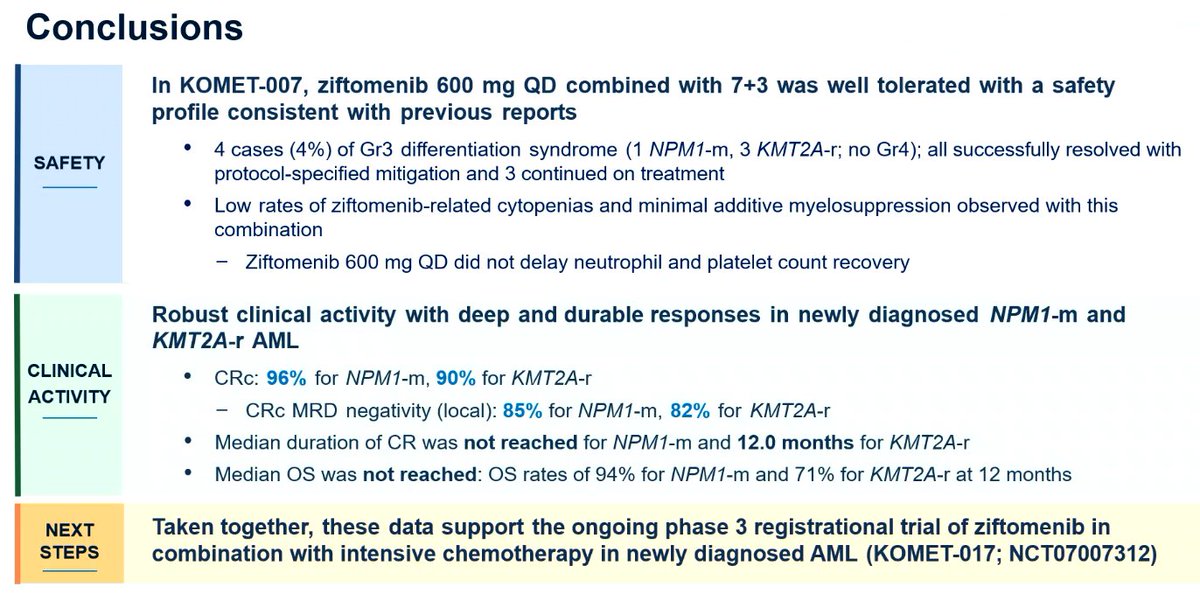
Amer Zeidan, Yale School of Medicine, presents long-term results from the KOMET-007 trial of ziftomenib intensive induction (7 3) in patients with ND NPM1-mutated (n = 49) or KMT2A-rearranged (n = 50) AML.
The safety profile of ziftomenib 7 3 was consisted with that of 7 3 alone, with TRAEs of any grade reported in 86% of patients and Grade ≥3 TRAEs reported in 53% of patients. The most common Grade ≥3 TEAEs in patients with NPM1-mutated disease were thrombocytopenia (63%), febrile neutropenia (59%), anemia (41%), and neutropenia (33%). The most common Grade ≥3 TEAEs in patients with KMT2A-rearranged disease were febrile neutropenia (66%), thrombocytopenia (56%), anemia (34%), leukopenia (32%), and neutropenia (30%). The ORRs in patients with NPM1-mutated and KMT2A-rearranged disease were 98% and 92%, respectively, with CRs in 94% and 82%. CRc MRD-negativity was achieved in 85% and 82% of patients, respectively. The median DoCR was NR in the NPM1-mutated group and was 12.0 months in the KMT2A-rearranged group. Median OS was NR in either group.
Follow our live feed for more updates: loom.ly/XyM7Jss
Intended for HCPs only. This congress coverage is independently supported by pharmaceutical companies, who are allowed no influence on the content; a full list of supporters can be found on our website.
#AMLsm #MedicalCongress #MedEd #MedNews @Dr_AmerZeidan @YaleMed
1
4
13
491
It’s the final day!
Catch up on the latest developments in #AML from the #EHA2026 Congress: loom.ly/XyM7Jss
#amlsm #leusm
1
142
CONGRESS | #EHA2026 | POSTER
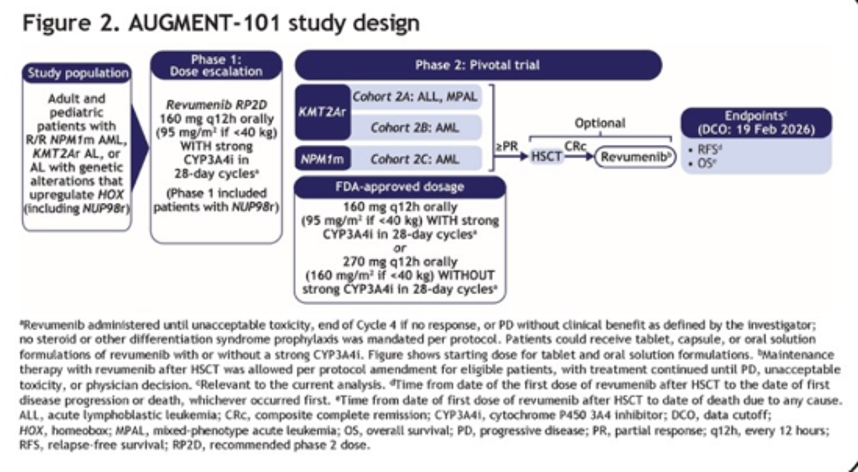
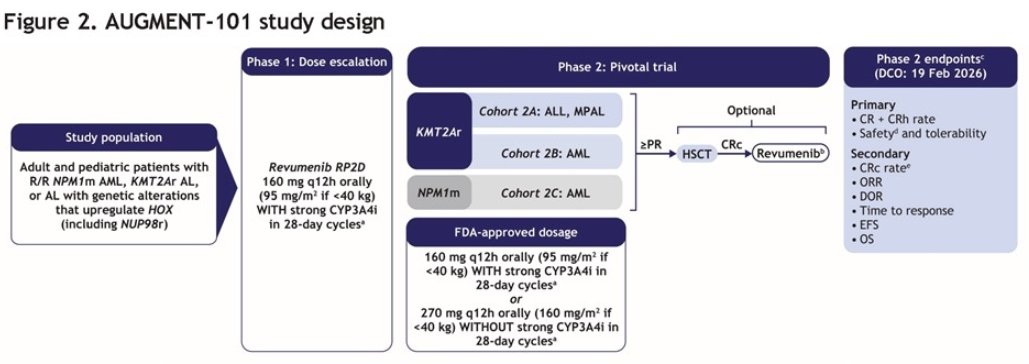
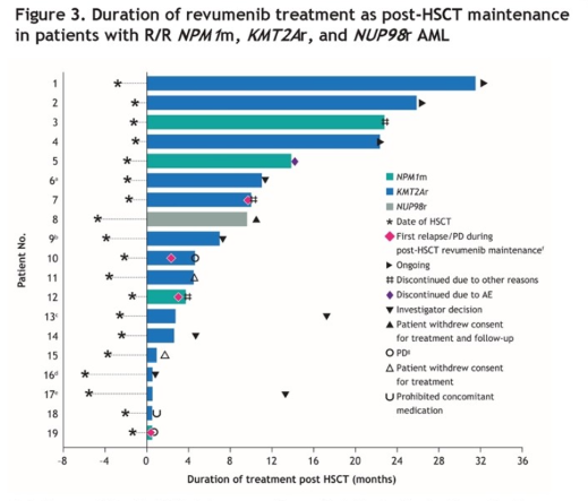
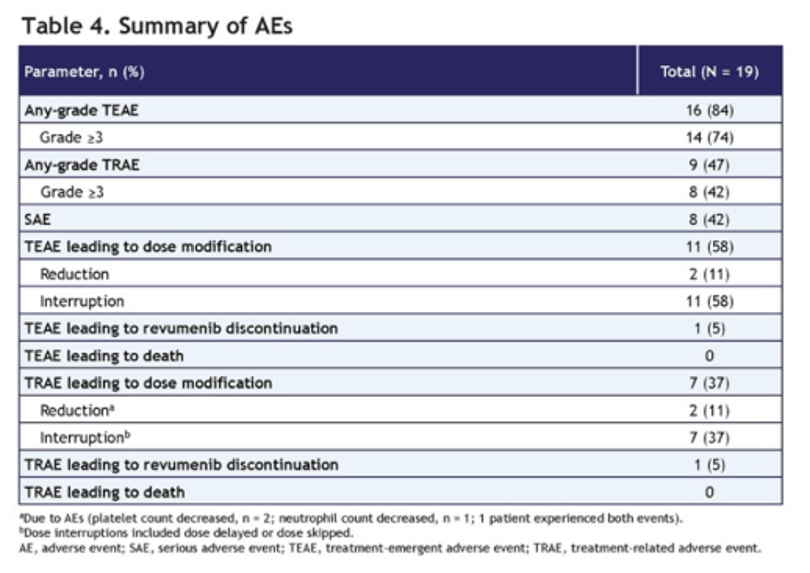
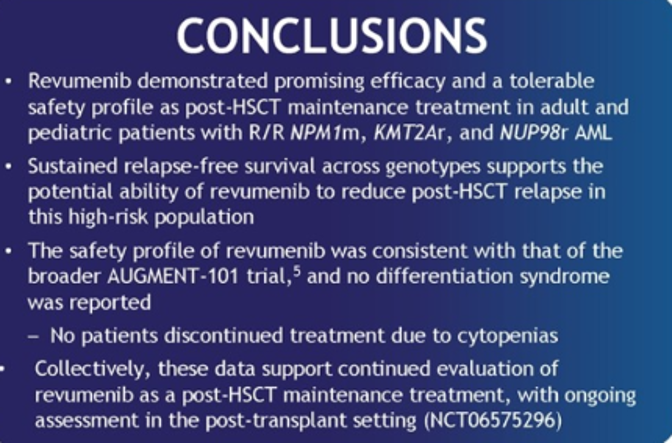
Andrius Žučenka presents a post-hoc analysis from the AUGMENT-101 trial, of patients with R/R KMT2Ar, NPM1m, or NUP98r AML who received revemenib maintenance monotherapy post HSCT (N = 19).
Promising survival outcomes were observed, with a high median relative dose intensity of revumenib (95.7%) post-transplant. Median RFS and OS were both not reached, regardless of mutation type, and 12-month EFS and OS were 78.6% and 94.7%, respectively. The safety profile was consistent with the wider trial population. Evaluation of revumenib as post-transplant maintenance is ongoing.
Follow our live feed for more updates: loom.ly/XyM7Jss
Intended for HCPs only. This congress coverage is independently supported by pharmaceutical companies, who are allowed no influence on the content; a full list of supporters can be found on our website.
#AMLsm #leusm #MedicalCongress #MedNews #MedEd @zucenka @VU_LT
1
6
13
602
CONGRESS | #EHA2026 | POSTER
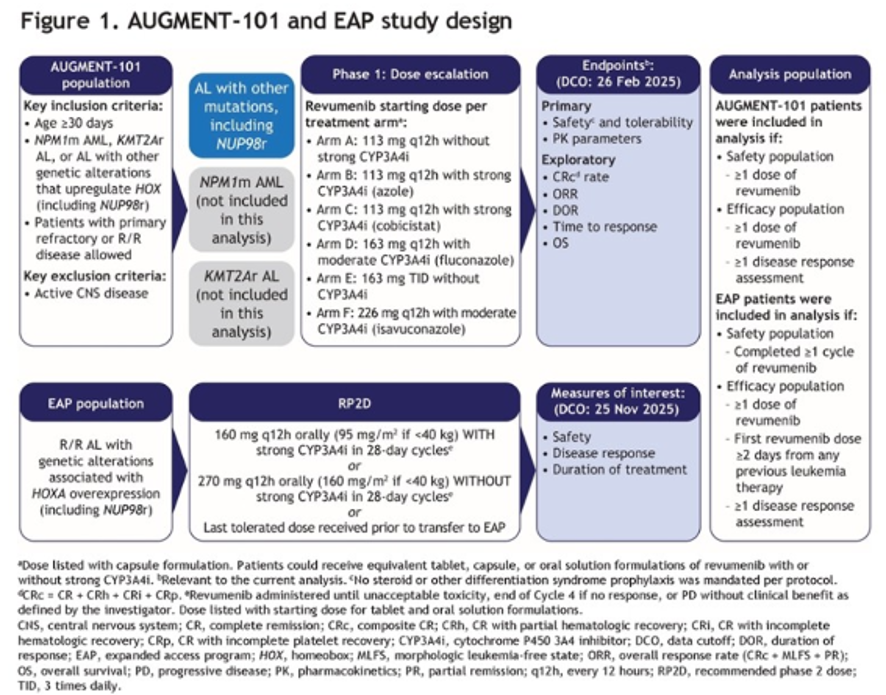
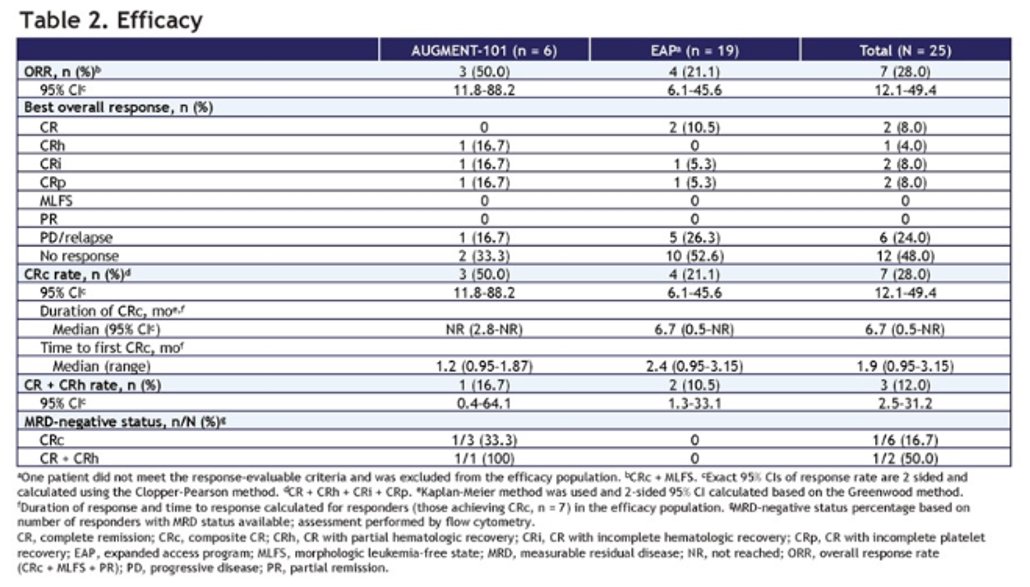
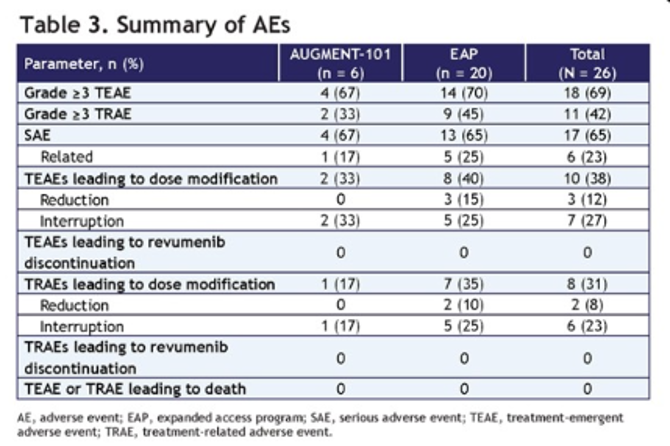
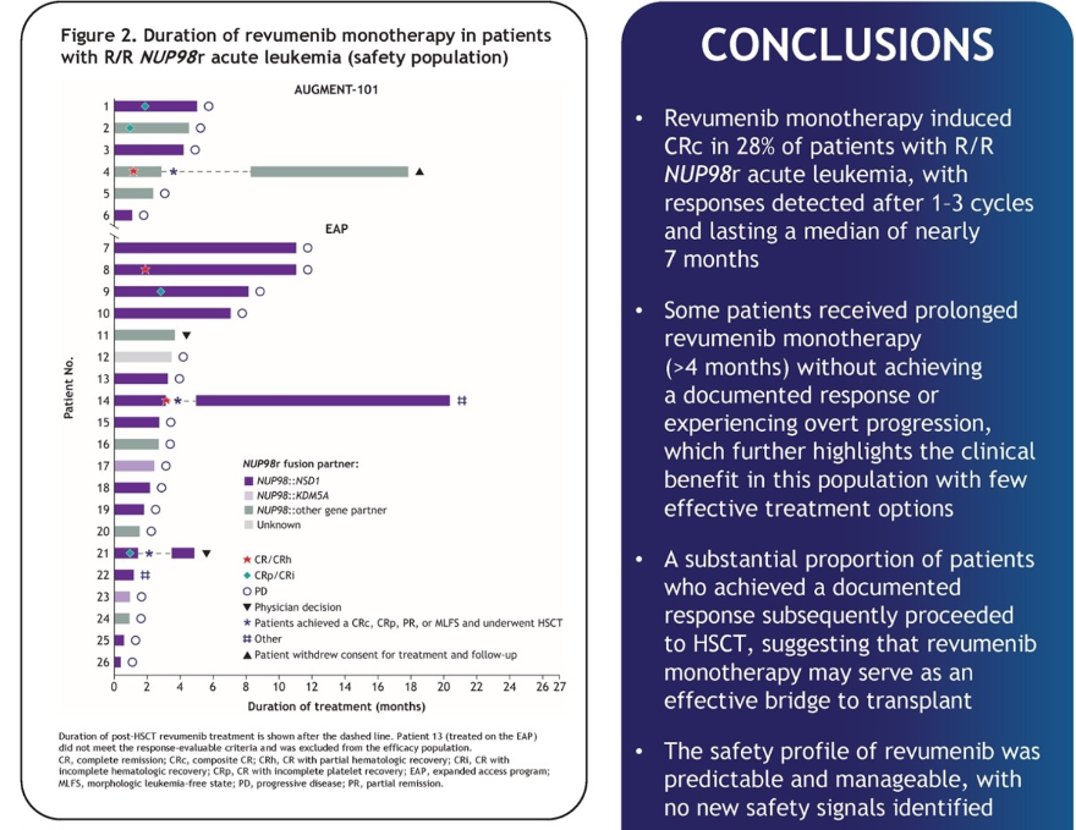
Ghayas Issa presents an analysis of patients with NUP98r acute #leukemia treated with revumenib monotherapy in the phase I AUGMENT-101 trial or an expanded access program (N = 26).
28% of patients achieved CRc; median DoR was 6.7 months; 3 responders progressed to HSCT, indicating potential as a bridge to transplant. The safety profile was manageable; the most common TEAEs were febrile neutropenia and nausea, and Gr ≥3 QTcF prolongation (8%) and differentiation syndrome (4%) occurred in the EAP only. These findings suggest revumenib may have clinical potential in this high-risk, difficult-to-treat population.
Follow our live feed for more updates: loom.ly/XyM7Jss
Intended for HCPs only. This congress coverage is independently supported by pharmaceutical companies, who are allowed no influence on the content; a full list of supporters can be found on our website.
#AMLsm #leusm #MedicalCongress #MedNews #MedEd @GhayasIssa @MDAndersonNews
1
4
14
567
CONGRESS | #EHA2026 | PRESENTATION
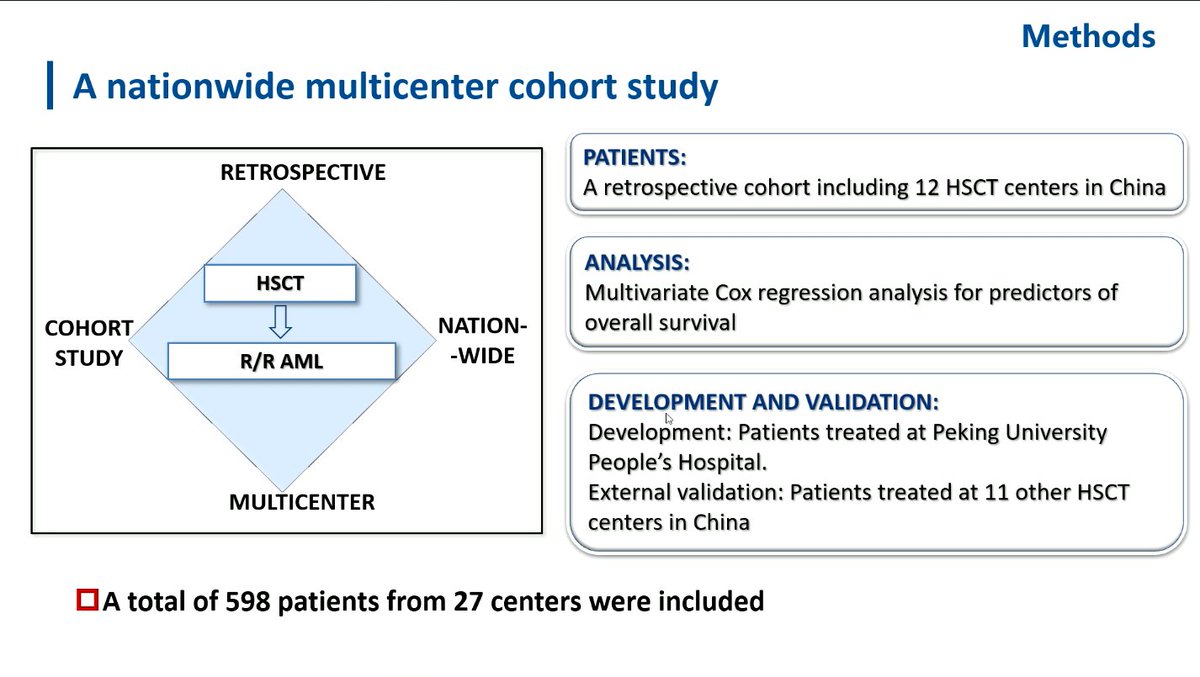
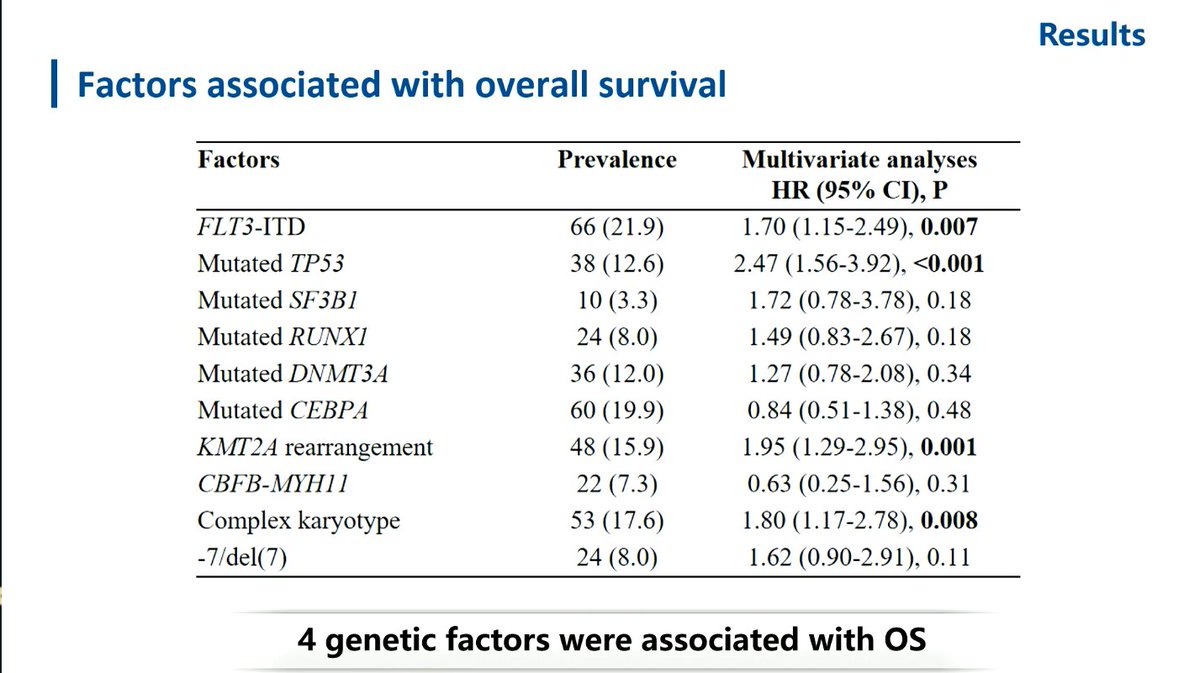
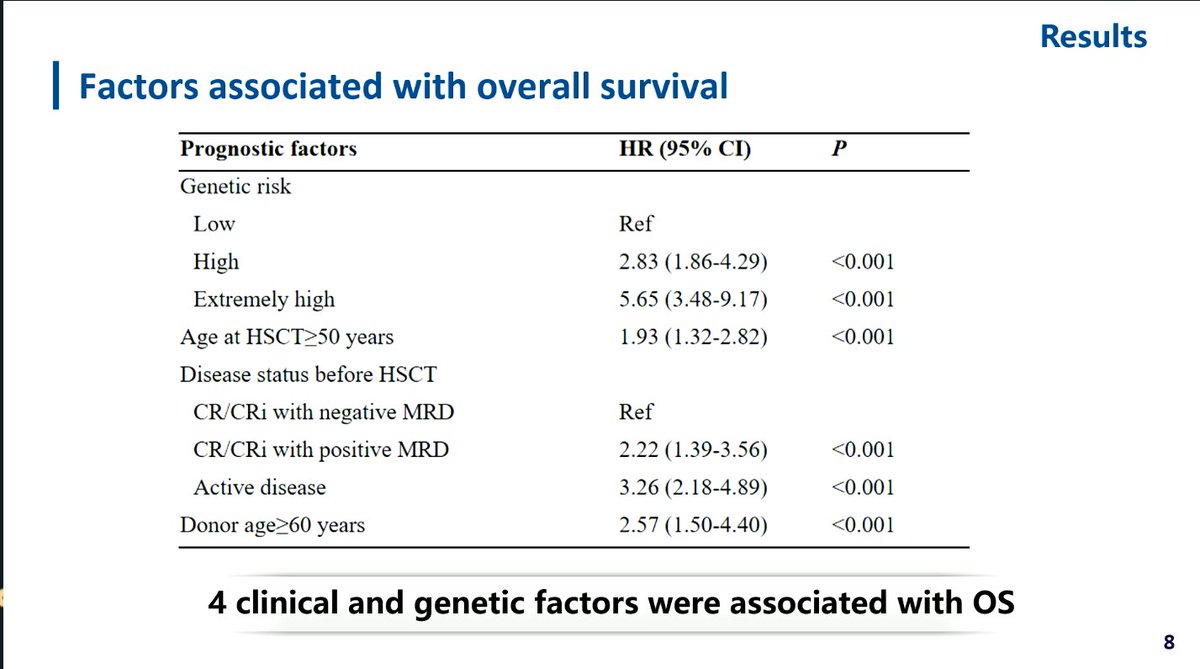
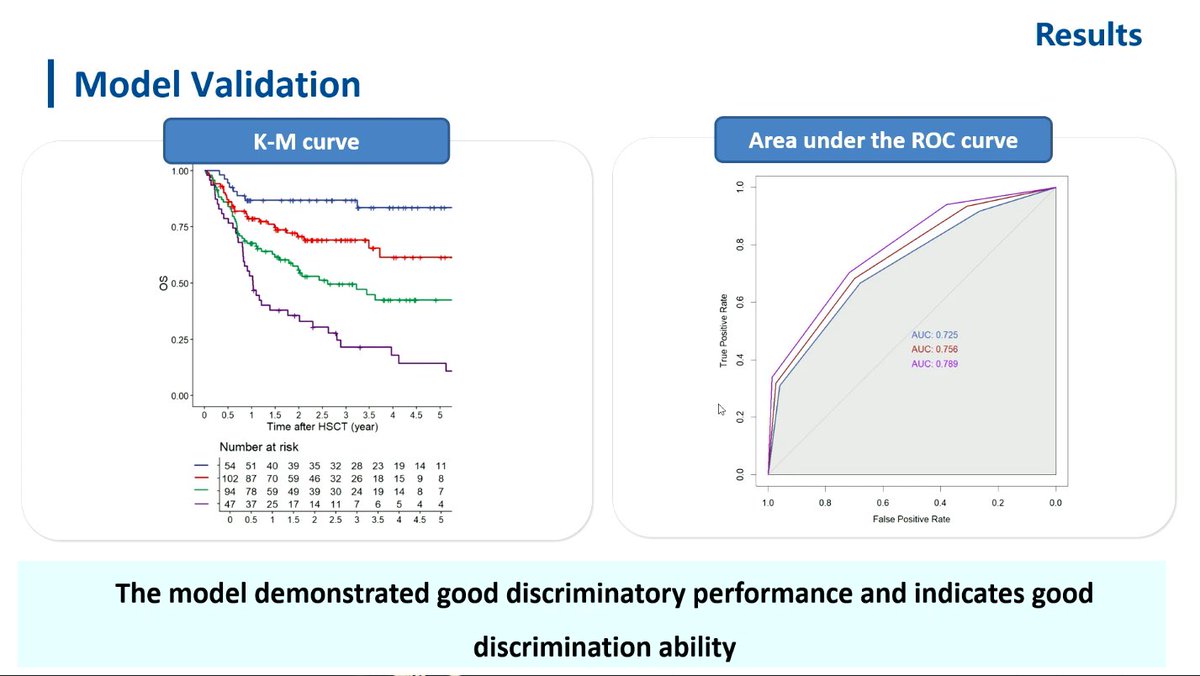
Yue Jin, Peking University People’s Hospital/Peking University Institute of Hematology, presents on the development and validation of a genetic–clinical prognostic algorithm for patients with R/R #AML undergoing allo-HSCT (derivation, n = 301; external validation, n = 297).
The model integrated OS-associated genetic factors, including FLT3-ITD (HR, 1.70; p = 0.007), mutated TP53 (HR, 2.47; p < 0.001), KMT2A rearrangement (HR, 1.95; p = 0.001), and complex karyotype (HR, 1.80; p = 0.008), with clinical factors including age at allo-HSCT ≥50 years (HR, 1.93; p < 0.001), CR/CRi with MRD before allo-HSCT (HR, 2.22; p < 0.001), active disease before allo-HSCT (HR, 3.26; p < 0.001), and donor age ≥60 years (HR, 2.57; p < 0.001). Based on these factors, patients were stratified into low-, intermediate-low-, intermediate-high-, and high-risk groups. For OS, the 1-, 2-, and 3-year AUCs were 0.826, 0.8156, and 0.819 in the internal validation cohort and 0.725, 0.756, and 0.789 in the external validation cohort, respectively; calibration aligned with observed mortality.
Follow our live feed for more updates: loom.ly/XyM7Jss
Intended for HCPs only. This congress coverage is independently supported by pharmaceutical companies, who are allowed no influence on the content; a full list of supporters can be found on our website.
#leusm #MedicalCongress @PKU1898
3
4
512
CONGRESS | #EHA2026 | PRESENTATION
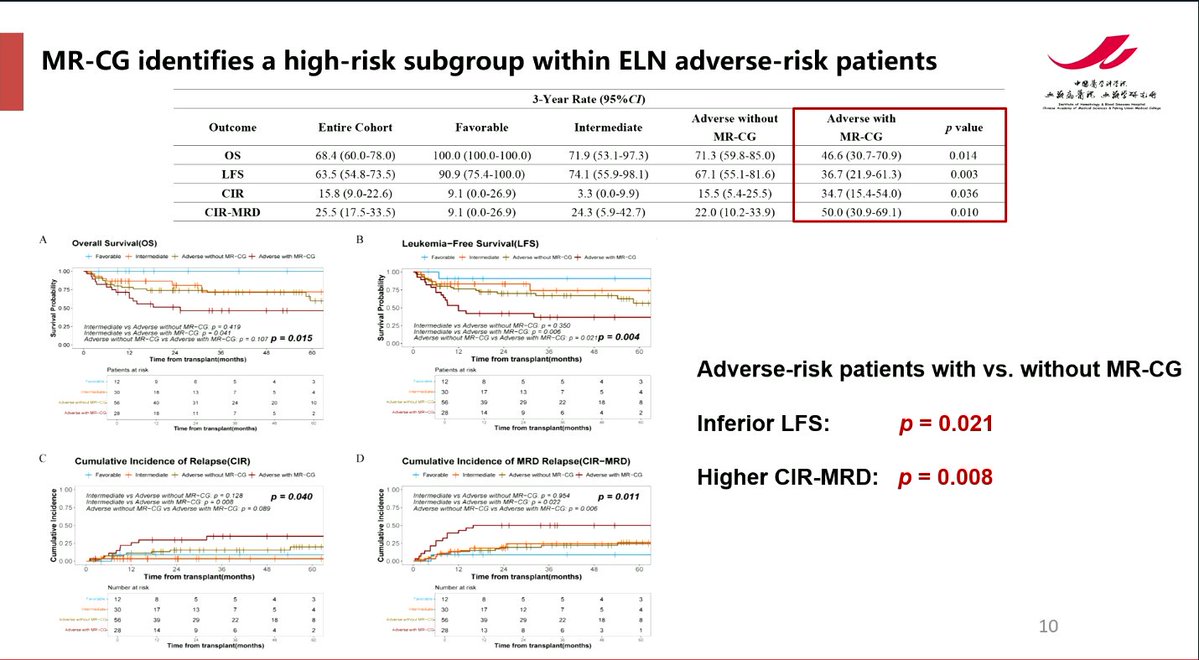
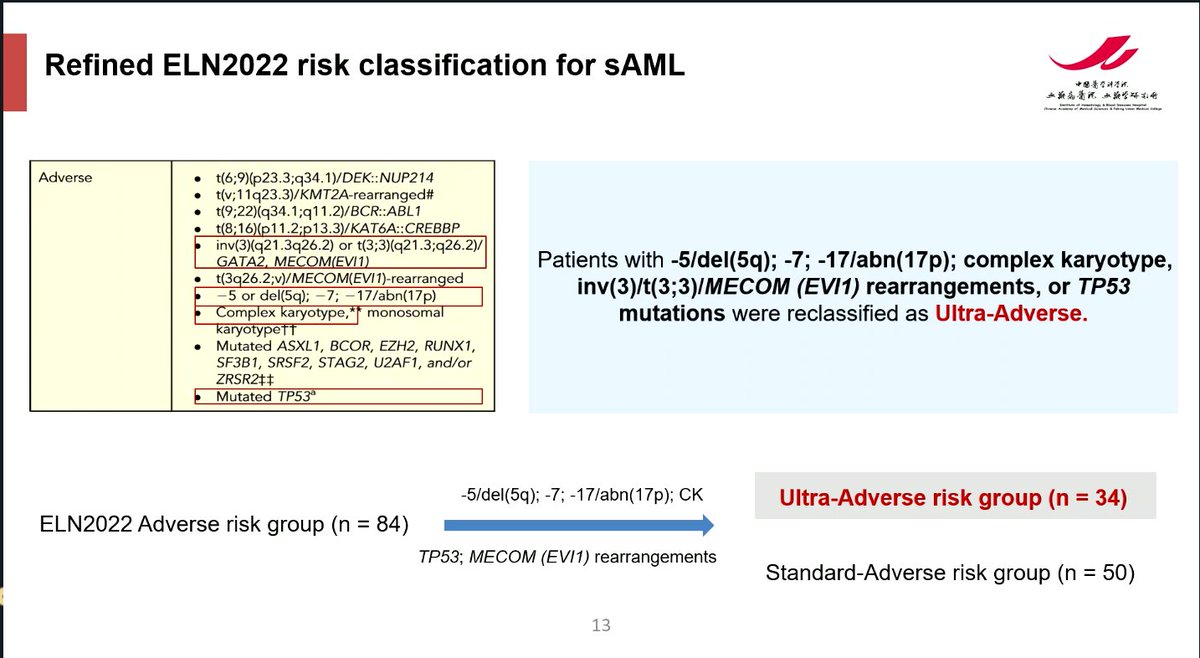
Nan Yang, Institute of Hematology & Blood Diseases Hospital, CAMS & PUMC, presents a retrospective analysis evaluating the ELN 2022 framework and an allo-HSCT-refined ELN 2022 model in younger adults with sAML undergoing first allo-HSCT after MAC, including assessment of MDS-related cytogenetics (MR-CG) vs MDS-related gene mutations (MR-GM) (N = 126).
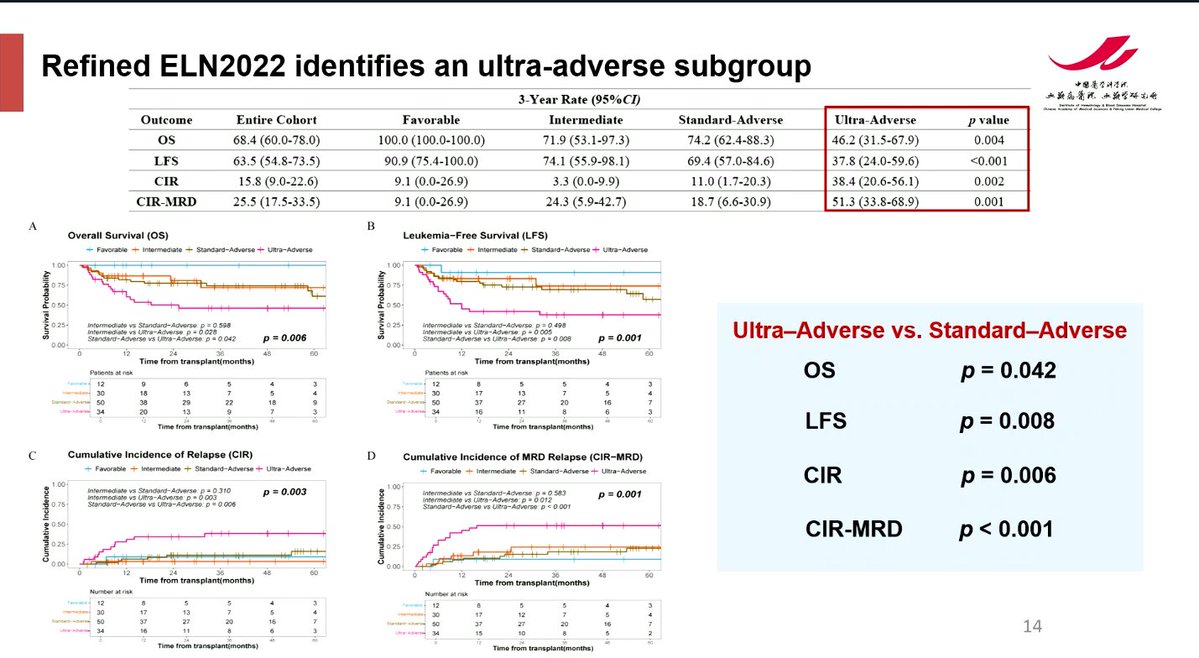
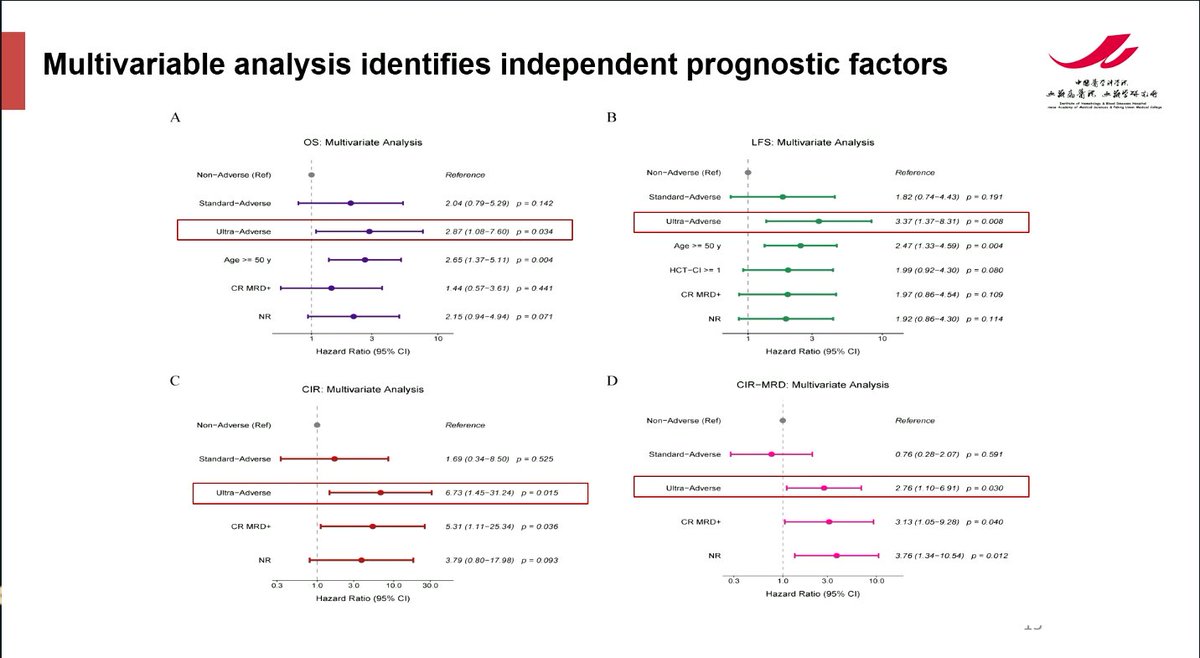
In the entire cohort, at 3 years, OS was 68.4%, LFS was 63.5%, morphologic CIR was 15.8%, and CIR-MRD was 25.5%. Standard ELN 2022 classification showed limited prognostic discrimination for 3-year OS, LFS, CIR, and CIR-MRD (all non-significant). MR-CG identified a high-risk subgroup within ELN adverse-risk patients, with worse outcomes at 3 years vs adverse-risk patients without MR-CG, including OS (46.6% vs 71.3%; p = 0.014), LFS (36.7% vs 67.1%; p = 0.003), CIR (34.7% vs 15.5%; p = 0.036), and CIR-MRD (50.0% vs 22.0%; p = 0.010); meanwhile, MR-GM did not significantly affect post-transplant outcomes. An allo-HSCT-refined ELN 2022 model reclassified patients as ultra-adverse (n = 34), identifying a subgroup with poorer outcomes vs standard-adverse patients, including OS (p = 0.042), LFS (p = 0.008), CIR (p = 0.006), and CIR-MRD (p < 0.001). In multivariable analysis, ultra-adverse risk independently predicted worse OS (HR, 2.87; p = 0.034), LFS (HR, 3.37; p = 0.008), CIR (HR, 6.73; p = 0.015), and CIR-MRD (HR, 2.76; p = 0.030), supporting closer monitoring and earlier intervention.
Follow our live feed for more updates: loom.ly/XyM7Jss
Intended for HCPs only. This congress coverage is independently supported by pharmaceutical companies, who are allowed no influence on the content; a full list of supporters can be found on our website.
#AML #leusm #MedicalCongress
1
1
6
491
CONGRESS | #EHA2026 | PRESENTATION
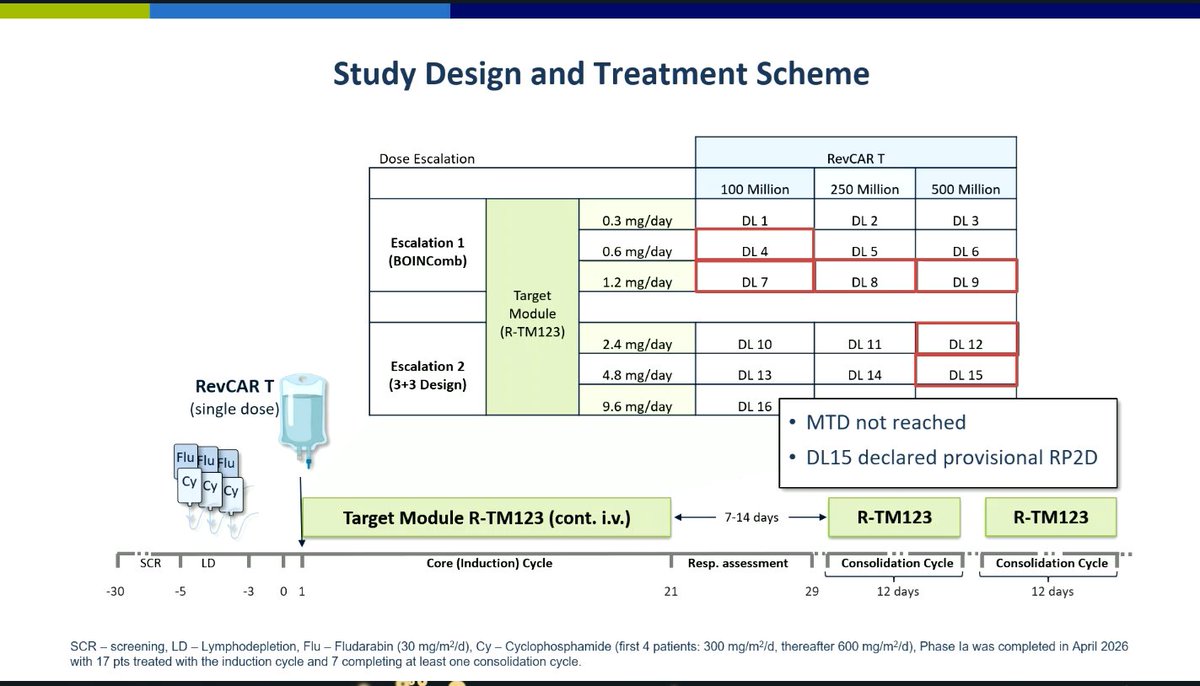
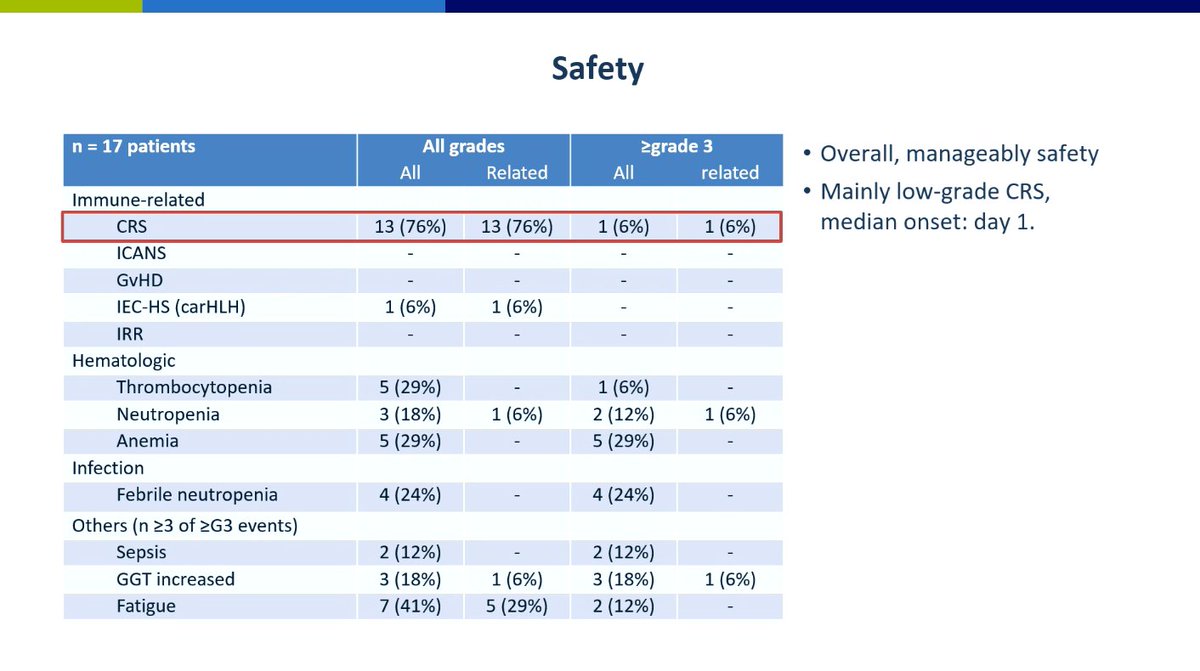
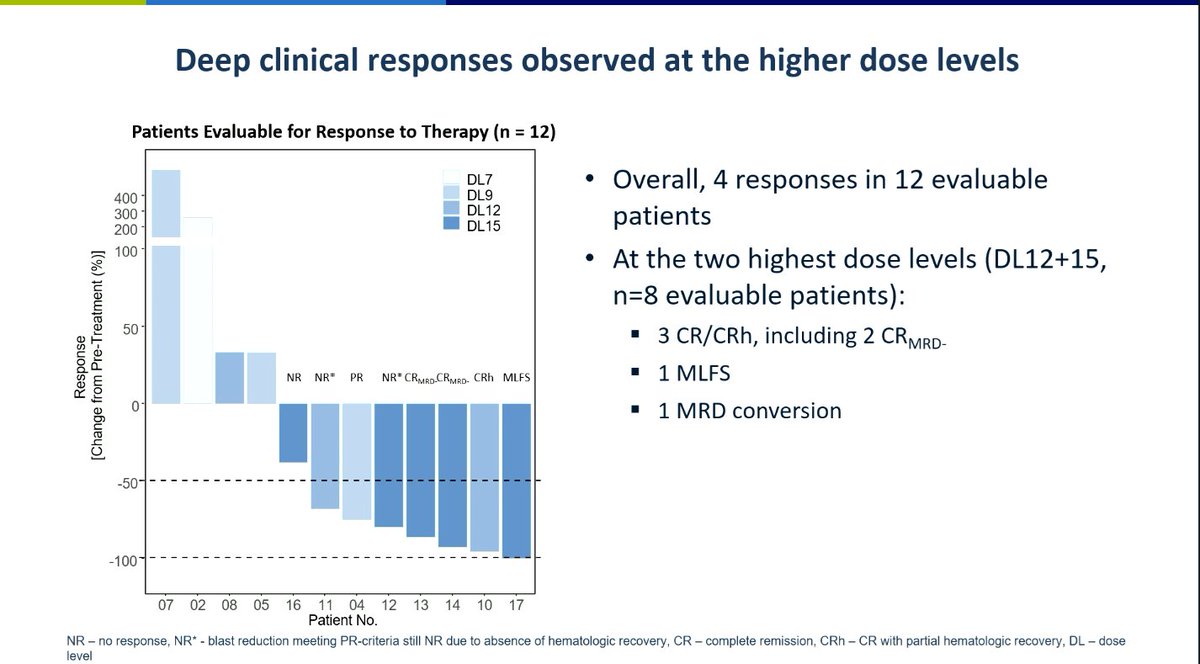
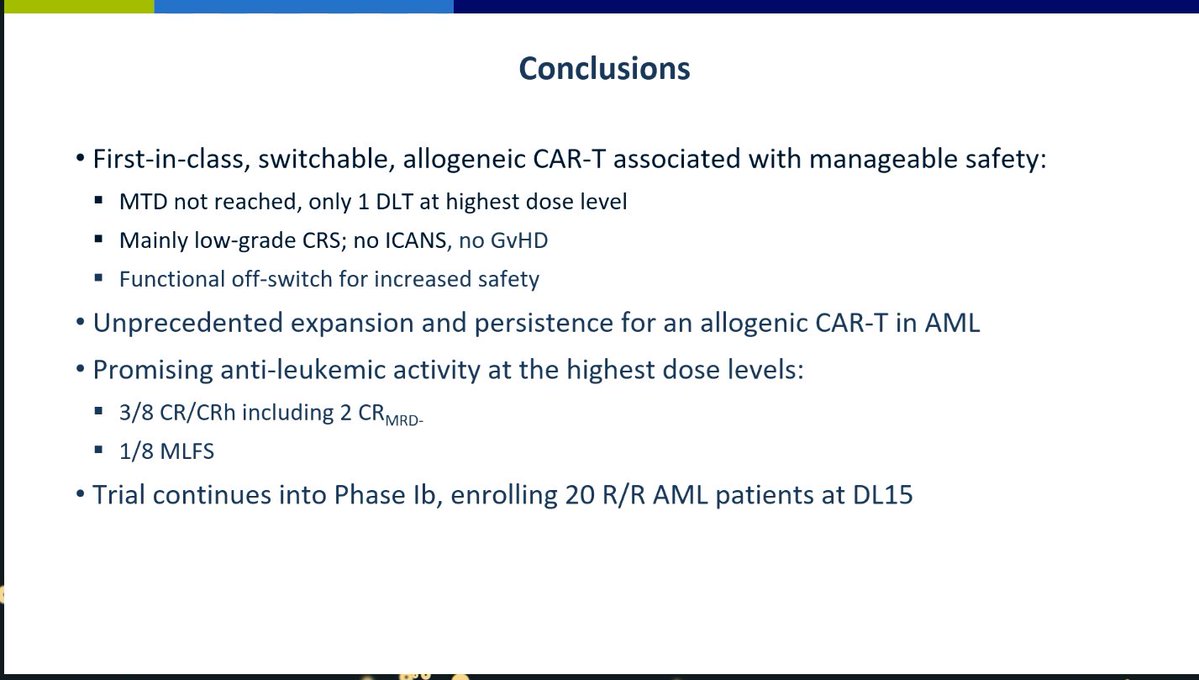
Martin Wermke, University Hospital Carl Gustav Carus, presents results from the phase Ia RevSTAR-123 trial of a switchable allogeneic CAR T-cell therapy for patients with CD123 R/R or MRD AML (n = 17).
MTD was not reached, with one DLT observed at the highest dose level. CRS was mainly low grade, and there was no reported ICANS or GvHD. Promising anti-leukemic activity was observed at the highest dose levels. This trial will continue into phase Ib, enrolling 20 R/R AML patients at DL15.
Follow our live feed for more updates: loom.ly/XyM7Jss
Intended for HCPs only. This congress coverage is independently supported by pharmaceutical companies, who are allowed no influence on the content; a full list of supporters can be found on our website. #AMLsm #MDSsm #leusm #MedicalCongress
1
3
10
698
CONGRESS | #EHA2026 | POSTER
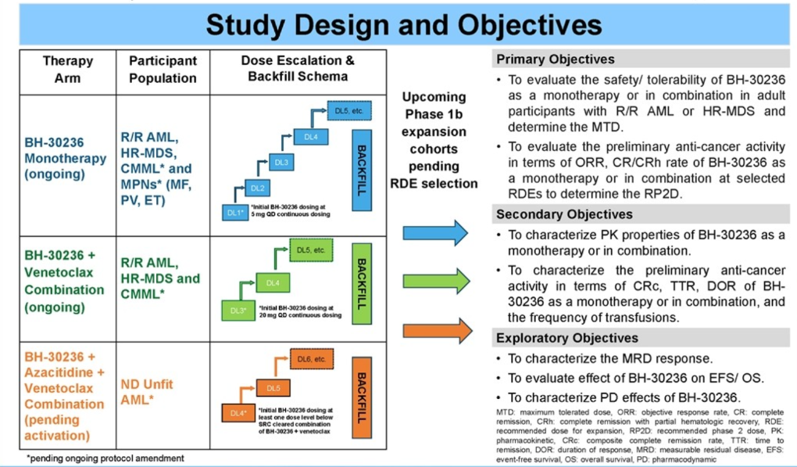
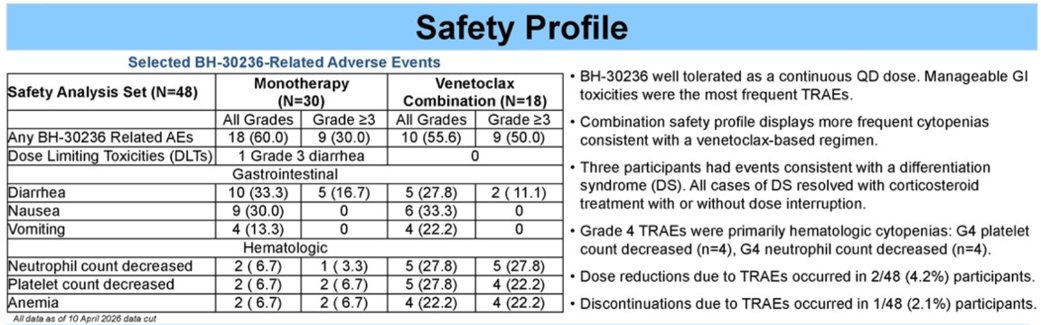
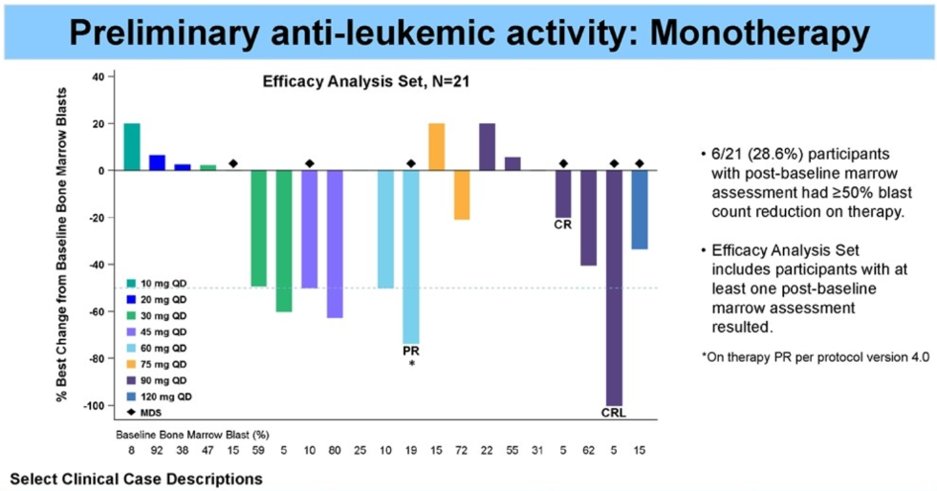
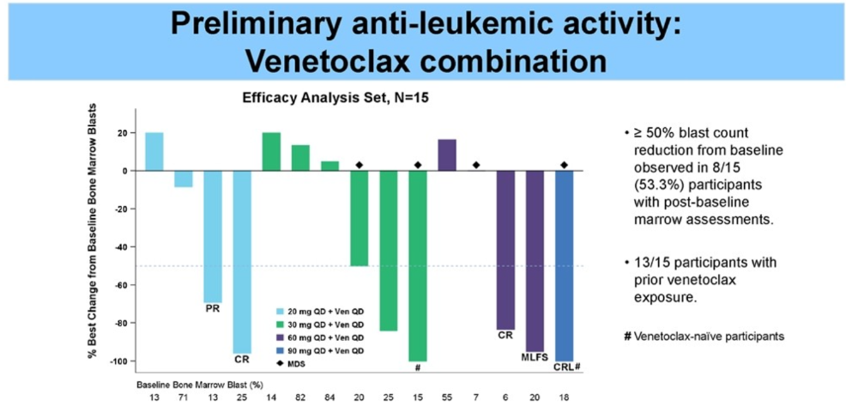
Eytan Stein presents findings from a first-in-human study of BH-30236, an oral macrocyclic CLK inhibitor, as monotherapy or in combination with venetoclax (Ven) in patients with R/R AML or HR-#MDS.
The safety profile, as a continuous daily dose both as monotherapy and with Ven, was manageable; GI events were the most common TRAE. Anti-leukemic activity was observed, including in patients refractory to Ven. Further investigation is planned, including in ND AML in combination with Ven plus azacitidine.
Follow our live feed for more updates: loom.ly/XyM7Jss
Intended for HCPs only. This congress coverage is independently supported by pharmaceutical companies, who are allowed no influence on the content; a full list of supporters can be found on our website.
#AMLsm #MDSsm #leusm #MedicalCongress #MedNews #MedEd @MSKCancerCenter
3
10
636
CONGRESS | #EHA2026 | POSTER
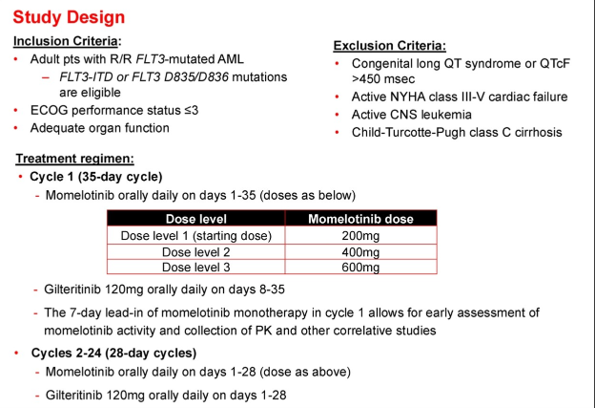
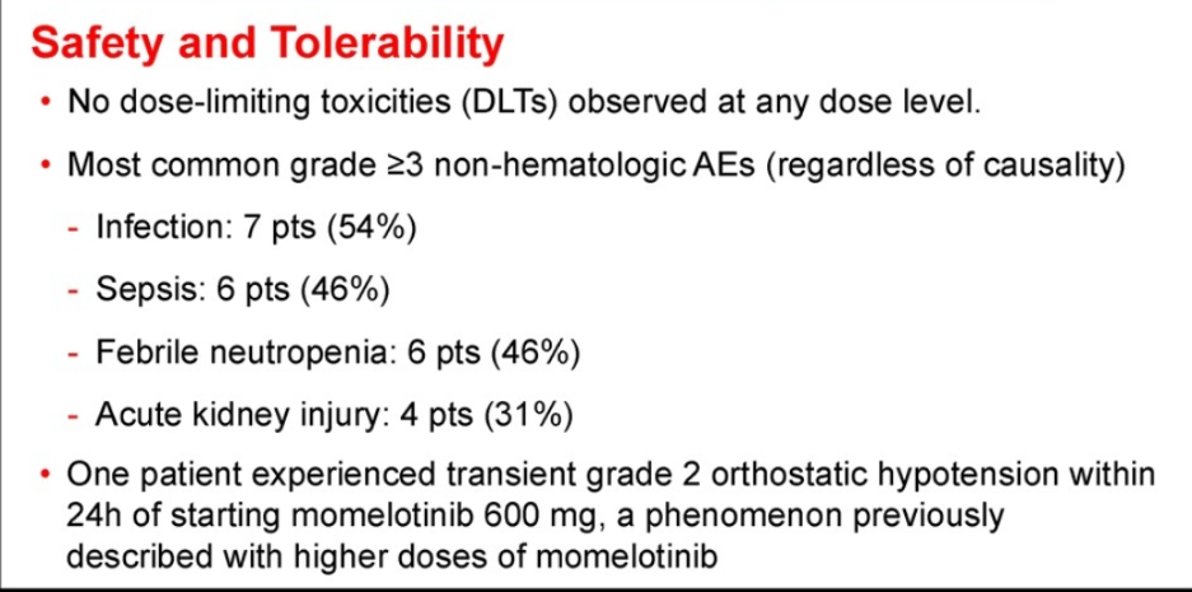
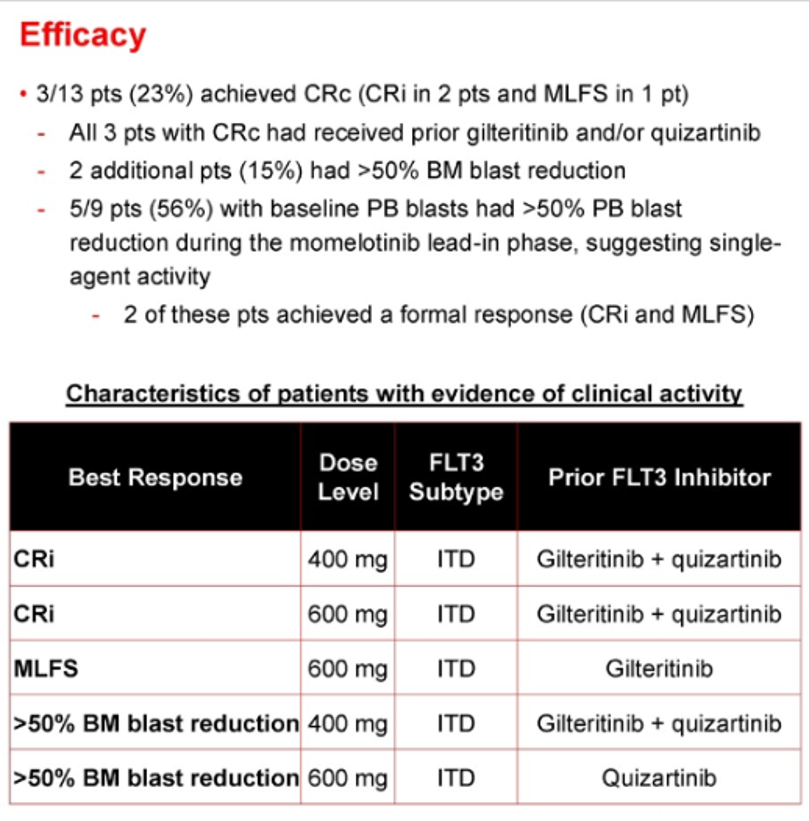
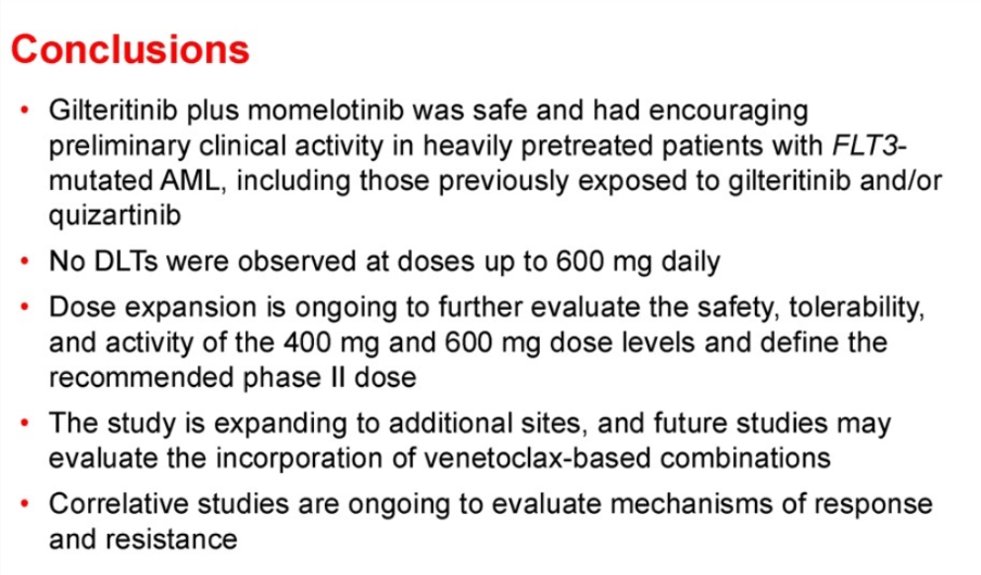
Nicholas Short presents findings from a phase I/II trial of gilteritinib momelotinib in patients with R/R FLT3m AML (N=13).
Promising clinical activity was observed in a heavily pretreated population, with CRc achieved by 23% patients, all of whom had received prior gilteritinib and/or quizartinib. No DLTs occurred, and infections, sepsis, febrile neutropenia and acute kidney injury were the most common Gr≥3 non-hematologic AEs. RP2D determination is ongoing, along with study expansion.
Follow our live feed for more updates: loom.ly/XyM7Jss
Intended for HCPs only. This congress coverage is independently supported by pharmaceutical companies, who are allowed no influence on the content; a full list of supporters can be found on our website.
#AMLsm #leusm #MedicalCongress #MedNews #MedEd @NicholasShortMD @UTMDAnderson
1
6
549
CONGRESS | #EHA2026 | POSTER
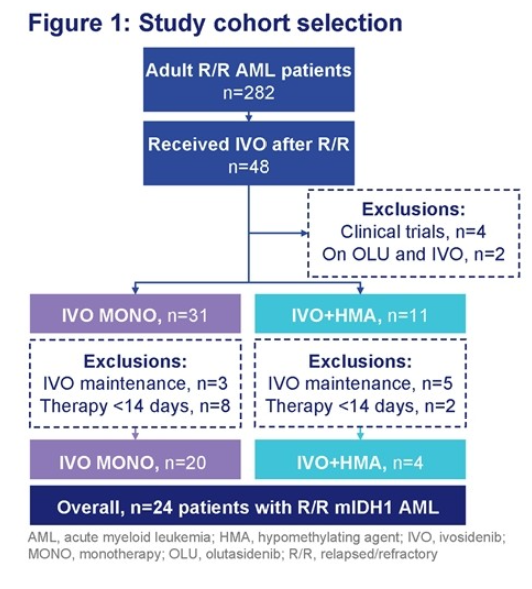
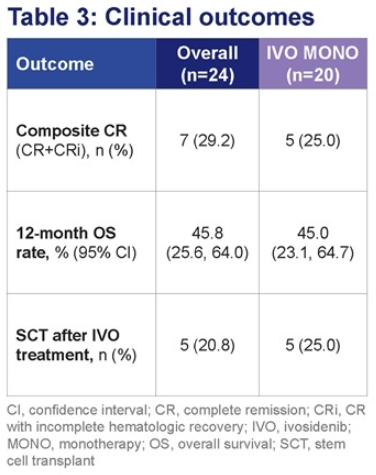
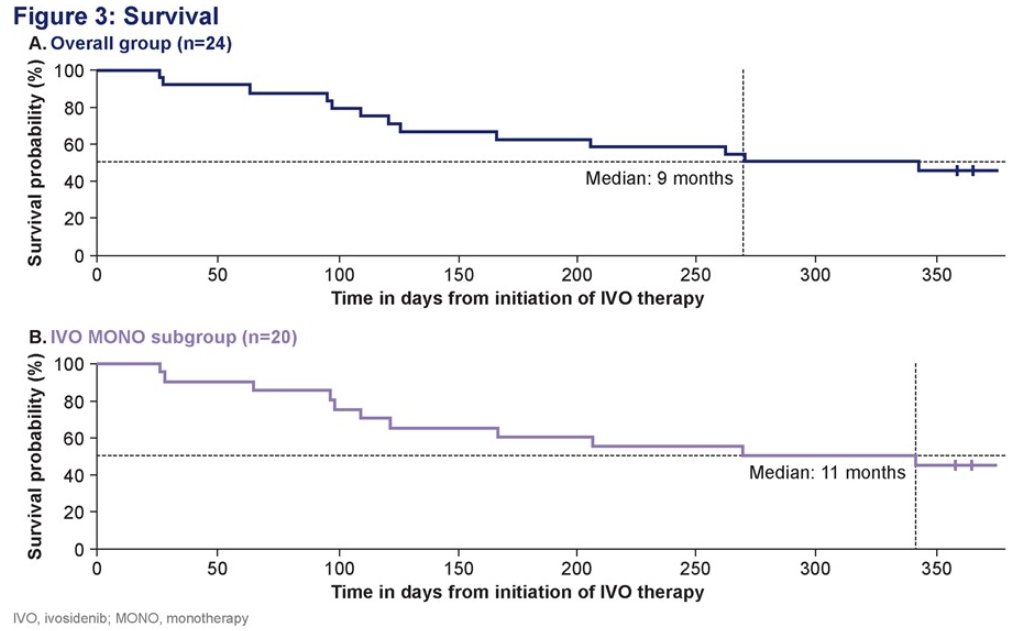
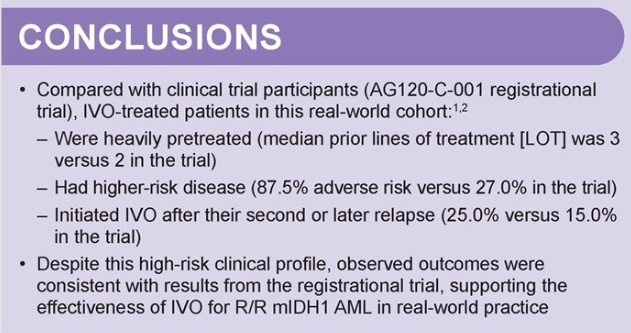
Vanessa Kennedy, Stanford University, US, shares real-world treatment patterns and outcomes with ivosidenib in patients with R/R, IDH1-mutated AML (N = 24).
IC was the most commonly received treatment prior to ivosidenib, with 50% of patients receiving ivosidenib after ≥3 prior LoT. A CRc was achieved by 29.2% of patients in the overall population, including 25.0% of patients who received ivosidenib monotherapy. The 12-month OS rates were 45.8% in the overall population and 45.0% in those receiving monotherapy.
Follow our live feed for more updates: loom.ly/XyM7Jss
Intended for HCPs only. This congress coverage is independently supported by pharmaceutical companies, who are allowed no influence on the content; a full list of supporters can be found on our website.
#AMLsm #MedicalCongress #MedEd #MedNews @StanfordMed
1
7
496
CONGRESS | #EHA2026 | POSTER
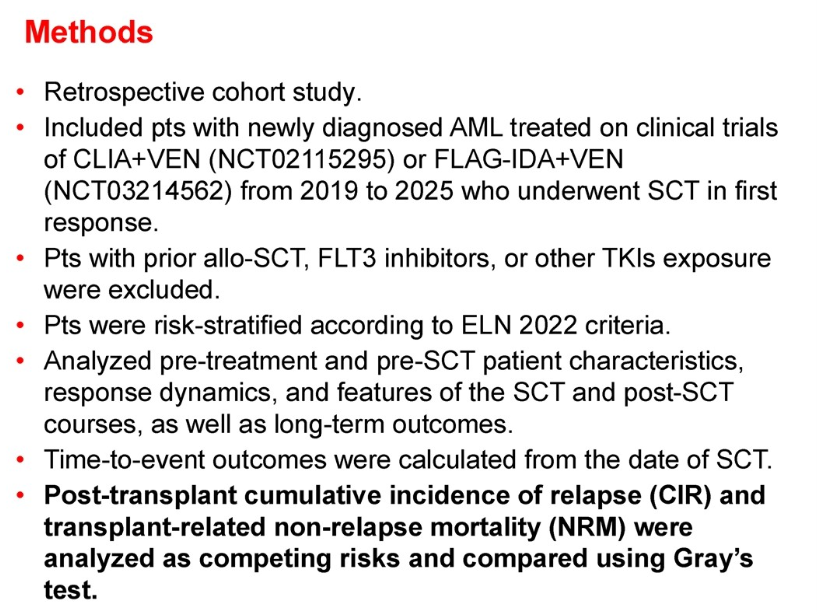
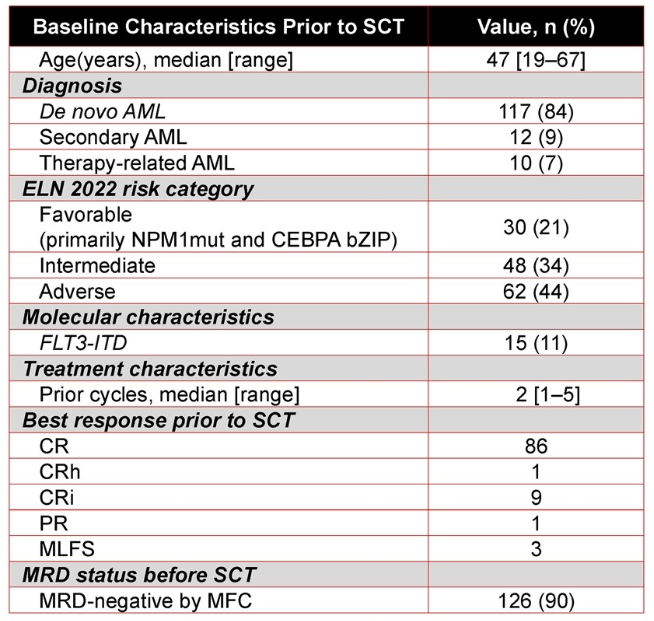
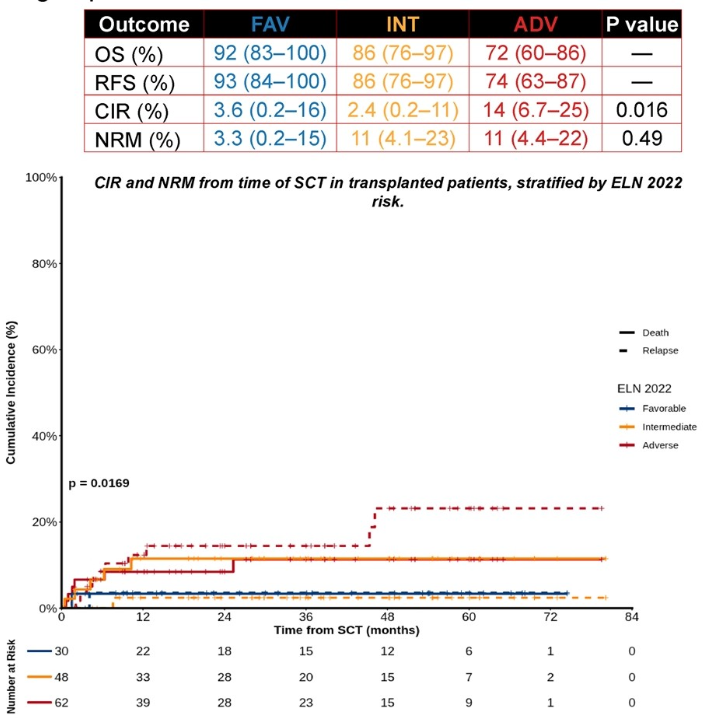
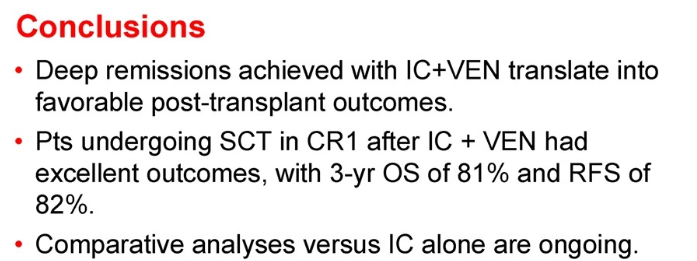
Leticia Campoverde, University of Texas MD Anderson Cancer Center, US, presents findings from a retrospective cohort study assessing outcomes after allo-HSCT in patients with AML treated with IC venetoclax (N = 203).
At diagnosis, 21%, 34%, and 44% of patients were in the favorable, intermediate, and adverse risk categories by ELN 2022 definitions, respectively. Prior to allo-HSCT, 86% of patients had achieved a CR and 90% of patients were MRD-negative by MFC. At a median follow-up post-allo-HSCT of 36 months, the median OS and RFS were NR for any risk group
Follow our live feed for more updates: loom.ly/XyM7Jss
Intended for HCPs only. This congress coverage is independently supported by pharmaceutical companies, who are allowed no influence on the content; a full list of supporters can be found on our website.
#AMLsm #MedicalCongress #MedEd #MedNews @LetyCampoverde @UTMDAnderson
2
6
590