Providing an open platform for rapid publication of the latest findings related to all areas of pharmacy and pharmaceutical sciences.
Joined November 2021
- Tweets 4,199
- Following 658
- Followers 612
- Likes 29
202 Photos and videos



Pinned Tweet

Mar 31
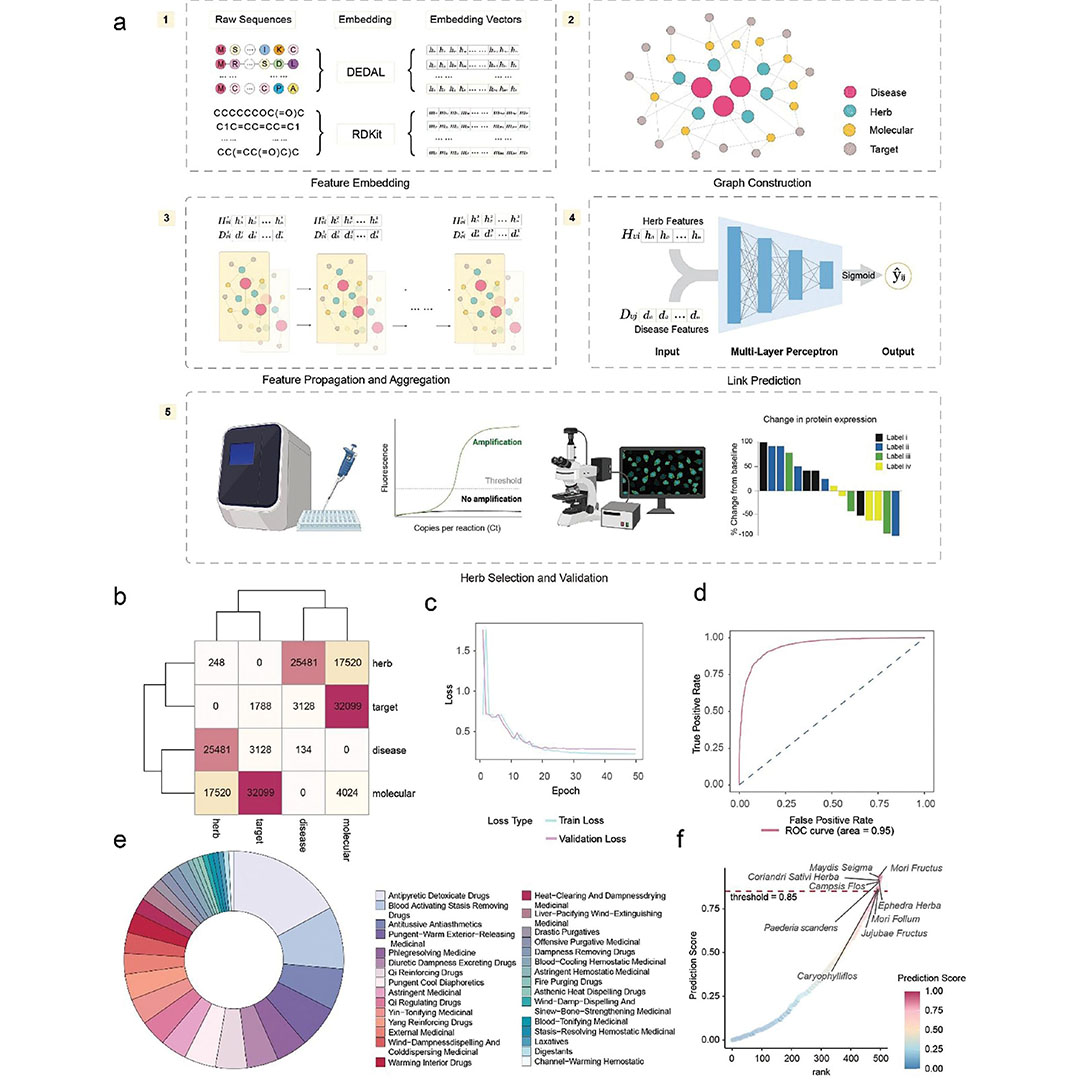
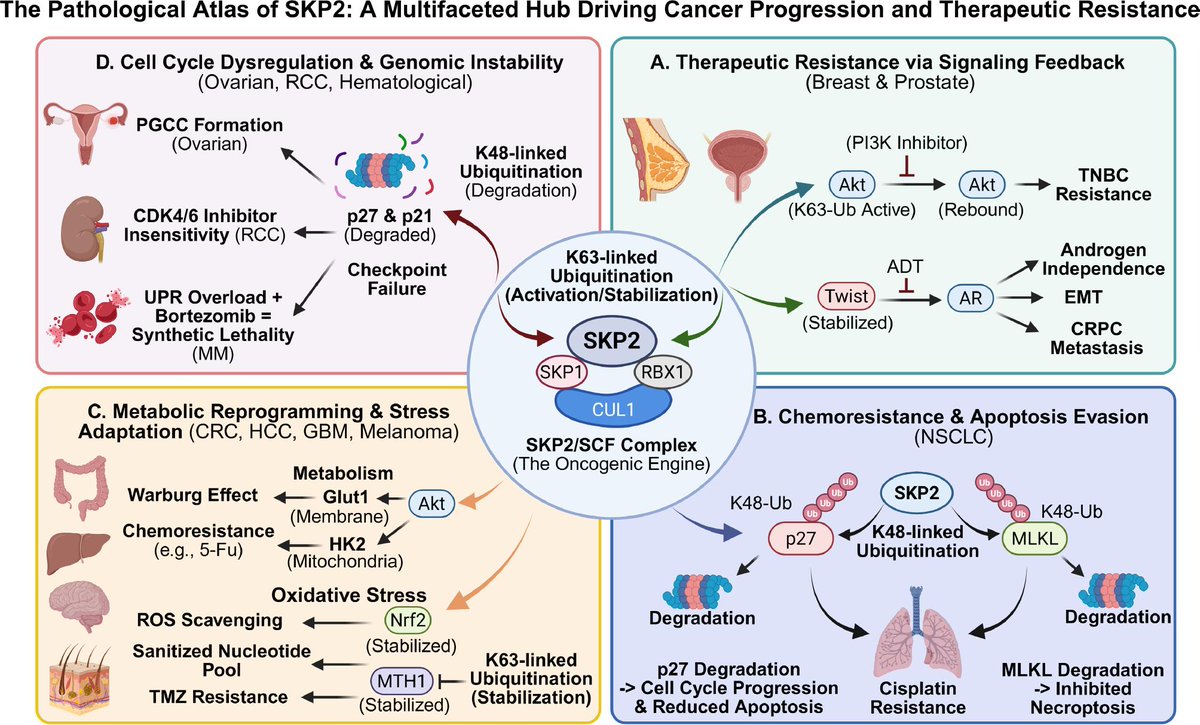
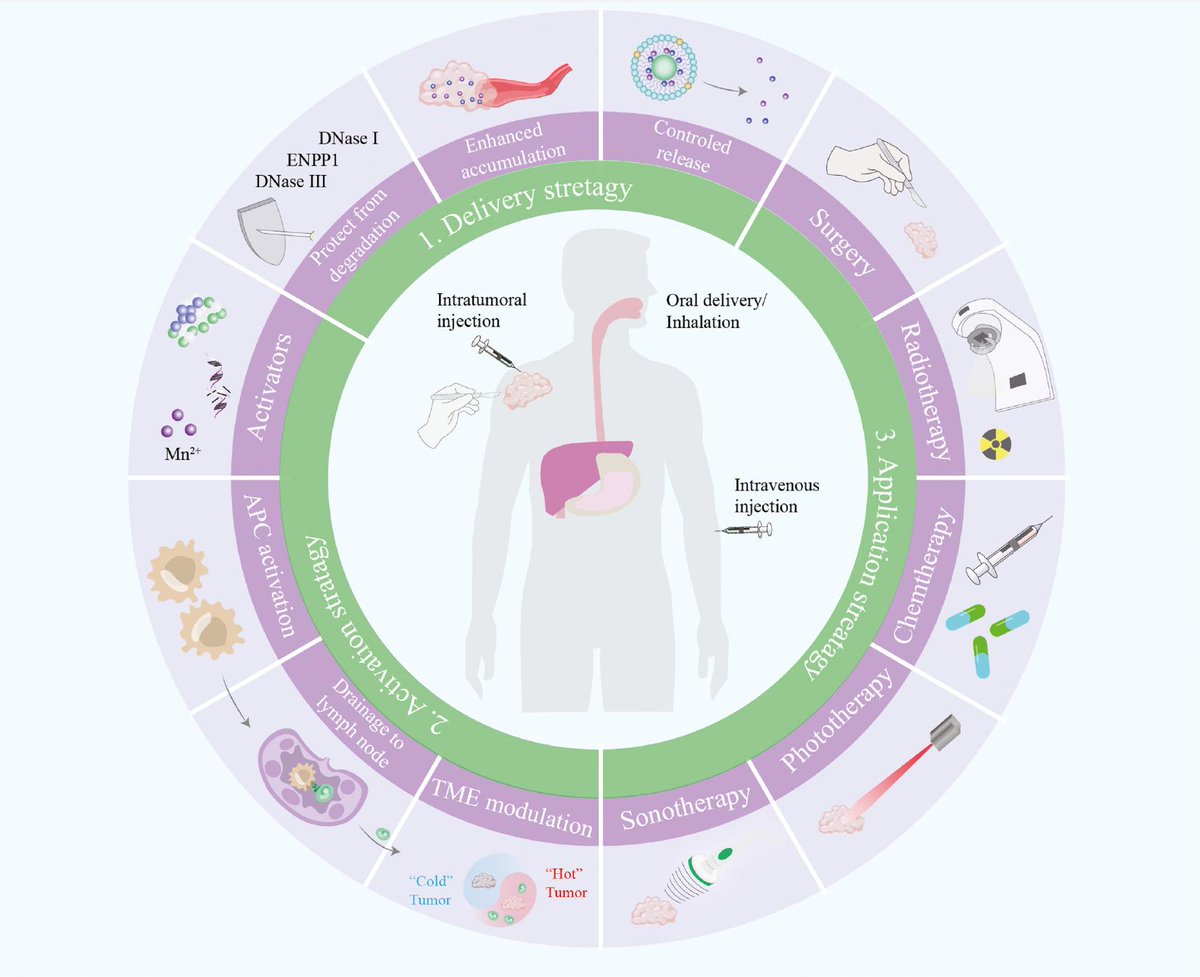
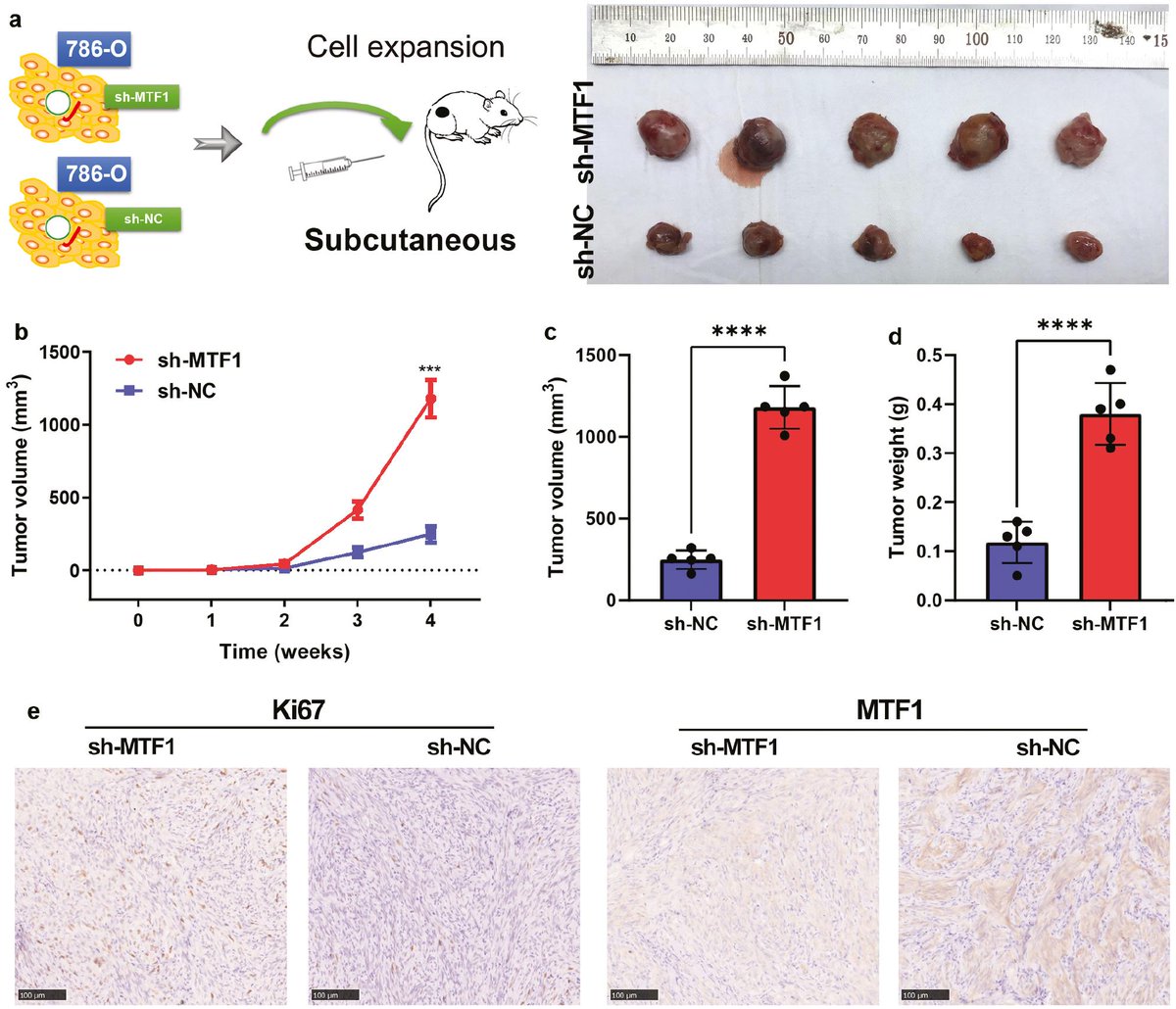
Exploring advances in Cancer Therapeutics, Targets & Resistance from Acta Materia Medica
Discover cutting-edge research: amm-journal.org/
#CancerResearch #CancerTherapeutics #DrugResistance #Oncology

7
1
389
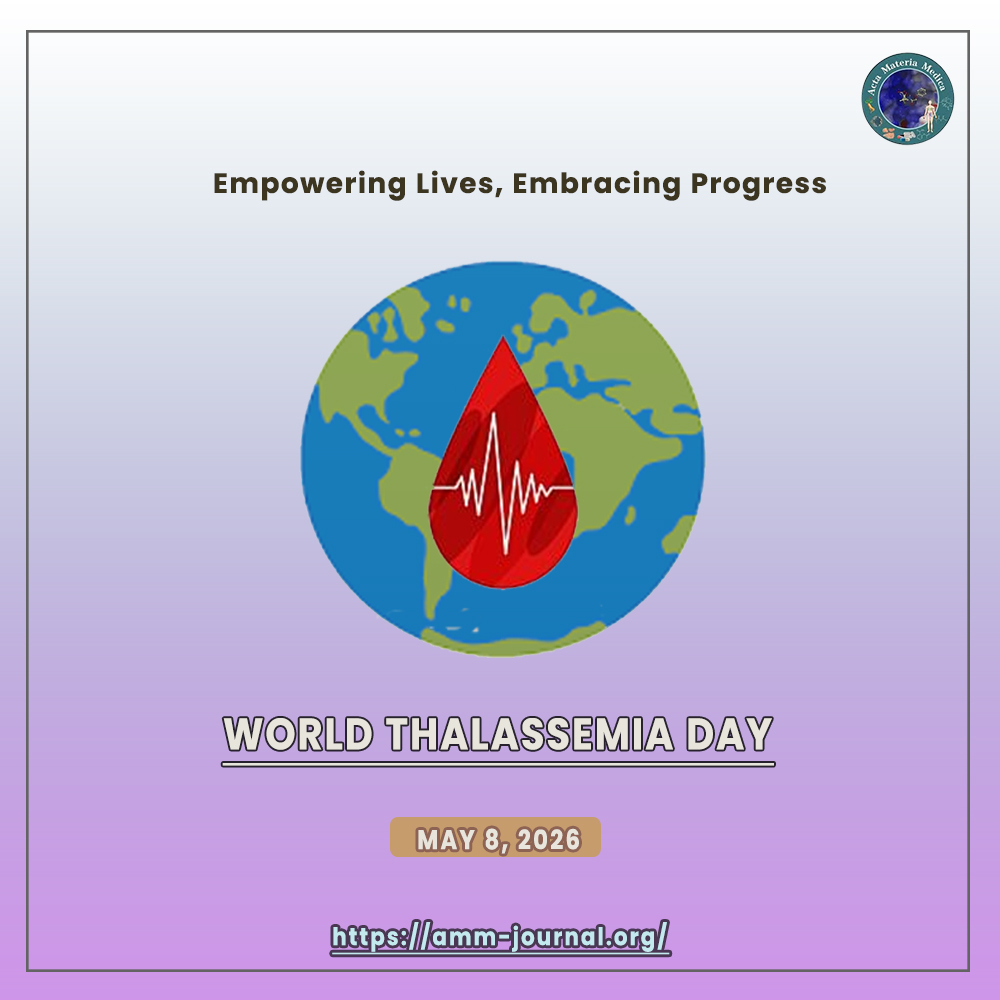
#WorldBloodDonor Day: Emphasizing the need for pharmacological research into blood-derived therapies, AMM presents research into mechanisms underlying blood-borne diseases and the development of next-gen therapeutics for #TransfusionMedicine.
Click: amm-journal.org/
4
Jun 13
AF2-mutation: adversarial sequence mutations against AlphaFold2 in protein tertiary structure prediction Click the link below to read this #open_access article. scienceopen.com/hosted-docum…
1
24
Jun 13
Advances in gasdermin activation, regulation, and targeted drug development. Click the link below to read this #open_access article. scienceopen.com/hosted-docum…
1
29
Jun 13
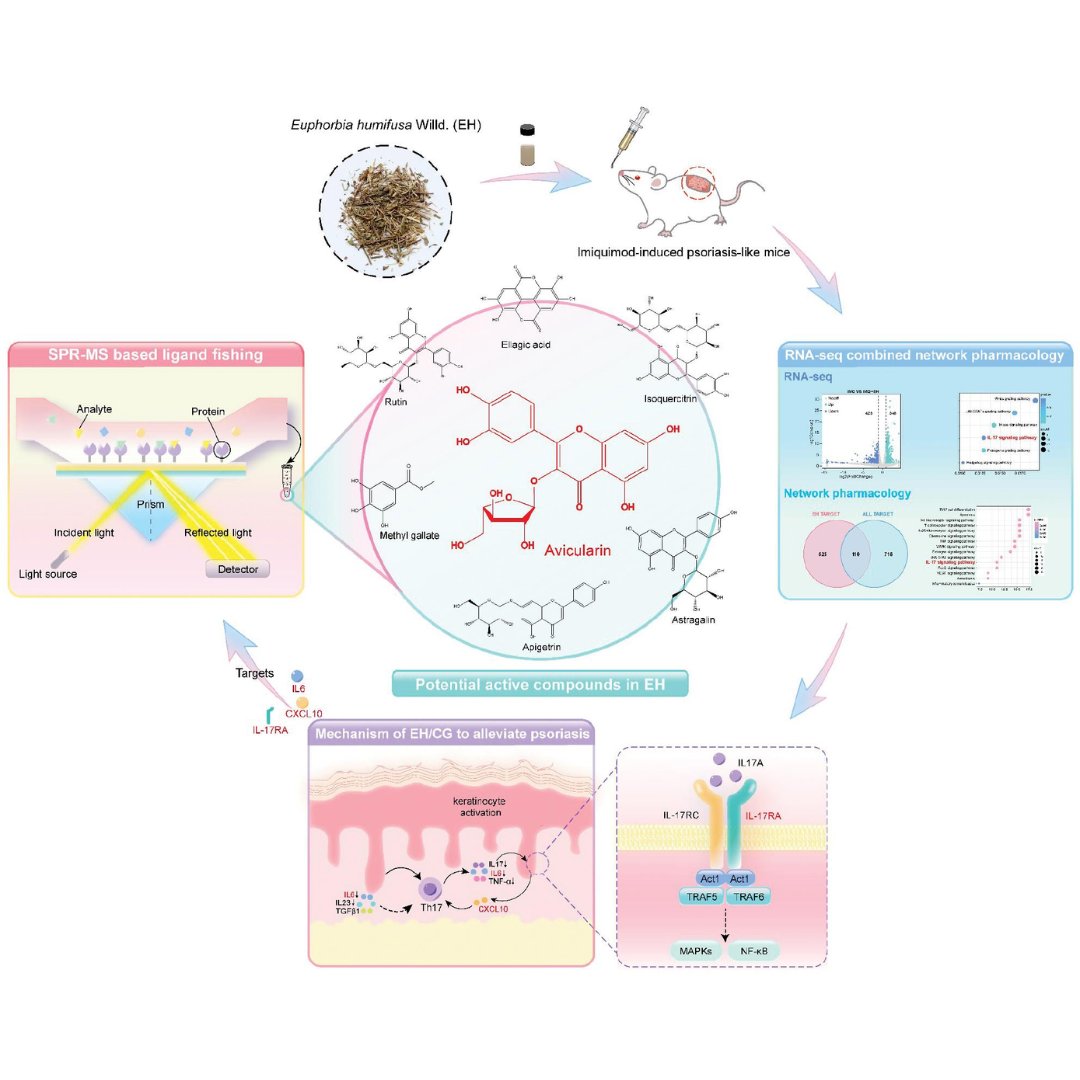
Moracin M derivative targeting PDE4 for the treatment of #psoriasis . Click the link below to read this #open_access article. scienceopen.com/hosted-docum…
23
Acta Materia Medica retweeted

With an Impact Factor of 3.5, Current Medicinal Chemistry publishes high-quality, widely cited research and reviews in medicinal chemistry, pharmacology, and drug development.
📩 Submit your manuscript: bit.ly/4bpieoq
#Chemistry #DrugDiscovery #Research #BenthamScience
1
1
35
Acta Materia Medica retweeted

Jun 10
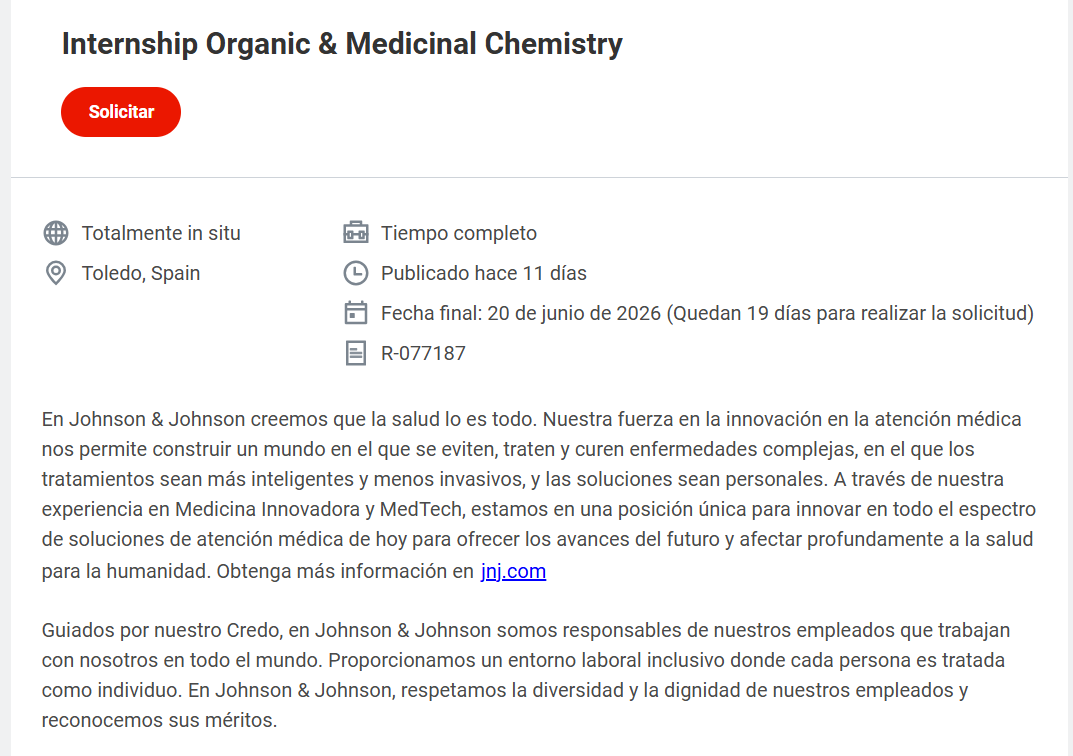
🔊Internship Organic & Medicinal Chemistry
Johnson & Johnson Innovative Medicine
🗓️Fecha límite/Deadline: 20/06/2026
➡️shre.ink/3FIc
2
1
324
Acta Materia Medica retweeted

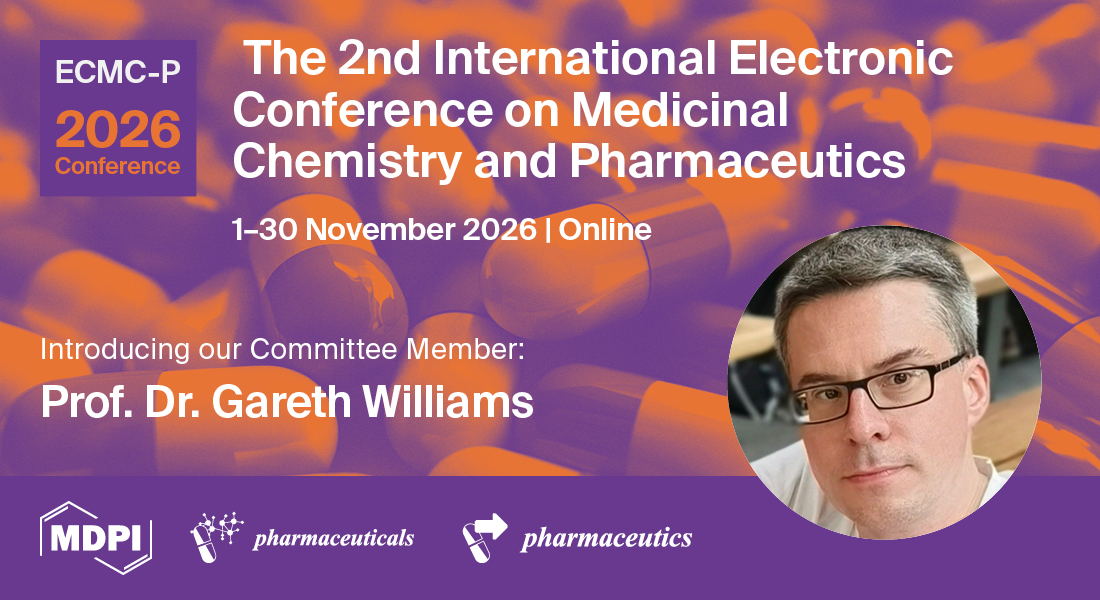
📢 Excited to welcome Prof. Dr. Gareth Williams to the Scientific Committee of The 2nd International Electronic Conference on Medicinal Chemistry and Pharmaceutics (2ECMC-P 2026)!
📅 Nov 1–30, 2026, Online
✅ Register and submit for FREE
brnw.ch/21x3dZT
1
2
48
Discovery of vina-ginsenoside R18 as a novel dual-target inhibitor of dengue virus envelope protein and RNA-dependent RNA polymerase Click the link below to read this #open_access article. scienceopen.com/hosted-docum…
35
Response regression model as a guiding principle for pharmacological mechanistic investigation of host-targeted antivirals. Click the link below to read this #open_access article. scienceopen.com/hosted-docum…
22
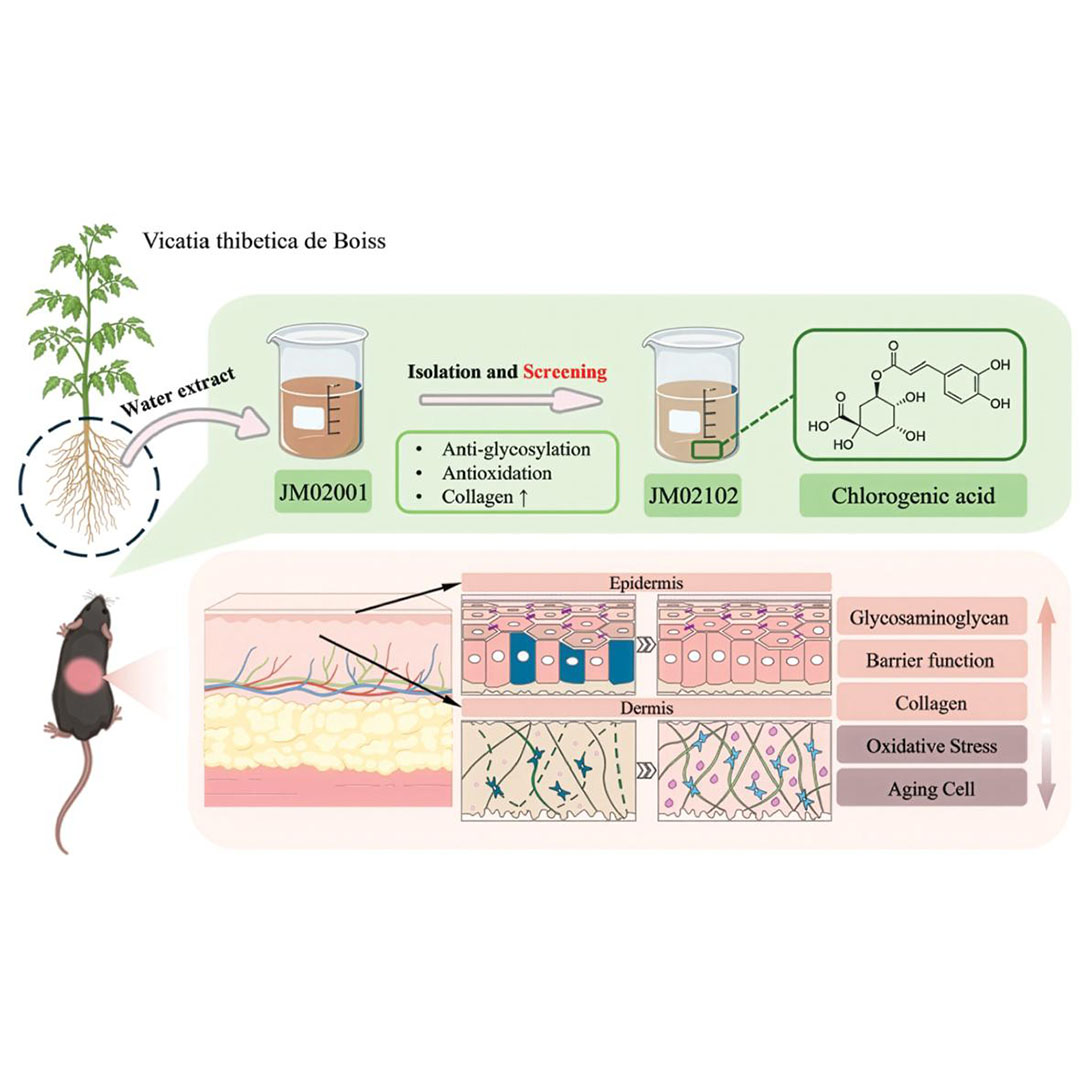
Vicatia thibetica de Boiss root extract and its active constituents attenuate skin aging induced by D-galactose and glucocorticoid. Click the link below to read this #open_access article. scienceopen.com/hosted-docum…
12
Acta Materia Medica retweeted

Molecules to Medicine – Advancing Health Innovation in Africa @AmerChemSociety
⚛️ Collaboration and discovery across biological and medicinal chemistry
🗓 10–11 Sept
📍 University of Cape Town, South Africa
⏳ Abstract submission deadline: 10 June
🔗 shorturl.at/cVhTw
1
3
247
Acta Materia Medica retweeted

For the record, it is really important to mention two really deep review articles published earlier this year about the application of proline analogues in medicinal chemistry. First one written by the living legends, Hanessian and Meanwell:
pubs.acs.org/doi/abs/10.1021…
1
1
2
78
Acta Materia Medica retweeted

Jun 7
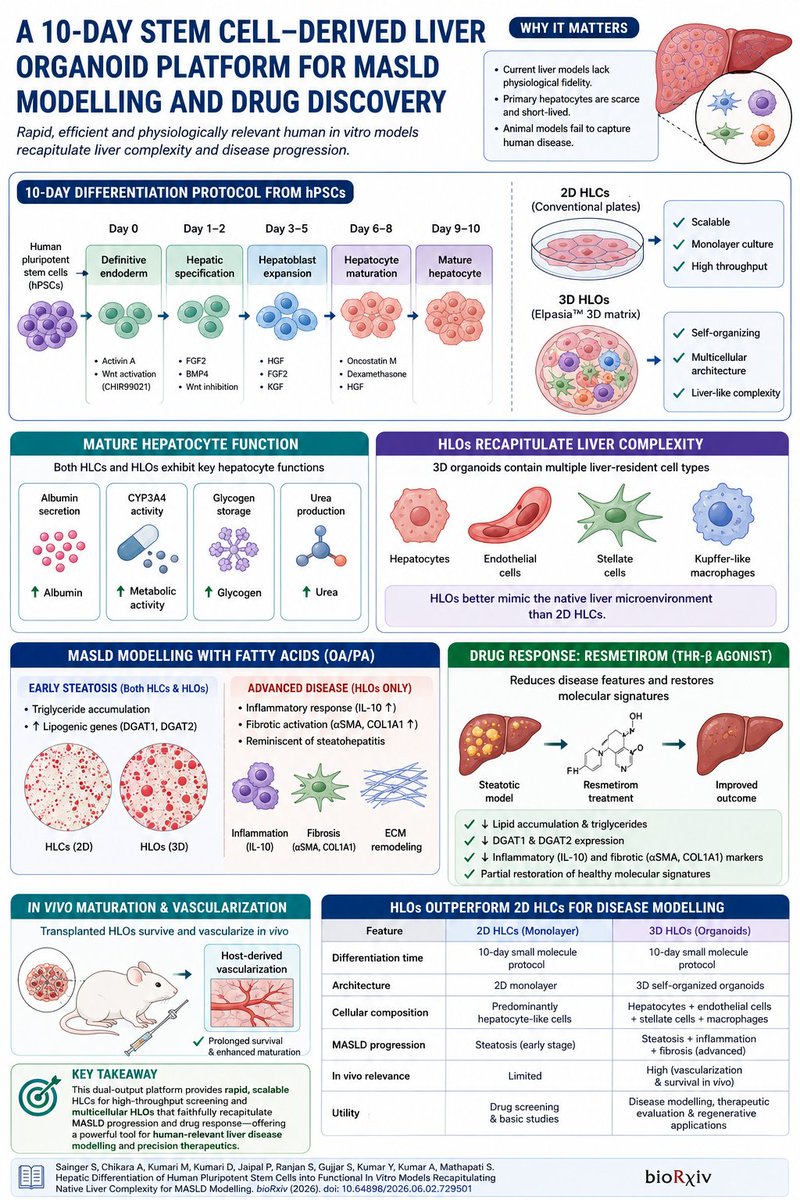
🚀 A 10-day stem-cell-derived liver organoid platform may accelerate MASLD drug discovery
One of the biggest bottlenecks in metabolic liver disease research is the lack of human-relevant experimental models.
Traditional hepatoma cell lines lack physiological fidelity, while primary human hepatocytes are difficult to obtain and rapidly lose function in culture. Animal models often fail to reproduce human disease biology.
A new bioRxiv study presents an elegant solution:
Researchers developed a rapid 10-day differentiation protocol that converts human pluripotent stem cells (hPSCs) into either:
🔹 2D hepatocyte-like cells (HLCs)
🔹 3D hepatic liver organoids (HLOs)
using a streamlined small-molecule workflow rather than complex cytokine cocktails.
The resulting cells showed key features of mature hepatocytes:
✅ Albumin secretion
✅ CYP3A4 drug-metabolizing activity
✅ Glycogen storage
✅ Urea production
But the most interesting finding came from the organoids.
Unlike conventional 2D cultures, HLOs contained multiple liver-resident cell populations including:
• Hepatocytes
• Endothelial cells
• Stellate cells
• Kupffer-like macrophages
creating a much more realistic liver microenvironment.
To model MASLD, investigators exposed both systems to oleic acid/palmitic acid.
Both HLCs and HLOs developed steatosis with triglyceride accumulation and induction of lipogenic genes such as DGAT1 and DGAT2.
However, only the 3D organoids progressed toward steatohepatitis-like biology, showing:
🔥 Increased inflammatory signaling (IL-10)
🔥 Fibrotic activation (αSMA, COL1A1)
🔥 Multicellular remodeling resembling advanced MASLD/MASH
The team then tested Resmetirom, the recently approved THR-β agonist for MASH.
Treatment reduced lipid accumulation, lowered triglyceride levels, suppressed DGAT1/DGAT2 expression, and partially reversed inflammatory and fibrotic signatures.
Perhaps most impressively, transplanted organoids survived in vivo and became vascularized by host-derived endothelial cells, supporting further maturation and physiological relevance.
The takeaway:
While 2D HLCs are useful for scalable drug screening, 3D hepatic organoids capture the inflammatory and fibrotic complexity required to model disease progression—bringing us closer to human-relevant platforms for MASLD biology, target discovery, and therapeutic testing.
📄 Reference
Sainger S et al. Hepatic Differentiation of Human Pluripotent Stem Cells into Functional In Vitro Models Recapitulating Native Liver Complexity for MASLD Modelling. bioRxiv (2026)
🔗 DOI: 10.64898/2026.06.02.729501
#MASLD #MASH #LiverOrganoids #StemCells #DrugDiscovery #MetabolicDisease #RegenerativeMedicine #Organoids #Resmetirom #PrecisionMedicine
1
2
4
188
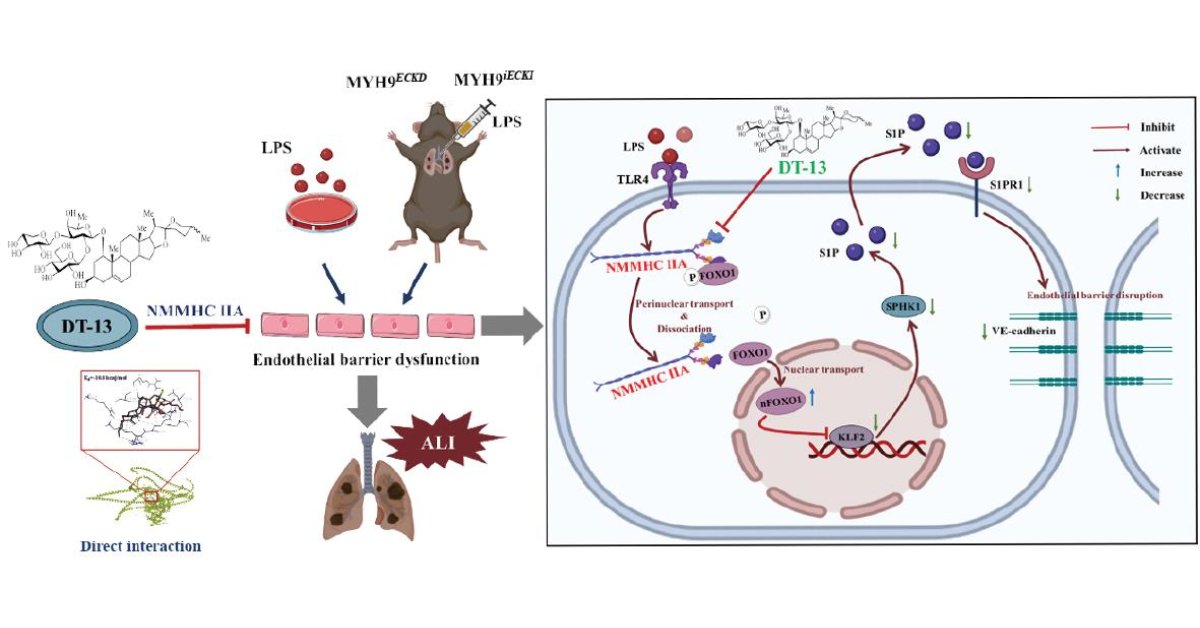
DT-13 ameliorates LPS-induced acute lung injury via targeting NMMHC IIA to modulate the FOXO1/KLF2/SPHK1 pathway. Click the link below to read this #open_access article. scienceopen.com/hosted-docum…
26
From osteoarthritis to rheumatoid arthritis: re-exploring the molecular pathways and therapeutic potential of diacerein. Click the link below to read this #open_access article. scienceopen.com/hosted-docum…
25
Gastrointestinal motility disorders: from pathogenesis to therapeutic strategies. Click the link below to read this #open_access article. scienceopen.com/hosted-docum…
18
Acta Materia Medica retweeted

Evaluation of Oral PROTAC Guidelines: Efflux Ratio Outweighs Chameleonicity Descriptors
pubs.acs.org/doi/10.1021/acs…
2
2
14
1,294
Acta Materia Medica retweeted

Integrating AI in Medicinal Chemistry for Accelerated Drug Discovery: A Comprehensive SAR (CSAR) Optimization Strategy and Discovery of Potent ALDH3A1 Inhibitors #machinelearning #compchem pubs.acs.org/doi/abs/10.1021…
1
4
215
Acta Materia Medica retweeted

📢 Register now!
🧬 AI for 3D Linker Design in Drug Discovery
🎤 Prof. Jijun Tang
📅 June 17, 2026
🔗 sciexplor.com/speaker/cbm/41
Join the discussion panel and receive an official participation certificate.
#AIDrugDiscovery #DrugDiscovery #MachineLearning

🧬 How can AI improve 3D molecular linker design for drug discovery?
Join Prof. Jijun Tang's Frontier Forum webinar:
🚀 Bridging the Biophysical Gap: Holistic Environmental Awareness for 3D Linker Design
📅 June 17, 2026
🔗 Register:
sciexplor.com/webinars/cbm/4…
#AIDrugDiscovery
1
75
Application of #PROTACs in target identification and validation. Click the link below to read this #open_access article. #medtwitter #medX scienceopen.com/hosted-docum…
29