
Postdoc @YvonneMNolan @AnatNeuroUCC 🔬🧠 PhD @KlausNave @MPI_NAT | Alzheimer's x glia x sex differences x microbiome | (he/they) 🏳️🌈
Joined March 2022
- Tweets 868
- Following 493
- Followers 663
- Likes 5,967
55 Photos and videos


Pinned Tweet

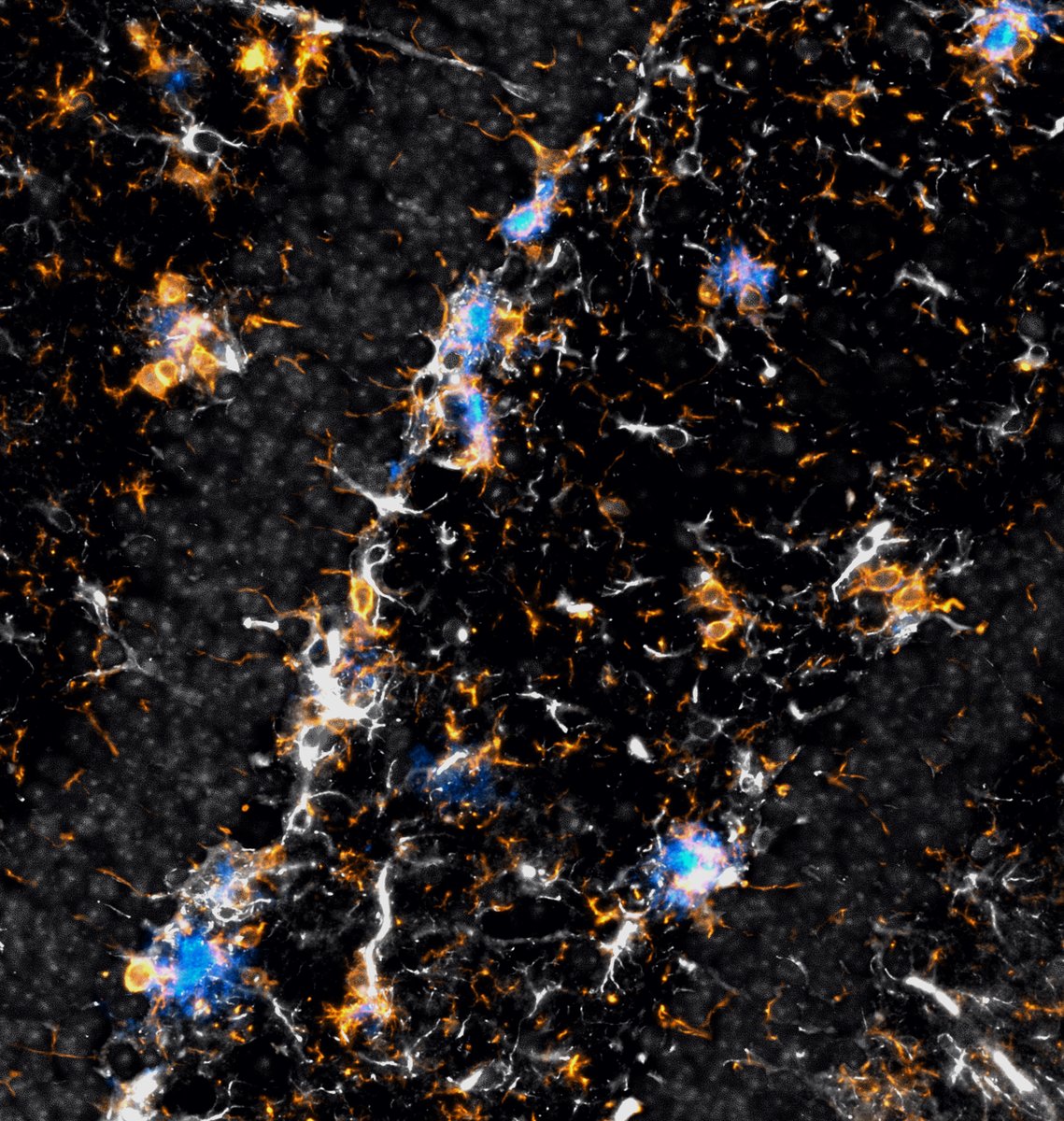
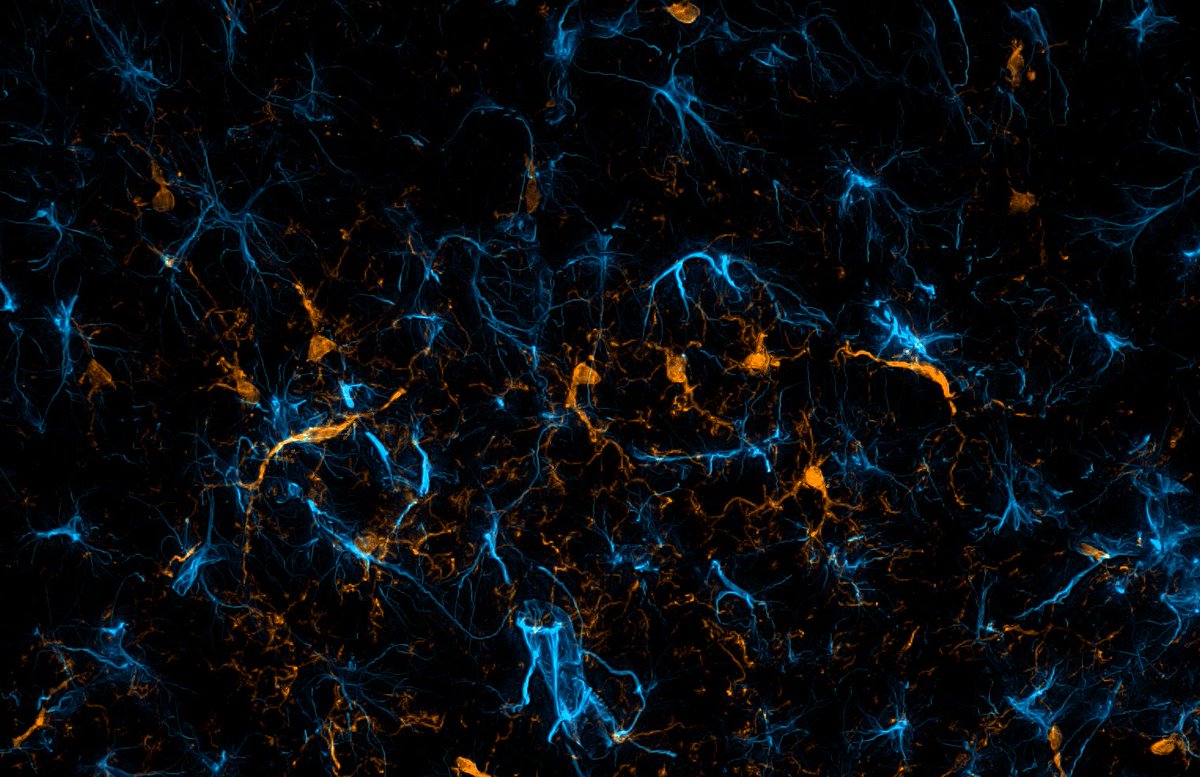
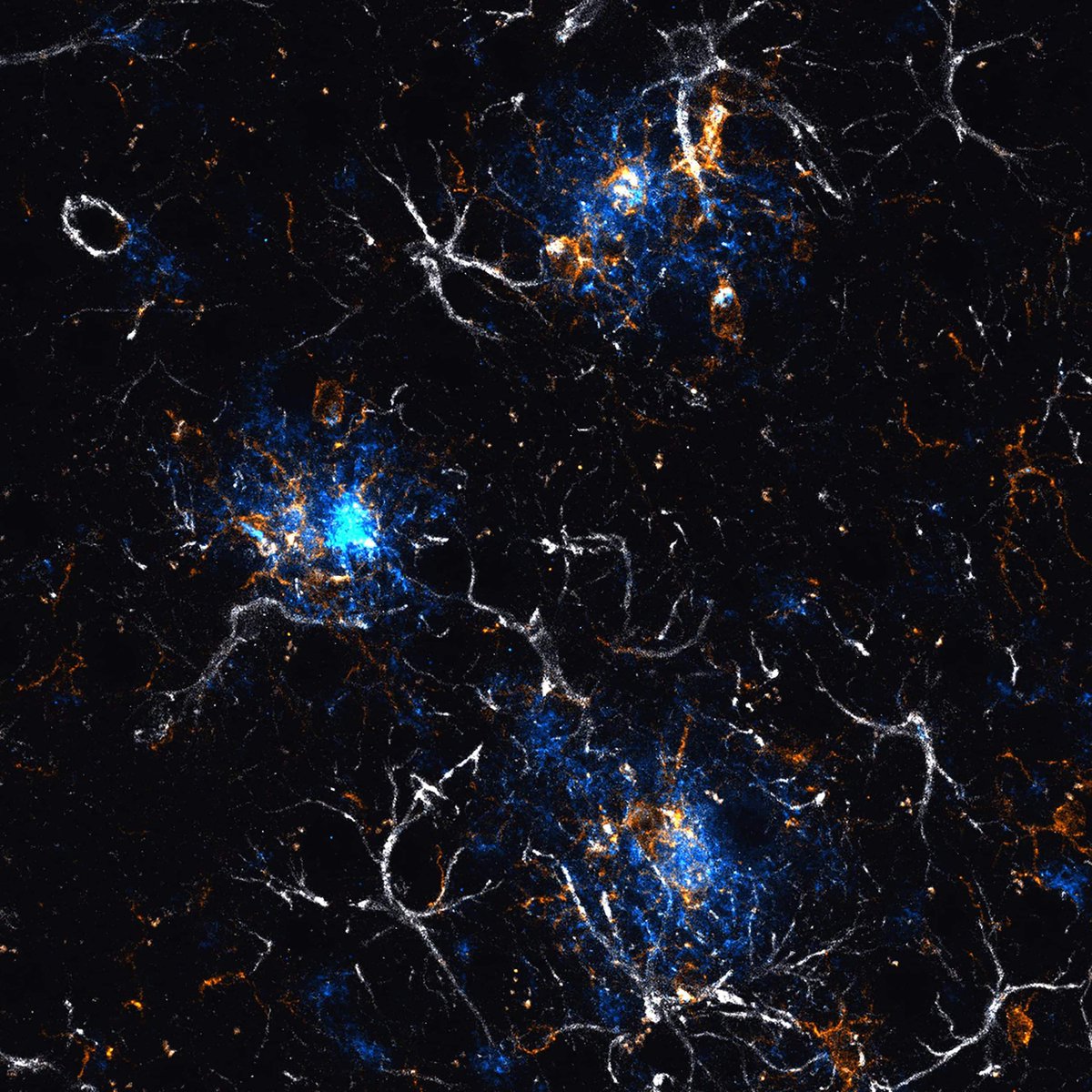
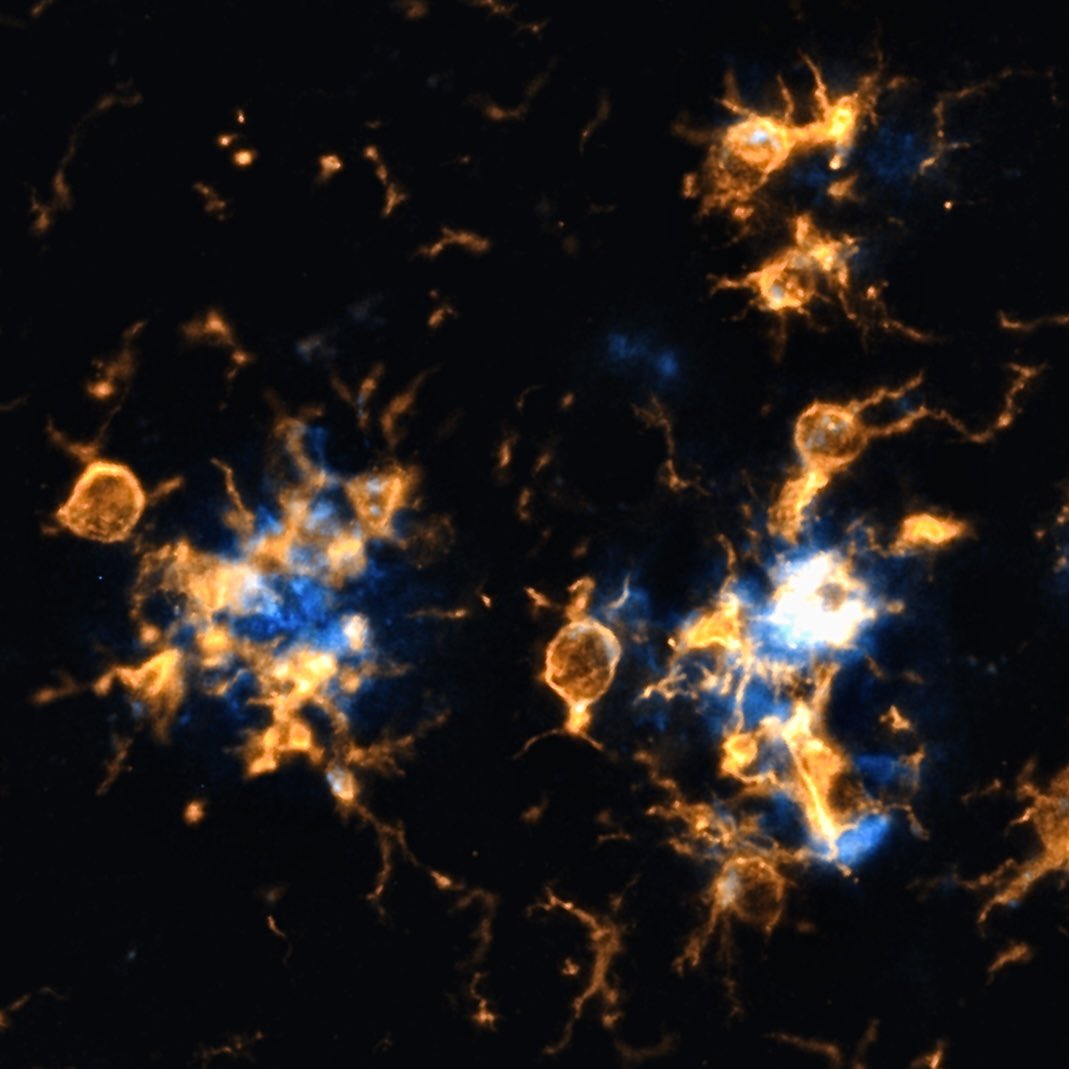
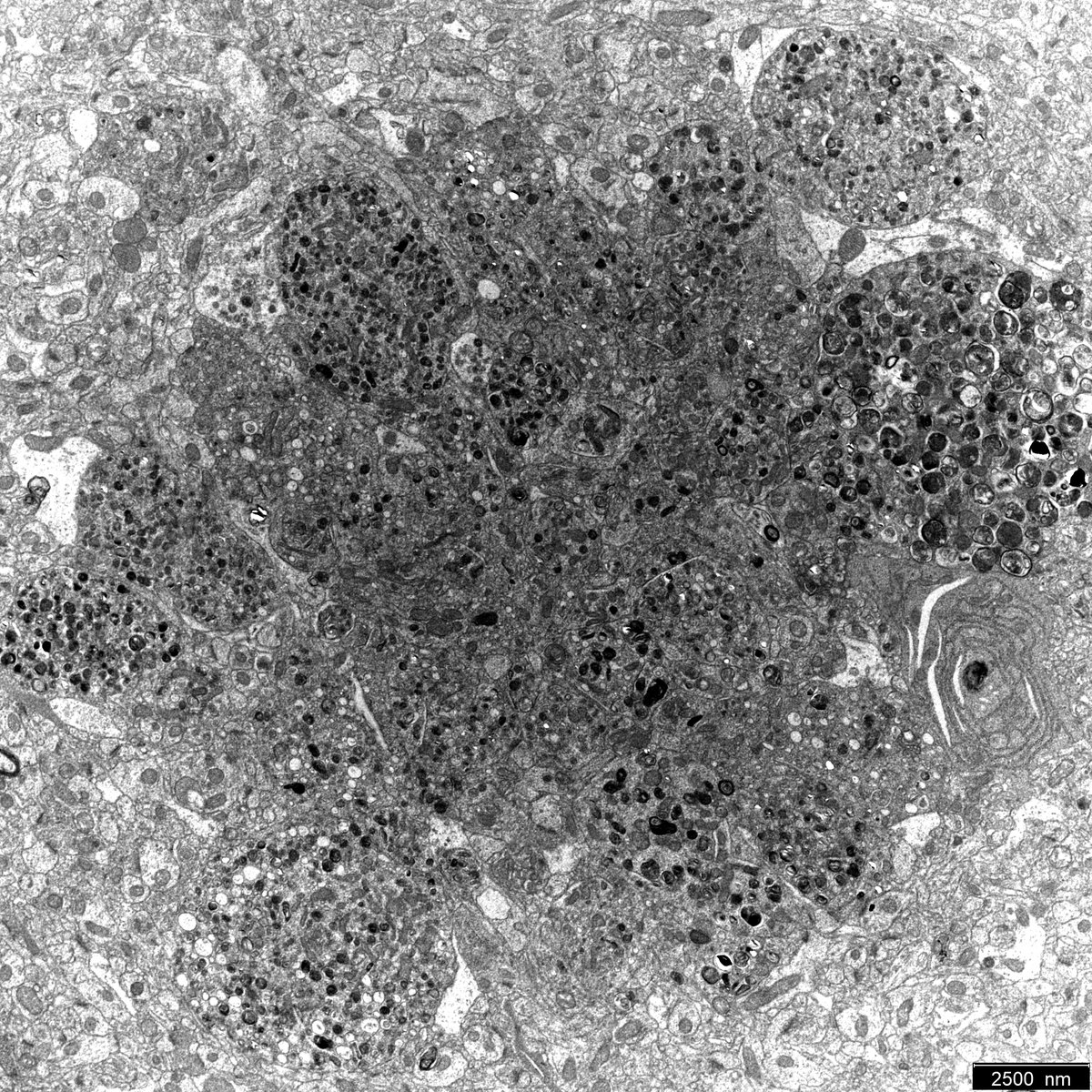
Where does Aβ come from in Alzheimer’s disease? 🔍
In this review, we explore non-neuronal Aβ production, functions of APP processing, and how targeting non-neuronal Aβ could lead to a more holistic disease prevention/targeting.
With @ConstanzeDepp
link.springer.com/article/10…
7
23
3,151
Female Clinical Resilience Despite Pathologic Risk in Alzheimer's Disease
jamanetwork.com/journals/jam…
5
133

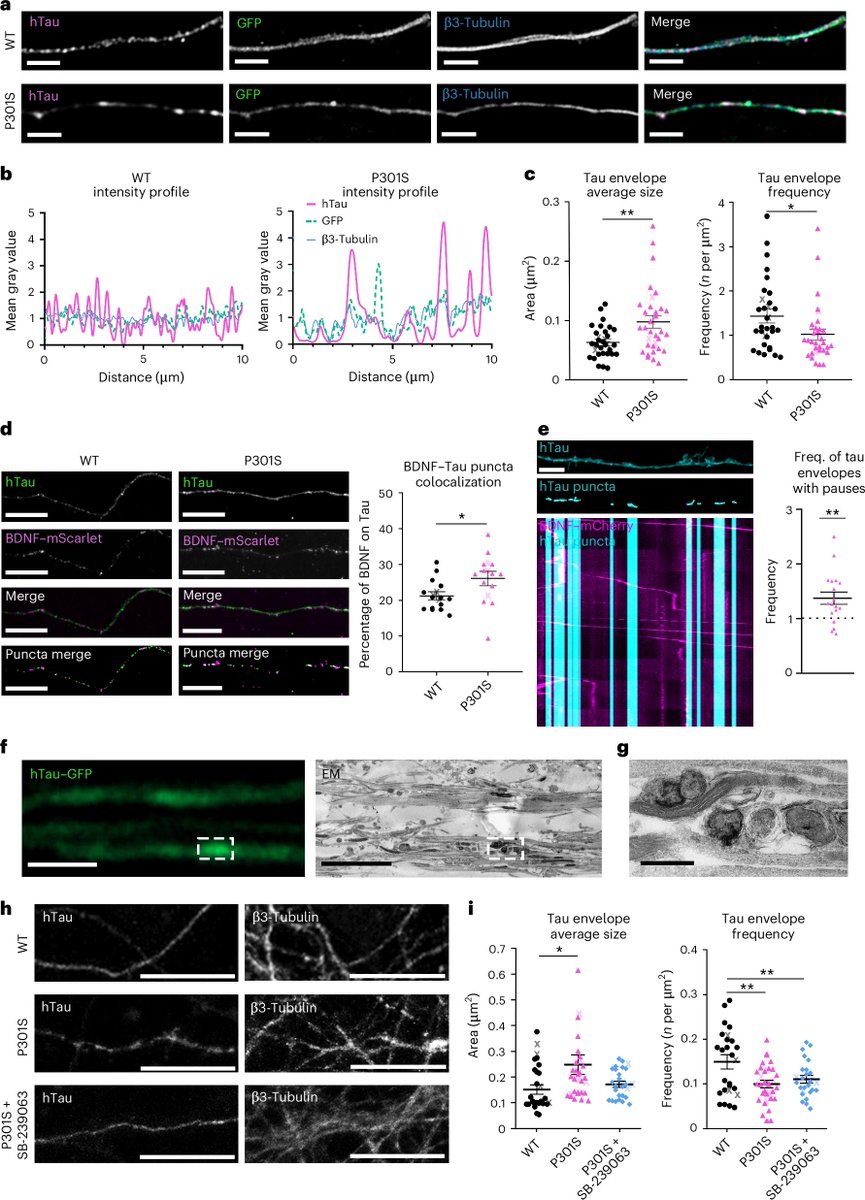
Filming axonal transport in live mouse brain, a study finds that mutant tau forms tau clusters on microtubules and clogs axonal transport before pathology develops. Inhibiting a tau kinase eased the congestion. @_U_C_L_ ow.ly/XXVh50Zbxh0
3
9
504
Andrew Octavian Sasmita retweeted

Mitochondria directly interact with the nuclear pore complex | Nature nature.com/articles/s41586-0…
8
22
1,345
Andrew Octavian Sasmita retweeted
Activity-dependent protein synthesis in neurons requires microglial-metabolic coupling: Cell Metabolism cell.com/cell-metabolism/abs…
15
43
1,720
Microglial CD31 suppresses Aβ clearance and promotes Alzheimer pathology in 5×FAD mice
nature.com/articles/s41467-0…
4
16
1,312
Andrew Octavian Sasmita retweeted

Jun 4
Aberrant tau accumulation caused by MAPT mutations induces early pathological changes in axonal transport that are rescued by p38α inhibition @NatureNeuro
nature.com/articles/s41593-0…
1
15
40
1,928
Andrew Octavian Sasmita retweeted
Human microglial transitions at the Aβ–tau inflection point associate with divergent pathways to dementia and resilience
nature.com/articles/s41591-0…
16
42
3,191
Andrew Octavian Sasmita retweeted

Jun 3
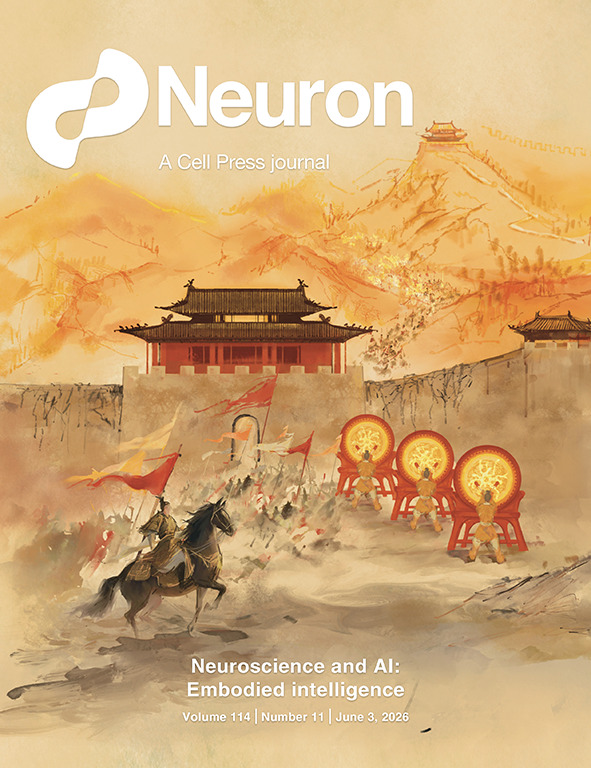
cell.com/issue/S0896-6273(25… On the cover: In this issue of Neuron, Du et al. @DuSiling show that repeated microglial depletion enables peripheral monocytes from both the blood and skull bone marrow to infiltrate the brain and engraft as monocyte-derived macrophages with distinct identities. Inspired by a passage from the Zuo Zhuan (“The first beat of the drum rouses the soldiers’ spirits; the second weakens their resolve; by the third, they are exhausted”), the artwork depicts three rounds of microglial depletion gradually exhausting the endogenous microglial niche. The two advancing armies represent distinct peripheral sources of invading cells: one arriving from the blood, illustrated by the army bearing the red flag, and the other emerging from the skull bone marrow, portrayed as descending from the mountains. Artist credit: Ying Xu.
3
31
139
10,830
Andrew Octavian Sasmita retweeted
Microglial mitochondria transfer to astrocytes via GPNMB-enriched extracellular vesicles alleviates cognitive deficits in tauopathy mice
nature.com/articles/s41593-0…
19
53
3,007
Andrew Octavian Sasmita retweeted

Universal transcriptomic hallmarks of mammalian ageing and mortality | Nature nature.com/articles/s41586-0…
1
18
69
3,827
Early Myelination Supports the Establishment of Consistent Handedness
onlinelibrary.wiley.com/doi/…
2
8
314
Andrew Octavian Sasmita retweeted

May 14
Human whole-blood NAD levels do not vary with age or lifestyle interventions dlvr.it/TSXX7P
3
27
77
19,841
Dysregulated oligodendrocyte and myelin dynamics as an early pathological feature of neuropil degeneration in Alzheimer’s disease: an ultrastructural study
link.springer.com/article/10…
6
16
982
Andrew Octavian Sasmita retweeted
May 21
The immunology of exercise: Mechanisms, mediators, and therapeutic opportunities:@ImmunityCP cell.com/immunity/fulltext/S…
11
39
3,215
Astrocytes reduce microglial activation and enhance adult hippocampal neurogenesis in acute inflammation
sciencedirect.com/science/ar…
8
24
1,757
Andrew Octavian Sasmita retweeted

May 20
Today in @Nature, we report MouseMapper: foundation-model AI to map disease perturbations across the entire mouse body cell-by-cell.
In obesity, it revealed body-wide inflammation & unexpected facial nerve damage. 🧵👇🔉
nature.com/articles/s41586-0… led by @Dorie00 & @yingchen733
28
313
1,143
258,820
Actin disassembly triggers CNS myelin compaction and wrapping
biorxiv.org/content/10.64898…
1
3
10
924
Andrew Octavian Sasmita retweeted
May 18
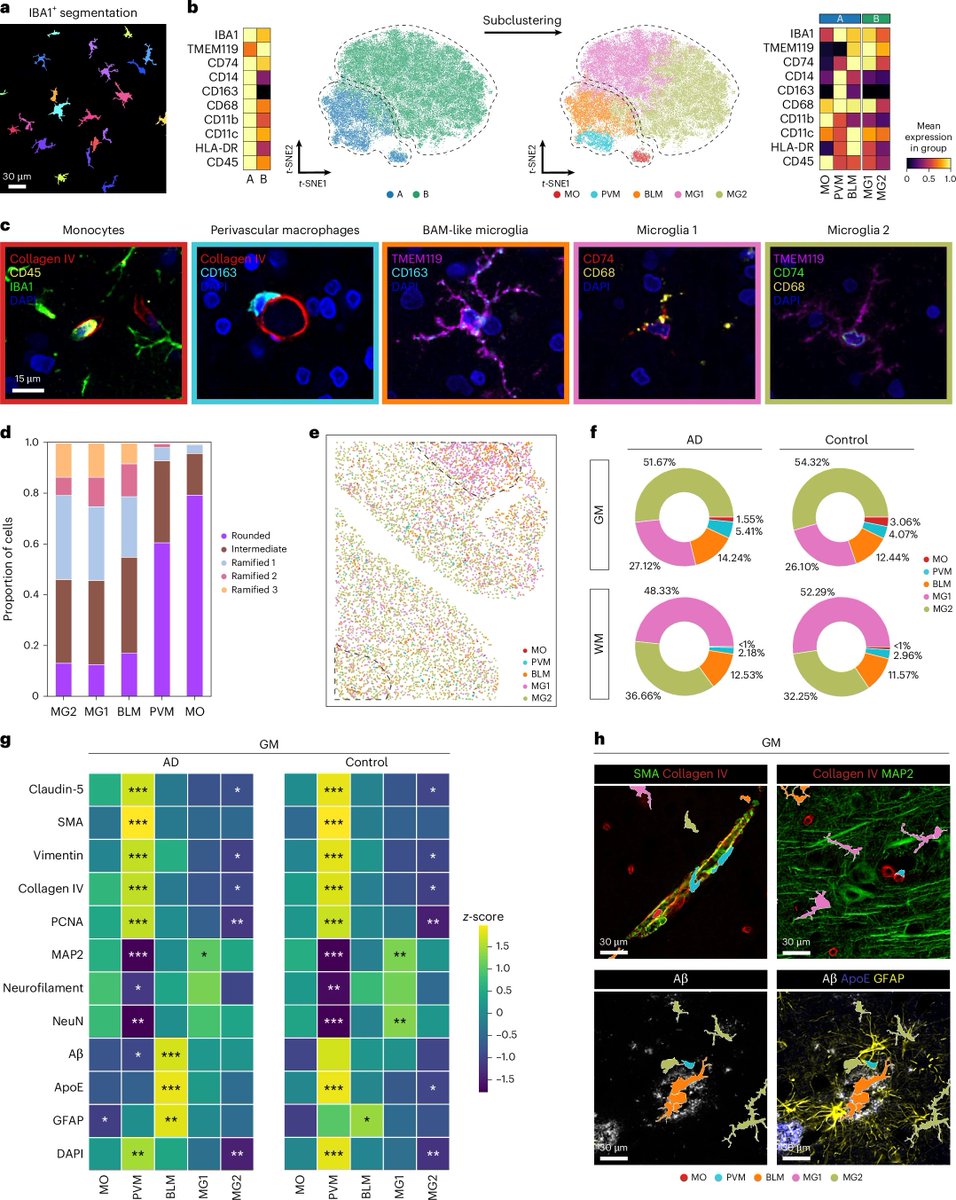
Spatial proteomic analysis in human Alzheimer’s disease brains enables identification of microenvironment-dependent microglial cell states
@NatureNeuro
nature.com/articles/s41593-0…
1
38
97
5,731
Andrew Octavian Sasmita retweeted

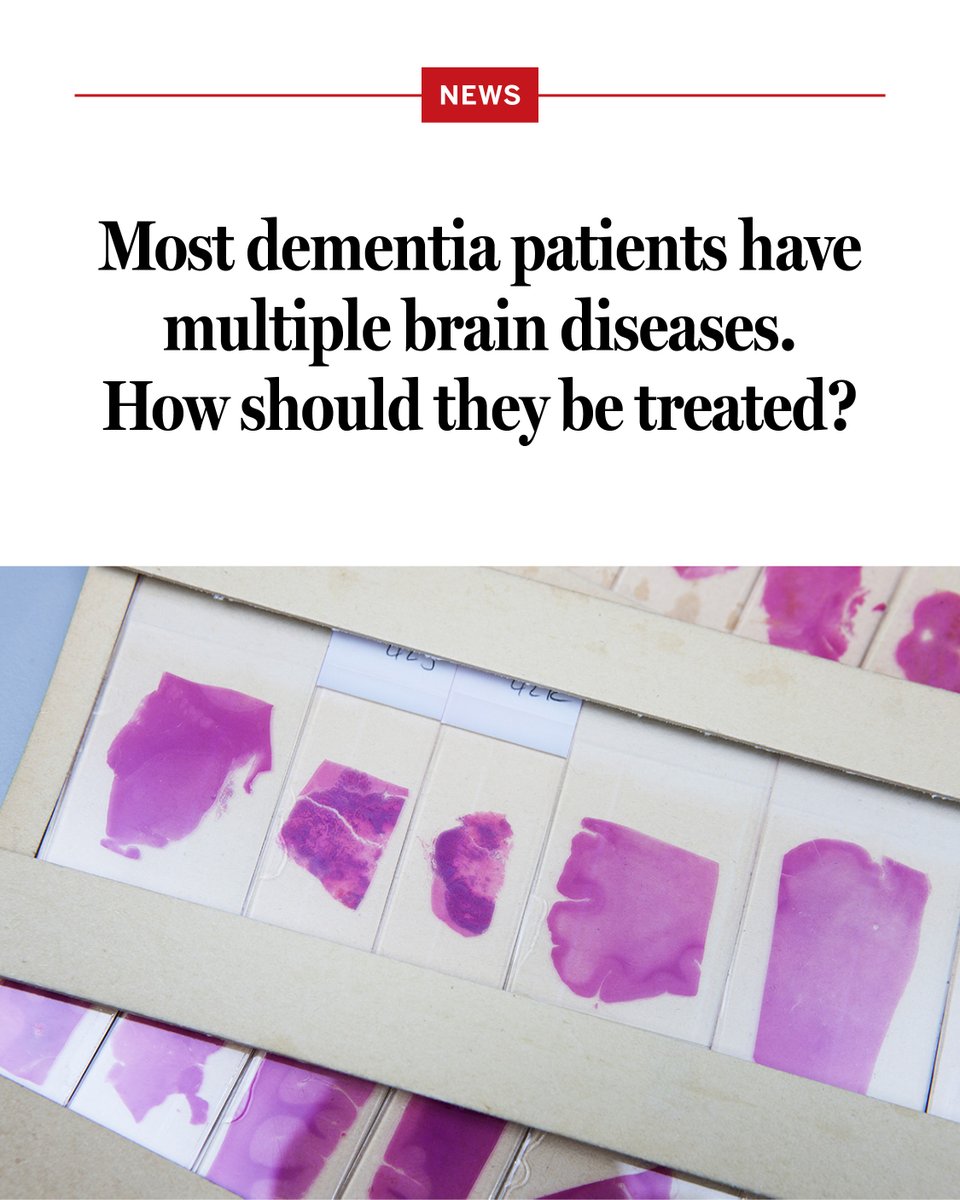
About 20 years ago, neuropathologists began to report an inconvenient finding in the autopsied brains of people with dementia: Most have evidence of more than one disease. Studies since have shown the brains of up to half of people diagnosed with Alzheimer’s disease also have a key feature of Parkinson’s disease—deposits of the protein alpha synuclein. At the same time, up to half of Parkinson’s patients who develop dementia have elevated levels of beta amyloid and tau proteins, hallmarks of Alzheimer’s.
Researchers studying neurodegenerative diseases are catching on to the importance of this phenomenon, often called copathology.
Tests now being developed to pick up multiple biomarkers should give a clearer picture of these mixed pathologies in living patients. And an upcoming clinical trial will be the first to take aim at a common dementia copathology, testing the amyloid-clearing Alzheimer’s drug donanemab in people who have both amyloid in their brains and dementia with Lewy bodies—abnormal clumps of alpha synuclein.
Learn more: scim.ag/42towPR
ALT Most dementia patients have multiple brain diseases. How should they be treated?
2
25
52
6,141
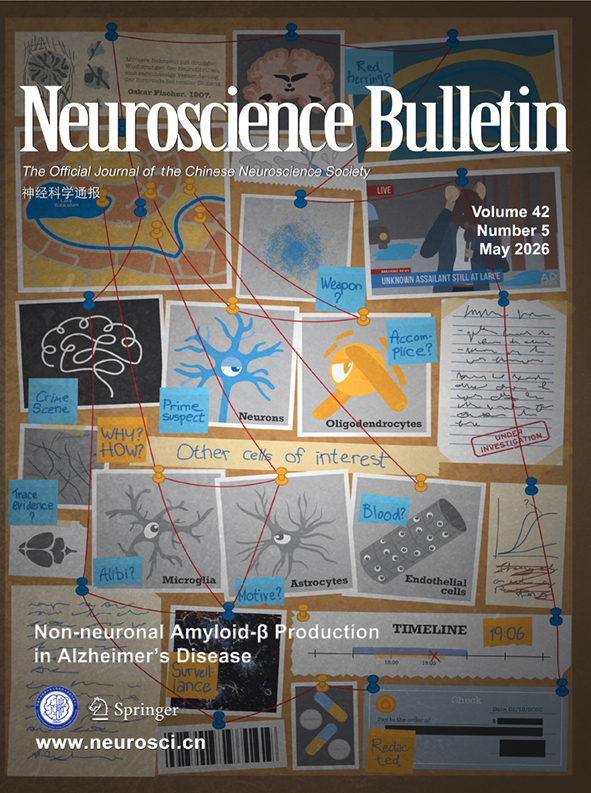
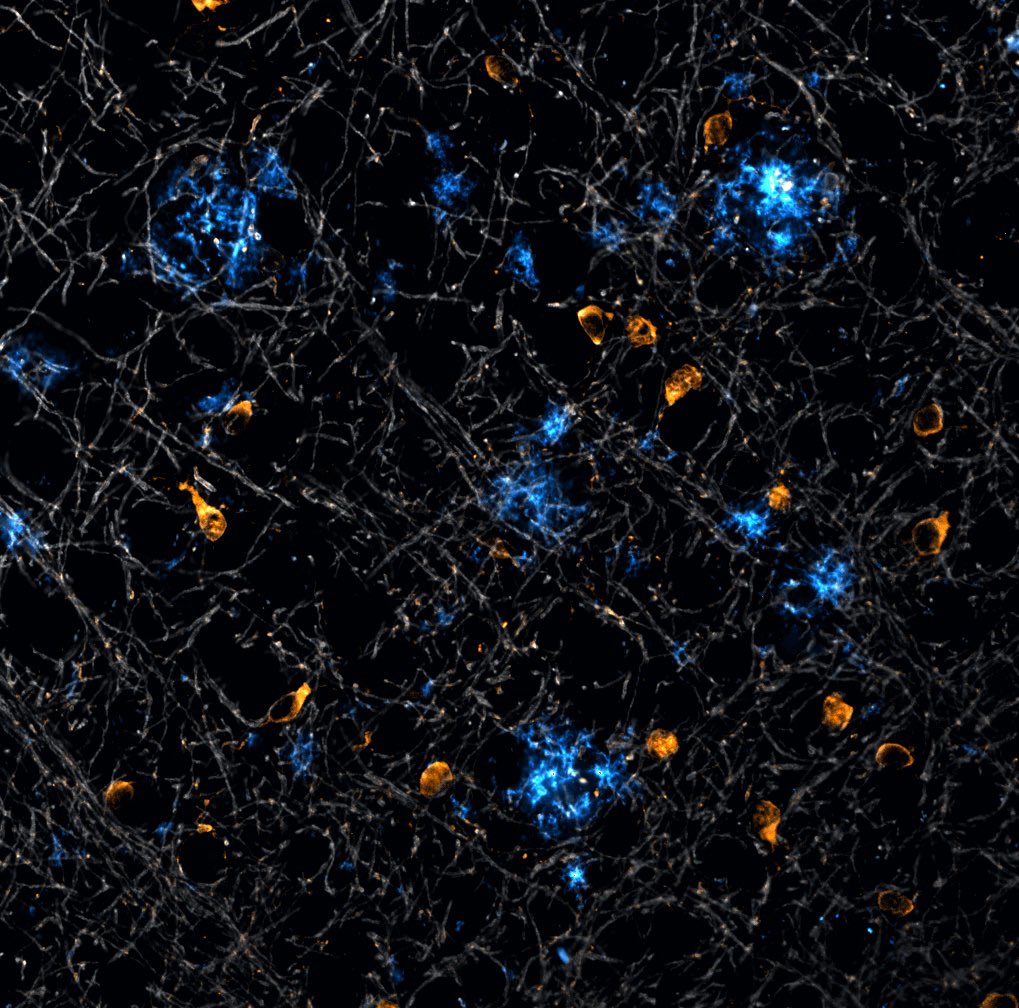
Our review published earlier this year made the cover of the May 2026 issue of Neuroscience Bulletin! ✌️

Where does Aβ come from in Alzheimer’s disease? 🔍
In this review, we explore non-neuronal Aβ production, functions of APP processing, and how targeting non-neuronal Aβ could lead to a more holistic disease prevention/targeting.
With @ConstanzeDepp
link.springer.com/article/10…
2
4
14
1,427